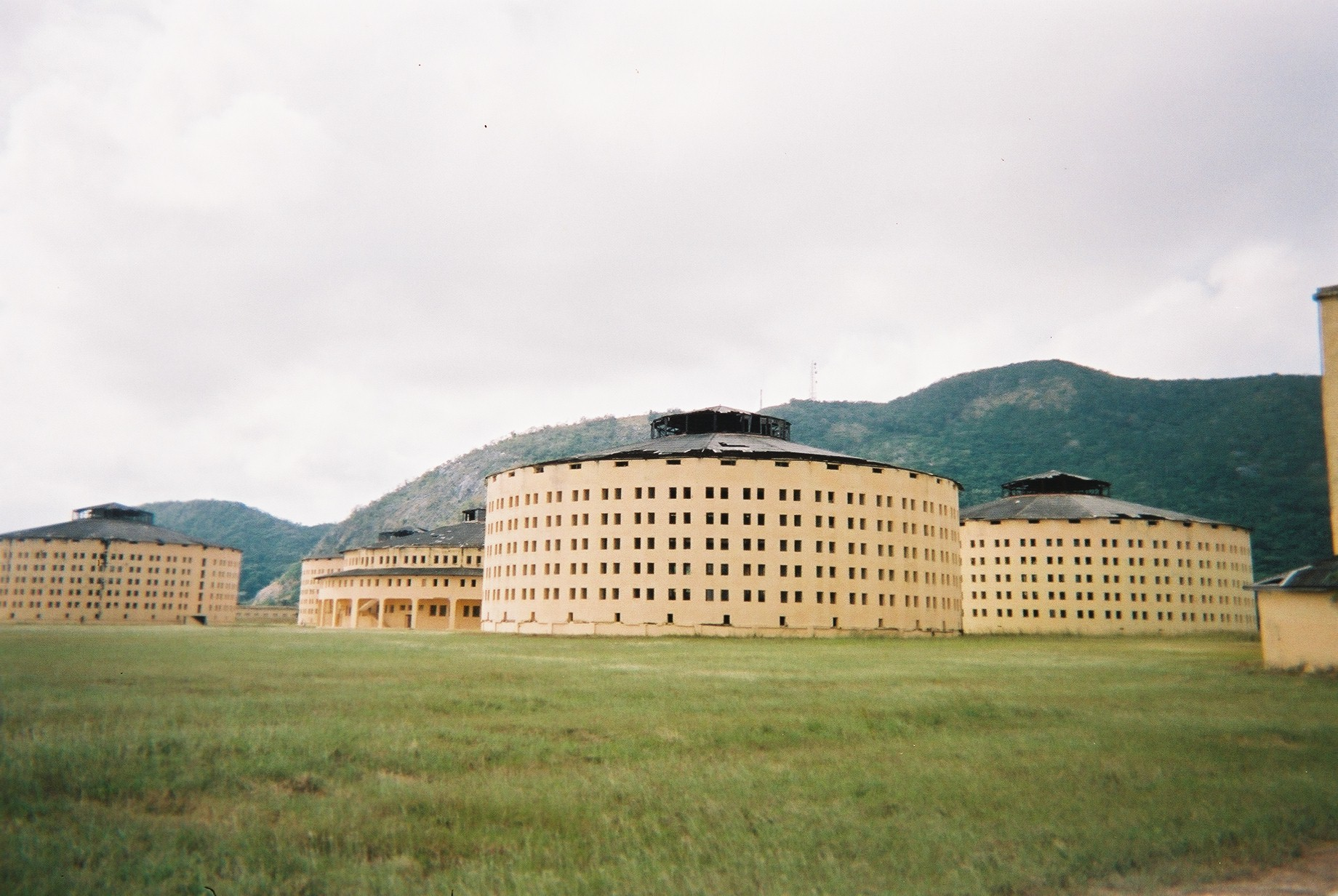
Thirty miles off Cuba’s southern coast, on an island once nicknamed Treasure Island for its association with 19th-century pirates, sit the massive circular ruins of one of the most architecturally unusual prisons ever built in the Western Hemisphere.
An 18th-Century Idea Made Concrete
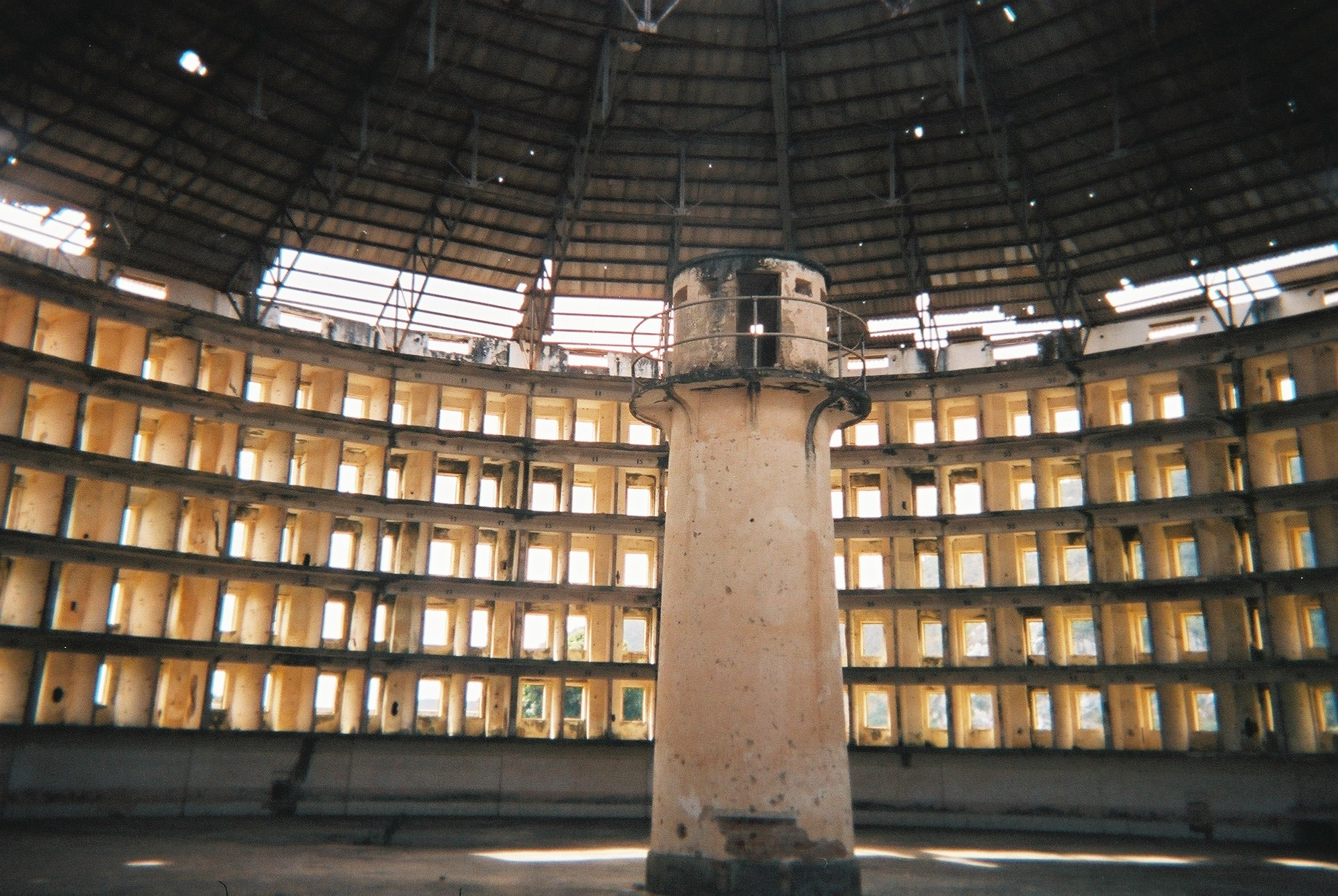
Presidio Modelo’s design traces back to English philosopher Jeremy Bentham, who proposed the panopticon concept in the 1780s: a circular building with cells arranged around a central observation tower, allowing a small number of guards to watch every prisoner simultaneously, or at least leave prisoners uncertain whether they were being watched at any given moment. Built on Isla de Pinos, now called Isla de la Juventud, or Isle of Youth, between 1926 and 1931 under Cuban president-turned-dictator Gerardo Machado, the prison consisted of four to five massive circular blocks, each rising five to six stories around a central watchtower.
Like our content? Follow us for more.
Designed for Efficiency, Remembered for Cruelty
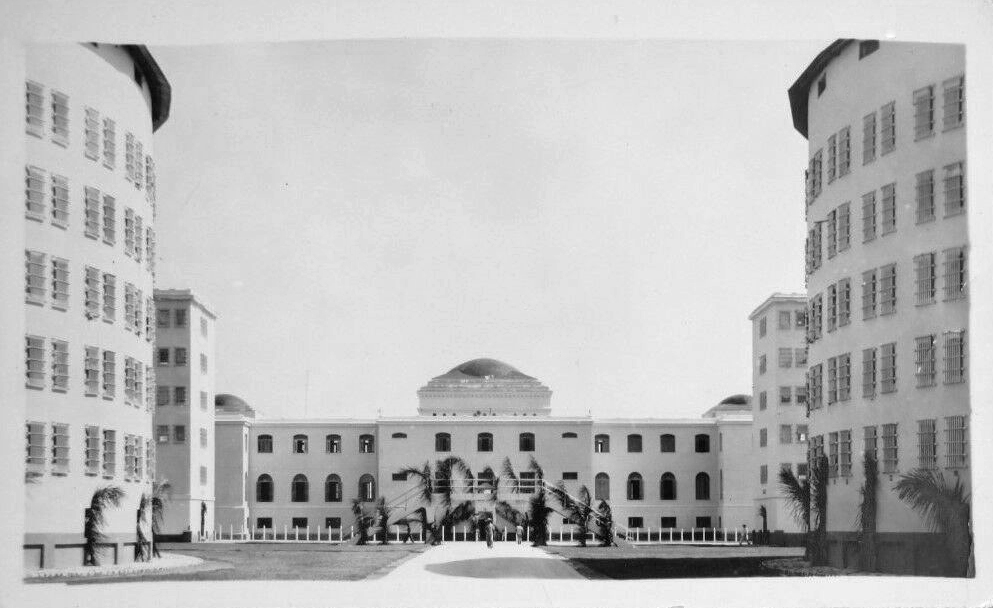
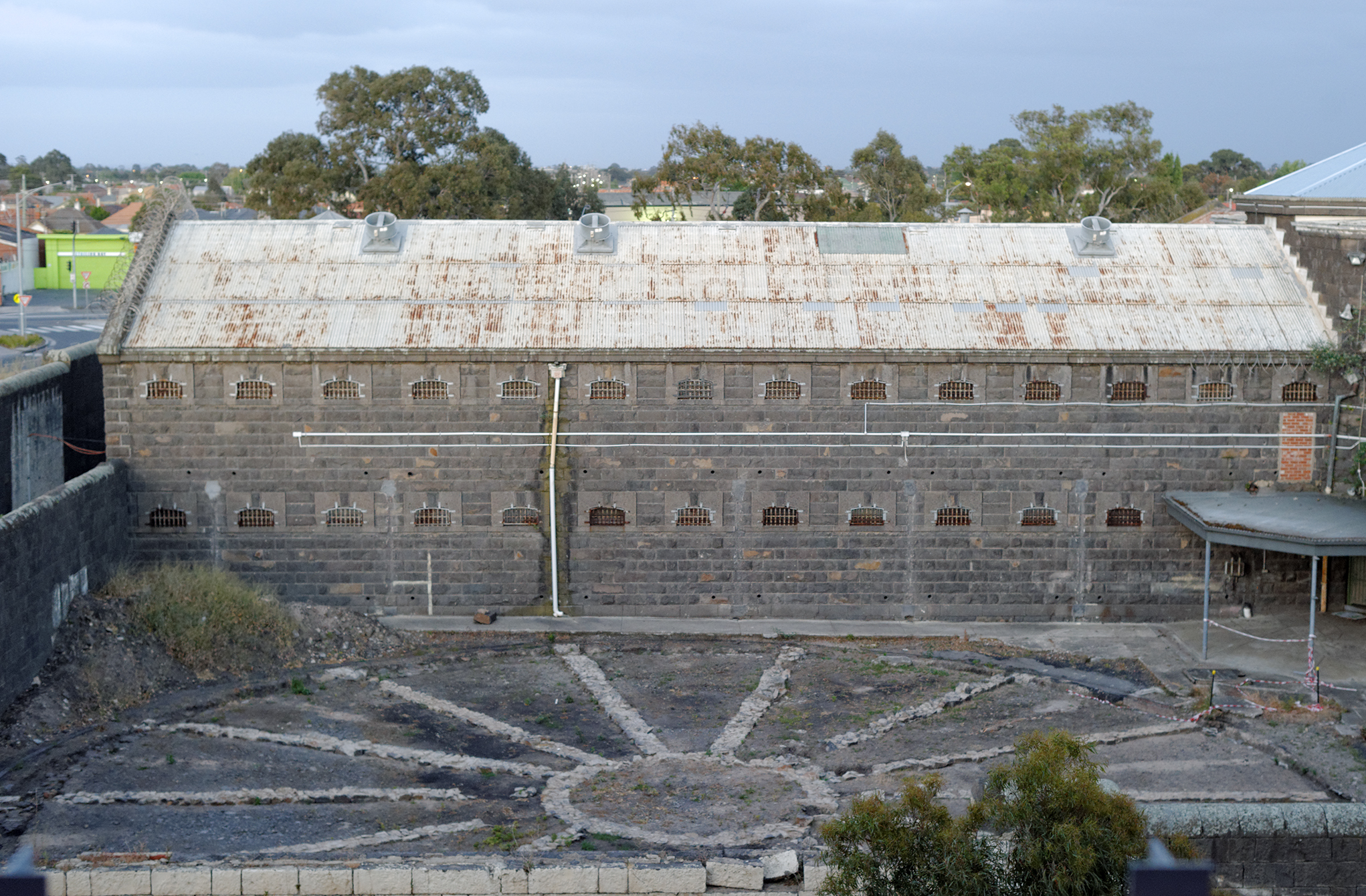
Presidio Modelo was explicitly modeled after the panopticon-style Stateville Correctional Center in Illinois, and its designers considered it the definitive example of efficient prison architecture, capable of housing up to 5,000 prisoners while requiring only a minimal guard staff to monitor them all. The reality proved considerably darker: overcrowding became chronic almost immediately, and conditions inside the circular blocks grew genuinely brutal, cramped, unsanitary, and marked by frequent violence among the very population the panopticon design was meant to control efficiently.
Where Castro Was Once a Prisoner
Presidio Modelo’s most famous chapter began in 1953, when Fidel Castro, his brother Raúl, and other survivors of the failed Moncada Barracks attack were imprisoned there following their conviction. Castro served roughly two years at the prison before his eventual release under a general amnesty in 1955, an imprisonment that later became a significant part of the mythology surrounding the Cuban Revolution he would go on to lead just a few years later.
A New Government, the Same Prison
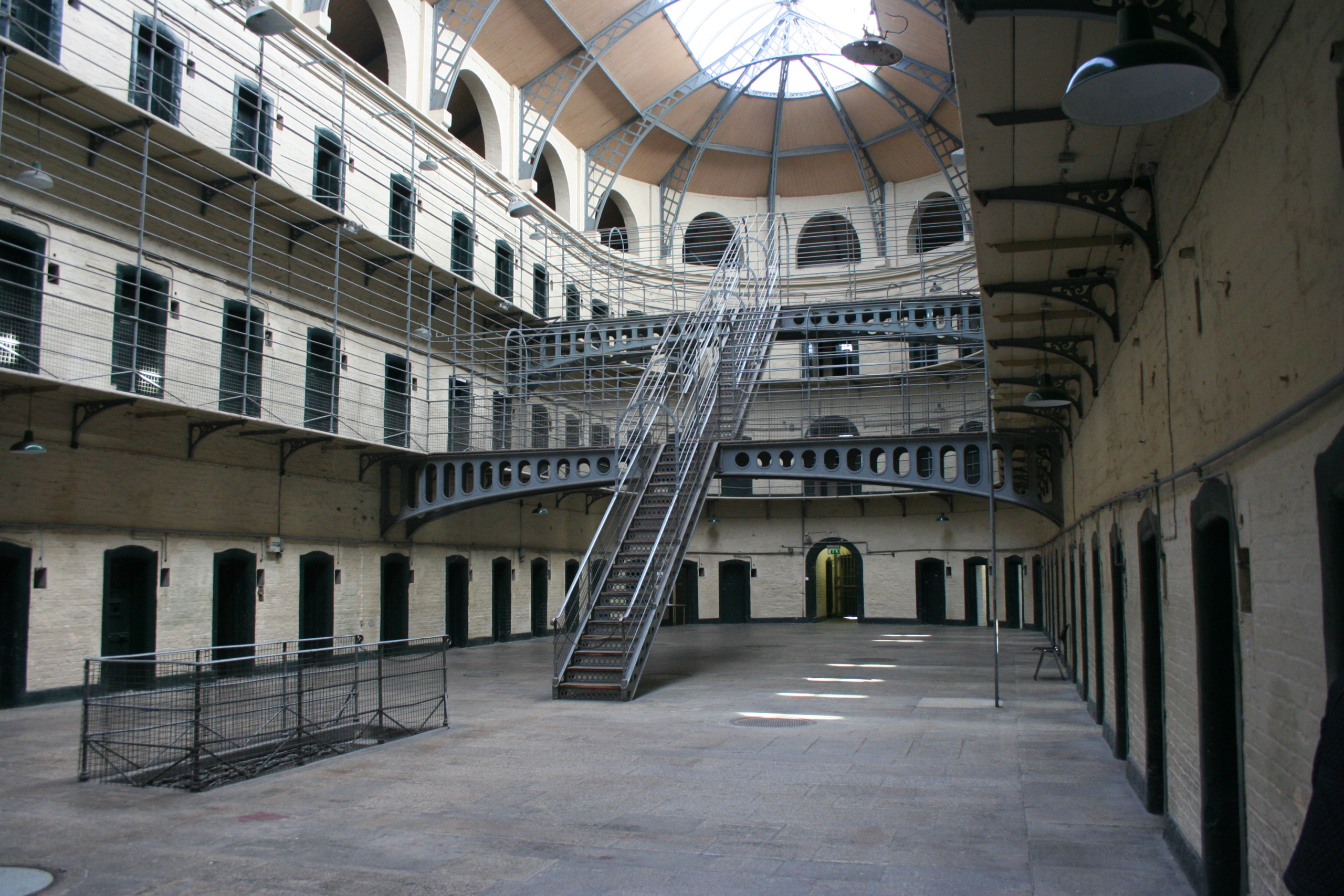
After Castro’s revolution succeeded in 1959, Presidio Modelo continued operating, now used to hold political dissidents, government critics, and others the new socialist state considered enemies, including, according to multiple historical accounts, gay men and Jehovah’s Witnesses targeted under the era’s repressive social policies. By 1961, the prison held somewhere between 6,000 and 8,000 inmates, an extreme overcrowding crisis that led to serious riots and hunger strikes, and by 1967, the Cuban government finally closed Presidio Modelo permanently, transferring remaining prisoners to facilities on the Cuban mainland.
From Prison to Museum
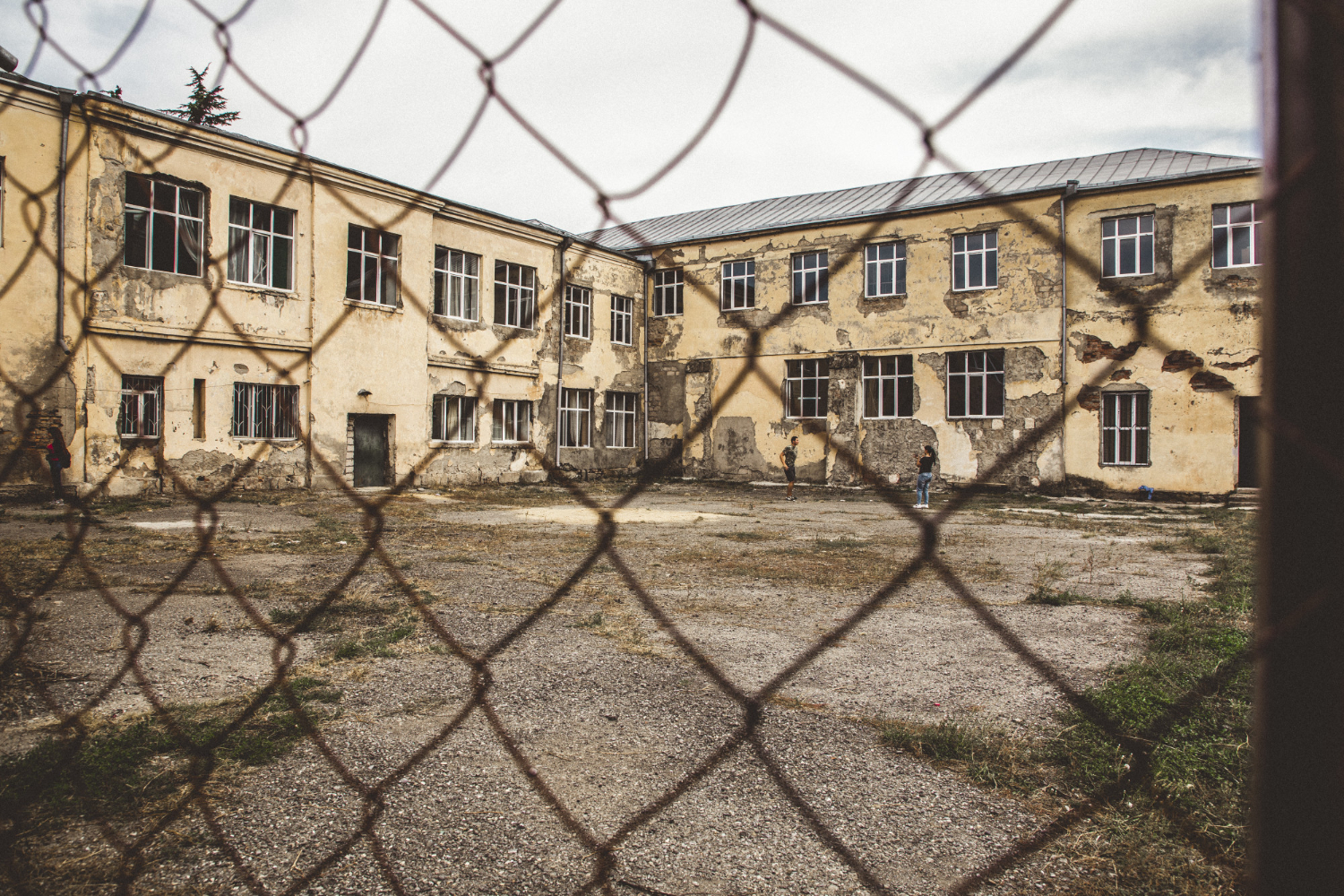
Since its 1967 closure, Presidio Modelo has been designated a national monument, and its former hospital wing now houses a museum documenting the prison’s history and the experiences of prisoners held there across its four decades of operation. The former administration building today serves as a school and research center, a genuine repurposing of the site’s original infrastructure for a considerably different, more constructive institutional use.
What a Visit Actually Looks Like
Reaching Presidio Modelo requires first traveling to Nueva Gerona, Isla de la Juventud’s small capital, accessible only by limited flights or an occasionally unreliable ferry service from the Cuban mainland, making the site a genuinely off-the-beaten-path destination even by Cuban travel standards. Visitors describe the experience as strikingly under-touristed, with the massive circular ruins largely open to unrestricted exploration and a modest museum, presented primarily in Spanish, offering historical context for what remains a genuinely sobering piece of 20th-century Cuban history.
The Island’s Own Unusual History
Isla de la Juventud carries its own layered history well beyond the prison itself, the island was once known as Treasure Island, a nickname tied to its historical association with Caribbean pirates, and some literary historians believe it influenced both Robert Louis Stevenson’s classic novel and elements of J.M. Barrie’s Peter Pan. That legacy of literary inspiration and pirate lore stands in genuine contrast to the island’s more somber 20th-century history as the site of one of Cuba’s most significant prisons.
Why the Panopticon Design Ultimately Failed
Bentham’s original panopticon concept envisioned a self-regulating population, prisoners who behaved well simply because they could never be certain whether a guard was watching them at any given moment. In practice at Presidio Modelo, chronic overcrowding overwhelmed whatever psychological effect the design was meant to achieve, and rather than producing quiet order, the circular blocks instead became sites of genuine chaos, violence, and eventually the very riots that forced the government to shut the facility down entirely.
A Monument to a Radical Idea’s Real Consequences
Presidio Modelo’s story, an 18th-century philosopher’s efficient design taken to its extreme, a revolutionary leader’s own imprisonment there, and its eventual use to hold a later government’s own political prisoners, makes it one of the most historically layered and genuinely unusual destinations in the Caribbean. For travelers interested in architecture, political history, or simply the strange places where the two intersect, Presidio Modelo offers a rare, unfiltered look at a building whose radical design ultimately outlived every government that used it.
Like our content? Follow us for more.