The Palacio de Sal sits at the eastern edge of Salar de Uyuni in Bolivia — the world’s largest salt flat. Every wall, ceiling, floor, bed, chair, and decorative sculpture in the hotel is built from approximately one million 14-inch salt blocks cut directly from the surrounding salt flat. The hotel exists because conventional building materials are essentially unavailable in this remote Andean location. The unique construction comes with one specific rule that’s strictly enforced for structural reasons: no licking the walls. Here’s how a hotel made entirely of salt actually works.
1: The World’s Largest Salt Flat
The Salar de Uyuni in southwest Bolivia is the world’s largest salt flat — 10,582 square kilometers (4,086 square miles) of essentially flat white salt at an altitude of 3,656 meters (11,995 feet) in the Andes mountains. The salt flat formed when ancient lakes evaporated, leaving behind a salt crust averaging several meters thick. The total salt deposit contains approximately 10 billion tons of salt and approximately 60% of the world’s known lithium reserves.
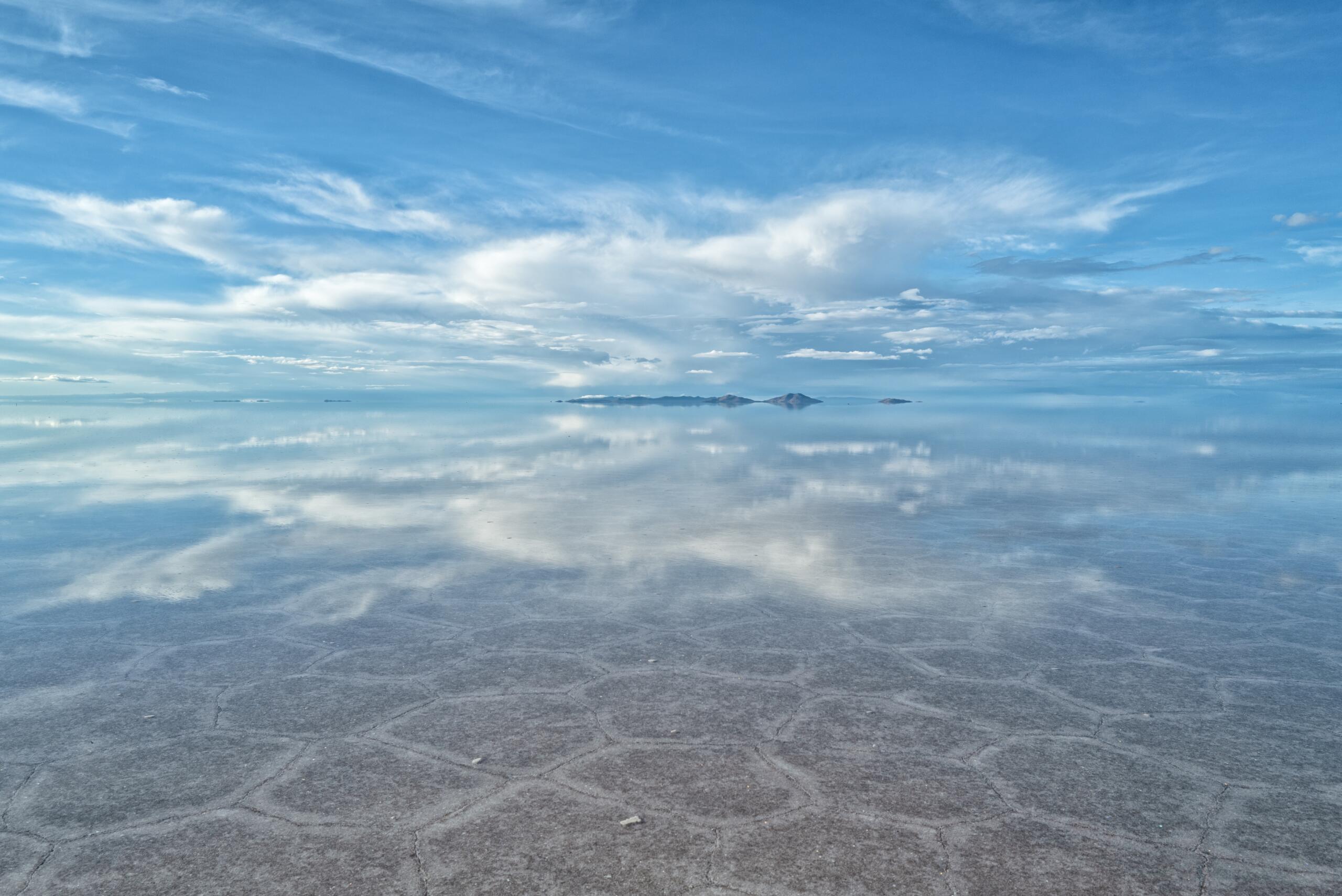
The salt flat’s flatness is genuinely extreme — surface variation across the entire 10,000+ square kilometers averages less than one meter. The surface is so flat that NASA uses it for satellite calibration. During the dry season, it’s a brilliant white plain. During the wet season (December-April), a thin water layer creates a perfect mirror reflecting the sky.
2: A Place With No Building Materials
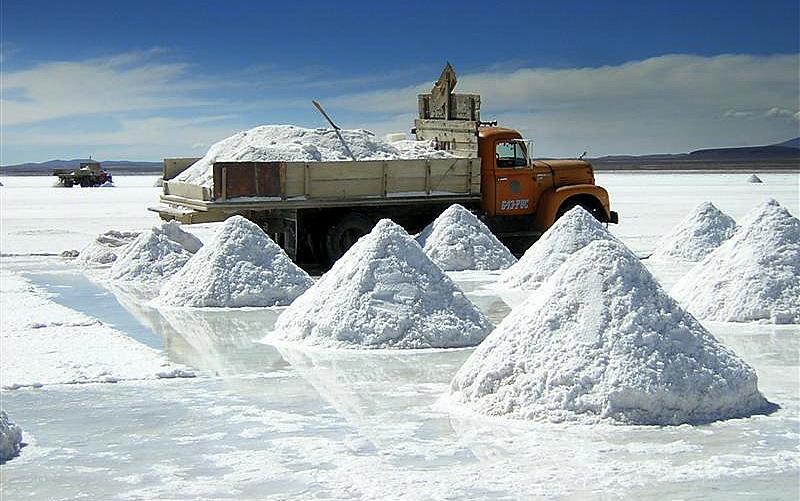
The Salar de Uyuni’s location creates a specific construction problem. The region is remote — approximately 350 km south of La Paz, requiring substantial overland transportation for any imported materials. The altitude is high (nearly 12,000 feet), making construction logistics complicated. The terrain is extreme — endless salt flats surrounded by mountains and high desert. Transporting cement, steel, wood, or other conventional building materials is enormously expensive.
But one material is essentially unlimited and free: salt. The salt flat itself contains essentially infinite quantities of high-quality construction-grade salt. Local builders realized this could solve the materials problem completely. If you can’t ship in conventional materials affordably, build with what’s locally available — which means building everything from salt.
3: The First Salt Hotel (1993-1995)
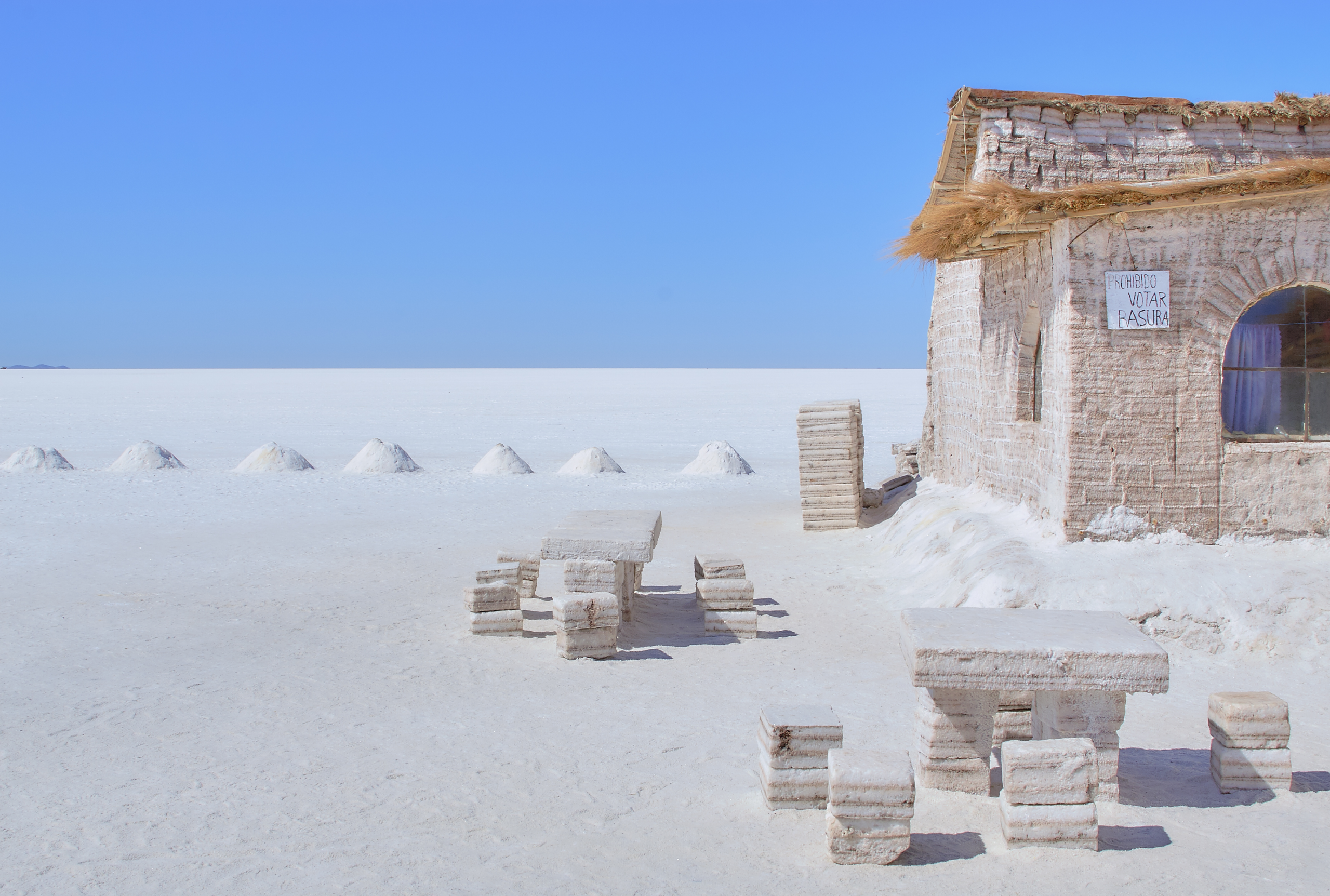
The original salt hotel concept was developed by Bolivian hotelier Juan Quesada Valda. Construction occurred between 1993 and 1995 directly in the middle of the Salar de Uyuni — actually on the salt flat itself. The hotel was built using approximately one million salt blocks cut from the surrounding flat. The structure included rooms, public areas, and basic amenities. Tourists who came to see the salt flats finally had a place to stay overnight.
The original hotel succeeded as a tourist destination but failed at sanitation. The location in the middle of the salt flat made waste management essentially impossible — there was no infrastructure to handle sewage in a way that protected the surrounding salt flat ecosystem. Bolivian environmental authorities eventually forced the original hotel to close due to these unresolved sanitation issues.
4: The 2007 Replacement
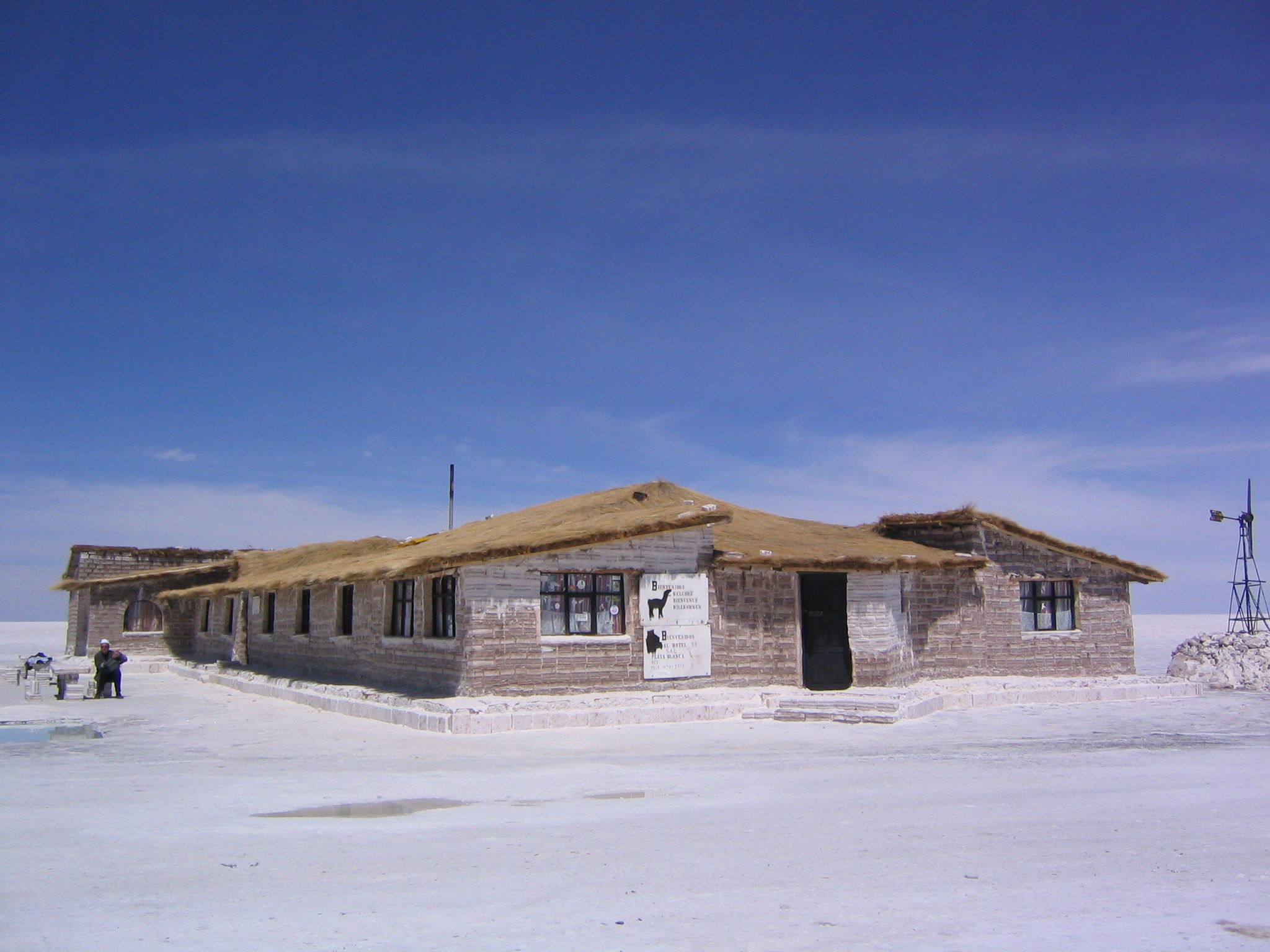
In 2007, Quesada and partners opened a replacement: the new Palacio de Sal, located on the eastern edge of the Salar de Uyuni rather than in its middle. The new location, near the village of Colchani, allowed proper connection to sanitation infrastructure while maintaining proximity to the salt flat itself. The new hotel was designed to comply with environmental regulations from the start.
The construction approach remained consistent with the original. Approximately one million 35-cm (14-inch) salt blocks were cut from the salt flat. Walls, floors, ceilings, beds, tables, chairs, decorative sculptures, and various other elements were all constructed from these salt blocks. Some wooden elements were incorporated for structural reinforcement and walkways, but the dominant material remained salt. The total construction created over 4,500 square meters of salt-built hotel space.
5: The Igloo-Domed Bedrooms
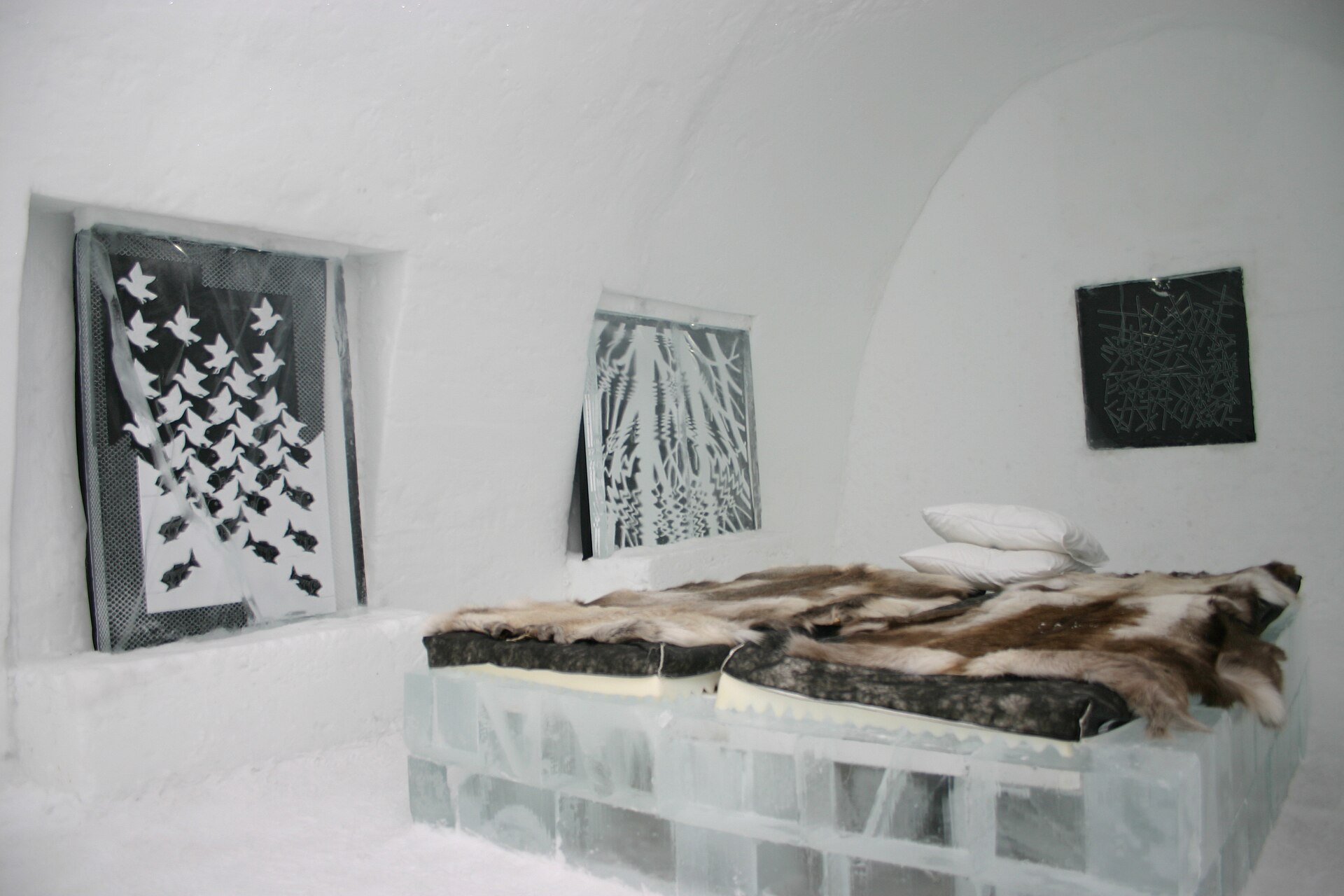
The hotel’s most distinctive architectural element is its bedrooms — built with igloo-style domed roofs constructed from salt blocks. The dome design was inspired by traditional shelters of the Chipaya culture, an indigenous Andean people who have lived on the Bolivian altiplano for centuries. The traditional Chipaya shelters used pointed roofs that the salt domes echo.
The hotel currently has approximately 30 rooms — standard, VIP, and suite categories. Standard rooms are typically twin beds, while VIP rooms include double beds and additional living space. Each room has private bathroom (with conventional plumbing despite the salt construction), heating (essential at the high altitude), and electricity. Room rates typically run $140-$200+ per night depending on category and season. The combination of unique architecture and limited capacity makes advance booking essential.
6: The Strict “No Licking the Walls” Rule
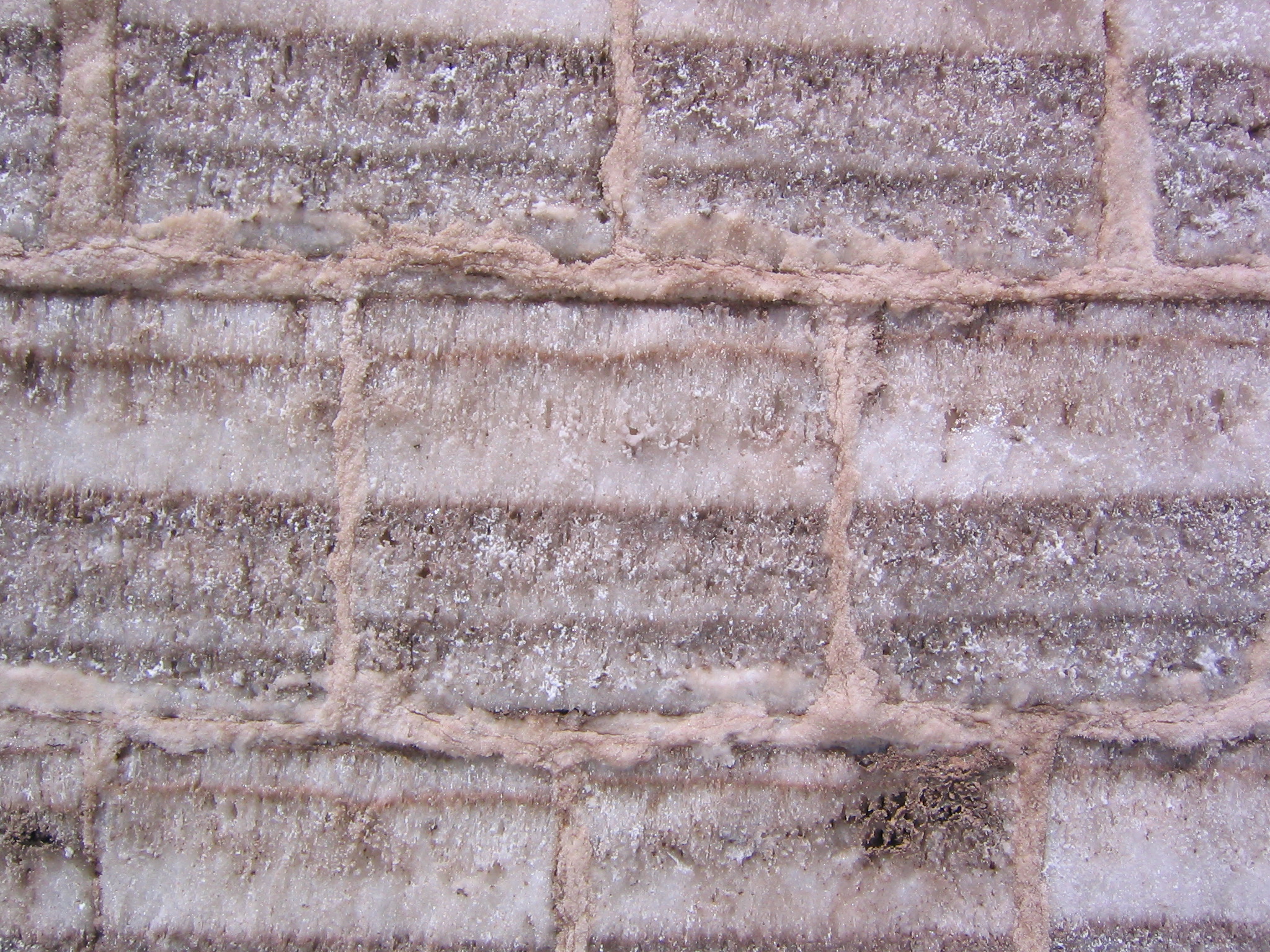
Salt block construction has one specific vulnerability: human saliva. Saliva contains substantial water and slight acidity that can dissolve salt rapidly. A single guest licking a wall can produce visible damage. Multiple guests over time would compromise structural integrity.
The hotel maintains strictly enforced “no licking the walls” rules. Guests are explicitly informed about this restriction during check-in. Staff monitor for violations. The rule exists for genuine structural reasons rather than arbitrary policy — the hotel literally depends on guests not licking it. Travel publications consistently note this rule as one of the hotel’s most distinctive features. The fact that the rule exists at all reveals something specific about the unusual challenges of salt construction.
7: The Salt Maintenance Challenge
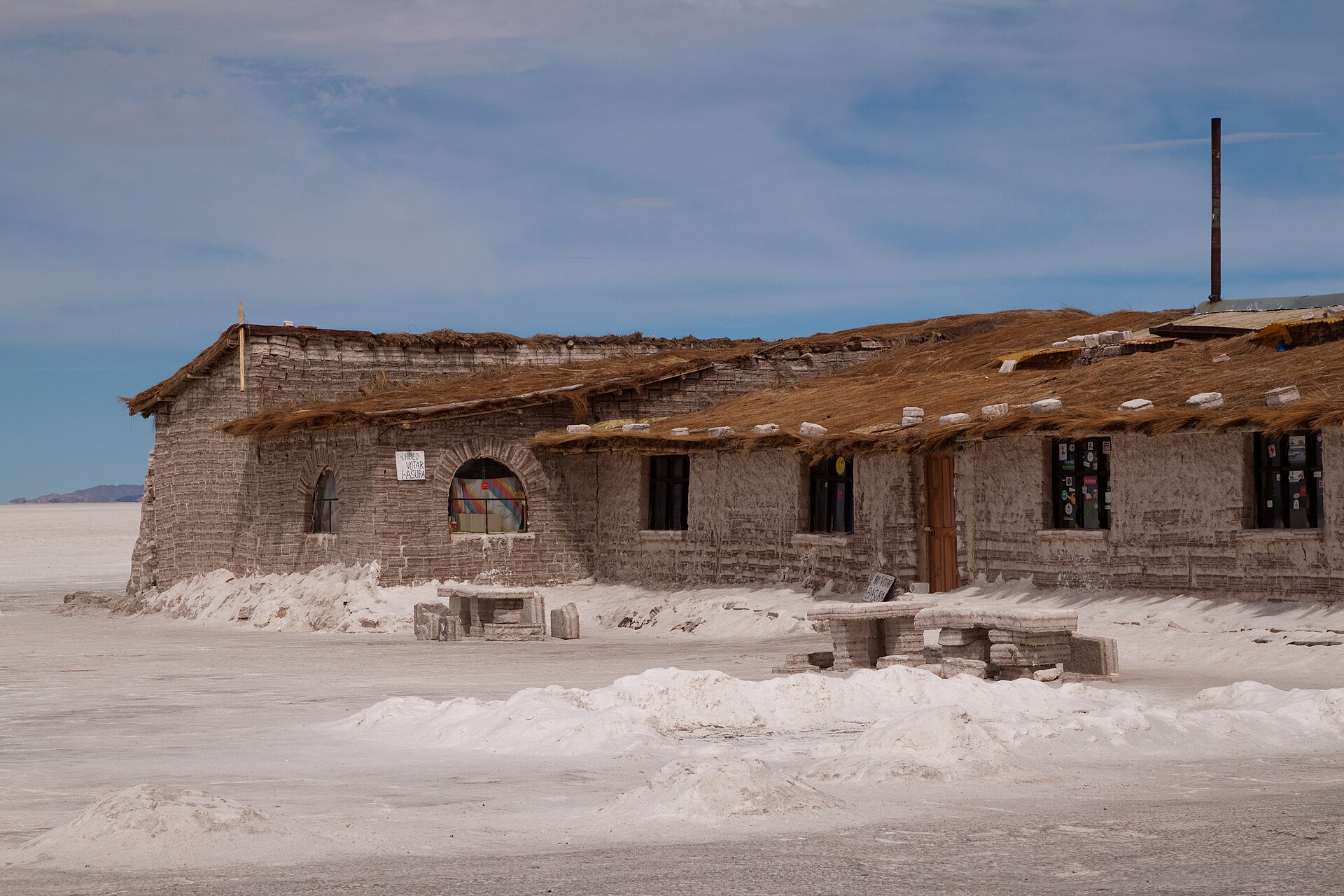
The salt construction requires ongoing maintenance that conventional buildings don’t need. Hotel staff repeatedly shave down salt walls to maintain sculpted appearance and remove accumulated minor damage. Salt walls can develop slight discoloration, surface roughness, or other appearance issues that require periodic attention. The maintenance is genuinely substantial — one of the ongoing operational requirements of running a hotel built entirely of salt.
The hotel also has a specific structural lifespan. Salt construction in the Bolivian climate has a typical service life of approximately 10-15 years before substantial reconstruction becomes necessary. Rain causes gradual disintegration. The hotel essentially needs to be rebuilt periodically as the salt blocks degrade. The current Palacio de Sal has been operational since 2007, with periodic maintenance and reconstruction maintaining its structural integrity through its nearly 20 years of operation.
8: The Salt Spa and Pool
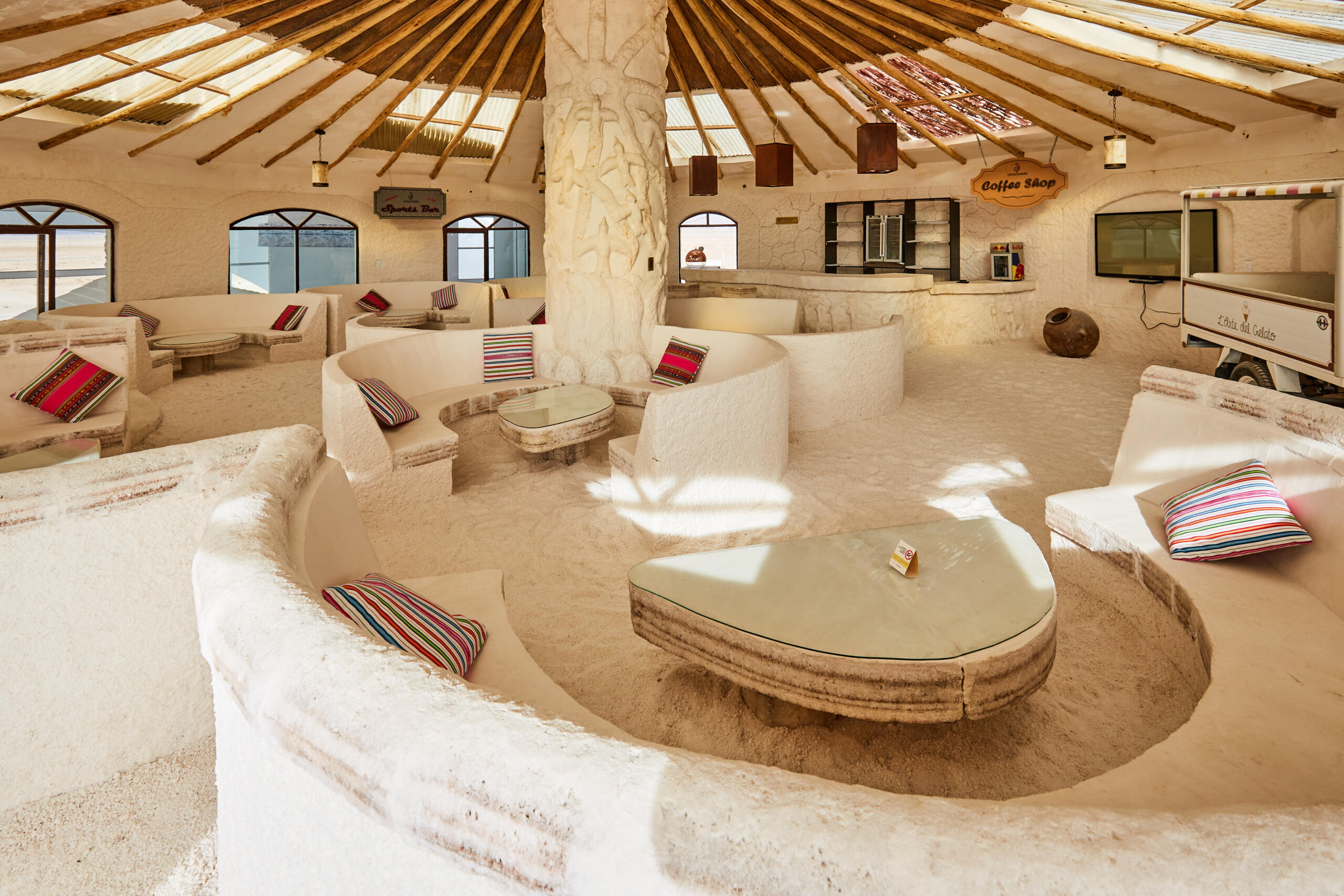
The hotel includes amenities that take advantage of its salt construction in specific ways. A dry sauna and steam room. A saltwater swimming pool. Salt beds for traditional therapy. Whirlpool baths. Massage facilities. All built within the salt-block structure.
The salt environment is claimed to have specific health benefits — respiratory benefits from the salt air, skin benefits from saltwater immersion, general therapeutic effects from the high mineral content. The traditional health claims have varying scientific support but provide additional appeal for guests interested in wellness aspects of the experience. Modern halotherapy (salt therapy) has substantial popularity in Eastern European spa traditions and is incorporated into Palacio de Sal’s spa offerings.
9: The Salt Golf Course
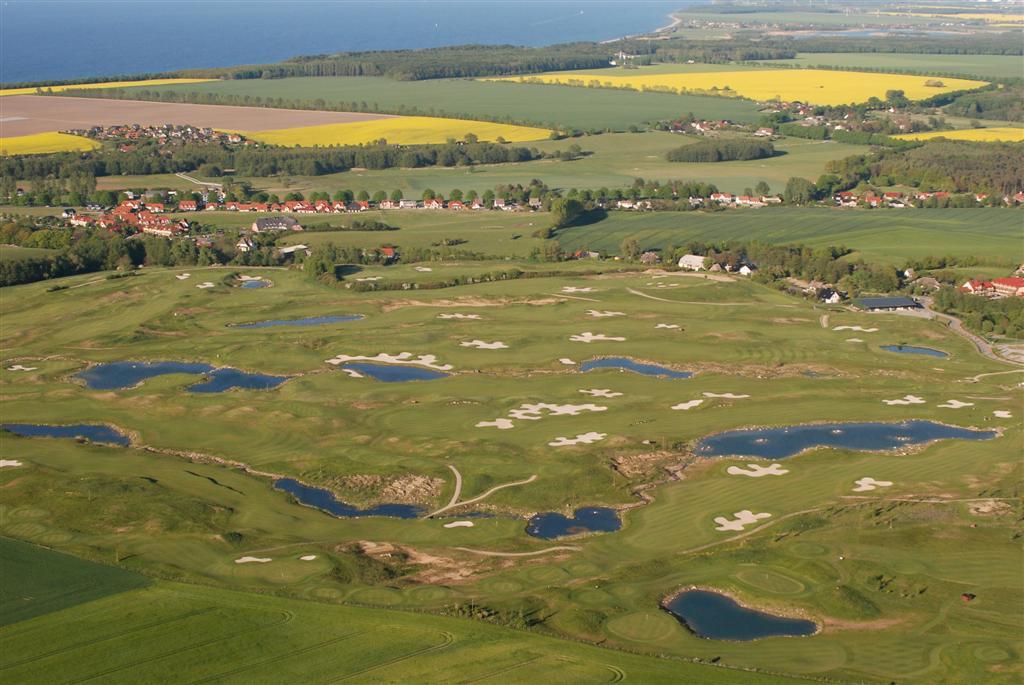
One particularly unusual amenity: a 9-hole golf course built on the salt flat itself. The course operates from May through November (the dry season). The “greens” are actually compressed salt rather than grass. The fairways are open salt flat. The hazards include salt formations and various other natural features unique to the location.
The course requires advance arrangement — typically a month before arrival — and isn’t standard hotel amenity. The unique playing conditions produce genuinely different golf experience compared to conventional courses. White golf balls don’t work well against the salt background; specialty colored balls are typically used. The novelty value substantially exceeds the actual golf quality, but for golf enthusiasts visiting the salt flats, the opportunity to play golf on a salt course is essentially unavailable anywhere else in the world.
10: The Surrounding Attractions
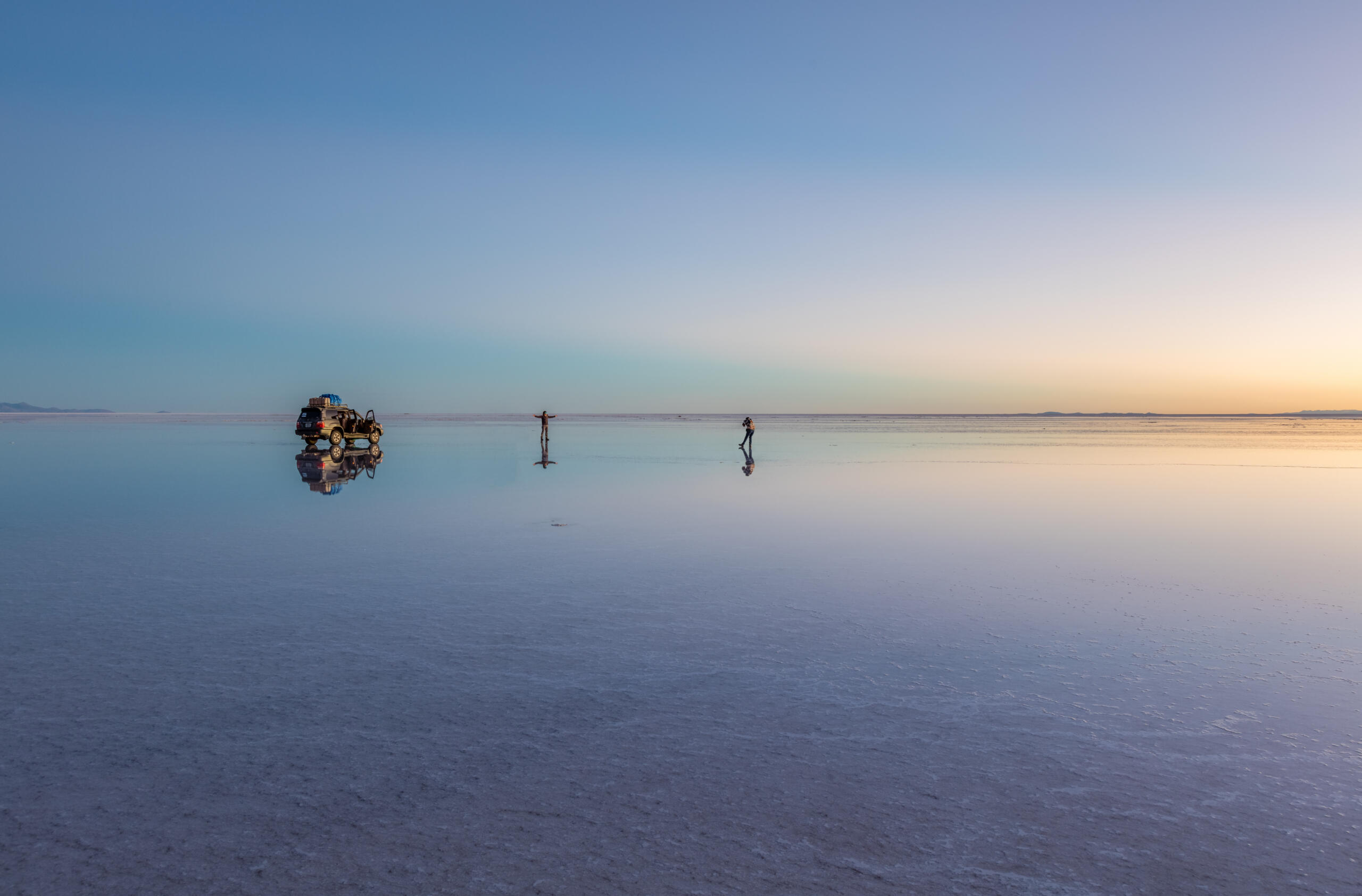
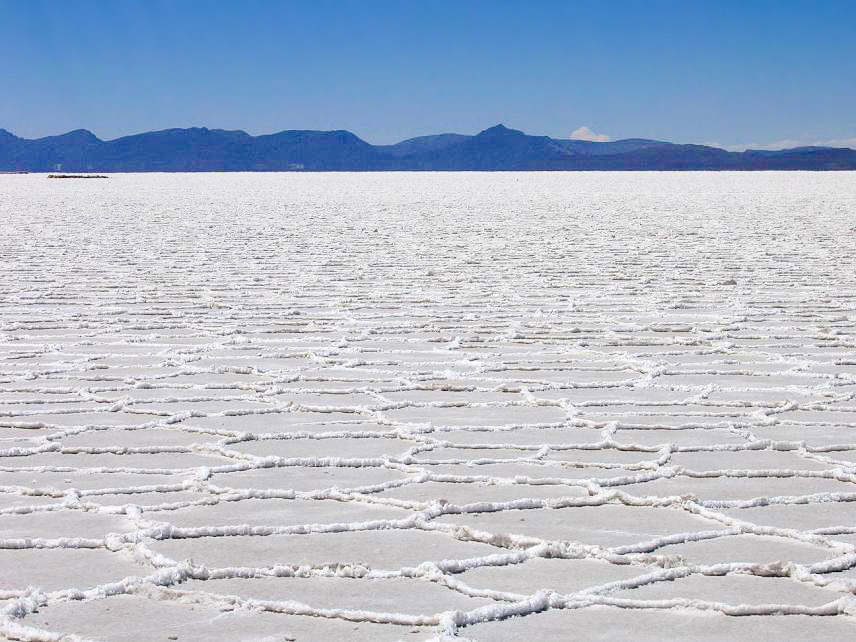
Beyond the hotel itself, Salar de Uyuni offers substantial attractions for visitors. The salt flat itself during wet season produces the famous mirror effect — water-covered surface reflecting clouds and sky perfectly, allowing photographs that appear to show people walking on clouds. During dry season, the salt creates dramatic geometric patterns and pure white expanses extending to every horizon.
Other regional attractions include: Incahuasi Island (a rocky outcrop in the salt flat covered with massive ancient cacti), the Train Cemetery near Uyuni town (abandoned 19th-century British-built locomotives), the colored lagoons of Eduardo Avaroa Andean Fauna National Reserve (with substantial flamingo populations), various geothermal areas, and dramatic landscapes throughout the surrounding altiplano. Most visitors combine hotel stays with multi-day tours covering these attractions.
11: Practical Visit Information
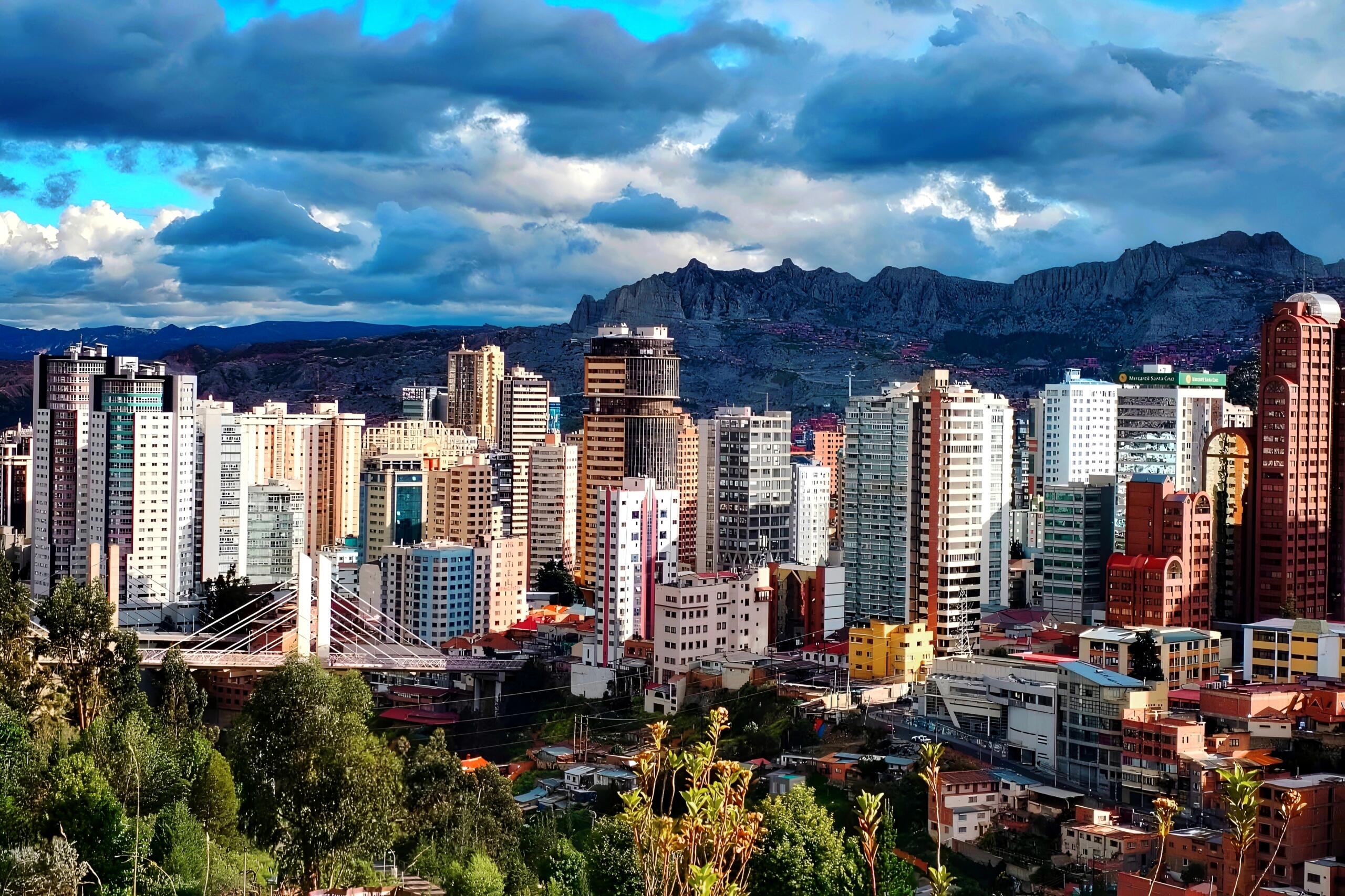
Reaching Palacio de Sal requires substantial logistics. Most visitors fly into La Paz (Bolivia’s capital), then take overland transportation to the Uyuni region. The trip from La Paz can be done by bus (overnight, approximately 10 hours) or domestic flight to Uyuni airport plus shorter ground transportation. Independent travel is possible but most visitors book through tour operators that handle all logistics.
The town of Uyuni serves as the regional hub. The hotel is approximately 25 km from Uyuni, accessible by private taxi (typically $35-40 each way) or arranged hotel transfers. There is no public transportation directly to the hotel. The high altitude (nearly 12,000 feet) requires acclimatization for visitors not accustomed to such elevations. Many visitors experience some altitude effects requiring rest periods. Standard recommendations apply: drink substantial water, avoid alcohol initially, eat lightly, and rest when needed.
12: The Other Salt Hotels
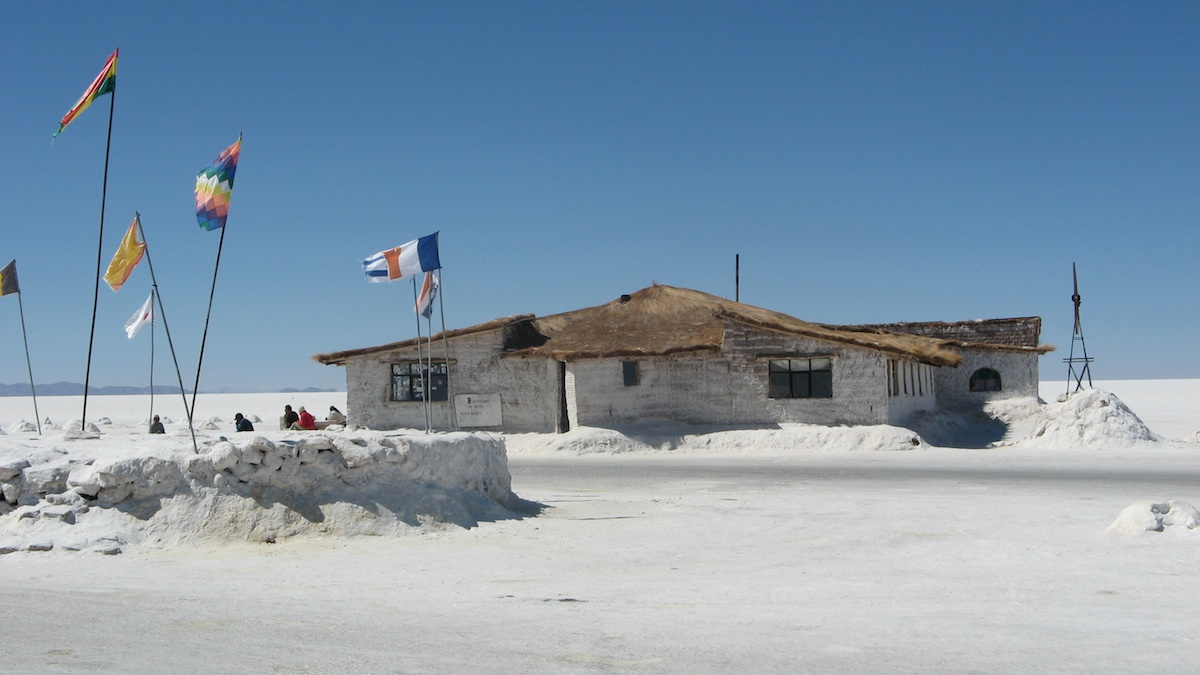
Palacio de Sal is famous as the original and most iconic salt hotel, but it’s no longer unique. Several other salt hotels have opened in the Salar de Uyuni region, including Hotel de Sal Luna Salada and Hotel Cristal Samaña. Each offers similar concept (rooms built from salt blocks) with varying levels of luxury and pricing. Tour operators sometimes include different salt hotels depending on package selection.
The growth of salt hotels reflects broader tourism development in the region. Salar de Uyuni has become one of South America’s premier tourist destinations over the past two decades. Multi-day tours from Uyuni typically cost $250-500+ per person and include transportation, guides, meals, and various activities. Salt hotel stays add substantial additional cost but provide the distinctive accommodation experience that mainstream hotels cannot replicate.
What Palacio de Sal Actually Represents
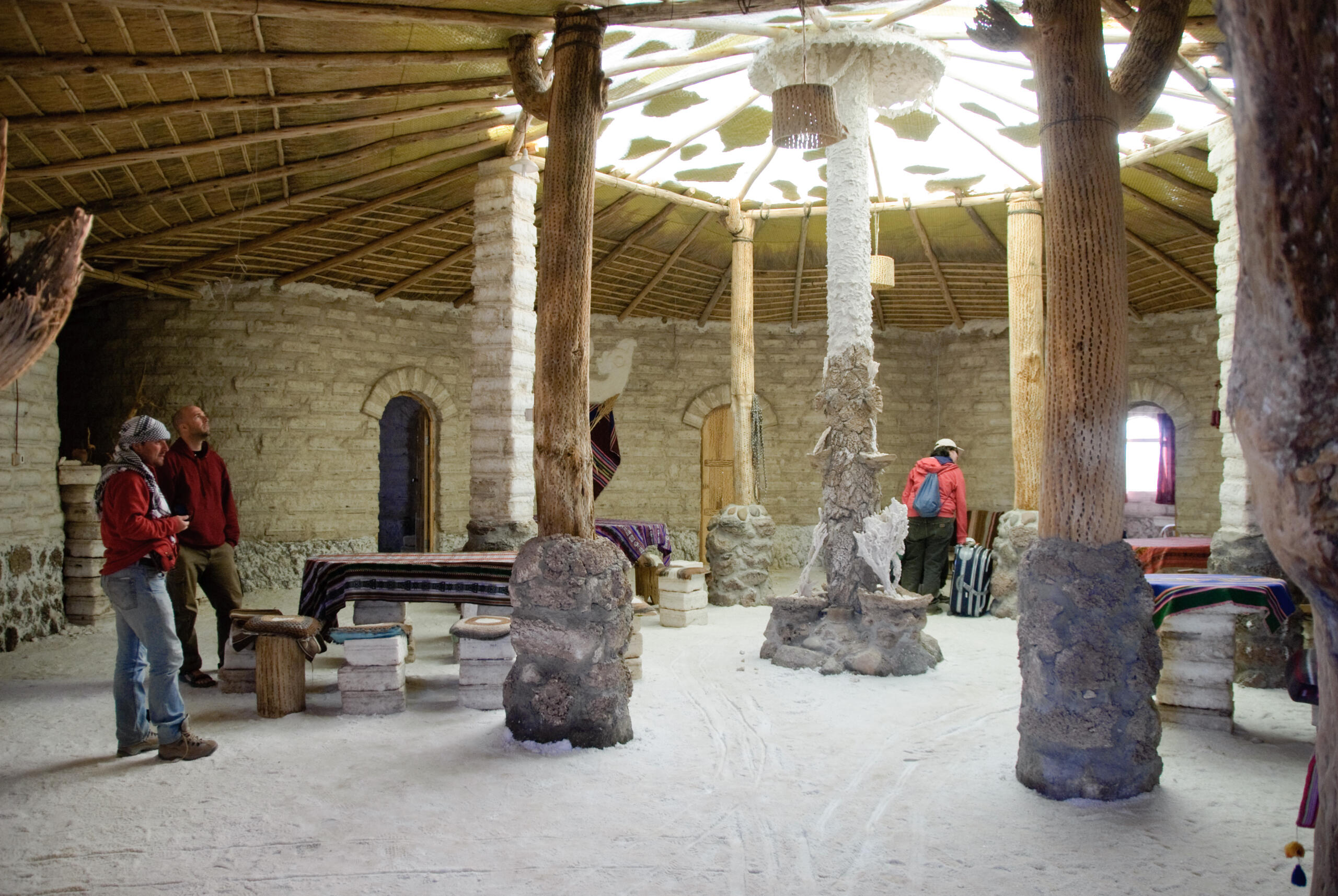
The Palacio de Sal represents what’s possible when builders work with locally available materials in extreme environments. The hotel exists because conventional construction was economically impossible in this remote location. The solution — building everything from salt — produced a structure that works practically (provides accommodation), aesthetically (creates a uniquely beautiful environment), and economically (uses essentially free local materials). The strict “no licking” rule, the maintenance requirements, the periodic reconstruction needs, and the various other unusual challenges are all consequences of the basic approach. For visitors, Palacio de Sal provides experience genuinely unavailable anywhere else: sleeping in a hotel constructed entirely from salt blocks, in a location where the surrounding landscape extends to every horizon as pure white salt. The combination represents a specific kind of travel experience that exists nowhere else in the world.