The typical American house of 1962 was built, furnished, and operated in ways that would not pass a single modern safety inspection. The walls were insulated with asbestos. The paint was loaded with lead. The wiring ran through cloth-wrapped conductors with no ground. The medicine cabinet held products since pulled from the market, and the family car sat in a garage with no carbon-monoxide detector anywhere in the house. None of this struck anyone as dangerous at the time. These were simply the materials and conventions of mid-century American homebuilding, used by reputable builders and bought by careful families. The hazards were identified only later, through research and a string of tragedies that prompted the building codes and consumer-protection rules we now take for granted. Here are fourteen ordinary features of a 1962 American home that today’s inspectors, codes, and regulators would flag immediately.
1. Asbestos in Nearly Everything

The 1962 American home contained asbestos throughout — in pipe insulation, floor tiles, ceiling textures, roofing, siding, and around the furnace. Asbestos was prized for its fire resistance and durability, and builders used it liberally. The link between asbestos exposure and mesothelioma and lung cancer was not widely acted upon until the 1970s. The EPA began restricting asbestos and finalized a comprehensive ban on chrysotile asbestos in 2024. A 1962 home today requires professional asbestos assessment before any renovation, and disturbing the material is treated as a serious hazard requiring licensed abatement.
Like our content? Follow us for more.
2. Lead Paint on Every Wall
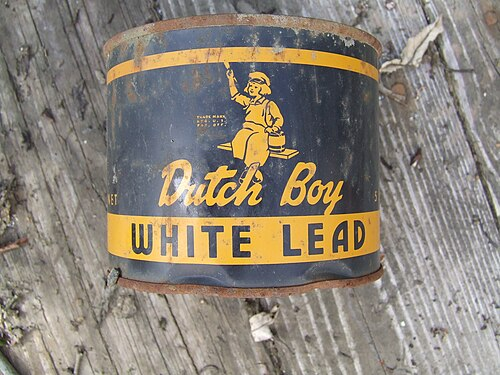
The walls, trim, doors, and windows of a 1962 American home were almost universally coated in lead-based paint, valued for its durability and color. Lead paint was not banned for residential use in the United States until 1978. The danger — particularly to children, who ingest lead dust and paint chips, causing developmental damage — was understood by the lead industry far earlier than it was acted upon. Today, any home built before 1978 triggers federal lead-disclosure requirements, and renovation requires lead-safe certified practices. The 1962 home is presumed to contain lead paint under multiple layers.
3. Knob-and-Tube Wiring With No Ground
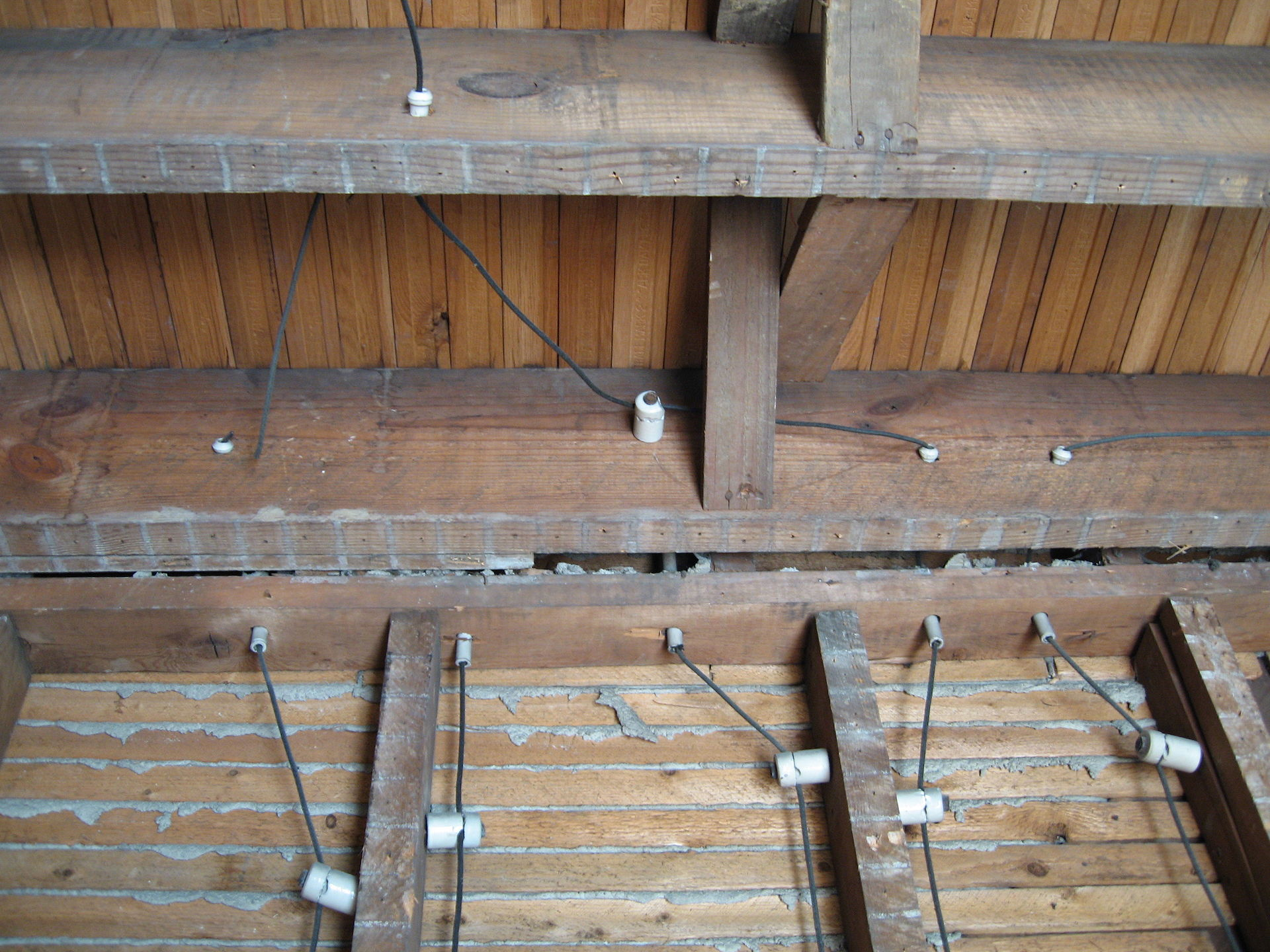
The 1962 American home was frequently wired with knob-and-tube wiring or early cloth-insulated cable, typically with no grounding conductor. The two-prong outlets throughout the house could not safely accommodate modern grounded appliances. The cloth insulation degrades and becomes a fire hazard over decades. Modern electrical codes require grounded three-prong outlets, GFCI protection near water, and AFCI breakers. A 1962 electrical system would fail inspection on multiple counts and frequently must be substantially rewired to be insurable.
4. No Ground-Fault Protection Near Water
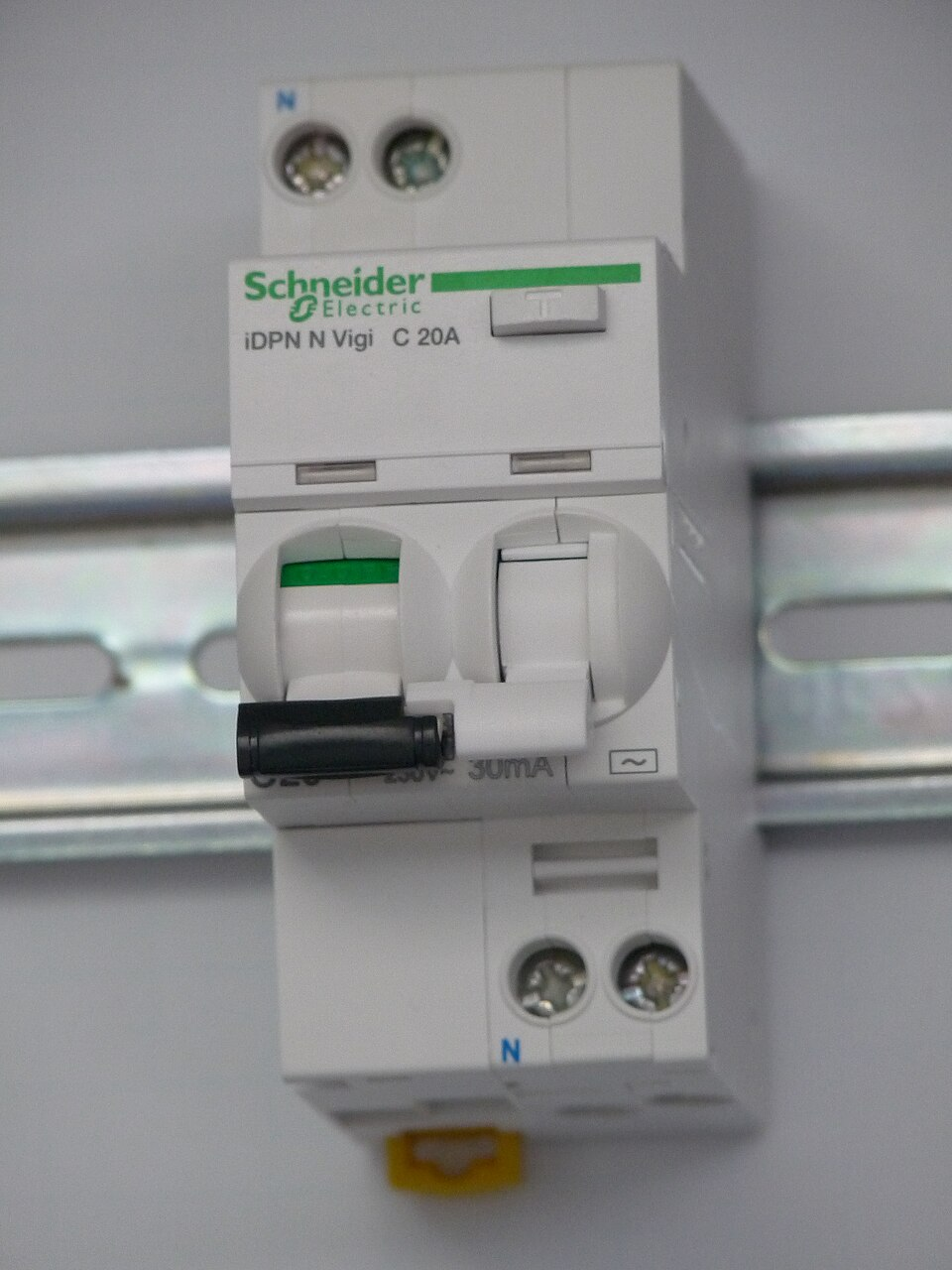
The 1962 American kitchen and bathroom had standard outlets positioned near sinks with no ground-fault circuit interrupter (GFCI) protection — the technology that cuts power instantly when it detects current leaking to ground, preventing electrocution. GFCI requirements entered American electrical codes in the 1970s and expanded steadily since. The 1962 practice of placing ungrounded, unprotected outlets inches from water would fail any modern inspection. The number of household electrocutions has fallen dramatically since GFCI protection became standard.
5. No Smoke Detectors
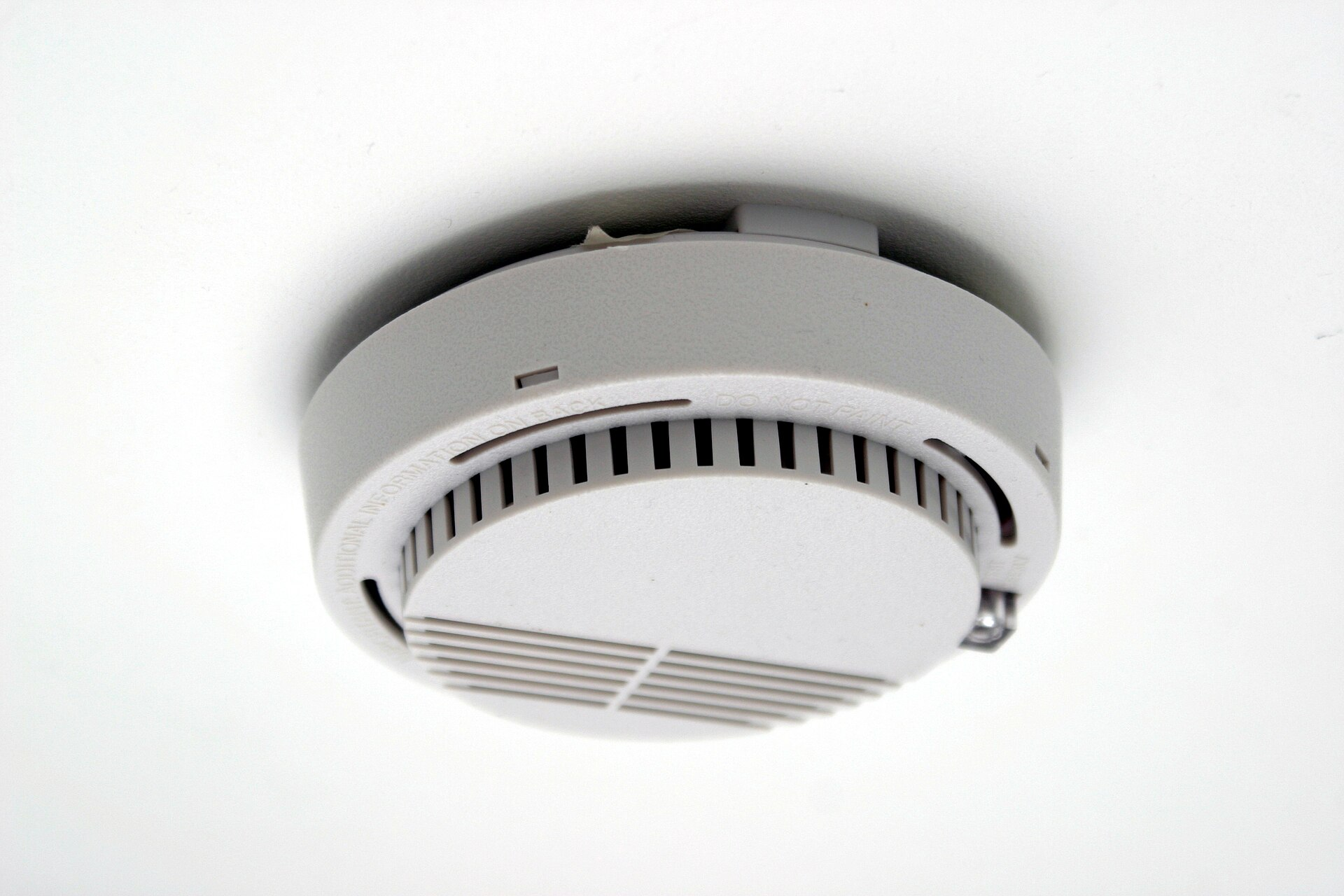
The 1962 American home had no smoke detectors. Affordable residential smoke alarms did not become widely available until the 1970s, and laws requiring them in homes followed through the late 1970s and 1980s. The 1962 family relied entirely on waking up and smelling smoke. Residential fire deaths have fallen by roughly half since smoke detectors became standard. A home today without working smoke detectors fails inspection and violates code in every U.S. jurisdiction.
6. No Carbon Monoxide Detectors
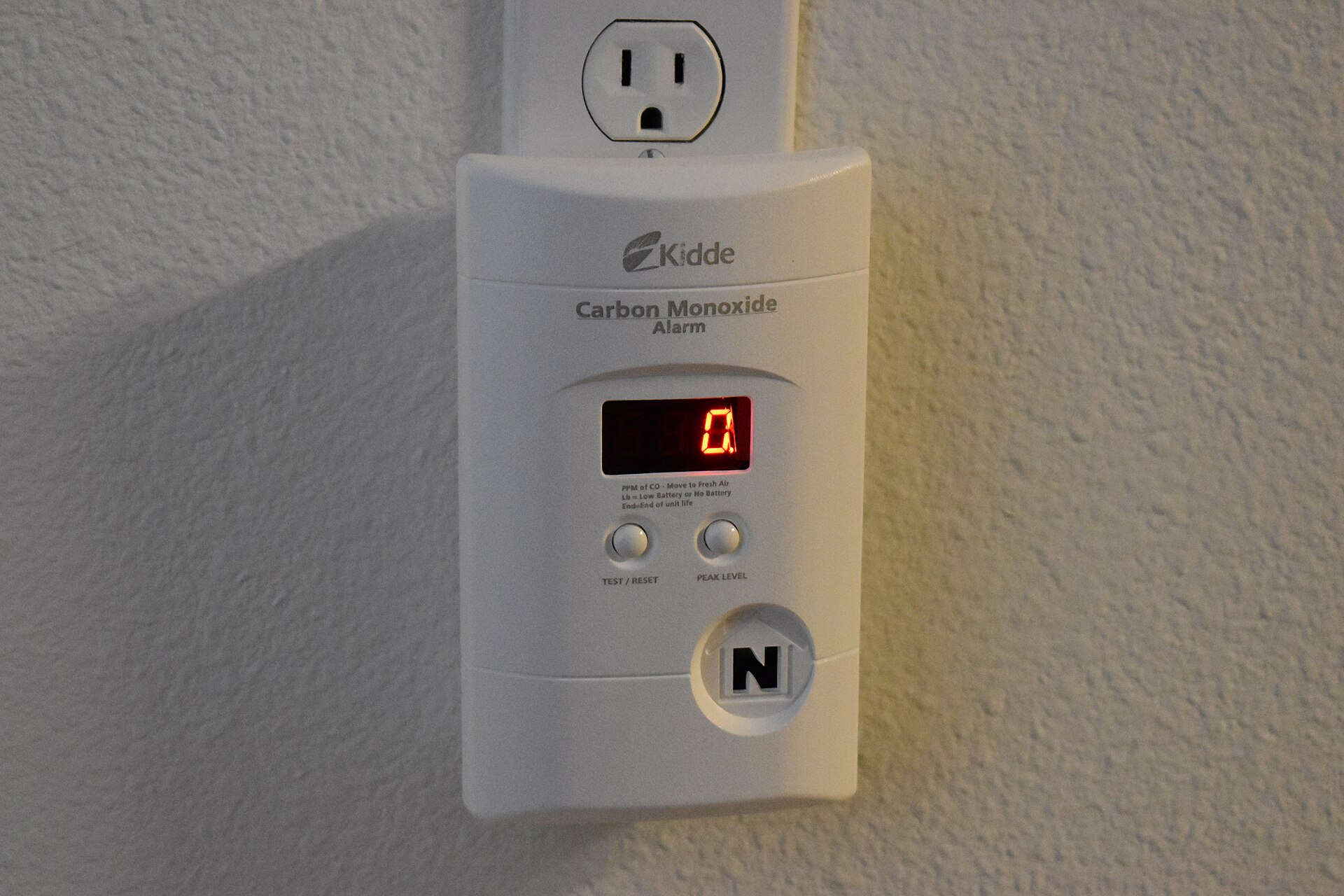
The 1962 American home, heated by gas or oil furnaces and often with an attached garage, had no carbon monoxide detection of any kind. Carbon monoxide poisoning from faulty furnaces, blocked flues, and running engines killed people silently. Residential CO detectors did not become available until the 1990s and required by law in many states only in the 2000s and 2010s. The 1962 home’s complete absence of CO detection is among the most dangerous gaps by modern standards.
7. Unsafe Staircase Railings and Baluster Spacing
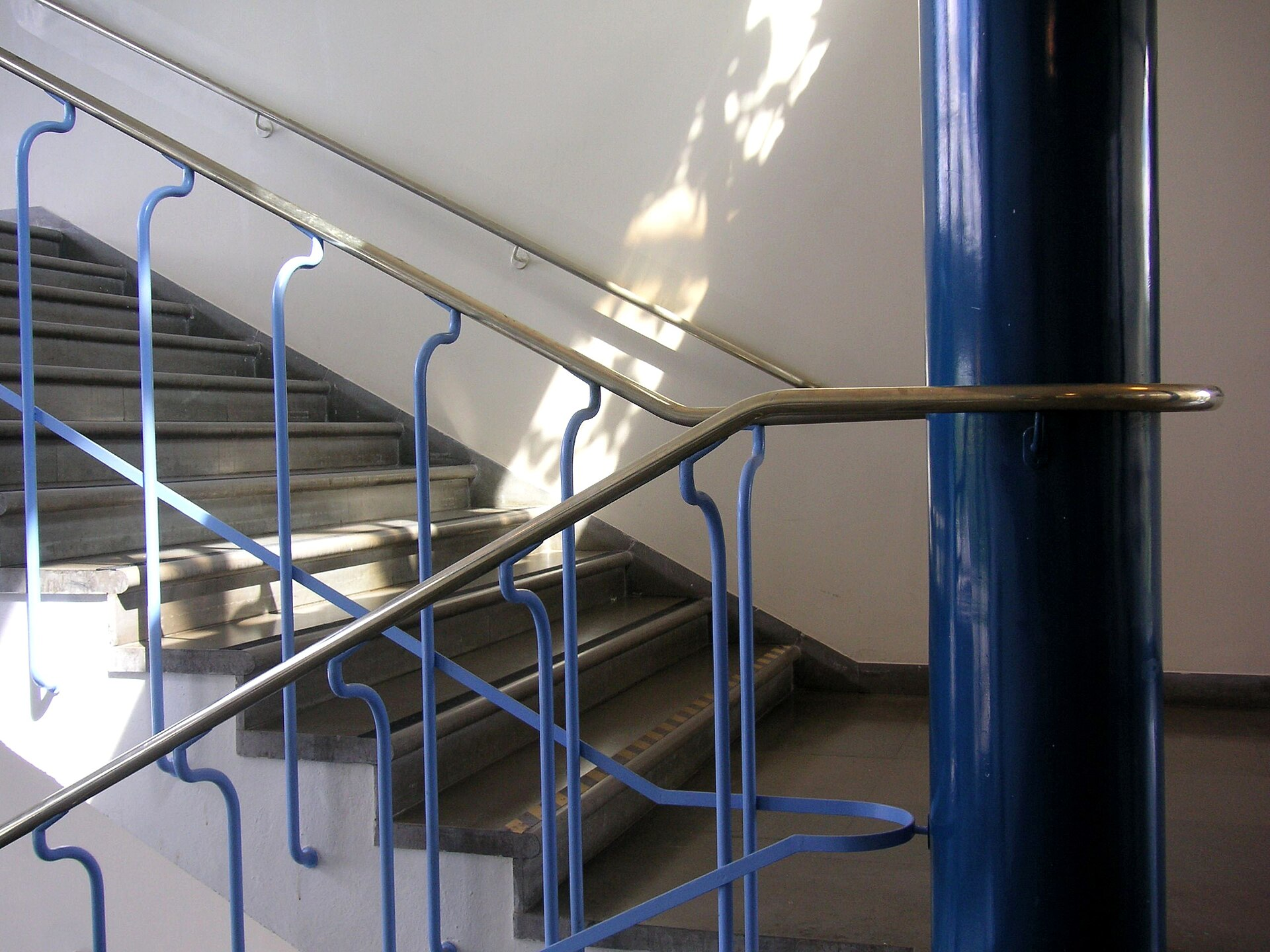
The 1962 American home frequently featured staircase railings and balusters spaced far enough apart that a child’s head could pass through — or no railings at all on short runs. Modern codes require baluster spacing of less than 4 inches specifically to prevent children from slipping through, plus graspable handrails and specific guard heights. The 1962 staircase, often built to looser standards, would fail modern inspection on spacing and railing requirements.
8. Glass That Wasn’t Tempered

The 1962 American home used ordinary annealed glass in shower doors, sliding patio doors, and large windows near floors — glass that shatters into large, sharp shards when broken. Modern codes require tempered safety glass in these locations, which crumbles into small dull pieces. The number of severe lacerations from people walking into or falling through ordinary glass doors was substantial in the mid-century era. The 1962 non-tempered glass in hazardous locations would fail modern inspection.
9. The Unvented Gas Space Heater
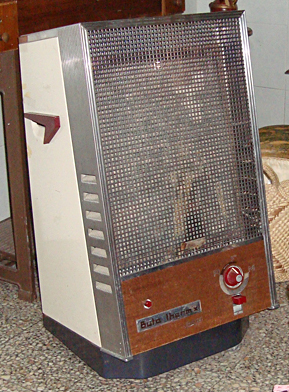
The 1962 American home, particularly in older or budget construction, frequently used unvented gas space heaters that burned natural gas or kerosene and released combustion byproducts directly into the living space. These produced carbon monoxide and consumed indoor oxygen. Unvented combustion heaters are now heavily restricted or banned in many jurisdictions and would fail modern inspection where prohibited. The 1962 reliance on these heaters in poorly ventilated rooms was a genuine and underappreciated hazard.
10. No Anti-Scald Plumbing
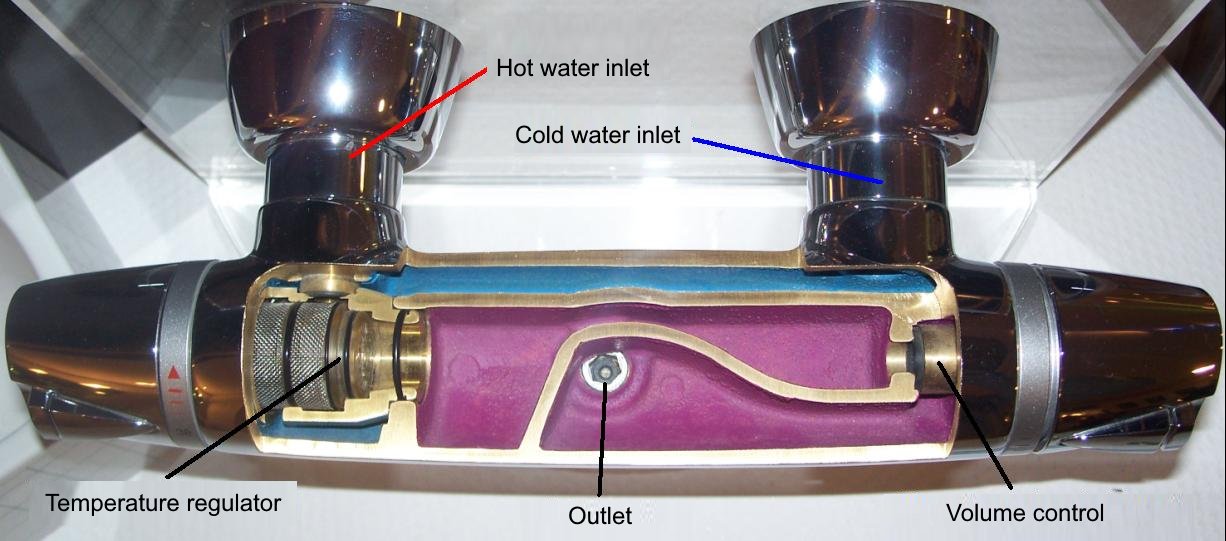
The 1962 American home’s plumbing had no anti-scald protection — water heaters were frequently set above 140 degrees Fahrenheit, hot enough to cause third-degree burns in seconds, and there were no thermostatic mixing valves to prevent sudden temperature surges when someone flushed a toilet during a shower. Modern codes require anti-scald valves and recommend water-heater settings around 120 degrees. The 1962 plumbing setup, dangerous particularly to children and the elderly, would not meet modern standards.
11. Medicine Cabinets Full of Since-Banned Products
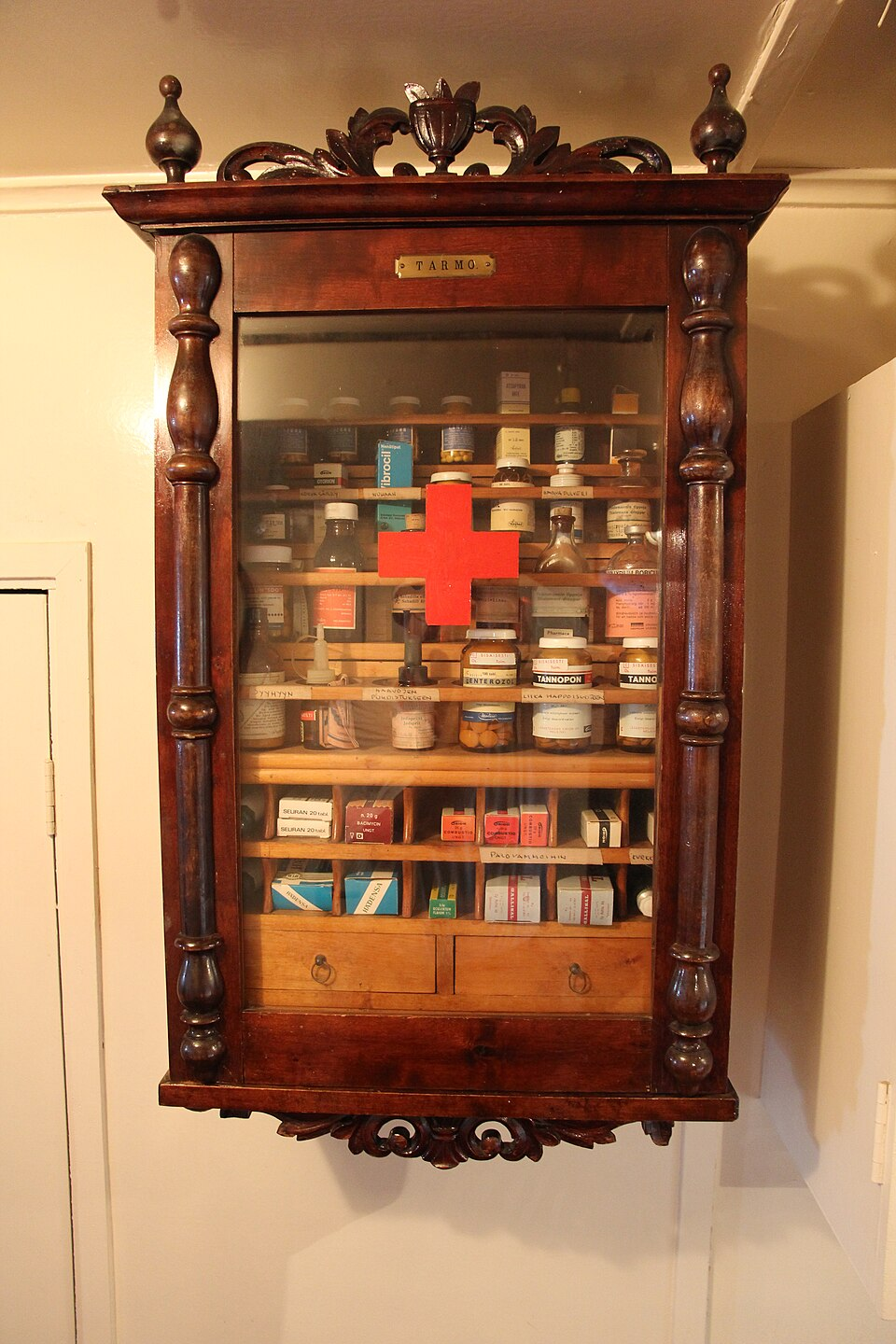
The 1962 American bathroom medicine cabinet held products since pulled from the market — mercury-based mercurochrome and merthiolate antiseptics, products containing since-banned ingredients, and medications later restricted. Mercurochrome was effectively pulled by the FDA in 1998 over mercury concerns. The 1962 medicine cabinet, with its mercury thermometers and mercury-laced antiseptics painted onto children’s scraped knees, contained materials that modern safety standards have removed entirely.
12. The Mercury Thermometer and Mercury Thermostat
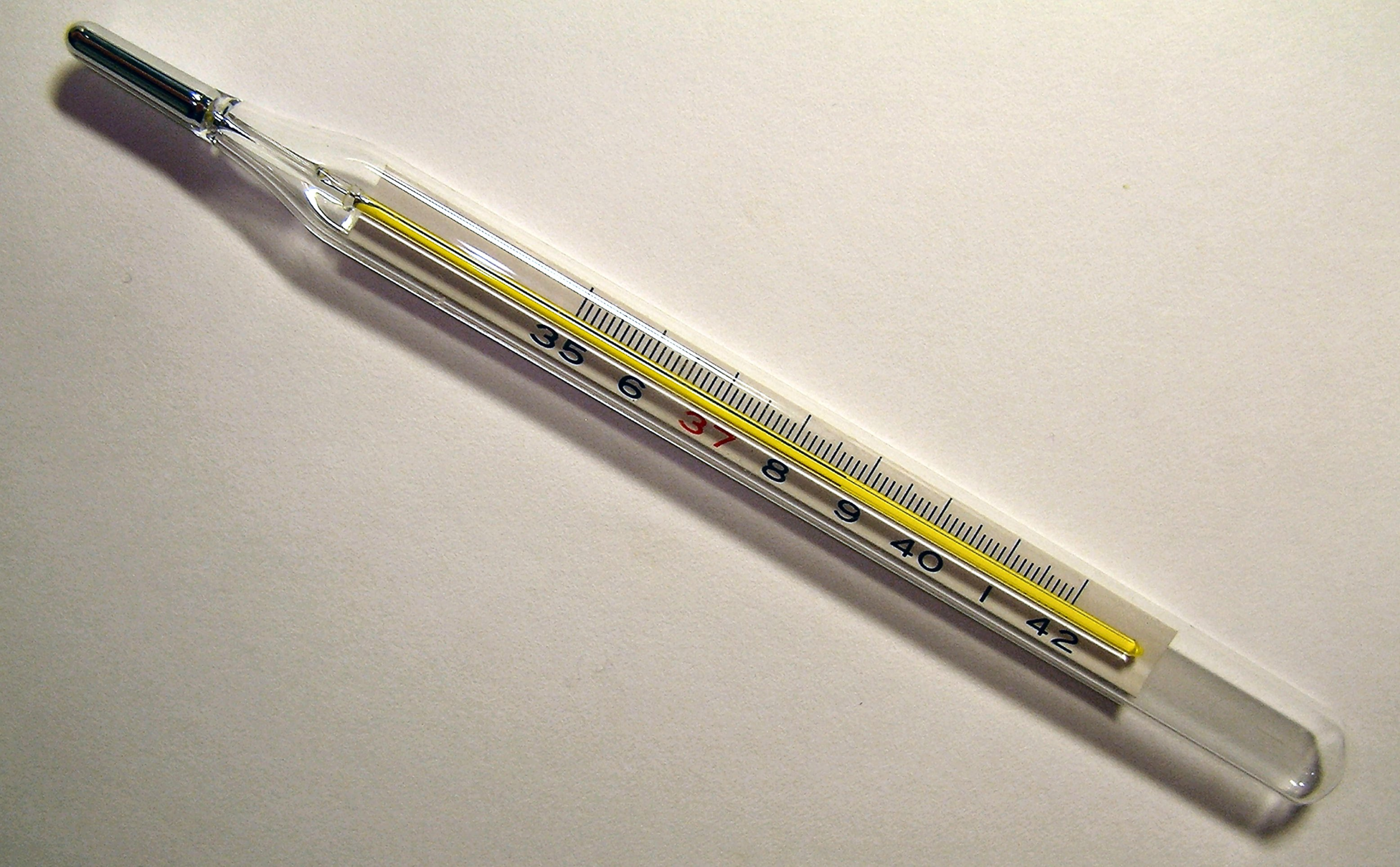
The 1962 American home relied on mercury in multiple devices — the fever thermometer in the medicine cabinet and the thermostat on the wall, which contained a mercury tilt switch. A broken thermometer released liquid mercury that children sometimes played with. Mercury fever thermometers have been banned or phased out in most states, and mercury thermostats are subject to recycling requirements. The casual presence of elemental mercury throughout the 1962 home is now treated as a hazardous-material concern.
13. No Egress Window in the Basement Bedroom
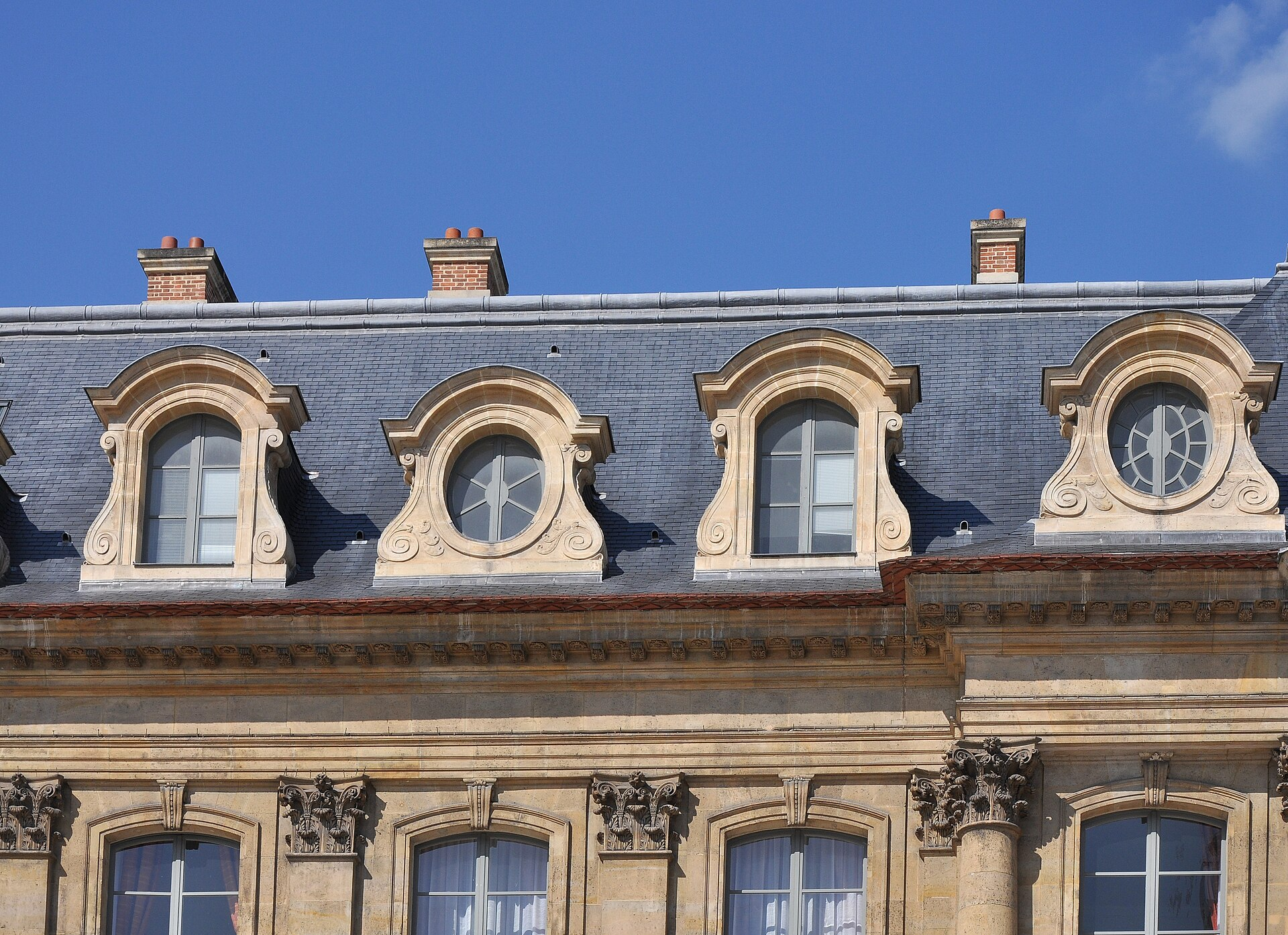
The 1962 American home frequently included a finished basement bedroom with no proper egress window — no opening large enough and low enough to climb out of in a fire. Modern codes require a compliant egress window or door in any basement sleeping room, specifically so occupants can escape and firefighters can enter. The 1962 basement bedroom, often with only small high windows, would fail modern inspection and is a recognized fire-death risk.
14. Garage and Attic With No Firebreak Separation
The 1962 American home frequently lacked proper fire separation between the attached garage and the living space — no fire-rated drywall, no self-closing fire-rated door, no sealing of penetrations. A garage fire (from a car, stored gasoline, or a water heater) could spread into the home rapidly. Modern codes require fire-rated separation between garage and living space. The 1962 home’s casual connection between garage and house, often through a hollow-core door, would fail modern inspection.
Like our content? Follow us for more.