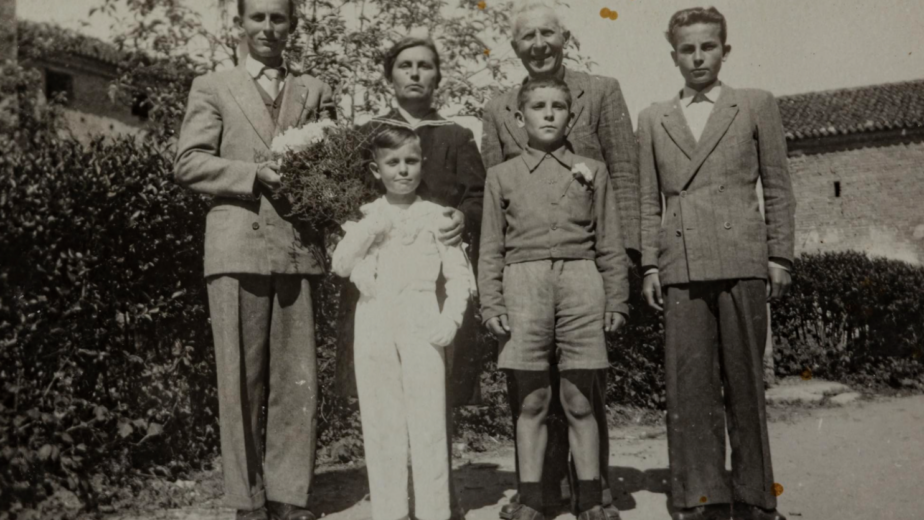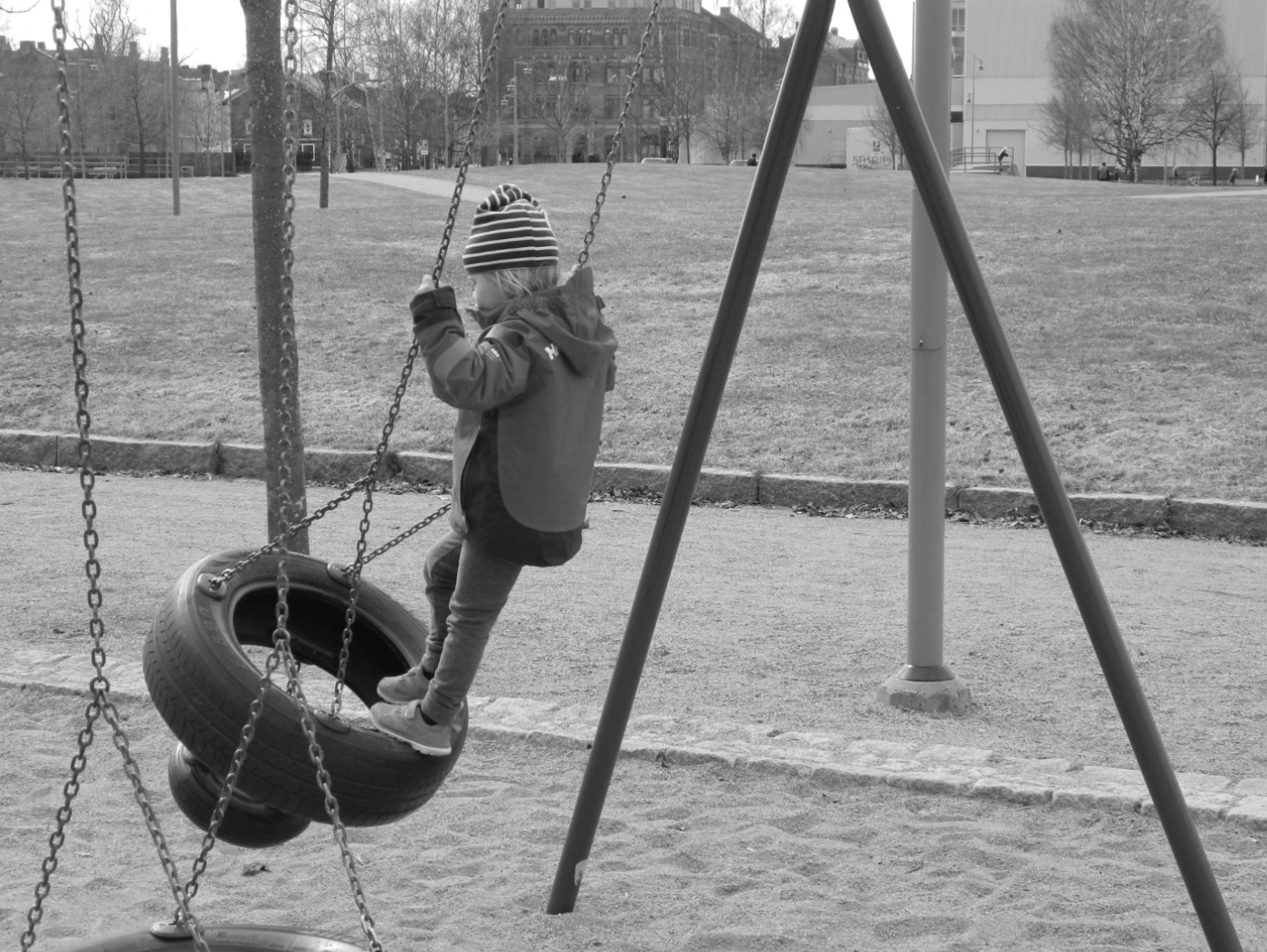
The American childhood of 1970 ran on a degree of independence that would horrify many modern parents and, in some cases, prompt a call to child protective services. Six-year-olds walked to school alone. Eight-year-olds rode bikes across town until the streetlights came on. Ten-year-olds were handed a few dollars and sent to the store. The expectation was not negligence — it was the normal parenting standard of the era, shared across American suburbs and small towns. The dramatic narrowing of childhood independence over the following half-century has been driven by changing safety perceptions, media coverage of rare tragedies, the rise of organized and supervised activities, and shifting legal standards around child supervision. Boomers and older Gen Xers who were kids in 1970 did all of these things routinely. Here are thirteen things American children did completely alone in 1970 that would alarm a great many parents in 2026.
1. Walked to School Alone Starting at Age Five or Six
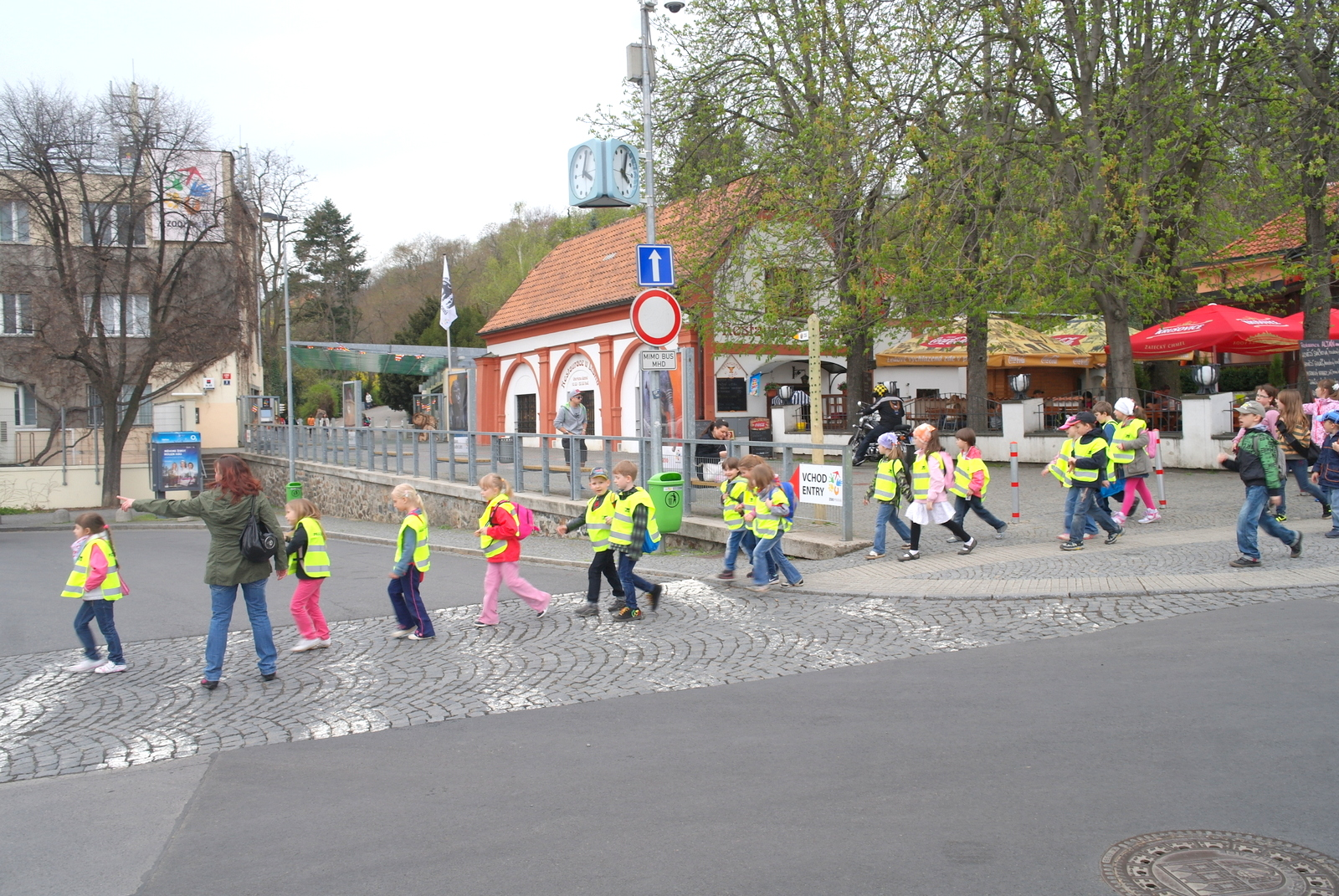
The American kindergartner or first-grader of 1970 routinely walked to school alone or with slightly older neighborhood kids, often a half-mile or more, with no adult escort. The walk was an unremarkable daily routine. Today, the percentage of American children who walk or bike to school has fallen from approximately 48 percent in 1969 to under 11 percent, and many parents would not consider allowing a five-year-old to walk alone. Some jurisdictions have investigated parents for permitting unaccompanied walks that were universal in 1970.
Like our content? Follow us for more.
2. Roamed the Neighborhood Until the Streetlights Came On

The 1970 American child operated under a single rule for outdoor play — be home when the streetlights come on. Between breakfast and dusk, children ranged across neighborhoods, woods, construction sites, and fields with no adult supervision and no way to be contacted. The “streetlight curfew” defined a childhood of genuine independence. Modern parenting norms, the decline of free outdoor play, and the rise of structured activities have nearly eliminated this unsupervised roaming. The 1970 child’s daily radius of independent travel was vastly larger than today’s.
3. Rode in Cars With No Seatbelts or Car Seats
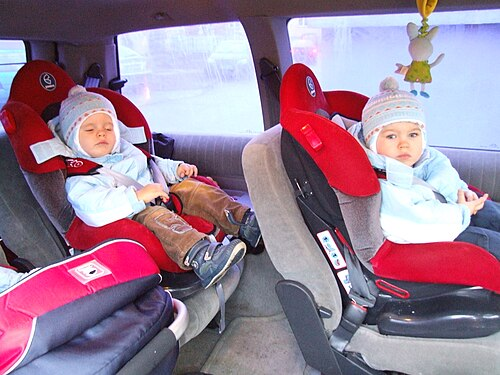
The 1970 American child rode in cars with no car seat, no booster, and frequently no seatbelt — standing on the front bench seat, riding in the cargo area of the station wagon, or sitting in a parent’s lap. Child car seat laws did not exist in any state until Tennessee passed the first in 1978. Today, car seat and booster requirements extend to age 8 or beyond, and riding unrestrained is illegal everywhere. The 1970 norm of children rattling around an unrestrained car interior is among the starkest safety contrasts with today.
4. Rode Bikes Without Helmets Everywhere

The 1970 American child rode a bike without a helmet — helmets for casual cycling essentially did not exist for children until the late 1980s and 1990s. Kids rode fast, did jumps, and crashed regularly, all bareheaded. Bike helmet laws for minors now exist in many states and helmet use is strongly normalized. The 1970 image of a pack of helmetless kids racing down a hill on banana-seat bikes is both a vivid nostalgia marker and a modern parent’s anxiety.
5. Went to the Store With Cash and an Errand

The 1970 American parent routinely sent a child of eight or ten to the corner store or supermarket with a few dollars and a short shopping list. The child walked or biked, made the purchase, and brought back the change. This everyday errand-running built independence and was completely unremarkable. Today, sending a young child alone to a store would strike many parents as risky and could, in some jurisdictions, raise supervision concerns. The 1970 solo store errand was a normal rite of childhood.
6. Stayed Home Alone After School

The 1970 American “latchkey kid” let themselves into an empty house after school, made a snack, and managed several hours alone or watching younger siblings before parents returned from work. The practice was widespread and largely unremarked. Modern norms and some state laws now specify minimum ages for leaving children home alone, and the latchkey arrangement that was standard in 1970 would today prompt many parents’ concern and occasional legal scrutiny.
7. Played With Genuinely Dangerous Toys

The 1970 American child played with toys that modern safety standards have eliminated — lawn darts (Jarts) with heavy metal spikes, chemistry sets with genuinely hazardous chemicals, BB guns, wood-burning kits, and metal toys with sharp edges. Lawn darts were banned in the United States in 1988 after causing deaths. The Consumer Product Safety Commission, created in 1972, progressively eliminated the most dangerous toys. The 1970 toy box contained items that would never pass modern safety review.
8. Swam With No Lifeguard and No Adult Watching
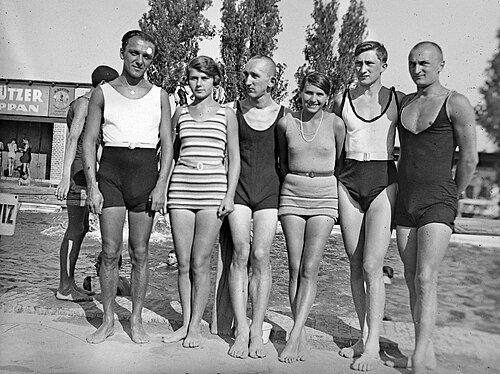
The 1970 American child swam in lakes, quarries, rivers, and backyard pools frequently with no lifeguard and no adult watching closely. Kids assessed their own risks, swam out to rafts, and dove off rocks. Modern norms of constant adult water supervision, the “touch supervision” standard for young children, and the proliferation of safety rules have transformed the experience. The 1970 child’s unsupervised swimming would alarm many modern parents acutely.
9. Built and Rode Homemade Go-Karts and Ramps
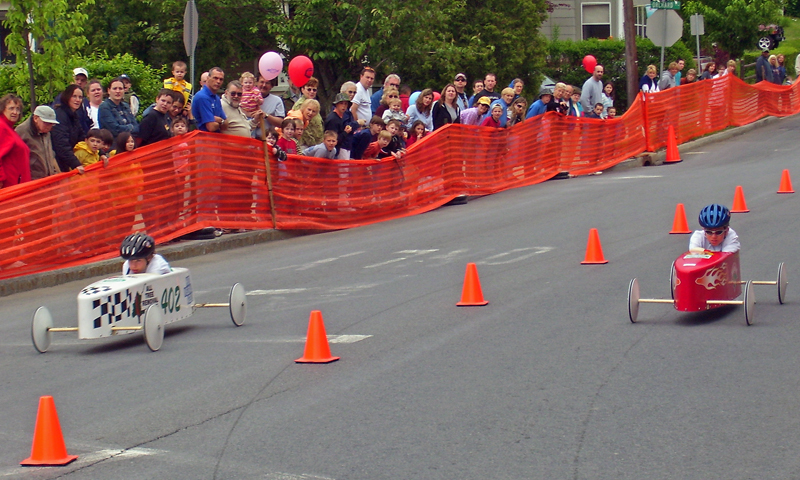
The 1970 American child built go-karts from scrap wood and old wheels, constructed bike ramps from plywood and cinder blocks, and rode these homemade contraptions down hills with no safety equipment. The building and the riding were both unsupervised. The combination of homemade engineering and helmetless high-speed testing was a normal feature of 1970 childhood that modern liability consciousness and safety norms have largely ended.
10. Wandered Shopping Malls and Downtowns Unsupervised

The 1970 American child and pre-teen was routinely dropped off at the shopping mall, the movie theater, or the downtown shopping district for hours with friends and no adult. Parents returned at an agreed time to collect them. The unsupervised mall afternoon was a defining tween experience. Modern parental supervision norms and mall policies (many now require adult accompaniment for minors during certain hours) have ended the practice that was standard in 1970.
11. Used Power Tools and Did Real Chores
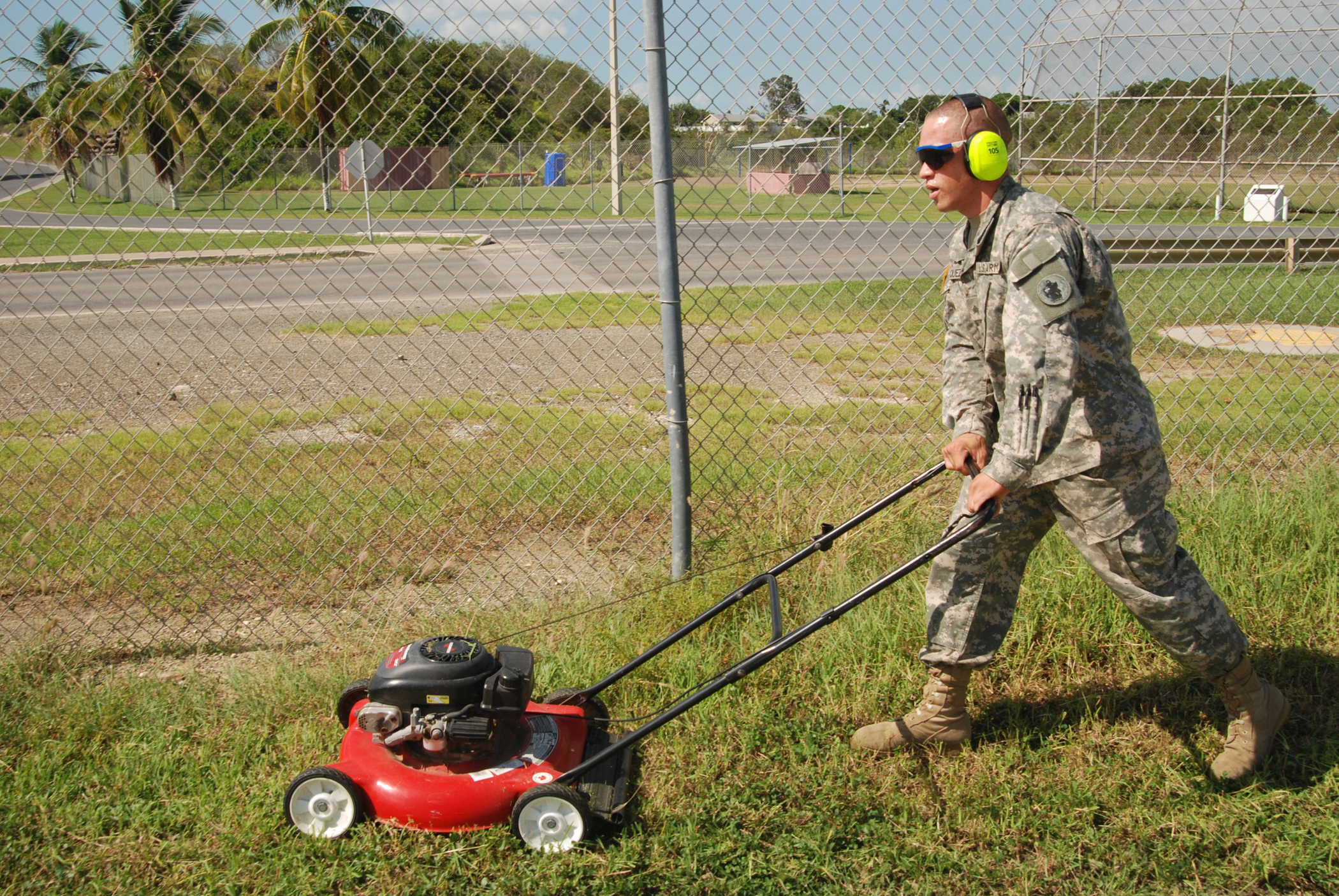
The 1970 American child operated lawnmowers, used power tools, climbed ladders to clean gutters, and performed genuinely consequential household and yard work, frequently unsupervised, from a fairly young age. The expectation that children would handle real tools and real responsibilities was standard. Modern norms around child safety and the decline of childhood chores generally have reduced this. The 1970 ten-year-old mowing the lawn with a gas mower would give many modern parents pause.
12. Roamed Free at the Lake, Campground, or Beach on Family Trips

The 1970 American family vacation involved children roaming the campground, the lakeshore, or the beach in loose packs with minimal supervision, often making friends with other vacationing kids and disappearing for hours. The vacation was genuinely relaxing for parents in part because constant child supervision was not the expectation. Modern vacation norms of close supervision have transformed the family trip. The 1970 child’s vacation independence is difficult to imagine for many families today.
13. Settled Their Own Disputes Without Adult Intervention

The 1970 American child navigated playground conflicts, neighborhood disputes, and schoolyard hierarchies largely without adult intervention. Adults expected children to work out their own social conflicts, and the constant adult mediation of children’s relationships that characterizes much modern parenting did not exist. While not a physical safety issue, this social independence — the expectation that children would handle their own interpersonal world — is one of the largest and least-discussed differences between 1970 and 2026 American childhood.
What Changed, and Whether It Was Worth It
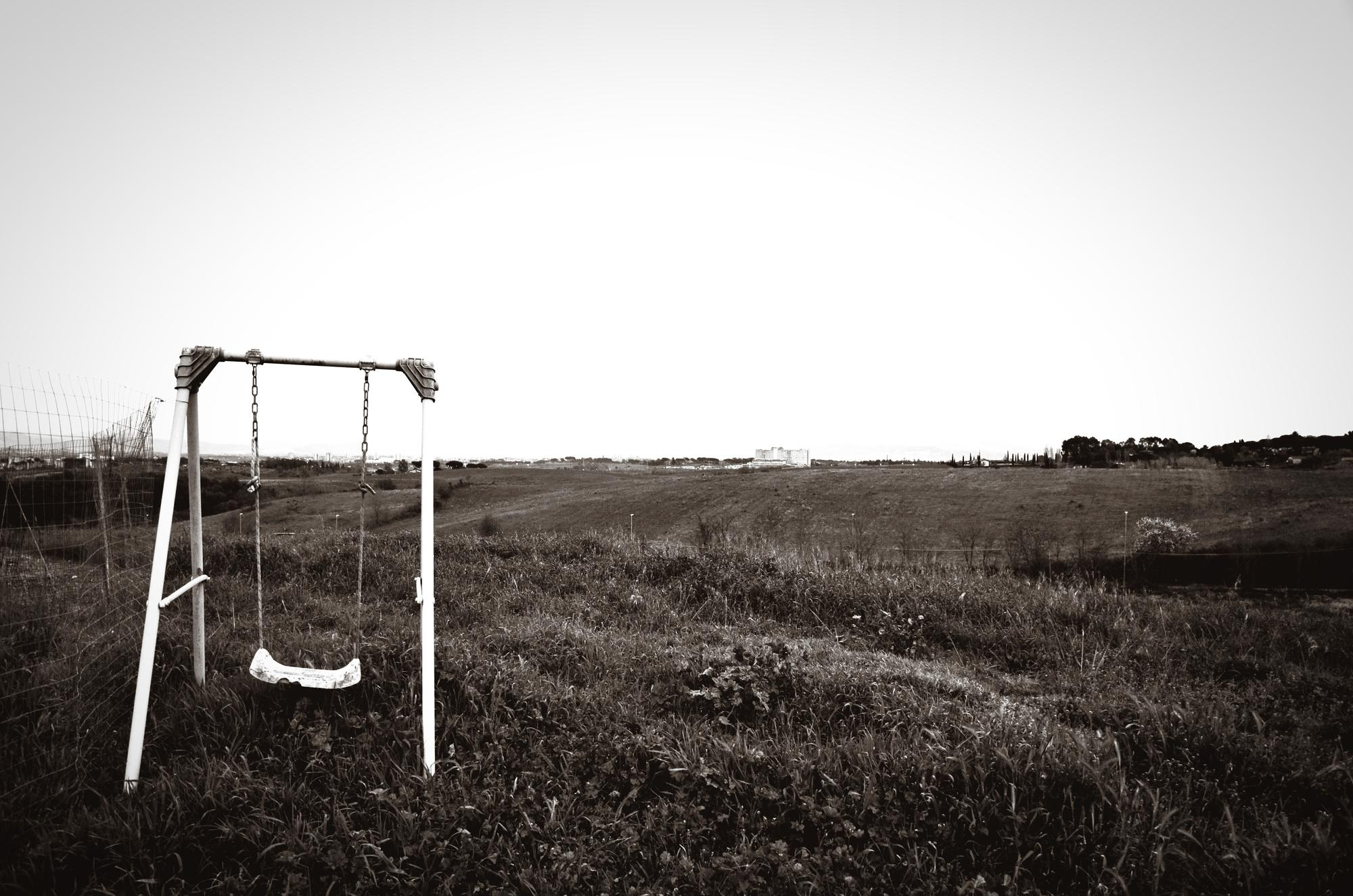
The narrowing of American childhood independence between 1970 and today was driven by a specific combination of factors, not a single cause. High-profile child-abduction cases in the 1980s, amplified by national media and the milk-carton missing-children campaigns, dramatically raised parental fear even as actual crime rates against children remained low or fell. The rise of organized, supervised activities — travel sports, structured lessons, scheduled playdates — crowded out unsupervised free time. Smaller family sizes concentrated parental attention on fewer children. Liability consciousness made schools, towns, and businesses restrict the unsupervised access children once had. And shifting legal standards in some jurisdictions turned what was normal 1970 parenting into potential neglect.
The honest assessment is mixed. Some of the change saved real lives — car seats, bike helmets, pool supervision, and the elimination of genuinely dangerous toys prevented countless injuries and deaths, and almost no one would return to the unrestrained-children-in-cars norm of 1970. But child-development researchers increasingly argue that the loss of unstructured, unsupervised play and genuine independence has costs of its own — in resilience, risk assessment, problem-solving, and mental health. The 1970 childhood was genuinely more dangerous in measurable ways, and also genuinely freer in ways that may have built capacities the modern supervised childhood does not. Both things appear to be true, which is what makes the comparison between 1970 and 2026 American childhood so genuinely complicated rather than a simple story of progress.
Like our content? Follow us for more.