

Every year, security checkpoints separate travelers from millions of items they didn’t realize were prohibited, and most of those items are never returned. The rules shift often enough that something you flew with last year can get flagged today, and one device in particular has become the single most common reason bags get stopped in 2026. The frustrating part is that confiscation is almost always avoidable. The items agents pull are predictable, the reasoning behind each rule is straightforward, and a two-minute check at home prevents nearly all of it. Here are the items most likely to get pulled from your carry-on this year, why each one draws attention, and exactly how to pack so nothing ends up in the bin at the conveyor belt.
A note before the list: rules vary slightly by airport and airline, and enforcement has tightened heading into the busy travel season. When in doubt, the TSA’s official “What Can I Bring” tool is the final authority, and individual airlines layer their own restrictions on top of the federal ones. Here’s what’s getting flagged most often in 2026.
The Item Getting Pulled Most: Power Banks
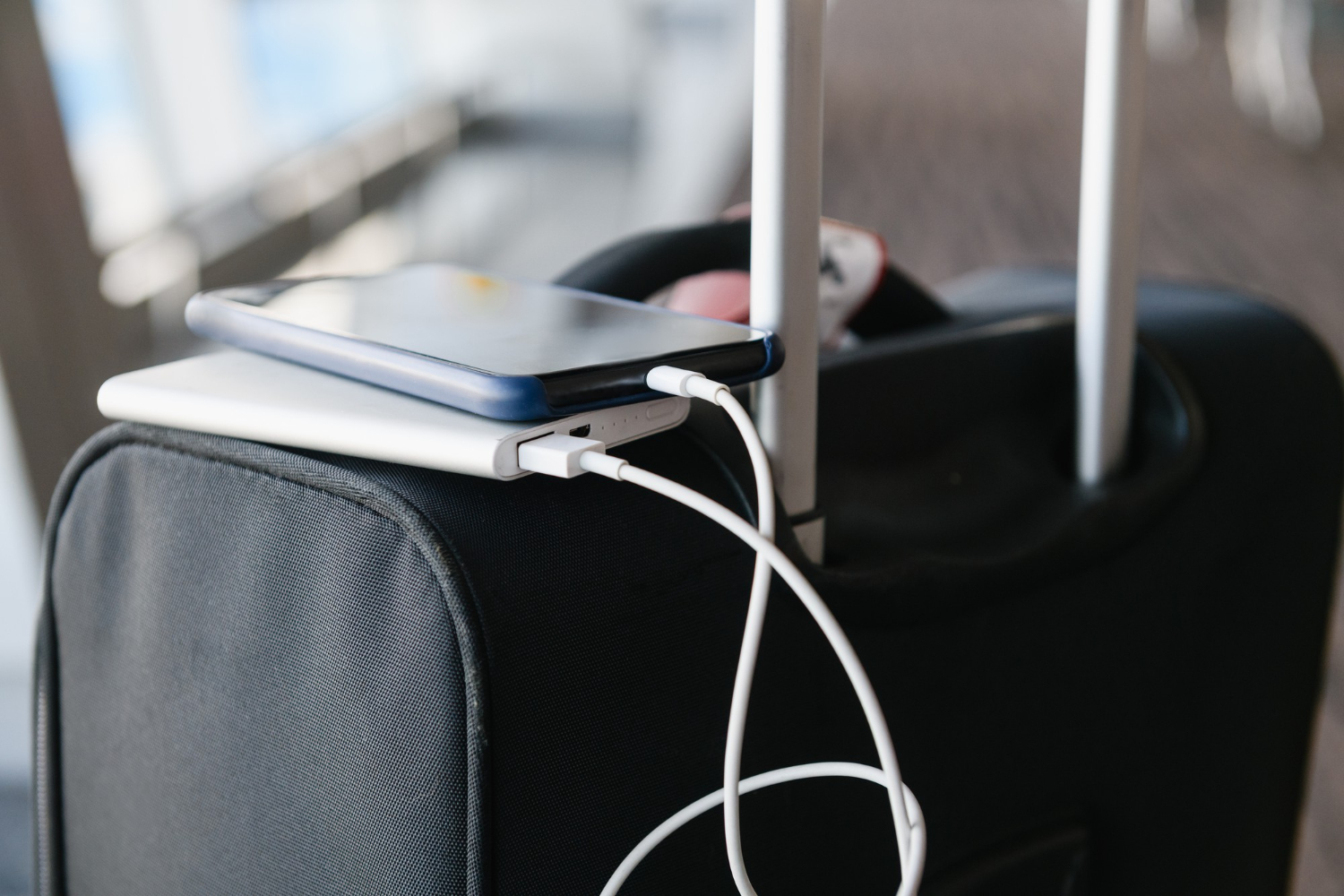
The portable charger has steadily become the checkpoint’s biggest single headache, and travelers report agents pulling them from bags that cleared screening many times before. The core rule is simple: lithium-ion power banks and spare batteries must travel in your carry-on, never in checked luggage, because a battery fire in the sealed cargo hold can’t be reached or fought by the crew. Most consumer chargers fall under the 100 watt-hour limit and are perfectly fine to bring. The trouble starts when a charger is unlabeled, visibly damaged or swollen, or larger than the limit without airline approval. In any of those cases, an agent can confiscate it on the spot, and a swollen battery may be flagged regardless of its capacity.
The watt-hour math is worth knowing, because most chargers list only milliamp-hours (mAh) on the case. The conversion is straightforward: watt-hours equal mAh divided by 1,000, multiplied by the voltage, which for lithium-ion is typically 3.7. That means a 10,000 mAh charger is about 37 watt-hours, a 20,000 mAh charger about 74, and a 27,000 mAh charger right around the 100 limit. Almost every everyday charger sits comfortably under the threshold, but the high-capacity bricks marketed for camping or laptop charging can exceed it. If you can’t find a clear rating on the device, assume an agent won’t be able to either, which is precisely the situation that gets a charger seized.
Anything Lithium Belongs in the Cabin
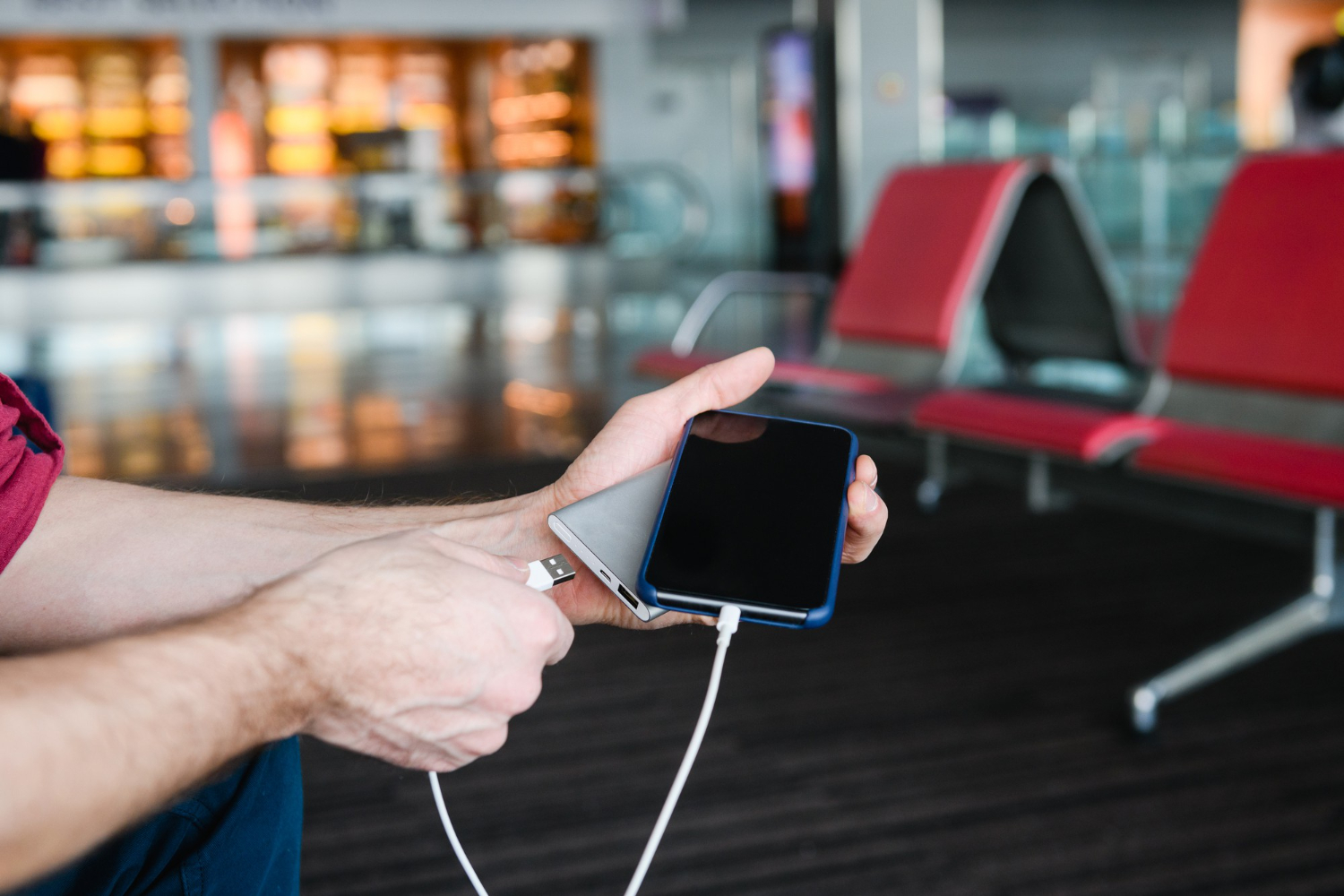
The power-bank rule is part of a broader 2026 crackdown on lithium batteries across the board. Spare batteries of nearly any kind are barred from checked bags and must stay with you in the cabin, where a problem can be spotted and handled. Smart luggage with non-removable batteries is now refused on aircraft outright, and suitcases with built-in charging ports fall under the same scrutiny. If your carry-on gets gate-checked at a crowded boarding door, you’re expected to pull out any power banks or spare batteries before the bag goes below. The pressure behind all of this is real: the Federal Aviation Administration logged 97 lithium-battery incidents on aircraft in 2025, up from 89 the year before, continuing a steady climb that has airlines and regulators tightening the rules in tandem. American Airlines, for example, moved in 2026 to limit passengers to two lithium-powered items, neither exceeding 100 watt-hours, which is stricter than the federal baseline. The safest approach is to carry chargers loose and labeled where an agent can read the specs at a glance.
Liquids Over 3.4 Ounces
The long-standing 3-1-1 rule still trips up enormous numbers of travelers. Liquids, gels, and aerosols in carry-ons must be in containers of 3.4 ounces (100 milliliters) or less, all fitting inside a single quart-sized clear bag, one bag per passenger. The size of the container is what matters, not how much is left inside it, so a half-empty 8-ounce bottle is still over the limit and still gets pulled. The usual casualties are full-size toiletries, sunscreen bought for the trip, and the half-finished water bottle people forget in a side pocket. Checked bags carry no such restriction, so anything oversized belongs there.
Food That Counts as a Liquid
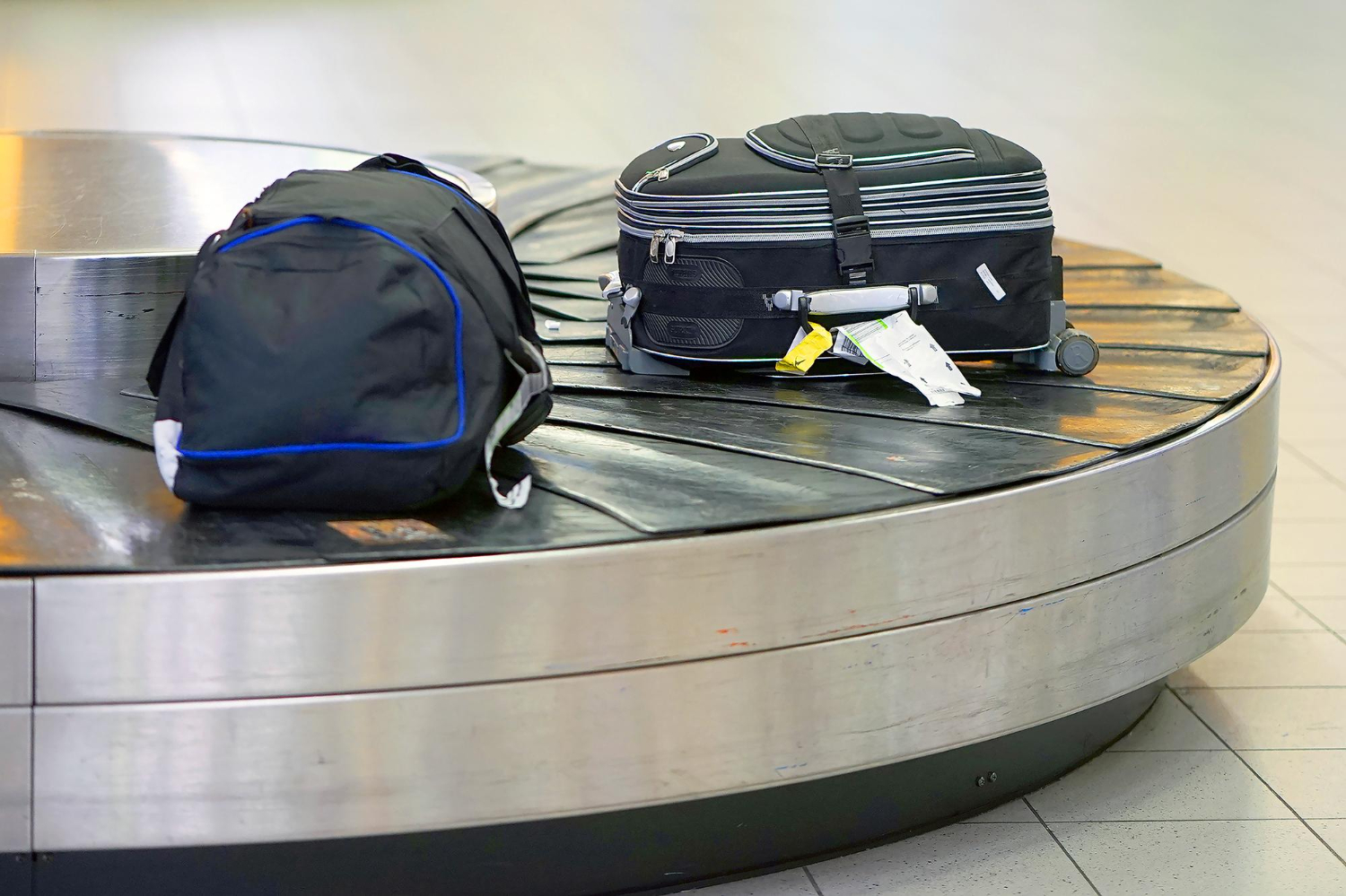
A surprising share of confiscations involve food, because the rule covers anything that isn’t solid. Peanut butter, yogurt, soft cheeses, hummus, jams, salsa, soup, and similar spreadable or pourable foods are all treated as liquids and must obey the 3.4-ounce limit in a carry-on. So does the gel ice pack you used to keep them cold, unless it’s frozen solid at screening. Travelers carrying homemade dishes, regional specialties, or gifts of local food are among the most frequently surprised, since it rarely occurs to anyone that a jar of preserves is a “liquid.” Solid foods like sandwiches, fruit, chips, and baked goods pass without issue.
Flammables and Pressurized Containers
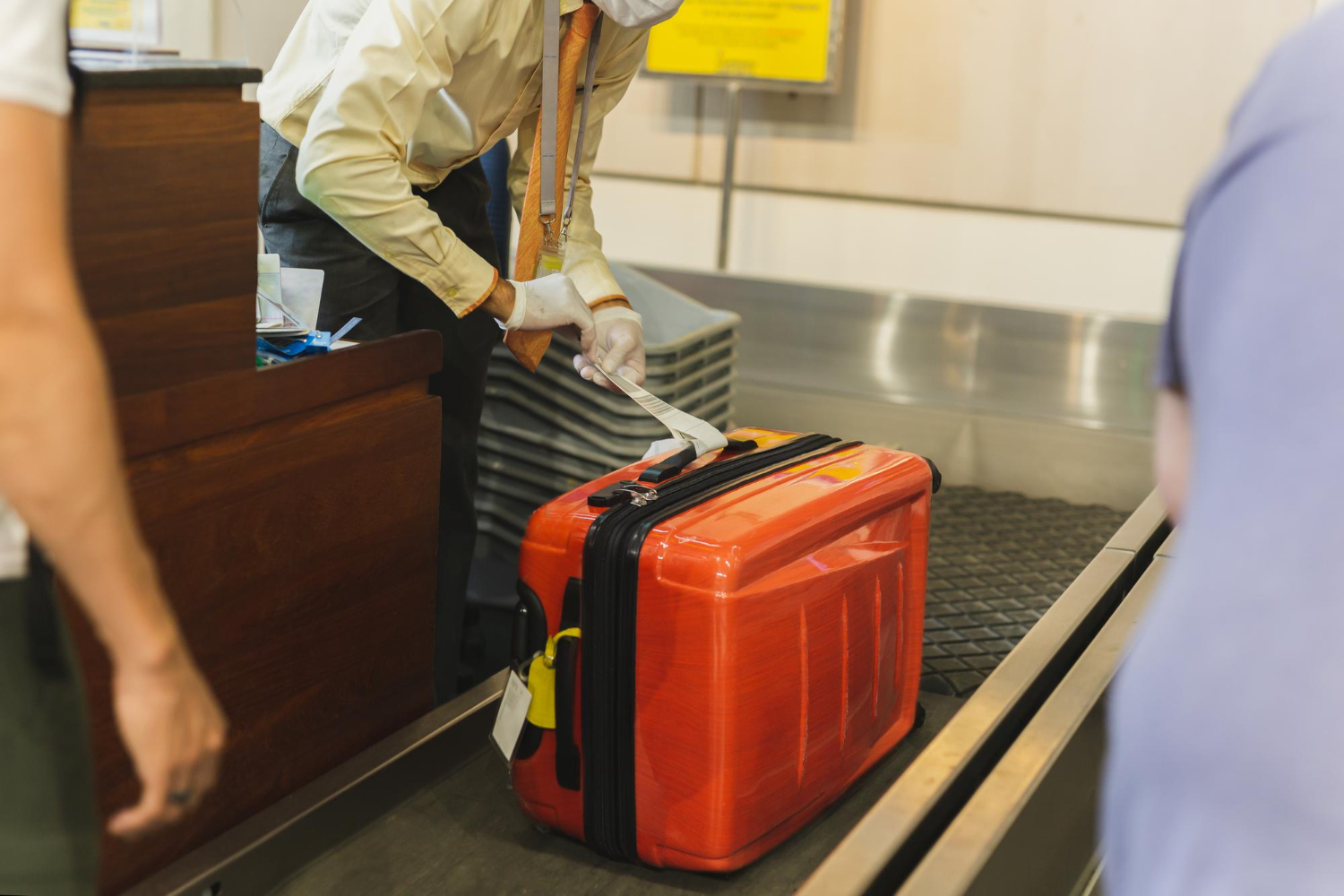
Some of the most reliably confiscated items are things people don’t think of as dangerous. Butane, lighter fluid, gasoline, and many solvents are banned from the cabin, as are flammable aerosols, spray paint, and most bug sprays in pressurized cans above the liquid limit. Pressurized containers like propane canisters and scuba tanks are prohibited unless certified empty. Self-defense sprays such as pepper spray are not allowed in carry-ons at all and are restricted even in checked bags. If you pack a flammable item by mistake, the best case is that it’s simply seized; the worse cases involve fines or a genuine hazard, which is why screening treats this category with no flexibility.
Sharp Objects and Tools
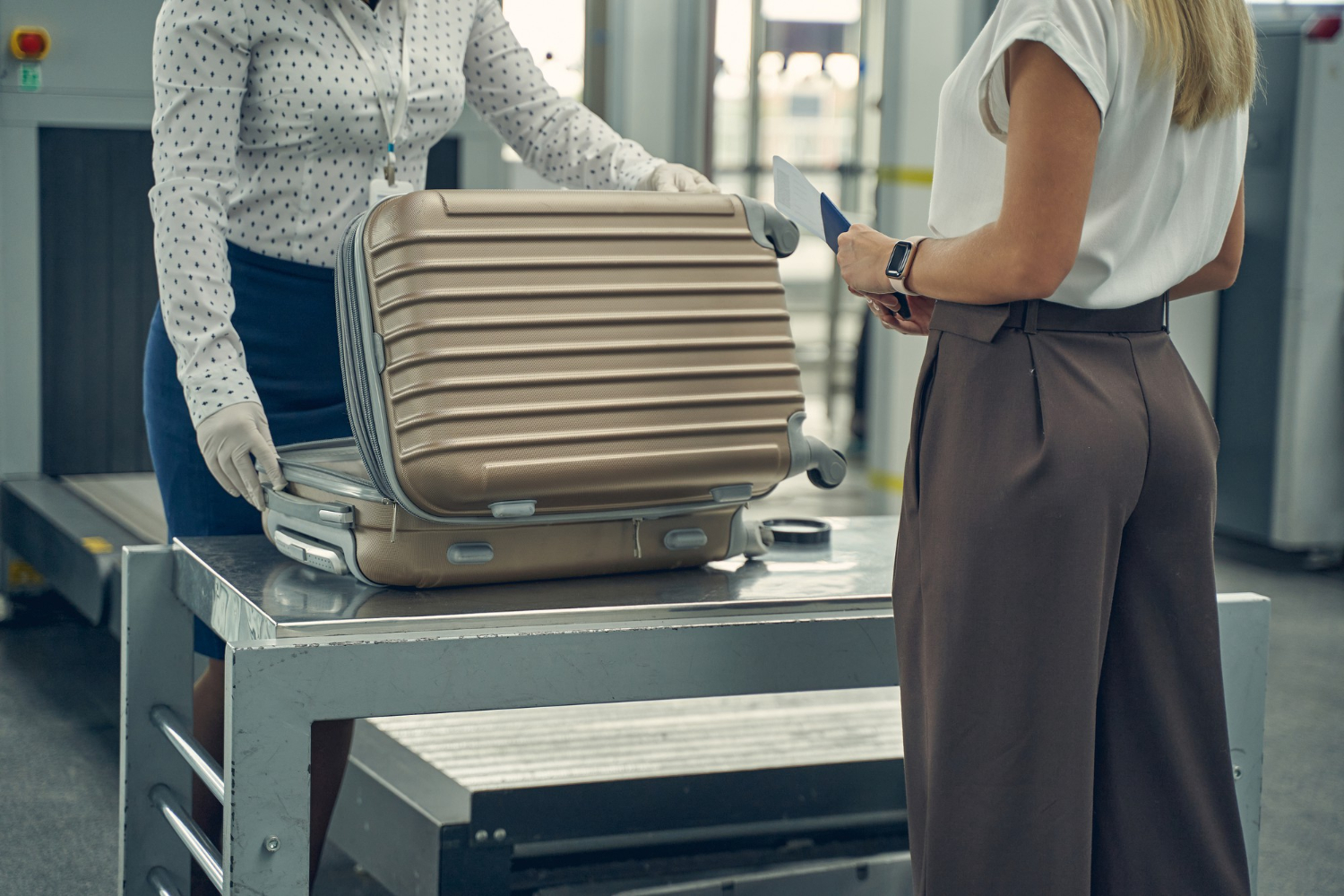
This category is old news but still fills the confiscation bins every day. Knives of nearly any size, box cutters, razor blades, large scissors, and multi-tools with blades are not allowed through the checkpoint and must go in checked baggage. The same applies to longer tools, such as wrenches and pry bars over seven inches, that could be used as weapons. The everyday culprit is the forgotten pocketknife or multi-tool living in the bottom of a daypack that’s pulling double duty as a carry-on. Corkscrews with a blade, knitting needles in some cases, and even certain novelty souvenirs with a sharp edge get caught here too.
Firearms and Ammunition
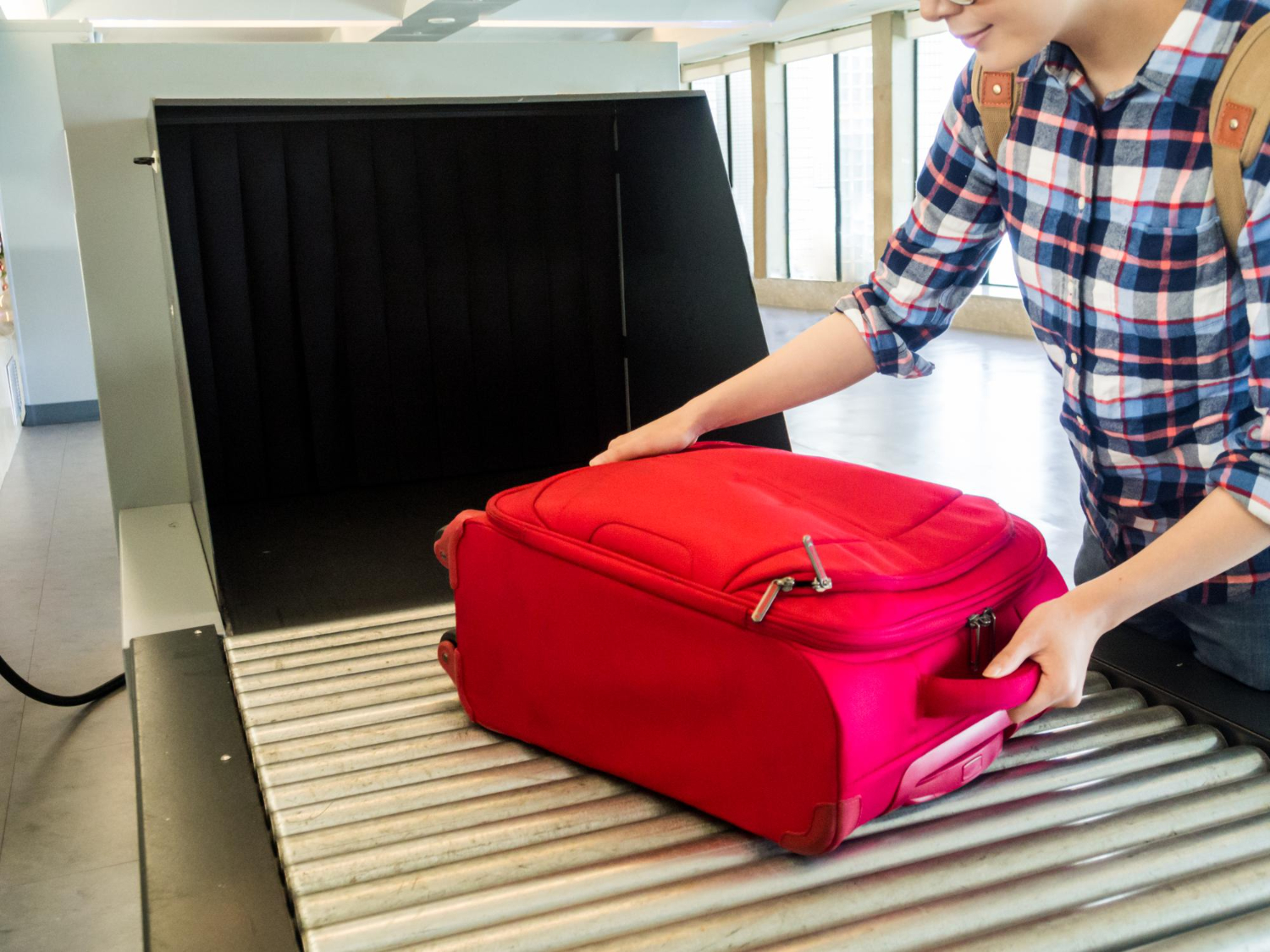
The rules here are the firmest and carry the steepest consequences. Firearms may not go through the cabin at all. They must be unloaded, declared at check-in, and locked in a hard-sided case in checked baggage. Ammunition is also barred from carry-ons and must follow specific airline and TSA packing requirements when checked. Related items such as gunpowder, primers, replica weapons, and blasting caps are prohibited as well. Bringing a firearm to a checkpoint, even entirely by accident in a bag that’s usually used for the range, can mean confiscation, substantial civil fines, missed flights, and law-enforcement involvement. This is the one category where a simple oversight turns into a serious legal problem.
Powders Over 12 Ounces
A lesser-known rule catches travelers carrying large quantities of powder. Powder-like substances of 12 ounces (about 350 milliliters) or more in a carry-on must be screened separately, and agents may ask you to remove them from your bag at the checkpoint. If the contents can’t be resolved by screening, the item may not be allowed through. The usual triggers are protein powder, ground coffee or spices bought as gifts, bath salts, loose mineral makeup, and the ashes some travelers carry, though human remains in a proper container are handled with particular care and should never be packed loose. Anything under the 12-ounce threshold is fine, but a large unlabeled container of white or tan powder is exactly the kind of thing that earns a bag a full hand search, so keeping powders below the limit or moving them to checked luggage saves time.
Medications and Medical Exceptions
Medications are one of the few areas where the liquid rules bend, but only if you handle them correctly. Prescription and essential medical liquids, including liquid medications, are permitted in carry-ons in quantities larger than 3.4 ounces, and so are items like ice packs needed to keep them cold. The catch is that you must declare them to the officer at the start of screening, and they’ll be inspected separately rather than going through in the quart bag. The same courtesy extends to baby formula, breast milk, and juice for infants. Solid pills are not restricted in any quantity. Where travelers run into trouble is assuming the exception is automatic; it isn’t, and undeclared medical liquids can be treated like any other oversized liquid. A quick word to the agent before your bag hits the belt is all it takes.
How to Avoid Losing Anything
A few habits prevent almost every confiscation. Check the watt-hour rating on chargers before you fly and keep them in your carry-on, not your checked bag. Empty water bottles before screening and pack full-size liquids, including spreadable foods, in checked luggage. Run a hand through every pocket of a reused daypack for stray knives, lighters, or tools. Confirm your airline’s battery and liquid policies in addition to the TSA’s, since the two don’t always match and the airline’s can be stricter. Verify you have a REAL ID-compliant license or another accepted form of identification, now required to clear security at U.S. airports. And if you’re carrying anything unusual, look it up on the TSA’s official tool the night before rather than gambling at the belt. A few minutes of preparation is far cheaper than replacing what gets taken, and far faster than the secondary screening a questionable bag invites.
Like our content? Follow us for more.
