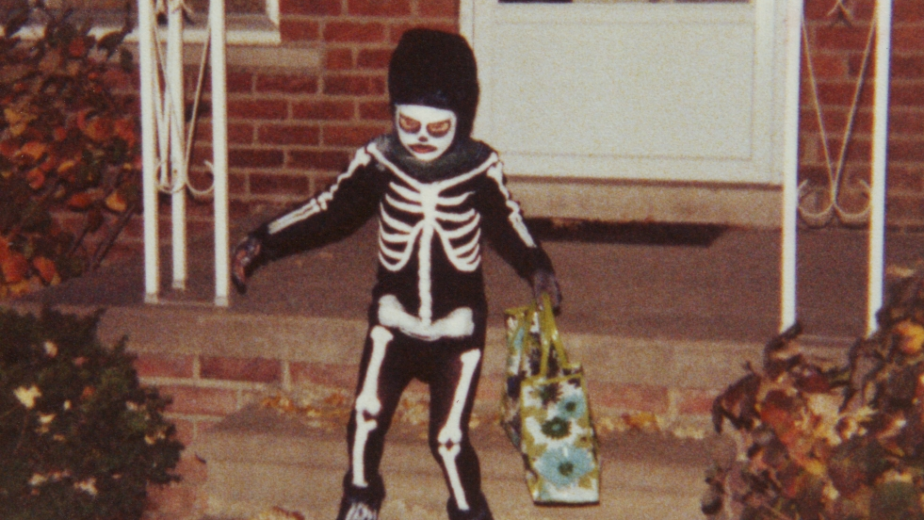
The American 10-year-old of 1968 carried a specific portfolio of personal possessions that the American 10-year-old of 2026 does not. A pocket knife. A coin collection. A baseball card collection in a shoebox. A leather wallet with a few dollar bills. A Schwinn bicycle. A transistor radio. A flashlight that worked. The objects were not luxuries — they were near-universal kid possessions across American suburbs and small towns. They cost between $1 and $20 in 1968 dollars, the equivalent of $9 to $180 in 2026 dollars, and they were typically purchased at the corner drugstore, the local hardware store, or the small-town department store. Boomers who were 8 to 14 years old in 1968 — now 66 to 72 in 2026 — typically remember each of these objects. Their grandchildren typically do not own a single one of them. Here are fifteen objects that every American kid owned in 1968.
1. A Pocket Knife
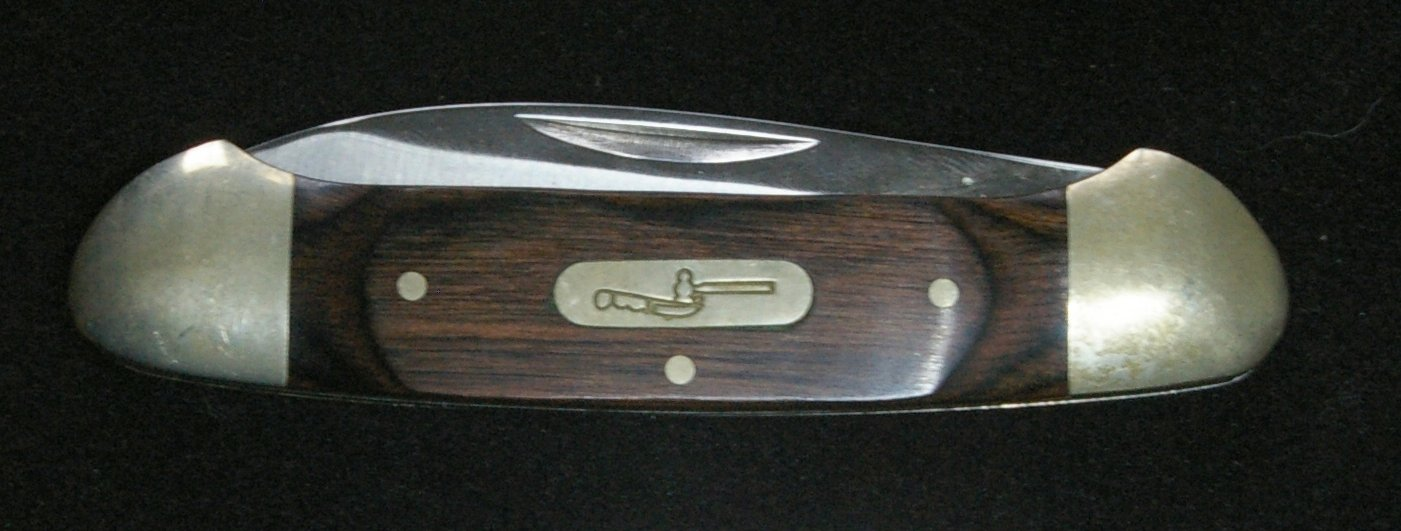
The standard American boy of 1968 carried a pocket knife — typically a small Case, Buck, or Swiss Army model — from approximately age 8 onward. The knife was used for whittling, opening packages, cutting fishing line, and dozens of other practical tasks. Schools generally permitted students to carry small pocket knives. The cultural and legal status has shifted dramatically. As of 2026, nearly every American K-12 school district prohibits pocket knives on school grounds, with the federal Gun-Free Schools Act and state-level zero-tolerance policies producing automatic suspensions for knife possession. The 1968 8-year-old with a Case Trapper folded in his front pocket has no contemporary parallel. The pocket knife survives as a niche adult possession rather than the universal kid object it was sixty years ago.
Like our content? Follow us for more.
2. A Baseball Card Collection in a Shoebox
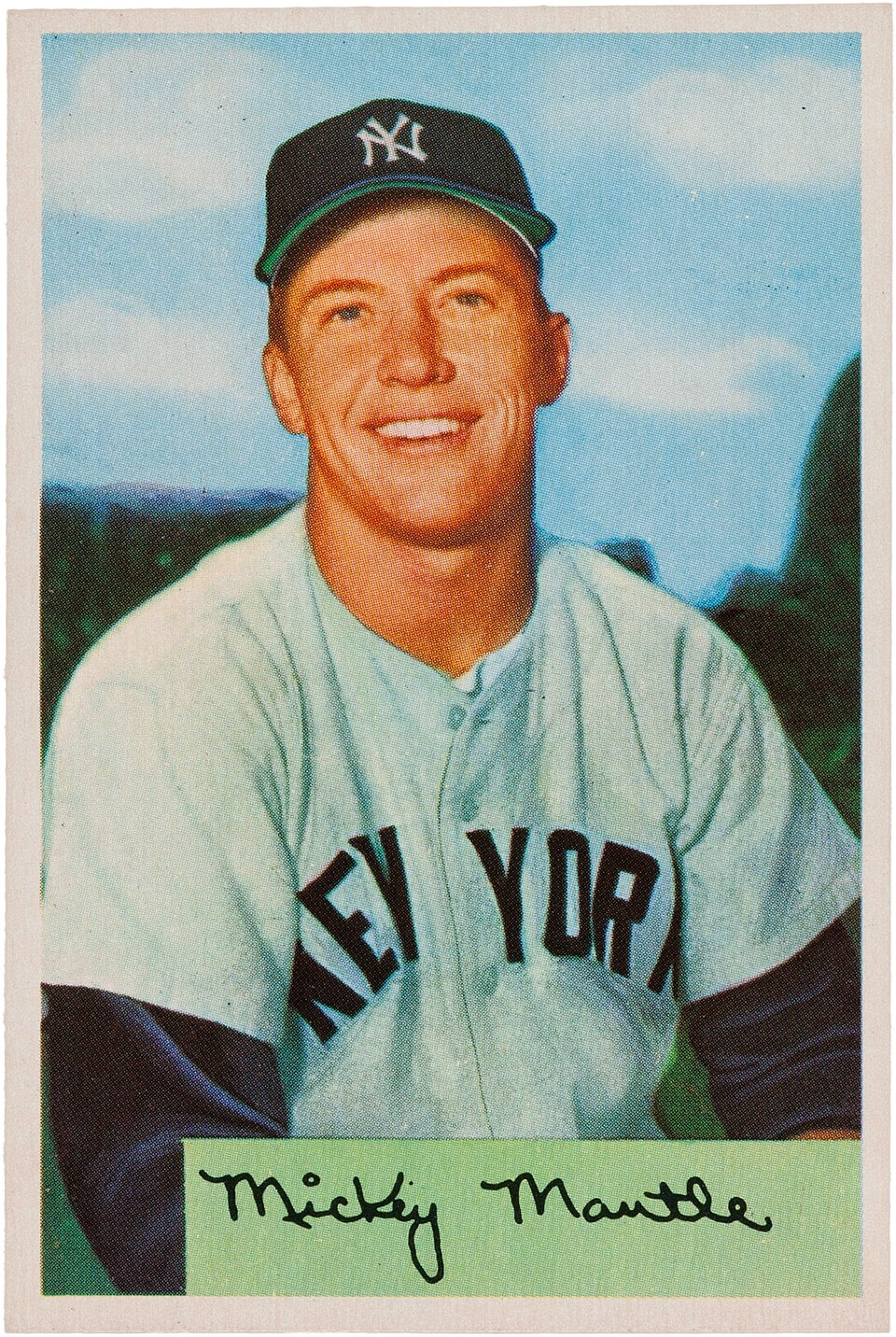
The 1968 American kid maintained a baseball card collection — typically Topps brand, purchased in wax-paper packs of 5 cards plus a stick of pink chewing gum for 5 cents per pack. The cards were stored in shoeboxes, organized by team, traded with neighborhood friends, and sometimes attached to bicycle spokes with clothespins to produce a motor-like sound. The 1968 Topps Mickey Mantle now sells for $15,000 to $75,000 in graded condition, but in 1968 it was a card a kid might tape inside his school locker. The shoebox-based informal collection has been largely replaced by graded, slabbed, and authenticated cards stored in protective cases. Most American kids in 2026 have never owned a single baseball card.
3. A Schwinn Bicycle (Likely a Stingray)
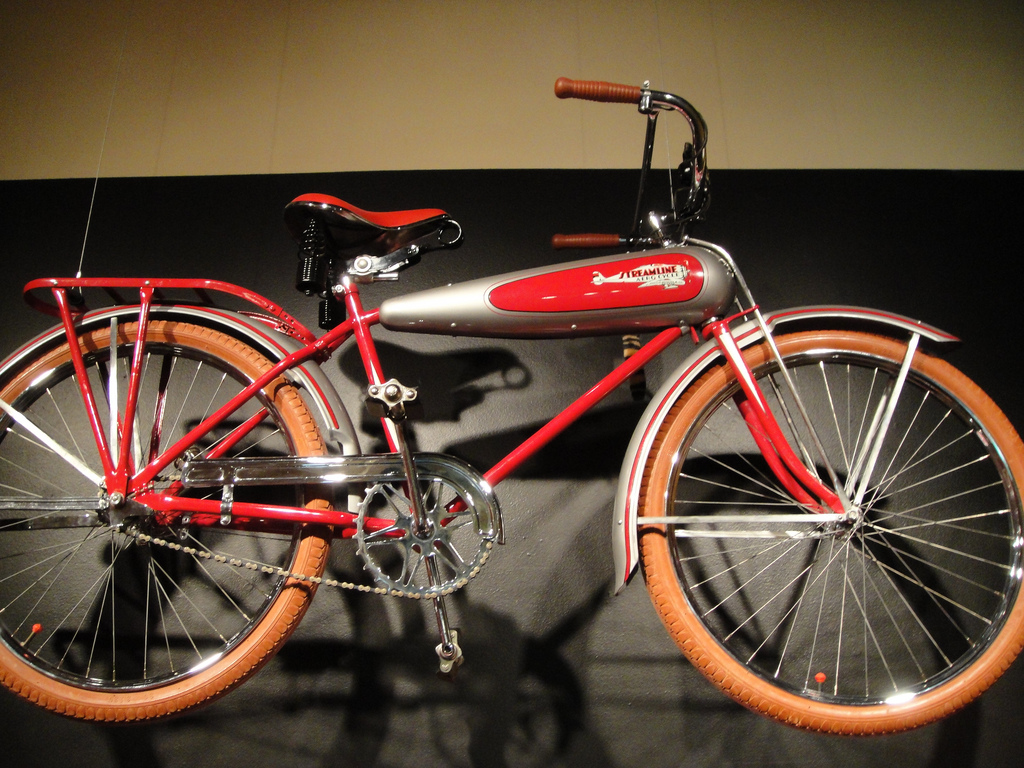
The 1968 American kid’s bicycle was, in approximately 60 percent of cases, a Schwinn Stingray — the high-handlebar, banana-seat, sissy-bar bike that defined American kid bicycles from 1963 through the mid-1970s. The bike retailed for approximately $50 in 1968 dollars (equivalent to approximately $450 in 2026 dollars) and was the dominant Christmas-and-birthday gift across American suburbs. Schwinn Bicycle Company filed for bankruptcy in 1992 and was sold multiple times since. The original Schwinn factory in Chicago has been closed since the 1980s. The Stingray was reissued as a retro nostalgia model in 2003 but does not match the volume or cultural penetration of the original 1968 model.
4. A Transistor Radio
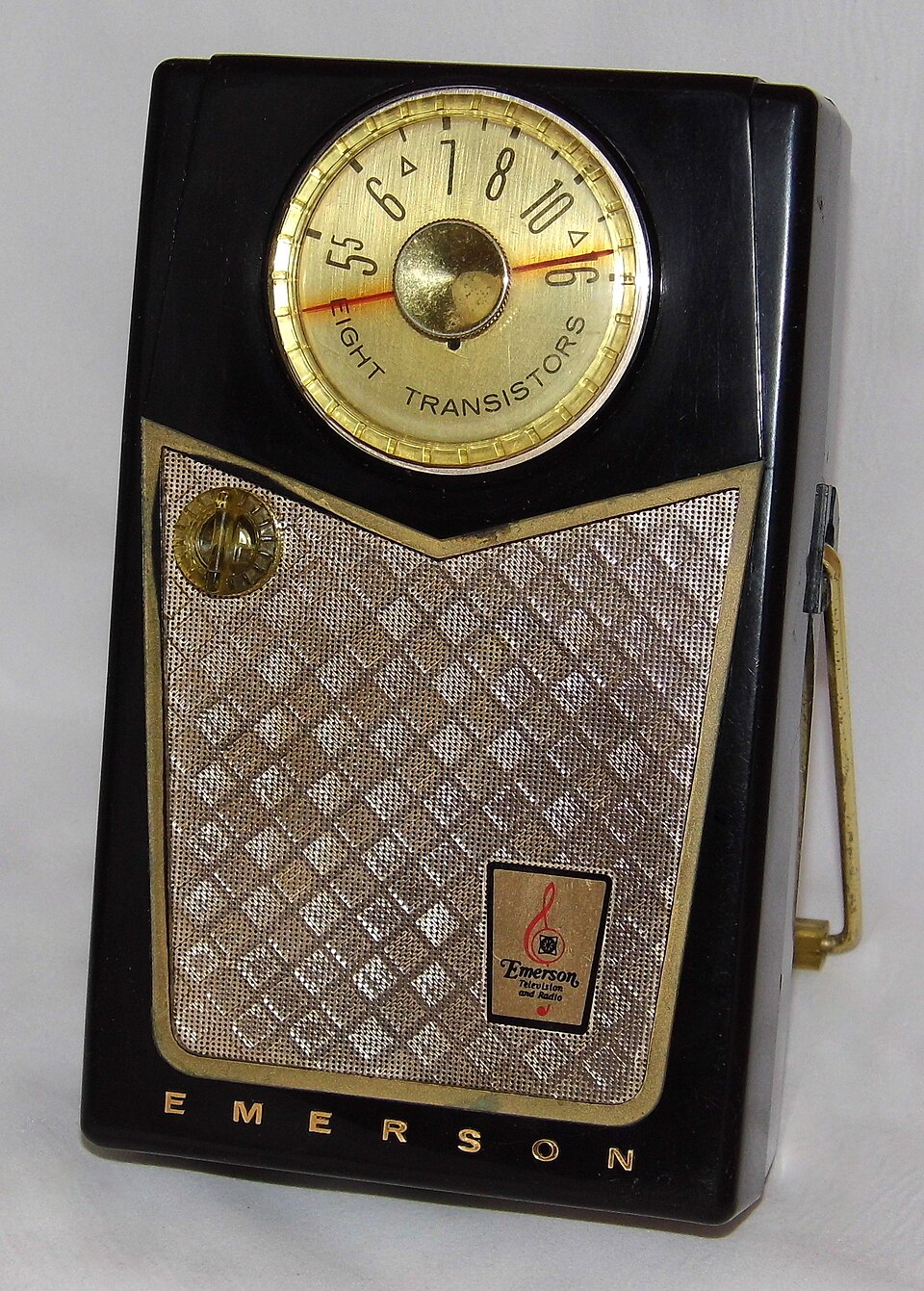
The pocket-sized transistor radio — typically a Sony, Zenith, or RCA brand, AM-only — was a near-universal American kid possession in 1968. The radio cost approximately $10 to $25 in 1968 dollars, ran on a single 9-volt battery, and produced AM broadcasts of Top 40 stations, baseball games, and overnight talk radio. The transistor radio peaked as a consumer category around 1970 and was substantially displaced first by the cassette tape player, then the Sony Walkman (1979), then the iPod (2001), then the smartphone. AM radio itself has declined from approximately 30 percent of U.S. radio audience in 1968 to approximately 8 percent in 2024. The 1968 kid listening to a Houston Astros game on a hand-held transistor radio under the covers after bedtime has no contemporary parallel.
5. A Flashlight That Actually Worked
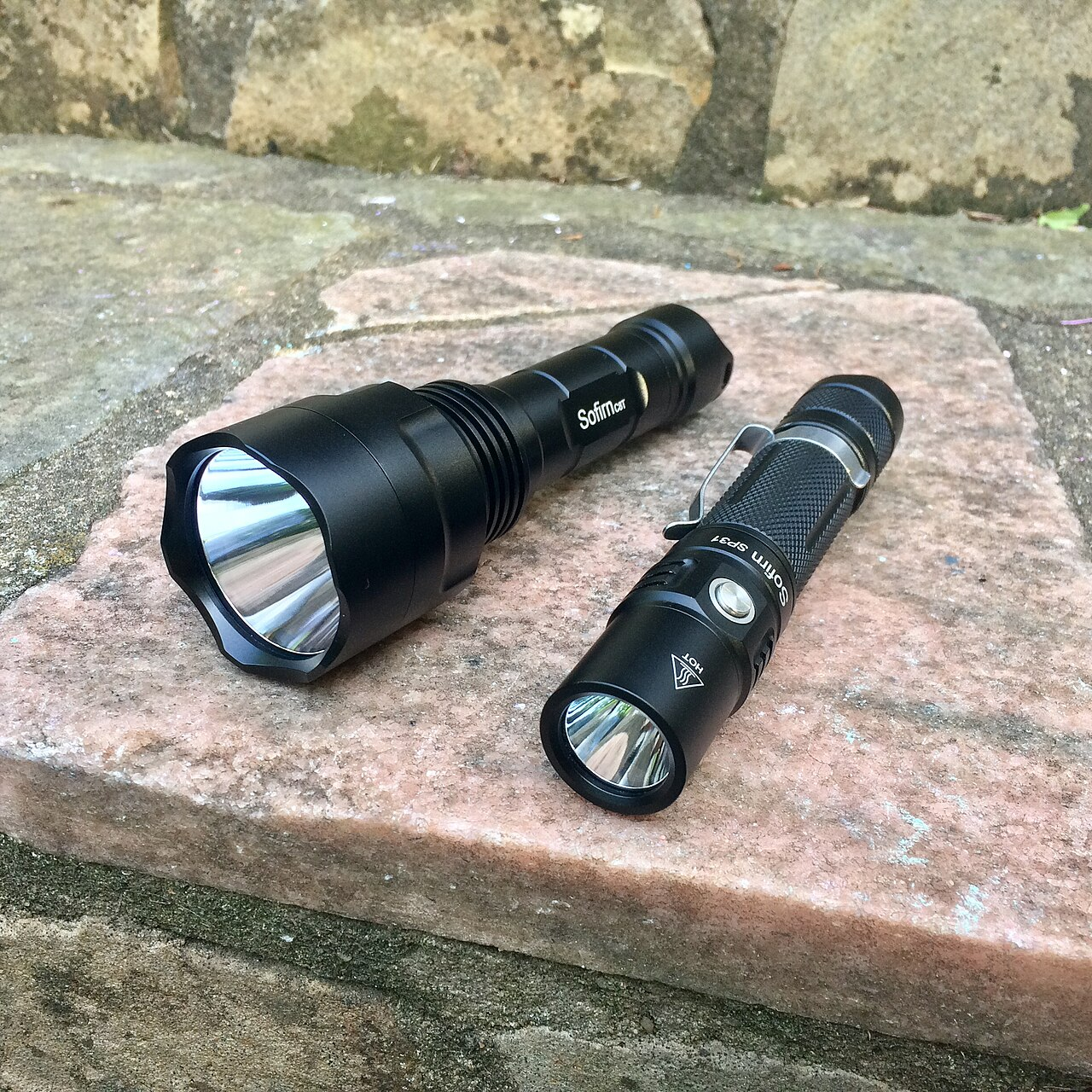
The 1968 American kid owned a flashlight — typically a metal 2-D-cell or 2-C-cell model from Eveready, Ray-O-Vac, or similar — that was kept in a bedroom drawer or on a closet shelf. The flashlight was used for reading under the covers, for backyard exploration after dark, for camping trips, and for power outages. The 1968 model used incandescent bulbs that burned out periodically and required replacement. Modern American kids generally do not own dedicated flashlights — the smartphone flashlight has displaced the standalone device. The metal 2-D Eveready that lived in the bedroom drawer of every American boomer kid is essentially extinct in 2026 American childhood.
6. A Marble Collection in a Cloth Bag
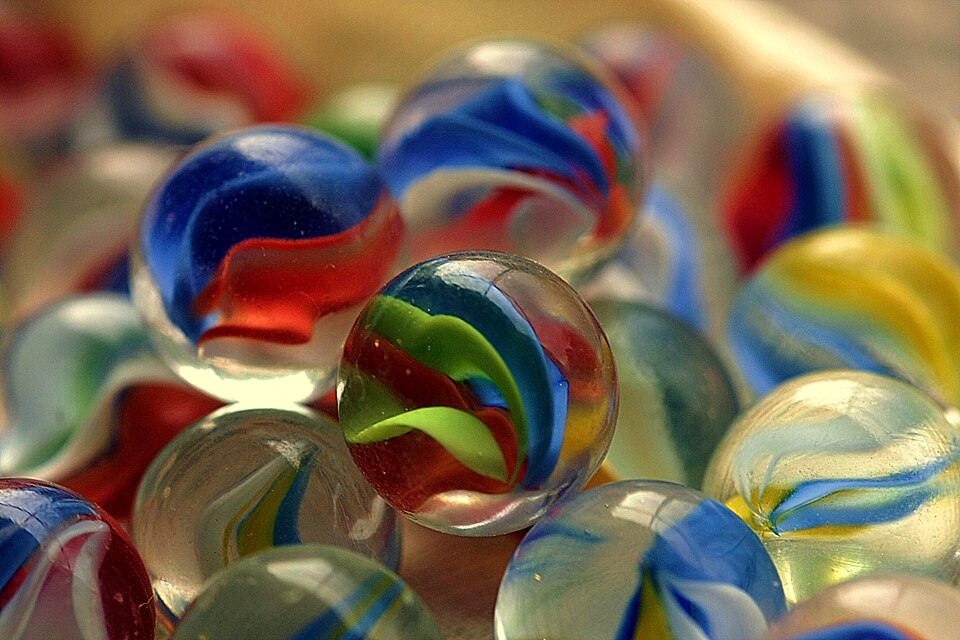
Every American kid of 1968 owned a marble collection — typically a cloth drawstring bag containing 30 to 100 glass marbles of various sizes and patterns. The marbles were played in schoolyard games (ringers, lagging, knuckle-down) at recess. The game has effectively disappeared from American playgrounds, replaced by smartphones, structured sports activities, and the broader decline of unstructured recess time. The cloth-bag-of-marbles is a universal boomer kid possession that does not exist in 2026 American childhood. Schoolyard marble games have not been played at any meaningful scale in the United States since approximately the early 1990s.
7. A Leather Wallet with a Few Dollar Bills
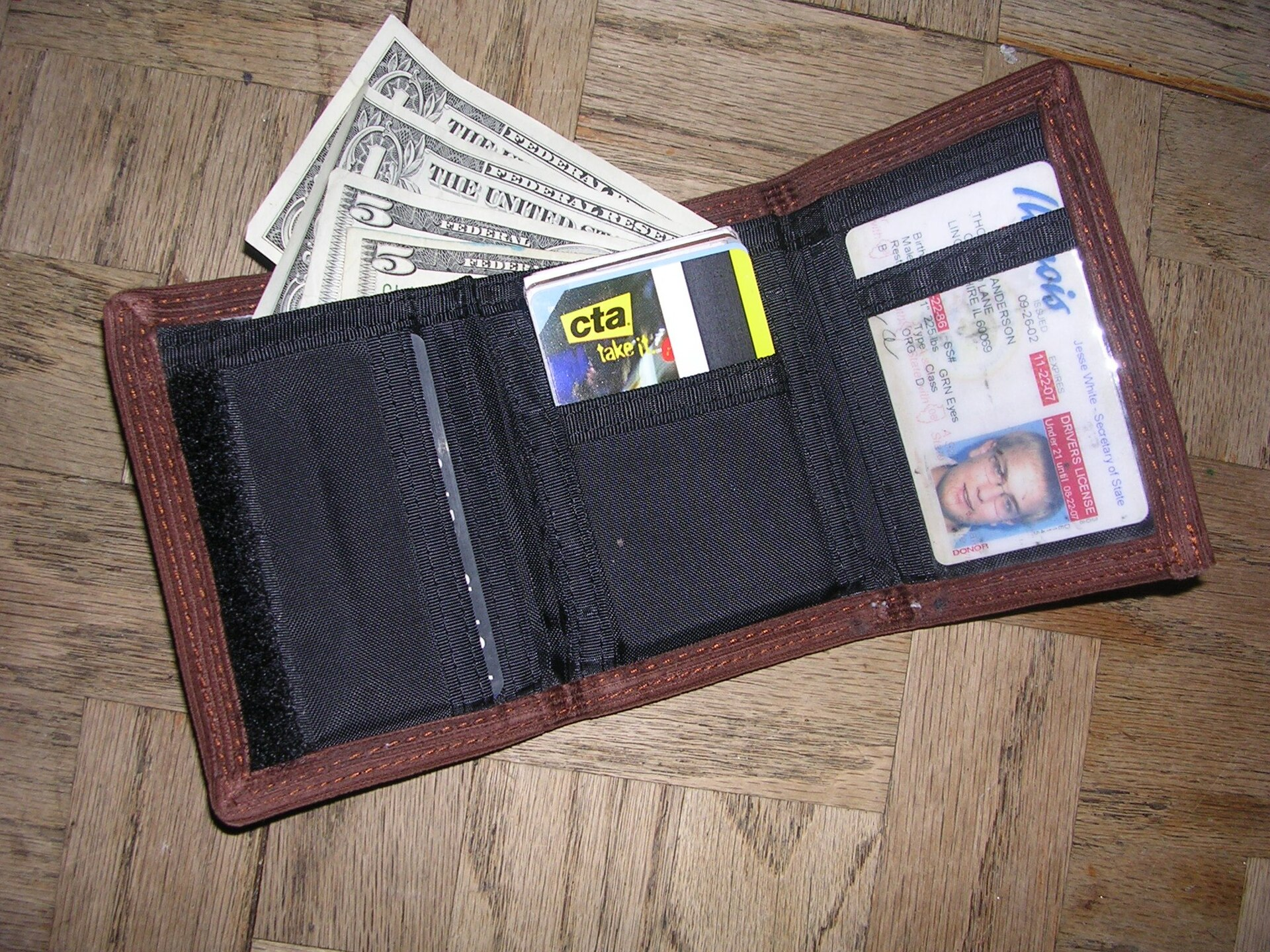
The American kid of 1968 owned a leather wallet — typically a $2 or $3 vinyl or genuine leather model from the local department store — containing $2 to $5 in cash for allowance, neighborhood errands, and the occasional store purchase. The wallet was a marker of approaching adulthood, and the transition from no wallet to having a wallet (typically around age 8) was a small American childhood milestone. Modern American kids substantially do not carry wallets — cash usage has declined dramatically and even teenagers rarely carry physical wallets. The 1968 leather-wallet-with-a-few-dollar-bills has been substantially displaced by parent-managed debit cards, online accounts, and digital payment apps that minors cannot independently operate.
8. A Coin Collection in a Blue Whitman Folder
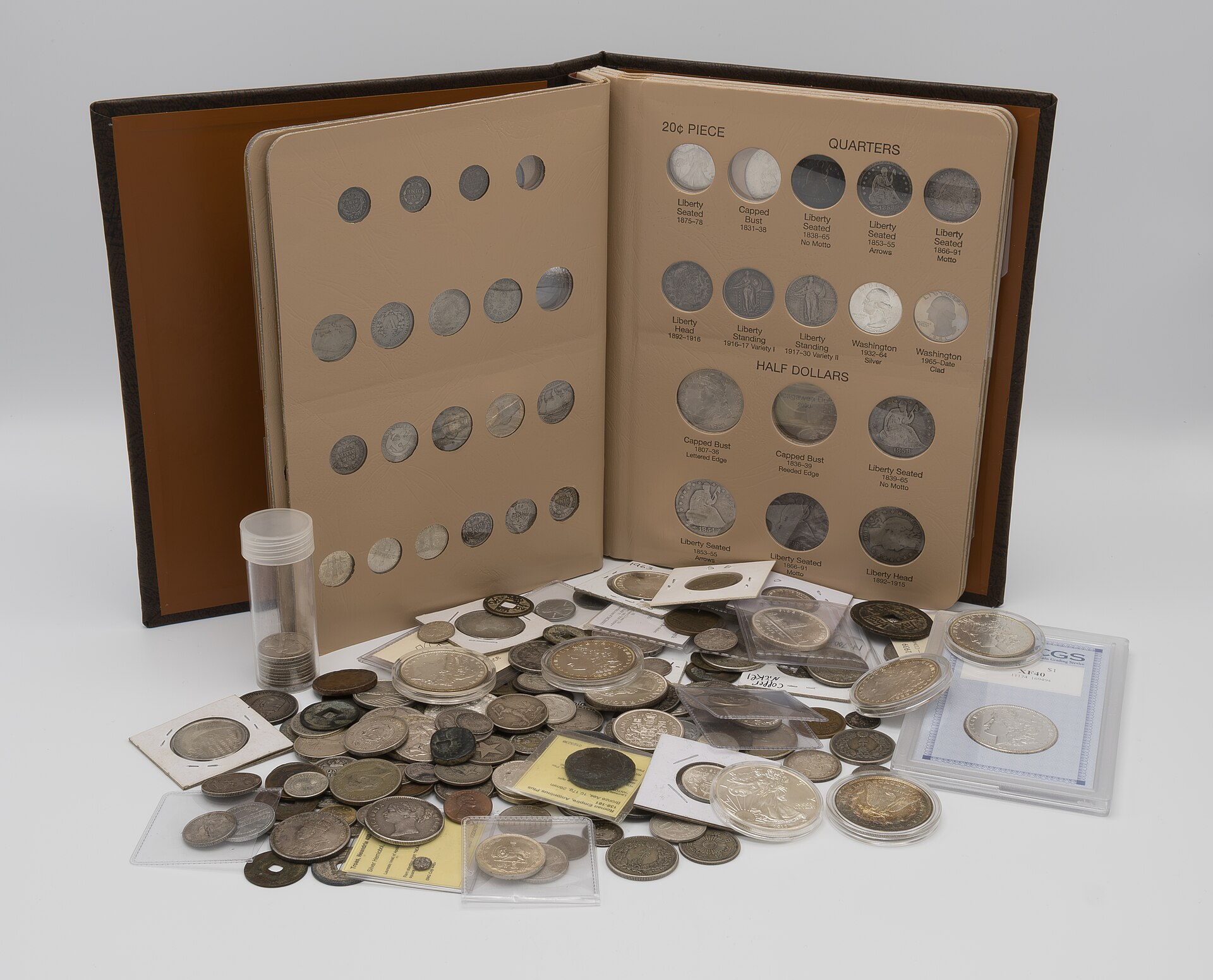
The 1968 American kid frequently maintained a coin collection using a Whitman blue cardboard folder — the standard format for collecting Lincoln pennies by date and mint mark, Jefferson nickels, Roosevelt dimes, Washington quarters, and Kennedy half dollars. The Whitman folders cost approximately 25 cents in 1968 and are still produced today. The activity has declined substantially. According to American Numismatic Association data, the median age of active coin collectors in 2024 was 67 — meaning the boomer-era collectors who started in the 1960s are now the dominant active demographic, with limited transmission to younger generations.
9. A Slinky

The Slinky — the simple coiled spring toy invented by Richard James in 1943 — was a universal American kid possession in 1968. The toy retailed for approximately $1 in 1968 dollars and produced approximately 5 to 10 minutes of entertainment per session as it “walked” down stairs. The Slinky is still manufactured by James Industries in Pennsylvania (now Just Play LLC since 2019) and remains commercially available, but it occupies a much smaller share of American childhood than it did in the 1960s. The classic metal Slinky has been substantially displaced by plastic versions, which are commercially dominant but lack the original tonal quality.
10. A View-Master
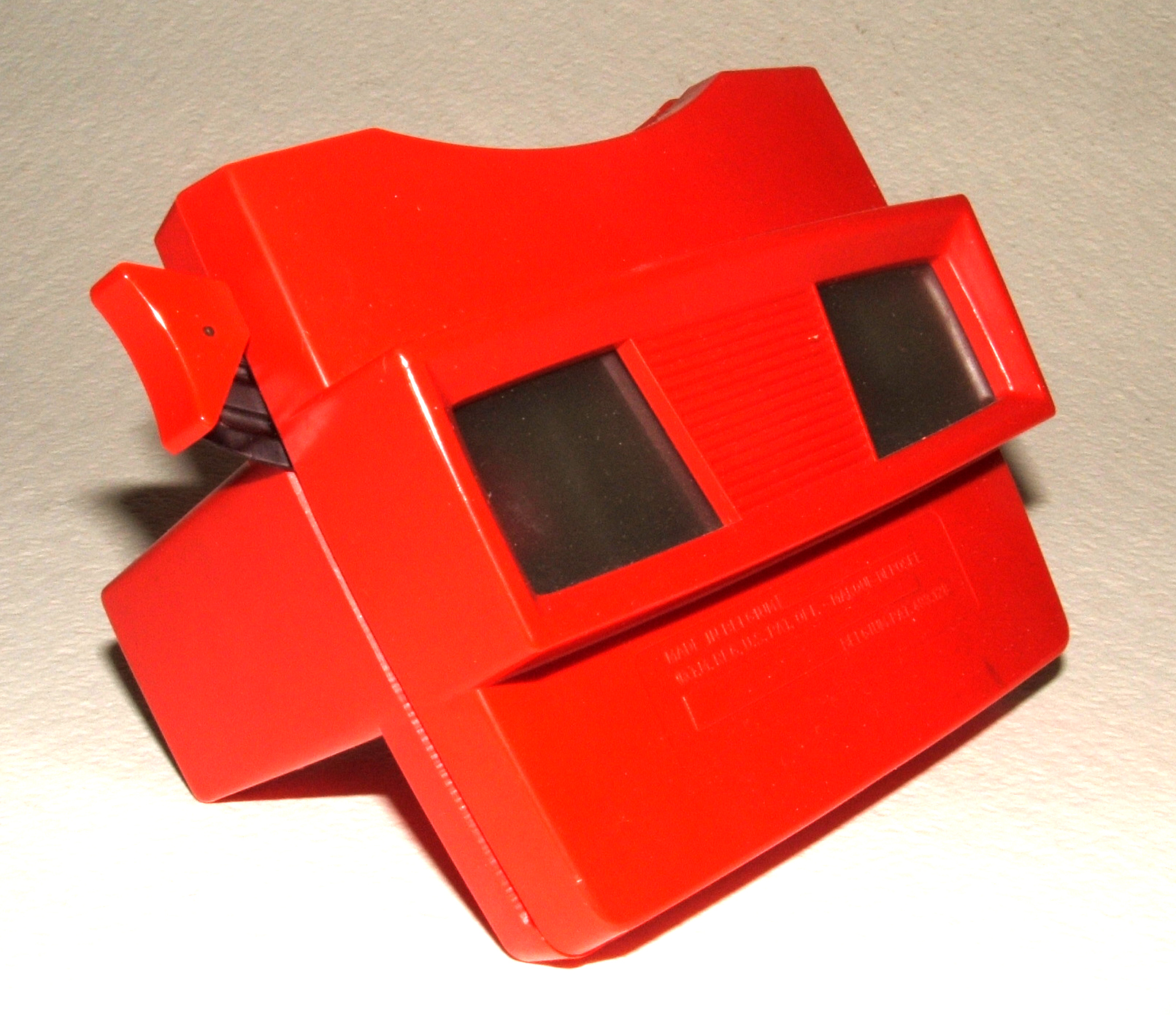
The View-Master — the stereoscopic photo viewer using cardboard reels with seven pairs of small 35mm transparencies — was a standard 1968 American kid possession. The View-Master and its reels (depicting national parks, Disney attractions, cartoon characters, world cities) were a primary source of visual entertainment beyond television. The original View-Master Company has changed hands multiple times since the 1960s — currently owned by Mattel. The product still exists but at substantially reduced cultural penetration. The 1968 stack of View-Master reels in every American kid’s bedroom has been displaced by digital photography and on-demand video.
11. A Yo-Yo
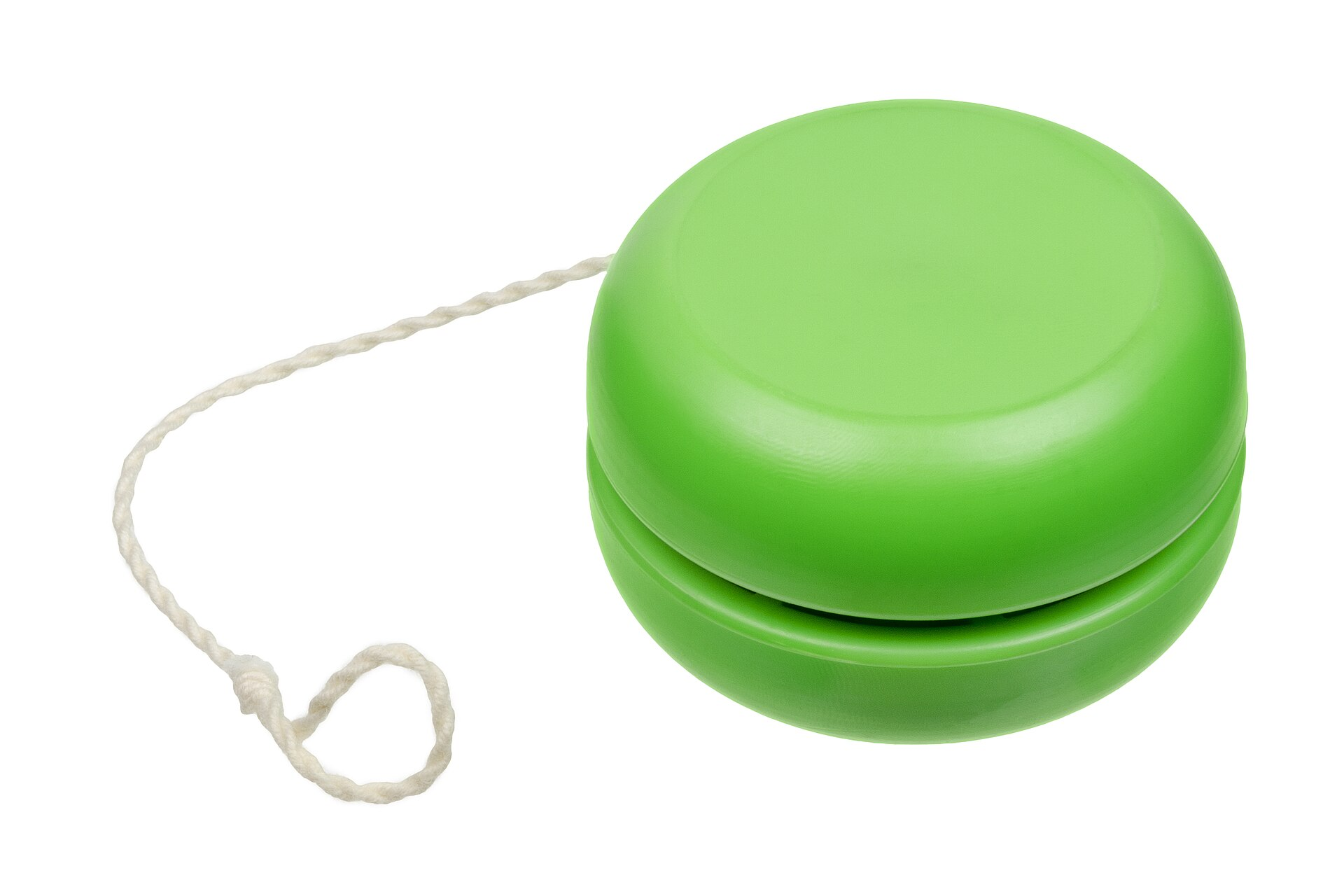
The yo-yo — typically a Duncan Imperial or Duncan Butterfly model — was a universal American kid possession in 1968. The toy retailed for approximately 50 cents in 1968 dollars and produced trick-learning sessions that consumed afternoons. Duncan Yo-Yos sold approximately 45 million units in 1962, the peak year of American yo-yo culture. The category has declined steadily since, with periodic mini-revivals (1990s, briefly in the 2010s) that have not restored the original cultural penetration. The Duncan brand survives but the universal kid yo-yo of 1968 is essentially gone from contemporary American childhood.
12. A Etch A Sketch
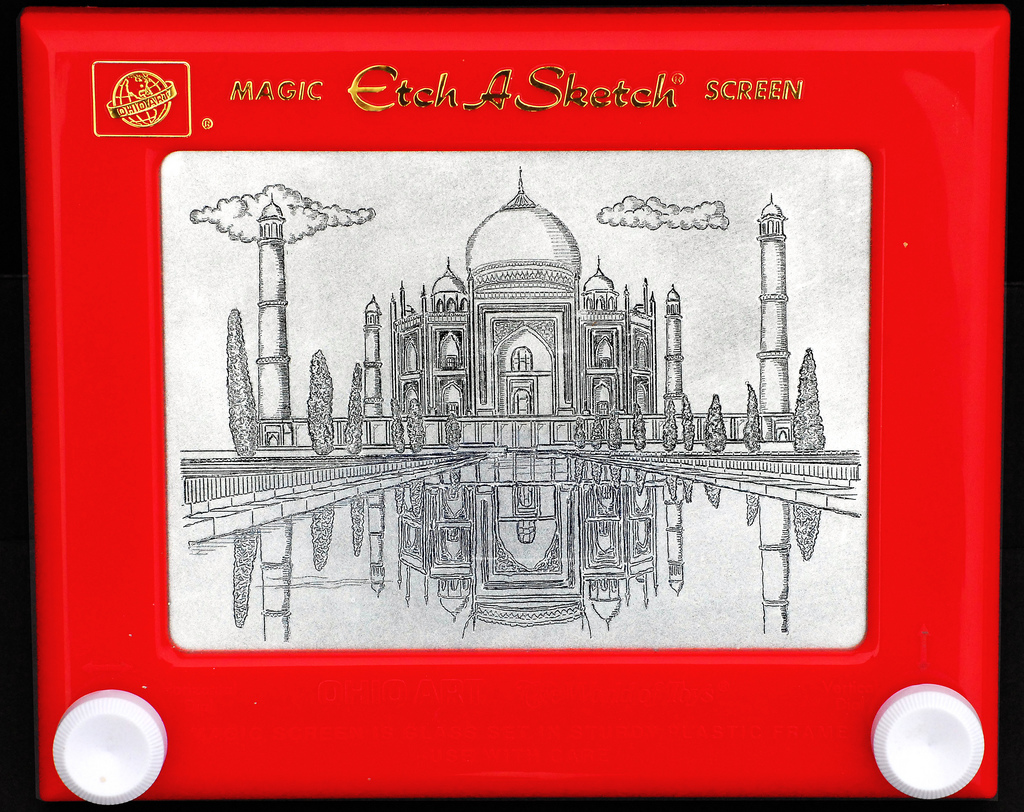
The Etch A Sketch — the gray-screen drawing toy operated by two white knobs — was invented in 1959 and was a universal American kid possession by 1968. The toy retailed for approximately $3 in 1968 dollars. The Etch A Sketch was manufactured by Ohio Art Company until 2016, when production was sold to Spin Master. The product continues to be sold but at much smaller volume than the 1960s peak. The toy’s cultural moment — when virtually every American household with kids had at least one — is firmly in the past.
13. A Magic 8 Ball
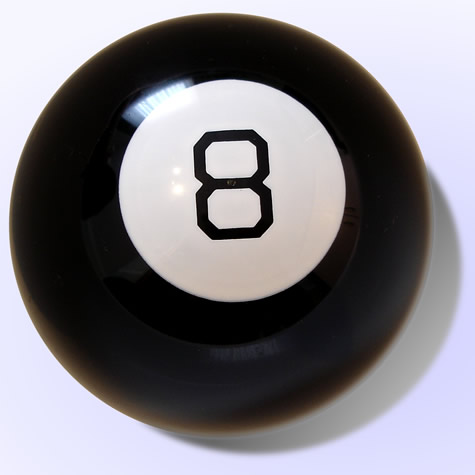
The Magic 8 Ball — the black plastic sphere containing a 20-sided die that produced fortune-telling answers when shaken — was a standard 1968 American kid possession. The toy was invented in 1950 and retailed for approximately $2 in 1968 dollars. Mattel acquired the brand in 1990 and continues to produce Magic 8 Balls in modest volume. The product is a kitschy adult novelty in 2026 more than a kid toy. The 1968 universal-childhood Magic 8 Ball moment has not returned.
14. A Lite-Brite
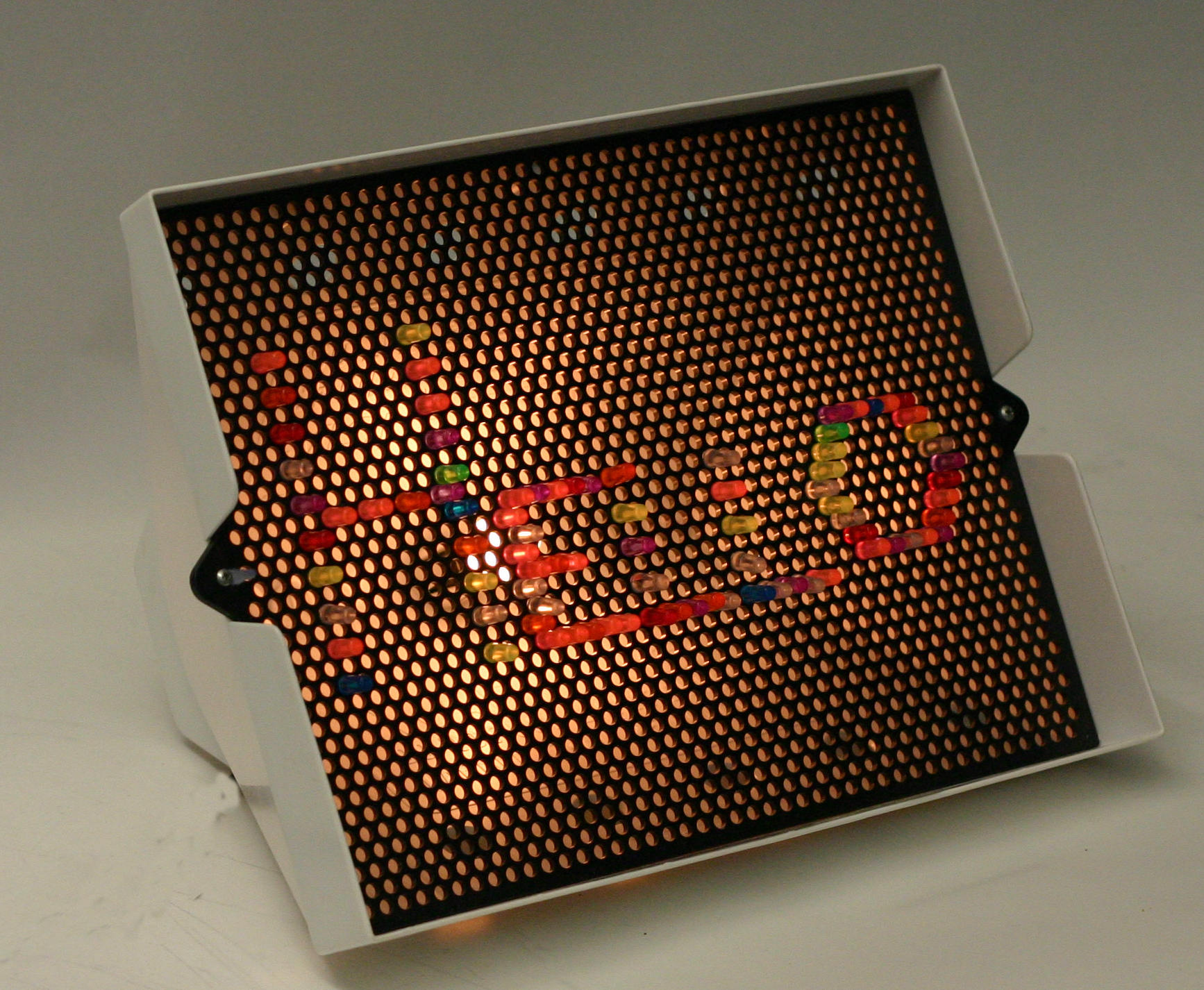
The Lite-Brite — the back-lit pegboard toy that allowed children to create illuminated images using small translucent plastic pegs — was introduced in 1967 and became a near-universal American kid possession by 1968-1969. The toy retailed for approximately $4 in 1968 dollars. Hasbro continues to produce Lite-Brite in modest volumes. The product remains commercially available but operates at a fraction of its original 1960s and 1970s cultural penetration. The 1968 kid creating pegboard images of clowns and rainbows on the family Lite-Brite has no contemporary parallel.
15. A Daisy Red Ryder BB Gun
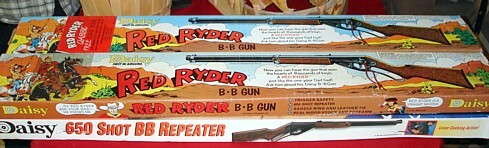
The Daisy Red Ryder BB gun — the carbine-action air rifle marketed to American boys since 1940 — was a standard 1968 American kid possession in suburban and rural households. The gun retailed for approximately $9 in 1968 dollars and was typically given as a Christmas or birthday gift around ages 9 to 12. The gun was famously featured in “A Christmas Story” (1983). Daisy Outdoor Products continues to manufacture the Red Ryder in 2026. Cultural and legal acceptance has shifted substantially. Most American school districts and many municipalities prohibit BB gun possession by minors, and many parents do not consider air rifles appropriate gifts for elementary-school-age children. The 1968 universal-Christmas-morning Red Ryder has narrowed to a much smaller subset of American childhood.
Like our content? Follow us for more.