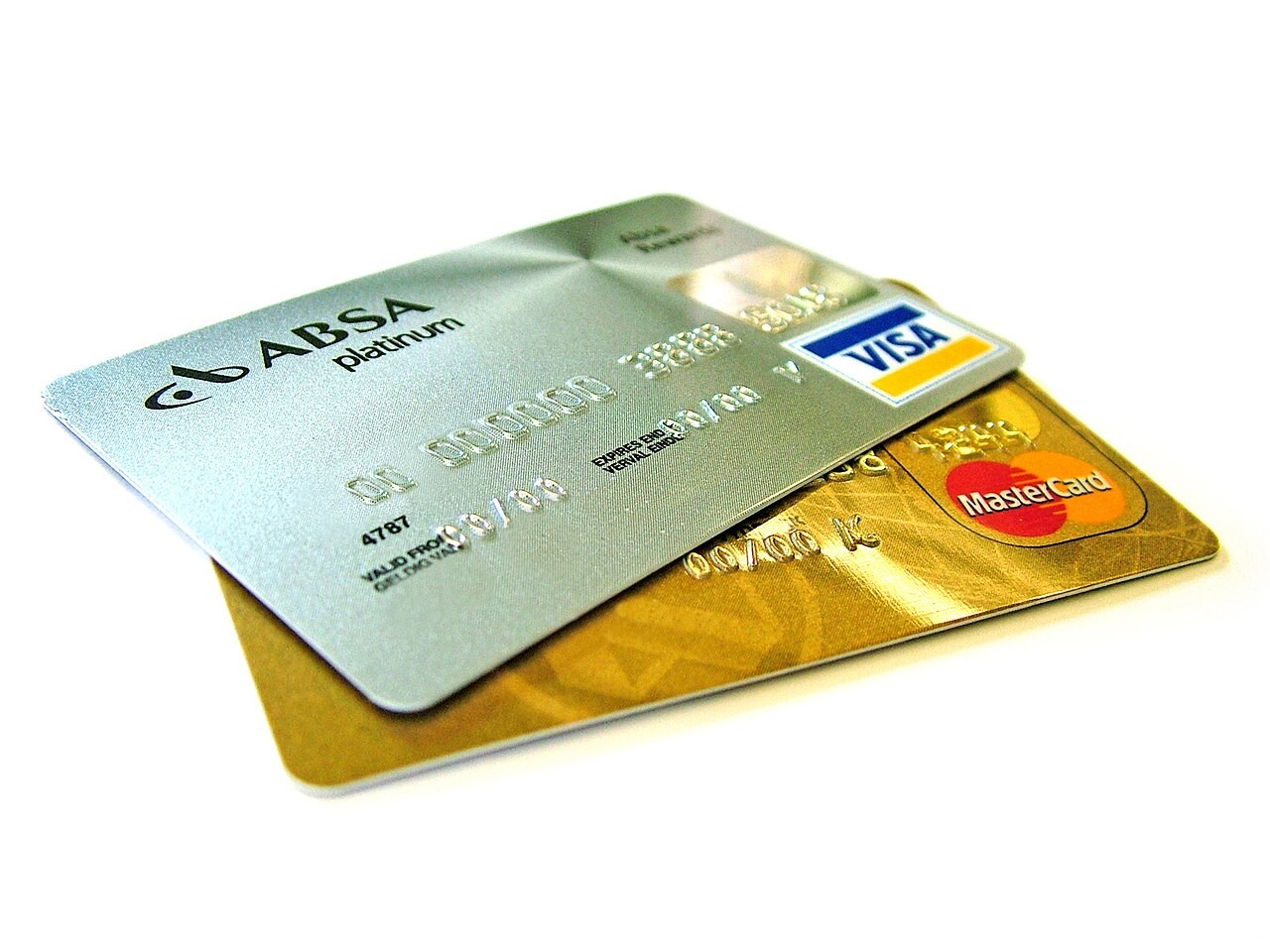
Debit cards offer convenience, but certain locations and situations significantly increase the risk of fraud. Unlike credit cards, debit card fraud can directly deplete your checking account, with potential losses of up to $500 if not reported promptly. Understanding these vulnerabilities is key to protecting your finances from criminals who employ devices like skimmers to steal your card data.
1. Gas Station Pumps
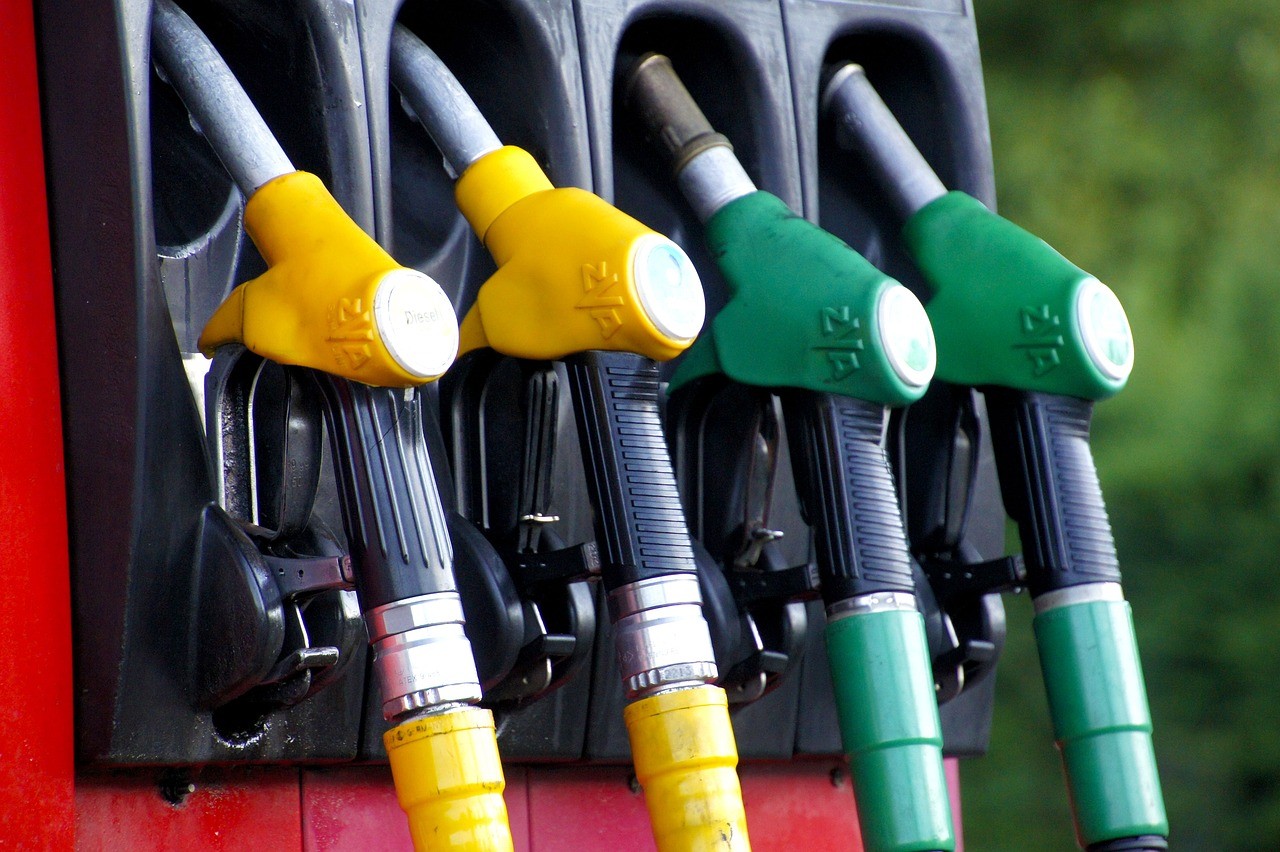
Gas station pumps are a prime target for criminals who install “skimmers” to capture debit card information as it’s swiped. Many pumps still lack chip card technology, making magnetic stripe cards vulnerable. The FBI estimates card skimming costs consumers and banks over $1 billion annually. To mitigate risk, pay inside with cash or a credit card, or use contactless payment methods if available. Inspect the card reader for any signs of tampering before use.
2. ATMs in Remote or Poorly Lit Areas
ATMs in isolated locations, especially those not inside a bank or well-trafficked area, are more susceptible to tampering. Skimming devices can be easily attached to card readers, and hidden cameras can record PIN entries. The FBI reports that compromises at bank-owned ATMs increased significantly, making it advisable to use ATMs inside banks or busy commercial establishments. Always cover the keypad when entering your PIN, regardless of location.
3. Unattended or Public Kiosks
Self-service kiosks, found in places like parking garages or public transportation hubs, can also be risky. These machines are sometimes equipped with tampered card readers. If a card reader appears loose, ill-fitting, or shows any other signs of tampering, it is best to avoid using it. Using contactless payment options, if available, can offer an additional layer of security at these locations.
4. Public Wi-Fi Networks
Conducting financial transactions, including using your debit card online, over public Wi-Fi networks is highly discouraged. These networks are often unencrypted and vulnerable to man-in-the-middle attacks, where cybercriminals can intercept your data. Legitimate payment gateways use HTTPS, but there’s still a risk of redirection or sophisticated attacks. Using a trusted VPN is recommended for added security if you must use public Wi-Fi.
5. Online Retailers with Weak Security
While online shopping is convenient, using your debit card on unfamiliar or less secure websites poses a significant risk. Data breaches and malware can compromise your debit card information, leading to direct access to your checking account. Avoid entering debit card details directly if possible; opt for trusted payment platforms like PayPal or services that maintain payment information without requiring direct card entry.
6. Restaurants Where Your Card Leaves Your Sight
When you hand your debit card to a server or bartender, you lose control of it, creating an opportunity for it to be swiped through unauthorized devices. Restaurants are frequent targets for data breaches, and the high volume of transactions can mask fraudulent activity. Opt for table-side contactless payment options when available, or consider using a credit card, which generally offers stronger fraud protections.
7. Bars and Nightclubs
Similar to restaurants, bars and nightclubs are busy environments where your debit card can be handled by multiple people. This increases the risk of skimming or card information being compromised. Many POS systems in these establishments can also be manipulated by employees for fraudulent purposes. Paying with cash or a credit card is a safer alternative.
8. Hotels’ Self-Check-in Kiosks
Recent security vulnerabilities have been discovered in some hotel self-check-in kiosks, allowing unauthorized access to guest data and potentially even room keys. These terminals, used in over 3,000 hotels globally, can be exploited if not properly secured. It is advisable to exercise caution and consider traditional check-in methods when available.
9. Tourist Hotspots and High-Traffic Areas

Popular tourist destinations often feature less secure payment terminals and attract criminals looking for easy targets. The high volume of transactions in these areas can mask skimming devices and tampering. Debit card fraud attempts can increase significantly in tourist zones, especially during peak travel seasons. Credit cards may offer better fraud protection and benefits for travelers.
10. Third-Party Payment Apps for Unfamiliar Transactions
While peer-to-peer payment apps are convenient, they function similarly to cash, making recovered funds difficult. Scammers may impersonate businesses or individuals, use fake invoices, or employ “overpayment” scams. Be cautious of urgent requests or transactions with strangers. Always verify unexpected payment requests and never share personal information.
11. Festivals and Pop-Up Events
Temporary payment terminals at festivals and pop-up events may not have the same robust security measures as established businesses. These can be more susceptible to skimming devices or other forms of tampering. Criminals may target these high-volume, often cash-heavy environments. Using contactless payment options or cash can be safer than using a debit card at such venues.