

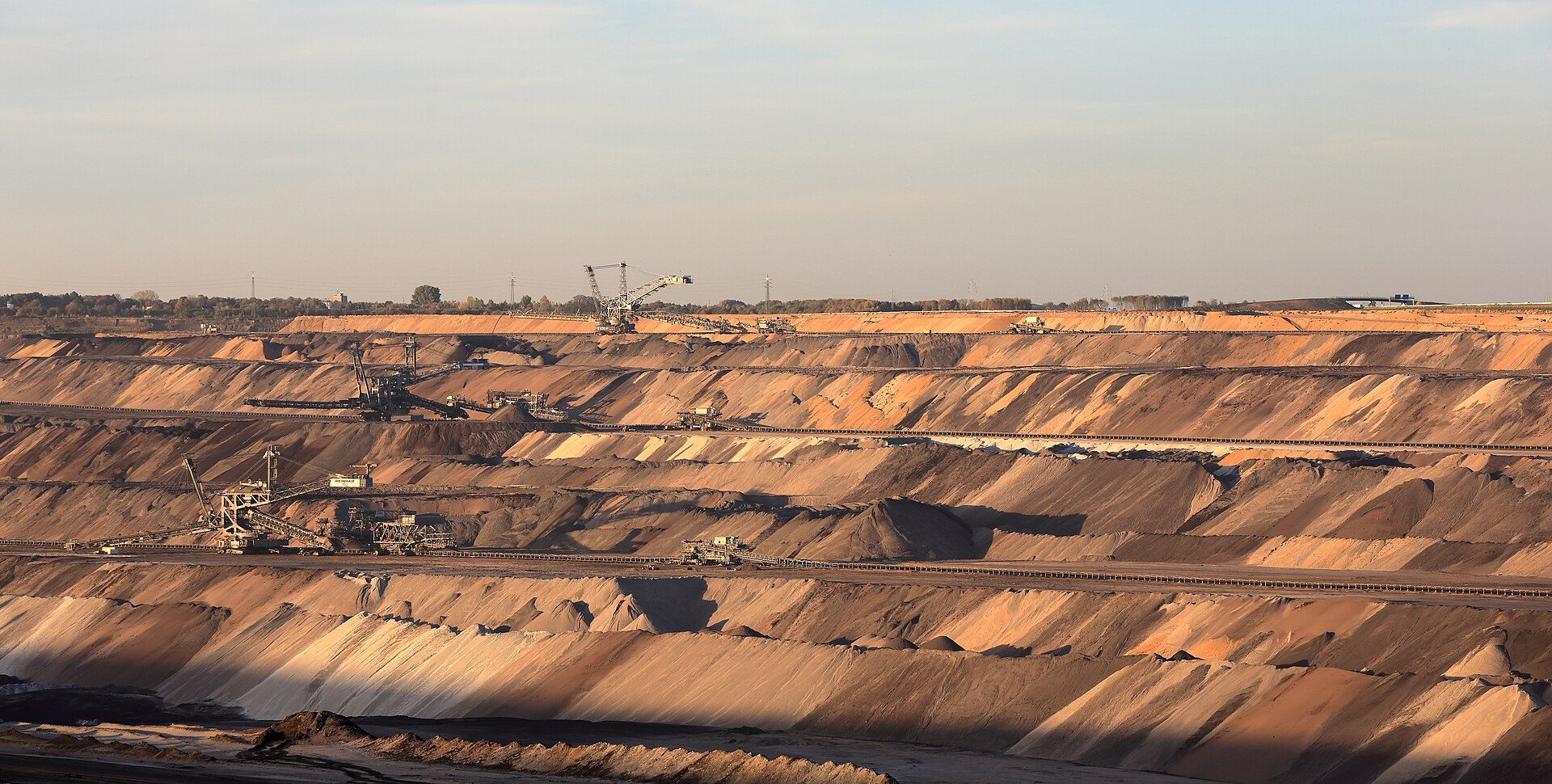
The Garzweiler lignite mine in western Germany covers 48 square kilometers and produces 35 million tons of coal annually. Its expansion has consumed entire villages — Immerath was demolished in 2018, Lützerath in 2023, with several more once scheduled to disappear by 2035. More than 30,000 people have already been forcibly relocated since the 1980s. In October 2022, a deal between the German Greens and energy company RWE saved five remaining villages in exchange for ending coal use by 2030. Here’s what’s actually happening in this slow-motion industrial tragedy.
1: Europe’s Largest Lignite Operation
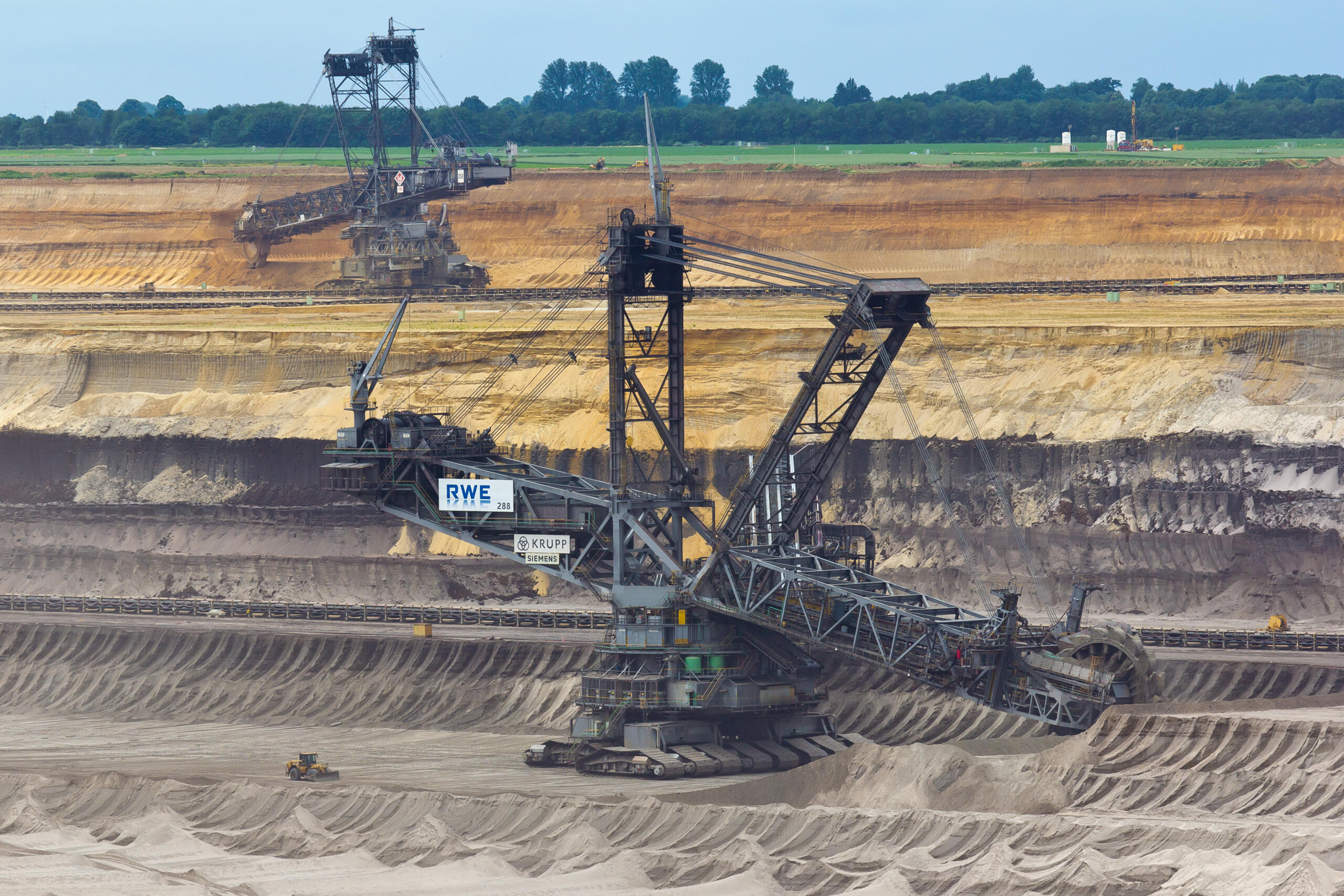
The Garzweiler surface mine sits in North Rhine-Westphalia, western Germany, approximately 20 kilometers from the Dutch border. The mine covers approximately 48 square kilometers (19 square miles) and produces around 35 million tons of lignite (brown coal) annually. It’s operated by RWE Power AG, one of Europe’s largest energy companies.
Lignite is among the world’s dirtiest fossil fuels — substantially higher CO2 emissions per energy unit than other coal types, plus various other environmental impacts. The Garzweiler mine has been described as Europe’s biggest single source of CO2 emissions. The lignite is burned at nearby power plants (Neurath and Niederaußem) for electricity generation that has historically supplied substantial portions of German baseload power.
2: How the Mine Actually Works
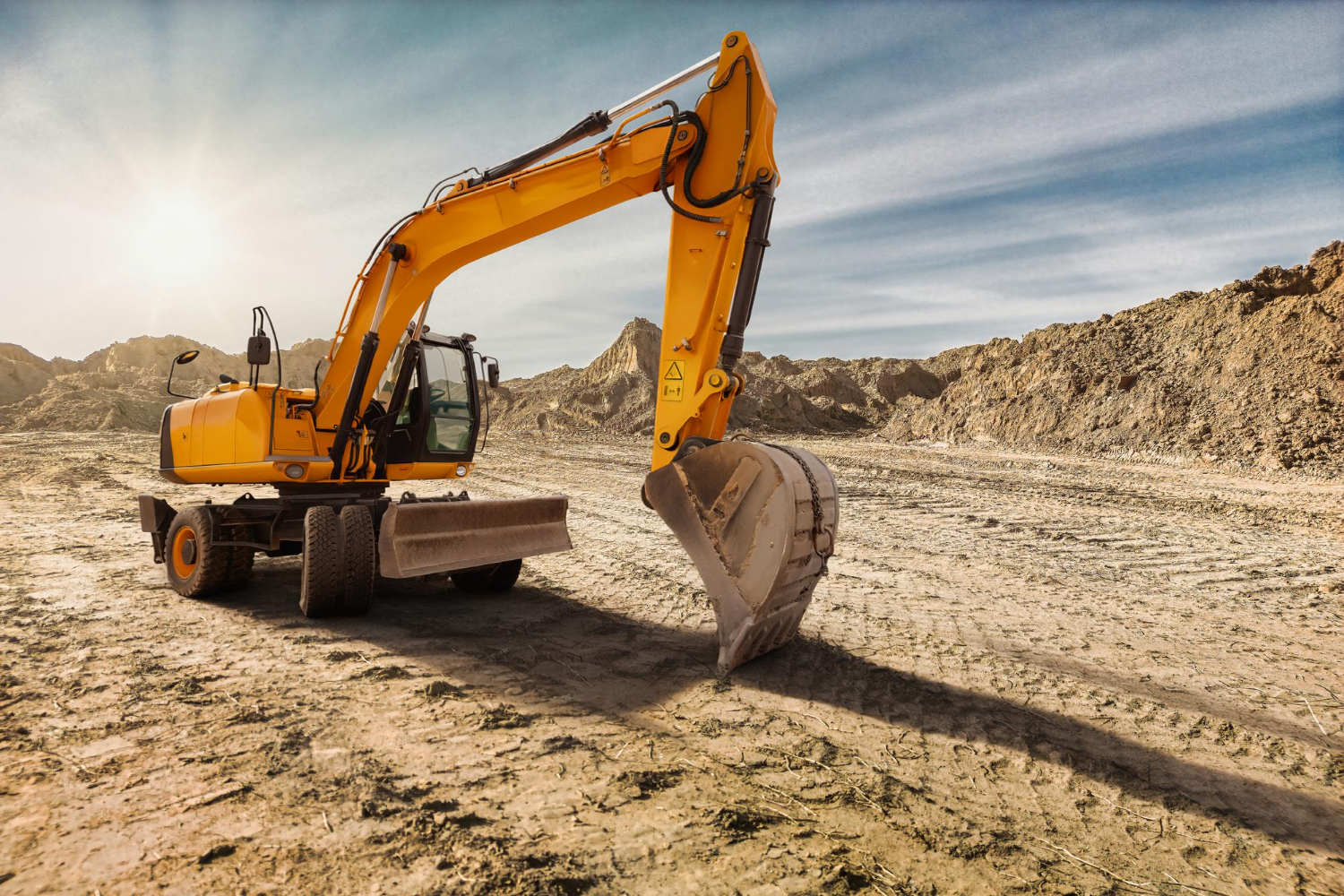
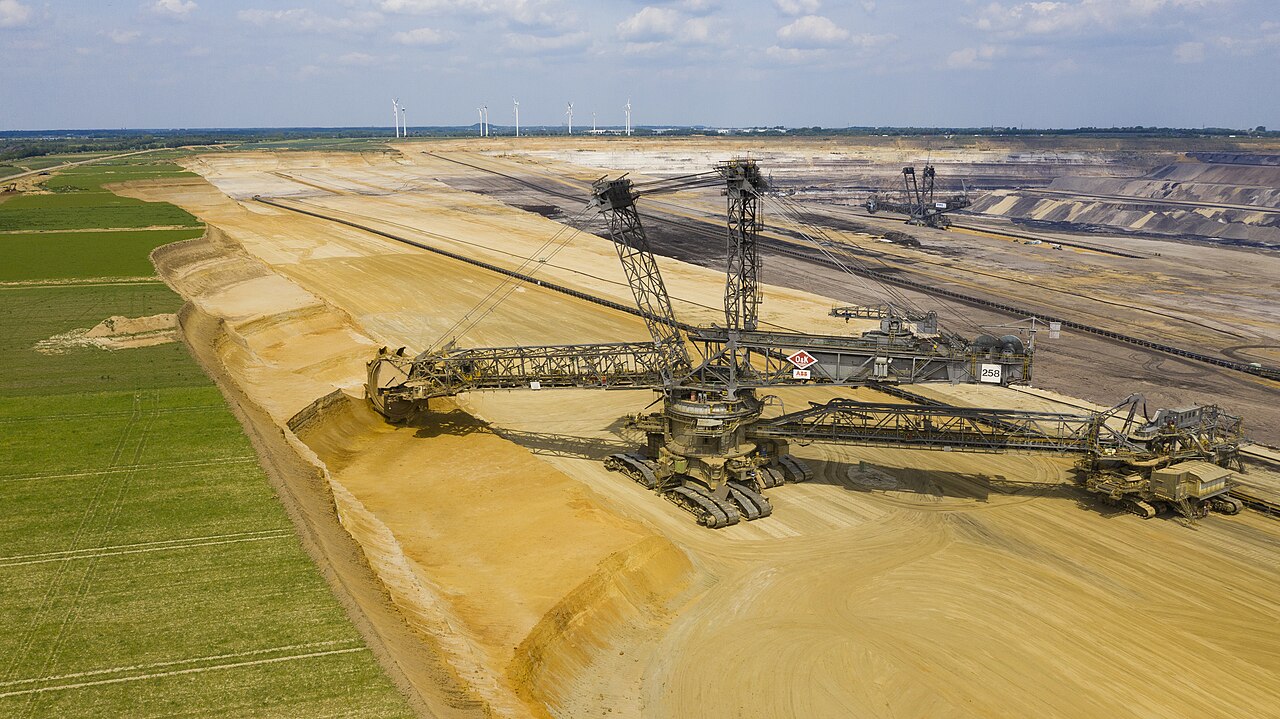
Modern lignite extraction uses massive bucket-wheel excavators — giant industrial machines with rotating wheels containing buckets that scrape directly into the earth. The largest excavators are over 70 feet tall and weigh thousands of tons. They operate continuously, slowly advancing across the mine floor as they extract material.
The technique is called “open-pit” mining because the entire operation occurs at the surface rather than through underground tunnels. The current Garzweiler pit reaches over 200 meters deep at its deepest sections. Coal is separated from rock and dirt at the mine, then carried via conveyor belts to nearby power plants. The mines are sometimes called “walking mines” because the excavators slowly creep across the landscape, consuming everything in their path.
3: The 30,000 People Already Displaced
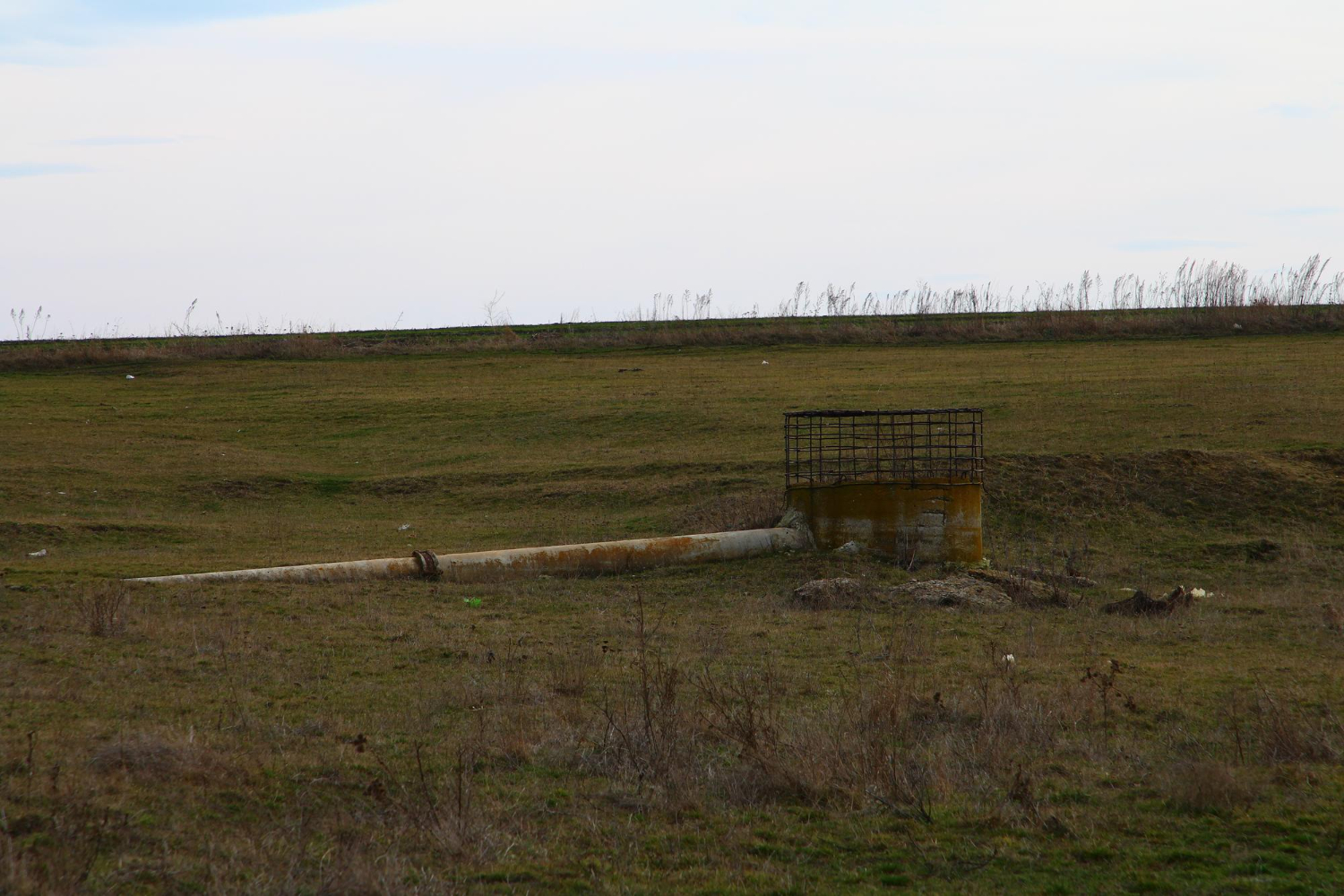
The Garzweiler mine has displaced massive numbers of people throughout its history. Estimates from the early 1980s alone suggest that more than 30,000 people had been forced to relocate to make way for mine expansion. Plans for “Garzweiler II” (the second-phase expansion that began in 2006) required removing 12 additional towns affecting approximately 12,000 more residents.
The displacement isn’t sudden. The process can begin 20-30 years before the mine actually reaches a community. Affected residents are given time to relocate to newly-built replacement settlements nearby. Compensation packages are provided. But the ultimate decision — whether the village will be destroyed — is made by RWE and the regional government, not by residents themselves. The cumulative human impact across decades has been substantial.
4: The 2018 Demolition of Immerath
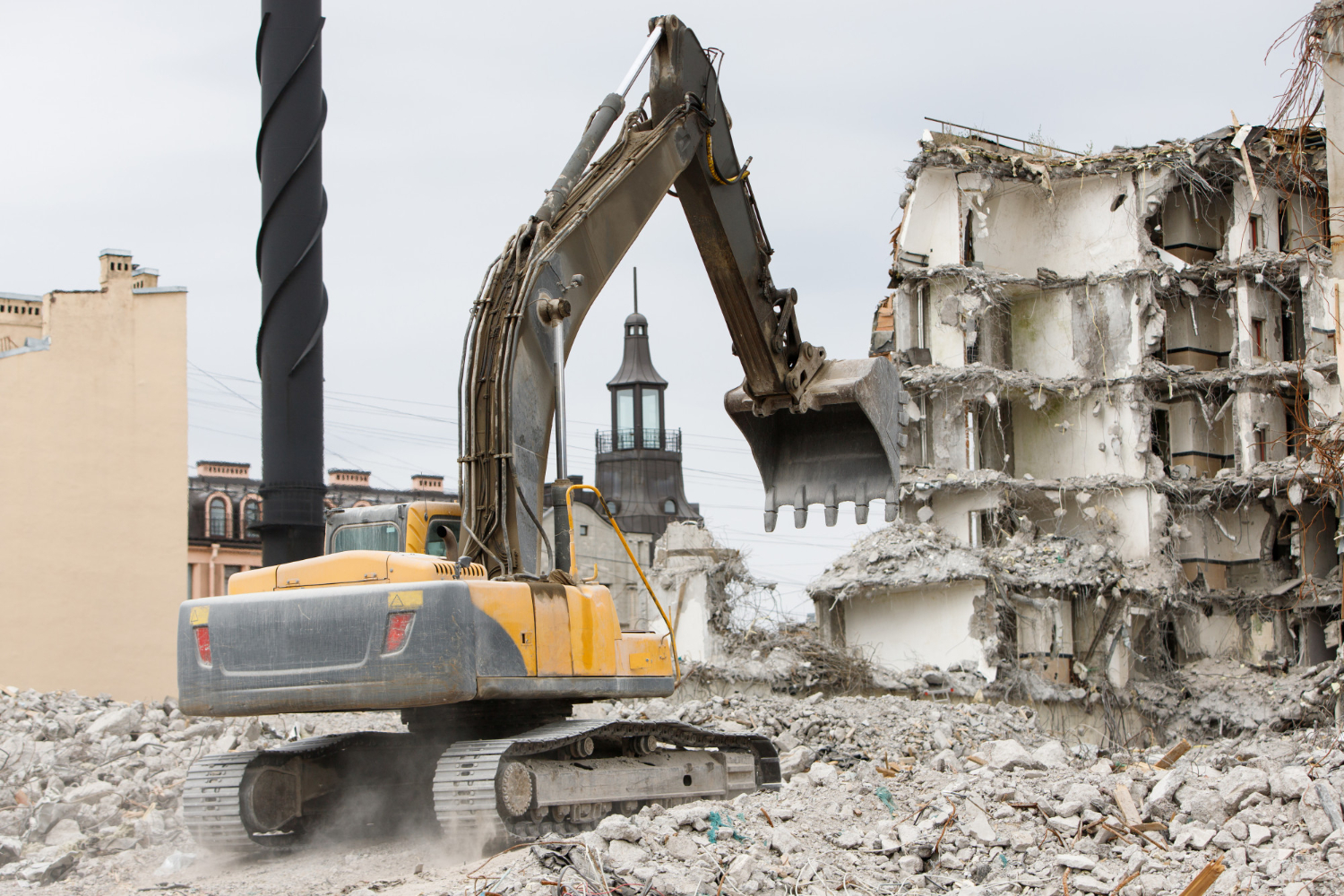
Immerath provides a specific case study. The village existed for centuries with substantial population, historic buildings, and active community life. By the mid-2010s, the Garzweiler mine had reached the village’s edge. Most residents had been relocated over preceding years. The remaining houses were systematically purchased by RWE.
In January 2018, the iconic St. Lambertus Church in Immerath — a substantial red-brick cathedral that had been the village landmark — was demolished. International media coverage was extensive. Photographs of the cathedral being torn down by industrial demolition equipment became symbolic of the broader village destruction process. By later in 2018, essentially all of Immerath had been demolished, with the entire footprint of the village absorbed into the expanding mine.
5: The Replacement Villages
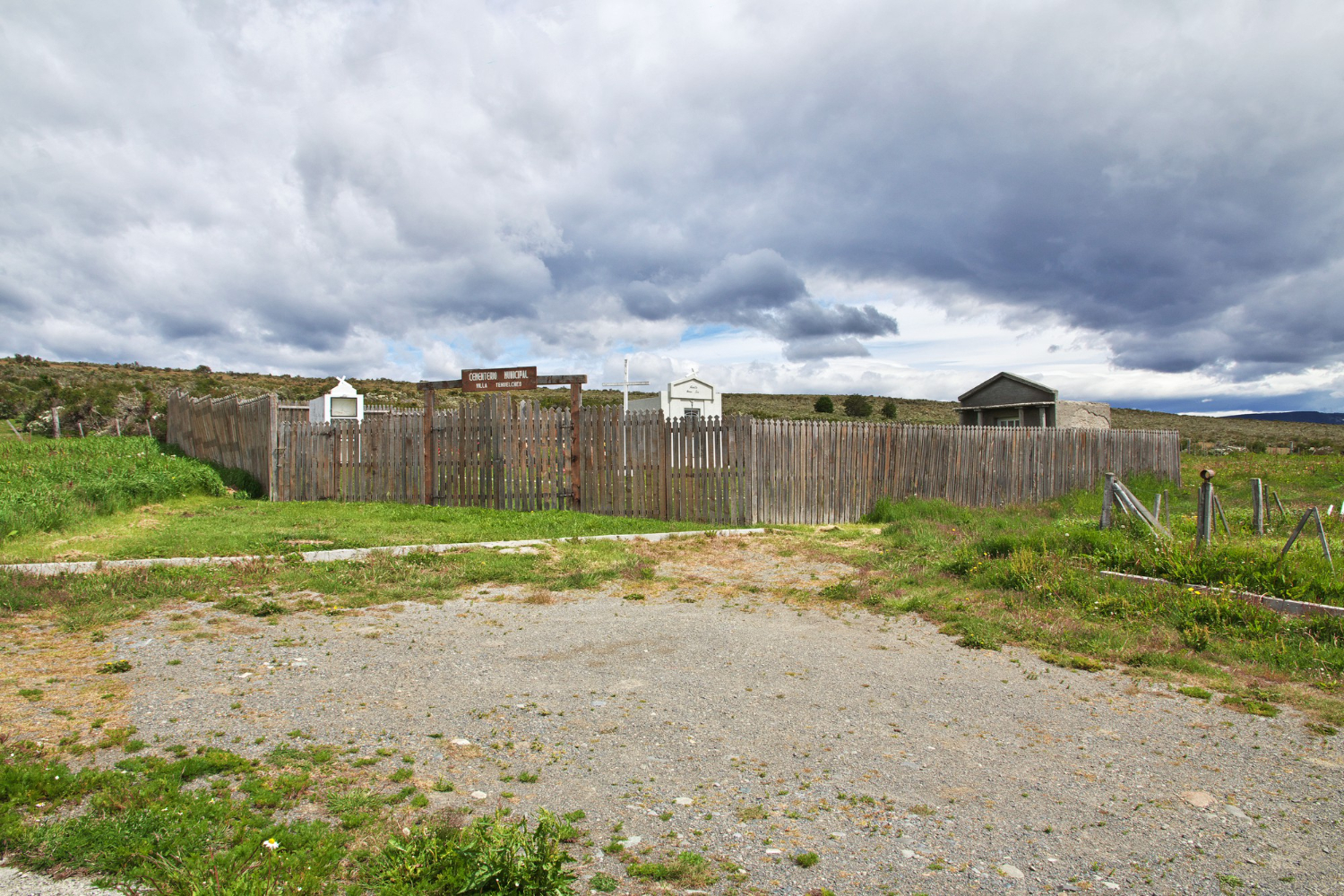
Displaced residents are typically relocated to “neue” (new) versions of their original villages — Neu-Immerath, Neu-Manheim, etc. — built nearby on land that won’t be mined. The new villages are planned developments designed to replicate community structure while being located safely away from mine expansion.
The replacement villages have specific characteristics that distinguish them from organic communities. They’re built quickly using contemporary construction methods. They lack the centuries of accumulated character, mature gardens, and architectural variation that defined the originals. Streets are laid out by planners rather than developing organically. The combination produces communities that residents describe as functional but emotionally inadequate replacements for what was destroyed. Many displaced residents refer to feeling permanently dislocated despite formal relocation.
6: The 2022 Government Deal
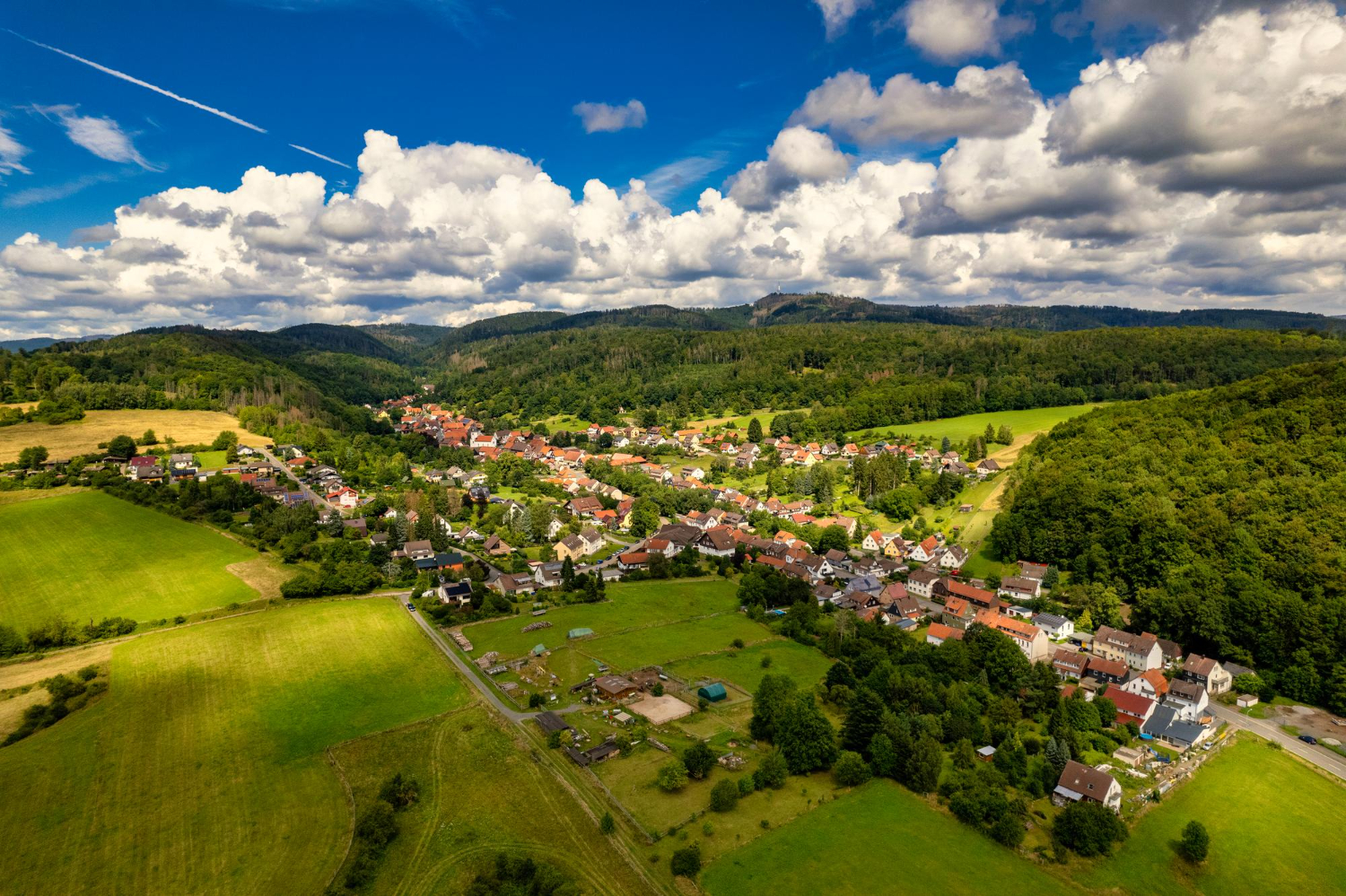
In October 2022, the new German federal government (a coalition including the Green party) and the regional North Rhine-Westphalia government reached a major deal with RWE. The agreement: Germany’s coal phase-out date moved from 2038 to 2030 in exchange for specific decisions about Garzweiler expansion. Five remaining villages — Keyenberg, Kuckum, Berverath, Oberwestrich, and Unterwestrich — would be saved from demolition.
The deal was substantially controversial. Climate activists argued any continued lignite mining was unacceptable. The Green party argued the accelerated phase-out (eight years earlier) was worth saving five villages. Local residents in the saved villages welcomed the news after years of relocation pressure. The deal essentially traded continued operation of one specific village (Lützerath) for permanent protection of five others.
7: The 2023 Demolition of Lützerath
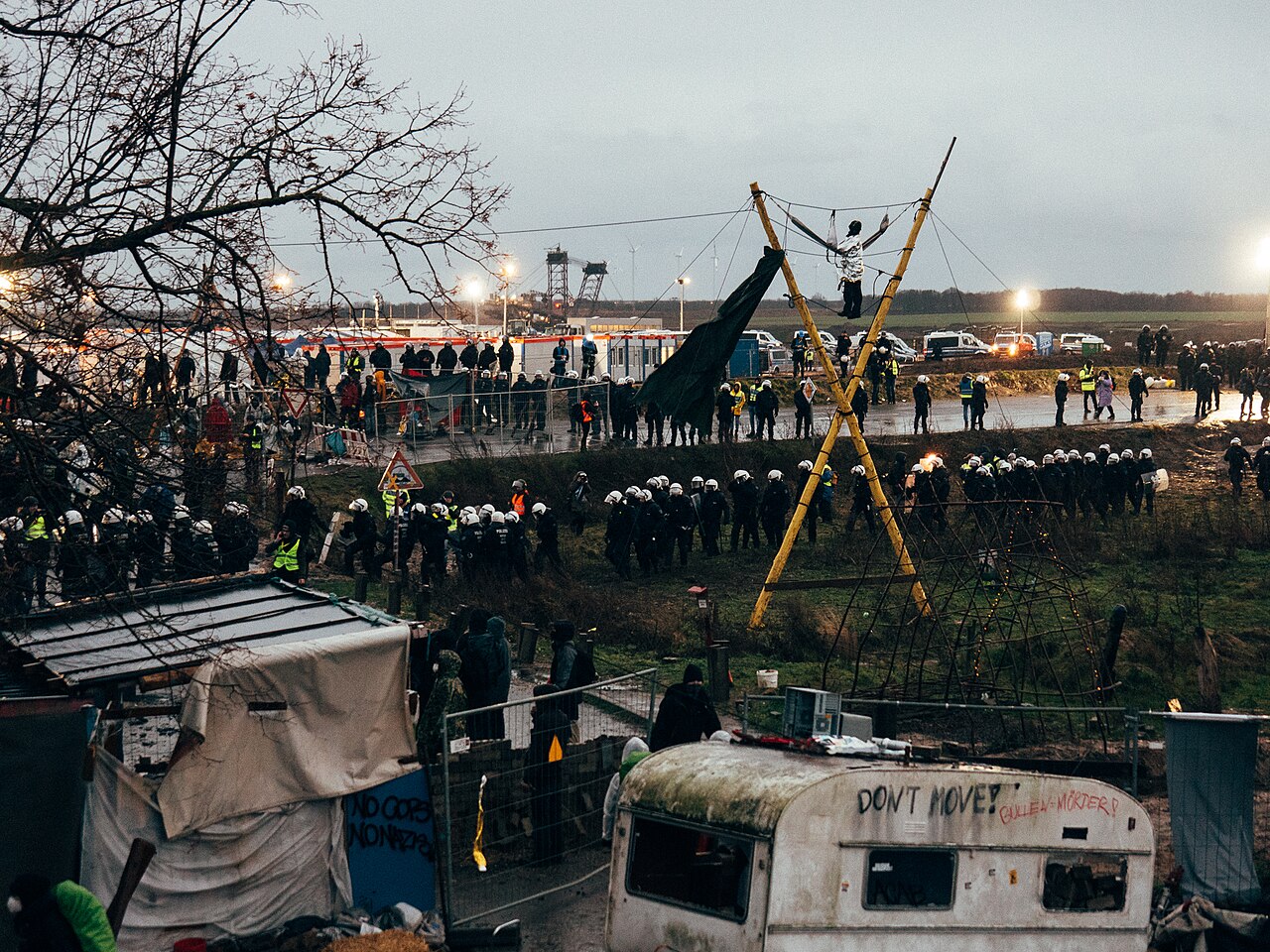
Despite saving five villages, the 2022 deal allowed the demolition of Lützerath — a small village that had become symbolic of climate protest. In January 2023, German police forcibly cleared protesters who had occupied Lützerath in attempts to prevent its demolition. Greta Thunberg attended protests near the village. Thousands of demonstrators clashed with police throughout the operation.
Lützerath was demolished by RWE following the police clearance. The village joined Immerath and various other communities consumed by the Garzweiler mine. Climate activists argued the demolition was unnecessary given declining lignite demand. RWE and the German government argued the coal beneath Lützerath was needed for energy security following the Russian gas crisis triggered by the 2022 Ukraine invasion. The dispute reflected broader tensions about climate policy implementation.
8: Visiting the Mine and Ghost Villages
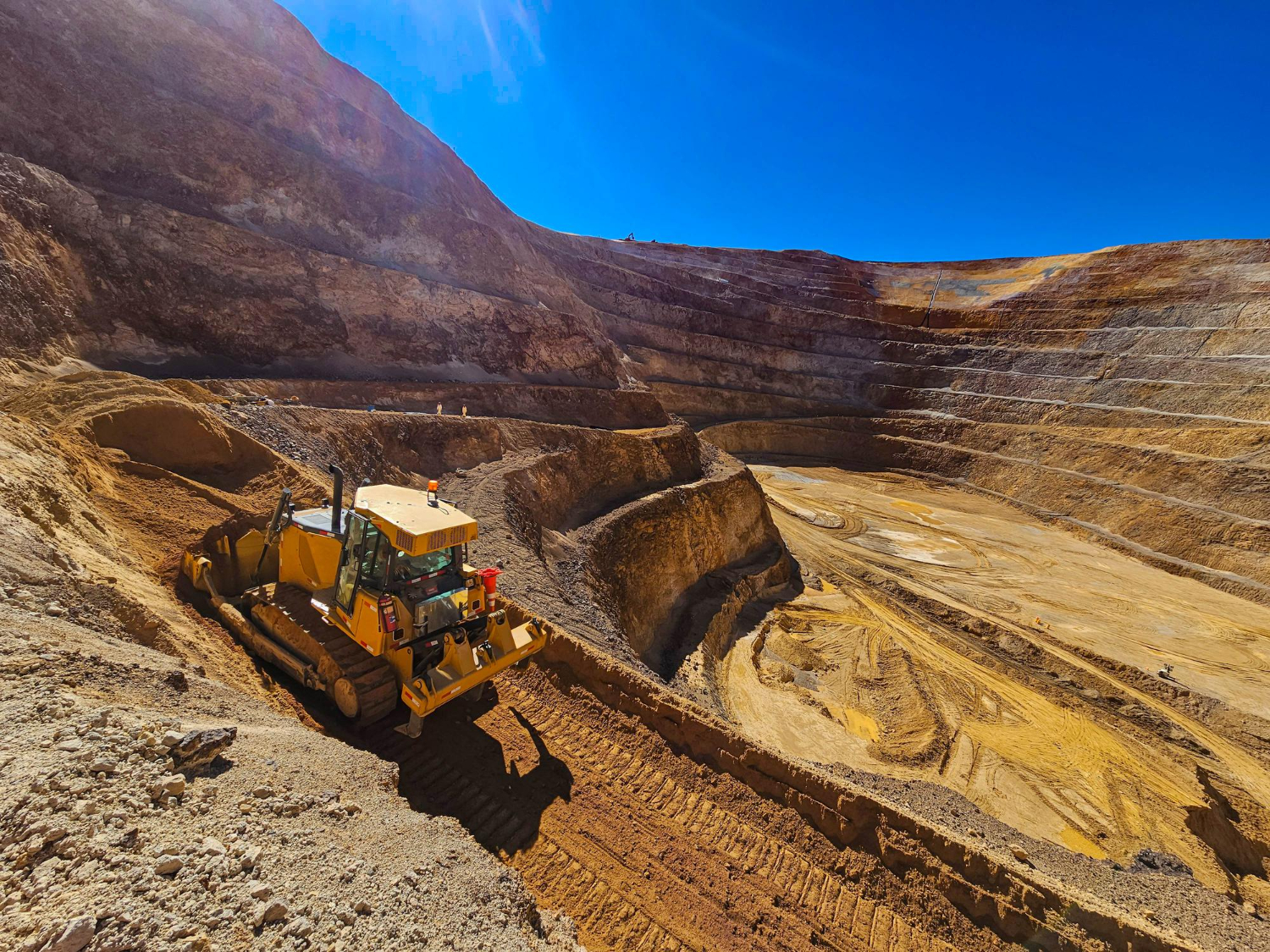
The Garzweiler mine has substantial public viewing infrastructure. Multiple viewing platforms allow visitors to observe mine operations from safe distances. The scale is genuinely impressive — bucket-wheel excavators visible from kilometers away, the pit extending to horizons, the constant industrial activity occurring at massive scale.
Surrounding villages in various stages of destruction can be visited (with appropriate caution about restricted areas). The progression from active community to depopulated ghost town to actually-being-demolished to fully-cleared land is genuinely visible across different villages. Photography is generally permitted from public areas. The combination of industrial scale and human-impact storytelling creates a substantially different tourism experience than typical destinations — more documentary than recreational.
9: The Broader Hambach Mine
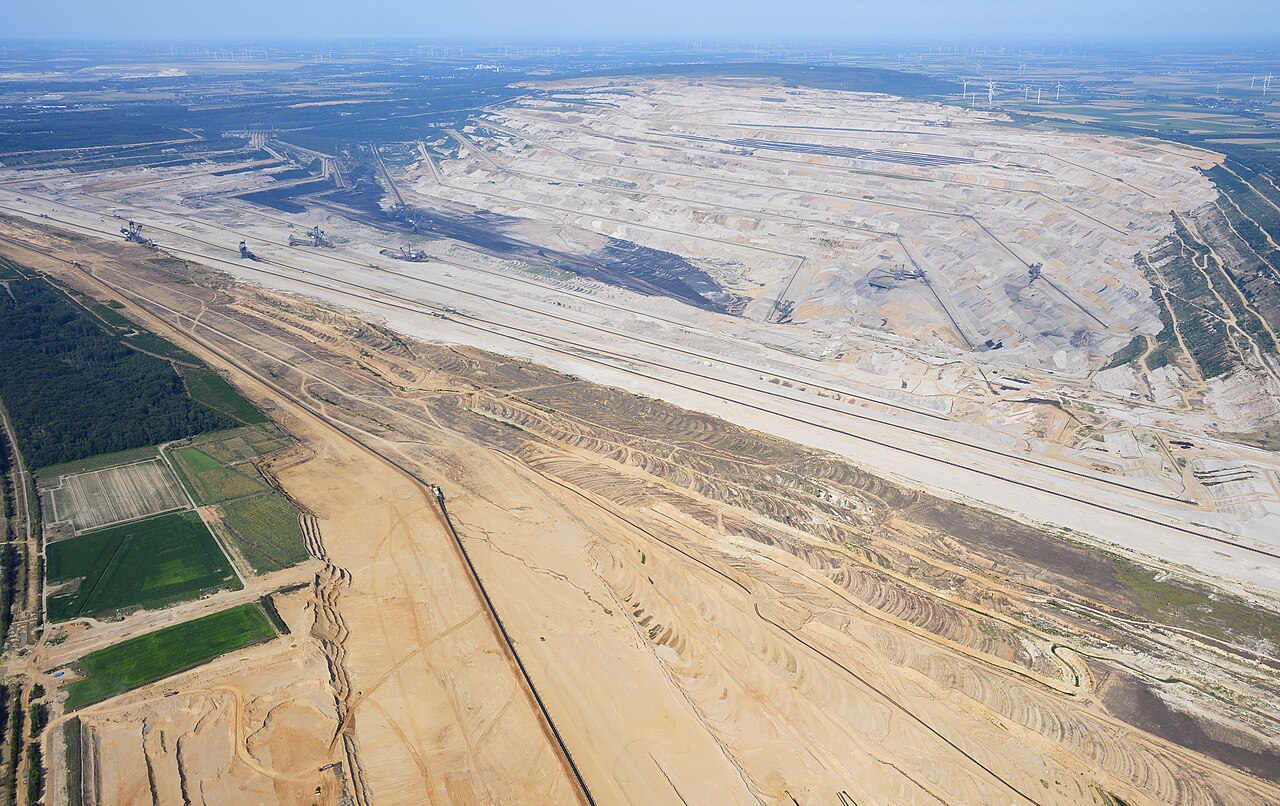
Garzweiler is one of three major lignite mines in the Rhenish lignite region. The Hambach mine, located near Niederzier, is even larger — covering approximately 33 square kilometers, with similar operational characteristics. Hambach has displaced different villages including Manheim, which faced the same fate as Immerath.
The Hambach Forest near the Hambach mine became a focal point for environmental protest beginning in the early 2010s. Activists occupied tree houses in the forest to prevent its clearance for mine expansion. The 2018 attempted clearance triggered substantial police response and international media coverage. Subsequent legal decisions and the 2022 government deal saved most of Hambach Forest from clearance, though substantial portions had already been removed by the time the protection was implemented.
10: The Climate Cost Calculations

The lignite extracted from Garzweiler and similar mines produces specific quantities of CO2 emissions. Lignite combustion produces approximately 1,200 grams of CO2 per kWh of electricity — substantially higher than natural gas (~450g) or other fuel sources. The cumulative emissions from Garzweiler operations over decades have been substantial.
The 2030 phase-out commitment will end German lignite extraction. But the cumulative atmospheric impact of decades of extraction remains. The CO2 already released contributes to ongoing climate change with no possibility of reversal. The political debates about how quickly to phase out the operations have always involved trading specific quantities of additional emissions against various other considerations including energy security, economic impacts, and worker welfare. The 2022 deal’s accelerated phase-out represents specific climate benefits that have been calculated and debated.
11: The Workers and Communities
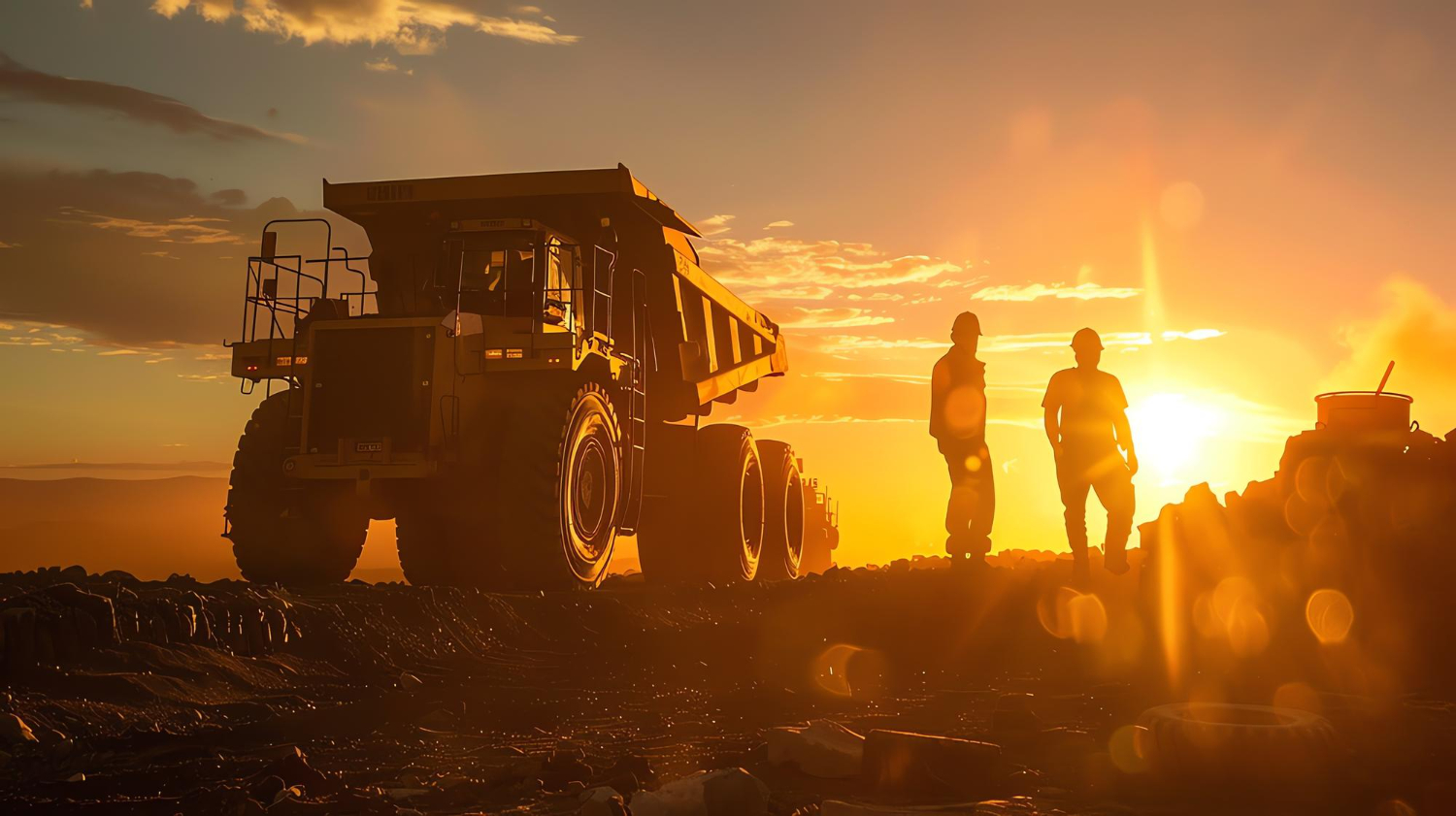
The lignite industry has been a major employer in the Rhenish region for decades. RWE alone employs thousands of workers in mine operations, power plants, and various supporting roles. The phase-out commitment requires substantial economic transition support to prevent the unemployment crises that have affected other former coal regions globally.
The German government has committed substantial financial assistance — approximately €40 billion in structural adjustment funding for affected regions. The funding is intended to support new industries, retraining programs, and various economic transition measures. Whether the support will be adequate to prevent regional economic collapse remains to be seen. The phase-out experience in the Rhenish region will likely inform similar transitions elsewhere as global lignite operations are progressively phased out.
12: What Happens After
Plans for the post-mining landscape include massive water-filled lakes that will form in the former pits over decades. The deep open pits cannot be safely filled — instead, groundwater will gradually rise to fill them, creating substantial new lakes that will provide some recreational and ecological value. The lakes will require approximately 40-60 years to fully fill after mining operations cease.
The transformation from active mining landscape to post-mining lake-and-forest region will substantially change the local environment. Some former mine areas could potentially become nature preserves, recreation areas, or even renewable energy installations (solar farms, wind farms). The displaced communities will not return — the original villages are physically gone, replaced by entirely different landscapes. The cumulative impact of decades of lignite mining represents one of the largest human modifications of landscape in modern European history.
What Garzweiler Actually Represents
The Garzweiler mine and its consumed villages represent specific tradeoffs between energy needs, climate concerns, and community welfare that industrial societies face globally. The 30,000+ people displaced for lignite extraction provided electricity that powered German industrial development for decades. The CO2 emissions contributed substantially to climate change. The destroyed villages cannot be recovered. The 2022 deal accelerated the eventual end of these operations while saving five remaining communities. The ongoing situation continues providing real-time examples of how complex climate policy decisions actually get made — through negotiations between governments, energy companies, environmental groups, and affected residents, with each round producing specific winners and losers. For travelers interested in seeing climate policy implementation in physical form, the Garzweiler region provides substantial documentary opportunities. The bucket-wheel excavators, the abandoned villages, the new replacement communities, and the protest sites all represent specific aspects of how Germany is actually transitioning from fossil fuels — not abstractly, but through specific decisions that have transformed entire landscapes and communities.
