The 1980s American road trip had a rhythm. Drive three hours. Stop at the place with the orange roof. Get the clam strips. Buy a pecan log. Hit the bathroom at the place with the giant fiberglass dinosaur. Sleep at the place with the green sign. Of the ten stops a family would have made between Pittsburgh and Orlando in 1985, seven are now closed, shrunken to a handful of holdouts, or only alive in memory. Three are still doing business. Here’s the count, in the order you would have hit them driving south on I-95.
1. Howard Johnson’s — Gone
The orange roofs are the symbol of the 1980s family road trip. Howard Deering Johnson founded the first location as a small ice-cream stand in Wollaston, Massachusetts in 1925. At peak, the chain operated approximately 1,000 restaurants from Maine to Florida, with 500 attached motor lodges. Twenty-eight flavors of ice cream. Fried clam strips. The toasted hot dog buns with the slit on the top. The chain bled out through the 1990s and 2000s as ownership changed hands repeatedly, and most locations were sold off to other operators. The final restaurant — Lake George, New York, on Route 9 just off the Adirondack interstate — closed in June 2022 after 97 years of business. Owner Jon LaRock auctioned off the orange weathervane and the original Simple Simon-and-the-Pieman sign. The Howard Johnson’s hotel chain still exists under Wyndham, but it has no connection to the restaurants that made the name famous on every interstate in America.
2. Stuckey’s Pecan Plaza — Mostly Gone
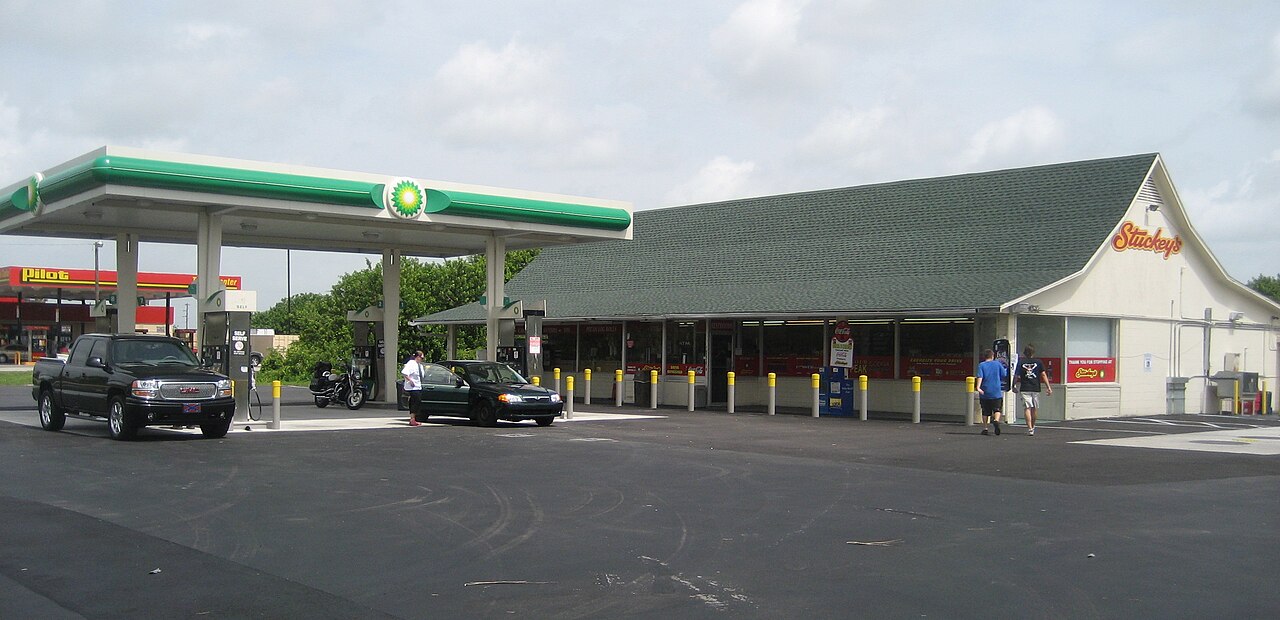
At its 1970s peak, Stuckey’s operated roughly 350 highway plazas selling pecan log rolls, gas, and tourist trinkets, mostly across the South and Midwest. The classic Stuckey’s was a triangle-roofed plaza with a Texaco or Conoco pumping bay attached. Pecan log rolls were the signature item — handmade from divinity fondant, wrapped in chopped pecans, sliced into 8-inch logs that lasted hundreds of miles in a hot car. By the 1990s, most Stuckey’s plazas were boarded up. Pet Inc. had bought the chain in 1964, and a series of subsequent owners ran it into the ground over the following thirty years. Stephanie Stuckey, the granddaughter of the founder, bought back the brand in 2019 and reopened a small number of locations. As of 2026, roughly 70 Stuckey’s plazas operate, most as part of co-branded convenience stores or truck stops. The classic 1980s sit-down plaza is essentially gone.
3. Lum’s — Gone
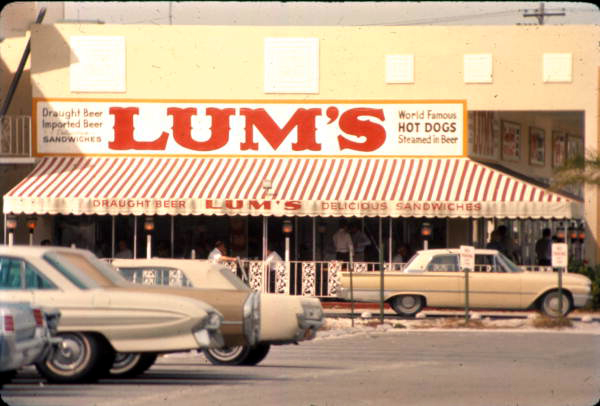
The Miami chain famous for hot dogs steamed in beer hit roughly 400 locations at its peak, including dozens along East Coast highways from New England to Florida. The signature dish was the Ollieburger, a cheeseburger created by celebrity chef James Beard for the Perlman brothers, who founded the chain in 1956. Stuart and Clifford Perlman sold the chain in 1971 to buy Caesars Palace in Las Vegas, and new ownership oversaw a steep decline. Bankruptcy was filed in 1982. The last Lum’s, in Bellevue, Nebraska, hung on for 35 more years before closing in October 2017 — a single Midwestern outpost that outlived the company by more than three decades. Comedian Milton Berle was their last big spokesman, and his television commercials in the late 1970s are still on YouTube. The Bellevue closing was covered nationally as a footnote of American fast food’s first era.
4. Bonanza Steakhouse — Mostly Gone
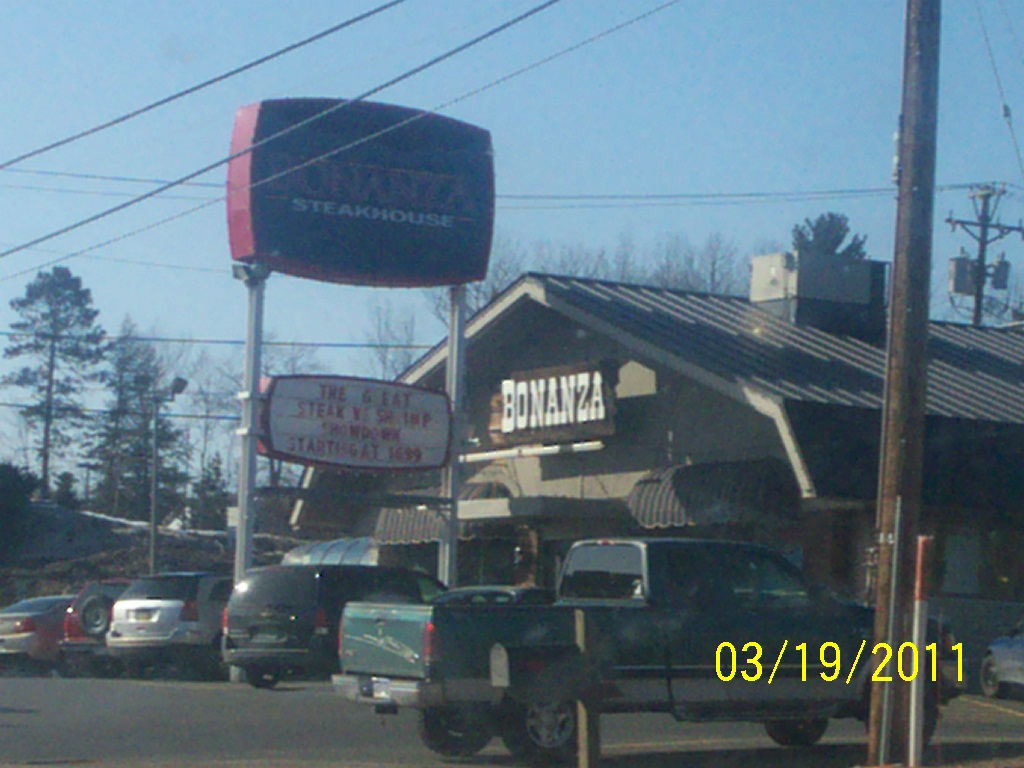
The chain, co-founded by actor Dan Blocker (Hoss Cartwright on the television show “Bonanza”) in 1963, peaked at approximately 600 locations during the 1980s. The all-you-can-eat salad bar, the $4.99 sirloin special, the western theme with covered wagon decor. Bonanza’s parent company, Metromedia Restaurant Group, also owned Ponderosa Steakhouse, and the two chains operated similar menus under different signage. Most locations closed during the 2000s and 2010s as casual-dining competitors offered better value and higher quality. The few remaining Bonanza and Ponderosa locations operate today under FAT Brands Inc., which acquired the parent company in 2017, and number in the low dozens — concentrated mostly in the Midwest and South. The roadside Bonanza of a 1985 vacation, with the buffet line stretching past the salad bar to the desserts, is gone.
5. Mister Donut — Gone in the U.S.
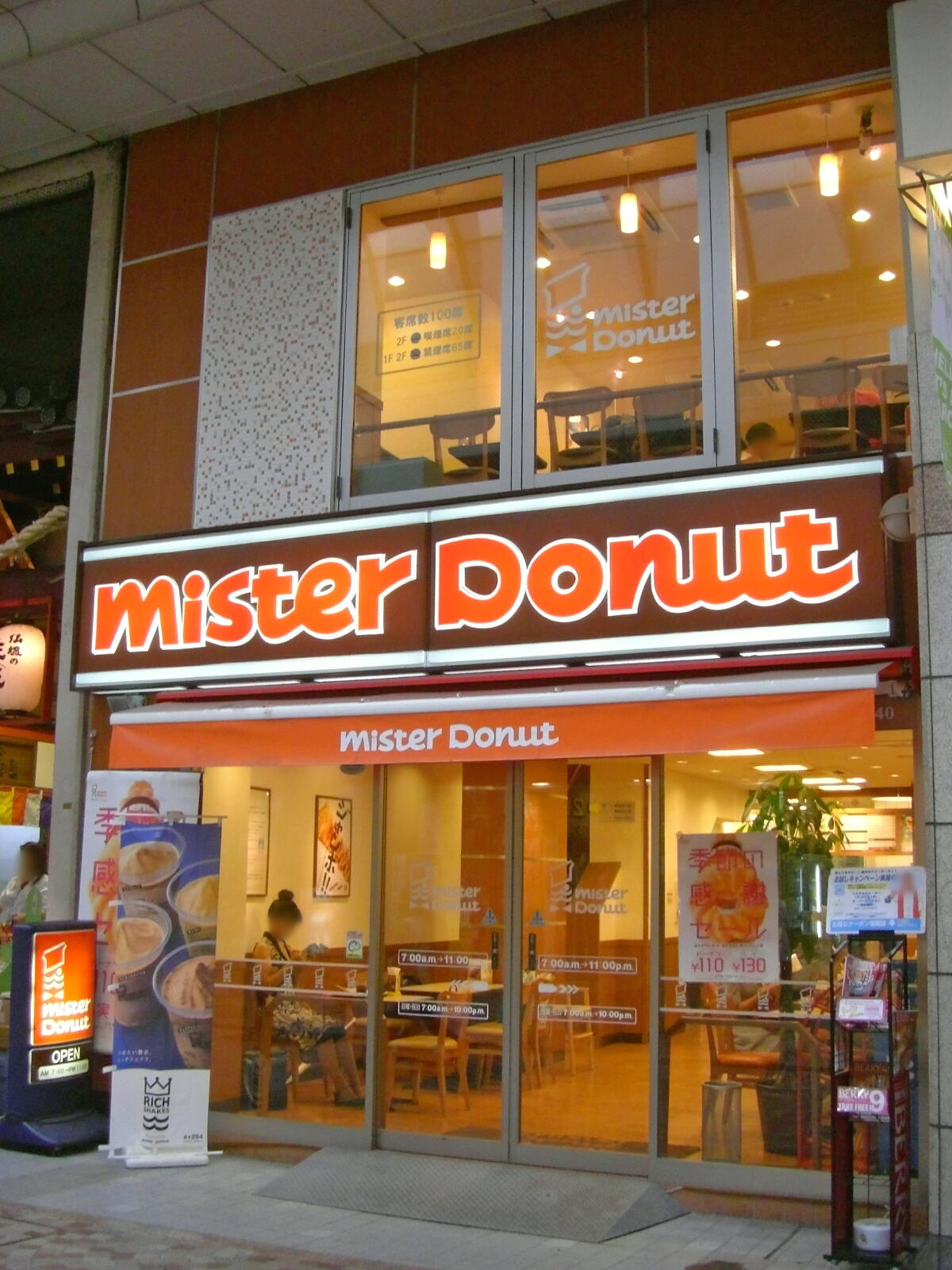
At its 1970s peak, Mister Donut had over 550 U.S. locations and was the second-largest doughnut chain in America after Dunkin’ Donuts. The chain was founded in 1956 by Harry Winokur, who had been a co-founder of Dunkin’ Donuts before splitting with his partner. Mister Donut’s menu was nearly identical to Dunkin’s, with similar shop layouts and similar marketing. Allied Lyons, which had bought both chains, decided in 1990 to consolidate the U.S. brand and converted most Mister Donut stores to Dunkin’ Donuts overnight. The last U.S. Mister Donut closed in Godfrey, Illinois in 2014 after the longtime franchisee retired without a successor. The brand still operates in Japan with over 1,000 locations under license to Duskin Corporation, where the chain is more popular than Dunkin’ Donuts ever was in the United States.
6. Roy Rogers Restaurants — Mostly Gone
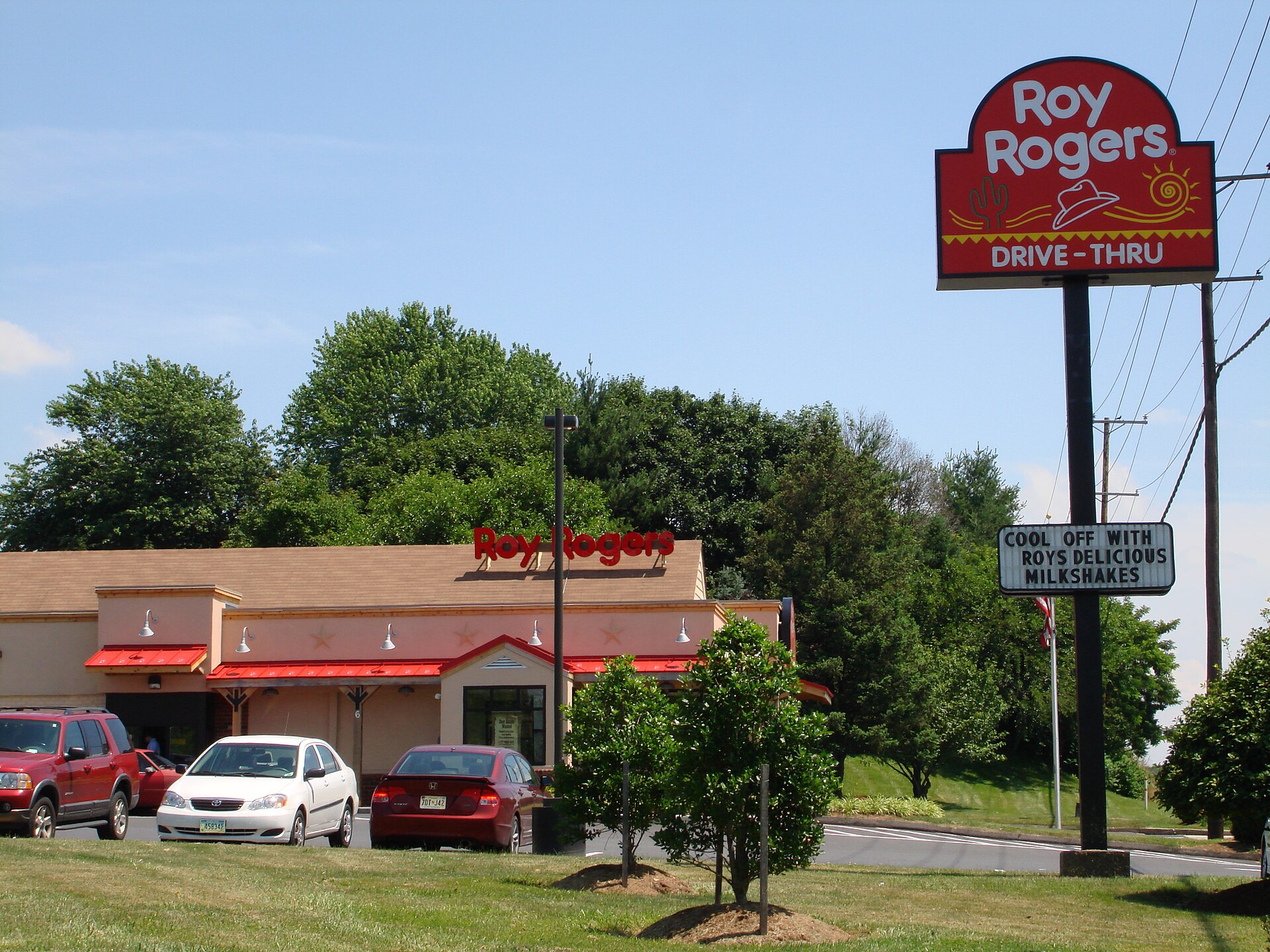
Marriott Corporation opened the first Roy Rogers in 1968, licensing the western actor’s name and image. The chain hit 650 locations in the 1980s, particularly dominant in the mid-Atlantic — Maryland, Virginia, New Jersey, Pennsylvania, Delaware. The Double R Bar Burger, the fixin’s bar where customers added their own toppings, and the cowboy-themed dining rooms made it distinct from McDonald’s and Burger King. Hardee’s parent company, Imasco, bought most Roy Rogers locations in 1990 and converted them to the Hardee’s brand over the following two years. Today approximately 25 Roy Rogers restaurants remain, concentrated in Maryland and Virginia, owned and operated by Plamondon Companies, which negotiated a separate franchise agreement to keep the brand alive. For most of the country, the chuckwagon-themed counter is a 1985 memory.
7. Friendly’s — Mostly Gone
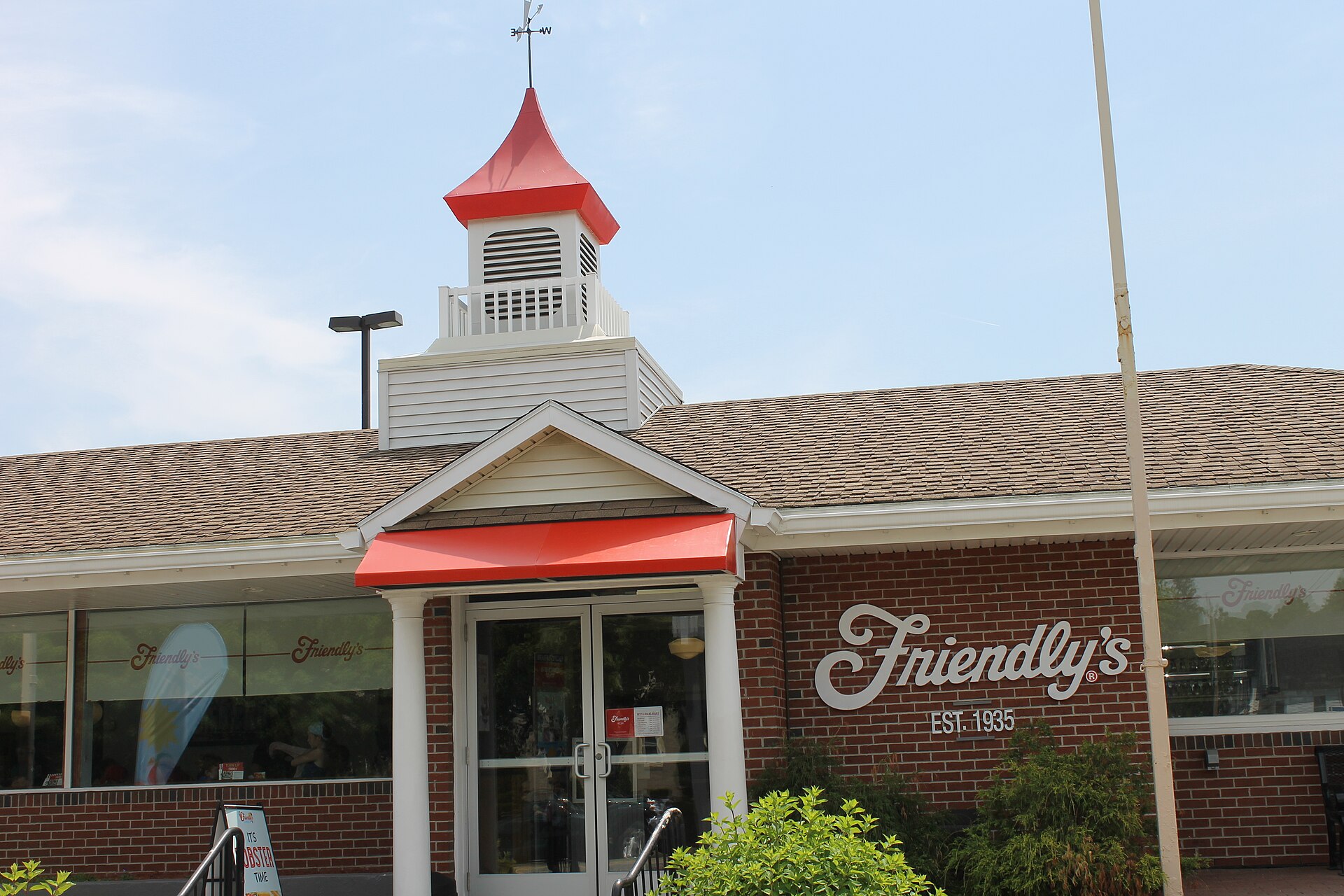
At its peak in the early 1990s, Friendly’s operated over 800 sit-down restaurants known for the Fribble shake, the Jim Dandy sundae, the Big Beef burger, and the Wattaburger. The chain was founded in Springfield, Massachusetts in 1935 by brothers Curtis and Prestley Blake, with a 5-cent ice cream cone as the original menu. By the 1980s, Friendly’s was a Sunday-dinner destination across New England and the mid-Atlantic. Two bankruptcies followed — first in 2011 and again in 2020 during the pandemic. The chain has changed hands multiple times. As of 2024, fewer than 80 locations remain, concentrated in New England and a few East Coast states. The Friendly’s that anchored an American suburb in 1985 — the booth seating, the wall-mounted ice cream sundae menu, the kids’ meal in a plastic boat — is mostly history.
8. South of the Border, Dillon, South Carolina — Still Here
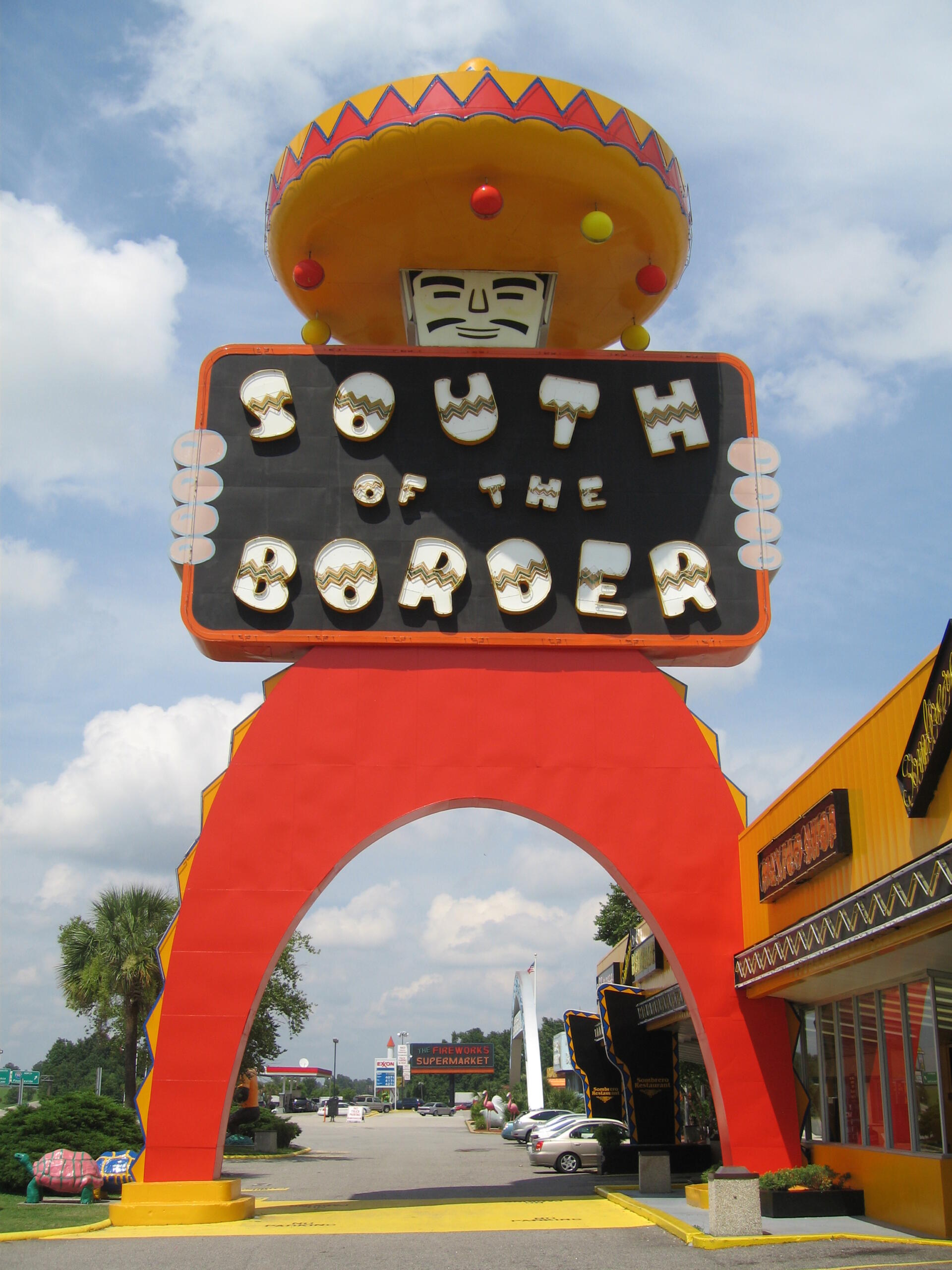
Pedro and his sombrero have stood watch over Interstate 95 since 1949. Alan Schafer founded the original Mexican-themed roadside complex as a fireworks stand on the South Carolina-North Carolina line, then expanded into motels, restaurants, gift shops, an arcade, a miniature golf course, and a 200-foot Sombrero Tower with an observation deck. The yellow billboards approaching Dillon — at one point exceeding 250 distinct designs — are still up, though their numbers have been reduced over the decades after complaints about the racial caricature on some of the older signs. South of the Border still operates today as a roadside complex of motels, shops, restaurants, and the iconic tower. Visitor counts are down from the peak of the 1970s and 1980s, but the place remains open. The pedro-shaped sign at the main entrance is still 97 feet tall, and the gas station still pumps.
9. Wall Drug, Wall, South Dakota — Still Here
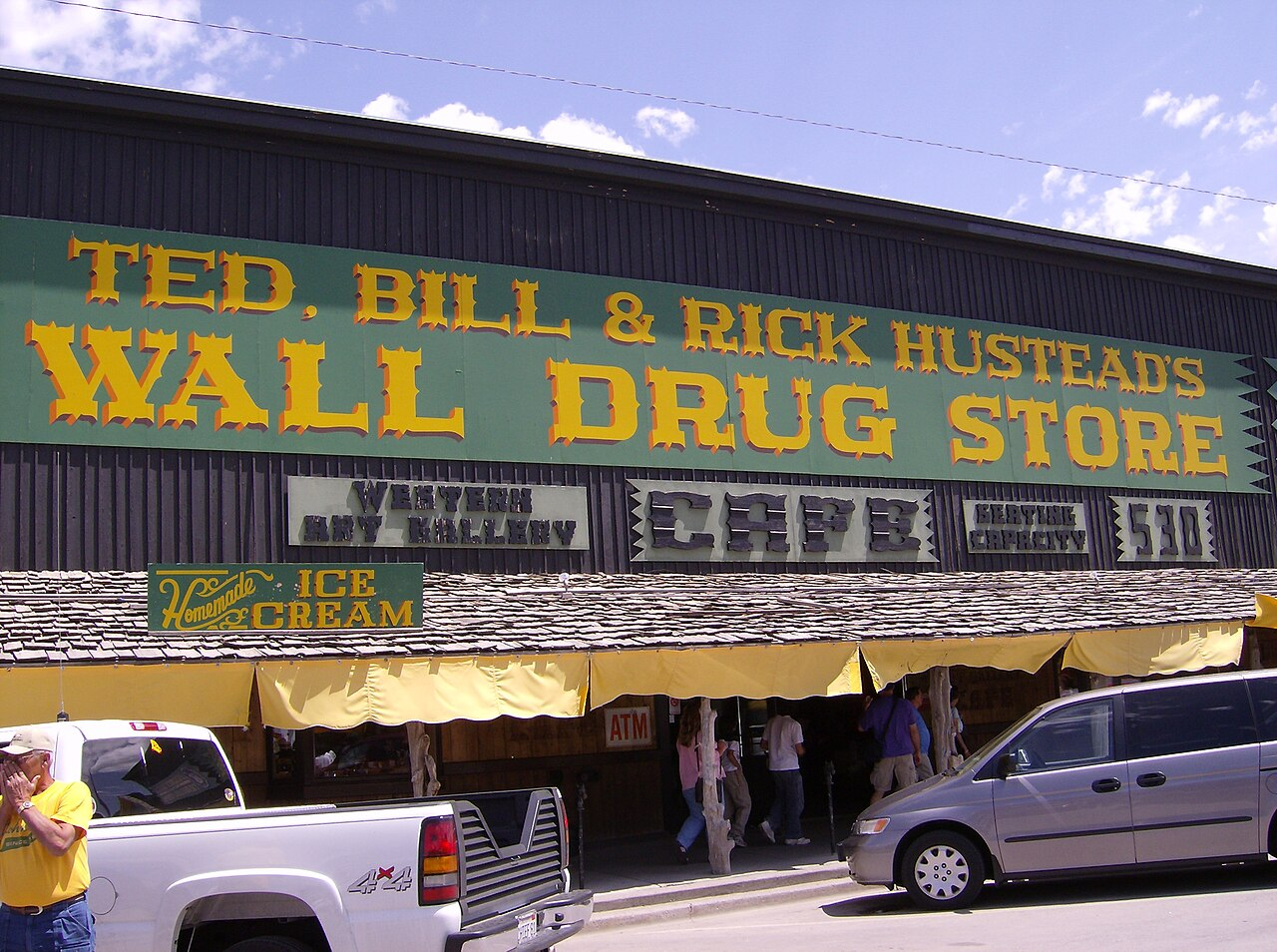
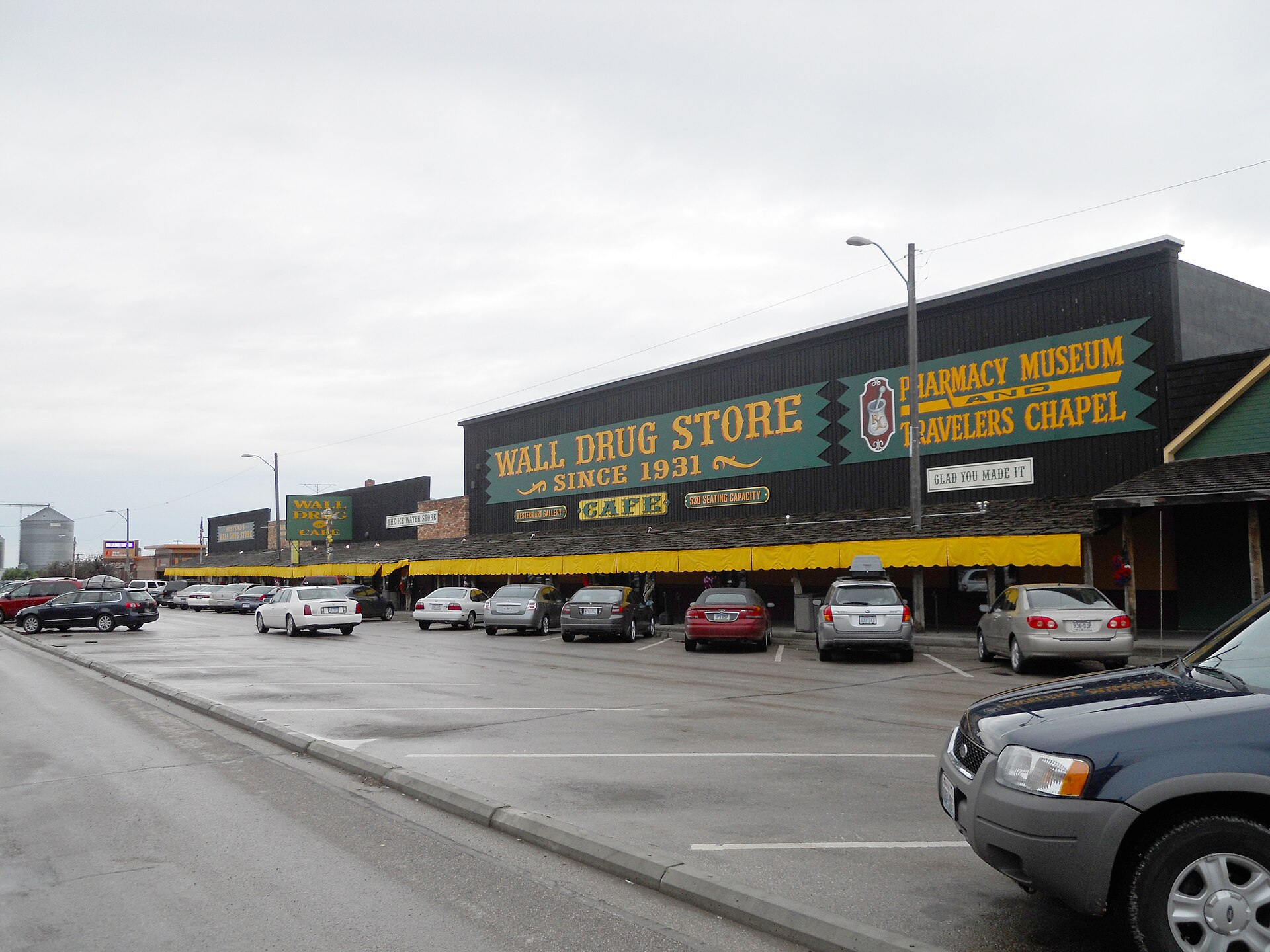
The drugstore famous for free ice water signs has been in continuous operation since 1931. Ted and Dorothy Hustead bought the original Wall Drug pharmacy in the Dust Bowl years, and Dorothy came up with the idea of advertising free ice water to passing motorists on the way to Mount Rushmore. The signs spread. At their peak in the 1970s and 1980s, Wall Drug billboards extended from Minnesota to Wyoming, with copies posted in Antarctica by South Dakota natives stationed there during research expeditions. American GIs put up Wall Drug signs in Vietnam during the war. The complex now covers 76,000 square feet of stores, restaurants, the original drug counter, an animatronic T. rex, the back-yard photo opportunities, and a coffee shop where the coffee is still five cents. Wall Drug serves close to 2 million visitors per year. The free ice water is still free.
10. Cracker Barrel Old Country Store — Still Here, and Growing
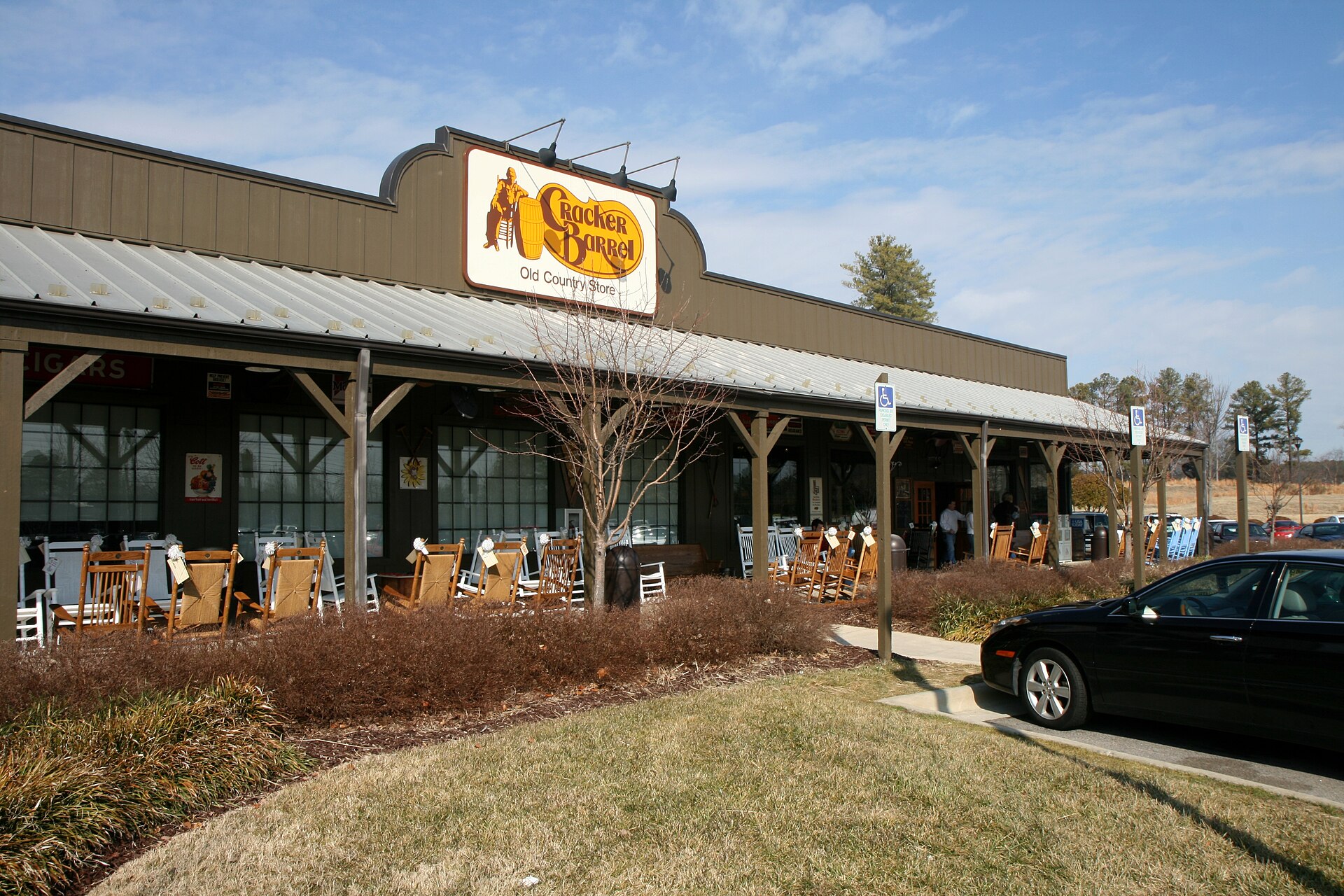
Founded by Dan Evins in Lebanon, Tennessee in September 1969 specifically to capitalize on the new Interstate Highway System, Cracker Barrel opened its first location at a Shell gas station off I-40. Evins had been a Shell oil-jobber and noticed that interstate travelers wanted a sit-down family restaurant they could trust. The country-store retail space attached to every restaurant was part of the original concept. The chain currently operates roughly 660 locations across 45 states, serves over 250 million meals per year, and remains one of the most profitable casual-dining chains in America. The pegboard triangle game still sits on every table. The country-store retail still moves Yankee Candle, Goo Goo Clusters, and stuffed bears. The breakfast menu has barely changed in fifty years. The 1980s American road-trip family meal — biscuits, country fried steak, the rocking chairs on the porch — is the one that didn’t go anywhere.