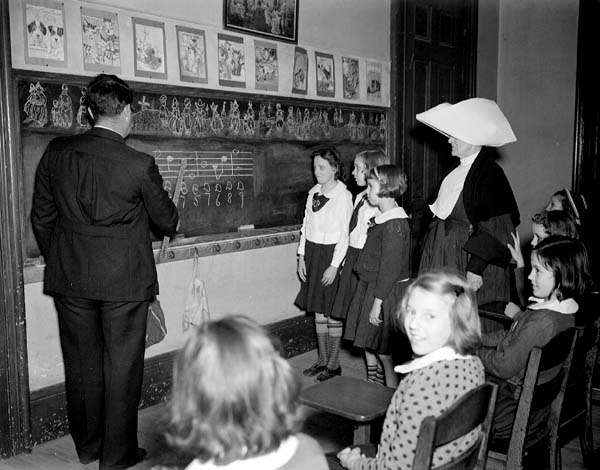
Every generation grows up mastering the everyday skills its era demands, and in the 1960s, daily life called for a whole set of hands-on abilities that have since been rendered obsolete by technology. Back then, people navigated, communicated, fixed, and figured things out using methods that would leave many modern teenagers scratching their heads in confusion. From dialing a phone to doing math without a calculator, these were once-universal skills, the basic competencies of ordinary life. Today, gadgets and apps have steadily taken over nearly all of them. Here’s a nostalgic look at common 1960s skills that would completely baffle a teenager raised on smartphones, streaming, and instant everything, and a reminder of just how much daily life has changed.
Dialing a Rotary Phone
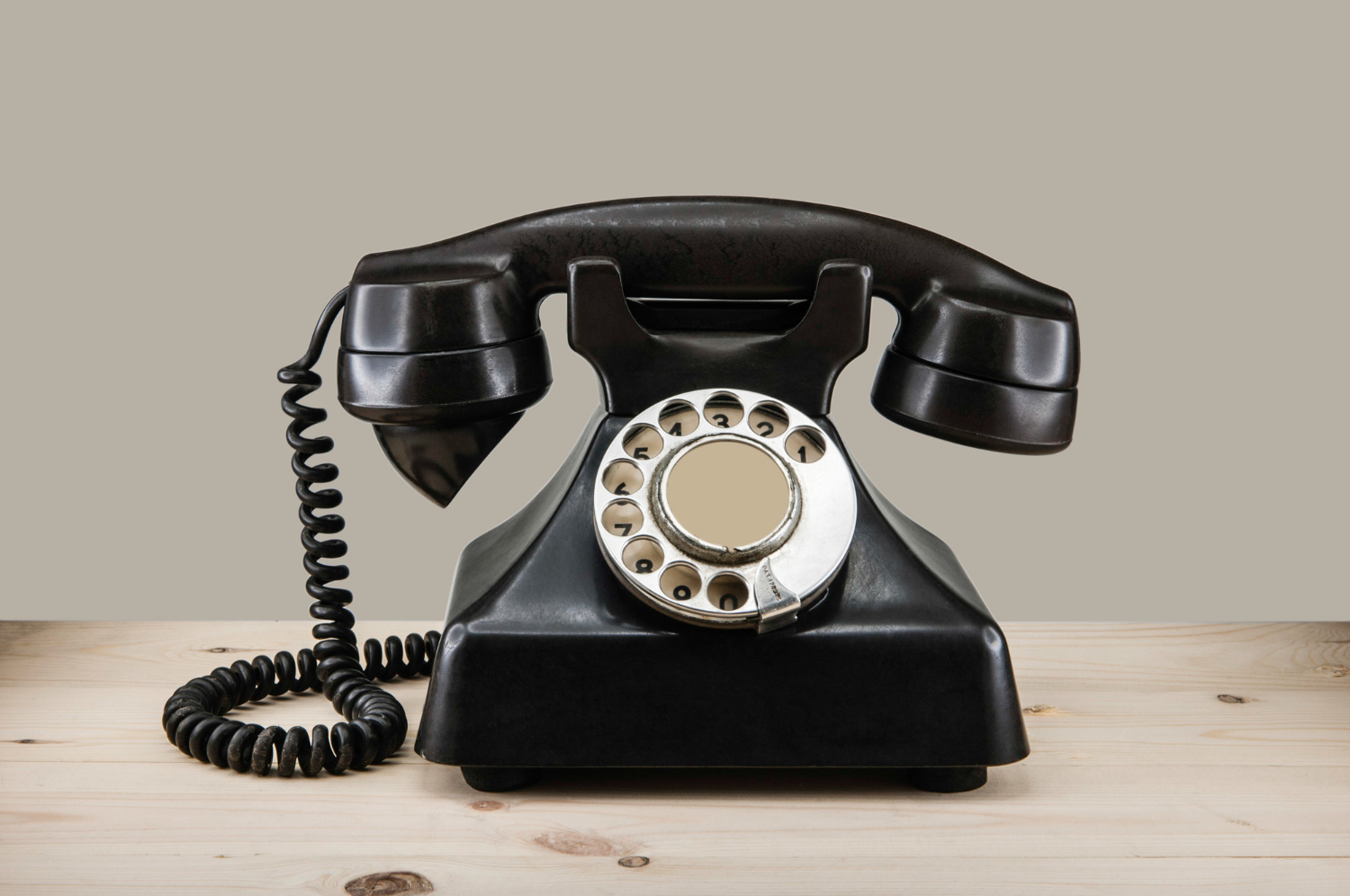
Picture a teenager faced with a rotary phone for the first time: many genuinely wouldn’t know how to use it. In the 1960s, making a call meant placing your finger in the numbered holes of a circular dial, rotating it all the way to the finger stop, and letting it spin back, once for each digit. It was slow and deliberate, and dialing a wrong number meant starting over. There were no contacts saved, so you had to know the number. The whole tactile ritual, the whir of the returning dial, is foreign to a generation that taps glowing screens. Watching a modern teen puzzle over how to even begin dialing a rotary phone is a perfect snapshot of how far communication has come.
Reading and Folding a Paper Map
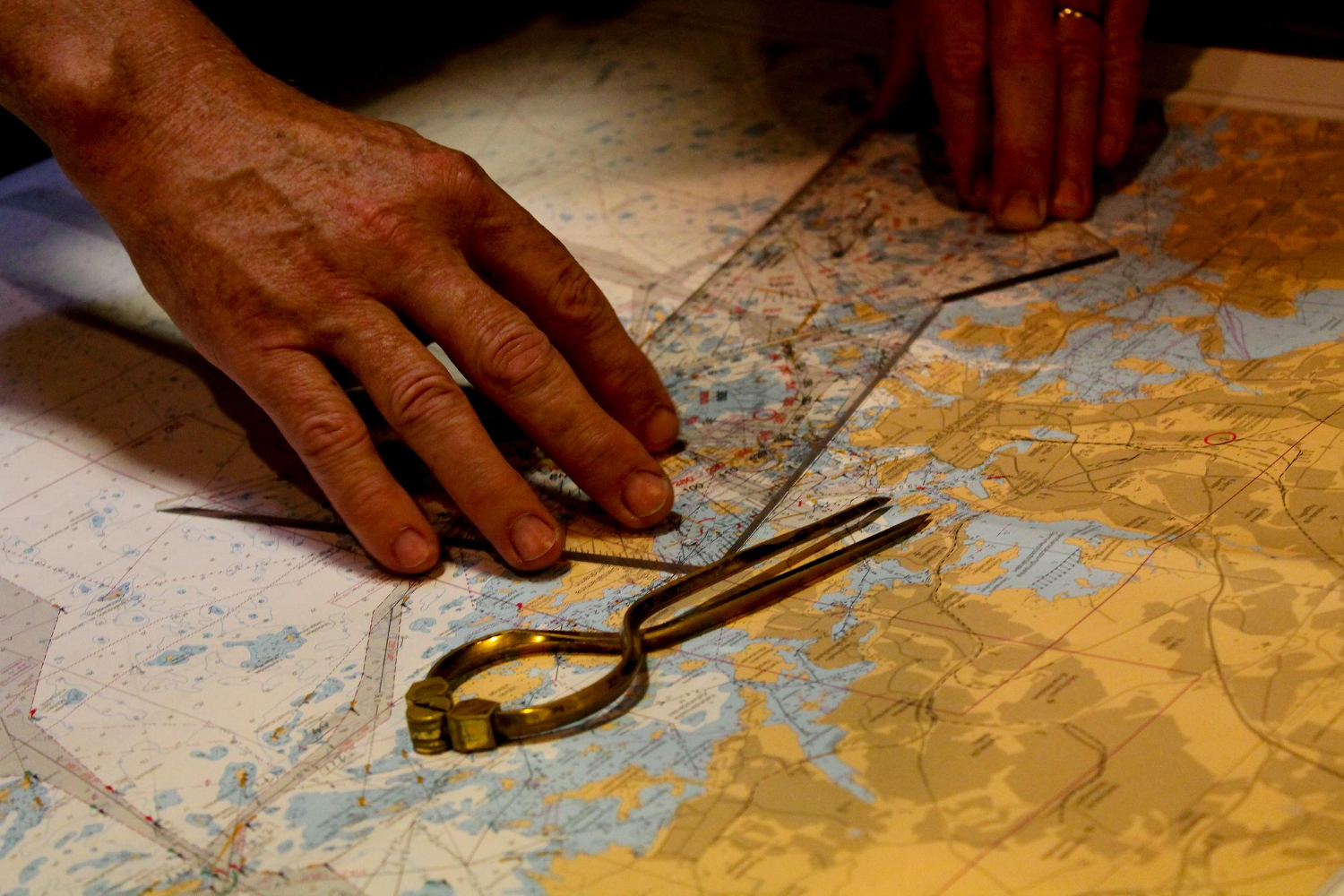
Before GPS narrated every turn, getting from one place to another required real skill with a paper map. People in the 1960s could unfold a sprawling road map, locate themselves, trace a route, estimate distances, and navigate by landmarks and road signs, all without a single electronic prompt. Just as challenging was the legendary art of folding the enormous map back along its original creases, a task that defeated many. For a teenager accustomed to a voice telling them exactly when to turn, the idea of plotting a cross-country trip with nothing but a folded paper map and a sense of direction can seem almost unimaginable. It was a genuine skill, and a lost one.
Like our content? Follow us for more.
Writing in Cursive
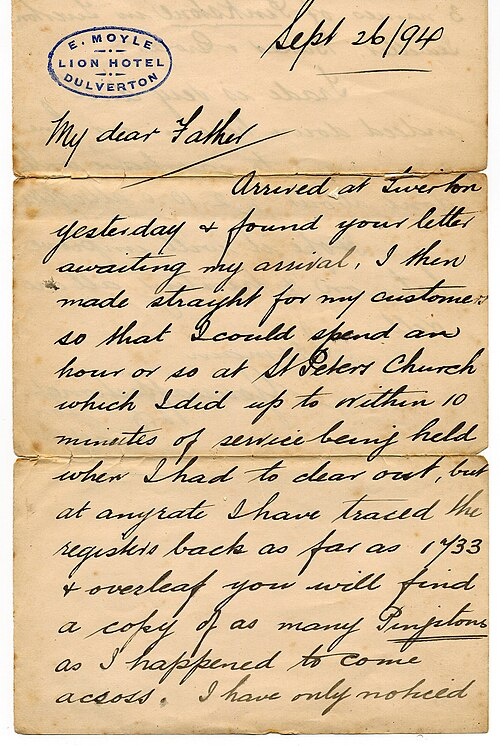
In the 1960s, fluent cursive handwriting was a fundamental skill drilled into every schoolchild, and adults wrote in elegant, connected script as a matter of course. Letters, notes, checks, and schoolwork were all penned in cursive, and good penmanship was a point of pride. Today, with typing and texting dominant and cursive instruction fading from many schools, a significant number of young people can neither write nor even read cursive fluently. Hand a modern teenager a letter written in flowing 1960s script, and they may struggle to decipher it at all. The near-universal ability to read and write in cursive is one of the most striking skills that has steadily slipped away within just a couple of generations.
Using a Typewriter and Carbon Paper
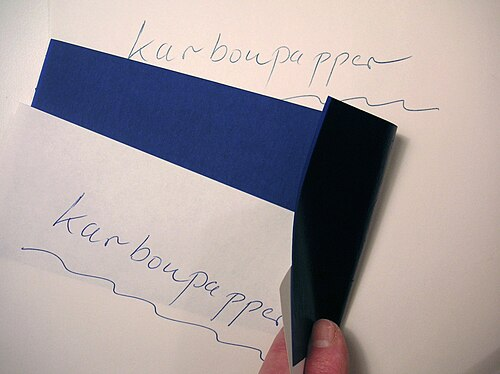
Long before word processors and “undo” buttons, producing a typed document meant mastering a manual typewriter. In the 1960s, that required striking each key with deliberate force, manually returning the carriage at the end of every line, and accepting that mistakes were not easily fixed, you’d reach for correction fluid or simply start the page over. To make copies, typists inserted sheets of carbon paper between pages, since there was no photocopier on hand or printer to hit. The whole process demanded patience, accuracy, and planning. A teenager used to effortless editing, spell-check, and instant printing would likely find the unforgiving mechanics of a manual typewriter and messy carbon paper utterly bewildering.
Loading and Developing Film
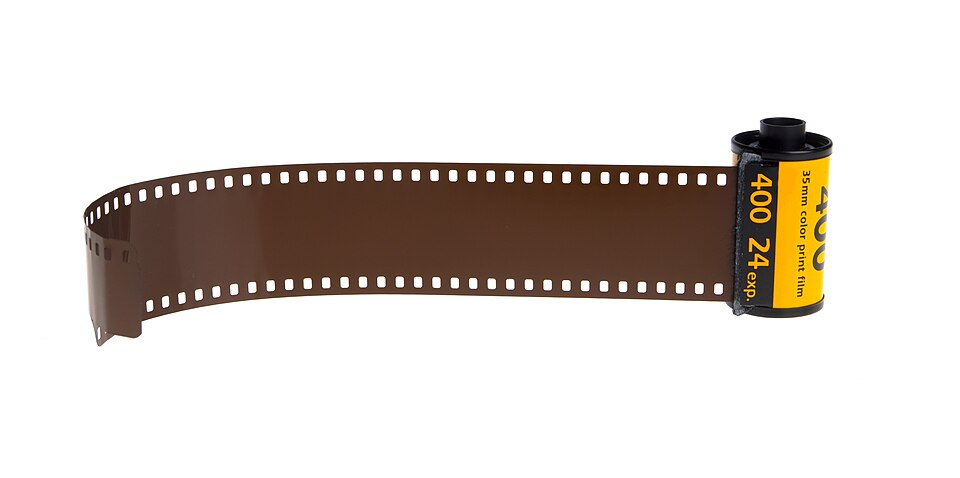
Photography in the 1960s was a skill-intensive affair with no instant results. You had to know how to load a roll of film into a camera in the right light, manually adjust settings, and shoot carefully, because each roll held only a limited number of exposures and every shot counted. There was no screen to check your work. Afterward, the film had to be developed, either sent off to a lab or processed in a home darkroom by those who’d mastered the chemicals and techniques. The entire patient, technical process stands in stark contrast to today’s instant digital snapshots. A teenager who has only ever taken unlimited free photos on a phone would be mystified by it all.
Mending and Sewing by Hand
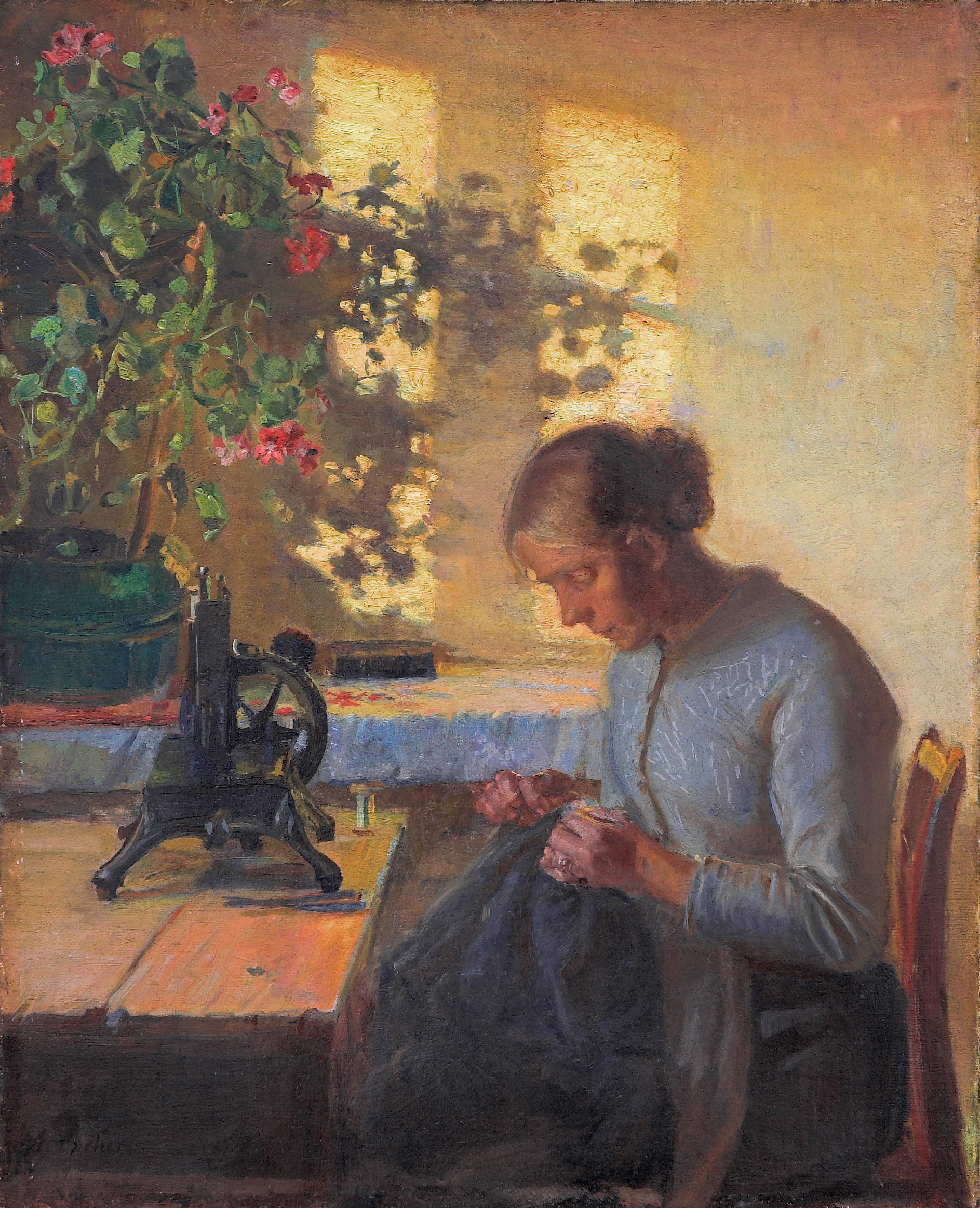
In the 1960s, knowing how to mend clothing was a basic and expected household skill. People routinely sewed buttons back on, darned holes in socks, repaired torn seams, hemmed garments, and patched worn fabric rather than tossing items out and buying new ones. Many households had a sewing kit at the ready, and these repair skills were passed down as a matter of practicality and thrift. In today’s era of inexpensive, disposable fast fashion, far fewer young people learn to mend, and the sight of someone confidently darning a sock or sewing on a button by hand can seem like a quaint, almost magical art. It’s a practical skill that has largely faded from everyday life.
Balancing a Checkbook by Hand

Managing money in the 1960s required a now-rare numerical skill: balancing a checkbook. People recorded every check they wrote and every deposit in a paper register, then carefully reconciled it against their bank statement, all by hand, to track exactly how much money they had. It demanded organization and basic arithmetic done without a calculator. Today, with banking apps that instantly display balances and track every transaction automatically, the practice has almost entirely vanished. A modern teenager, accustomed to checking their balance with a tap, would likely be baffled by the columns, the manual subtraction, and the whole disciplined ritual of keeping a checkbook balanced on paper.
Doing Math Without a Calculator
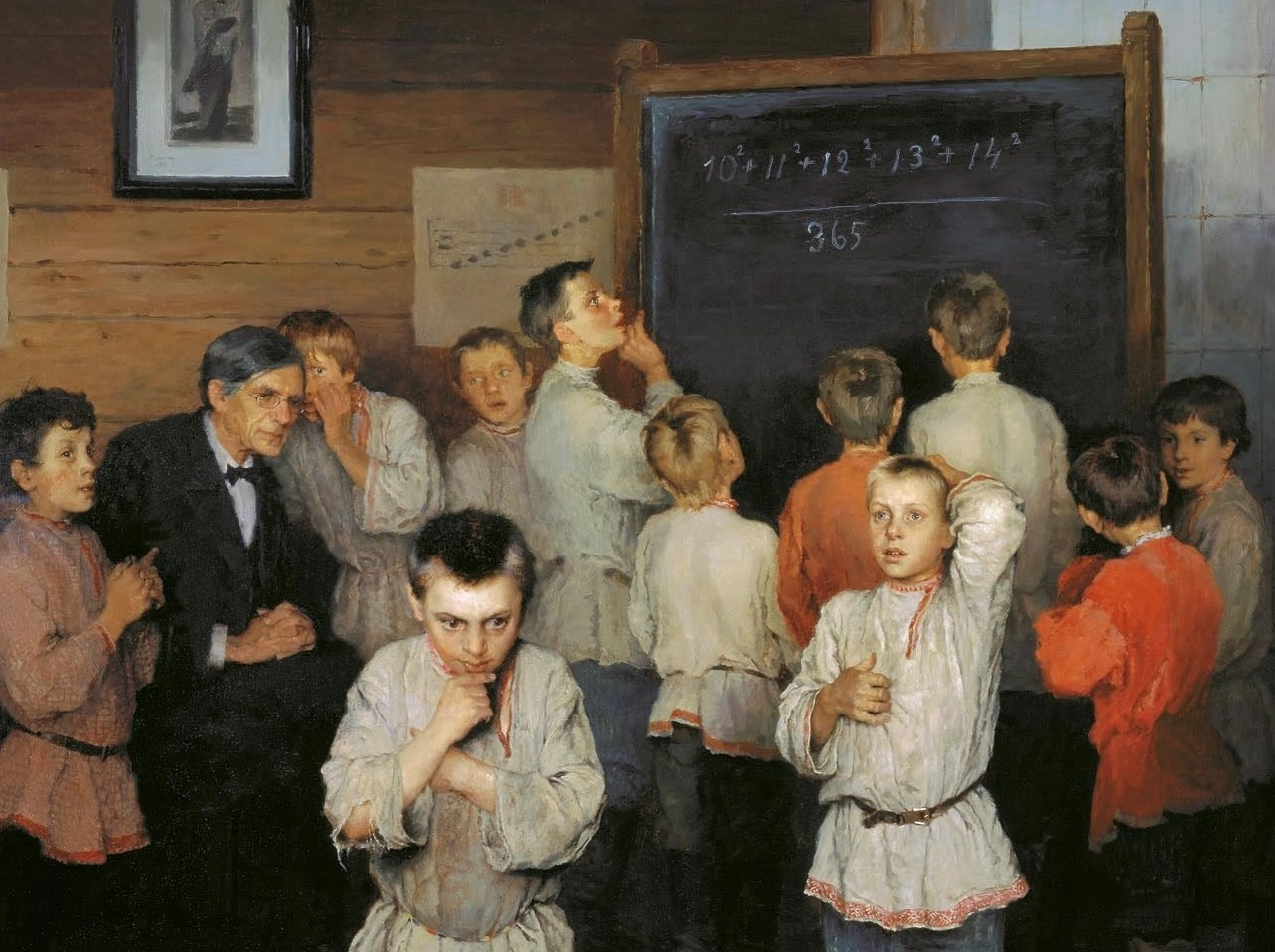
In the 1960s, before pocket calculators were common, people performed calculations using their own minds, pencil and paper, or specialized tools like the slide rule, a clever sliding ruler used for complex multiplication, division, and more. Students and professionals alike mastered long division, multiplication tables, and mental arithmetic out of necessity. The slide rule in particular was an essential instrument for engineers and scientists, requiring real skill to operate. To a teenager with a powerful calculator built into the phone in their pocket, the idea of working out complex math by hand, or sliding a wooden ruler to find an answer, would seem like an arcane and impossibly difficult art form.
Driving a Stick Shift
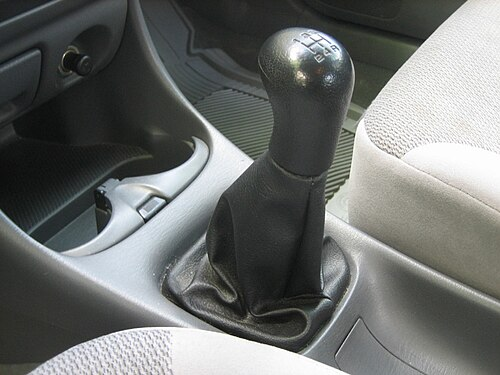
In the 1960s, driving very often meant operating a manual transmission, a skill that required real coordination. Drivers had to work the clutch and gearshift in concert, learning to change gears smoothly, and to start on a hill without rolling backward. Many older cars also required knowing how to use the choke to start a cold engine. This hands-on, mechanical relationship with the car was simply part of knowing how to drive. Today, with automatic transmissions overwhelmingly dominant, a large share of young drivers have never operated a stick shift and wouldn’t know how. Put a modern teenager behind the wheel of a vintage manual car, and the clutch alone might bring the lesson to a stalling halt.
A Different Set of Skills
Looking back at these everyday 1960s skills reveals just how dramatically daily life has been transformed by technology. None of these abilities, dialing a rotary phone, reading a map, writing in cursive, balancing a checkbook, were considered remarkable at the time; they were simply the ordinary competencies everyone was expected to have. Yet within a couple of generations, gadgets and software have made most of them unnecessary, and they’ve faded from common knowledge. It’s not that today’s teenagers are any less capable, they’ve simply mastered an entirely different set of skills suited to their own era. Still, there’s something worth appreciating in these older, hands-on abilities, and the self-reliant, patient mindset they reflect.
Like our content? Follow us for more.