

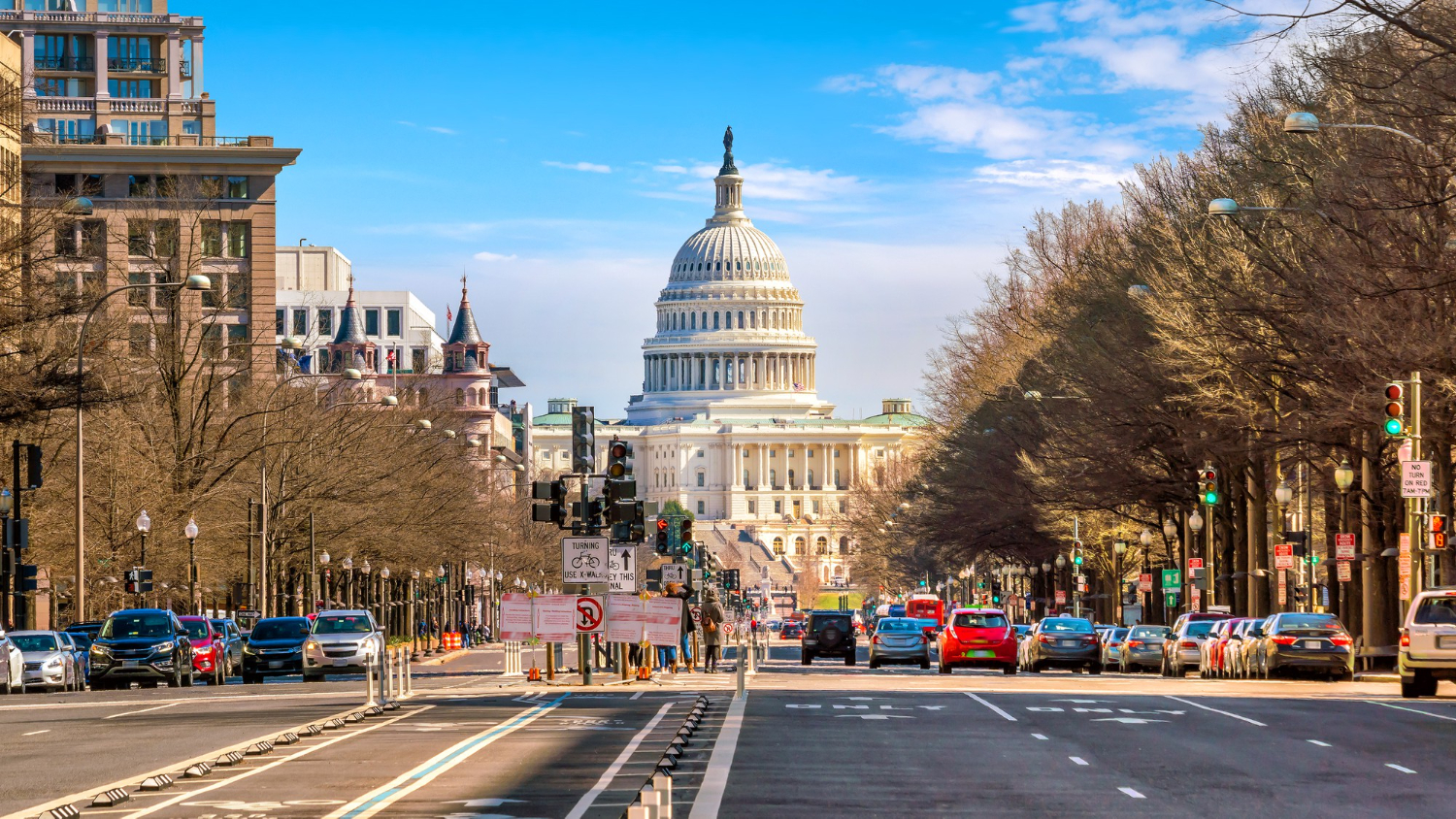
Every country has customs that feel completely normal to locals and utterly bewildering to everyone else, and the United States is no exception. Things Americans do without a second thought, from how they tip to how they drink their water, can leave international visitors scratching their heads, and can give traveling Americans a jolt when they realize the rest of the world doesn’t do it that way. These quirks aren’t better or worse, just different, and noticing them is one of the most fun parts of cross-cultural travel. Here are some things that are completely routine in the US but strike people from other countries as surprising, confusing, or downright strange, along with the reasons behind these distinctly American habits.
Tipping Almost Everyone
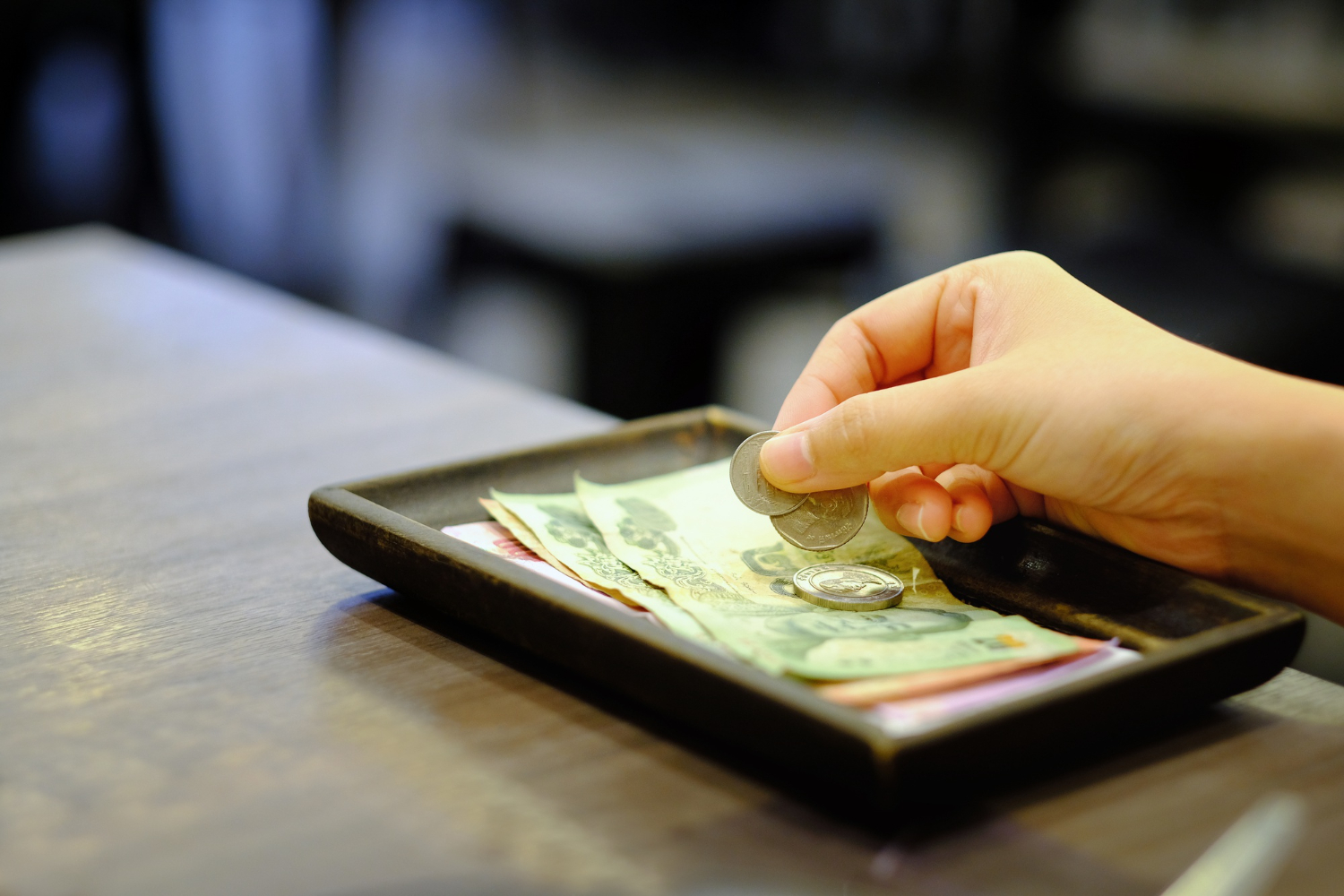
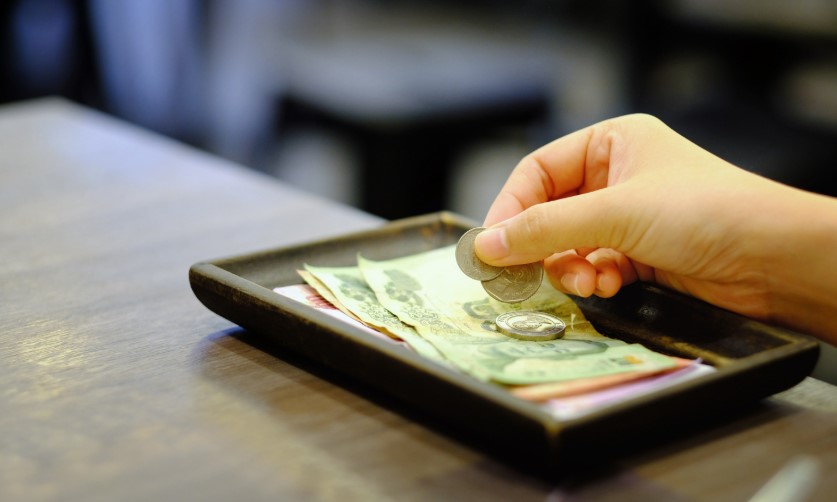
Perhaps nothing confuses visitors to the US more than tipping culture. In America, tipping is expected, often fifteen to twenty percent or more, at restaurants, plus tips for bartenders, taxi and rideshare drivers, hairdressers, hotel staff, and many others. In much of the world, tipping is modest, optional, or even unnecessary because service workers earn a full wage, so the American expectation of generous, almost mandatory tipping can feel baffling and stressful. The system stems from the US practice of paying tipped workers a lower base wage, with tips making up much of their income. For newcomers, navigating who to tip and how much is genuinely tricky, and the growing prevalence of tip prompts on screens has even sparked debate among Americans themselves.
Like our content? Follow us for more.
Adding Tax at the Register

Here’s one that steadily drives visitors crazy: in the US, the price on the shelf is almost never the price you actually pay. Sales tax is added at the checkout, not included on the tag, and because tax rates vary by state, county, and city, the same item can cost different amounts in different places. To shoppers from countries where the displayed price is the final price, tax included, this feels confusing and even a little deceptive; you can’t know the true cost until you’re at the register. Americans are so used to mentally adding tax that they barely notice, but for visitors, the gap between the marked price and the amount charged is a persistent, low-grade source of surprise.
Free Refills
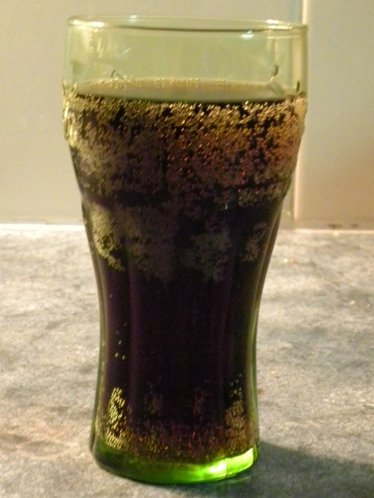
The American free refill is a delightful shock to many visitors. At countless US restaurants, fast-food spots, and diners, buying one soft drink, coffee, or iced tea entitles you to unlimited refills at no extra charge, sometimes from a self-serve machine. In much of the world, you pay for each individual drink, so the idea of bottomless soda or coffee can seem astonishing, even excessive. The practice reflects American norms around abundance and value, where generous portions are a selling point. For visitors, the first encounter with a server cheerfully topping up a drink again and again, free of charge, is often a memorable, slightly bewildering introduction to US-style hospitality and consumer culture.
Ice in Absolutely Everything

Americans love ice, and lots of it. Order a water or soft drink in the US and it typically arrives packed to the brim with ice cubes, and free iced water is often brought to the table automatically. In many other countries, drinks are served cool or with just a cube or two, and asking for a glass of tap water with ice isn’t standard. Visitors are frequently startled by the sheer volume of ice in American drinks, sometimes feeling they’re getting more frozen water than beverage. The American preference for ice-cold drinks year-round, even in winter, is a small but distinctive habit that surprises many travelers and reflects a broader cultural love of all things chilled and refreshing.
Drive-Throughs for Everything
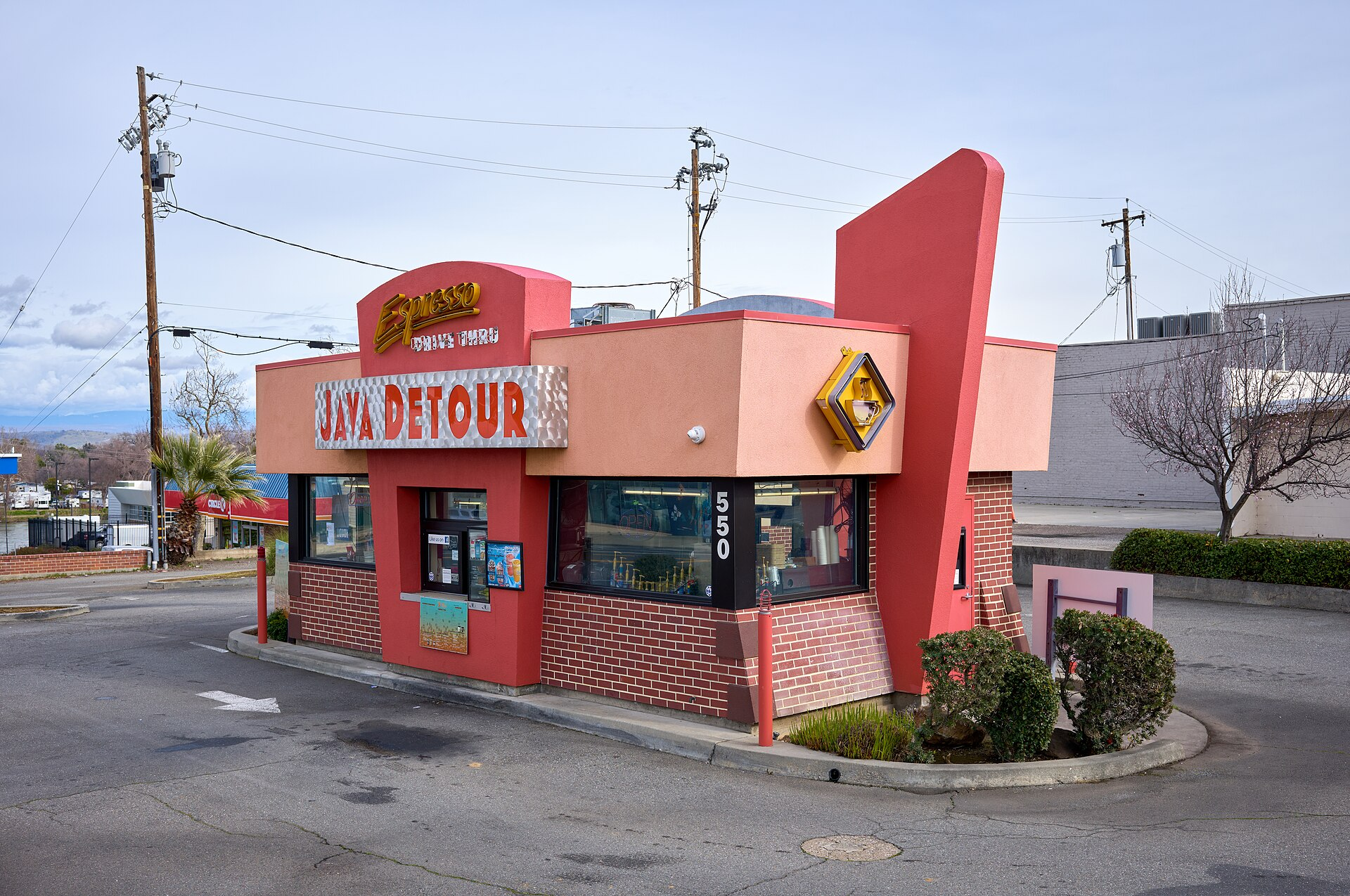
The US takes drive-through convenience to a level that astonishes outsiders. Beyond the familiar fast-food window, Americans can use drive-throughs for pharmacies, banks, coffee, car washes, and in some places even more unexpected services. This car-centric convenience reflects the country’s sprawling, automobile-dependent landscape, where so much of life is built around driving. To visitors from more walkable, transit-oriented countries, the idea of picking up prescriptions or doing your banking without leaving your vehicle can seem both impressively convenient and a little surreal. It’s a vivid symbol of how thoroughly the car shapes daily American life, turning routine errands into things you can accomplish from the driver’s seat, one window at a time.
Prescription Drug Ads on TV
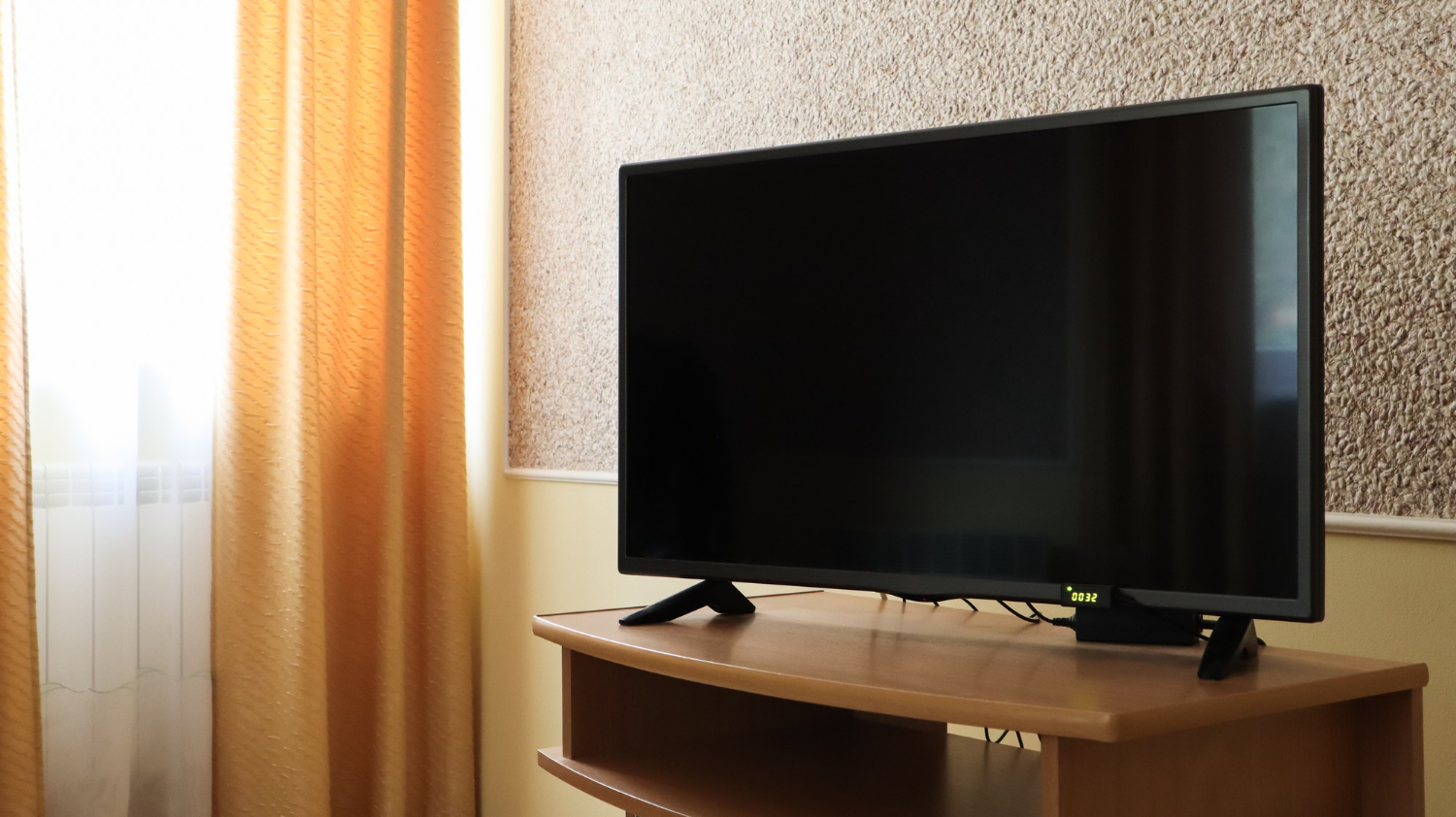
Few things startle international visitors like American television commercials for prescription medications. In the US, pharmaceutical companies advertise prescription drugs directly to consumers on TV, complete with cheerful imagery and a rapid-fire list of potential side effects, urging viewers to “ask your doctor” about a specific medication by name. This practice is banned or heavily restricted in most of the world, where such marketing is considered inappropriate, so visitors find it genuinely jarring to see drugs advertised like any other consumer product. The United States is one of only a couple of countries that permit this kind of direct-to-consumer pharmaceutical advertising. For newcomers, the barrage of branded drug ads is one of the more surprising features of American media.
Enormous Portion Sizes
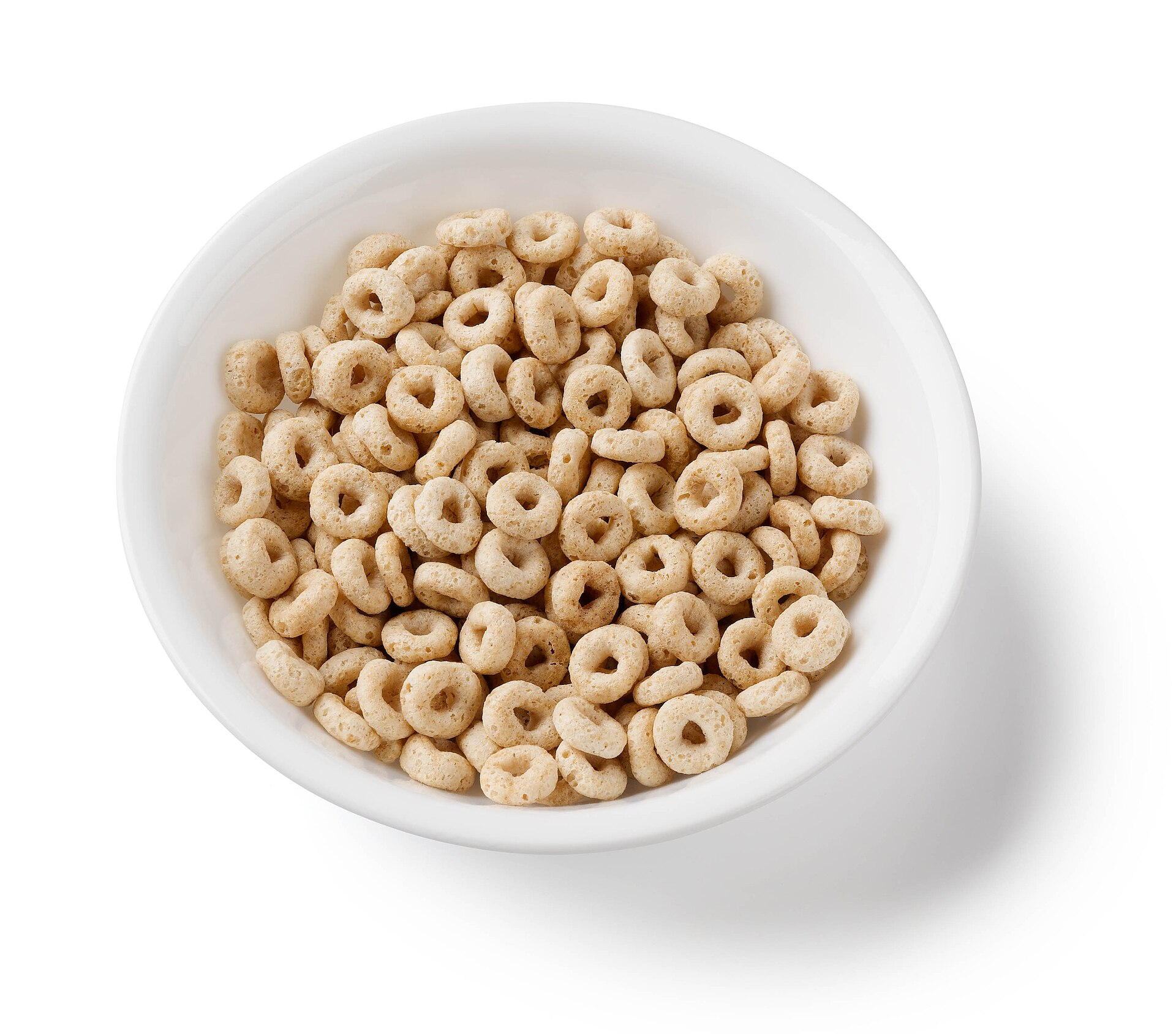
Restaurant portions in the US are famously huge, and they regularly stun first-time visitors. A single entrée can be large enough to feed two people, drinks come in sizes that dwarf those elsewhere, and the doggy bag, taking leftovers home, is a normal part of dining out. In many countries, portions are more modest and taking leftovers is less common. The American emphasis on generous quantity and value for money produces meals that can overwhelm those used to smaller servings. While many appreciate the abundance, others find it excessive or wasteful. Either way, the sheer scale of an American restaurant portion is one of the most consistently remarked-upon surprises for travelers experiencing US dining for the first time.
The Gap in Bathroom Stalls
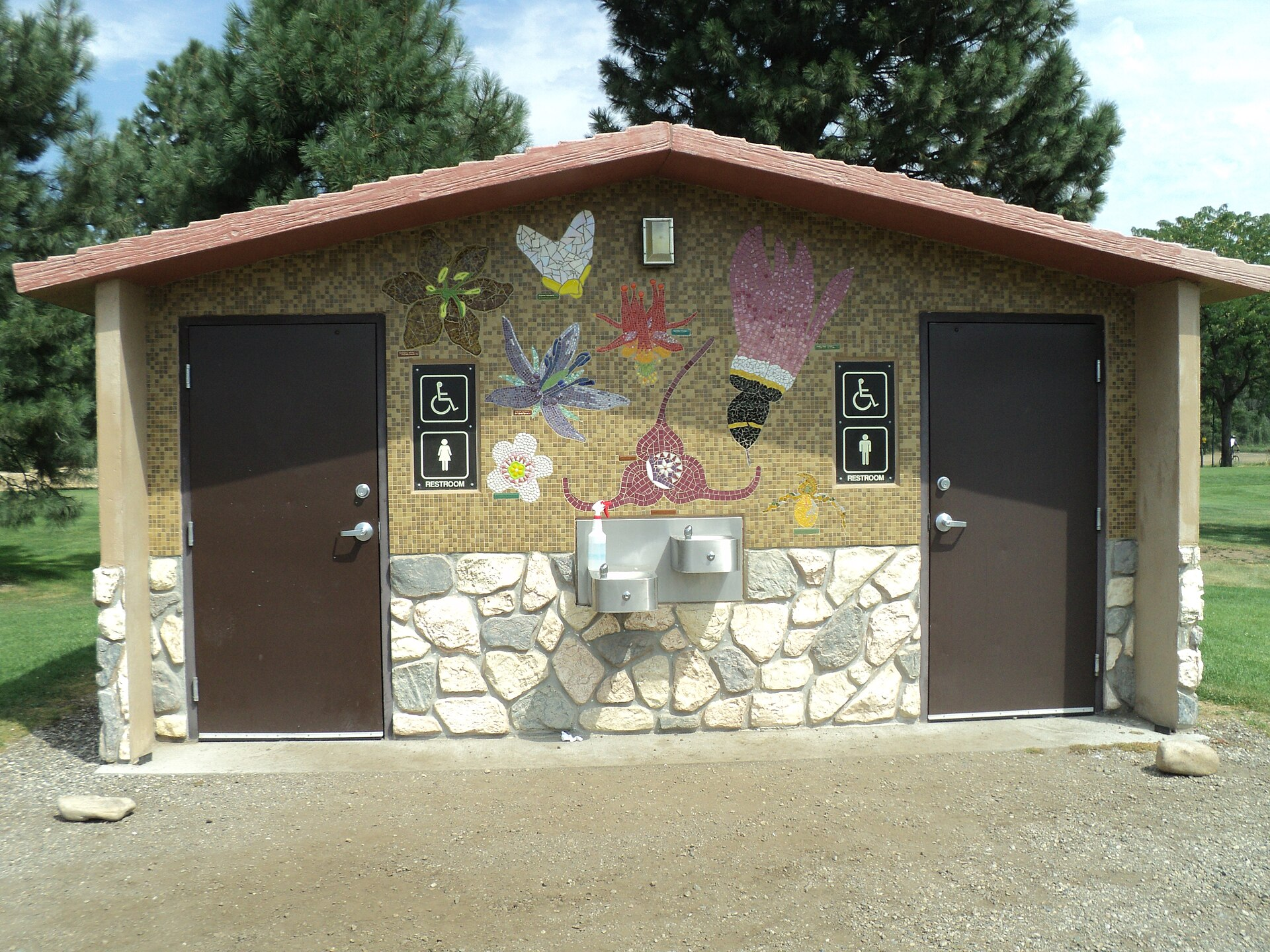
A more awkward surprise awaits visitors in American public restrooms: the stall doors and partitions often have noticeable gaps around the edges and a large space at the top and bottom. Many other countries build public toilet stalls as fully enclosed, floor-to-ceiling private cubicles, so the relative lack of privacy in a typical US public restroom can feel startling and uncomfortable to newcomers. Theories about why range from easier cleaning and maintenance to cost savings and safety considerations, but whatever the reason, the gappy American stall is a frequent and somewhat bemused topic among international visitors. It’s a small, everyday detail that Americans rarely think about but that outsiders notice almost immediately.
“How Are You?” as a Greeting

Visitors are often thrown by the American habit of asking “How are you?” as a casual greeting rather than a genuine question. In the US, a cashier or passing acquaintance might cheerfully ask how you’re doing without actually expecting a real answer, the expected response being a quick “Good, you?” To people from cultures where such a question invites a sincere reply, this can feel confusing or even insincere at first. Similarly, the general American friendliness toward strangers, striking up conversations with people in line or chatting with servers, can surprise those from more reserved cultures. It’s not fake so much as a different social rhythm, but it takes some getting used to for many newcomers to the US.
Different, Not Wrong
What makes all these quirks so interesting is that they’re invisible to the Americans who live them every day, and glaringly obvious to everyone else. From the tipping math to the ice-packed drinks, the register-tax surprise to the friendly “how are you,” these habits reflect deeper aspects of American culture: its norms around service and work, its love of convenience and abundance, and its particular brand of casual friendliness. None of them are right or wrong, just different, and that’s exactly the point. Noticing these contrasts is one of the great pleasures of travel, in both directions. Whether you’re a visitor to the US or an American heading abroad, these differences are a reminder that “normal” is always a matter of perspective.
Like our content? Follow us for more.

