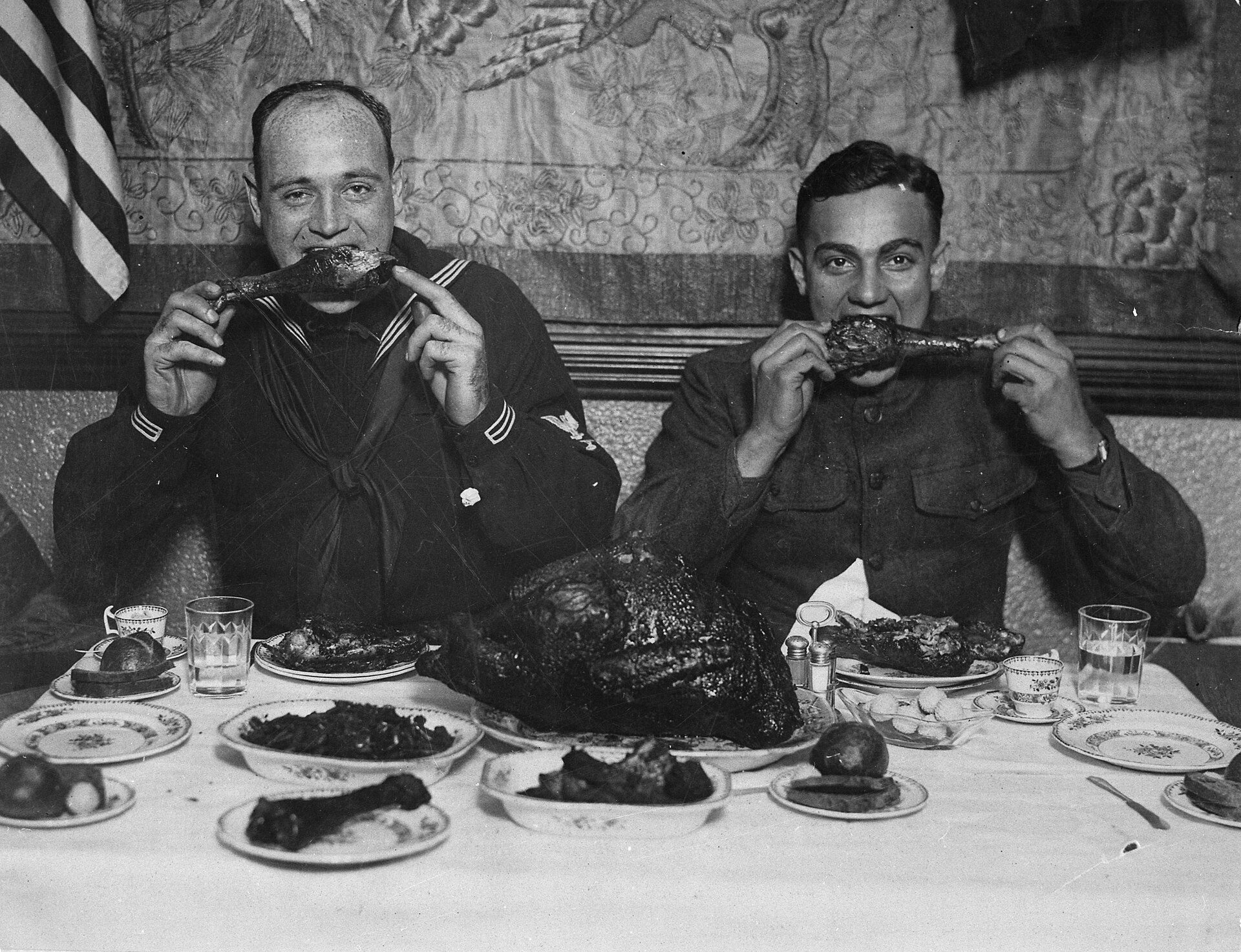
For families who prepared a full Thanksgiving dinner decades ago, the process required considerably more manual guesswork, physical labor, and coordinated family teamwork than many modern kitchens now need. Here are ten things about how making Thanksgiving dinner used to work, counted down one by one.
1. The Turkey Was Roasted Without Any Meat Thermometer to Check Doneness
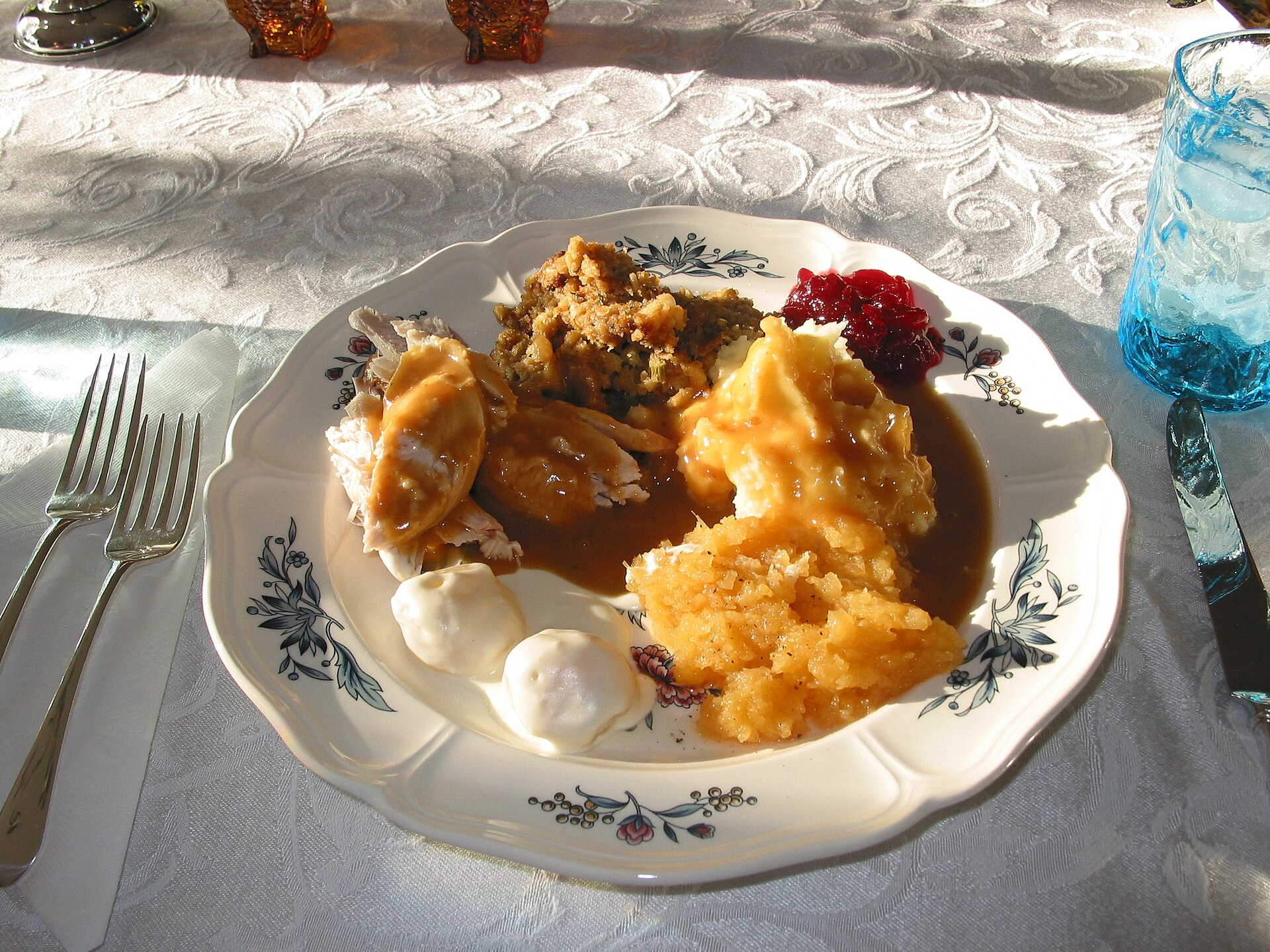
Cooks relied on visual cues and rough timing estimates. Determining if the turkey was safely cooked required real judgment and experience.
Before instant-read meat thermometers became a common kitchen tool, cooks relied on visual cues, clear juices, loose leg joints, and rough timing formulas based on the bird’s weight to judge whether a turkey was safely and fully cooked. The turkey being roasted without any meat thermometer to check doneness reflects the genuine cooking experience and judgment this task demanded, skill built through years of repetition rather than the precise, reliable readings modern thermometers now provide instantly.
Like our content? Follow us for more.
2. An Entire Kitchen Crew of Relatives Worked From Handwritten Recipe Cards
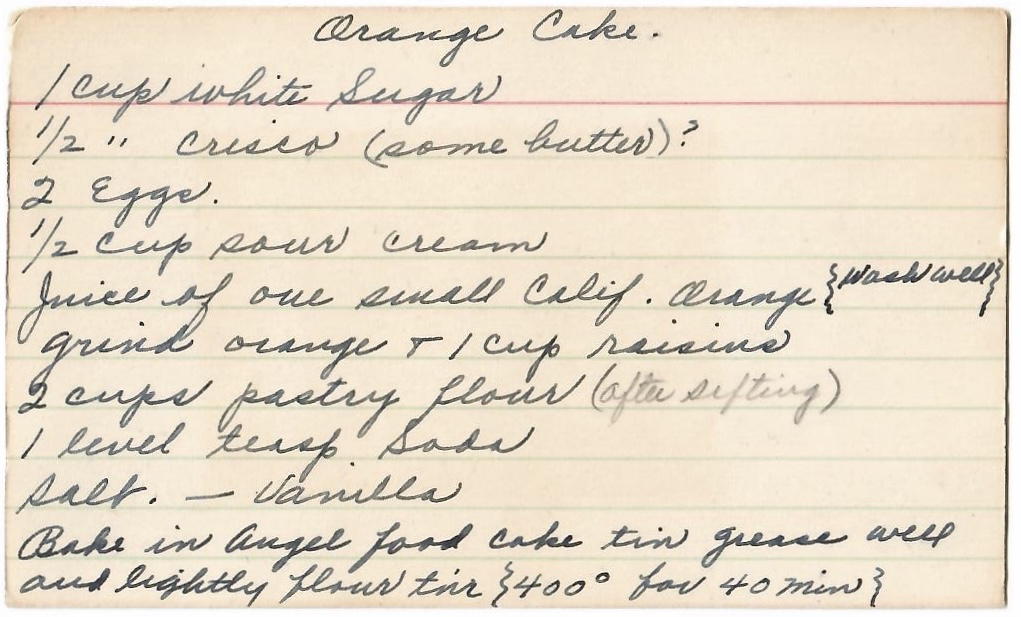
Multiple family members cooked together using recipes passed down by hand. No printed cookbook or website standardized the family’s specific dishes.
Preparing the full Thanksgiving spread typically required an entire crew of relatives working together in the kitchen, each following handwritten recipe cards passed down through the family rather than any standardized printed cookbook, preserving specific measurements and techniques unique to that particular household. An entire kitchen crew working from handwritten recipe cards reflects the deeply personal, generational nature of Thanksgiving cooking, family recipes that existed in exactly one form, passed carefully from relative to relative rather than searchable online.
3. Cranberry Sauce Meant Opening a Can, Ridges and All
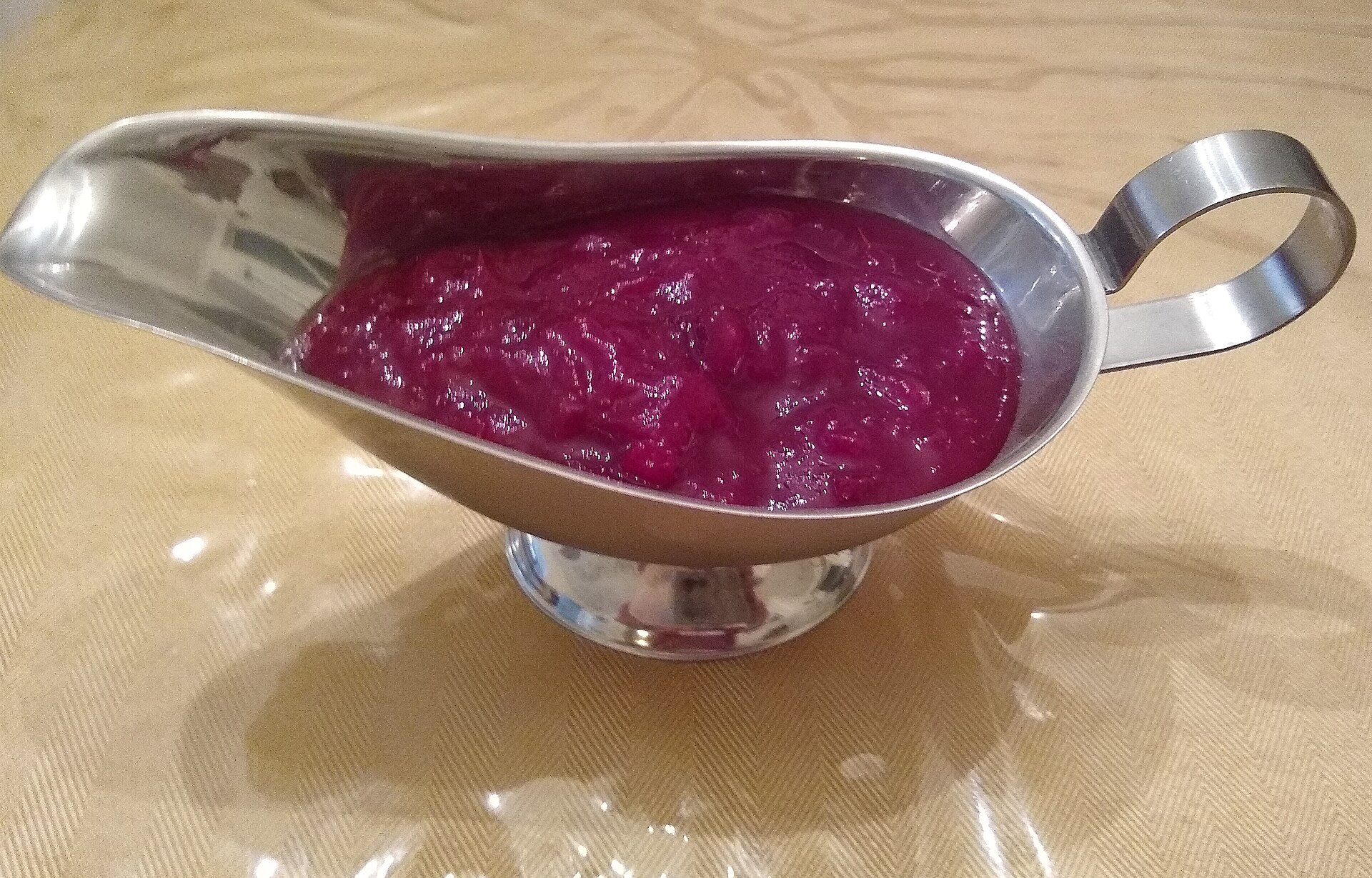
Homemade cranberry sauce was less universal than assumed. Many families genuinely preferred the specific ridged shape of canned sauce.
For many families, cranberry sauce meant opening a can and sliding out the contents intact, preserving the distinctive ridged shape left by the can itself, a specific presentation that families genuinely preferred and expected rather than viewing homemade sauce as automatically superior. Cranberry sauce meaning opening a can, ridges and all, reflects a genuinely beloved tradition in its own right, a specific texture and shape that many families still request today precisely because it matches their own childhood memory of the dish.
4. A Genuinely Limited Range of Side Dishes Compared to Today
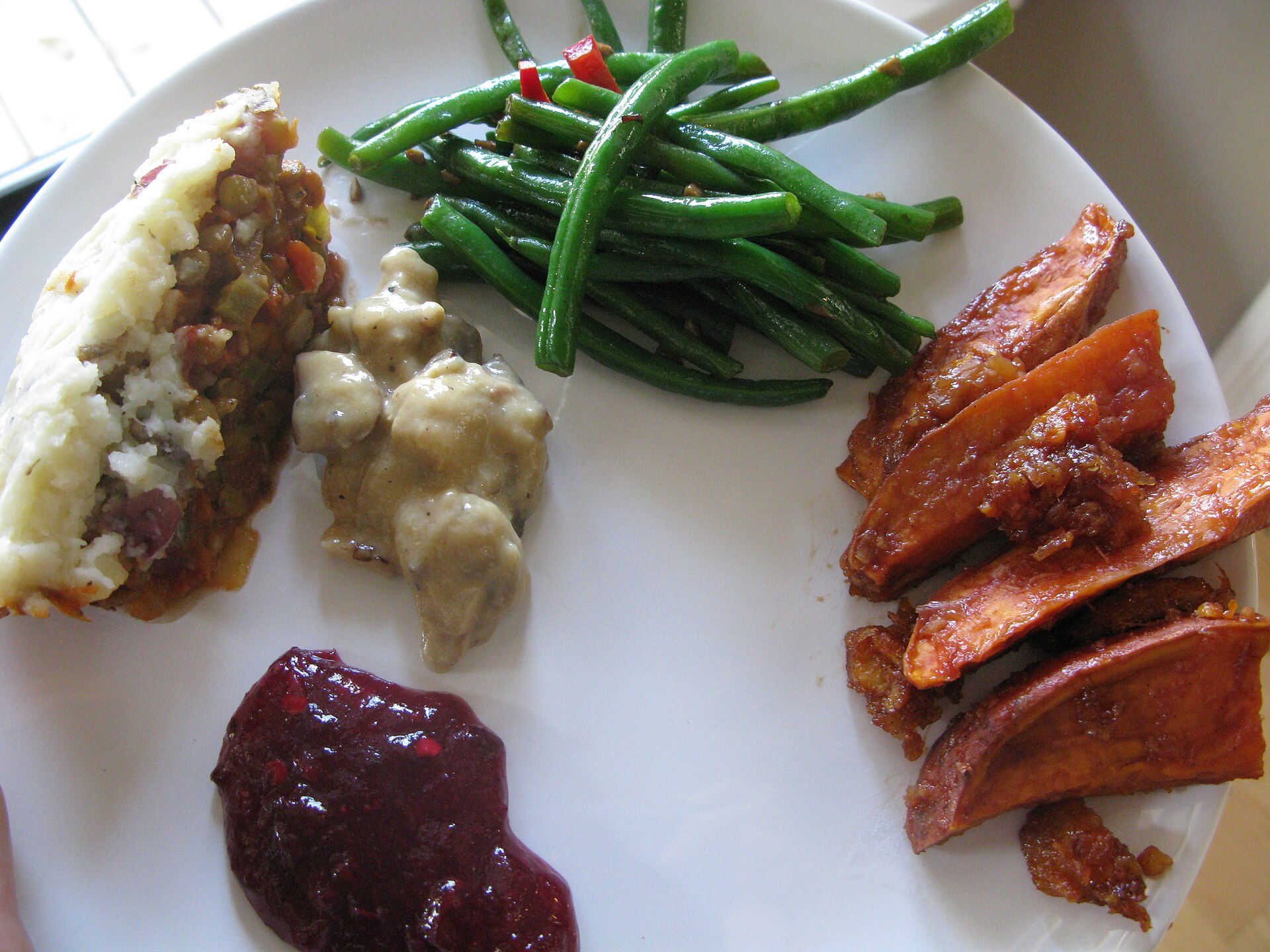
The Thanksgiving spread included fewer distinct dishes than modern tables often feature. A handful of staples appeared reliably every single year.
The Thanksgiving table decades ago typically featured a genuinely more limited range of side dishes than the expansive, sometimes overwhelming spreads many modern tables now include, a reliable handful of staples, stuffing, mashed potatoes, green beans, appearing consistently year after year rather than an ever-expanding rotation of new recipes. A genuinely limited range of side dishes compared to today reflects the more focused, tradition-bound approach to the meal during this era, consistency that made the holiday feel reliably familiar rather than an opportunity for constant culinary experimentation.
5. Basting the Turkey Required Real, Repeated Physical Effort
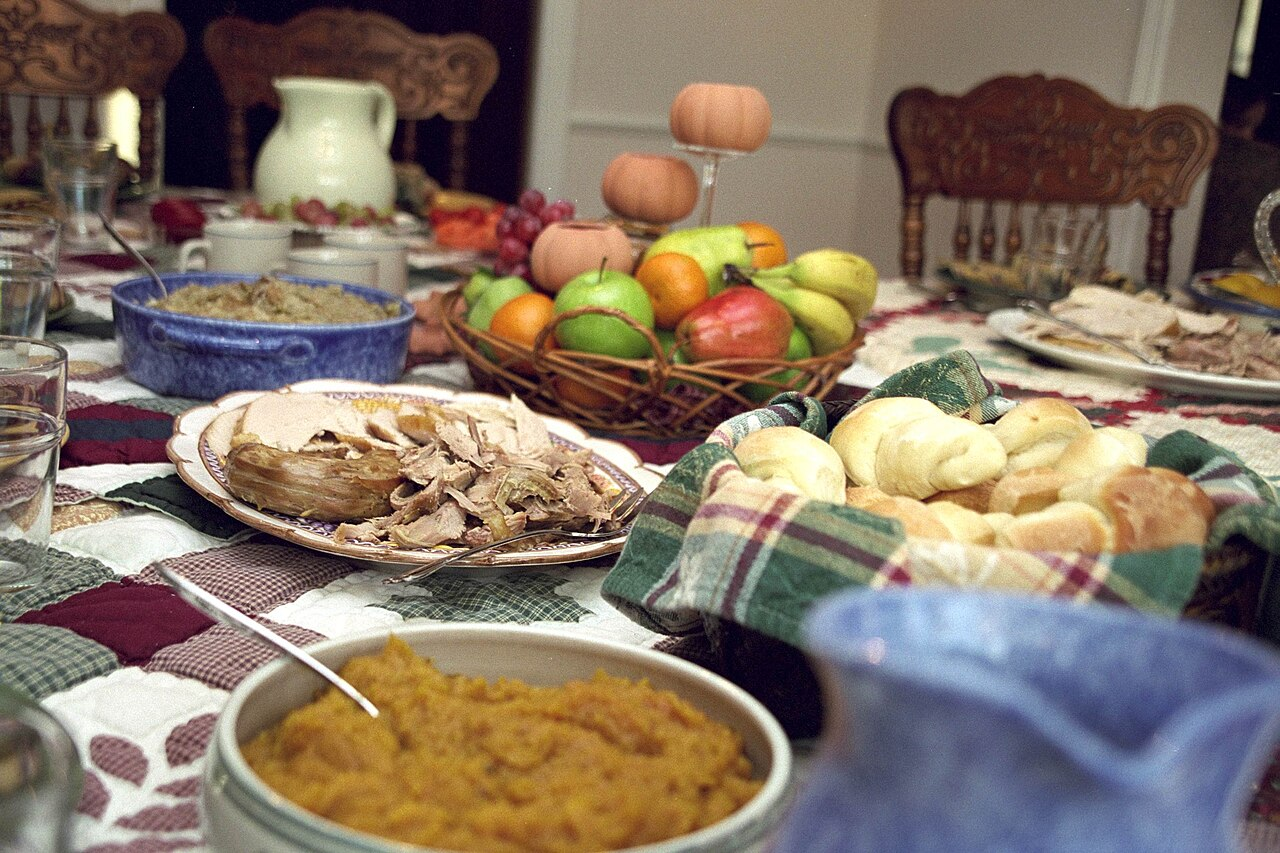
Keeping the turkey moist meant opening the oven repeatedly throughout cooking. This manual process demanded genuine attention over several hours.
Keeping the turkey moist required genuinely repeated manual basting, opening the hot oven every thirty minutes or so to spoon pan juices back over the bird, a labor-intensive process that demanded real, sustained attention throughout several hours of cooking rather than a set-it-and-forget-it approach. Basting the turkey requiring real, repeated physical effort reflects the genuinely hands-on nature of holiday cooking during this era, sustained labor that modern self-basting turkeys and roasting bags have since made considerably less demanding.
6. Pie Crusts Were Made Entirely From Scratch by Hand
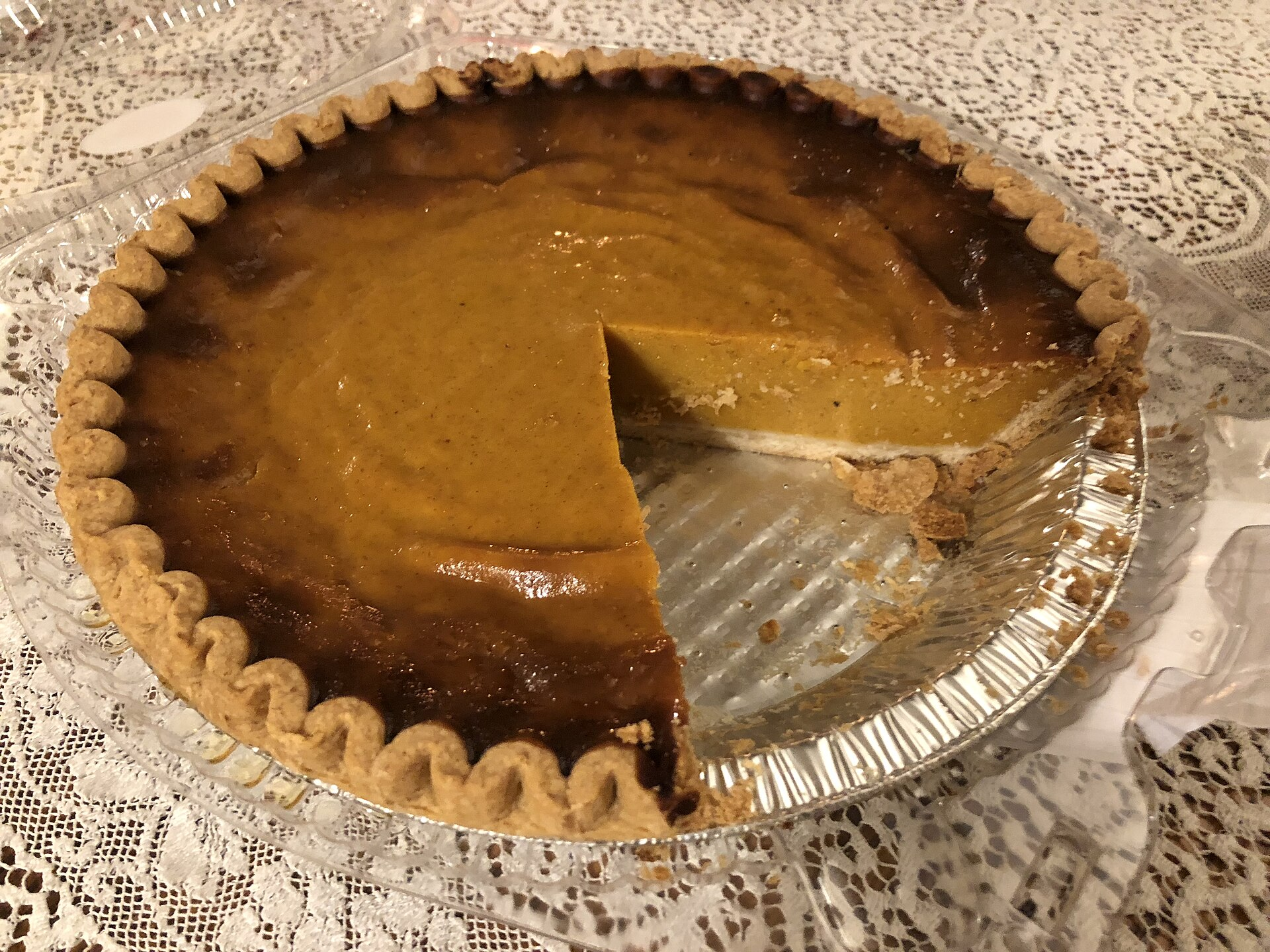
Store-bought pie crust wasn’t yet a widely available convenience. Rolling out dough by hand was simply an expected part of pie-making.
Pie crusts for the holiday’s dessert course were made entirely from scratch by hand, cutting cold butter or shortening into flour and rolling out the dough with real practiced skill, since ready-made store-bought crust simply wasn’t a widely available convenience option at the time. Pie crusts being made entirely from scratch by hand reflects the genuine baking skill many home cooks brought to holiday preparation, technique passed down and practiced specifically for this one significant annual occasion.
7. The Kids’ Table Was a Genuine, Firmly Enforced Institution
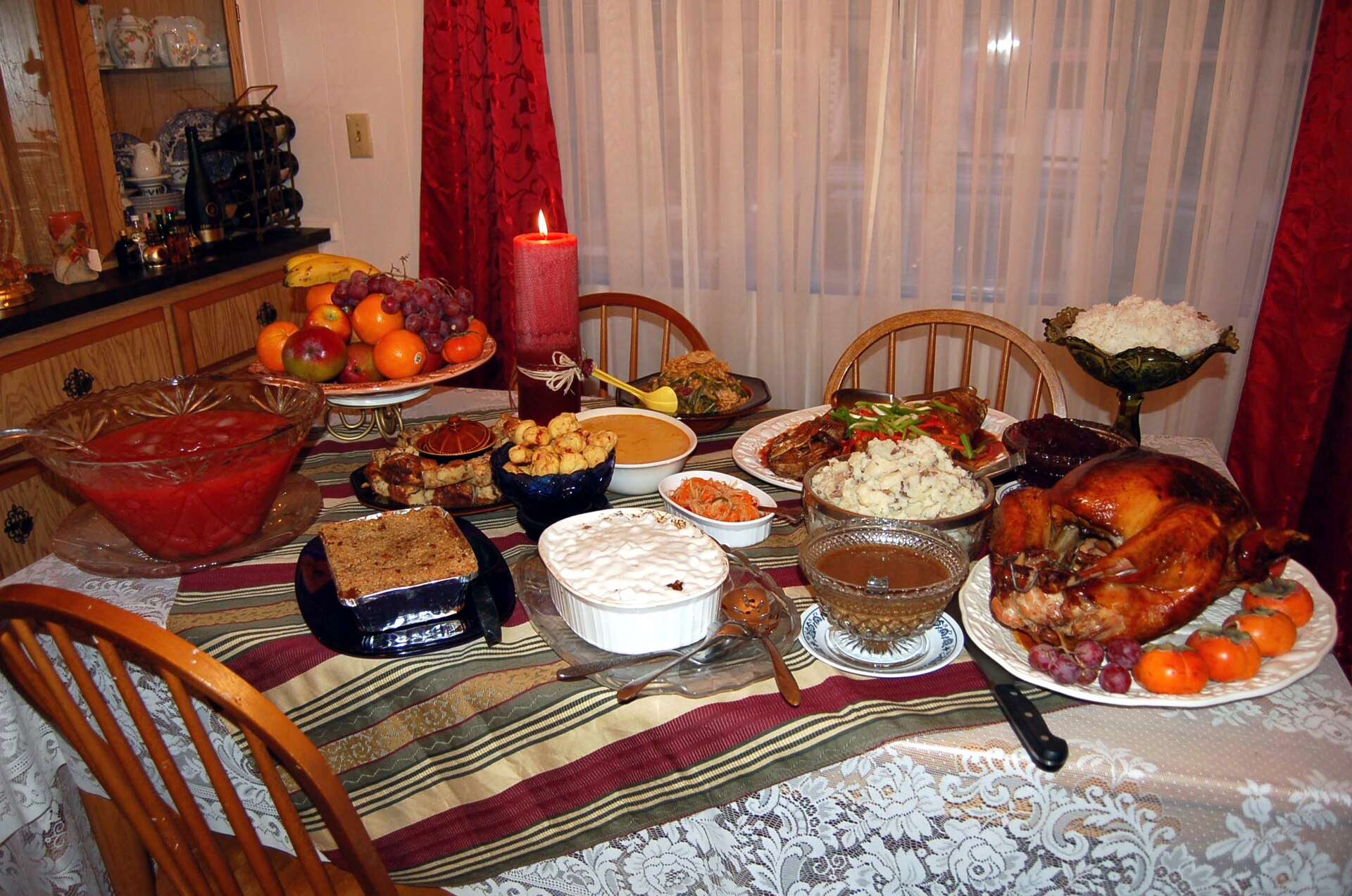
Children ate separately from the adults at their own designated table. This arrangement was rarely questioned or negotiated.
Children were seated at a genuine, separate “kids’ table,” often a card table set up in an adjoining room, a firmly enforced arrangement that was rarely questioned or negotiated regardless of how close a child might be to adulthood. The kids’ table being a genuine, firmly enforced institution reflects the era’s clearer generational boundaries at family gatherings, a tradition that many families have since relaxed or eliminated as household dynamics and gathering sizes have evolved.
8. Leftovers Were Stretched Across an Entire Following Week
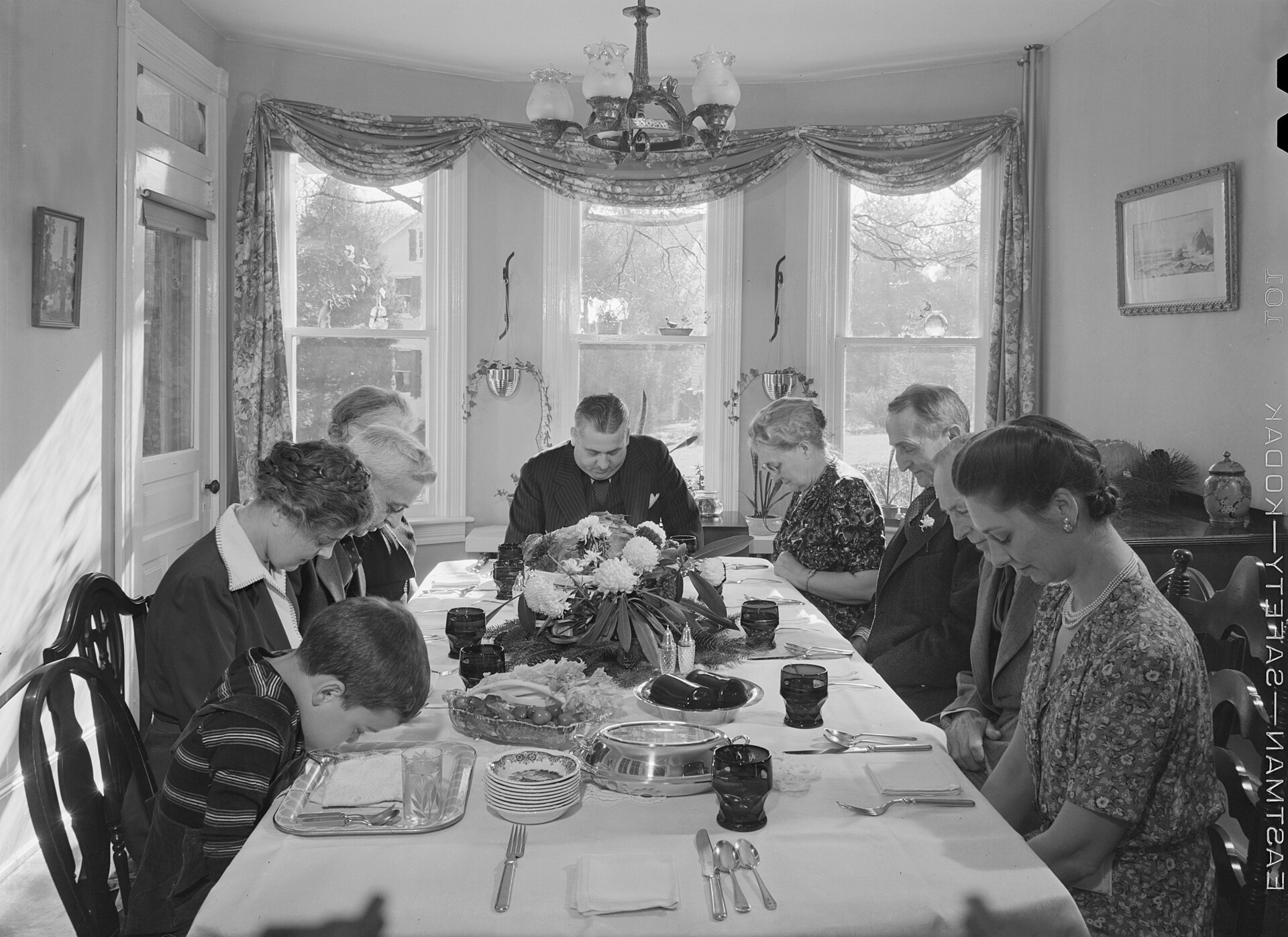
Turkey and sides were repurposed into multiple additional meals. Genuine creativity turned a single holiday dinner into days of subsequent food.
Leftover turkey and side dishes were genuinely stretched across an entire following week, repurposed into sandwiches, soups, and casseroles through real culinary creativity that turned a single holiday dinner into multiple additional meals rather than food discarded after just a day or two. Leftovers being stretched across an entire following week reflects the genuinely practical, waste-conscious approach many families brought to holiday cooking, resourcefulness that made the most of a significant investment of time and grocery expense.
9. A Rotary Phone Call Coordinated Who Was Bringing What Dish

Planning a potluck-style contribution required an actual phone conversation. There was no group text or shared spreadsheet to organize the meal.
Coordinating which relative was bringing which specific dish to a shared Thanksgiving gathering required an actual phone call, often several calls back and forth on a rotary phone, since there was no group text thread or shared digital spreadsheet to organize the meal’s logistics instantly. A rotary phone call coordinating who was bringing what dish reflects the genuinely more effortful communication required to plan even a straightforward family gathering, coordination that modern group messaging has since made almost instantaneous.
10. A Genuine Sense of the Meal as a Once-a-Year Culinary Event
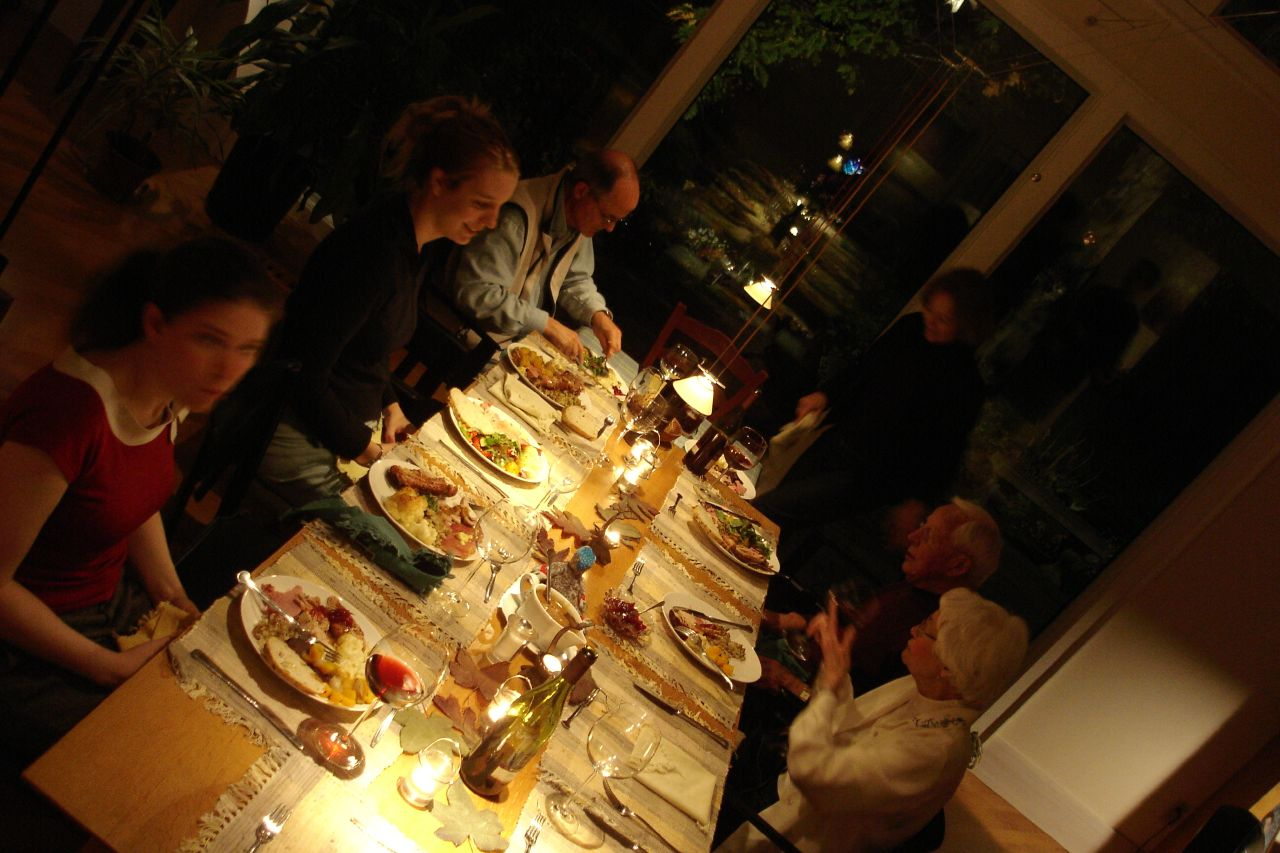
Thanksgiving dishes felt genuinely special precisely because they appeared so rarely. This scarcity gave the holiday meal real significance.
Many Thanksgiving dishes, a specific stuffing recipe, a particular pie, appeared genuinely only once a year, a scarcity that gave the holiday meal real, tangible significance compared to today’s more casual relationship with once-seasonal ingredients now available in grocery stores nearly year-round. A genuine sense of the meal as a once-a-year culinary event reflects just how special this specific dinner felt during an era of more limited, seasonal food availability, anticipation that modern convenience has since made feel considerably less rare.
A Genuinely More Labor-Intensive Holiday Meal
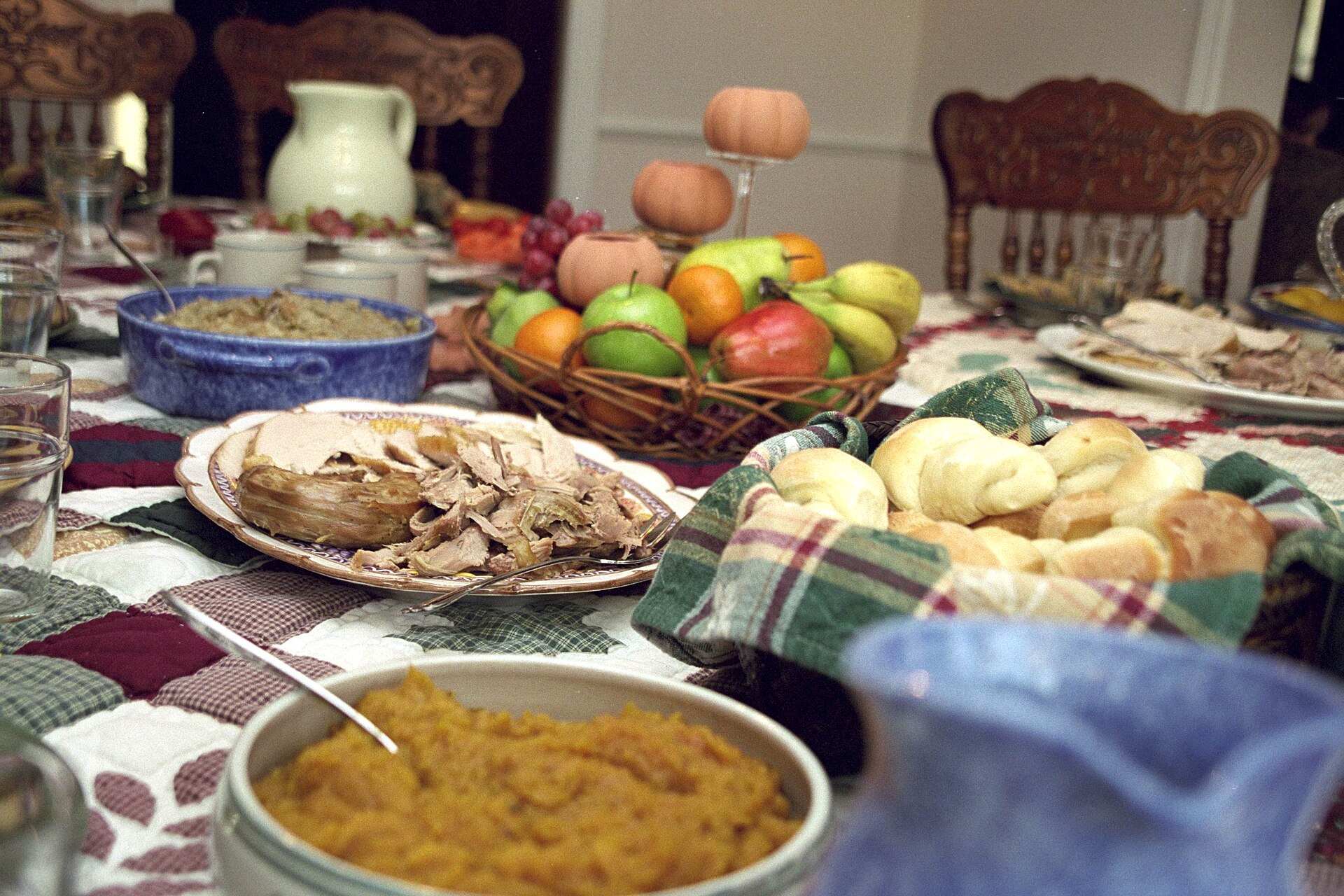
Taken together, these ten things capture exactly how differently Thanksgiving dinner preparation once worked, from the thermometer-free turkey roasting and the scratch-made pie crusts to the kids’ table tradition and the genuine anticipation the once-a-year meal carried. It was a considerably more labor-intensive, hands-on undertaking than many modern Thanksgiving preparations now require.
Instant-read thermometers, store-bought pie crusts, and considerably more convenient communication and grocery access have transformed Thanksgiving preparation substantially, trading some of the earlier era’s hands-on labor for genuine convenience and reliability. The change reflects real culinary and technological progress across the board. For those who remember basting a turkey by hand or the specific ridges of canned cranberry sauce, these details bring it all back: the handwritten recipe cards, the kids’ table, the genuine anticipation of a meal that only came around once a year. Looking back at how Thanksgiving dinner used to work is a nostalgic reminder of just how much this beloved holiday tradition has evolved.
Like our content? Follow us for more.