

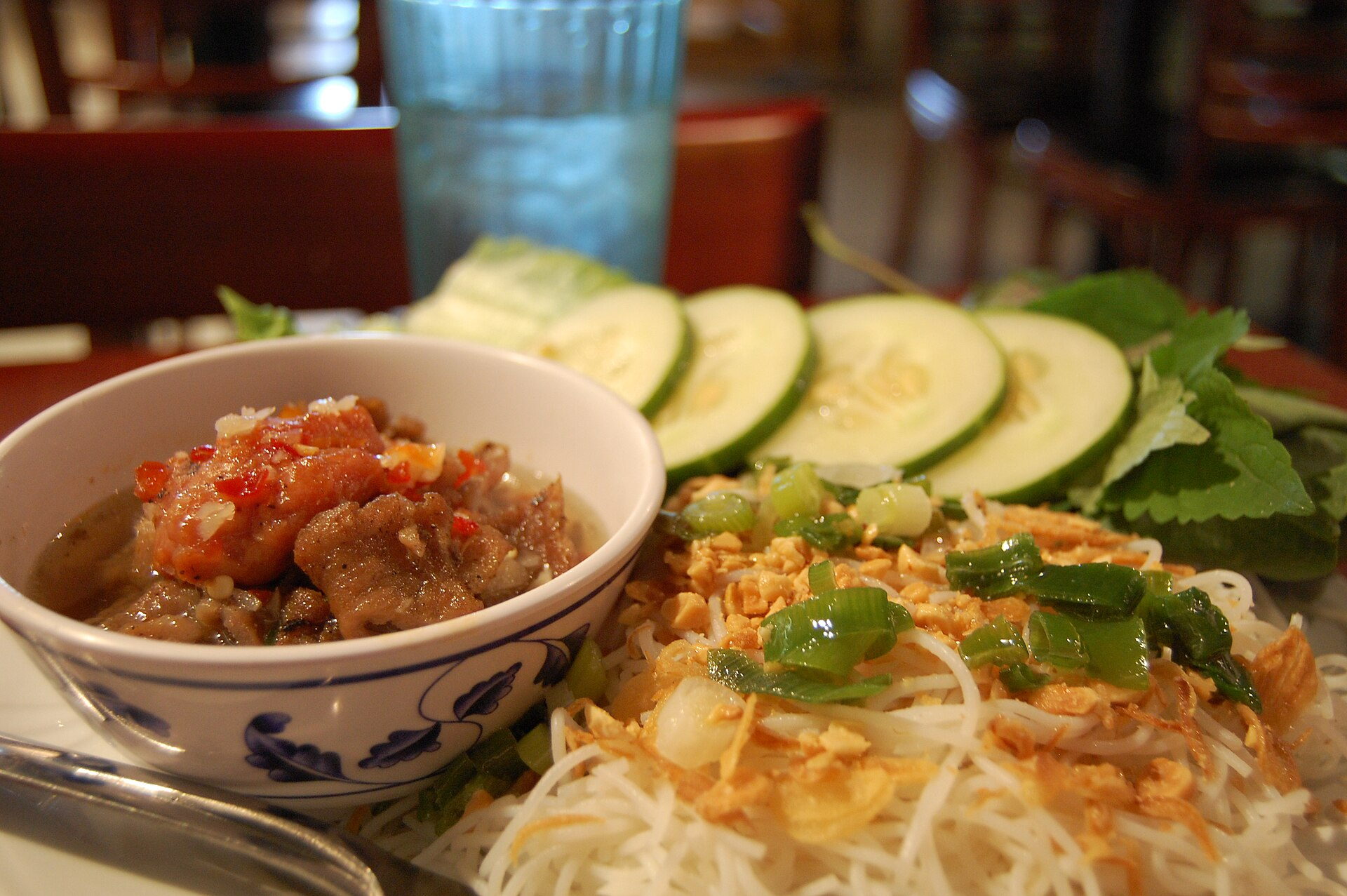
Vietnamese cuisine has spent the past several years climbing the global culinary rankings, and pork sits close to the heart of its success. From sizzling street-side grills to slow-braised home cooking, pork appears across the country’s most beloved dishes in an astonishing variety of preparations. International food guides have taken notice, repeatedly placing Vietnamese pork dishes among the world’s finest. Here is a look at why these dishes earn such acclaim, and what makes each one worth seeking out, whether on a trip to Vietnam or at a good Vietnamese restaurant closer to home.
What Sets Vietnamese Pork Cooking Apart
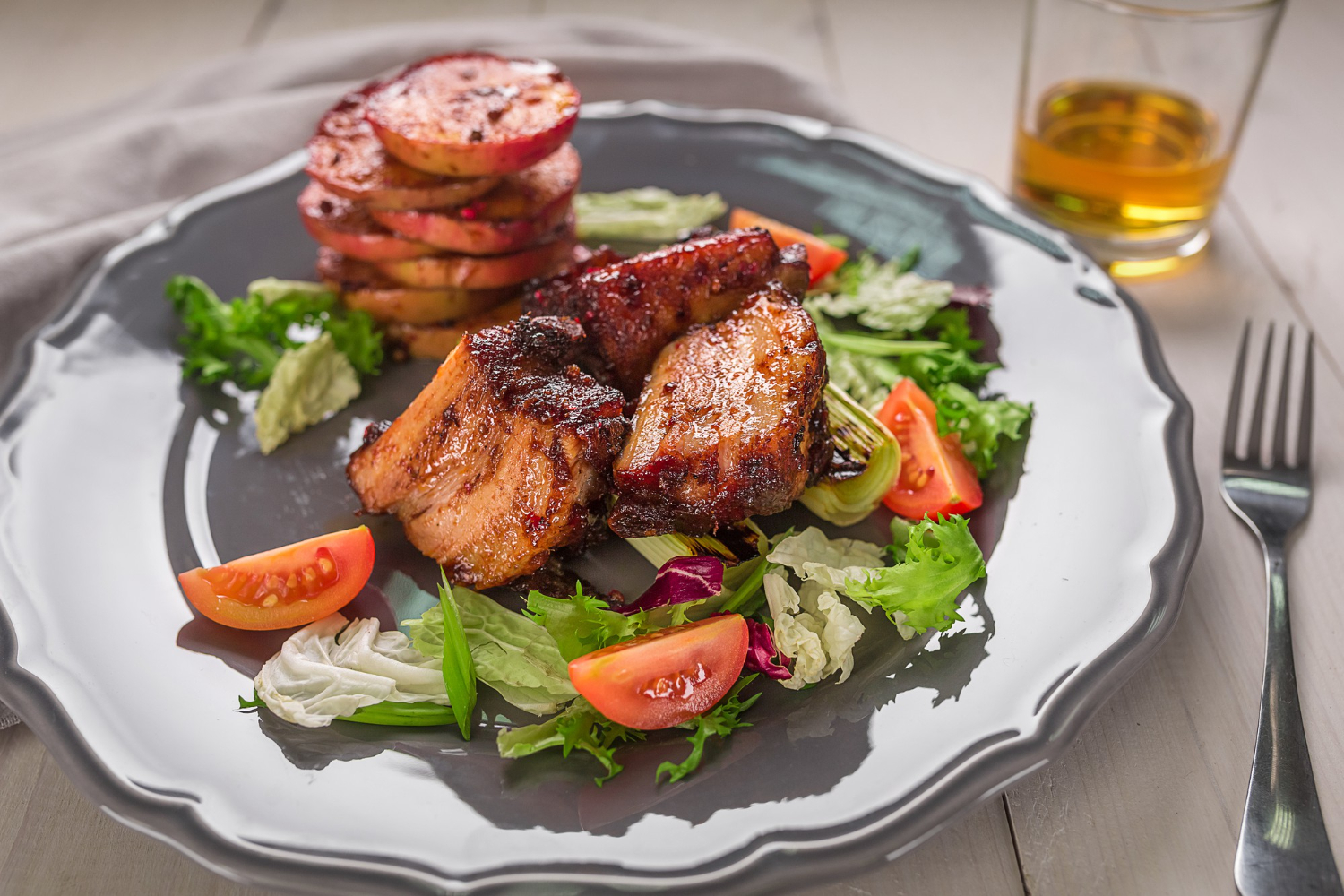
Before the dishes themselves, it helps to understand the philosophy behind them. Vietnamese cooking is built on balance, the interplay of salty, sweet, sour, and umami, often within a single bite. Pork, with its richness and versatility, is the perfect canvas for that approach. It might be grilled over charcoal until smoky and caramelized, simmered for hours in a sweet-savory braise, or chopped and rolled with herbs and rice paper.
Fresh herbs, pickled vegetables, fish sauce, and rice in its many forms accompany almost every preparation, cutting through the richness of the meat and keeping each dish feeling bright rather than heavy. This emphasis on freshness and contrast is exactly what international tasters tend to single out, and it is why Vietnamese pork dishes translate so well to a global audience. They are deeply satisfying without being one-note.
Like our content? Follow us for more.
Bun Cha: Hanoi’s Smoky Signature
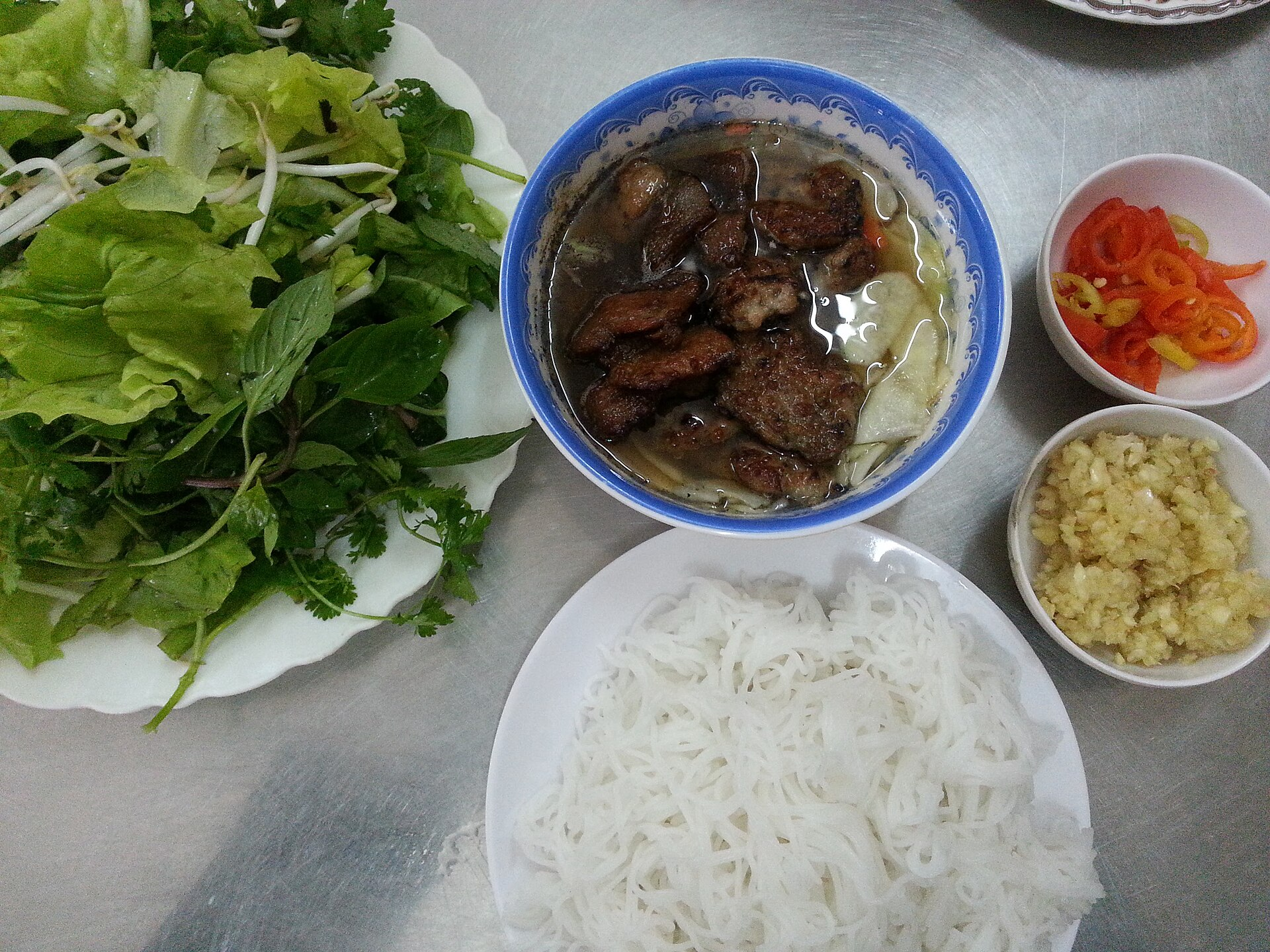
If one dish embodies Vietnamese pork cooking, it might be bun cha. A specialty intimately connected to Hanoi, where it is believed to have originated, bun cha centers on grilled pork, both seasoned patties and slices of fatty belly, cooked over open coals until the edges char and caramelize.
The grilled meat arrives swimming in a warm, tangy-sweet dipping sauce, served alongside a generous plate of cool rice vermicelli, fresh herbs, and greens. Diners assemble each bite themselves, dipping noodles and herbs into the fragrant broth with the pork. The result is a meal that is smoky, fresh, savory, and bright all at once, a perfect illustration of the Vietnamese genius for balance. It is no surprise that it regularly appears on global rankings of the country’s, and the world’s, best dishes.
Com Tam: The Soul of Saigon’s Streets
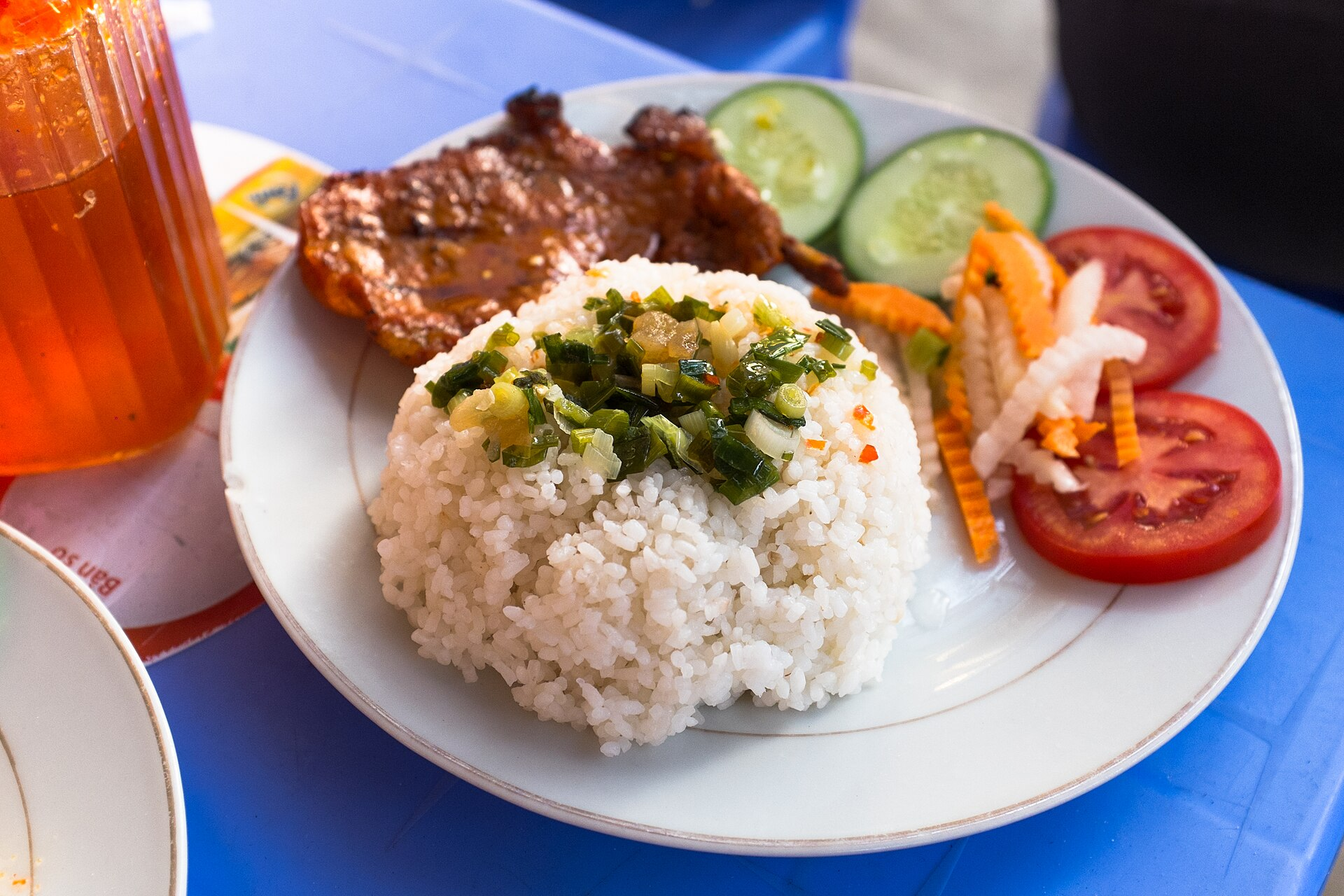
In the south, com tam, meaning “broken rice,” is one of the defining dishes of Ho Chi Minh City. Originally made from the fractured grains left over from milling, the humble rice base became the foundation for one of Vietnam’s most satisfying plates. It is typically topped with a grilled pork chop, marinated and cooked until golden and fragrant.
A classic com tam plate is a study in textures and flavors: the smoky grilled pork, a savory steamed pork-and-egg loaf, shredded pork skin tossed with toasted rice powder, a fried egg, pickled vegetables, and a small bowl of sweet-tangy fish sauce to tie it all together. Once a working-class breakfast, it has become a beloved any-time meal and a fixture of the southern Vietnamese table, celebrated far beyond the country’s borders.
Thit Kho: Comfort in a Clay Pot
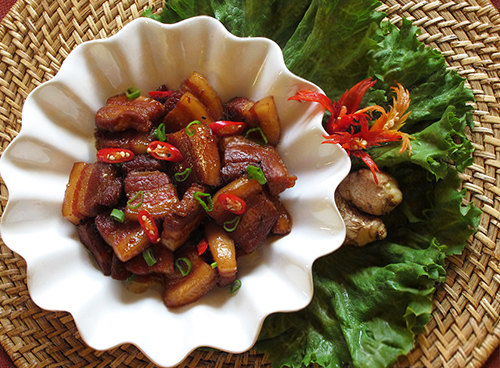
Where bun cha and com tam show off the grill, thit kho reveals the soul of Vietnamese home cooking. This dish of pork belly braised and caramelized in a sweet-savory sauce, often with hard-boiled eggs and coconut water, is the kind of slow-cooked comfort food that families return to again and again.
The pork is simmered until meltingly tender, taking on a glossy, deep-brown glaze and a flavor that is rich, savory, and gently sweet. Especially popular during Tet, the Vietnamese New Year, thit kho is also an everyday staple, usually served simply with steamed rice and perhaps some pickled greens to balance its richness. It is proof that not every celebrated dish needs a grill or a crowd; some of the best are born in a humble clay pot on the stove.
Beyond the Classics: A Whole World of Pork
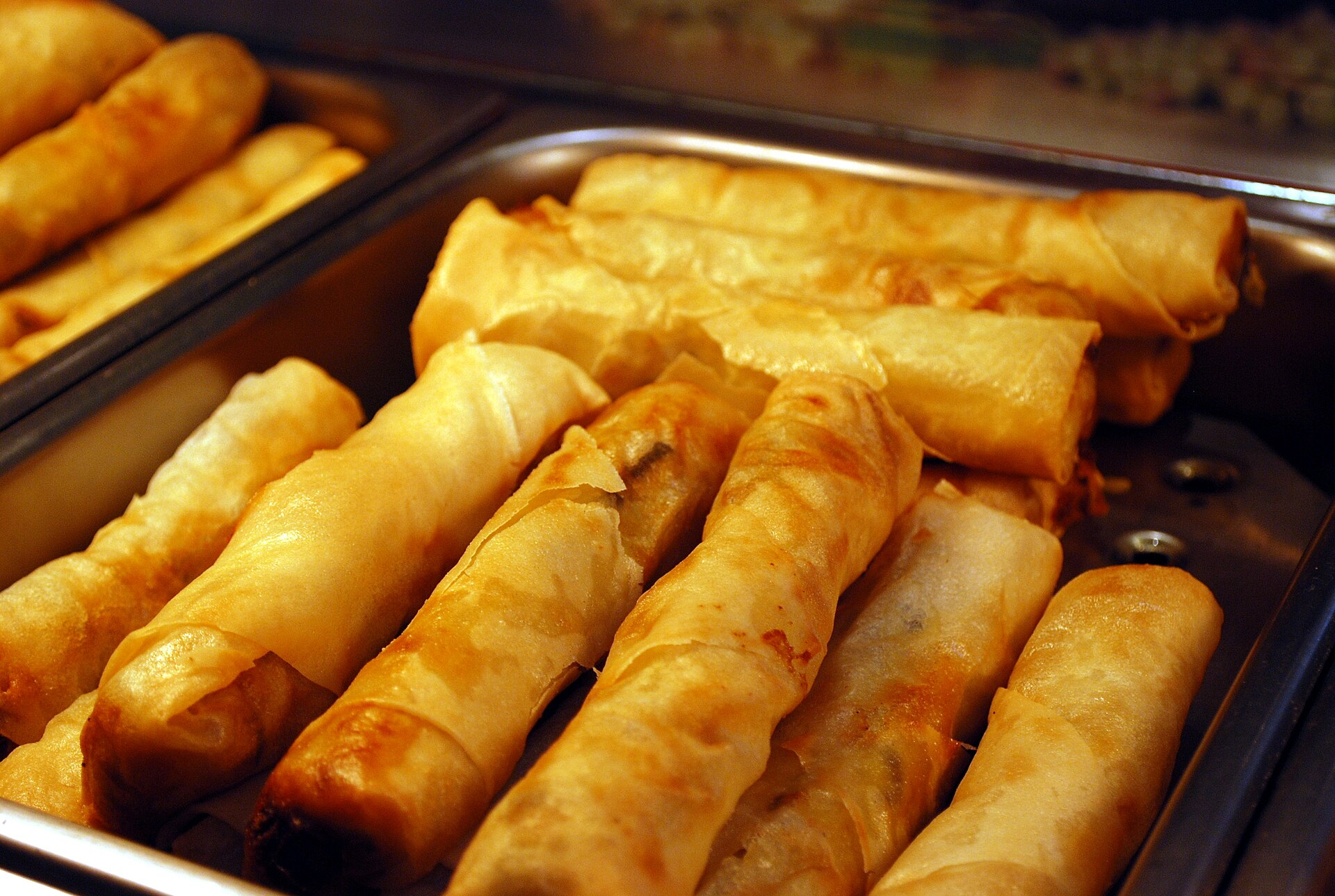
The acclaimed dishes are only the beginning. Vietnamese cooking finds room for pork in an enormous range of forms. There is nem lui, ground pork grilled on lemongrass skewers, a specialty of the central city of Hue. There is banh mi stuffed with roast pork belly, a sandwich so good that versions of it routinely top global rankings of the world’s best. Crispy fried spring rolls, known as cha gio in the south and nem ran in the north, wrap pork and other fillings in rice paper and fry them until golden.
Each region brings its own techniques and tastes, from the herb-heavy freshness of the south to the bolder, spicier flavors of the center. What unites them is that same commitment to balance and freshness, applied to one of the world’s most versatile meats. Taken together, they explain why Vietnam has become a magnet for food-loving travelers and why its pork dishes keep earning international recognition.
Pork’s Place in Vietnamese Life
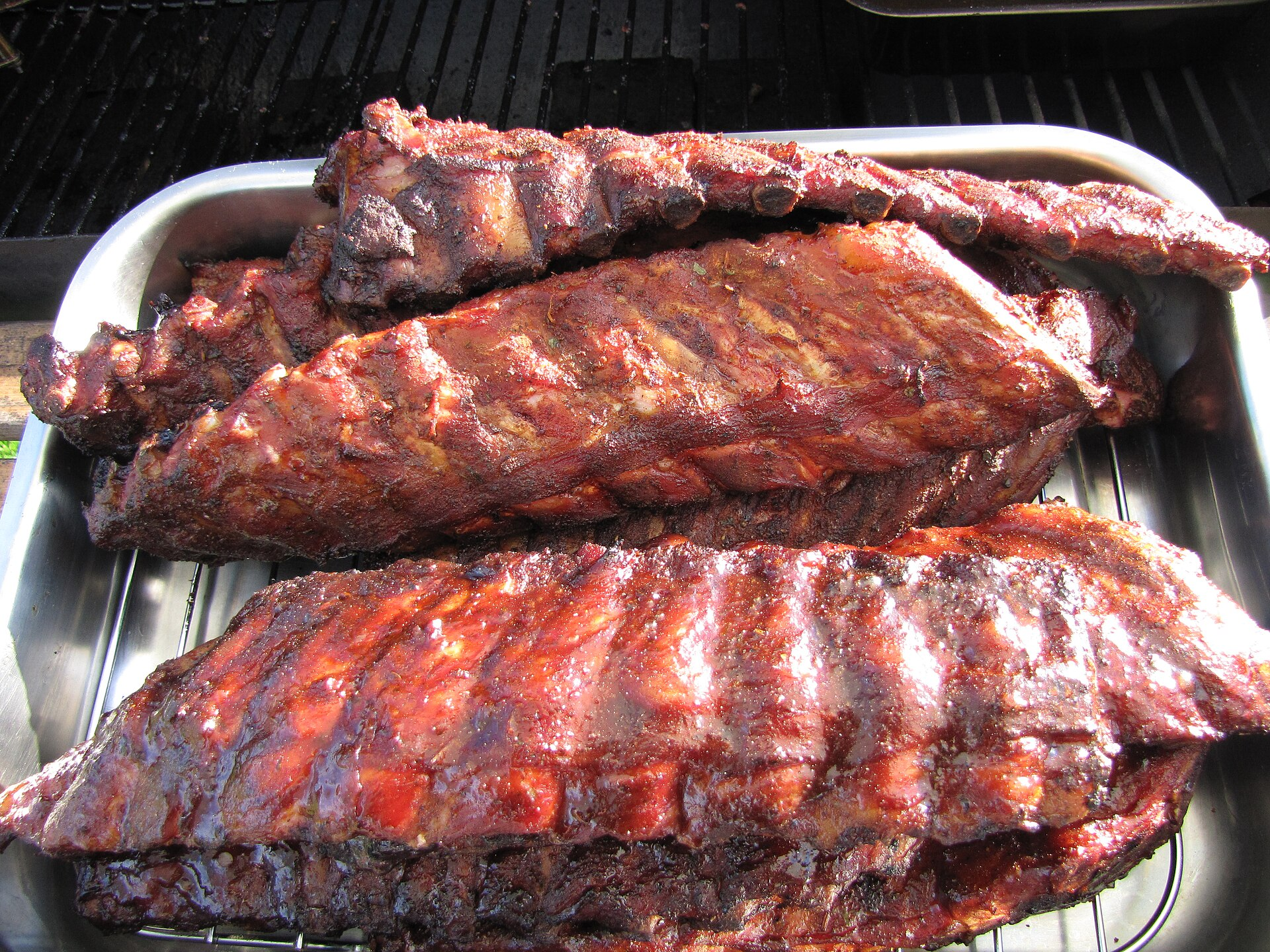
To understand why pork features so heavily in Vietnam’s most celebrated dishes, it helps to understand its place in everyday life. Pork has long been the most widely eaten meat in Vietnam, woven into family meals, street food, and celebrations alike. It is affordable, versatile, and deeply familiar, the meat people grow up eating, which is part of why so many beloved regional specialties are built around it.
Pork also plays a role in important occasions. Certain pork dishes are closely tied to Tet, the lunar new year, and to family gatherings, where slow-cooked braises and special preparations mark the importance of the day. Nothing goes to waste, either: across Vietnamese cooking, nearly every part of the animal finds a purpose, from belly and chops to skin, trotters, and more, reflecting a resourceful, time-honored approach to food. This combination of everyday staple and celebratory centerpiece is exactly what has produced such a deep and varied repertoire of pork dishes, and why those dishes carry the weight of generations of cooking behind them.
Tasting Vietnam, at Home or Abroad
For travelers, the best way to appreciate these dishes is on their home turf, ideally from a busy street stall or a small family-run spot where the recipes have been perfected over generations. Eating bun cha in Hanoi or com tam in Ho Chi Minh City, surrounded by locals doing the same, is an experience that no restaurant abroad can fully replicate, and it comes at prices that make sampling widely easy and affordable.
That said, the global spread of Vietnamese cuisine means you no longer have to fly across the world to taste it. Vietnamese restaurants have flourished in cities everywhere, and many do these classic pork dishes real justice. Whether you encounter it on a plastic stool in Saigon or at a neighborhood spot near home, Vietnamese pork cooking offers a master class in how a few simple ingredients, handled with care and balanced just right, can produce some of the most crave-worthy food on the planet. The world’s food critics have noticed; the only thing left is to taste it for yourself.
Like our content? Follow us for more.

