Tea is the most consumed drink on Earth after water, but the appetite for it is wildly uneven — and the per-person rankings scramble almost every assumption. China and India dominate total volume simply because of their populations, yet neither leads per person. Britain, the country most associated with tea in the popular imagination, is comfortably beaten. And the runaway champion is a country whose tea culture many Westerners have never thought about at all. Here are ten of the world’s biggest tea-drinking nations per person, with the American figure revealed along the way.
1. Turkey — The Undisputed World Champion
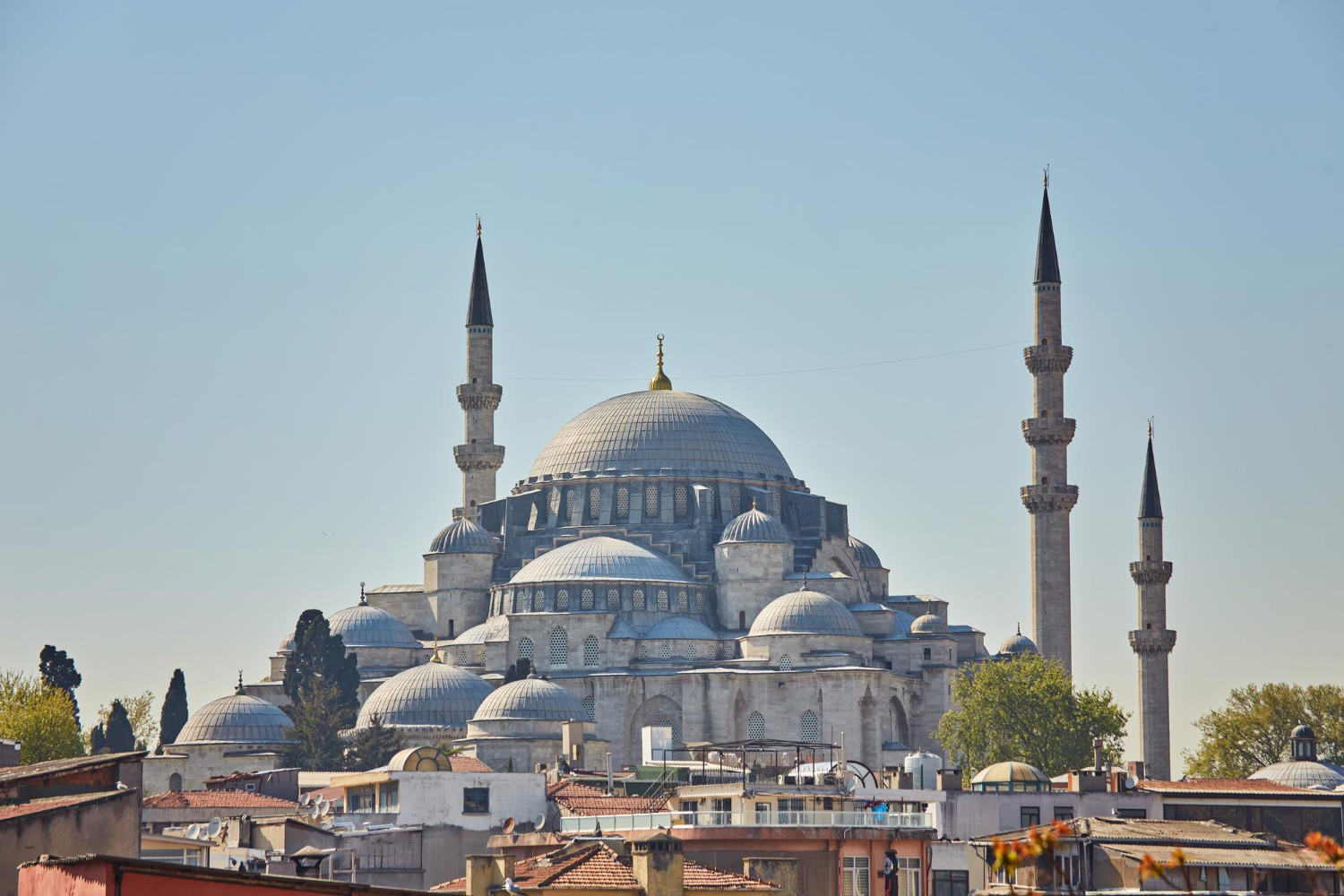
Turks drink roughly three kilograms of tea per person a year, far ahead of anyone else.
Turkey tops the global per-person tea rankings by a wide margin, with figures commonly cited around 3.1 kilograms of dry tea per person annually — an amount often translated as something in the neighborhood of 1,300 cups a year, or several every single day. Turkish black tea, known as çay, is brewed in a distinctive stacked double kettle and served in small tulip-shaped glasses, and it functions as the country’s universal gesture of hospitality: offered in shops, offices, homes, and tea gardens, at essentially any hour. No other country integrates tea into daily life quite so relentlessly, and the numbers show it.
Like our content? Follow us for more.
2. Ireland — Europe’s Most Devoted Tea Drinkers

The Irish drink more tea per person than the British, and it isn’t especially close.
Ireland ranks second globally, with per-person consumption commonly cited around 2.2 kilograms a year — well ahead of its neighbor across the Irish Sea, a fact the Irish are generally happy to point out. Irish tea is traditionally strong black tea taken with milk, and the offer of a cup is a fixture of hospitality, conversation, and consolation alike. For a country with no domestic tea production whatsoever, Ireland’s per-person appetite is remarkable, and it sits comfortably among the highest in the world year after year.
3. The United Kingdom — Famous, but Not the Leader

Britain is the country everyone associates with tea, and it comes in third.
The United Kingdom, whose national identity is bound up with tea more publicly than anyone’s, lands third on the per-person table with figures commonly cited around 1.9 kilograms a year. That’s a serious quantity — the tea break is a real institution and black tea with milk is the default hot drink of the country — but it’s meaningfully behind both Turkey and Ireland. The gap is one of the ranking’s more enjoyable surprises: the nation that popularized tea across an empire is soundly out-drunk by two others, including one of its closest neighbors.
4. Iran — Tea as Daily Ritual

Iranian tea culture drives some of the highest consumption figures anywhere.
Iran ranks among the world’s leading tea consumers, with per-person figures commonly cited around 1.5 kilograms annually. Tea is central to Iranian hospitality and daily routine, traditionally brewed strong and served in small glasses, often accompanied by sugar taken alongside rather than stirred in. Teahouses have long been important social spaces, and the drink accompanies conversation, business, and family life throughout the day. Iran’s high placement reflects a pattern visible across this list: the biggest tea-drinking nations are overwhelmingly places where offering tea is a social obligation rather than a personal preference.
5. Russia — The Samovar Tradition

Russia’s deep tea culture keeps it near the top of the global rankings.
Russia consistently appears among the top tea-consuming nations, with per-person consumption commonly cited around 1.4 kilograms a year. Tea arrived in Russia centuries ago via overland trade routes and became thoroughly embedded in the culture, historically brewed as a strong concentrate and diluted with hot water from a samovar — the ornate urn that became a symbol of Russian domestic life. Strong black tea remains the everyday drink across the country, and the tradition of tea with jam, lemon, or sweets alongside is a distinctive feature of the Russian table.
6. Morocco — Mint Tea as a National Institution
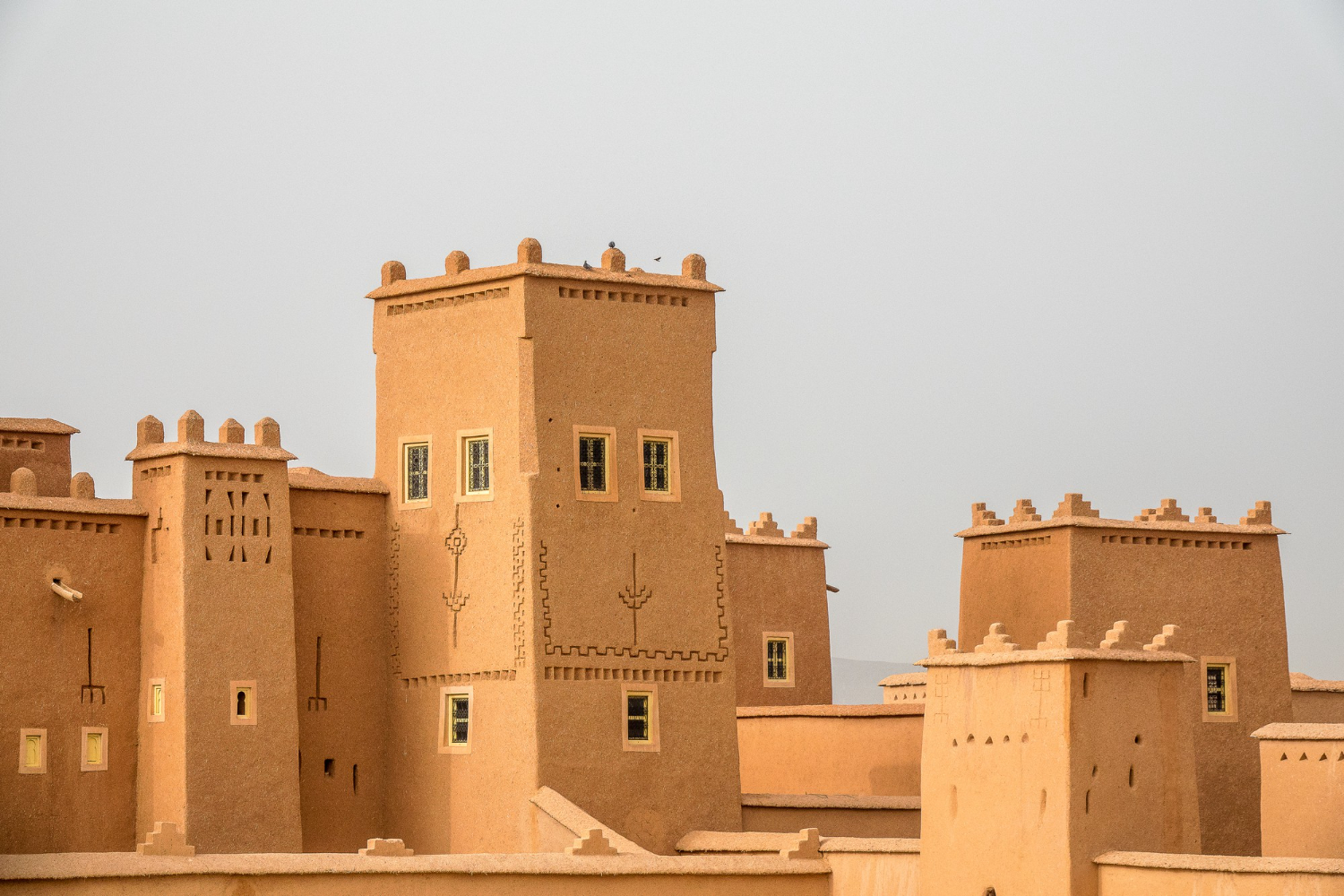
Moroccan mint tea is a ceremony as much as a beverage, and consumption is correspondingly high.
Morocco ranks among the world’s top tea consumers, with per-person figures commonly cited around 1.2 kilograms annually, built on one of the most recognizable tea traditions anywhere: green tea prepared with fresh mint and sugar, poured from a height into small glasses to aerate it and build a foam on top. The preparation and serving carry real ceremonial weight, and refusing an offered glass is a real social misstep. Moroccan mint tea is among the most photographed drinks in the world, and the country’s consumption figures show it’s far more than a tourist experience.
7. Pakistan — Chai as the Default Drink
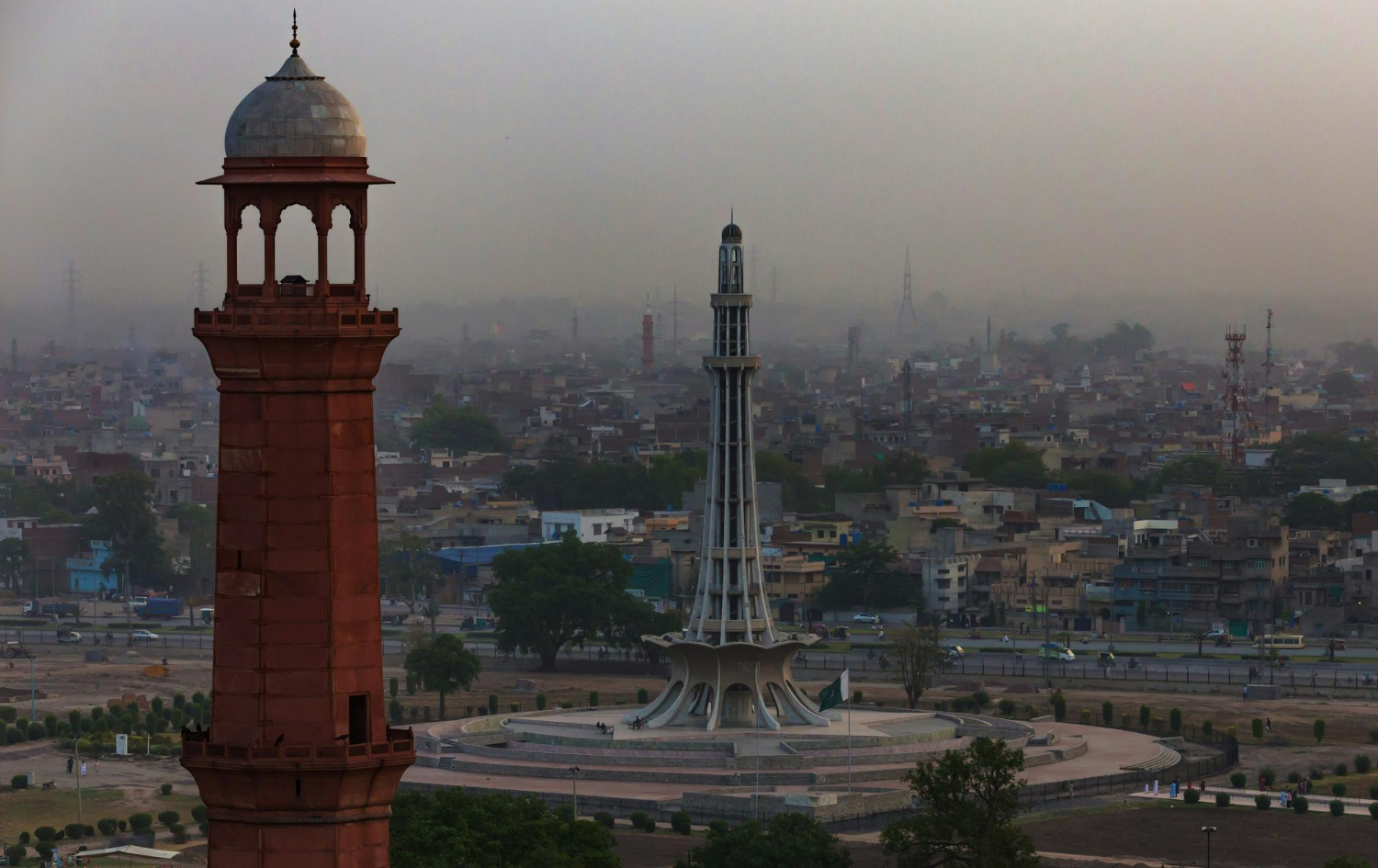
Tea is woven into daily life across Pakistan, driving high per-person consumption.
Pakistan ranks high on the global tea table, with per-person figures commonly cited around 1.5 kilograms a year. Tea — typically milky, sweet, and spiced or plain depending on region — is the default hot drink across the country, consumed at home, at work, and at roadside stalls throughout the day, and it plays the social role that coffee occupies in much of the West. Pakistan is also one of the world’s largest tea importers, since domestic production is limited relative to demand, which is itself a striking measure of just how much the country drinks.
8. Egypt — Strong, Sweet, and Everywhere
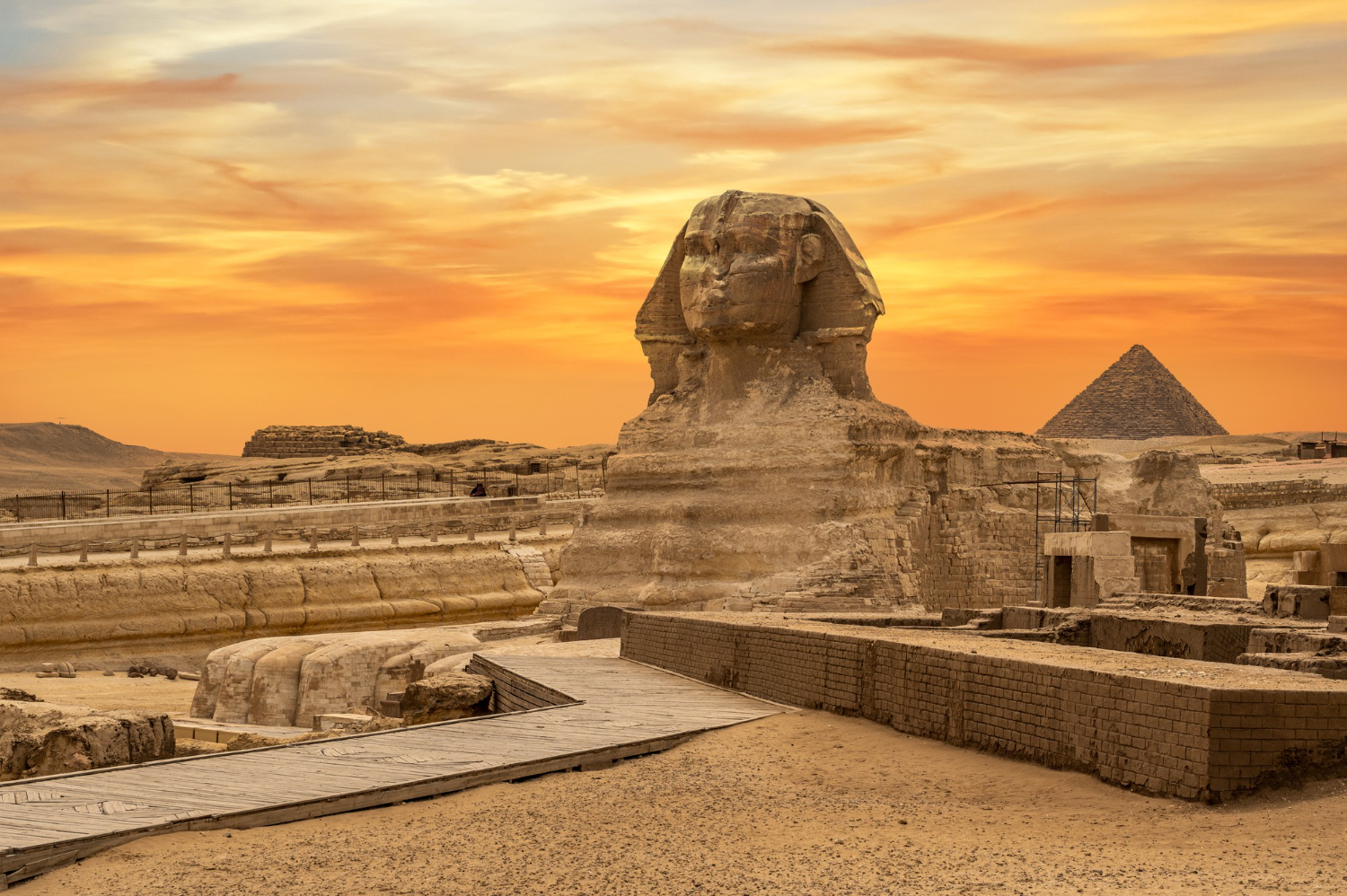
Egyptian shai is a constant presence, from cafés to workplaces to homes.
Egypt ranks among the world’s significant tea consumers, with per-person figures commonly cited around one kilogram a year. Egyptian tea, known as shai, is typically strong black tea served sweet, often in a glass, and sometimes flavored with fresh mint. It’s a fixture of café life, hospitality, and the working day, offered to guests and customers as a matter of course. Tea holds a place in Egyptian daily culture comparable to the role it plays in Turkey and Morocco — less a treat than an assumed part of ordinary social interaction.
9. Chile — South America’s Tea Outlier
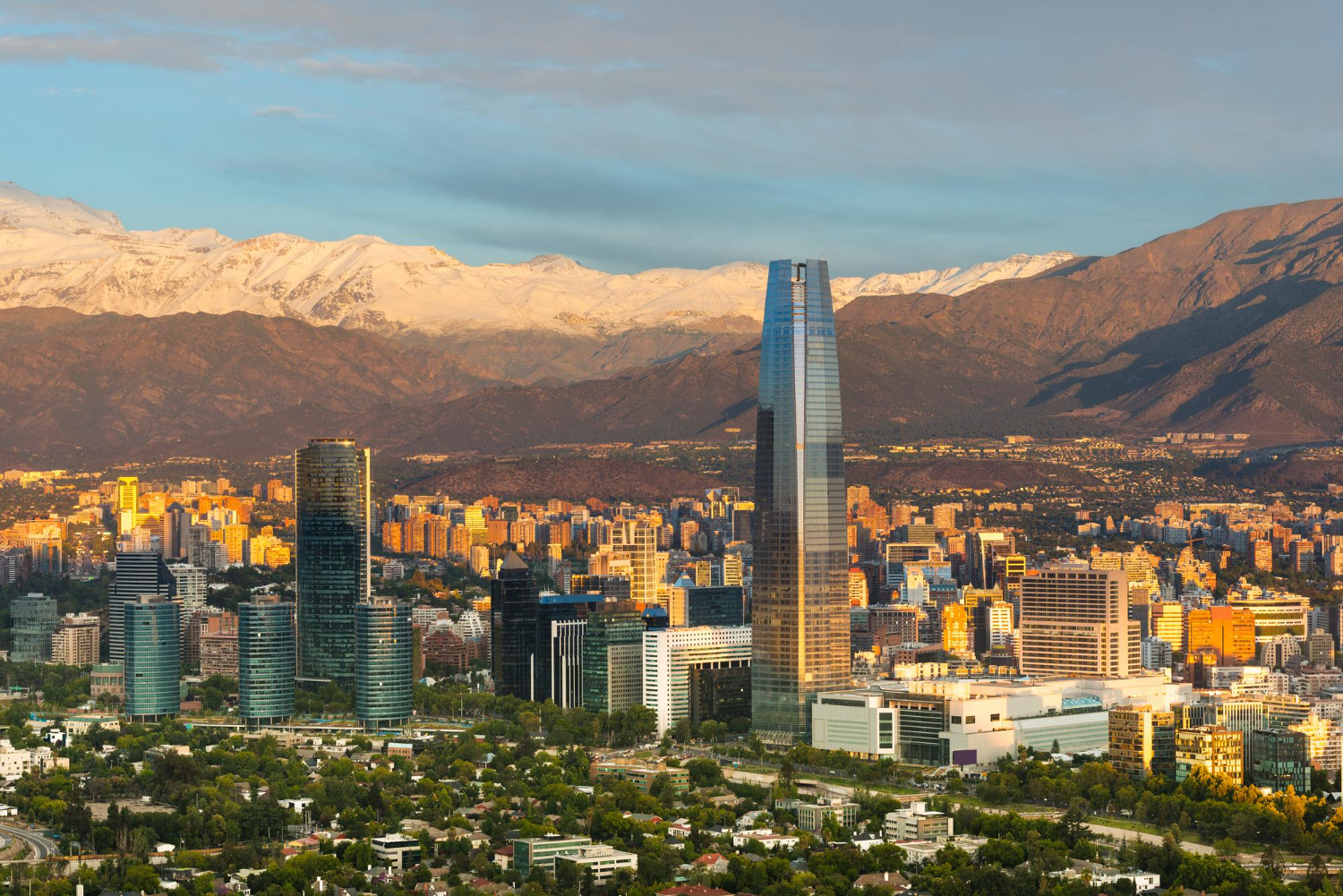
In a coffee-and-mate continent, Chile stands out as a serious tea-drinking nation.
Chile is the surprise entry on most versions of this list, ranking among the world’s higher per-person tea consumers with figures commonly cited around 1.2 kilograms annually — an unusual profile for South America, where coffee and yerba mate dominate elsewhere. The Chilean tradition of “once,” an afternoon tea-and-bread ritual roughly analogous to British teatime, is a real daily institution and helps explain the numbers. Chile’s placement is a good reminder that tea-drinking cultures develop for local historical reasons and don’t map neatly onto continents.
10. The United States — Near the Bottom of the Table

The country that staged the Boston Tea Party now barely drinks any, per person.
And here’s the American reveal, and it’s a steep one: the United States ranks far down the global per-person tea list, with figures commonly cited well under half a kilogram per person a year — a fraction of Turkey’s total and behind essentially every country above. The explanation is straightforward: America is a coffee nation, and has been for a very long time. What tea Americans do drink skews heavily toward iced tea, which is a real regional institution in the South, and toward convenience formats rather than the daily loose-leaf ritual that drives consumption elsewhere. For a country whose founding mythology features tea being thrown into a harbor, the modern figures are a fittingly ironic footnote.
Reading the Tea Leaves

Turkey running away with it, Ireland outdrinking Britain, Morocco and Iran and Egypt showing that hospitality customs move the numbers more than anything else, and an America barely on the board — the tea rankings reward daily ritual over reputation. The countries at the top are the ones where offering tea is not a choice but a social expectation.
For travelers, the list doubles as an itinerary of hospitality: a tulip glass in a Turkish tea garden, mint tea poured from a height in Morocco, glasses from a Russian samovar, or the ceremony of Iranian teahouse culture. Each is a small window into how a society treats a guest. And for Americans, there’s an easy way to move up the table, requiring nothing more than a kettle and the willingness to put the coffee down for one afternoon.
Like our content? Follow us for more.