The story of invention is usually told as a story of intent: someone identifies a problem and engineers a solution. But a surprising share of the objects in an ordinary house arrived by a completely different route — a failed experiment, a contaminated sample, a spill, a mistake — noticed by someone curious enough to ask why it happened instead of simply cleaning it up. Here are ten everyday things that exist because something went wrong.
1. The Microwave Oven
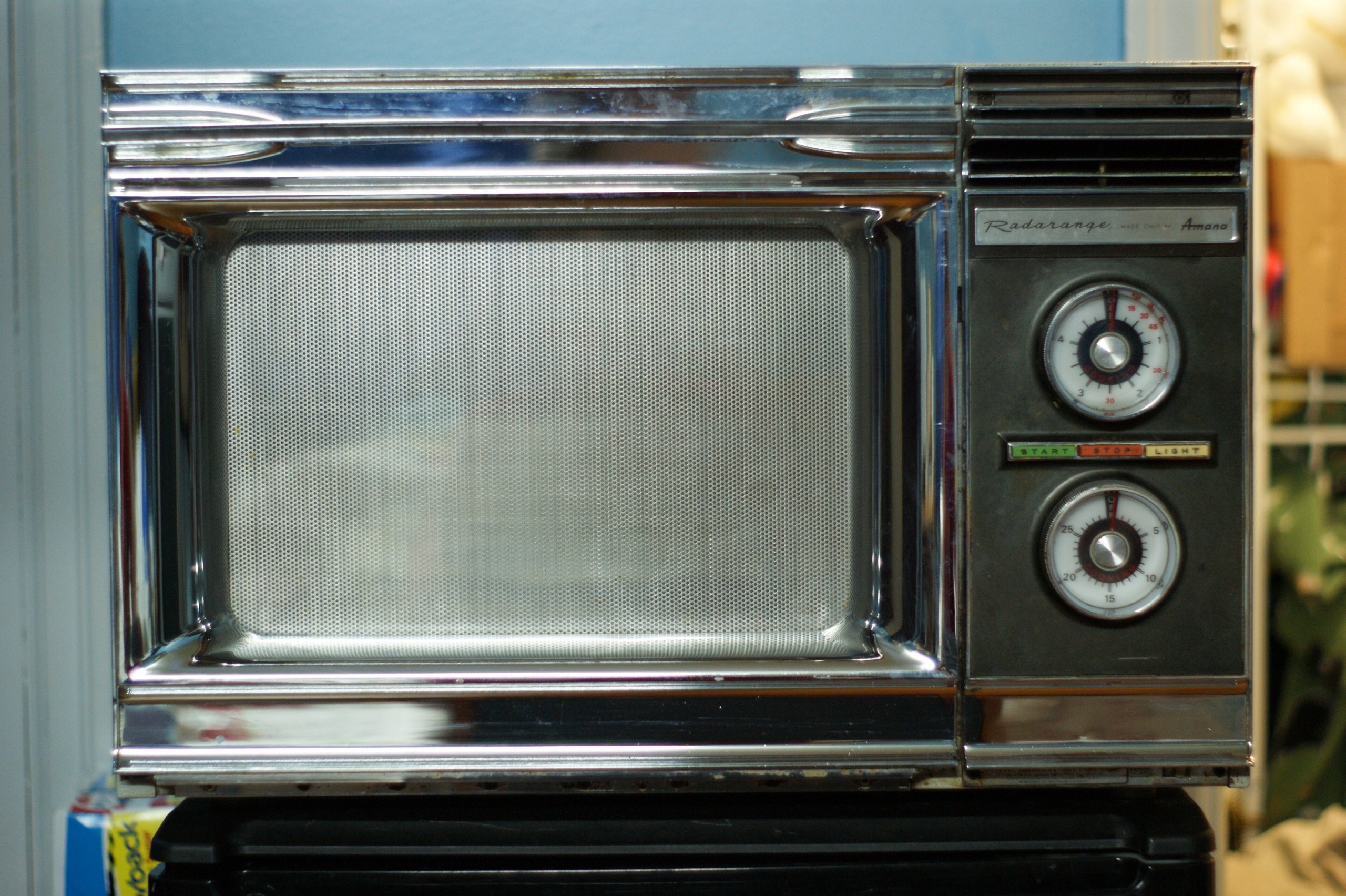
An engineer noticed the candy in his pocket had melted while he stood near radar equipment.
The most famous accidental invention began with a ruined snack. In the 1940s, an American engineer named Percy Spencer was working with magnetrons — the components that generate microwaves for radar systems — when he noticed that a candy bar in his pocket had melted. Curious rather than annoyed, he tested the effect deliberately, reportedly with popcorn kernels and then an egg, and confirmed that the microwave energy was heating food. The first commercial microwave ovens followed, enormous and expensive, and the technology eventually shrank into the appliance now sitting in most kitchens on Earth.
Like our content? Follow us for more.
2. The Sticky Note
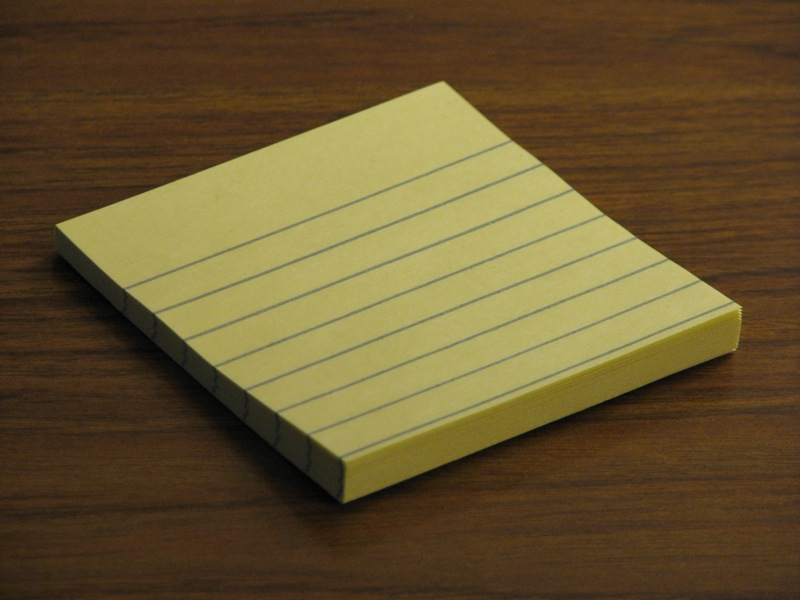
A chemist’s failed attempt at a strong adhesive sat useless for years before someone found a use.
The adhesive came first, and it was a disappointment. In the late 1960s, a chemist trying to develop a very strong adhesive instead produced one that was weak, pressure-sensitive, and reusable — it stuck lightly and peeled off cleanly, which was the opposite of the goal. It sat without a purpose for years until a colleague, frustrated that bookmarks kept falling out of his hymnal, realized the useless glue was perfect for a note that could be attached and removed without damage. The resulting product went on to become a fixture of every office in the world.
3. Safety Glass
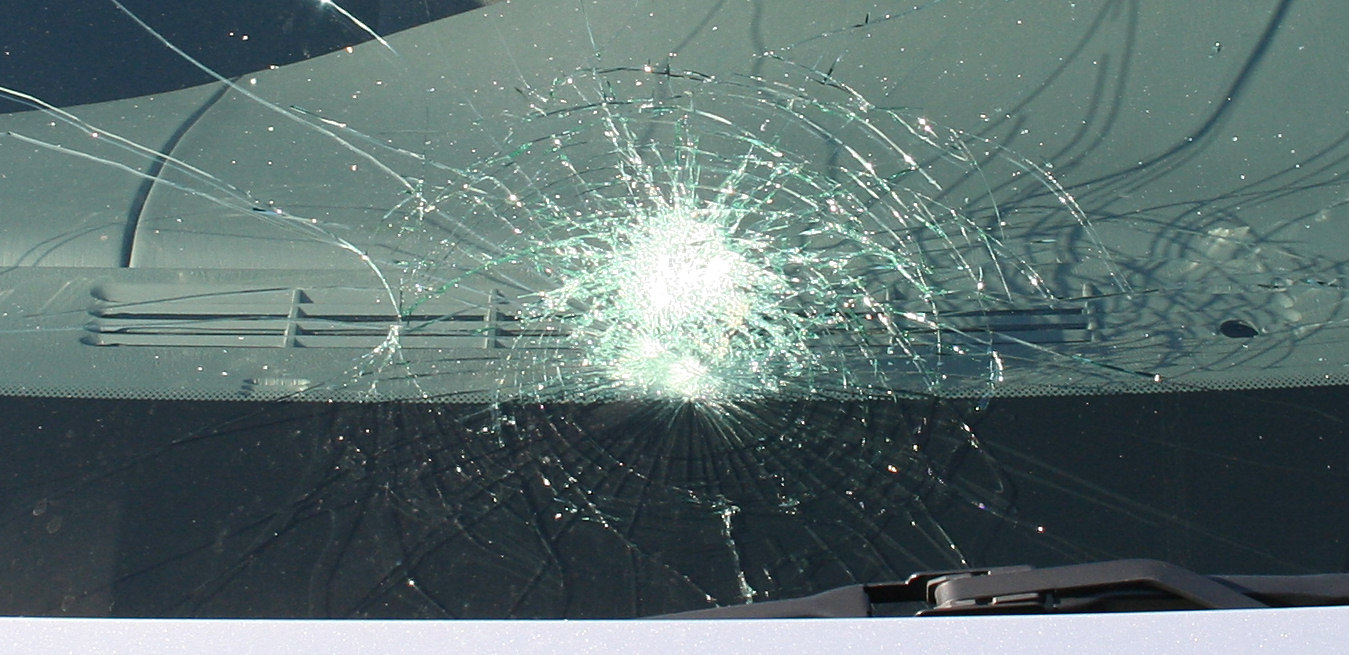
A chemist knocked a coated flask off a shelf and noticed it cracked without shattering apart.
In the early 1900s, a French chemist reportedly knocked a glass flask from a shelf and was surprised that it cracked but held its shape rather than breaking into pieces. The flask had contained a plastic solution that had evaporated, leaving a thin film lining the interior that held the fragments in place. He recognized the potential immediately, and the principle — a plastic layer bonded between sheets of glass — became laminated safety glass, which is why a modern windshield spiders into a web instead of exploding into the cabin. It is one of the highest-impact accidents on this list.
4. Velcro
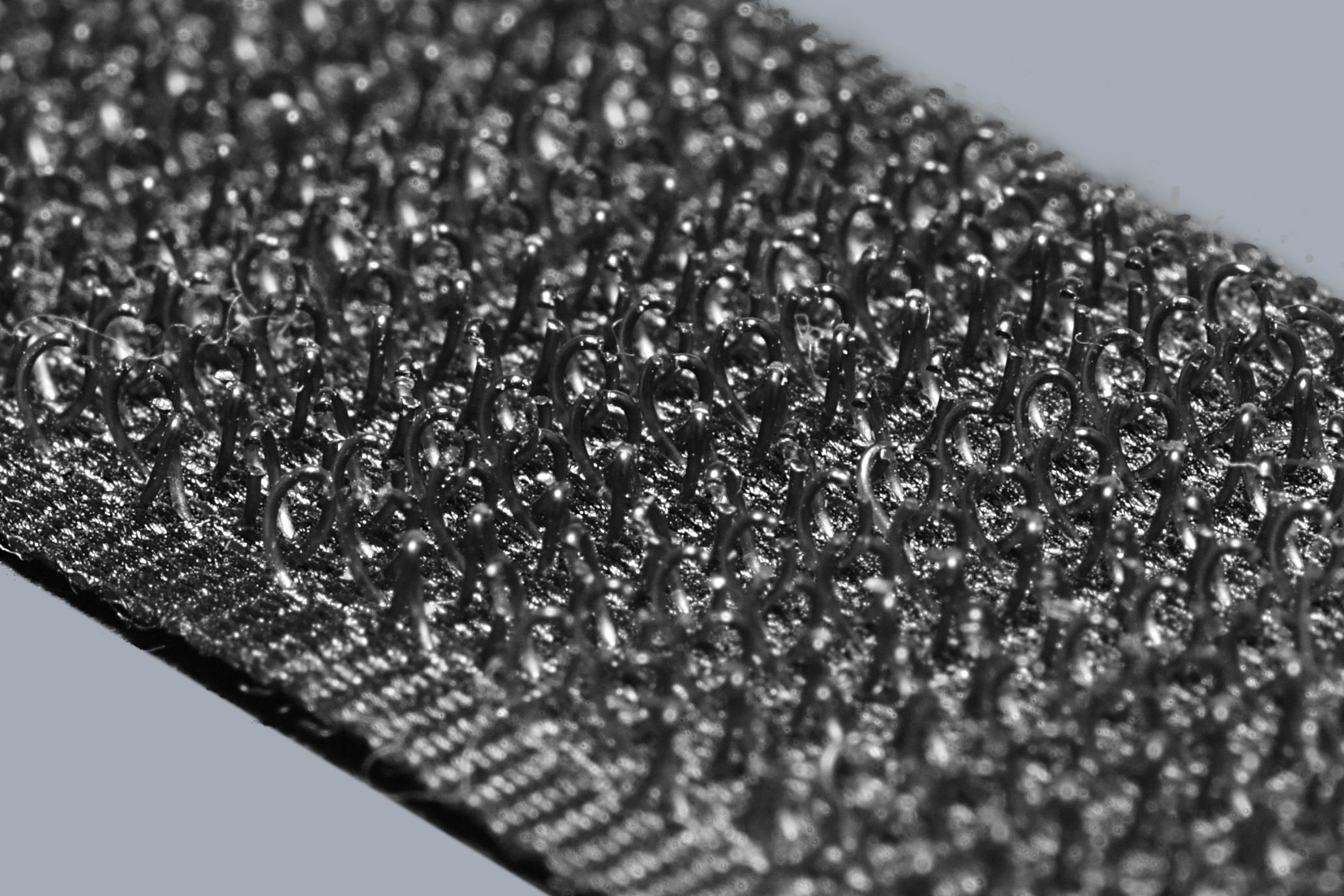
A walk in the woods left burrs stuck to a dog’s fur — and an engineer looked at them under a microscope.
In the 1940s, a Swiss engineer returning from a hunting walk found burdock burrs clinging stubbornly to his clothes and his dog’s coat. Instead of picking them off and forgetting it, he examined one under a microscope and found the burrs were covered in tiny hooks that caught in loops of fabric and fur. He spent years working out how to reproduce the mechanism synthetically, and the hook-and-loop fastener that resulted became ubiquitous — on shoes, jackets, bags, medical equipment, and famously in spaceflight. Nature had solved the problem; he simply noticed.
5. The Slinky

A spring fell off a shelf on a ship and walked its way down instead of clattering to the floor.
During the Second World War, a naval engineer working on springs to stabilize sensitive shipboard instruments knocked one of his samples off a shelf. Instead of falling, the spring tipped over end-over-end, walking itself down a stack of books and onto the floor in a smooth cascade. He took the idea home, worked out the right steel and tension to make the effect reliable, and the result became one of the most enduring toys ever made — a product that has sold in enormous numbers for decades and that exists purely because someone watched a dropped part behave unexpectedly.
6. Modeling Compound for Children
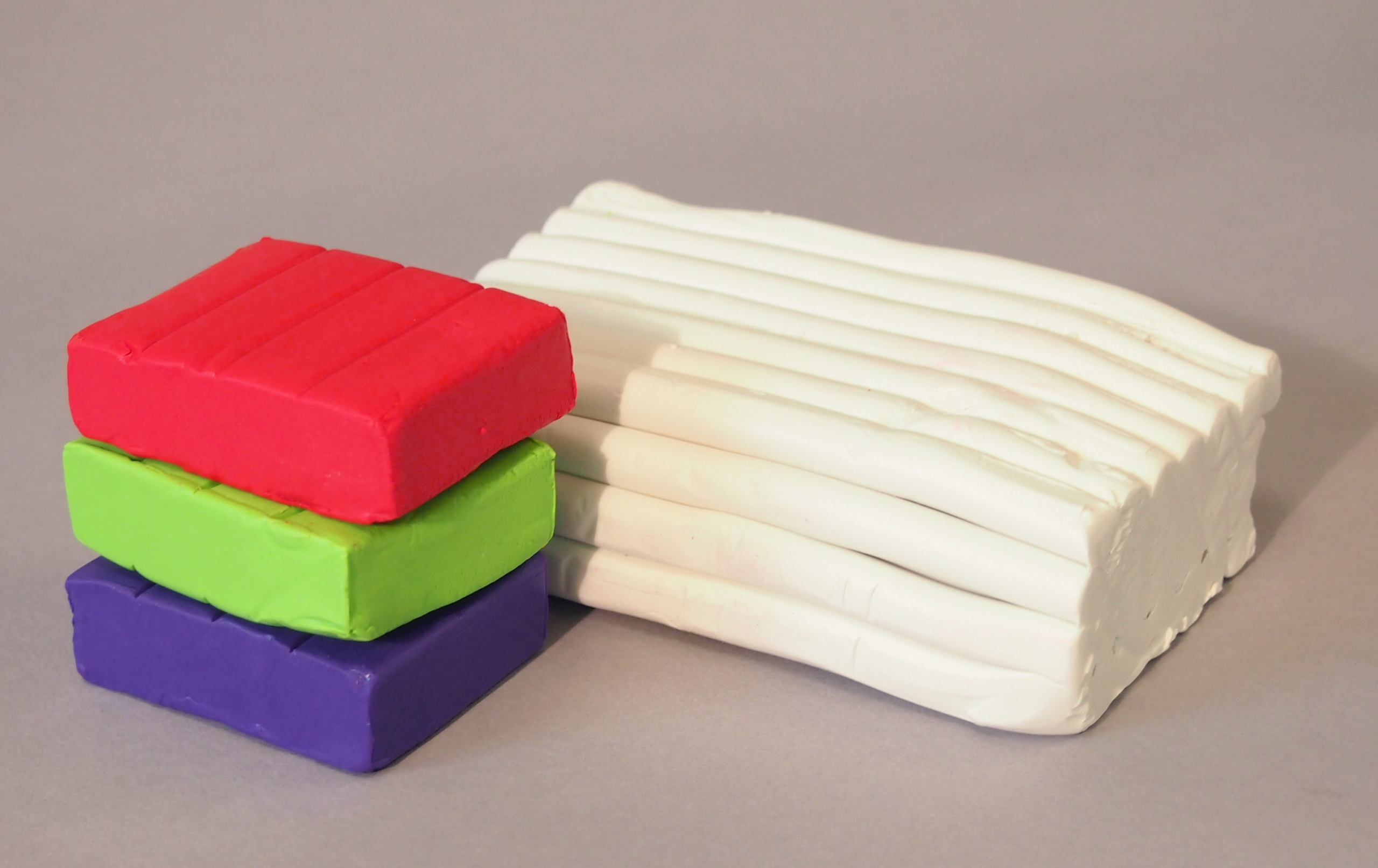
A wallpaper-cleaning product was failing in the market until a teacher started using it for crafts.
One of the great accidental pivots in product history: a soft, pliable putty was originally manufactured to clean soot off wallpaper in homes heated by coal. As households switched to cleaner heating and washable wallpaper arrived, demand collapsed and the company faced ruin. Then word reached them that a schoolteacher had been using the putty as a modeling material in her classroom, where children loved it. The company reformulated it, removed the cleaning agent, added color, and relaunched it as a toy — turning a dying industrial product into a permanent fixture of childhood.
7. The Pacemaker’s Internal Version

A researcher grabbed the wrong component and built a device that pulsed instead of recording.
An American engineer working in the 1950s on a device to record heart sounds reached into a box and used a resistor of the wrong value. The circuit he built didn’t record anything — it emitted a steady electrical pulse, at a rhythm strikingly similar to a human heartbeat. He recognized what he was looking at, and the mistake led him toward the development of an implantable cardiac pacemaker, a device that has since extended enormous numbers of lives. It’s the rare accident on this list where the stakes were truly life and death, and it started with grabbing the wrong part from a bin.
8. Super Glue
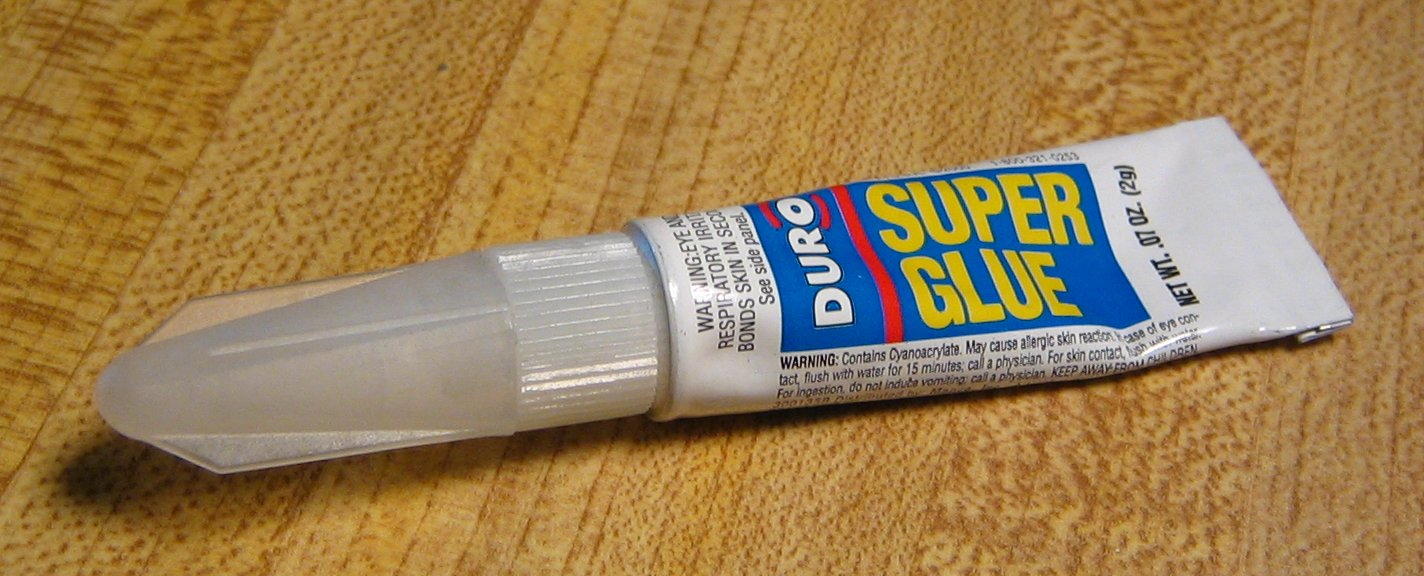
A researcher rejected a sticky compound twice before realizing the stickiness was the product.
During the Second World War, a research team was working on clear plastics for gun sights when they produced a compound that stuck instantly and ferociously to everything it touched — ruining equipment and rendering it useless for the intended purpose. It was set aside. Years later, working on a different project, the same researcher encountered the substance again and this time recognized that the property making it a failure was a commercial product in its own right. Cyanoacrylate adhesive was marketed shortly afterward and has been bonding, and accidentally gluing fingers together, ever since.
9. Vulcanized Rubber
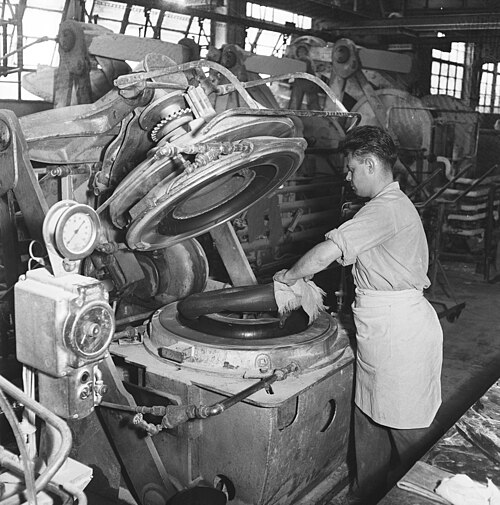
An inventor spilled a rubber-and-sulfur mixture onto a hot stove and produced exactly what he’d spent years chasing.
Natural rubber was nearly useless for most of its early commercial life — sticky and soft in heat, brittle and cracked in cold. Charles Goodyear spent years and most of his money trying to stabilize it, and by the widely told account the breakthrough came when he accidentally dropped a mixture of rubber and sulfur onto a hot stove and found that the heat transformed it into a durable, elastic, weather-resistant material. Vulcanization made the modern tire possible, and with it an enormous amount of the modern world. Goodyear himself, in one of history’s crueler footnotes, never profited much from it.
10. Penicillin
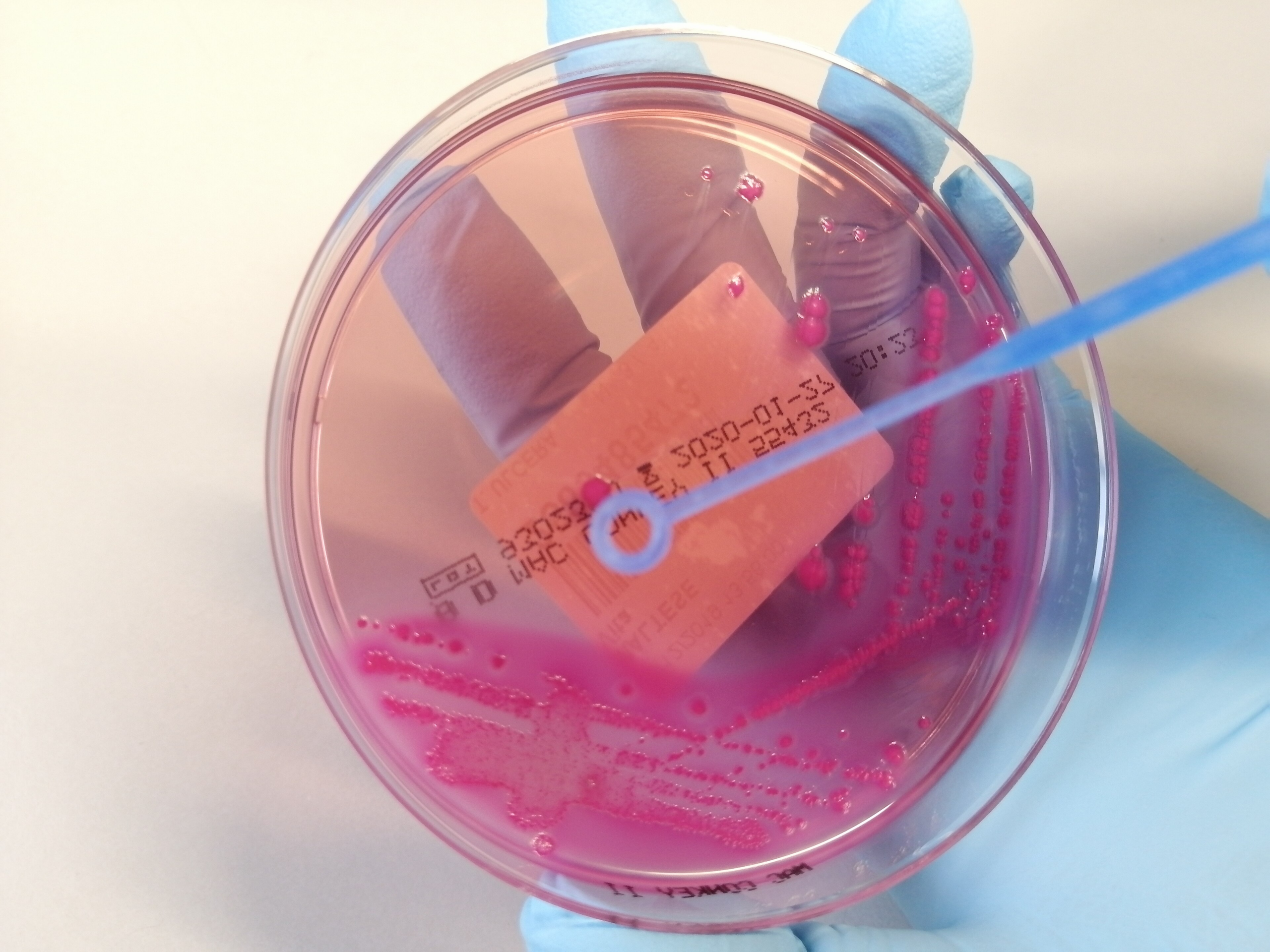
A contaminated dish left out during a holiday launched the antibiotic era.
The most consequential accident in the history of medicine happened because a scientist went on holiday without tidying up. In 1928, Alexander Fleming returned to his London laboratory to find that a culture dish had been contaminated by a mould — and that in a ring around the mould, the bacteria had been destroyed. Rather than discarding the ruined dish, he investigated, identified the substance responsible, and named it penicillin. It took another decade and a separate research team to turn the observation into a usable medicine produced at scale, but the discovery that opened the antibiotic era began with a dirty dish and a scientist who looked closely at his own mess.
The Value of Noticing
A melted candy bar, a failed glue, a dropped flask, some burrs on a dog, a contaminated dish — the common thread running through every one of these stories is not luck but attention. The accidents themselves were unremarkable and had almost certainly happened to other people before.
What separated these cases was somebody stopping to ask why, and being willing to abandon the plan they came in with. Several of these inventions were failures at the job they were meant to do, rescued only when someone recognized that the flaw was a feature aimed at a different problem entirely. There’s a useful lesson in that for anyone who has ever had something go sideways: the mistake is only a mistake until somebody figures out what it’s actually good for.
Like our content? Follow us for more.