Every so often the planet produces a landscape so far outside ordinary experience that photographs of it get accused of being fake. Strange geology, isolated evolution, and extreme chemistry have combined in a handful of places to create scenery that looks borrowed from science fiction — and all of it is real, reachable, and open to visitors willing to travel. Here are ten of the most otherworldly places on Earth.
1. Socotra, Yemen — The Island of Dragon’s Blood Trees
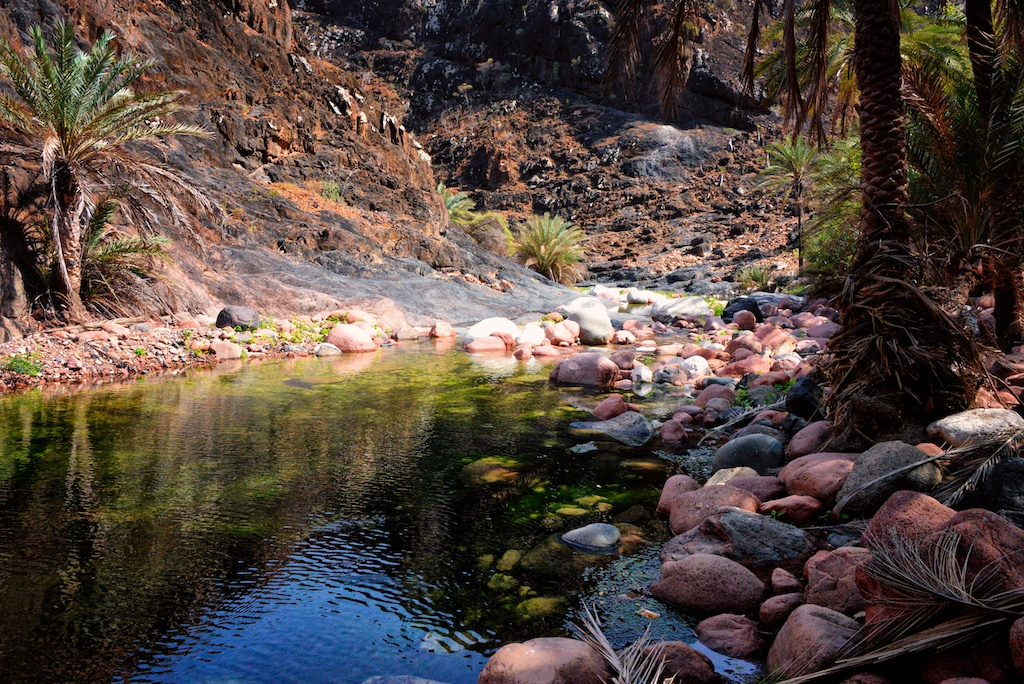
An isolated island where a third of the plant life exists nowhere else on the planet.
Socotra is the most convincingly alien place on Earth, an island in the Arabian Sea that has been isolated for so long that evolution took its own path there. Its signature is the dragon’s blood tree — a species with a dense, flat, upturned canopy that looks like an umbrella blown inside out, bleeding red sap when cut — growing in groves across the rocky highlands alongside swollen-trunked bottle trees and an extraordinary array of endemic plants. A large share of Socotra’s plant species grow nowhere else, and the island is a UNESCO World Heritage Site. Access depends on regional conditions and requires careful planning through specialist operators.
Like our content? Follow us for more.
2. Salar de Uyuni, Bolivia — The World’s Largest Mirror
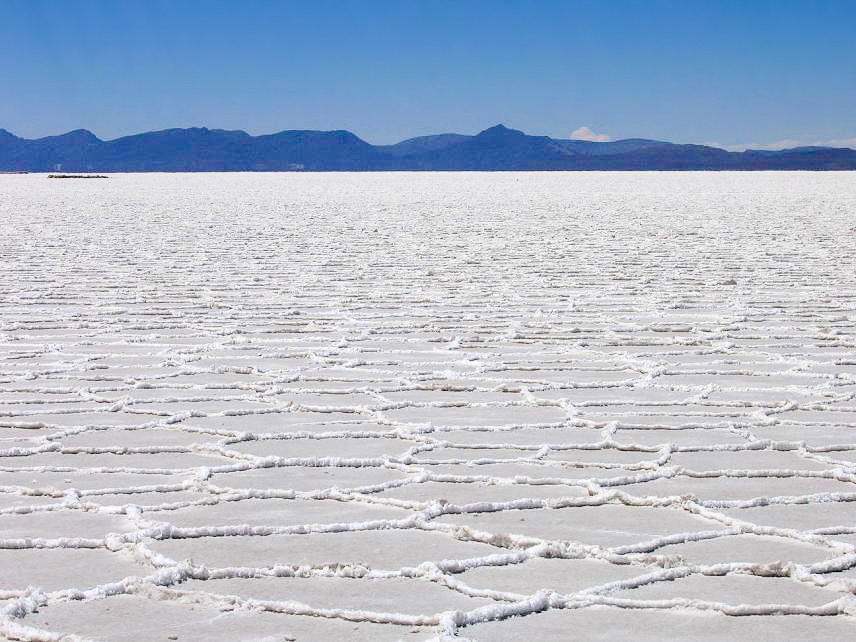
The biggest salt flat on Earth reflects the sky so perfectly the horizon disappears.
Salar de Uyuni is the largest salt flat in the world, a blinding white expanse in the Bolivian highlands stretching beyond the horizon in every direction. In the dry season it’s a cracked hexagonal crust of salt under enormous sky; in the wet season a thin film of water turns the entire surface into a mirror so flawless that sky and ground merge and visitors appear to be walking through clouds. The flatness is so extreme that the site is used to calibrate satellite instruments. It’s one of the most photographed landscapes on the planet, and no photo quite prepares you for it.
3. Cappadocia, Turkey — Stone Chimneys and Underground Cities
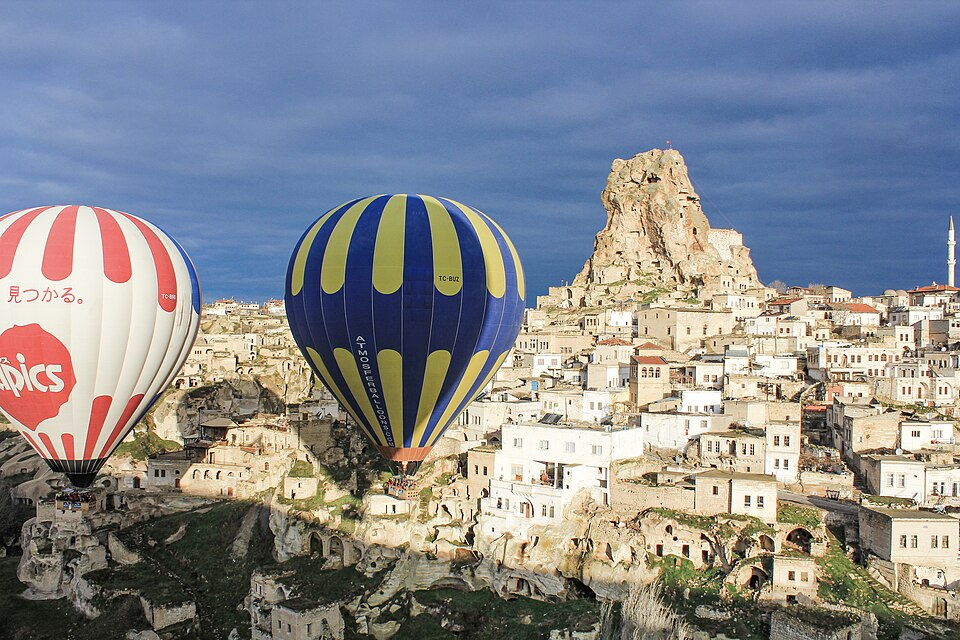
Volcanic rock eroded into spires that people carved into homes and entire hidden cities.
Cappadocia’s landscape formed when soft volcanic rock eroded unevenly, leaving thousands of tapering stone spires — the so-called fairy chimneys — standing across the valleys of central Turkey, many capped by a harder boulder that shielded the column beneath. What makes it stranger is what people did with it: the soft stone was carved into dwellings, churches, and multi-level underground cities capable of sheltering thousands. Today the valleys are best seen at dawn from a hot-air balloon, when hundreds rise together over the spires, and many visitors stay in hotels carved directly into the rock.
4. Zhangye Danxia, China — The Rainbow Mountains
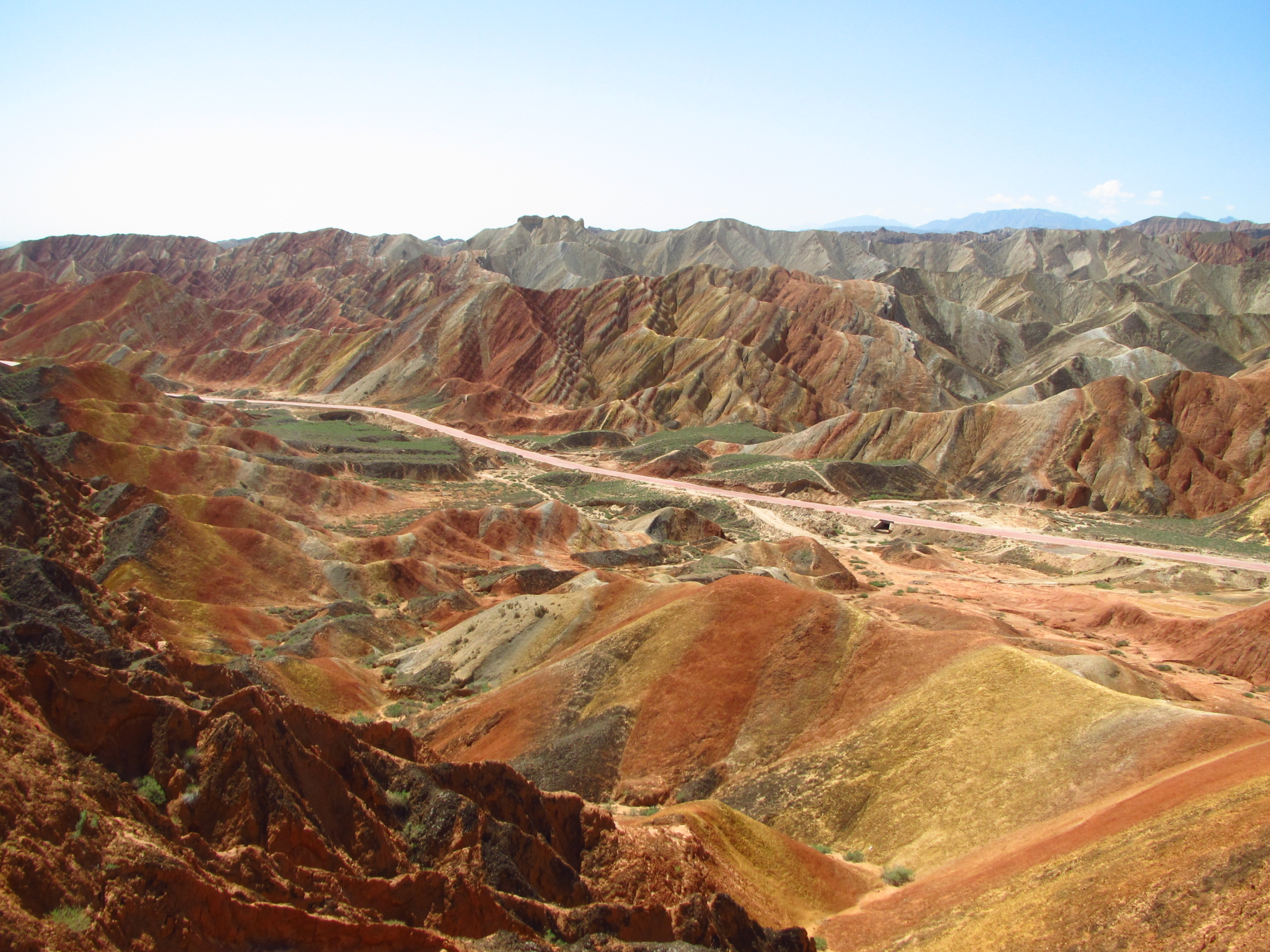
Hills striped in bands of red, orange, and blue from layers of mineral-rich rock.
The Danxia landform at Zhangye, in China’s Gansu province, looks like someone painted the hills. Layers of sandstone and mineral deposits laid down over many millions of years were tilted, folded, and then eroded, exposing bands of red, orange, yellow, and blue-grey running across the slopes in undulating stripes. The effect is strongest in certain light and after rain, when the colors deepen dramatically. The site is part of a UNESCO-listed area, with boardwalks and viewing platforms built to protect the fragile surface while giving visitors the full view.
5. Pamukkale, Turkey — The Cotton Castle
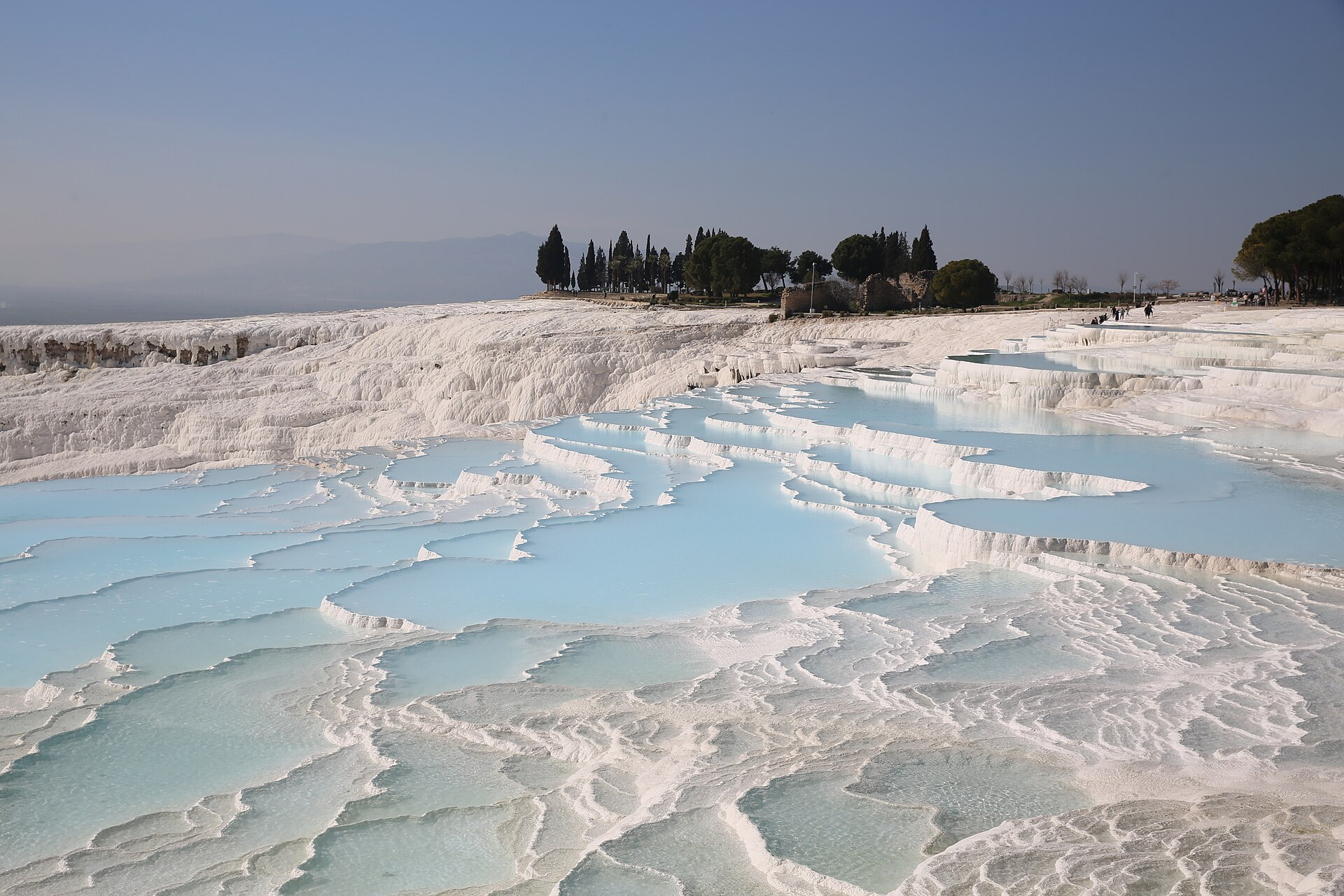
Brilliant white mineral terraces filled with pools of warm turquoise water.
Pamukkale — Turkish for “cotton castle” — is a hillside of blinding white travertine terraces formed over millennia by mineral-rich hot springs depositing calcium carbonate as they flow down the slope. The result is a cascade of shallow, scalloped pools holding warm turquoise water against dazzling white stone, visible from miles away. Perched at the top are the ruins of the ancient Greco-Roman spa city of Hierapolis, whose residents came for the same waters. Access is carefully managed to protect the terraces — visitors walk barefoot on designated paths.
6. Wadi Rum, Jordan — The Valley of the Moon
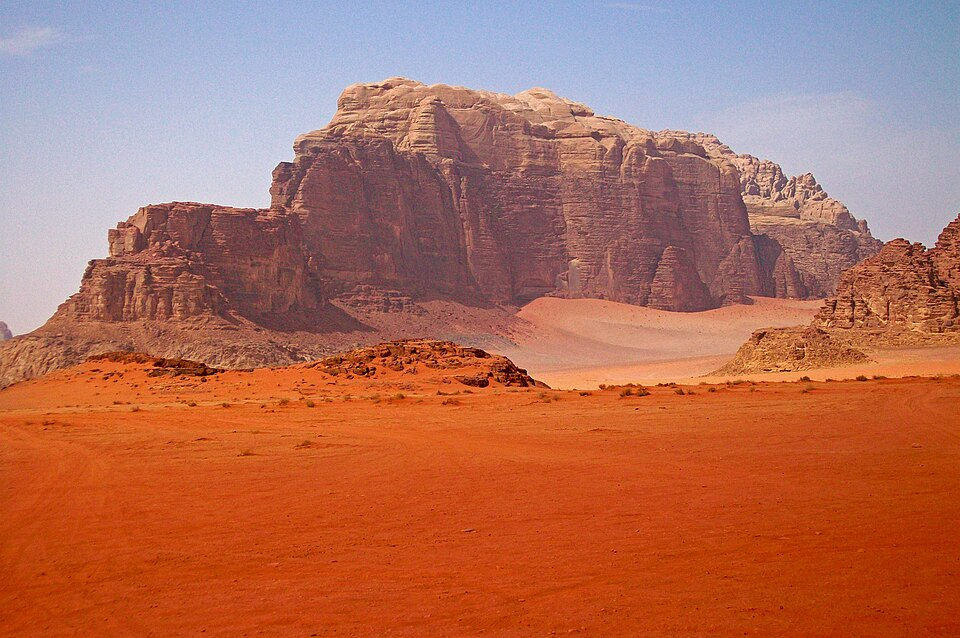
A red sandstone desert so Mars-like that films set on Mars are shot here.
Wadi Rum is a vast desert valley in southern Jordan where enormous sandstone and granite formations rise abruptly from red sand in sheer cliffs, arches, and towers. Known as the Valley of the Moon, it has become the go-to filming location for cinematic Mars, appearing as the red planet in numerous productions — and standing in the middle of it, the casting decision needs no explanation. A UNESCO World Heritage Site long inhabited by Bedouin communities, it’s typically visited by four-wheel-drive tour or camel, with overnight stays in desert camps where the night sky is spectacular.
7. Lake Hillier, Australia — The Bubblegum-Pink Lake
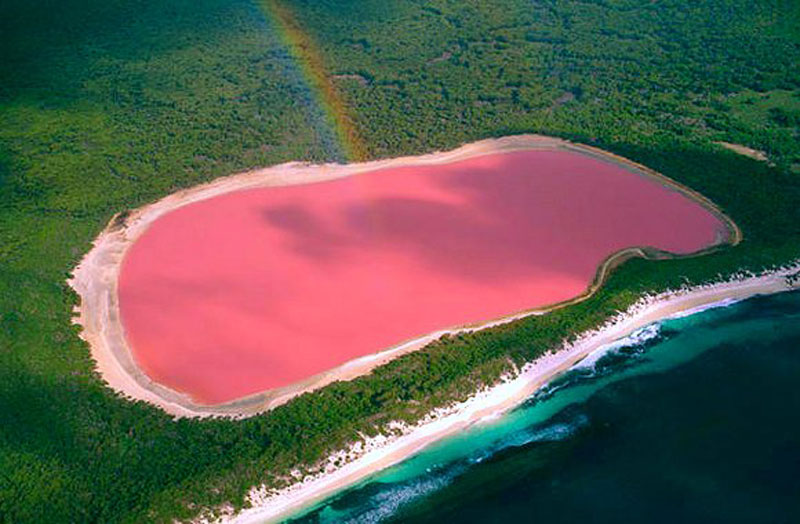
A vivid pink lake sitting a few hundred feet from deep blue ocean.
On an island off the coast of Western Australia sits Lake Hillier, a small lake of an improbable bubblegum pink, separated from the deep blue Southern Ocean by only a narrow strip of sand and trees. The color is stable rather than a trick of the light and is attributed to salt-loving microorganisms and algae thriving in the hypersaline water. The aerial view — pink lake, white sand, blue ocean, green scrub — is one of the most striking sights in Australia, and because access on the ground is very limited, most visitors experience it by scenic flight.
8. Fly Geyser, Nevada — The Accidental Alien Fountain
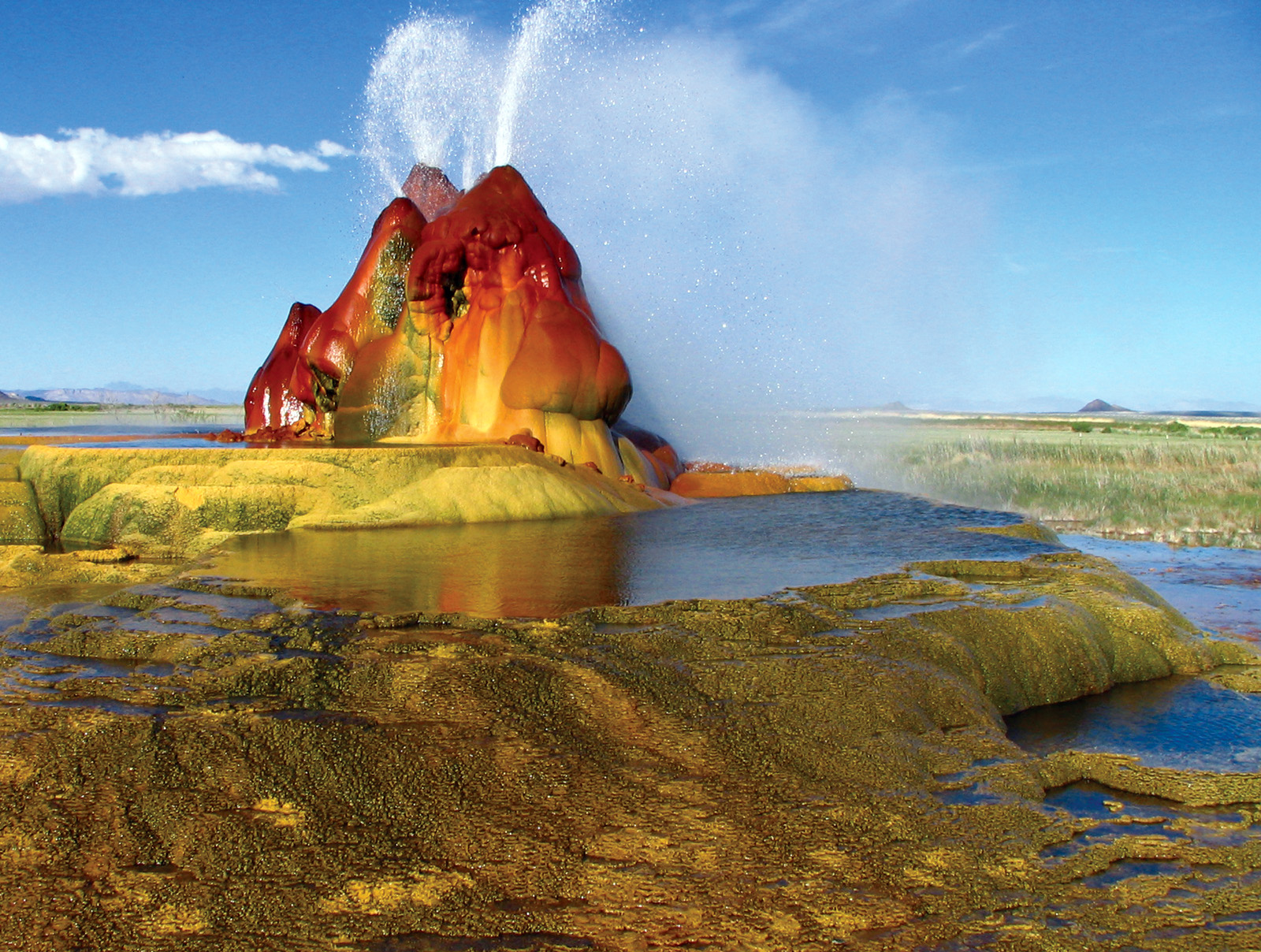
A multicolored mineral cone spraying water, created entirely by accident.
Fly Geyser, in the Nevada desert, looks like a coral organism from another world: a cluster of mounds several feet high, streaked in brilliant red, orange, and green, continuously spraying geothermal water in fine jets while terraced pools spread out below. The colors come from thermophilic algae growing on the mineral deposits. The best part is its origin — the geyser was created accidentally during well drilling in the mid-twentieth century, when geothermal water escaped and began depositing minerals, building the formation ever since. It sits on private land, and access is limited and arranged through the landowner.
9. Giant’s Causeway, Northern Ireland — Nature’s Hexagonal Pavement
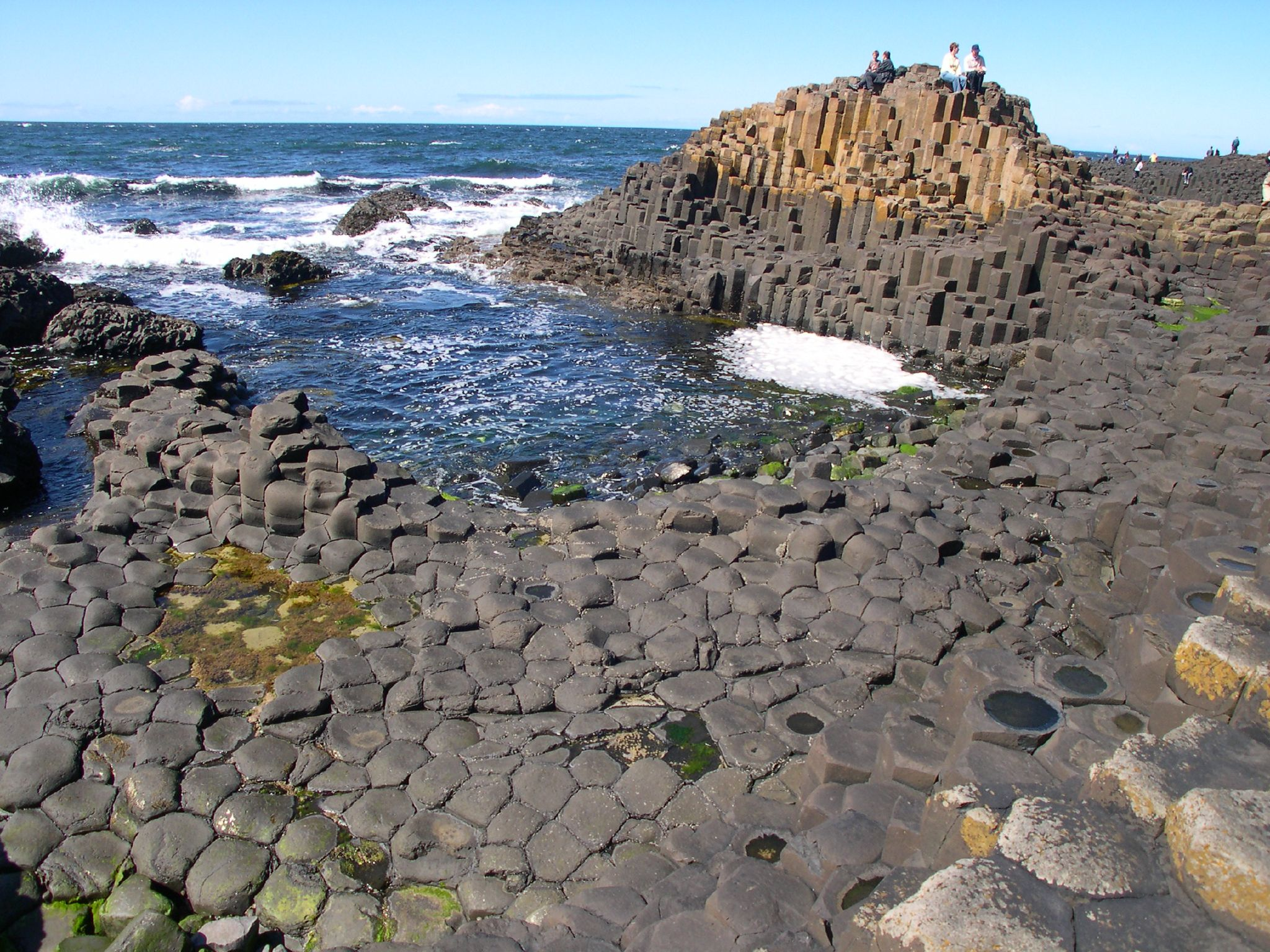
Forty thousand interlocking basalt columns forming a stepped causeway into the sea.
The Giant’s Causeway is a coastal expanse of roughly 40,000 interlocking basalt columns, most of them near-perfect hexagons, packed together into a stepped platform that runs down into the North Atlantic. They formed when a massive lava flow cooled and contracted, fracturing into the geometric pattern — a natural process producing a result so regular it looks manufactured. Legend attributed it to a giant building a road to Scotland, which is roughly the reaction most first-time visitors have. It’s a UNESCO World Heritage Site and Northern Ireland’s most visited natural attraction.
10. Vatnajökull Ice Caves, Iceland — Caverns of Electric Blue
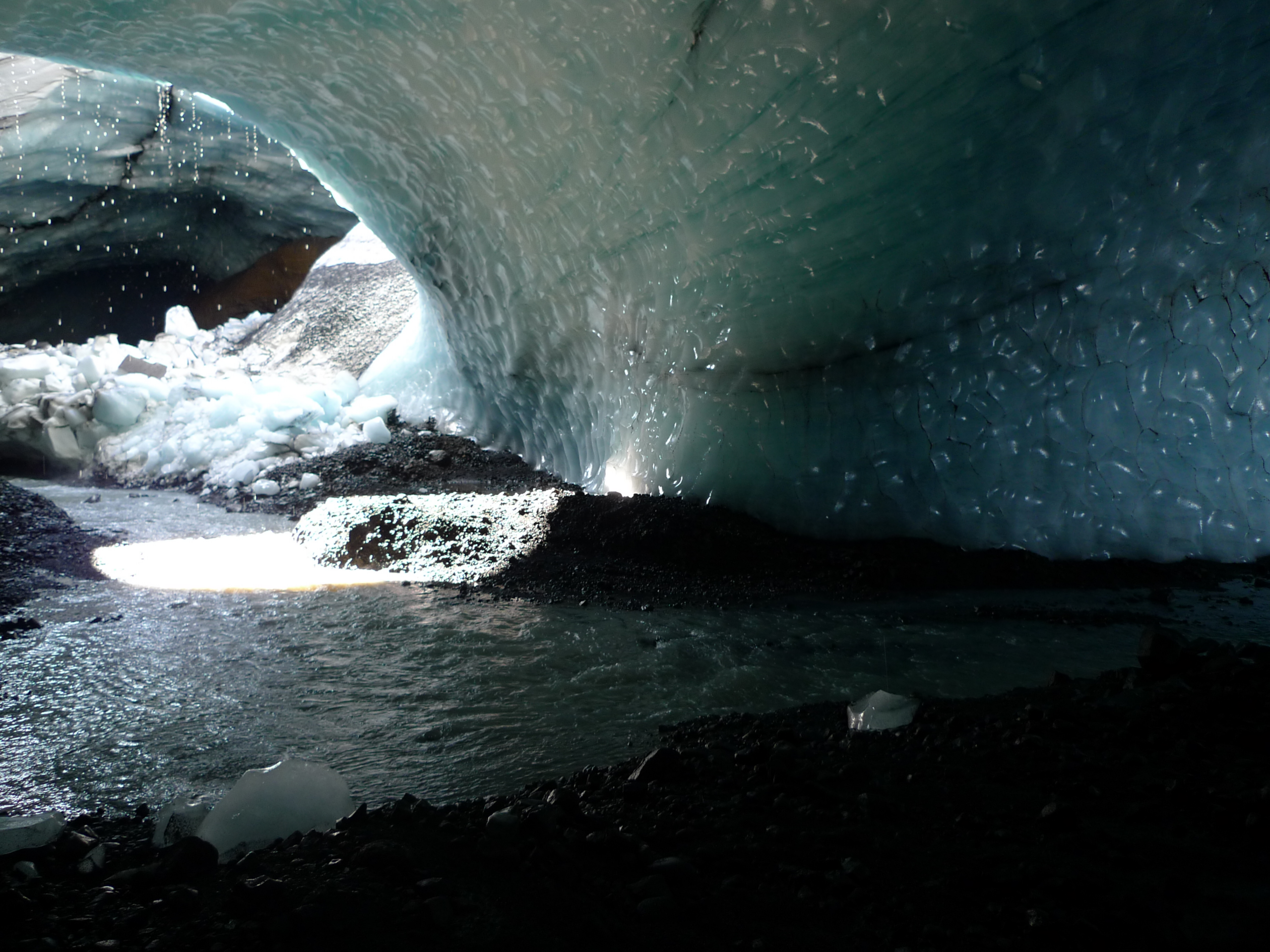
Caves inside a glacier where the ice glows an unearthly blue.
Beneath Iceland’s Vatnajökull — Europe’s largest ice cap by volume — meltwater carves caves through the glacier, and inside them the ice glows a saturated, almost luminous blue. The color comes from the ice being so compressed and free of air bubbles that it absorbs other wavelengths of light and transmits blue, producing walls that look lit from within. The caves are seasonal, forming and collapsing as the glacier moves, so they change from year to year and can only be visited safely in winter with qualified guides. Nowhere else on Earth is quite this color.
The Planet Is Stranger Than It Looks
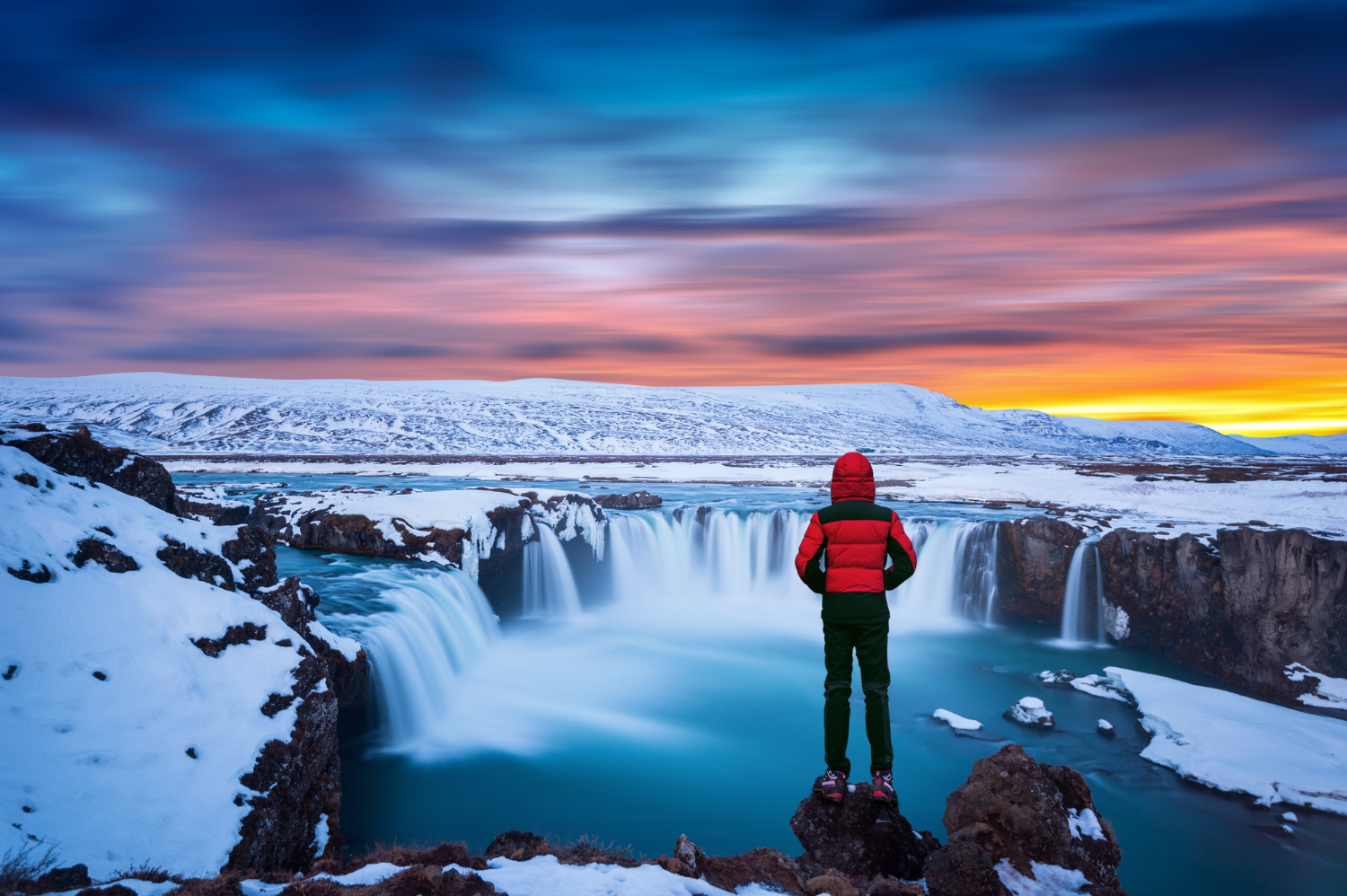
Umbrella trees on an isolated island, a salt flat that becomes a mirror, striped mountains, pink water, hexagonal stone, and caves that glow blue — the strangest landscapes on Earth need no exaggeration and no editing, and every one of them is somewhere a traveler can actually stand.
What links them is that they’re all products of ordinary processes running under unusual conditions — isolation, mineral chemistry, volcanic activity, extreme salinity, compressed ice — pushed far enough that the result stops looking like the planet we’re used to. Several require real effort or specialist guiding to reach, and a few depend on conditions that change by season or year, so research access carefully before committing. But that’s part of the appeal: these are the places that remind you the Earth still has truly strange corners left.
Like our content? Follow us for more.