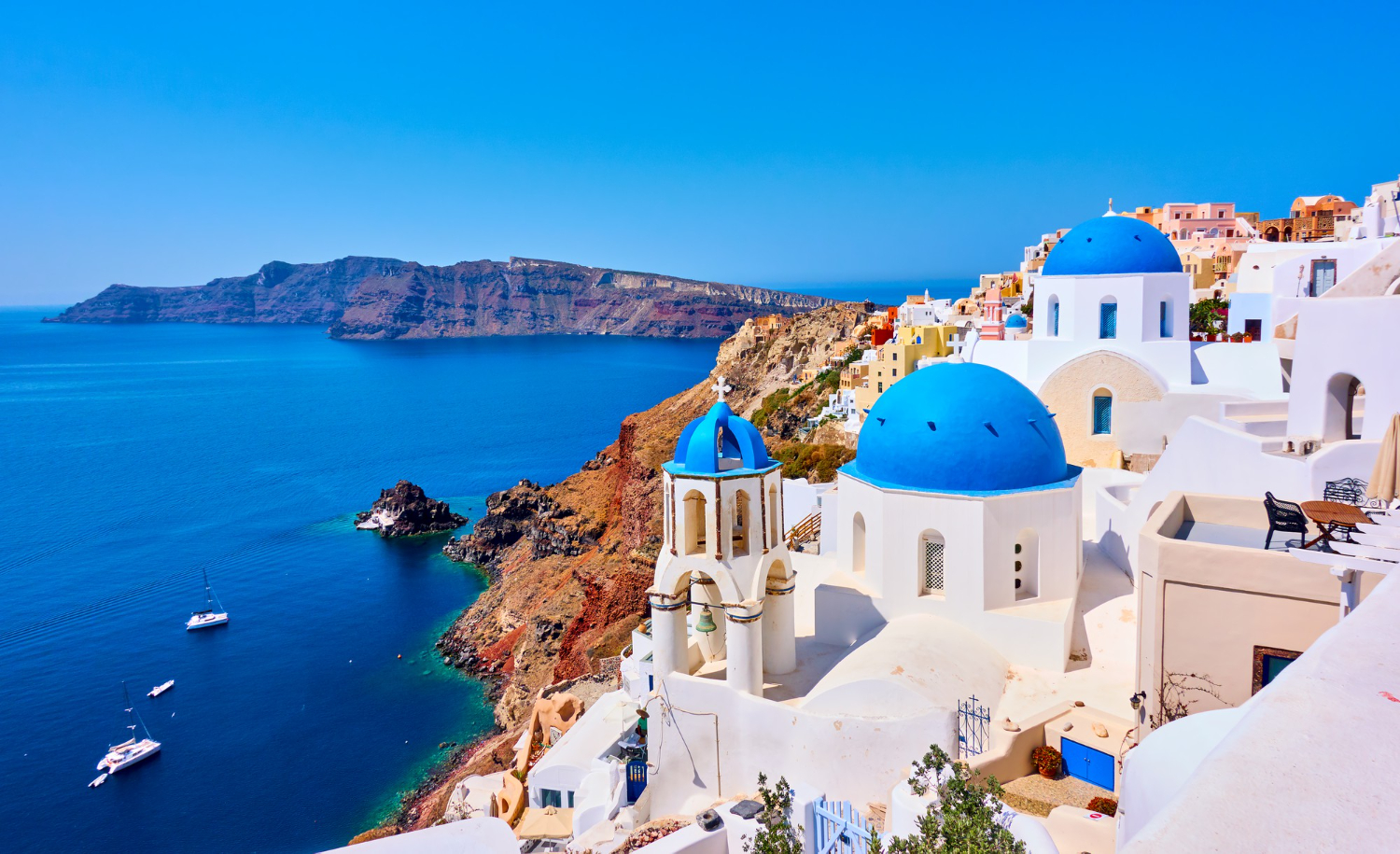
Ikaria is one of the world’s five “Blue Zones” — regions where people live dramatically longer and healthier than global averages. Researchers from National Geographic and Belgian demographers verified the longevity numbers. Here’s what residents actually do — and what the rigorous research shows about which habits actually matter.
In 2009, Belgian demographer Michel Poulain and Italian physician Gianni Pes traveled to a small Greek island in the eastern Aegean Sea to verify a strange statistical anomaly. Researchers had identified that residents of Ikaria — population approximately 8,400 — were reaching age 90 at three times the rate of Americans, and reaching age 100 at approximately 10 times the global average rate. The team’s job was to verify the numbers were real rather than artifacts of poor record-keeping.
The numbers were real. Ikaria became one of just five regions in the world that researcher Dan Buettner has classified as a “Blue Zone” — places where people live measurably longer and healthier than the global average. The other four are Okinawa, Japan; Sardinia, Italy; Nicoya Peninsula, Costa Rica; and Loma Linda, California (a Seventh-day Adventist community).
Since the verification, Ikaria has become a popular subject for longevity research, magazine articles, and tourism marketing. Buettner’s books, multiple Netflix documentaries, and dozens of academic papers have examined the island’s unusual statistics. The interesting finding from rigorous research isn’t a single magical factor — it’s a combination of seven specific lifestyle elements that researchers can document and that visitors can observe.
For Americans interested in longevity research (rather than longevity marketing), the actual evidence about Ikaria reveals patterns that contradict some popular wellness-industry messaging while confirming others. Here are the 7 specific things Ikarian residents do, what the research actually shows, and what travelers can learn from observing the island directly.
1. They walk constantly — but as a side effect of life, not for fitness

Ikaria’s terrain is mountainous, with houses scattered across hillsides connected by winding paths. Most daily activities — getting to a neighbor’s house, tending olive trees, fetching water, going to a small shop — require walking on uneven terrain. According to the 2021 study published in the International Journal of Environmental Research and Public Health, 71.8% of Ikarian residents over 90 had moderate or high physical activity levels (59.5% of women, 85.3% of men).
The crucial detail: the walking isn’t exercise in the American sense. Nobody is wearing fitness trackers or “trying to get steps in.” The walking happens because the island’s geography requires it for daily activities. The cumulative effect — multiple decades of constant low-intensity movement on uneven terrain — produces cardiovascular health, balance, and muscle preservation that gym-based exercise programs struggle to replicate.
For visitors, this is observable: you arrive at a residence after a 15-minute walk on a steep path, and a 92-year-old woman has just done the same walk to bring you tomatoes from her garden. The walking is unmistakably integrated into daily life rather than added to it.
2. They eat from gardens that haven’t changed in generations

The Ikarian diet aligns with what researchers call the Mediterranean diet, but with specific characteristics. The 2021 research study found 62.7% of Ikarian residents over 90 had high adherence to traditional Mediterranean diet patterns. The diet emphasizes:
Wild greens and herbs that grow naturally on the island — many of them foraged rather than cultivated. Ikarians consume more than 150 documented varieties of wild greens, many with measurable medicinal properties (anti-inflammatory compounds, antioxidants, etc.).
Olive oil from local production — most families make their own from family-owned trees. The oil is cold-pressed and consumed within months of production, when its phenolic content (the actual health-supporting compounds) is highest.
Vegetables and legumes — beans, lentils, chickpeas form the protein base of most meals.
Fish — moderate consumption, primarily small fish caught locally.
Goat dairy — particularly fresh goat cheese (rather than the heavy aged cheeses popular elsewhere in Greece). Goat dairy is more digestible than cow dairy for many adults.
Meat occasionally — typically only a few times per month, often at religious festivals.
Bread — sourdough made from local grain, often consumed daily.
Wine in moderation — typically 1-2 glasses per meal, made from local grape varieties.
The deliberate omissions matter as much as the inclusions. Processed foods, packaged snacks, fast food, sugary beverages, and industrial seed oils (the staples of typical American diets) are essentially absent from traditional Ikarian eating patterns. This isn’t about any single magic ingredient — it’s about the absence of multiple modern dietary patterns that researchers have linked to chronic disease.
3. They drink “mountain tea” daily

Ikarians consume large quantities of herbal tea made from local mountain plants. The most common is sideritis (Greek mountain tea, also called “Tea of the Shepherd”), but locals also drink teas made from rosemary, sage, oregano, mint, and dozens of other herbs.
Recent research on sideritis specifically has identified compounds with anti-inflammatory, antioxidant, antimicrobial, and even some cognitive-protective properties. The teas are typically consumed multiple times per day — including in the late afternoon and evening (sideritis is naturally caffeine-free, so it doesn’t interfere with sleep).
The cumulative effect of consuming several cups daily of plant-based herbal teas — over decades — provides phytochemical exposure that researchers are still working to fully characterize. Many of the active compounds in these teas are difficult or impossible to isolate into supplement form effectively, suggesting the cumulative whole-plant consumption matters in ways that targeted supplements don’t replicate.
4. They sleep when they’re tired, including in the afternoon

Ikarian daily rhythm includes the traditional Mediterranean midday rest. Shops close from approximately 1 PM to 5 PM. People go home, eat lunch, often nap. The afternoon rest isn’t optional or seen as lazy — it’s structural to how the island operates. Most evening business activity happens after 6 PM as people emerge from rest.
The afternoon rest period combines with later evening sleep schedules. Most Ikarians don’t go to sleep until 10-11 PM, with active social engagement (visiting neighbors, shared meals, slow conversation) filling the evening hours. The total sleep duration tends to match American norms (7-9 hours), but the distribution is different.
Research on biphasic sleep (the pattern of one main night sleep plus an afternoon rest) suggests it may have specific benefits including stress reduction, cardiovascular protection, and cognitive performance. Whether this is a primary driver of Ikarian longevity or simply a correlated cultural pattern remains debated, but the rest pattern is consistent across the island.
5. They have daily face-to-face social contact

The 2021 research study found 77.9% of Ikarian residents over 90 had daily social contact, 16.1% had weekly contact, and only 5.9% had only monthly contact. For comparison, American adults over 80 typically report weekly or monthly social contact patterns rather than daily.
The mechanisms producing this pattern are observable on the island:
Scattered house design — Ikarian houses are deliberately scattered across hillsides rather than clustered, but residents walk between houses constantly for daily activities. The dispersed pattern requires social connection rather than enabling isolation.
Multi-generational households — many older residents live with adult children or grandchildren, providing daily contact and care.
Coffee culture — village kafeneia (cafés) are gathering places where residents meet daily, often in the evening after agricultural work.
Religious community — 90% of residents in the study population believe in God; 81.4% participate in religious events. Greek Orthodox churches host weekly services and religious celebrations.
Panigiria festivals — traditional Greek Orthodox saint’s-day celebrations attended by 62% of study participants. Each village hosts multiple panigiria per year, with food, music, and dancing that extends through entire nights.
The social structure isn’t accidental or maintained through individual effort — it’s built into the physical and cultural infrastructure of the island. Modern American suburban design and lifestyle produces social isolation as a structural feature; Ikarian village structure produces social connection as a structural feature.
6. They have purpose throughout life

Ikarians don’t typically retire in the American sense. The 2021 study found that the most common occupation on the island was farming (rather than fishing, as visitors might expect). The median retirement age was relatively high, with a significant proportion of residents over 80 still actively working — tending gardens, harvesting olives, raising chickens or goats, baking, sewing, or otherwise productively contributing.
The “purpose” element is closely related to what Buettner describes as ikigai in his work on Okinawan longevity — a Japanese concept of having reasons to wake up in the morning. Ikarian elders consistently report having specific daily and weekly responsibilities: tending the family olive trees, preparing for the church festival, watching grandchildren, harvesting tomatoes, making cheese.
The structural difference from American retirement: nobody on Ikaria expects to stop being useful when they reach a certain age. The combination of ongoing physical activity, ongoing social engagement, and ongoing productive contribution appears to be psychologically protective in ways that match research on purpose-driven aging.
7. They drink wine but stop early

Wine consumption is normalized on Ikaria. Most adults drink wine with meals — typically 1-2 glasses per meal, occasionally more at festivals. The wine is generally locally produced, low in additives, and consumed alongside food rather than separately.
The crucial pattern that distinguishes Ikarian drinking from problematic American drinking: alcohol consumption is constrained by social context. Drinking happens at meals, at festivals, in social settings — not alone at night, not as stress management, not in heavy quantities. The total weekly alcohol intake for Ikarian elders typically falls within the moderate-consumption range that some research suggests may have neutral or slightly protective cardiovascular effects.
This element is genuinely complicated for modern audiences. Recent research has substantially questioned whether any alcohol consumption produces health benefits. The more defensible interpretation is probably that moderate wine consumption with food, in social settings, doesn’t cause significant harm — and the social rituals around wine consumption (not the wine itself) may contribute to the social connection patterns that the research more clearly identifies as protective.
What research actually shows about which factors matter most

Buettner’s framework identifies nine common factors across Blue Zones (the “Power 9”): natural movement, sense of purpose, downshifting (stress reduction), 80% rule (eating until comfortably full rather than completely full), plant slant, wine at 5 (moderate alcohol), belong (faith-based community), loved ones first (family priority), and right tribe (close social circle).
Within the academic research community, several patterns have been more rigorously documented than others:
Strong evidence: Social connection patterns, ongoing physical activity, dietary patterns emphasizing plants and limiting processed foods, sense of purpose throughout life, and chronic stress reduction.
Moderate evidence: Specific dietary components (Mediterranean diet, herbal teas, olive oil), midday rest patterns.
Weaker evidence: Specific genetic factors of Blue Zone populations, specific environmental factors (mountain water, geographic isolation).
Active controversy: A 2024 paper by demographer Saul Justin Newman raised methodological questions about Blue Zone longevity claims, suggesting that some longevity statistics may reflect record-keeping artifacts (poor birth records, pension fraud incentives, etc.) rather than genuine population-level longevity. The Newman critique has produced active scientific debate. The most defensible response is probably that Blue Zones likely have genuine longevity advantages, but the precise magnitude is harder to verify than tourism marketing suggests.
For Americans wanting to apply Ikarian-style longevity practices to their own lives, the practical takeaways from the research are:
Focus on integrated daily movement rather than gym-based exercise. A 30-minute daily walk integrated into commute, errands, or daily routines may produce better outcomes than 60 minutes of gym exercise three times per week.
Build social connection structurally. Live in walkable neighborhoods. Join community organizations. Maintain regular face-to-face contact with friends and family. Avoid the social isolation that American suburban patterns often produce.
Eat the actual Mediterranean diet, not the marketed version. Lots of vegetables, legumes, olive oil, herbs. Modest amounts of fish, dairy, and meat. Minimal processed foods, sugary beverages, or industrial seed oils. The Mediterranean diet products sold at American grocery stores often miss the point.
Maintain purpose throughout life. Plan for what you’ll do after retirement that gives you reasons to wake up. Maintain ongoing responsibilities, contributions, and relationships rather than treating retirement as ending purposeful activity.
Prioritize stress reduction structurally. The Ikarian afternoon rest pattern, the slow social pace, the religious or contemplative practices — all of these are structural, not motivational. American patterns of working through lunch, scheduling every minute, and treating stress as personal responsibility may be fundamentally inconsistent with longevity-supporting living.
How to actually visit Ikaria
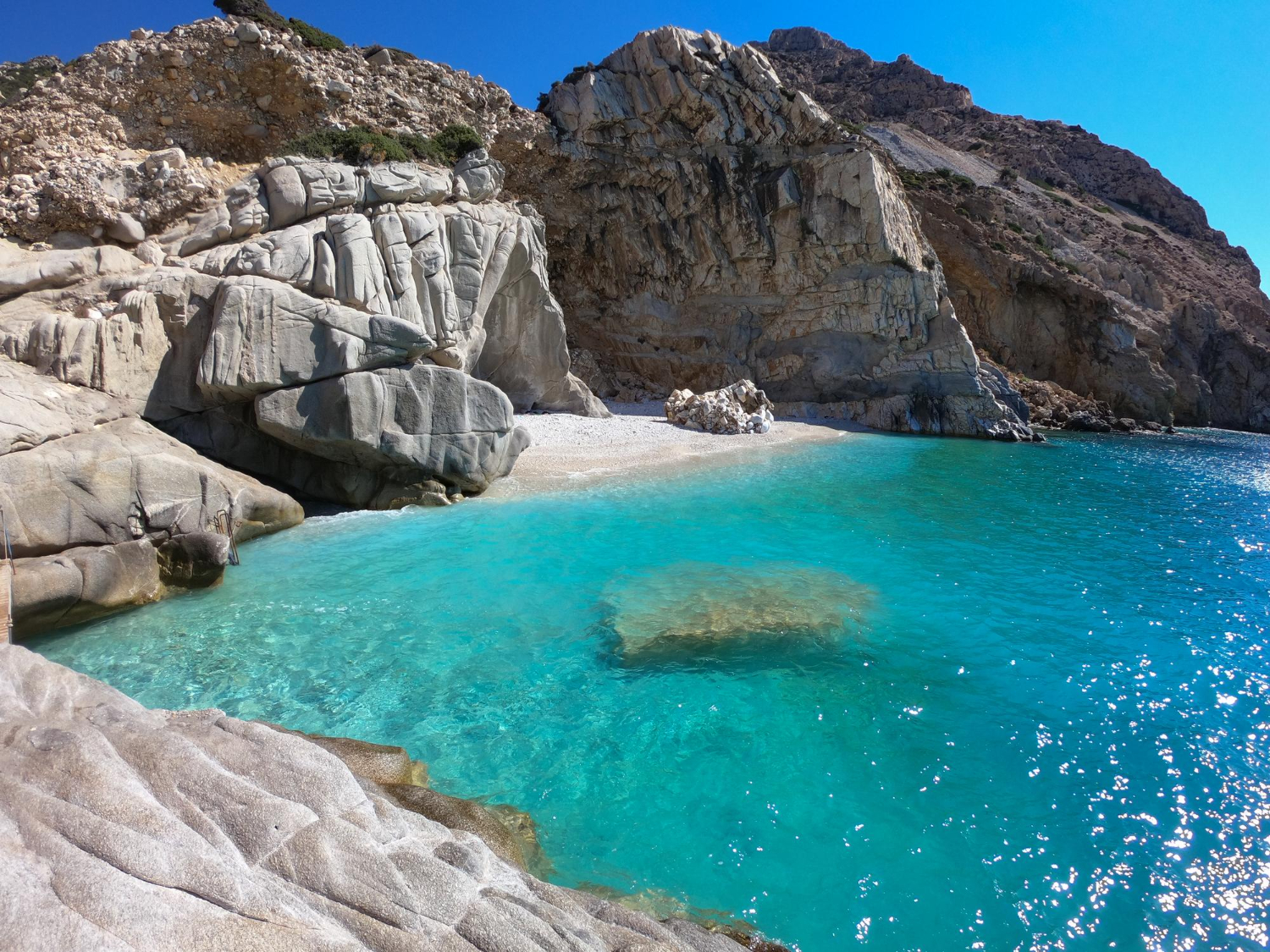
For travelers interested in observing Ikarian patterns directly, the practical logistics are:
Getting there. Ikaria is accessible primarily by ferry from Athens (Piraeus port) — typically 6-8 hours by overnight ferry, or by smaller flight from Athens (45 minutes). The flight is often more expensive but dramatically faster.
Where to stay. The island has limited tourism infrastructure. Major town options include Agios Kirykos (capital, with hotels and restaurants), Evdilos (smaller, more authentic feel), and Armenistis (beach-focused, popular with summer visitors). Most accommodations are family-owned guesthouses rather than international hotel chains.
When to visit. May-June and September-October produce the best balance of mild weather, low crowds, and active village life. July-August are hot and crowded with summer tourism. Winter is rainy and many tourist services close.
What to actually do. The traditional tourist itinerary (beaches, swimming, panoramic views) is fine but misses the point. Travelers interested in observing Ikarian longevity patterns should: stay in a village rather than a resort, walk the mountain paths daily, eat at family-owned tavernas, attend a panigiria festival if timing permits, take time to observe daily life rhythms rather than packing the schedule.
Cost. Ikaria is among Greece’s more affordable islands. Budget approximately $80-150 per person per day for accommodations, meals, and basic activities — about half the cost of Mykonos or Santorini.
The fundamental insight from Ikaria isn’t that any specific dietary supplement, exercise routine, or lifestyle practice will extend your life. It’s that the integration of multiple supportive factors — physical activity built into daily life, strong social connections, plant-based eating, meaningful purpose, structural stress reduction — produces effects that no individual intervention can replicate. The Ikarian pattern is not a recipe to follow but a reminder of how thoroughly modern American lifestyle has separated itself from patterns that historical human populations evolved with.
Whether you can recreate Ikarian longevity patterns in suburban Phoenix or downtown Manhattan is genuinely difficult. The geography, food culture, social density, and cultural rhythms of Ikaria can’t be ordered through Amazon or built through individual willpower. What can be applied is the underlying philosophy: design daily life to make health-supporting behaviors automatic rather than effortful, prioritize relationships and purpose over efficiency and achievement, and accept that the cumulative effect of decades of moderate practices typically outperforms intensive shorter-term interventions. That’s not a marketing message. It’s what the research actually shows.