GALLERY POST!!!
From MoviePass to $5 Uber rides to peak Pokémon Go, 2016 was the high point of what The New York Times later called the “millennial lifestyle subsidy” — a five-year period when Silicon Valley venture capital quietly underwrote daily life in major cities. Most of those subsidies are gone, and Gen Z is grieving an era they were too young to fully experience.
In 2016, you could open the Uber app in any major American city, request a ride, and have a car arrive in three minutes for less than the cost of a cab — often less than $10 across town. You could pay $9.95 a month for MoviePass and see one movie a day, every day, in any theater. You could open Seamless and have $30 worth of Chinese takeout delivered for a $2 fee. You could play Pokémon Go in real parks with real strangers and have it feel like the future of social technology.
Almost none of that exists anymore.
A decade later, the things that defined daily life for urban millennials in 2016 have either disappeared, been transformed beyond recognition, or become significantly more expensive. The economic forces behind these changes are well-documented — Silicon Valley venture capital was subsidizing customer growth at companies that weren’t yet profitable, expecting market dominance to enable price increases later. The dominance arrived. The price increases followed.
The result is that Gen Z, now in their early-to-mid twenties, is experiencing a wave of nostalgia for an era many of them barely participated in. TikTok hashtags like #2016Vibes and “2026 is the new 2016” have generated billions of views. Mental health practitioners describe the trend as a coping mechanism — Gen Z processing a world where the prices, social texture, and basic affordability of millennial young adulthood are no longer accessible.
Here are 12 specific things from 2016 that have largely disappeared.
1. MoviePass at $9.95 per month
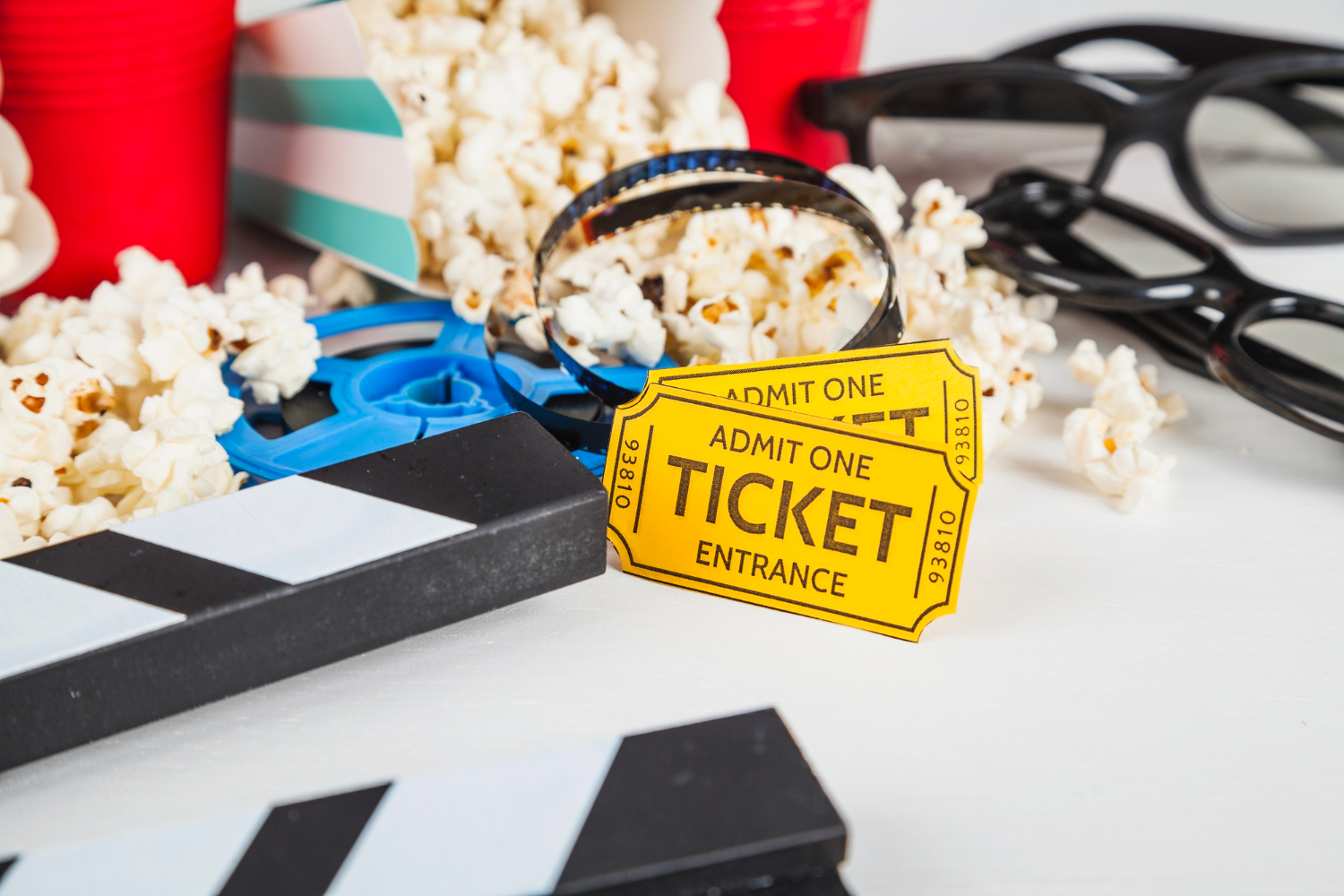
MoviePass launched in 2011 but reached cultural saturation in 2017-2018 when subscriptions hit 3 million users at the famous “$9.95 for one movie per day” price point. The math never made sense — MoviePass was paying full ticket prices to theaters while charging customers less than the cost of a single movie per month — but for two years, the deal was real. Movie theater attendance among MoviePass users surged. Some users saw 30+ movies in a month.
MoviePass collapsed in 2019, filing for bankruptcy in 2020. The brand was relaunched in 2022 with a tiered subscription model that includes credits rather than unlimited access, with monthly costs ranging from $10 to $40 and significant restrictions on which movies and times qualify. The new model is profitable but is no longer the unlimited-movies-for-the-price-of-one-ticket experience that defined the original.
2. Uber rides cheaper than taxis
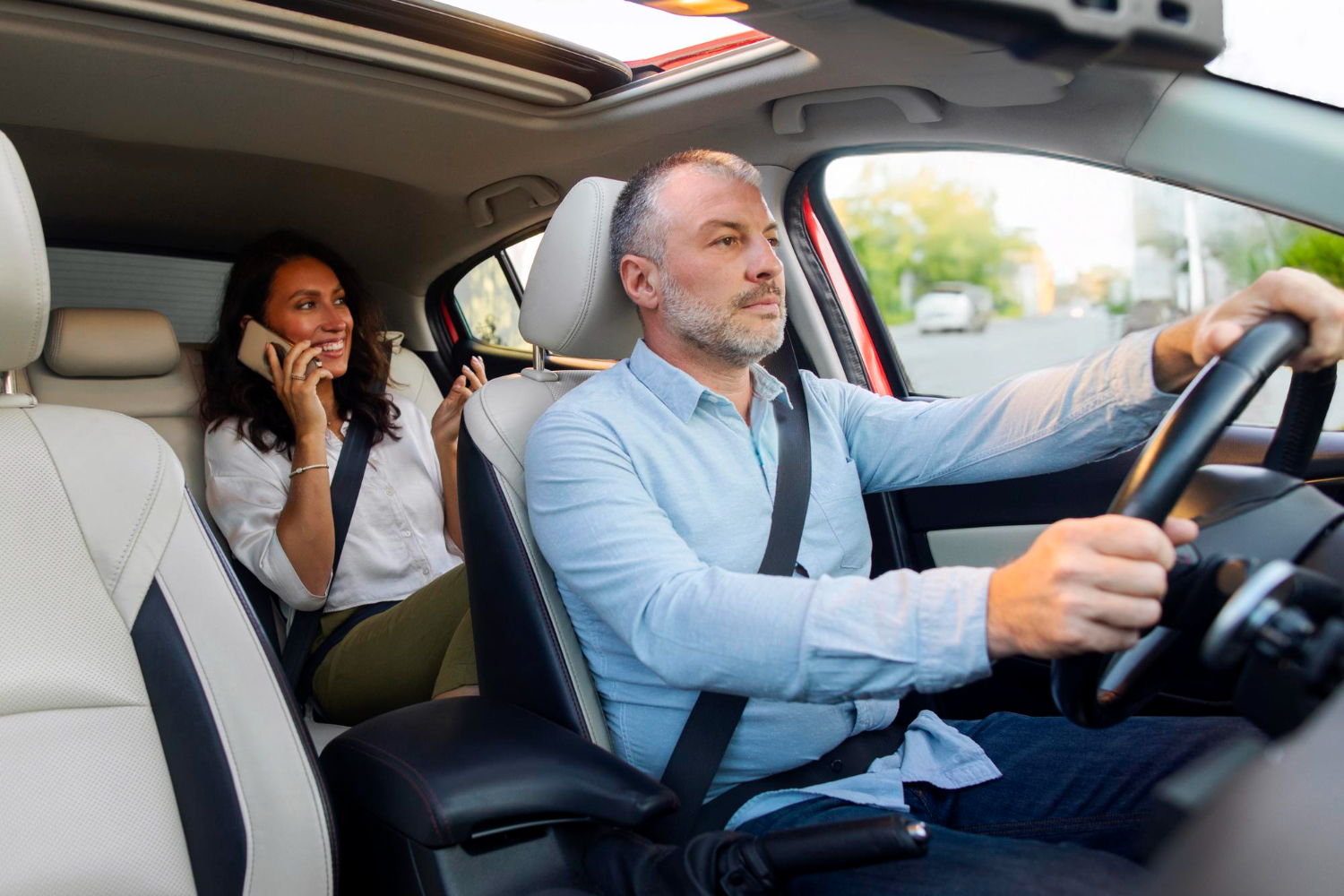
In 2016, urban Uber rides were genuinely cheap. Surge pricing existed but was less aggressive. A 15-minute ride across town in major cities typically cost $7-$12. The economics were sustained by Uber’s growth strategy — subsidizing fares to capture market share from taxi services and competing rideshare apps.
By 2026, Uber and Lyft have raised prices dramatically. The same 15-minute ride that cost $10 in 2016 typically costs $25-$40 today, with surge pricing during peak times pushing it higher. Industry analysis attributes the increases to: completion of the taxi-displacement project (Uber dominated, so no longer needed to subsidize), driver pay increases (regulatory and competitive), and the broader profit pivot demanded by Wall Street after Uber’s 2019 IPO.
3. Seamless and Postmates with $2 delivery fees
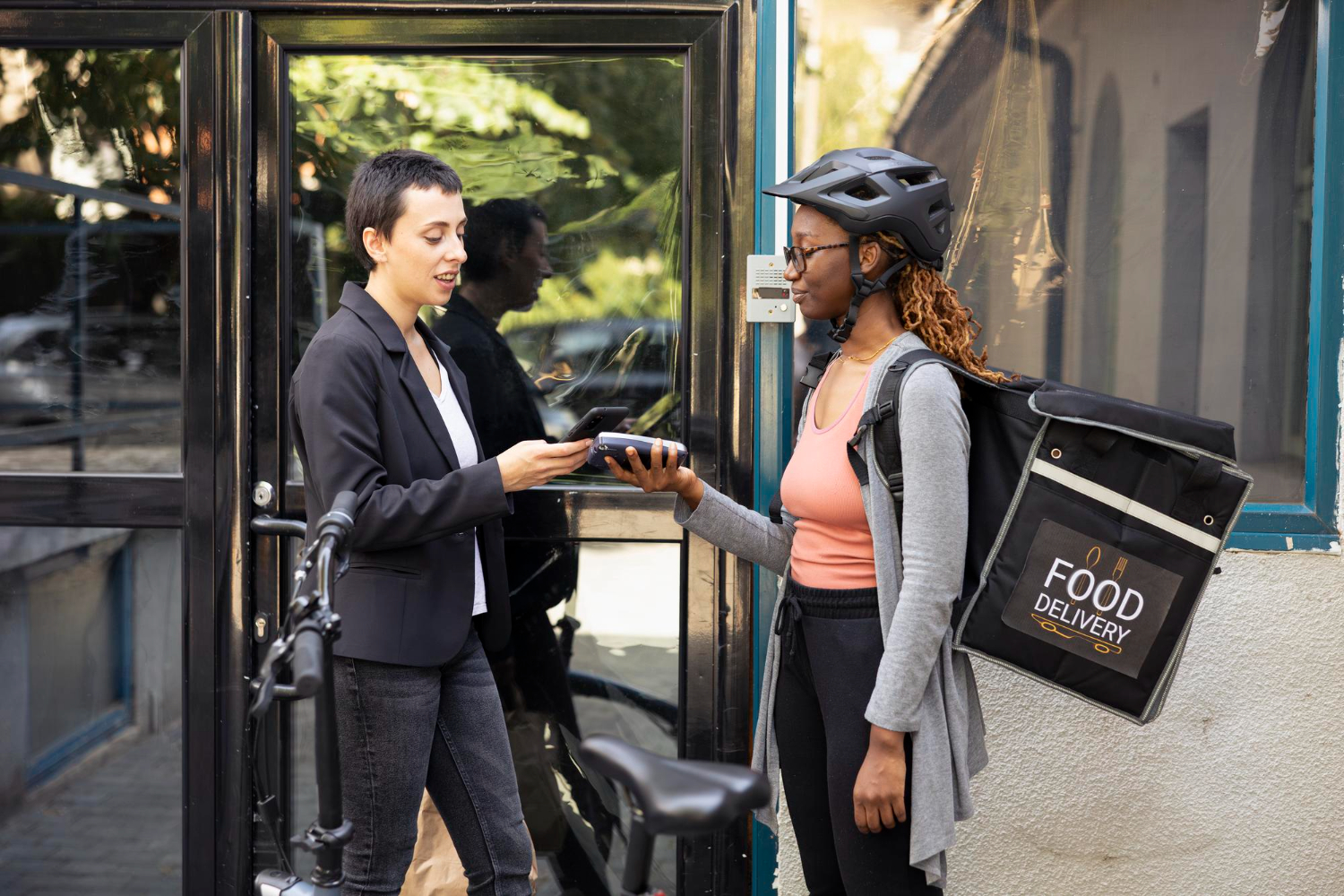
Food delivery in 2016 was effectively subsidized. A $30 dinner from a local restaurant arrived for a $2-$4 delivery fee plus modest tip. Takeout-by-app felt like a small luxury that was essentially free.
By 2026, the same order typically costs $50-$60 — same food, but with delivery fees of $5-$8, service fees of $4-$6, restaurant markup pricing built into the menu (delivery menus are 20-30% more expensive than dine-in), and tip expectations of 18-22%. The “small luxury” has become a premium expense that many former regular users have abandoned.
4. Pokémon Go at peak intensity
When Pokémon Go launched in July 2016, it became one of the most successful mobile apps of all time within weeks. By August 2016, an estimated 45 million Americans were playing daily. People walked outside more than they had in years. Strangers gathered in parks. Local businesses set “lures” to attract foot traffic. The app generated genuine social interactions across age groups in a way that smartphone apps rarely had before.
Pokémon Go still exists in 2026 with millions of monthly active users, but the cultural intensity is gone. The peak experience — walking around a city in summer 2016 and finding clusters of strangers chasing the same imaginary creature — has not been replicated by any subsequent app. Multiple analysts have noted that no smartphone game since has produced the same combination of physical activity, real-world social interaction, and cross-demographic appeal.
5. Snapchat as the dominant young-adult app
In 2016, Snapchat was the social platform where things happened first. Stories, filters, and the disappearing-message format had created a specifically young-adult culture that older platforms couldn’t replicate. Snapchat’s user base peaked at 187 million daily active users in early 2017.
By 2026, Snapchat still has roughly 425 million daily active users globally — but the cultural center has shifted entirely to TikTok and Instagram. The viral filters, the Snap Map social mapping, and the platform-defining ephemerality of 2016 Snapchat content has been largely absorbed (and arguably improved upon) by other platforms. The specific feeling of opening Snapchat in 2016 — the sense that you were looking at where everyone you knew was right now — no longer exists.
6. Vine

Vine launched in 2013 and shut down in October 2016. The 6-second video format became one of the defining cultural products of the early 2010s, producing memorable jokes, influencer careers, and a distinct creative format that was different from anything before or since.
The shutdown happened because Vine couldn’t figure out how to monetize. Twitter (which had acquired Vine in 2012) couldn’t justify continuing to operate it. The format itself was eventually absorbed into TikTok, which launched (as Musical.ly) in 2016 and became dominant after acquiring its current name in 2018. Many former Vine creators became successful TikTok creators. But the specific 6-second-loop culture, the “do it for the Vine” jokes, the recognizable Vine-format humor — these died when Vine did.
7. Cheap Airbnbs in major cities

In 2016, you could rent an entire one-bedroom apartment in major cities through Airbnb for $80-$120 per night. The platform was still in its growth phase, with hosts often offering apartments at prices significantly below comparable hotels. The “stay in a real neighborhood” experience that Airbnb sold worked because the prices were genuinely lower than hotel options.
By 2026, Airbnb has become a regulated industry in most major cities. Prices for the same apartments are typically $200-$400 per night. Cleaning fees of $75-$150 are now standard. Service fees average 14-16% of the booking. Many cities (New York, Barcelona, Paris) have implemented strict rental regulations that have removed thousands of listings. The result is that Airbnb in major cities is now typically more expensive than hotel alternatives — a complete inversion of the 2016 value proposition.
8. Group texts that were the primary social medium
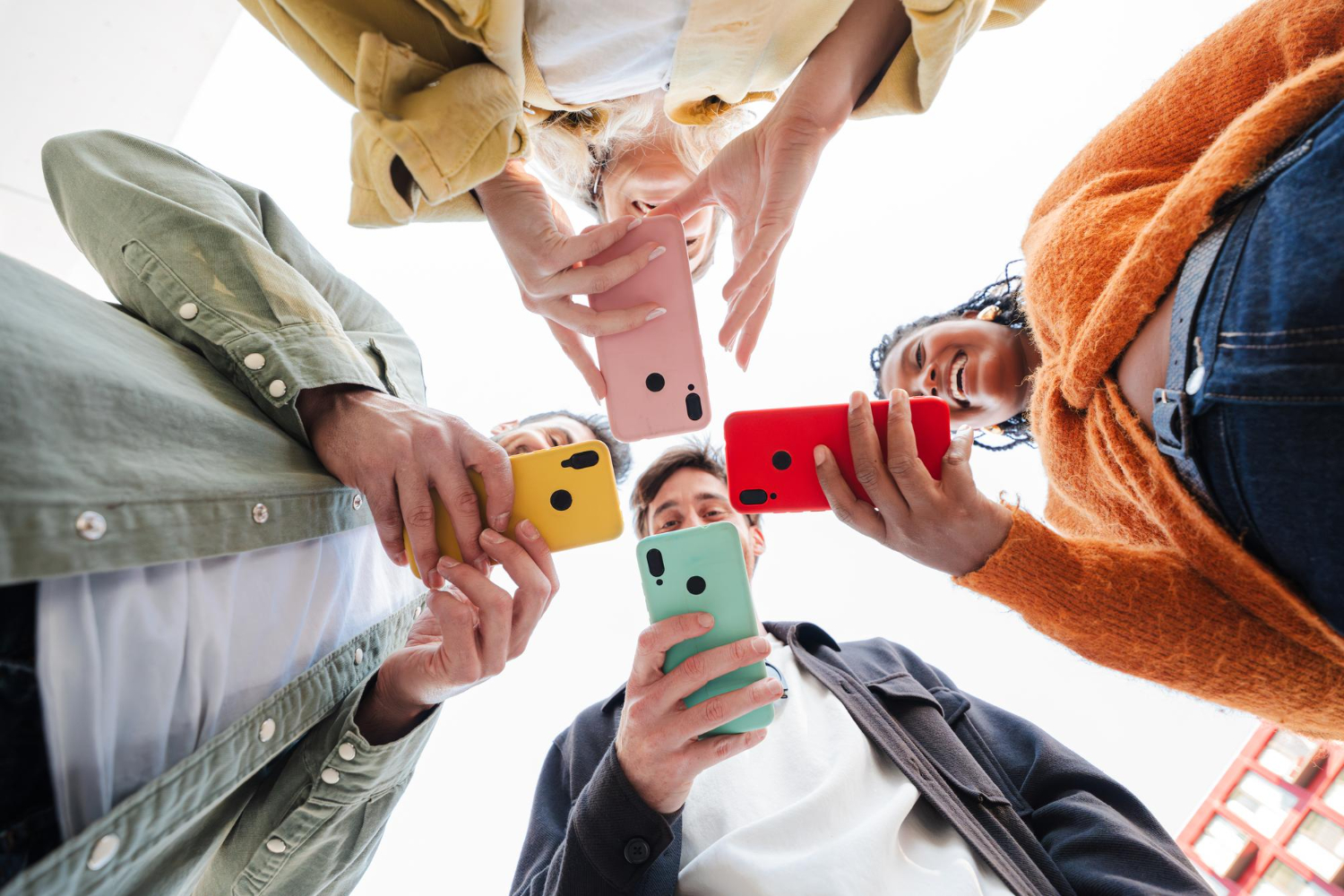
In 2016, your friend group’s group text was the center of your social life. Plans were made there. Memes were shared there. Daily life was narrated there. The pre-Instagram-Stories, pre-TikTok era meant that your closest social activity happened in iMessage or Android Messages.
By 2026, group texts still exist but have been substantially supplanted by Instagram DMs (the largest single shift), Discord servers (for younger users), TikTok comment threads, and various app-specific chat features. The “everyone in one group text where everything happens” pattern has fragmented across platforms. People who came of age in the 2016 era often describe missing the simplicity of one chat thread containing the entire social ecosystem.
9. BuzzFeed quizzes and the “millennial internet”
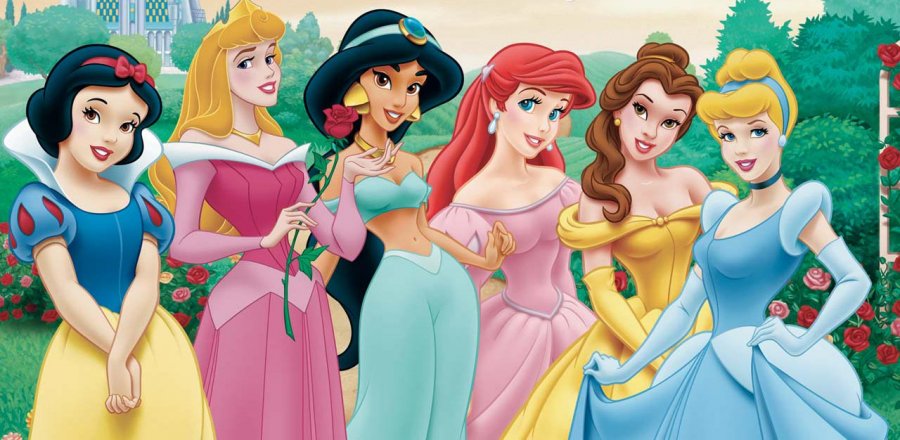
In 2016, BuzzFeed quizzes were everywhere. “Which Disney Princess Are You?” type content drove enormous web traffic. The site’s specific flavor of millennial-focused listicles and personality quizzes defined a particular era of the internet. BuzzFeed had over 500 employees in editorial roles. The Pulitzer-winning BuzzFeed News operation co-existed with the listicle entertainment side.
BuzzFeed laid off most of its news staff in 2023. The site still exists but has been substantially restructured. The specific 2016 BuzzFeed experience — that combination of low-stakes personality quizzes, viral entertainment, and serious investigative journalism on the same domain — is gone. Other “millennial internet” institutions of 2016 (Mashable, Refinery29 in its original form, the original Vice editorial structure) have similarly contracted or been absorbed.
10. Tumblr as the active creative platform
Tumblr in 2016 was the primary platform for fandoms, fan fiction, aesthetic blogs, social justice discourse, and a particular flavor of anti-mainstream creative content that didn’t fit Instagram’s polish or Twitter’s terseness. The “Tumblr aesthetic” of 2014-2016 (vintage filters, faded photography, specific quote graphics) defined visual taste for an entire micro-generation.
Yahoo’s acquisition of Tumblr in 2013 began a long decline. Verizon’s 2017 acquisition continued it. The 2018 ban on adult content removed a substantial portion of Tumblr’s user base. By 2026, Tumblr still exists with around 550 million monthly visitors, but the active creative culture that defined it has dispersed across Twitter (now X), Discord, Pinterest, and TikTok. Gen Z’s 2016 nostalgia frequently centers on Tumblr’s role as a “more authentic” social platform — partly accurate, partly idealized.
11. Pre-pandemic restaurants, bars, and nightlife at 2016 prices
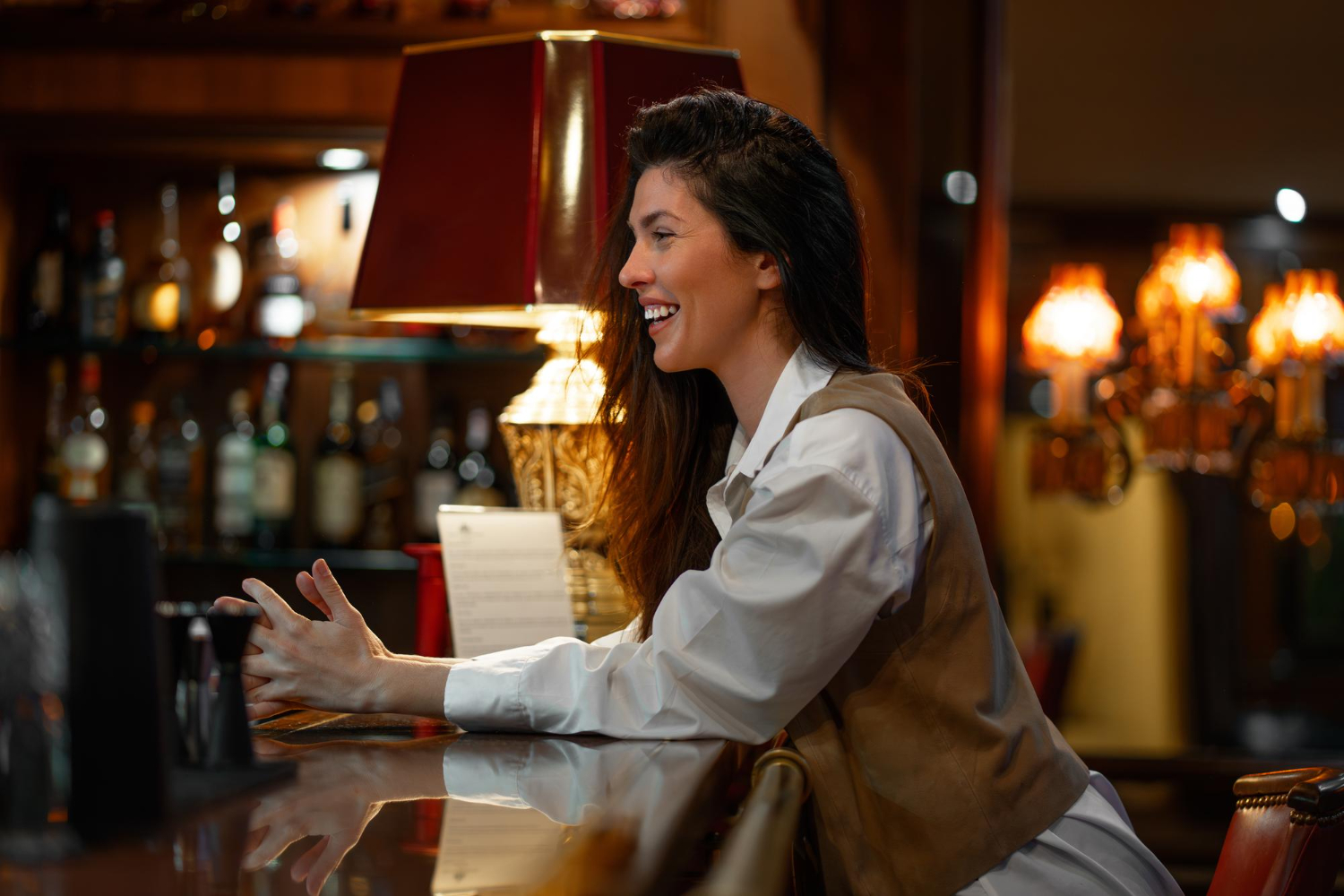
Restaurant and bar prices in 2016 were dramatically lower than in 2026. A typical mid-range restaurant entree that cost $18 in 2016 now costs $32-$38 in major American cities. A craft cocktail that was $13 in 2016 is now $18-$22. The combination of pandemic-era price increases, food cost inflation, labor cost increases, and reduced competition (many restaurants closed permanently 2020-2022) has produced a hospitality economy fundamentally more expensive than what millennials experienced in their 20s.
The frictionless nightlife culture of 2016 — going out spontaneously on weeknights because dinner-and-drinks could be done for $50 per person — is largely gone in major cities. Younger Gen Z workers report doing dinner-and-drinks 1-2 times per month rather than the 2-3 times per week that was typical for millennials in their 20s.
12. The general feeling that things were getting better

Maybe the biggest item on this list, and the hardest to pin down: 2016 felt like a year on an upward trajectory. The economy had recovered from the 2008-2009 recession. Tech companies were creating products people genuinely loved. Politics, while contentious, hadn’t yet produced what subsequent years would produce. The “millennial lifestyle subsidy” combined with steady wage growth, declining unemployment, and the cultural energy of the late Obama era created a sense that the trajectory was positive.
By 2026, that feeling has been largely lost across multiple generations. Pandemic disruption, inflation, housing affordability collapse, political instability, climate anxiety, and the broader shift in tech from “products people love” to “products that maximize engagement” have all contributed. When Gen Z describes wanting “2016 vibes,” what they often mean is the combination of the specific products and prices on this list with the underlying emotional experience of believing the future would be better than the present.
What this nostalgia actually represents

Mental health professionals interviewed about the 2016 nostalgia trend consistently describe it as more than typical generational longing for past eras. According to mental health practitioner Dalia Halabi, quoted in early 2026 reporting: “The present feels so unstable. We’re talking about a prolonged global disruption.”
The cycle will likely continue. Whatever comes next will eventually feel quaint and special to a future generation looking back. The specific 2016 experience — its products, its prices, its emotional texture — is not coming back. But for those who lived through it as their formative young-adult years, the memory remains genuine, and increasingly precious as it recedes further into history.