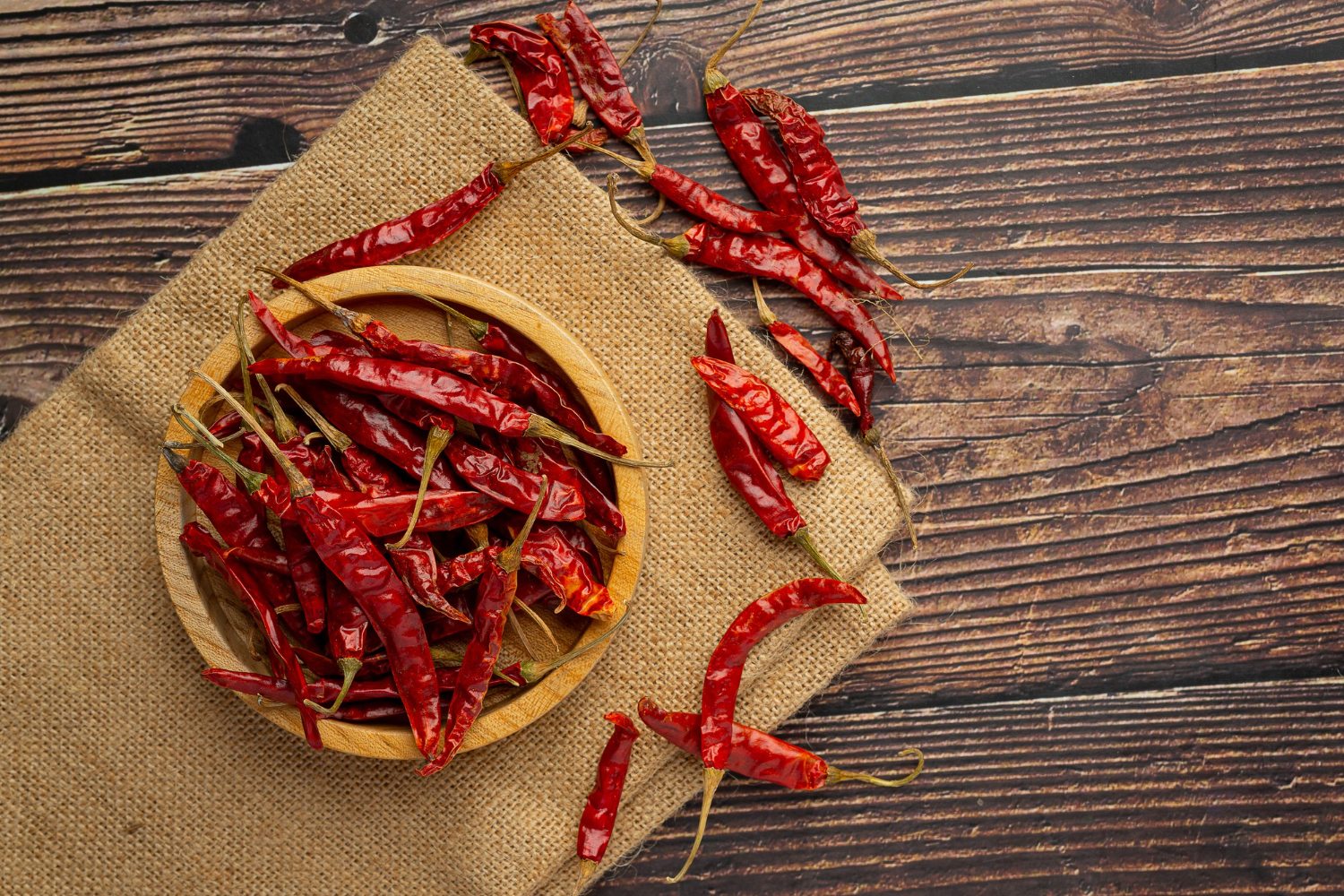
The single most useful thing to know is that heat and flavour are independent. A very hot chilli can taste of almost nothing, and a mild one can carry an enormous amount. Here are twelve chosen for the second quality.
1. The Mild Wide Peppers Grown for Colour
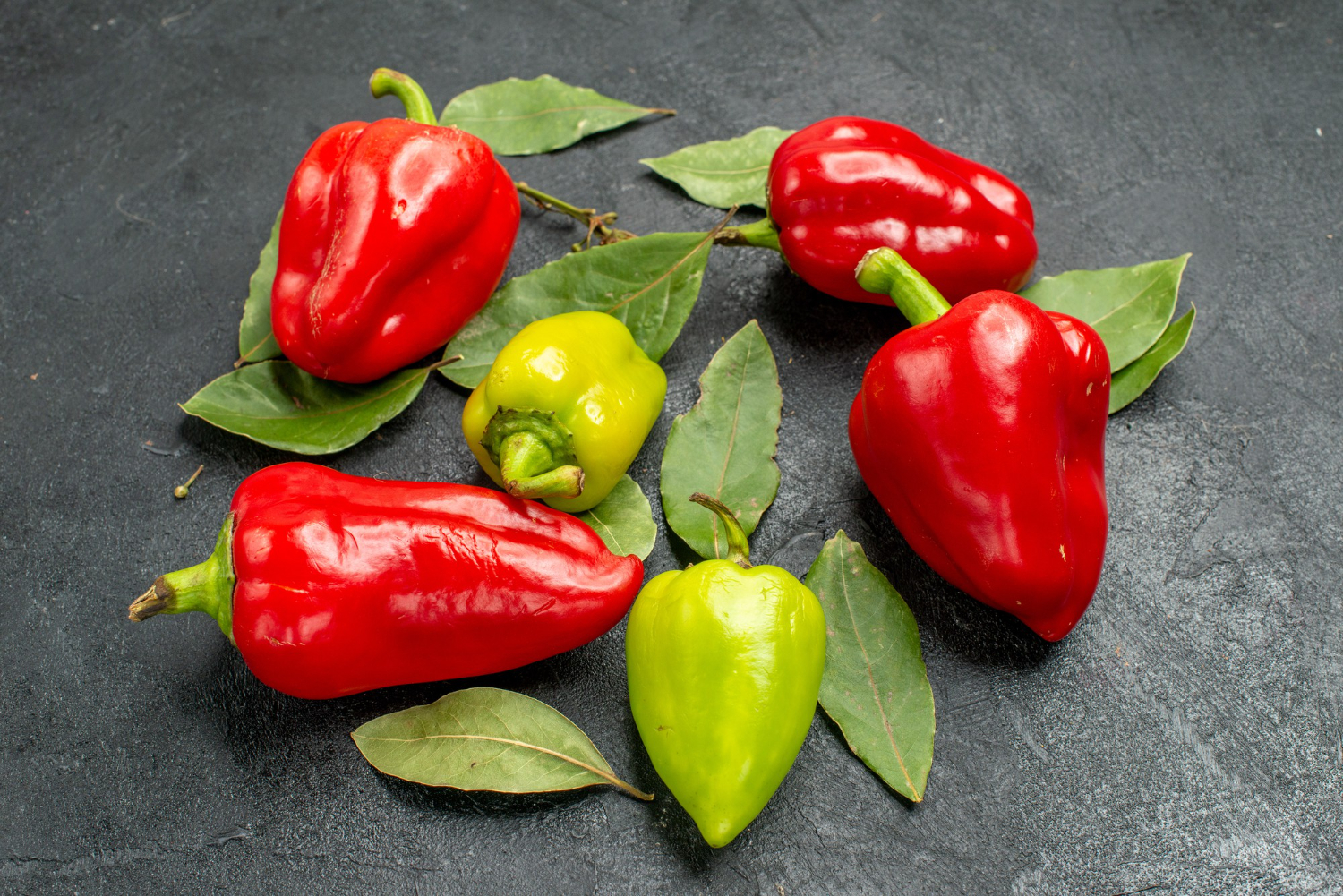
Several varieties are cultivated principally to produce a deep red powder with body and sweetness and very little heat at all.
They provide the colour and the base flavour that hotter varieties are then added to. Colour peppers are the chillies doing the background work in a great many dishes.
Like our content? Follow us for more.
2. The Ones Ripened to a Different Colour
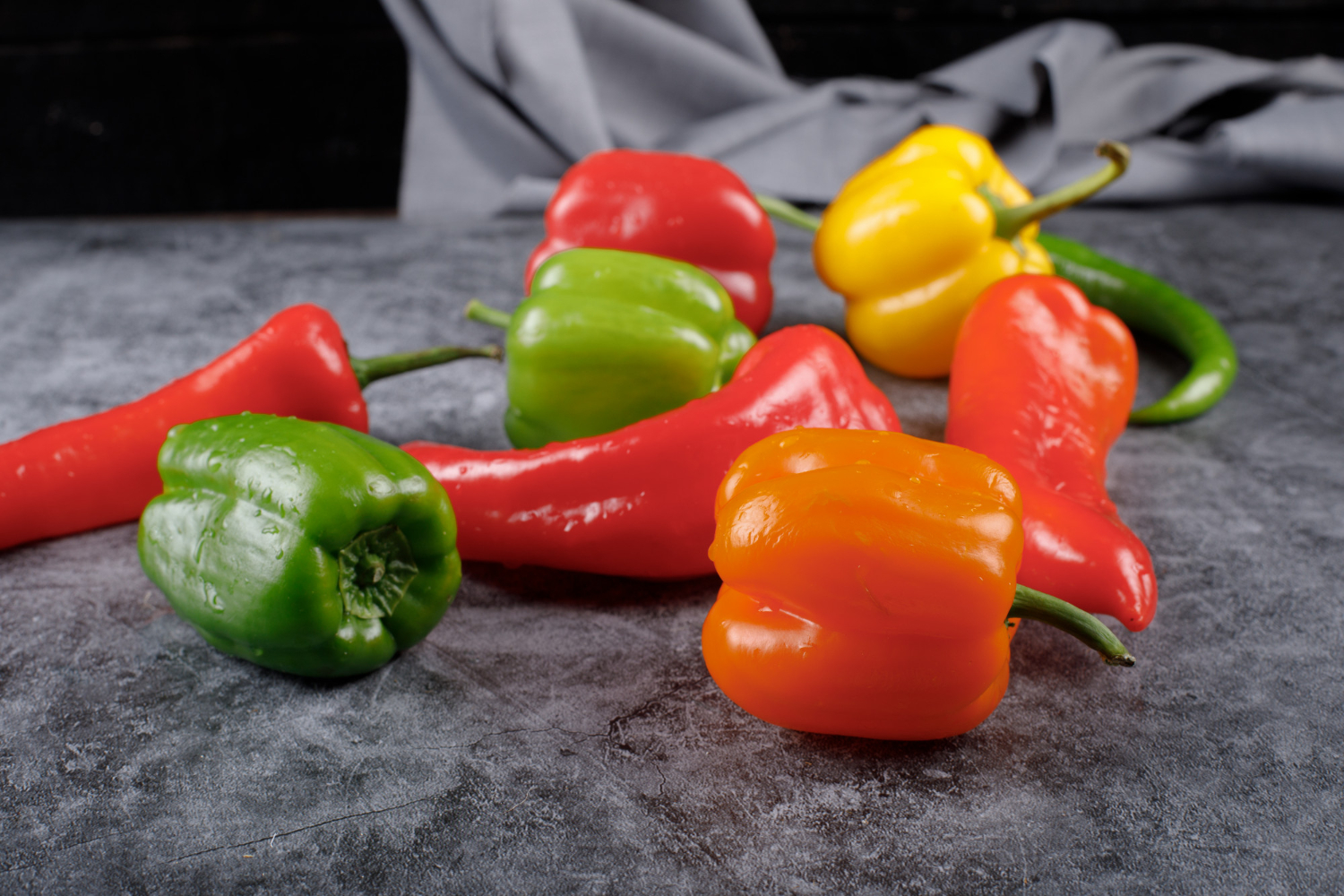
Many varieties are picked either green or fully ripe, and the same plant yields two quite different ingredients depending on when it was taken.
Ripening converts sharp vegetal notes into sweeter, rounder ones, so a recipe specifying one is rarely satisfied by the other. Ripeness-dependent chillies are the varieties that are two ingredients on one bush.
3. The Ones That Taste of Dried Fruit
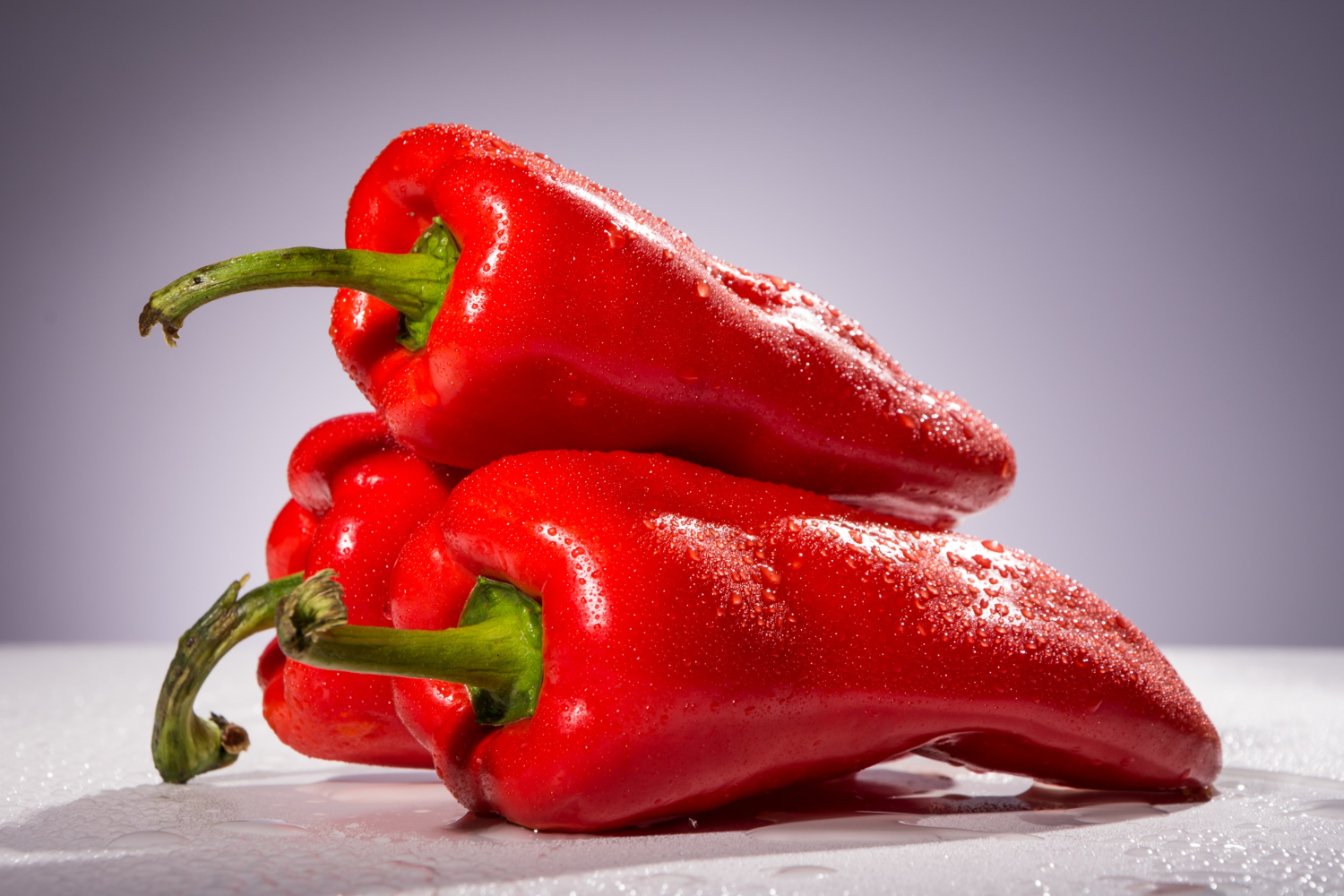
A number of dried varieties carry pronounced raisin, prune or plum notes, which is why they appear in slow-cooked dishes where that sweetness has time to develop.
The fruitiness is the reason they are used, not a side effect. Fruit-noted chillies are the varieties chosen for their sweetness.
4. The Ones With Real Bitterness
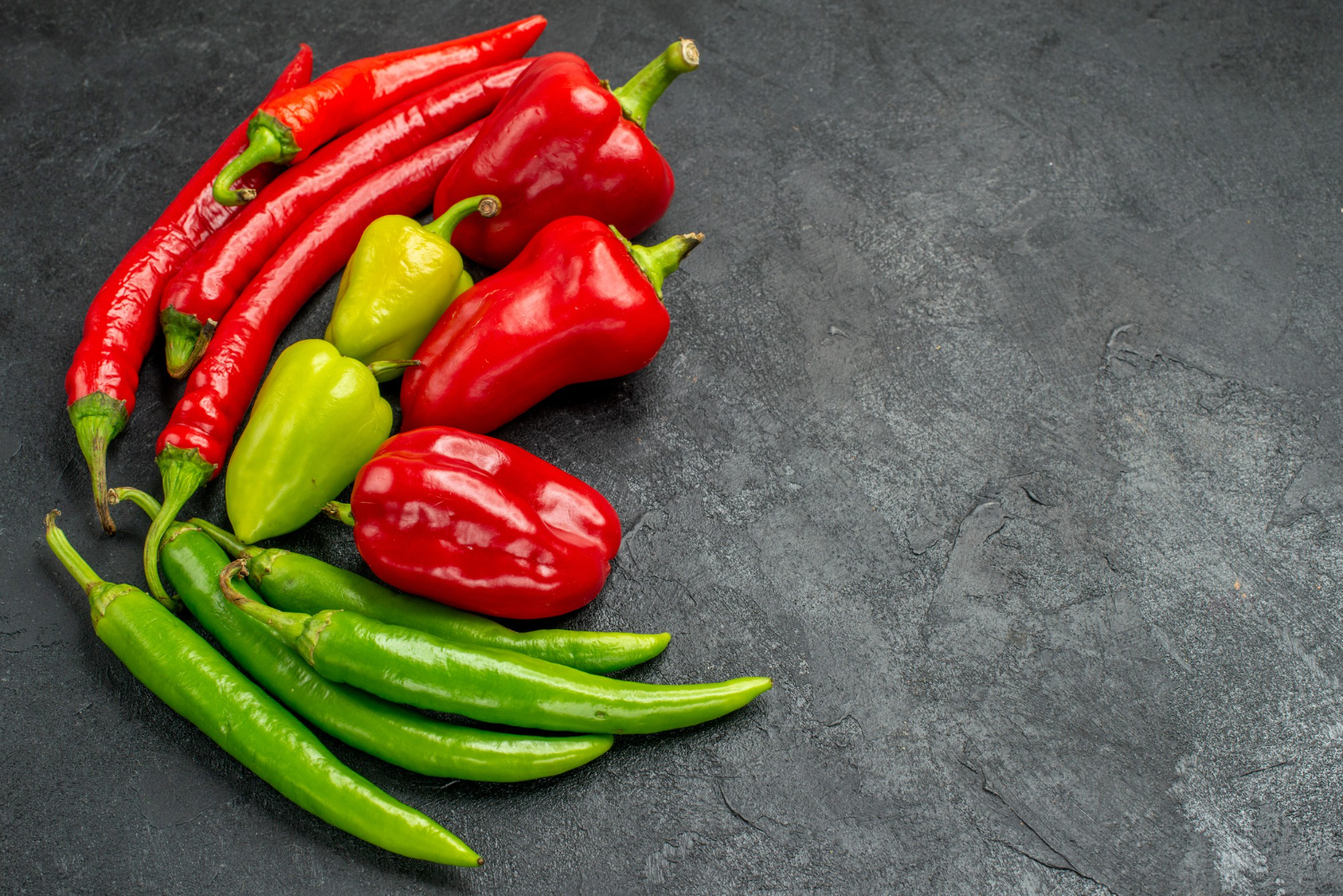
Some varieties, particularly when toasted, contribute a deliberate bitter edge that balances richness in the same way a burnt sugar or a dark roast does.
Over-toasting tips it from balance into acridity in seconds. Bitter chillies are the varieties where the cook is walking a line.
5. The Fresh Green Ones Used as a Vegetable
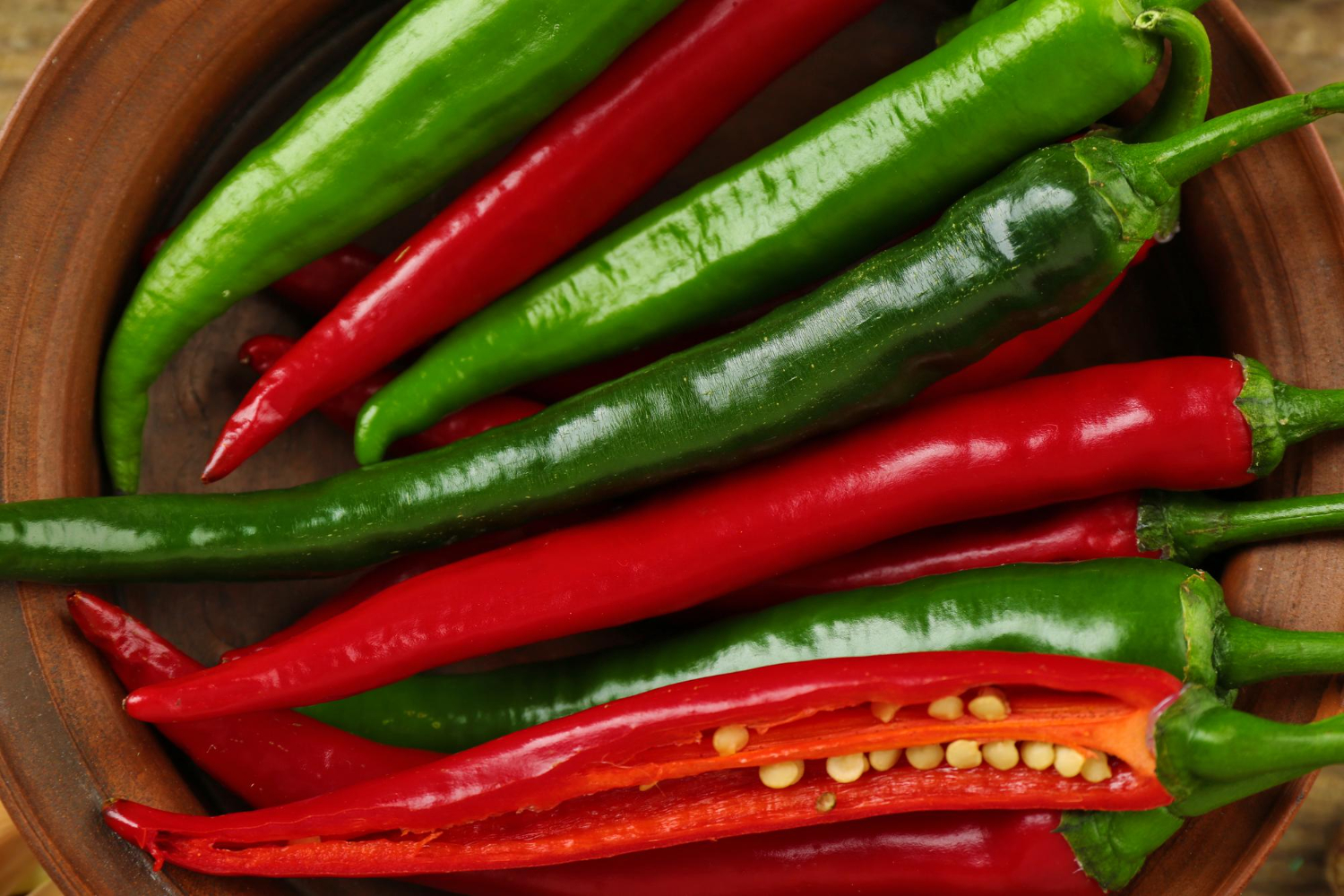
Several varieties are eaten fresh, in quantity, for their grassy vegetal flavour, with the mild heat as a background note rather than the point.
They behave more like a pepper than a spice. Fresh green chillies are the varieties treated as an ingredient rather than a seasoning.
6. The Fruity Aromatic Species
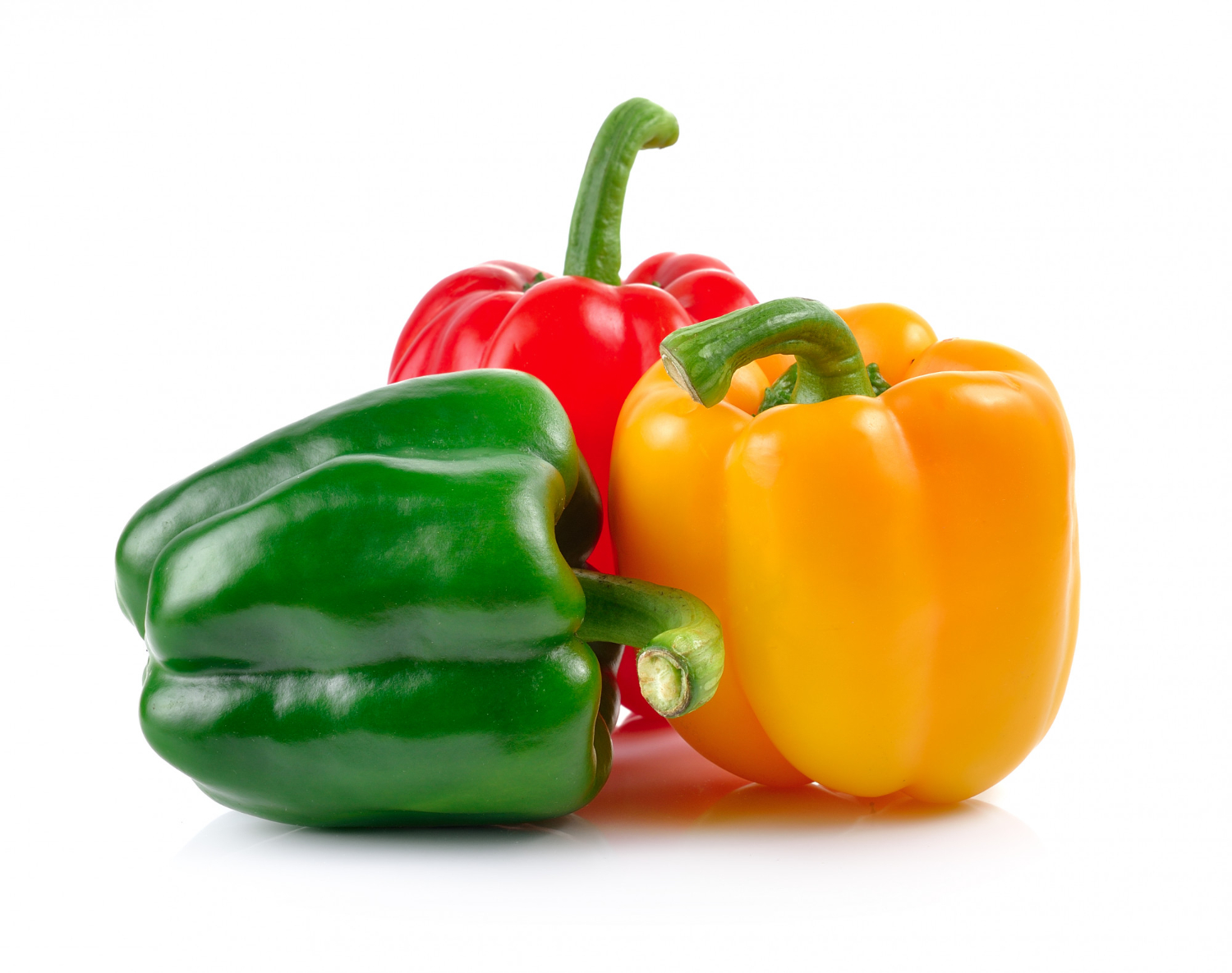
One botanical species is distinguished by intensely floral and tropical aromas – apricot, citrus, sometimes almost perfumed – which is entirely separate from its heat.
That aroma is why they are used in sauces where the smell matters as much as the taste. Aromatic-species chillies are the ones you notice with your nose first.
7. The Andean Varieties With Their Own Character
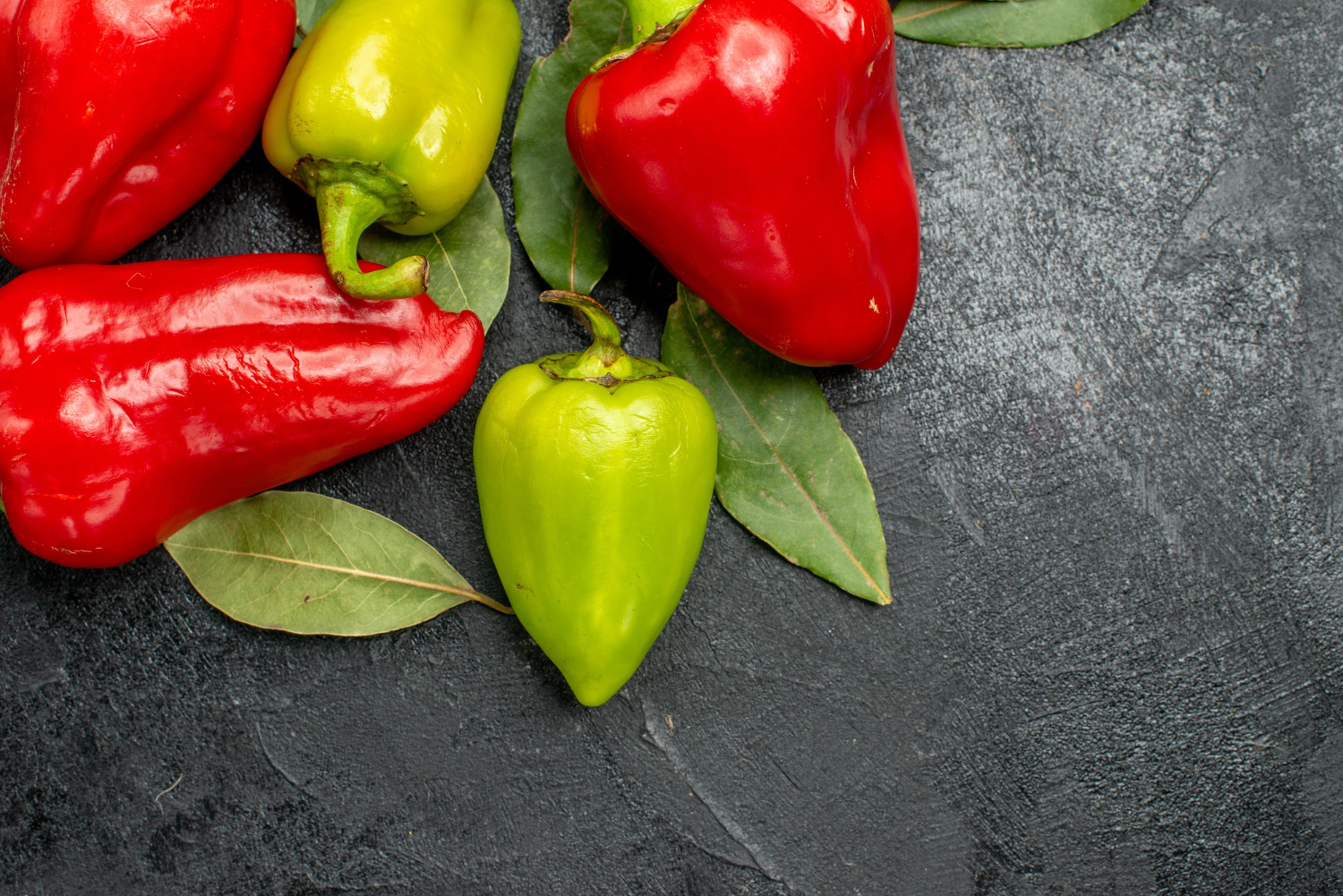
South American cuisines use varieties with distinctive flavours quite unlike anything in Mexican or Asian cooking, several from species barely grown elsewhere.
They give those cuisines a flavour profile that cannot be reproduced with substitutes. Andean chillies are the varieties that make a regional cuisine unrepeatable.
8. The Thin-Skinned Drying Varieties
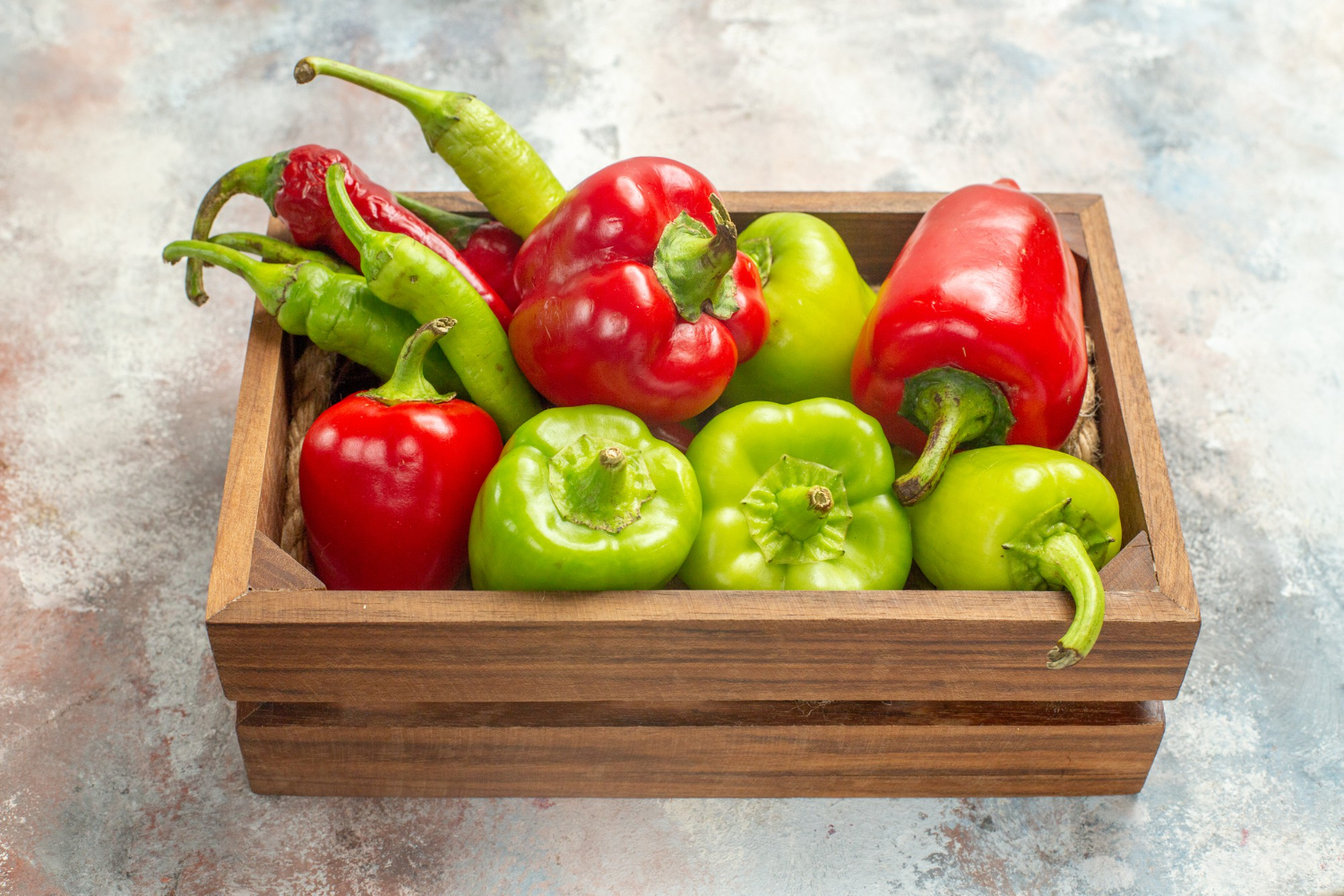
Some are bred specifically to dry well – thin walls, low moisture, quick drying – because their entire purpose is to be preserved and stored.
A thick-walled variety simply rots before it dries. Drying varieties are the chillies designed around their afterlife.
9. The Ones Used Whole and Removed
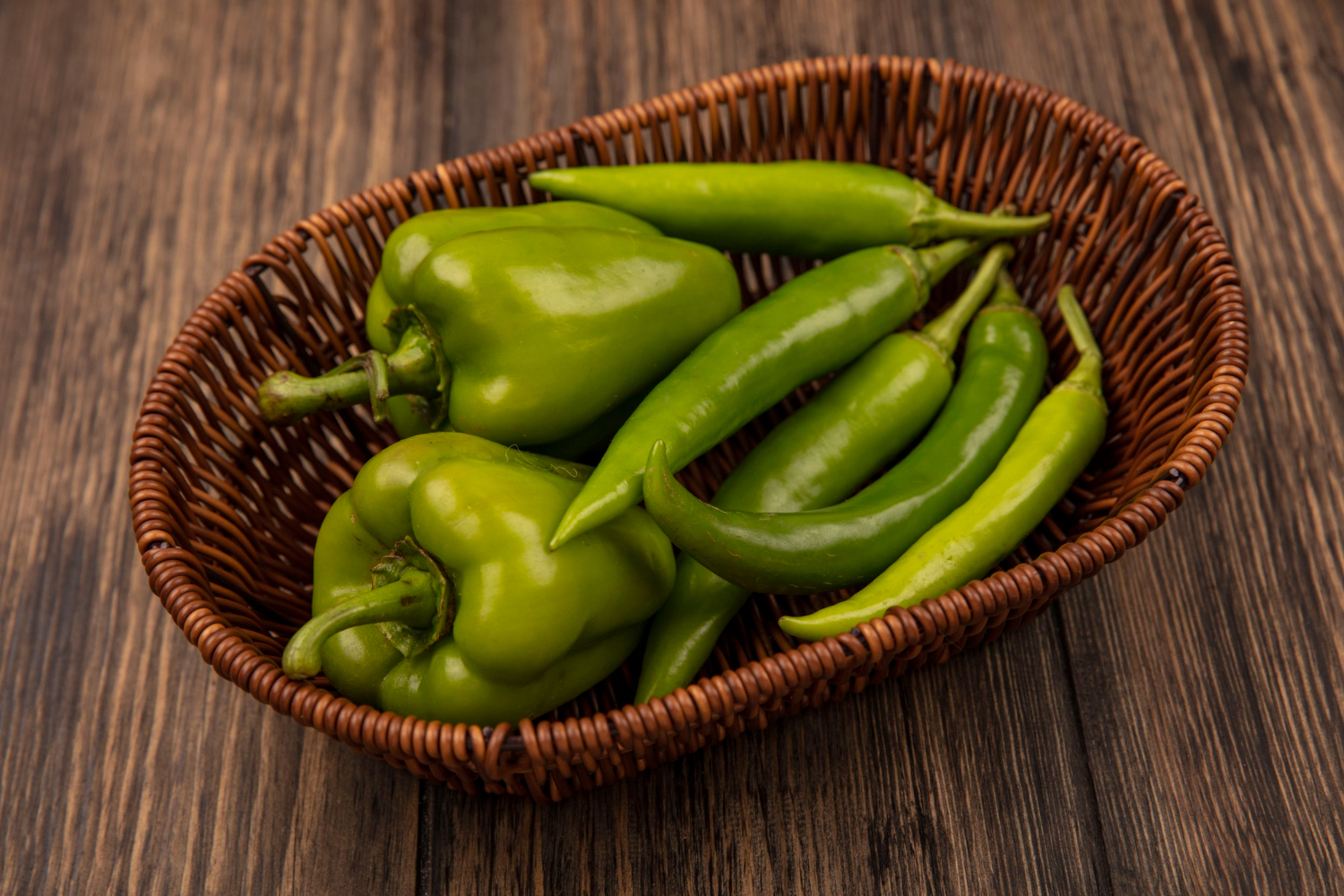
A number of dishes add a whole dried chilli during cooking and take it out before serving, extracting aroma and a little heat without any pieces in the food.
It is seasoning by infusion rather than by inclusion. Infusion chillies are the ones that leave before the meal does.
10. The Pickled and Preserved Varieties
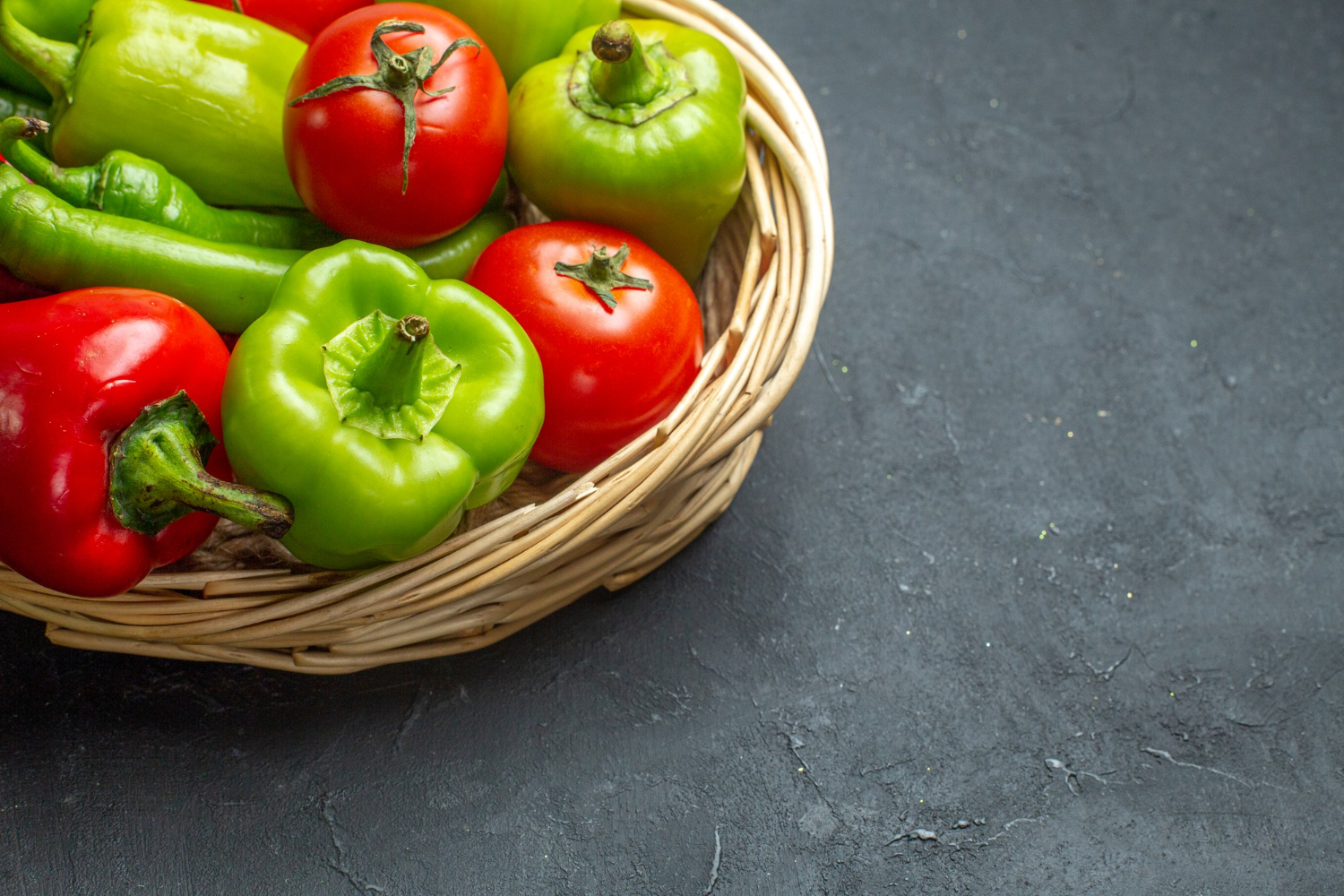
Some are chosen for how they behave in brine or vinegar, holding their texture and developing a sourness that complements the heat.
The preservation method is part of the intended flavour. Pickled chillies are the varieties selected for what acid does to them.
11. The Ones That Are Several Names for One Plant
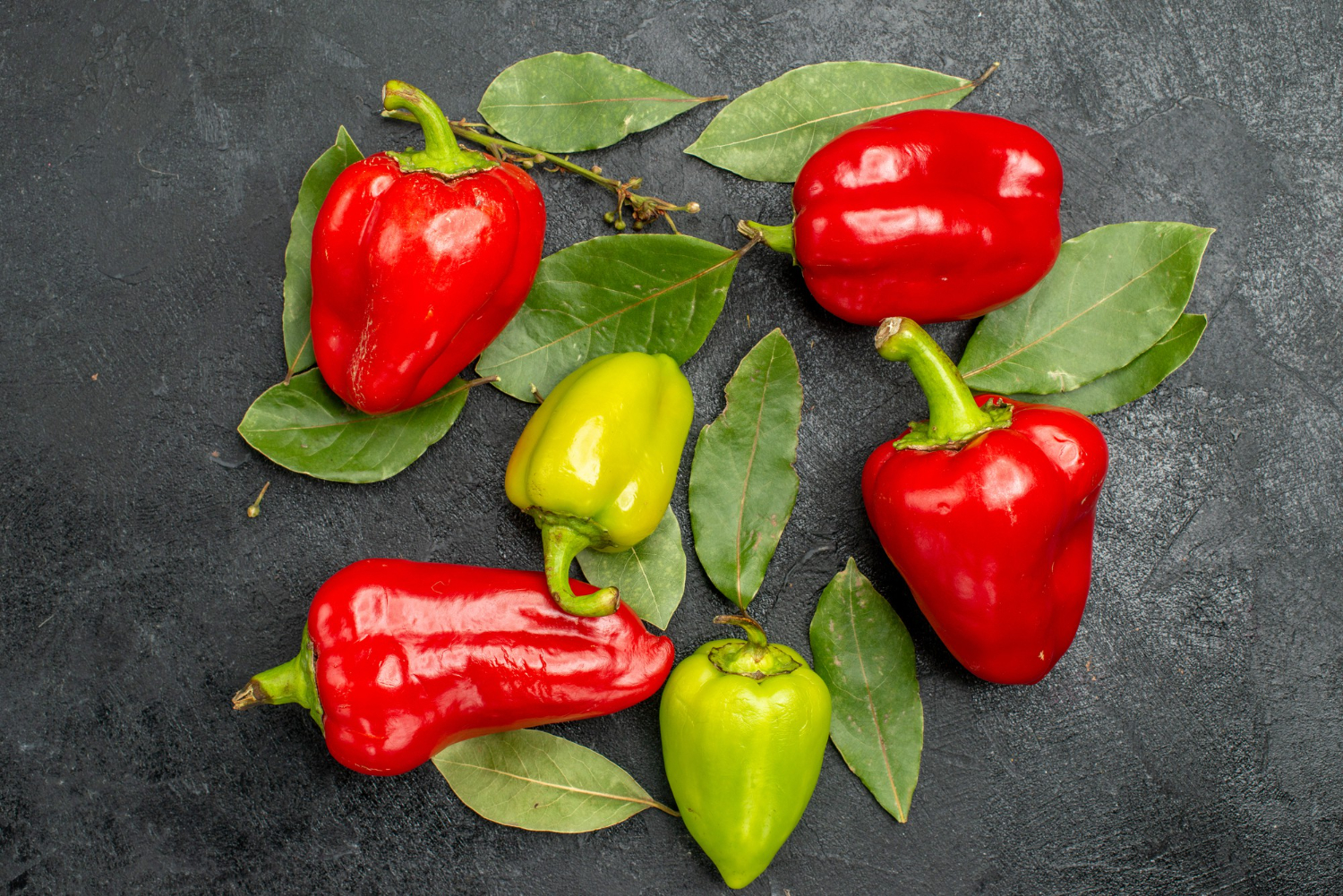
The same variety frequently has a different name fresh and dried, and different names again in neighbouring regions, which causes enormous confusion.
Recipes calling for two chillies sometimes mean one plant at two stages. Multiple-name chillies are the varieties that make shopping lists unreliable.
12. The Combinations Rather Than the Individuals
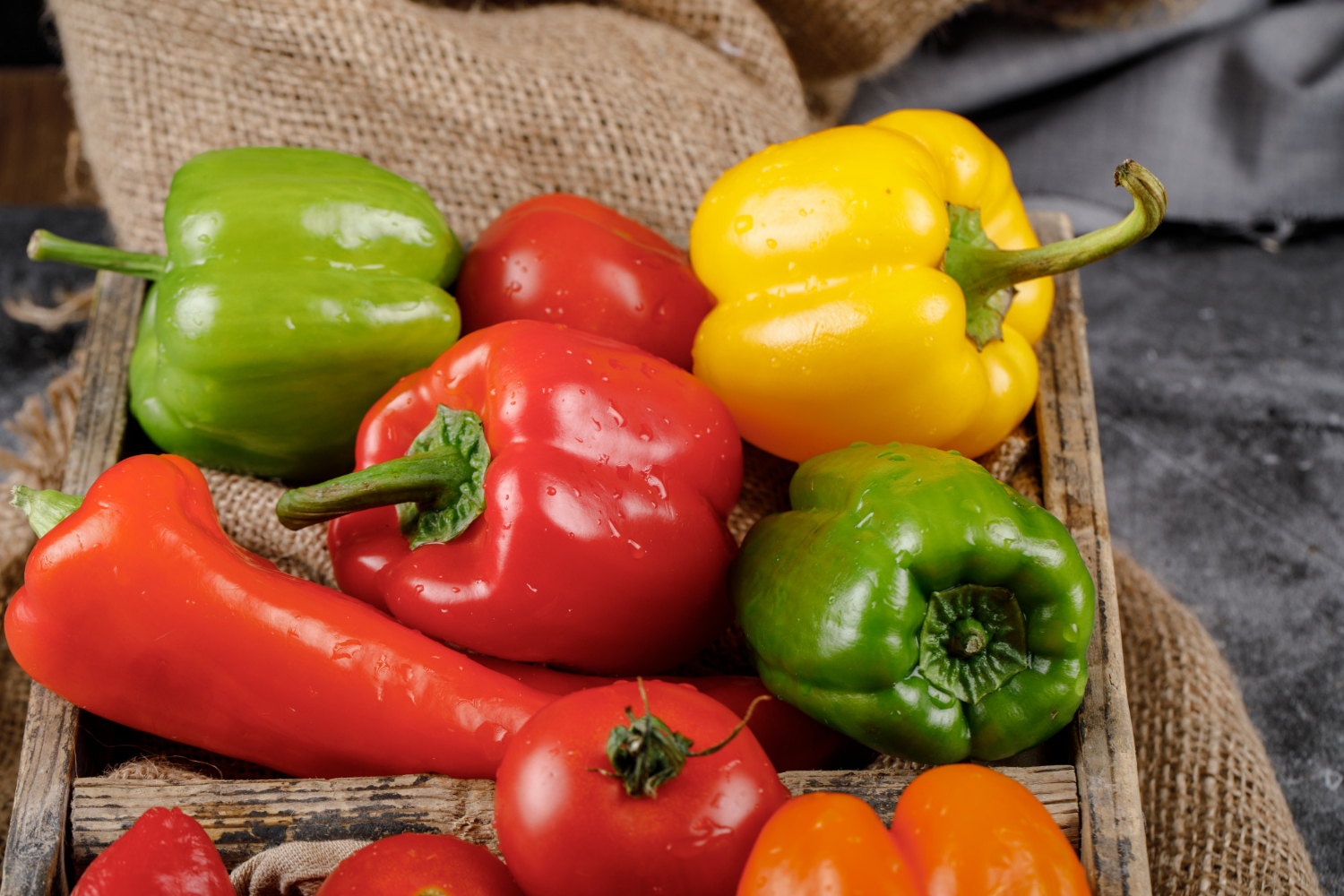
The most sophisticated chilli cooking uses several varieties in one dish, each contributing a different element – colour from one, smoke from another, fruit from a third.
No single chilli does all of it, which is the entire reason the practice developed. Chilli combinations are where the cooking actually happens.
Heat Is the Least Interesting Variable
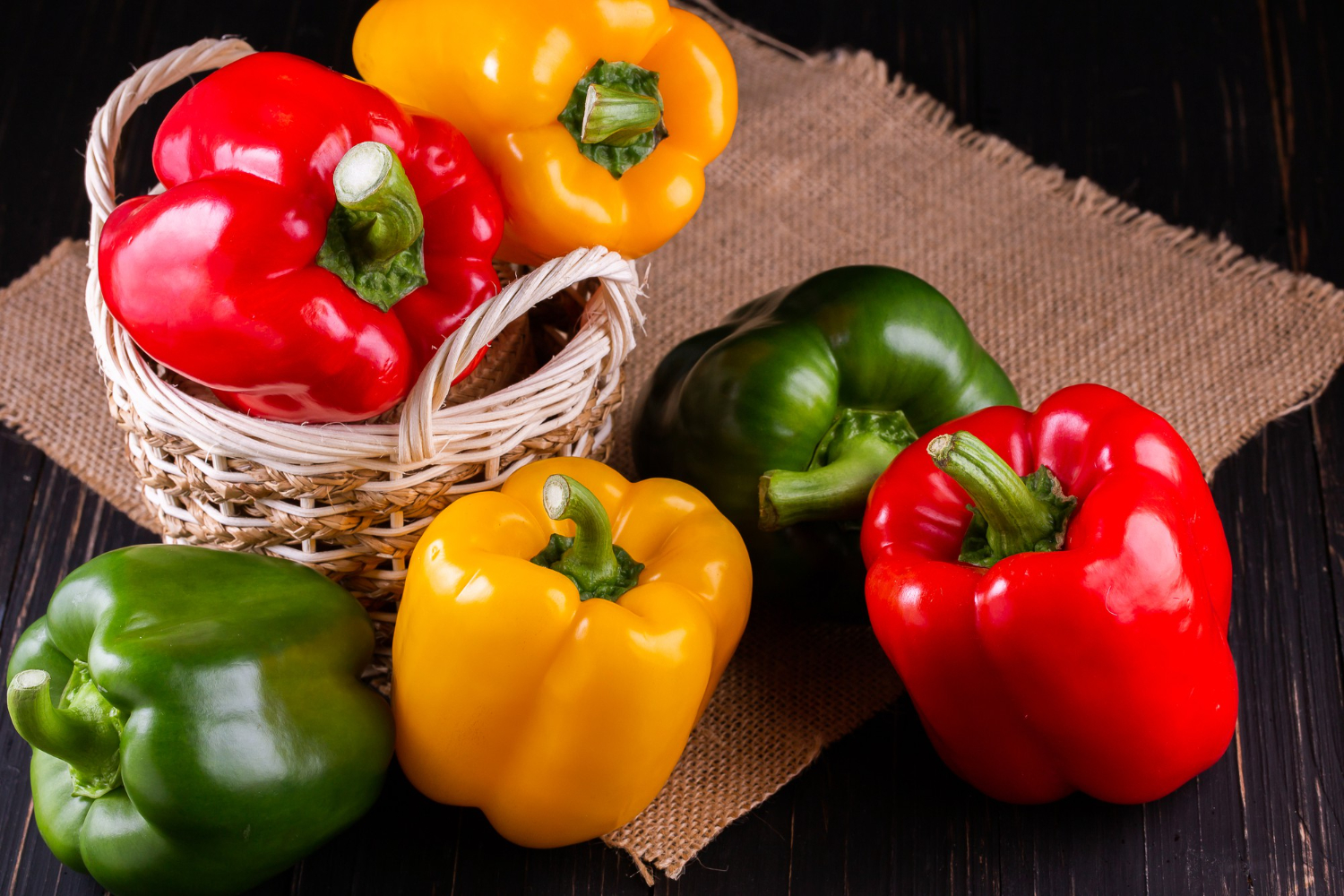
Every entry here is distinguished by something other than how hot it is – colour, smoke, fruit, bitterness, aroma or how it dries. Cooks choosing chillies are choosing all of that, and heat comes along with it.
The practical takeaway is that substituting one chilli for another rarely works, even at matched heat, because the thing being substituted was never really the heat. If a dish tastes wrong with a different chilli in it, that is not a failure of the recipe – it is evidence that the original variety was doing something specific that the replacement does not do.
Like our content? Follow us for more.