

The technical term for this is path dependence: an early decision constrains everything afterwards, not because it was right but because too much was built on top of it. Here are fifteen examples you handle regularly.
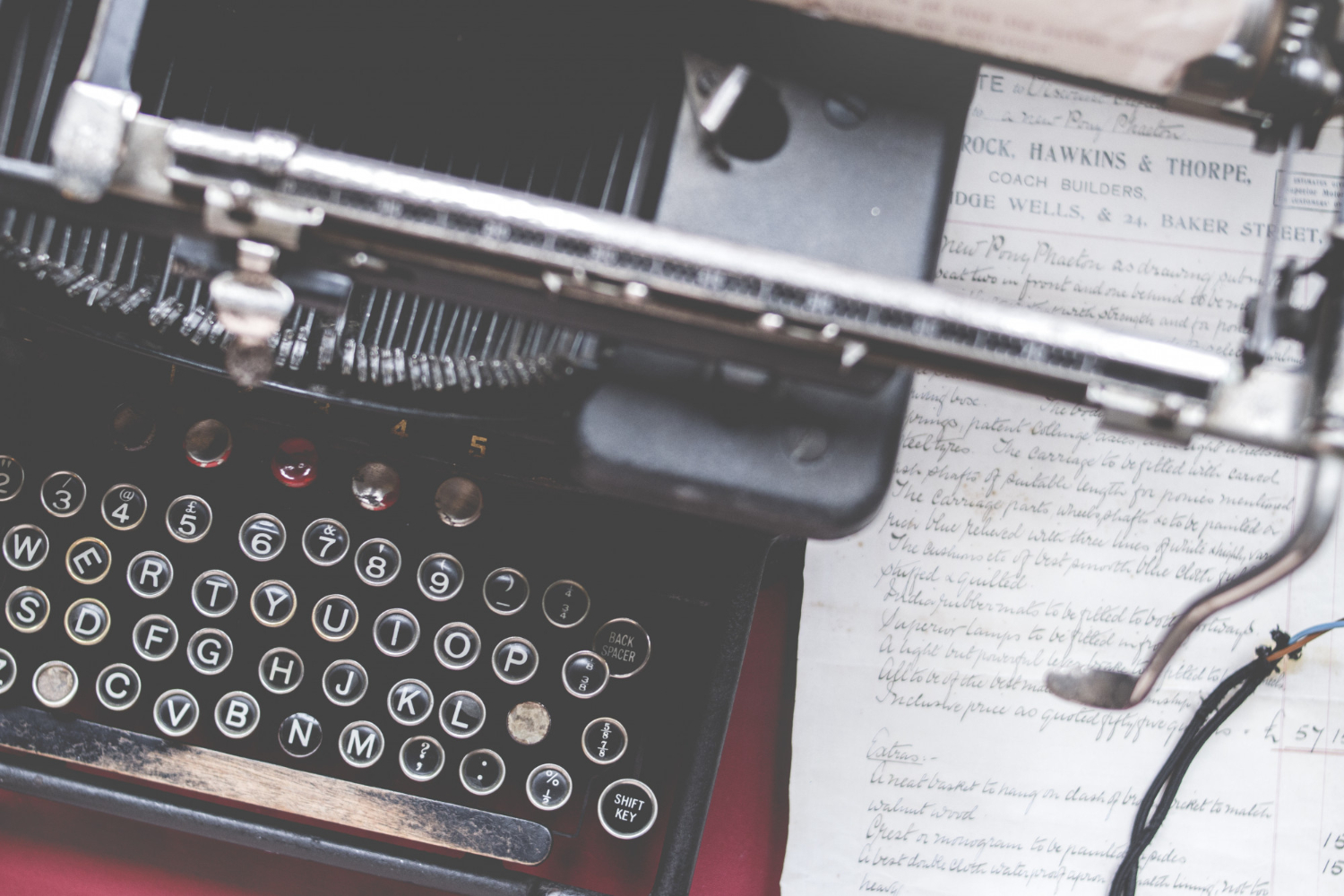
1. The Keyboard Layout

The arrangement of letters was fixed by the mechanics of early typewriters, where levers striking in sequence could collide and jam if common pairs sat too close together.
Historians debate exactly how much of the layout was driven by jamming and how much by other commercial factors, but nobody claims it was optimised for typing speed. The keyboard is the design determined by a mechanical problem that electronic keyboards do not have.
Like our content? Follow us for more.
2. The Standard Railway Gauge

The distance between rails was inherited from earlier wagonways and tramways, and became standard largely because early main lines adopted it and everything afterwards had to connect.
The much-repeated story tracing it to ancient chariot ruts is unreliable and should be treated with caution. The rail gauge is the measurement that spread because incompatibility was expensive.
3. The Shipping Pallet
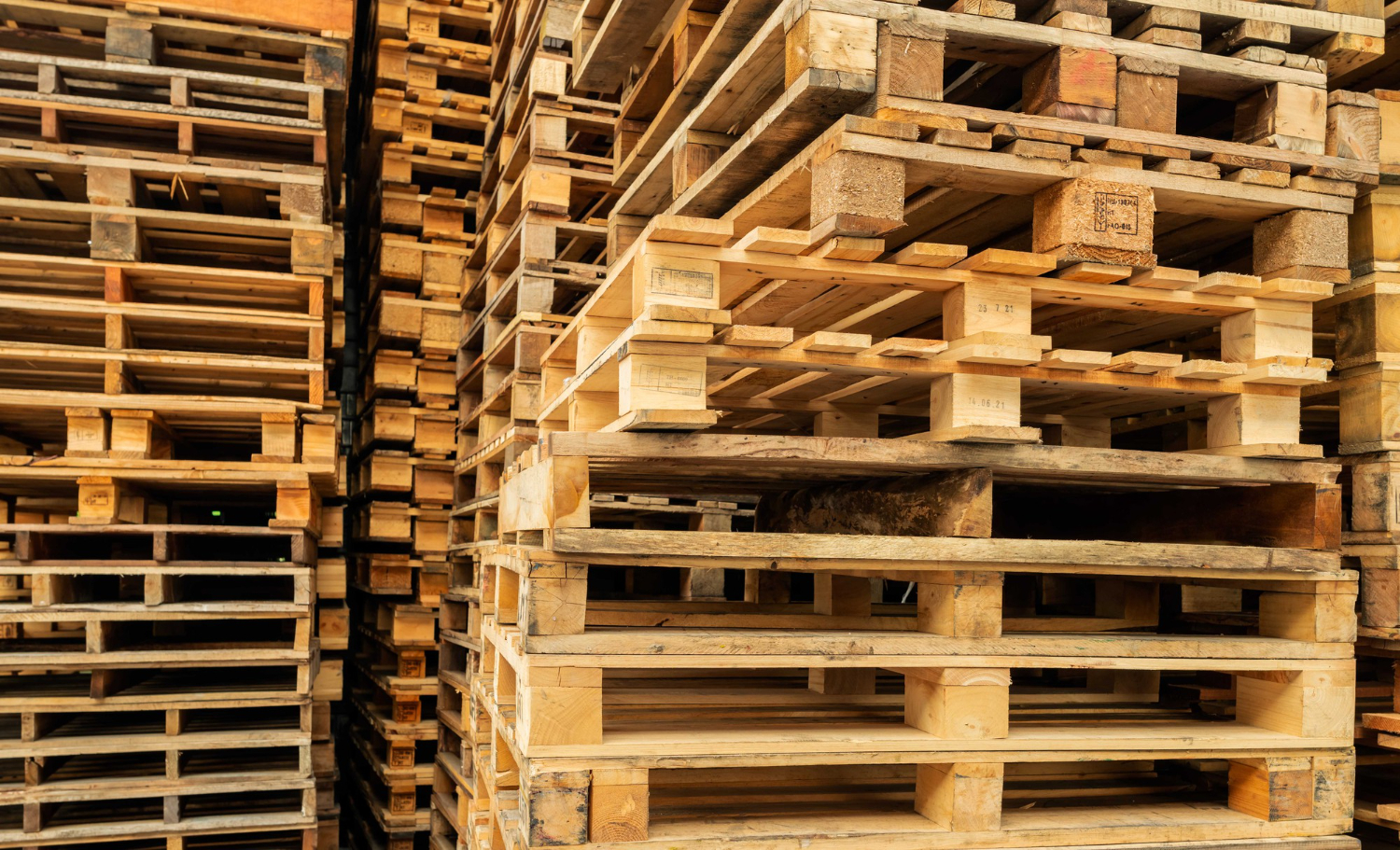
The dimensions of a wooden pallet were fixed by the reach and lift of early handling equipment, and every warehouse, lorry, doorway and shelf has since been built around them.
The equipment changed and the pallet could not. The pallet is the object that now determines the size of the buildings it sits in.
4. Screw Threads

For a long period every workshop cut its own threads, so nothing from one supplier fitted anything from another, and standardisation was adopted to end that.
Once fixed, the standards became effectively permanent, since a changed thread makes every existing fastener useless. Screw threads are the standard that cannot be improved without discarding everything.
5. The Twelve-Hour Clock Face

A dial divided into twelve inherits from much older counting and sundial practice, and persists on analogue faces long after the underlying reasons became irrelevant.
Digital displays were free to do anything and mostly reproduced it. The clock face is the design that survived the removal of its own mechanism.
6. The Piano Keyboard

The pattern of long and short keys was settled on earlier instruments and fixed by the enormous body of music, technique and training built on top of it.
Alternative layouts have been proposed repeatedly and none has displaced it. The piano keyboard is the design protected by everything anyone has learned on it.
7. Brick Size
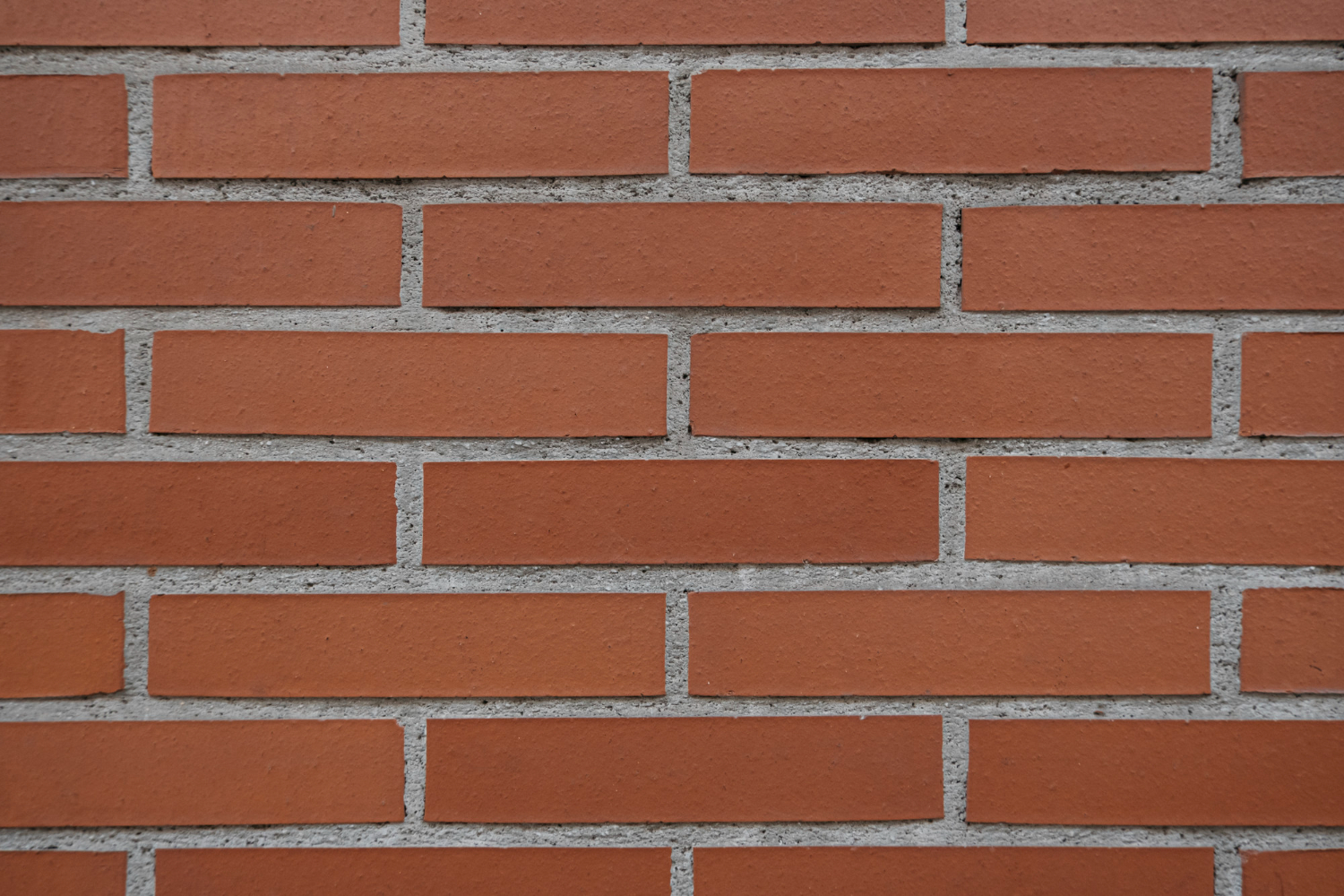
A brick is the size it is because it has to be liftable and placeable with one hand while the other holds a trowel, which fixed the dimensions long before mechanisation.
Machines can now lay anything and bricks remain hand-sized. The brick is the object shaped by a hand that no longer has to hold it.
8. The Wine Bottle Shape

The proportions, the neck and the indentation in the base derive from glassblowing practice, from stacking bottles on their sides, and from handling sediment.
Most modern wine is drunk within a year and needs none of it. The wine bottle is the container still shaped for a storage regime almost nobody uses.
9. Paper Sizes
Sheet dimensions descend either from a mathematical ratio system chosen so that halving a sheet preserves its proportions, or from older conventions about the size of a hand-made sheet.
Everything downstream – envelopes, files, printers, scanners – locked those numbers in permanently. Paper sizes are the dimensions that every other office object had to accommodate.
10. Car Control Layout

The position of pedals, the side of the ignition and the arrangement of the main controls were settled early and standardised for safety, so that a driver can move between vehicles.
The reasons for the original choices are largely obsolete; the reason for keeping them is not. The car layout is the design frozen deliberately because familiarity is the safety feature.
11. Door and Stair Dimensions

Ceiling heights, door sizes and the rise and going of a staircase follow conventions established long ago and now embedded in building practice and regulation.
A stair built to unfamiliar proportions feels wrong to walk on regardless of whether it is geometrically better. Building dimensions are the standards enforced by the body rather than by the rules.
12. Photographic Formats

The width of the film that dominated photography was itself borrowed from motion-picture stock, and that dimension still describes digital sensor sizes and lens designations.
No film is involved and the number persists. Photographic formats are the measurements that outlived the material they measured.
14. The Shape of a Shipping Container

The dimensions were set to match road vehicle limits of a particular period, and every crane, ship, chassis and terminal has since been built to them.
Changing them now would require rebuilding global infrastructure simultaneously. The container is the standard that became too expensive to improve.
15. Imperial Sizes That Survive in Pockets
Certain industries retain older fastener, pipe or fitting sizes long after the surrounding economy converted, because the installed base is enormous and mixing systems is worse than either alone.
Conversion is technically trivial and practically impossible. Surviving imperial sizes are the standards kept alive by everything already installed.
The Constraint Left, the Shape Stayed
Every design here was a sensible answer to a real problem, and every one is now maintained by the cost of coordination rather than by the reason it was adopted. That is not stupidity; it is arithmetic.
The pattern is worth recognising because it applies far beyond objects. Wherever something looks arbitrary and everybody uses it anyway, the likely explanation is that it was decided early, enough was built on top of it, and the cost of everyone changing simultaneously now exceeds the benefit of anyone changing at all.
Like our content? Follow us for more.
