

For two decades, the world’s famous “Blue Zones” — the handful of regions where people live extraordinarily long, healthy lives — have all shared a certain sunny, Mediterranean-or-tropical character: Sardinia, Ikaria, Okinawa, Nicoya. So it came as a surprise when researchers recently proposed a new candidate in a place known more for long dark winters than for longevity: Western Finland. The finding, alongside fresh research defending the scientific validity of the original Blue Zones, has reignited one of the most fascinating questions in human health — why do people in certain places routinely live past 90 and 100, and what can the rest of us learn from them? The answer, it turns out, has surprisingly little to do with sunshine. Here’s what researchers have found, why Finland made the list, and what it might mean for the rest of us.
This is general information about longevity research, not medical or dietary advice — individual health depends on many factors, and anyone making significant lifestyle changes should consult their own doctor. With that said, the science here is genuinely fascinating.
What a “Blue Zone” Actually Is
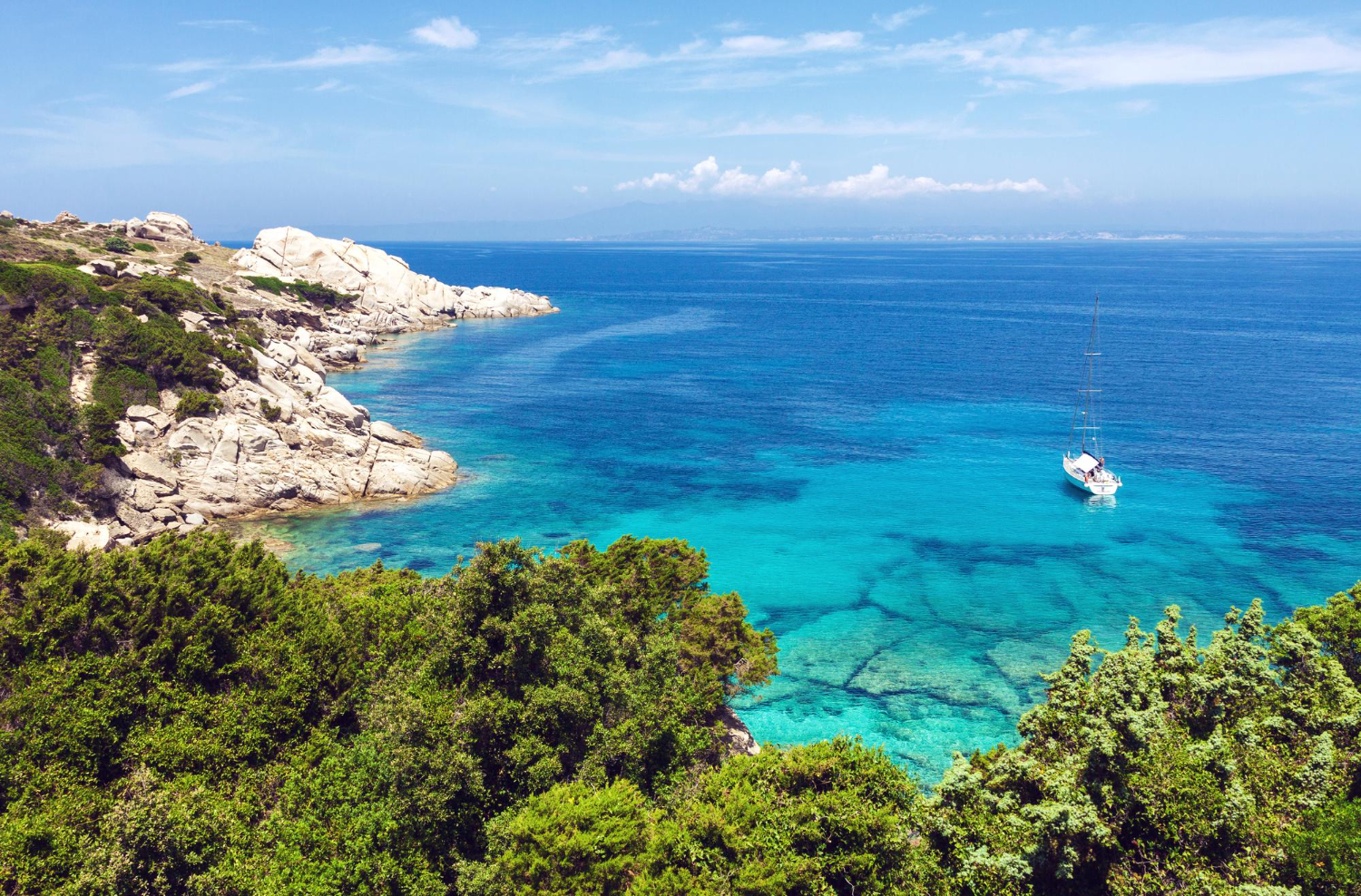
The term Blue Zone was popularized about two decades ago to describe regions with an unusually high concentration of people living into their 90s and past 100 in good health. The classic, most-cited examples are Sardinia (Italy), Okinawa (Japan), Nicoya (Costa Rica), Ikaria (Greece), and Loma Linda (California). Researchers have credited the longevity in these places to a cluster of shared factors — a largely plant-based diet, constant natural physical activity, strong social bonds, a sense of purpose, and low chronic stress. The concept captured the public imagination as a real-world model for how environment and lifestyle, not just genetics, shape how long and how well we live.
The New Candidate: Western Finland
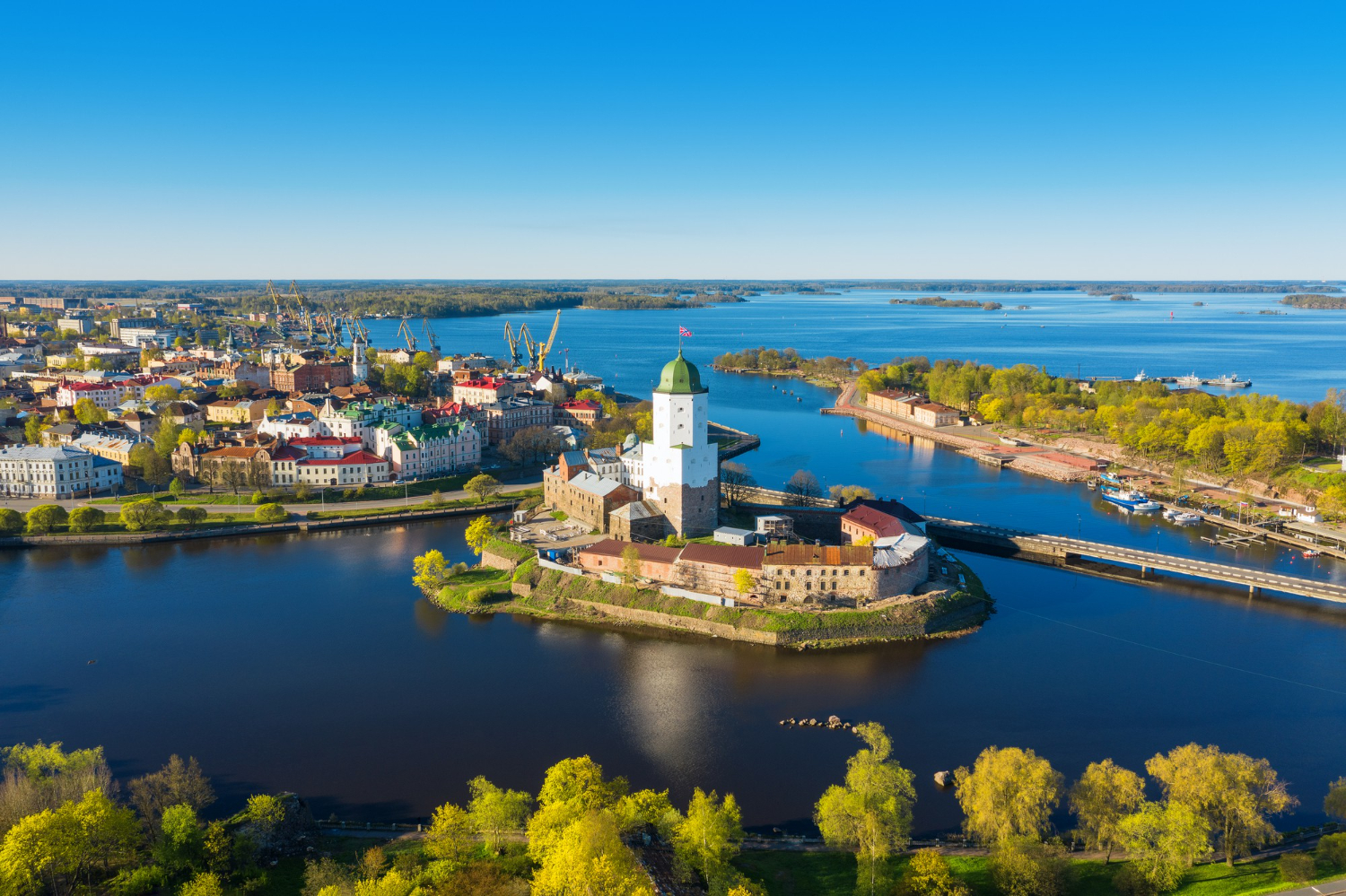
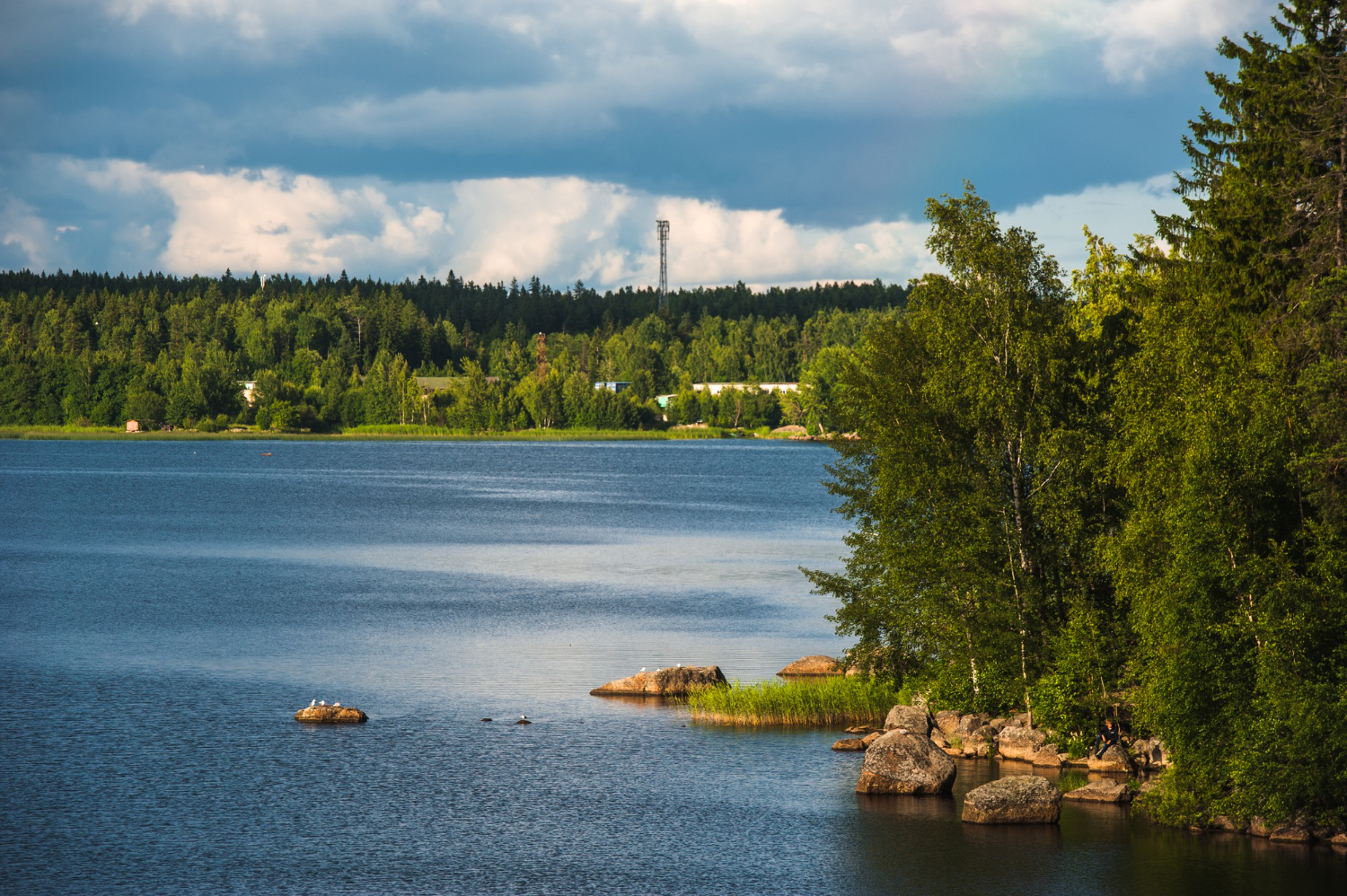
The surprising new candidate comes from researchers at Åbo Akademi University in Finland, whose “Blue Zones in the Nordics” project argues that Western Finland — particularly the Swedish-speaking region of Ostrobothnia — may fit the criteria of a longevity hotspot. This is a genuinely unexpected location, far from the warm climates of the classic Blue Zones, suggesting that exceptional longevity isn’t tied to sunshine or a Mediterranean setting. The researchers themselves note that more demographic study is needed to verify the exceptional life expectancy in the region, particularly among its Swedish-speaking community, but the candidacy alone has expanded the conversation about where and why people thrive into old age.
Why Finland Makes a Surprising Kind of Sense
On reflection, Finland’s candidacy is less surprising than it first appears. The Nordic nation routinely tops global happiness rankings, buoyed by a culture of quiet contentment, excellent public services, a strong emphasis on work-life balance, a deep connection to nature, and relatively low inequality. While Finland doesn’t have a glamorous culinary reputation, the traditional diet is healthier than many — built around wholemeal grains and plenty of cold-water fish. The combination of social stability, access to nature, low stress, strong community ties, and a reasonable traditional diet maps closely onto the factors researchers associate with the original Blue Zones, even in the absence of warm weather and Mediterranean food.
The Original Blue Zones Just Got Scientific Backing
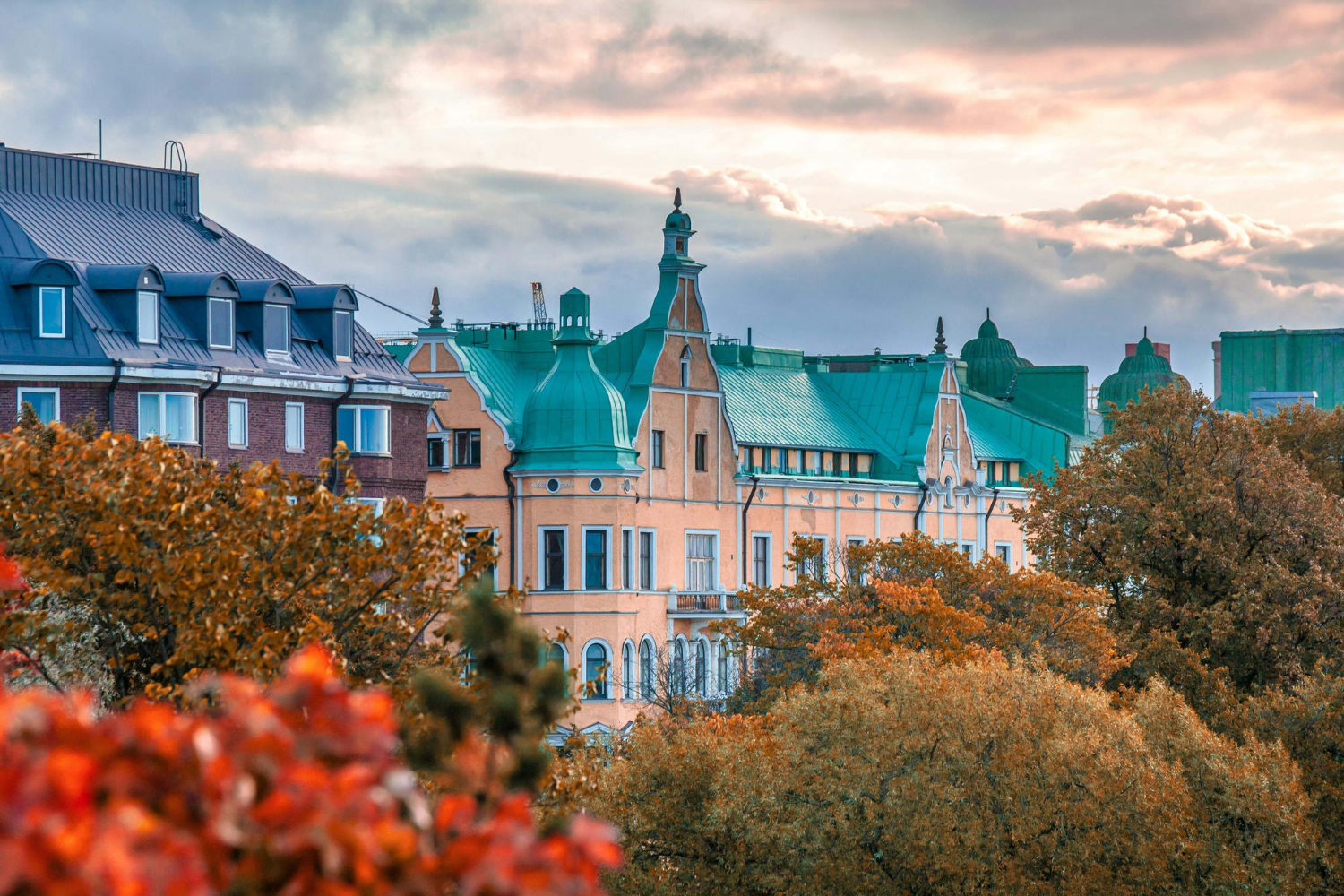
The Finland finding arrives at a moment when the Blue Zones concept itself has been both challenged and defended. Some researchers had questioned whether the original zones’ longevity claims rested on poor record-keeping or age-reporting errors. But new peer-reviewed research published in late 2025 in the journal The Gerontologist — co-authored by one of the original Sardinian Blue Zone researchers — re-examined the data and concluded that the original Blue Zones meet, and frequently exceed, the strict validation criteria used worldwide to confirm exceptional human longevity, citing rigorous verification of birth, baptismal, marriage, military, and death records. The exchange has ultimately strengthened the scientific footing of the Blue Zones idea, affirming that these longevity hotspots are real and measurable.
A Common Thread: Isolation
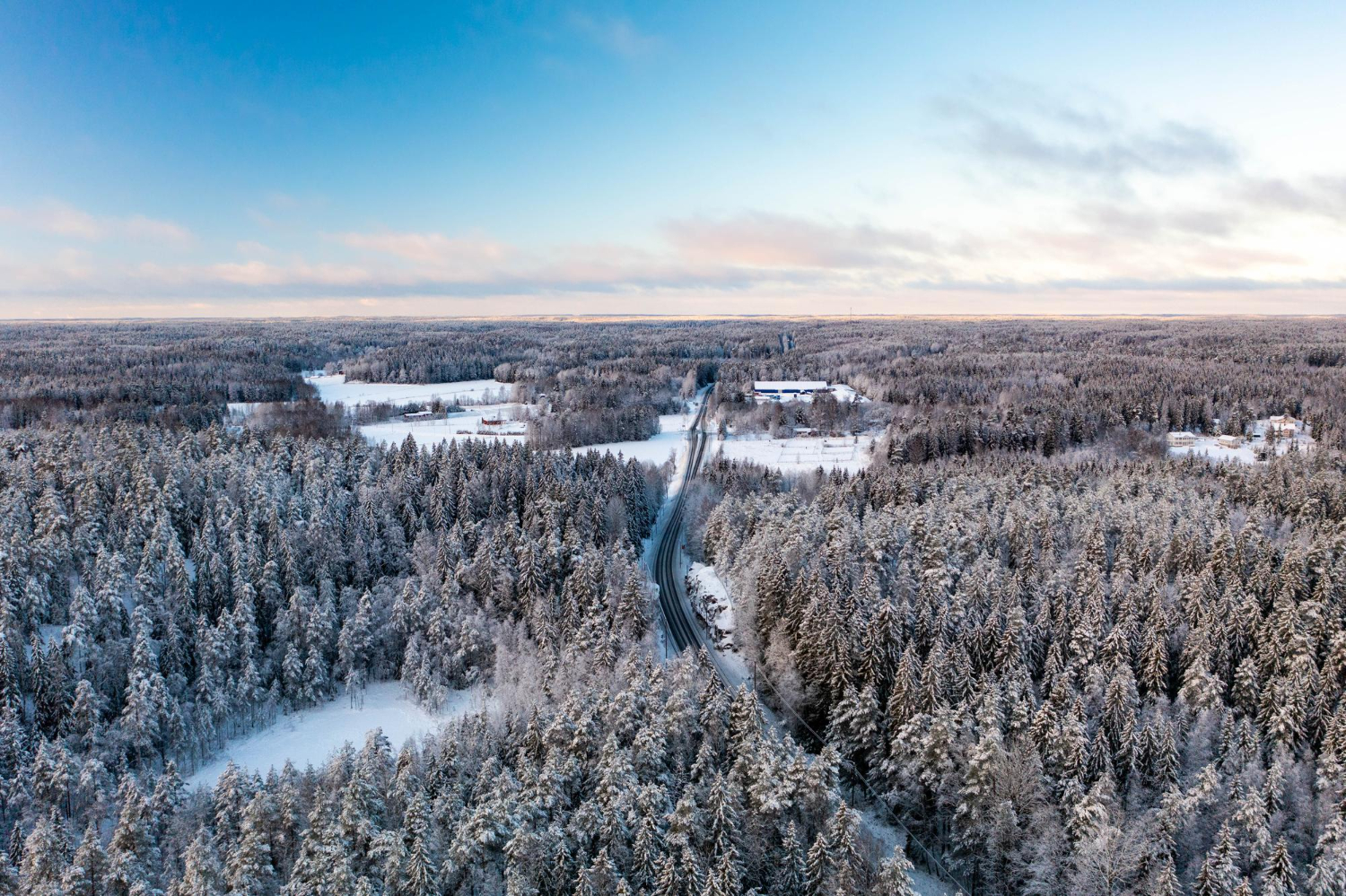
One intriguing pattern researchers have noted across the classic Blue Zones is relative isolation. Sardinia, Ikaria, and Okinawa are islands or large sections of islands; Nicoya is a peninsula that was historically difficult to access. This isolation may have allowed each area to preserve its own dialect, culture, diet, and genetics, and to maintain traditional ways of living — including diet and tight community bonds — longer than more connected places. The Swedish-speaking community of Western Finland, a distinct cultural and linguistic group, fits this pattern of a somewhat insular community maintaining its own traditions, which may be part of why it caught researchers’ attention as a potential longevity hotspot.
What These Places Have in Common

Across all the Blue Zones, classic and proposed, researchers consistently identify a similar cluster of lifestyle factors rather than any single magic ingredient: a diet heavy in plants, whole grains, legumes, and (in coastal zones) fish, with relatively little processed food; constant natural, low-intensity physical activity woven into daily life rather than formal exercise; strong, sustained social connections and community involvement; a clear sense of purpose; and lower chronic stress. No single one of these explains exceptional longevity; it’s the combination, sustained over a lifetime within a supportive environment, that appears to matter. This consistency across wildly different cultures and climates is exactly what makes the Blue Zones concept so compelling.
What It Means for the Rest of Us
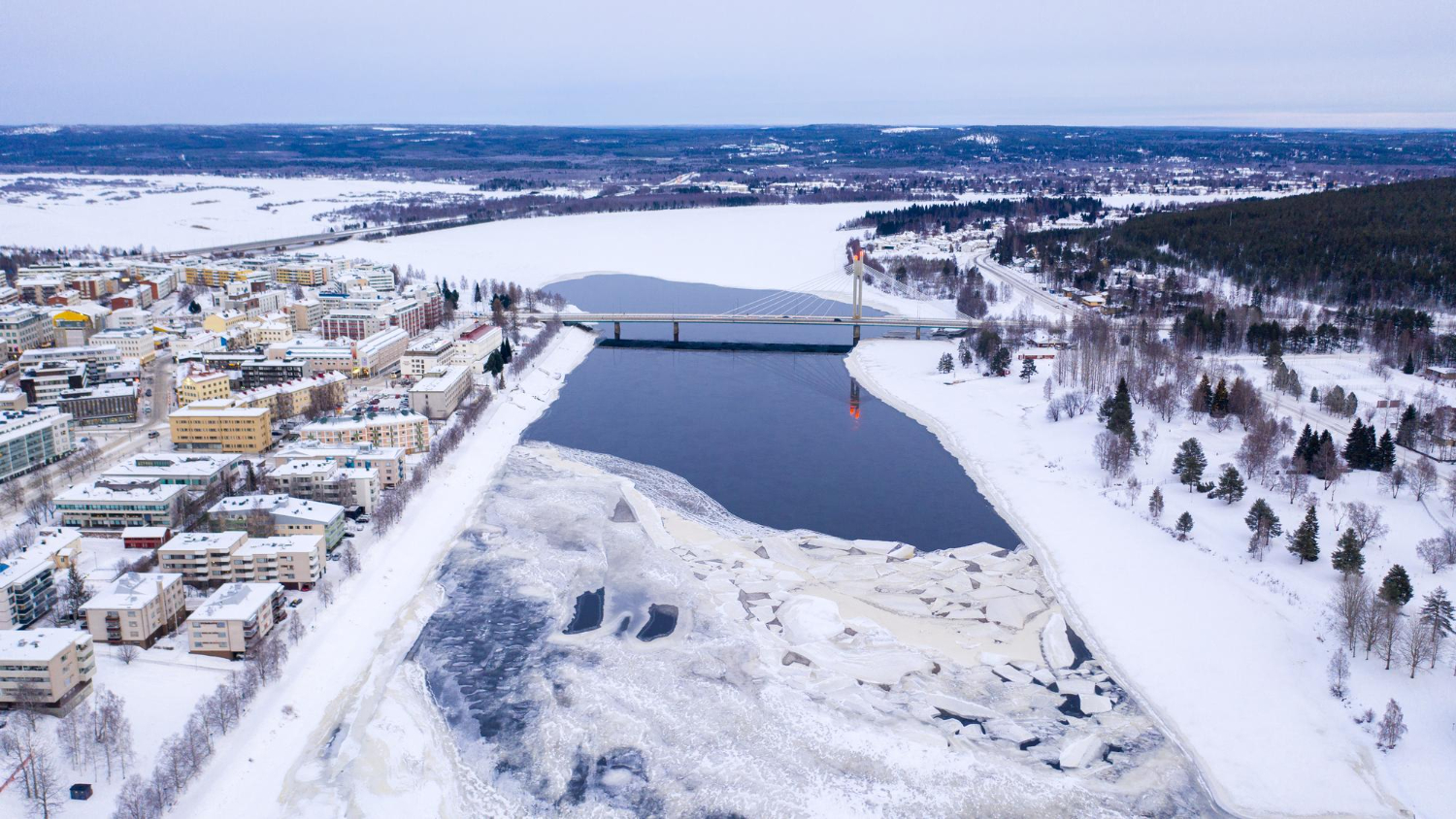
The genuinely useful takeaway from Blue Zones research, including the new Finland candidate, isn’t that you need to move to Sardinia or Ostrobothnia. It’s that the factors associated with long, healthy lives are largely things ordinary people can move toward: eating more plants, whole grains, and less processed food; staying naturally active throughout the day; nurturing close relationships and community; maintaining a sense of purpose; and managing stress. As the creator of the Blue Zones concept has noted, the lessons from the world’s longest-lived people offer sound strategy for a healthier life anywhere, not as a promise of immortality but as inspiration for building environments and habits that support healthier, more connected living at any age. The new Finnish candidate reinforces the most encouraging part of the whole idea: that exceptional longevity isn’t reserved for sunny islands or lucky genetics, but emerges from a way of living that, in its broad strokes, is available almost anywhere.
It’s Not Just the Diet
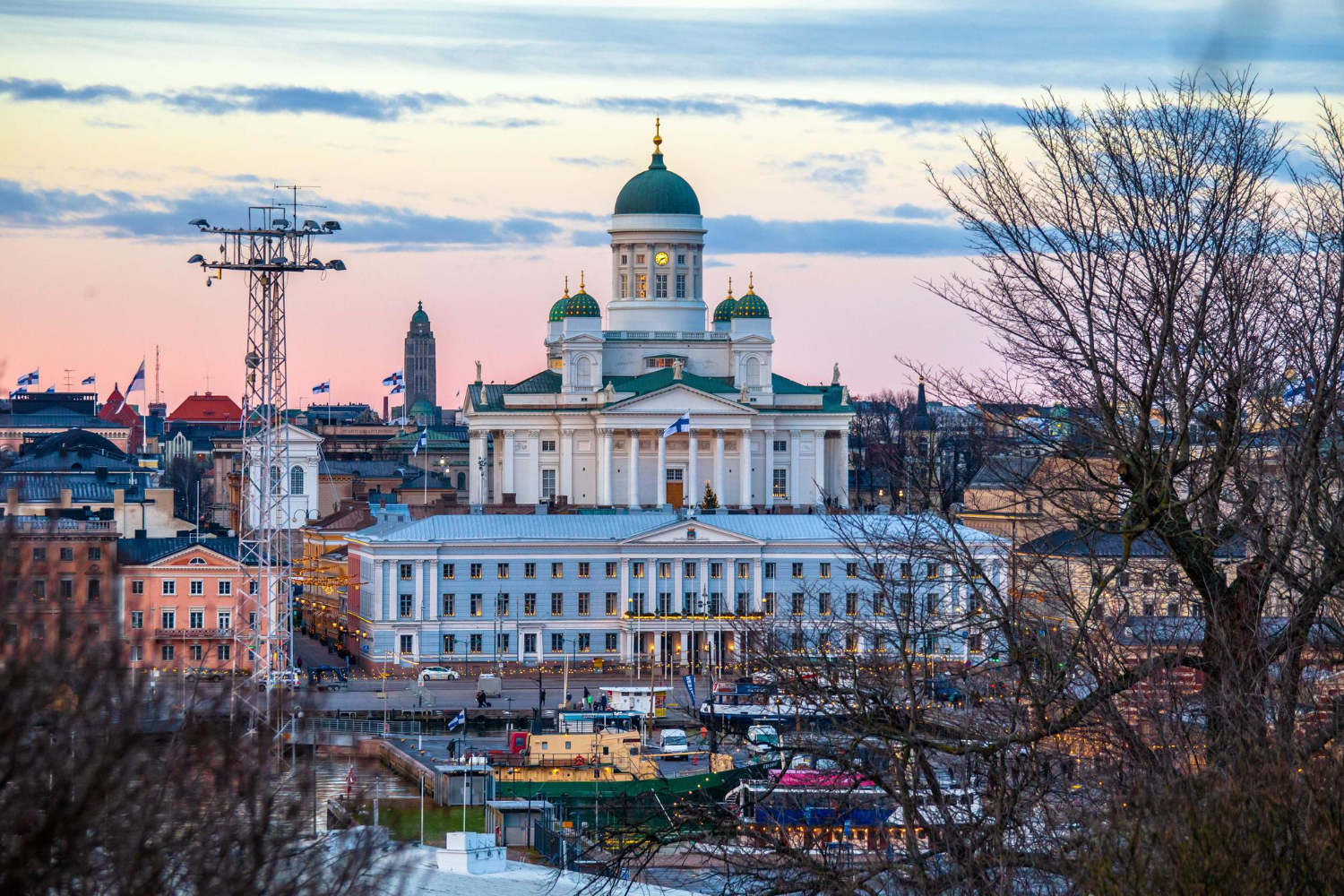
One of the most important and frequently-missed lessons of Blue Zones research is that diet is only part of the picture. The long-lived populations don’t just eat well — they move naturally and constantly throughout the day (walking, gardening, manual work, navigating hilly terrain) rather than relying on formal exercise; they maintain dense, lifelong social connections and a strong sense of belonging to a community; they tend to have a clear sense of purpose; and they live with lower chronic stress. Researchers increasingly emphasize that these social and lifestyle factors may be every bit as important as the food. The Finnish candidate fits this perfectly: the region’s appeal isn’t just the diet of wholemeal grains and cold-water fish, but the broader Finnish context of strong public services, work-life balance, deep connection to nature, social trust, and low inequality. This is genuinely encouraging, because it means the path toward a longer, healthier life runs through ordinary, accessible things — how you move, who you spend time with, and whether your life has purpose and reasonable calm — not just what’s on your plate.
The Bottom Line
The proposal of Western Finland as a potential new Blue Zone, combined with fresh scientific validation of the original regions, marks an exciting moment in longevity research. It challenges the assumption that thriving into old age requires a warm climate or a Mediterranean diet, pointing instead to a deeper and more portable set of factors — diet, daily movement, social connection, purpose, and low stress — that appear to drive exceptional longevity across cultures and climates. While researchers are careful to note that the Finnish finding requires further verification, and while the Blue Zones concept continues to be refined and debated, the central insight has only grown stronger: exceptional longevity is real, it can be measured, and it offers genuine, hopeful lessons for the rest of us. The healthiest places on earth, it turns out, may have less in common with a postcard and more in common with a way of life — one centered on good food, natural movement, strong community, and purpose, available to anyone willing to build it.
Like our content? Follow us for more.
