Rice seems like the simplest thing in the world to cook, just rice and water, and yet it goes wrong constantly, turning out gummy, undercooked, or burnt on the bottom. The frustrating part is that most people assume the problem is the rice itself, a bad batch, an unreliable brand, when in reality the culprit is almost always one of a handful of small technique mistakes made along the way. The good news is that professional cooks rely on a handful of consistent techniques that make perfectly fluffy rice almost foolproof once you know them. Here are six chef secrets for cooking rice perfectly every time, one by one.
1. Rinse the Rice Until the Water Runs Clear
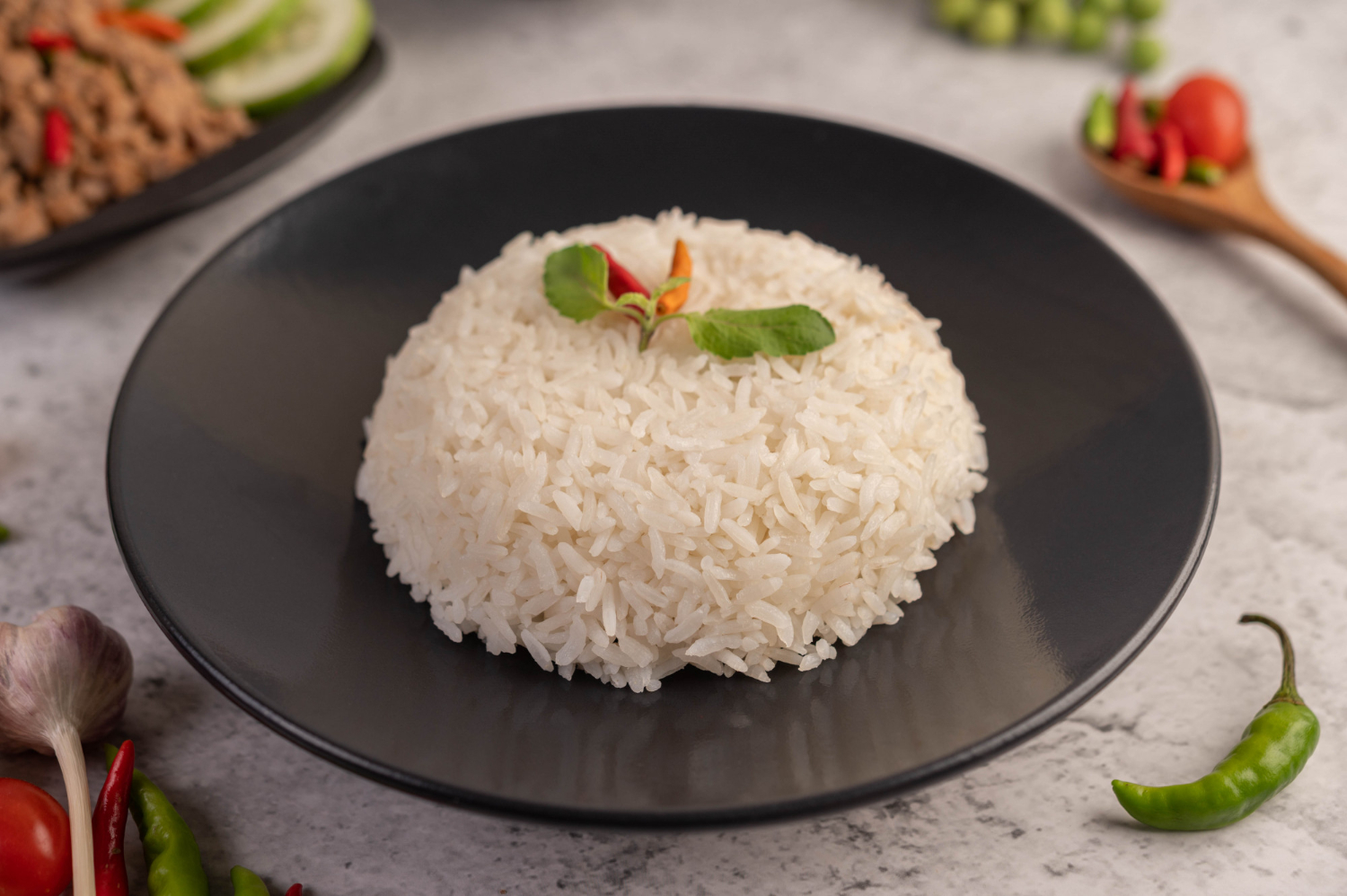
Rinsing removes excess surface starch. Skipping it is the single biggest cause of gummy rice.
The single most common rice mistake is skipping the rinse. Raw rice is coated in loose surface starch, and cooking it straight from the bag traps that starch in the pot, resulting in clumpy, gluey rice. Rinsing the rice in a fine mesh strainer under cold water, swishing it around until the water runs mostly clear, removes that excess starch before it ever hits the heat. This usually takes two or three changes of water, and it’s worth being patient rather than rushing through a single quick pass. Rinsing the rice until the water runs clear is the foundational chef secret behind fluffy rice, the simple step that prevents the gumminess most home cooks mistakenly blame on the rice itself rather than the missing rinse.
Like our content? Follow us for more.
2. Use the Right Water-to-Rice Ratio, and Measure It
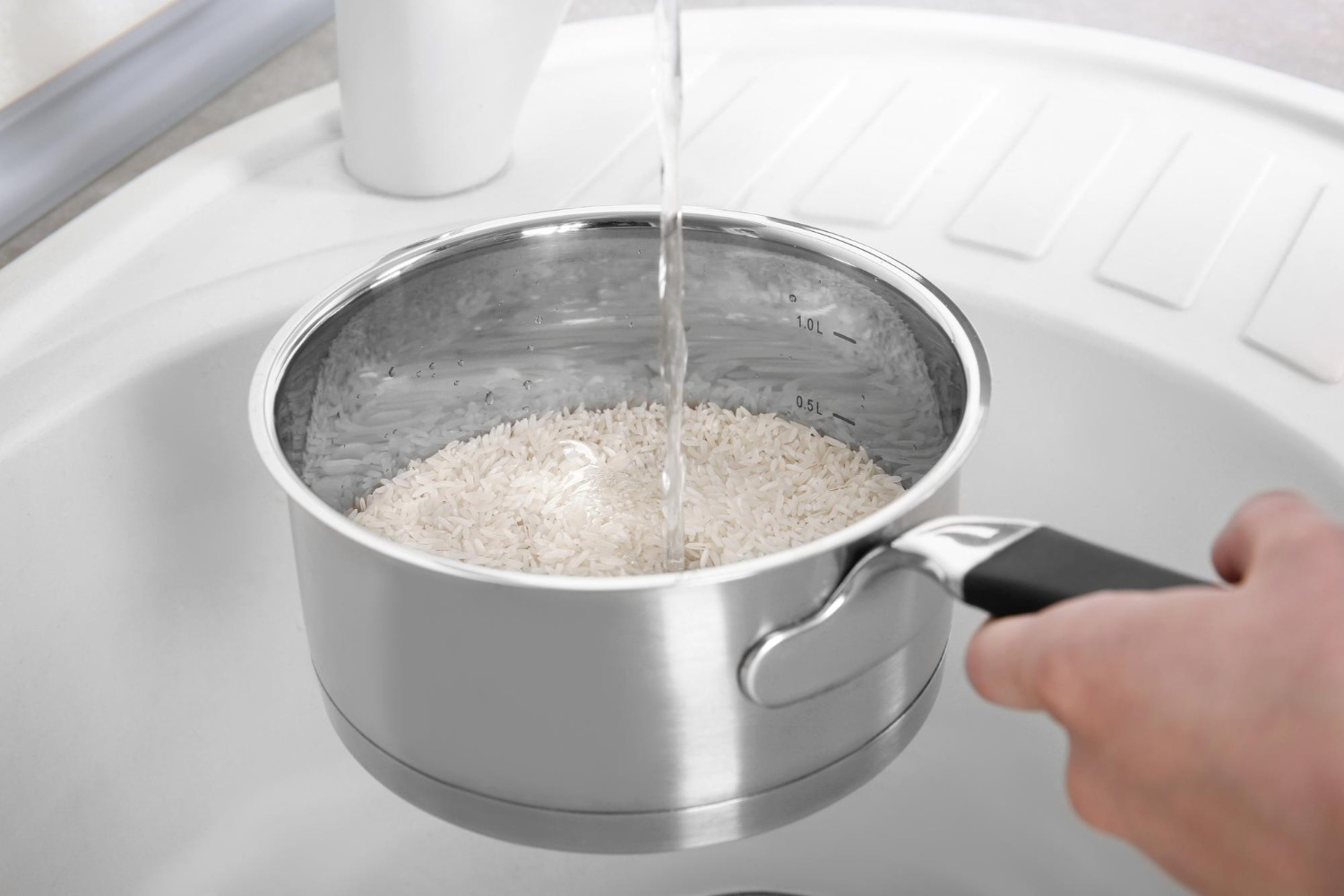
Precise ratios matter more than eyeballing. Different rice types need different amounts of water.
Eyeballing the water level is a common shortcut that leads directly to undercooked or mushy rice, since different rice varieties genuinely need different ratios, generally around 1:1.5 for long-grain white rice, but noticeably different for brown, jasmine, or basmati. Measuring precisely, rather than guessing, removes most of the guesswork entirely. It’s also worth checking the specific ratio recommended on the package for the exact variety you’re using, since brands and processing methods can shift the ideal amount slightly. Using the right water-to-rice ratio and actually measuring it is a core chef secret, the precise foundation that eliminates the inconsistency most home cooks experience from one batch to the next.
3. Let It Simmer Undisturbed, Don’t Lift the Lid
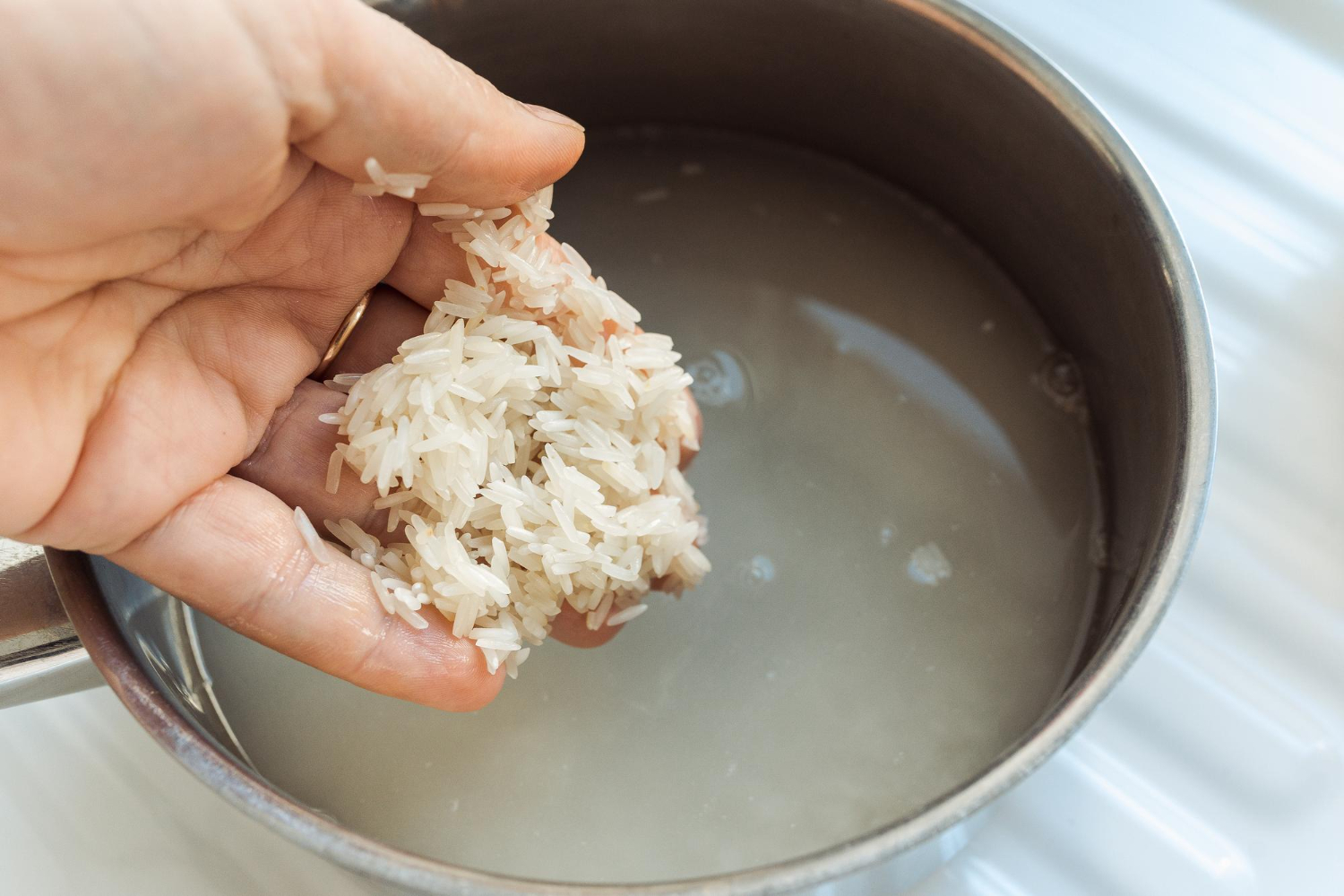
Constant peeking releases steam and disrupts cooking. A closed lid maintains even, consistent heat.
Once the rice reaches a simmer and the lid goes on, the temptation to lift it and check is strong, but every peek releases trapped steam that the rice needs to cook evenly, extending the cooking time and often resulting in unevenly cooked grains. Professional cooks resist this urge entirely, trusting the timer instead. Letting it simmer undisturbed without lifting the lid is a crucial chef secret, the discipline that preserves the steady, even heat rice genuinely needs to cook through properly from top to bottom.
4. Let It Rest Off the Heat Before Fluffing
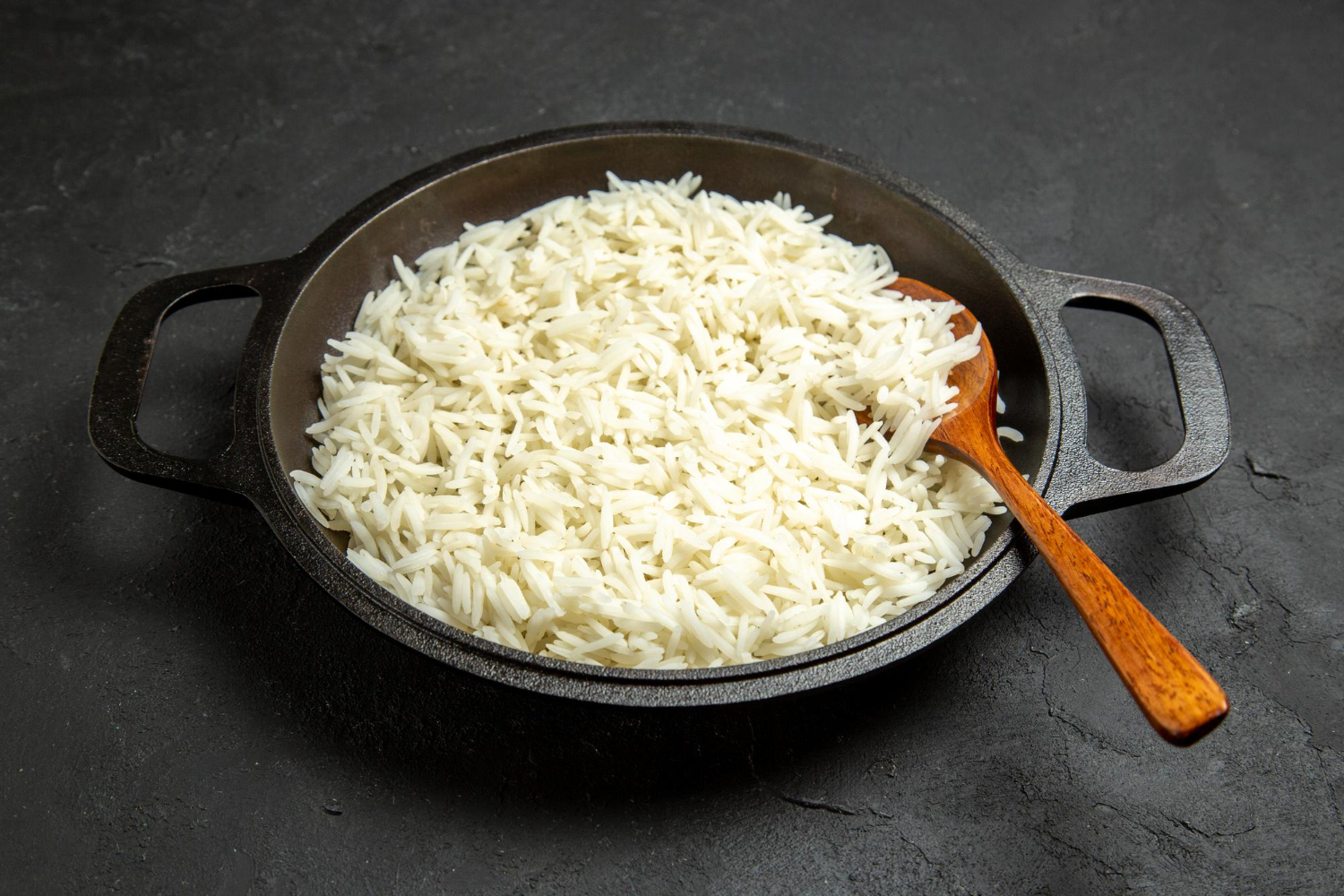
A resting period redistributes moisture evenly. Fluffing too early leads to a wetter, clumpier texture.
After the cooking time is up, professional cooks pull the pot off the heat entirely and let it rest, still covered, for about ten minutes before touching it. This resting period allows the remaining steam to redistribute moisture evenly throughout the pot, rather than concentrating unevenly if fluffed immediately. Skipping this step is easy to do when you’re hungry and the rice smells done, but the improvement in texture is genuinely noticeable if you can wait it out. Letting it rest off the heat before fluffing is an often-skipped chef secret, the patience-testing final step that noticeably improves texture and prevents the wet, clumpy bottom layer that rushed rice often develops.
5. Fluff With a Fork, Never Stir With a Spoon
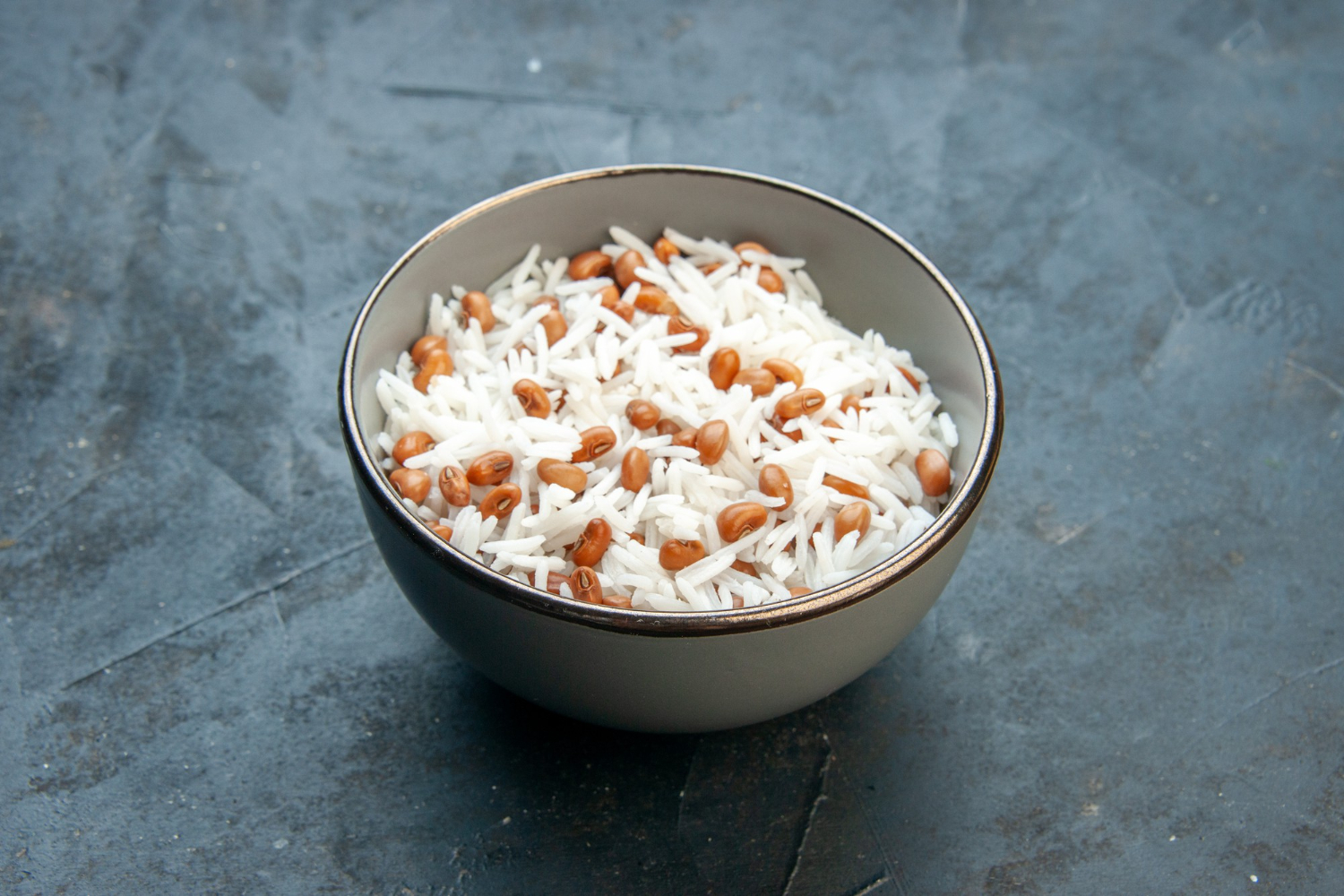
Fluffing separates grains gently. Stirring crushes them and releases excess starch.
Once the resting period ends, how you handle the finished rice matters more than most people realize. A fork, gently lifted and turned through the grains, separates them without crushing, while a spoon, especially stirred vigorously, breaks grains apart and releases even more starch, undoing much of the earlier rinsing work. Fluffing with a fork, never stirring with a spoon, is a small but meaningful chef secret, the finishing touch that preserves the light, separate texture that distinguishes genuinely well-cooked rice from a dense, sticky mass.
6. Add Salt and Fat Before Cooking, Not After
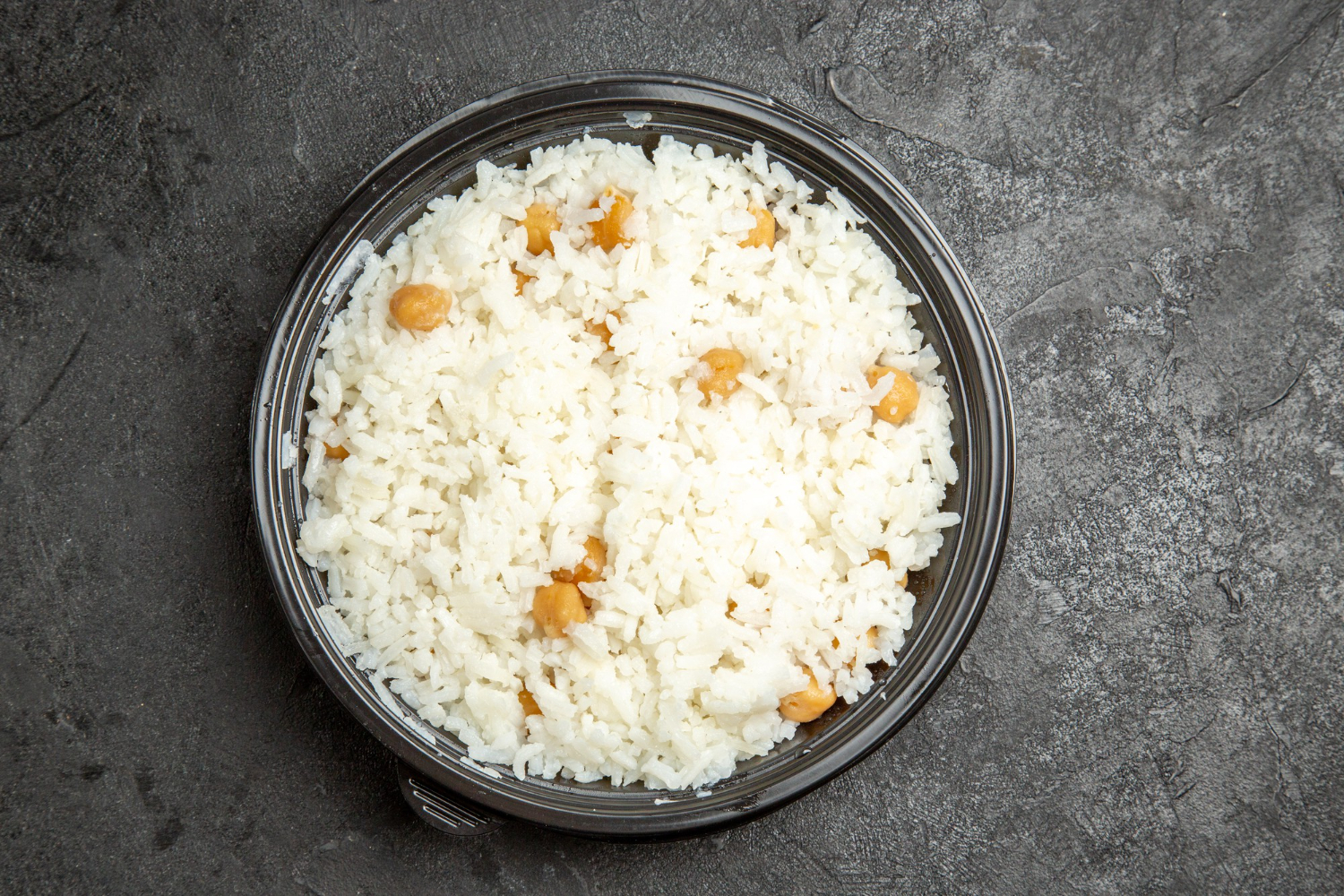
Seasoning early lets flavor absorb into each grain. Adding it after leaves the rice tasting flat.
Salt and a small amount of fat, butter or oil, added to the pot before cooking begins, get absorbed into each grain as the rice cooks, building flavor from the inside out. Seasoning only after the rice is done leaves it tasting flat no matter how much salt gets sprinkled on top afterward. Adding salt and fat before cooking, not after, is the final chef secret, the early seasoning step that ensures every single grain carries genuine flavor rather than relying on a surface-level fix at the end.
Six Small Steps, a Big Difference
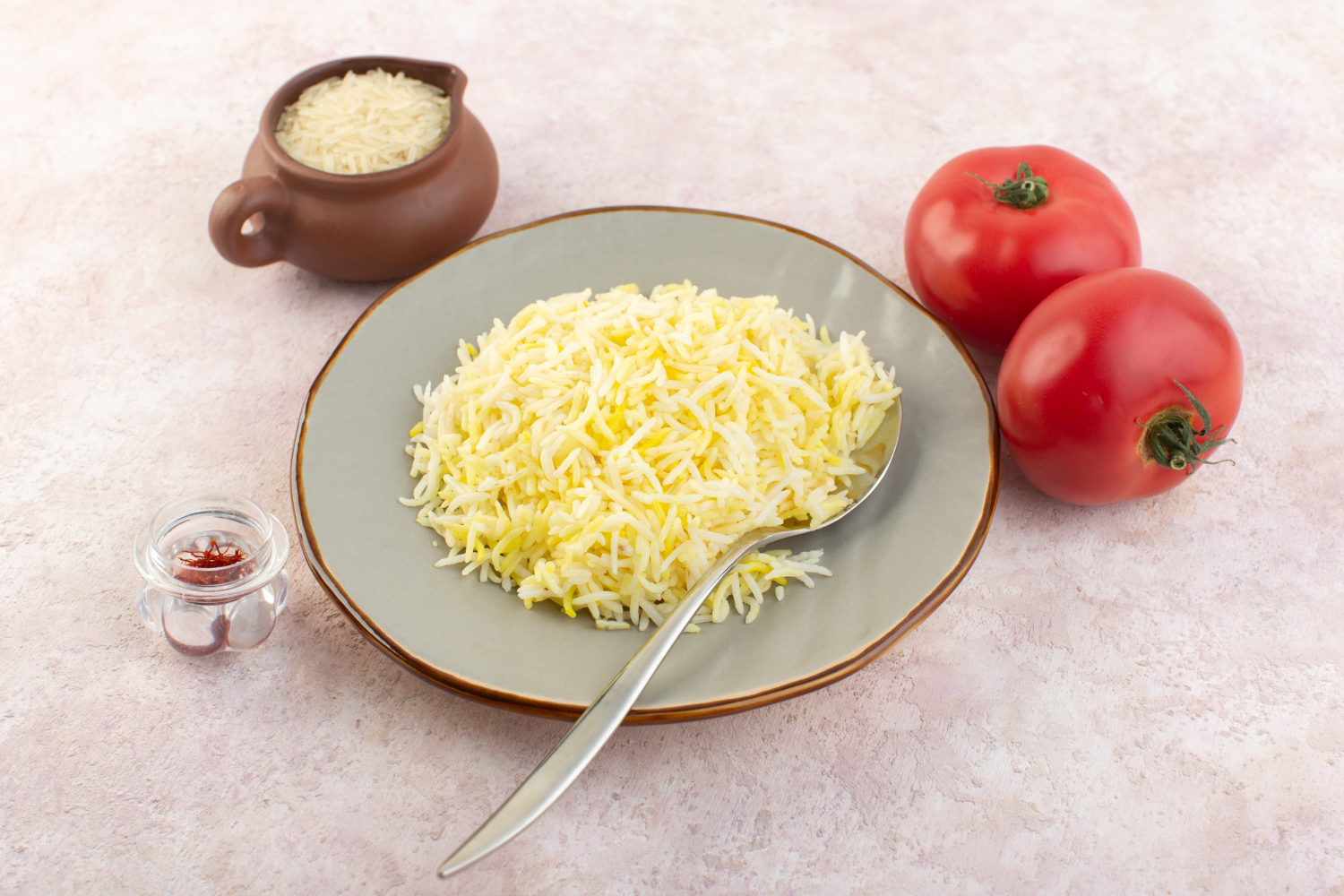
Taken together, these six chef secrets, rinsing thoroughly, measuring precisely, resisting the urge to peek, resting before fluffing, using a fork instead of a spoon, and seasoning early, transform rice from an unpredictable side dish into something genuinely reliable every single time. None of it requires special equipment, just a bit of technique and patience.
What separates professional-quality rice from the average home-cooked pot usually isn’t the rice itself, it’s these small, consistent habits applied every time. Once these techniques become second nature, perfectly fluffy rice stops feeling like a matter of luck and starts feeling genuinely reliable, whether it’s a simple weeknight side dish or the base for a more elaborate meal. A few extra minutes of care at each step pays off in noticeably better texture and flavor every time you make it.
It’s also worth remembering that these techniques apply broadly across most common rice varieties, even though exact ratios and cooking times will shift depending on whether you’re working with long-grain white, basmati, jasmine, or brown rice. Brown rice in particular benefits from a longer cook time and a slightly more generous water ratio, since the intact bran layer takes longer to soften. Once you’ve internalized the underlying principles, rinsing, precise measuring, patience with the lid, a proper rest, gentle fluffing, and early seasoning, adapting to a new variety or a new recipe becomes far less intimidating, and the payoff in consistent, restaurant-quality results is well worth the small amount of extra attention each step requires.
A few other small factors can make a further difference once the six core techniques are second nature. The type of pot matters more than most people expect, a heavy-bottomed pot with a tight-fitting lid distributes heat far more evenly than a thin, cheap one, reducing the risk of scorching on the bottom while the top layer remains undercooked. Toasting the rinsed and dried rice briefly in a bit of the cooking fat before adding water, a technique borrowed from pilaf-style cooking, can also deepen the flavor considerably, giving the finished dish a subtle nuttiness that plain boiled rice never develops. And for anyone who cooks rice often enough to justify it, a dedicated rice cooker automates much of this process reliably, though even the best machine still benefits from a proper rinse beforehand. Whether cooked on the stovetop or in a dedicated appliance, the underlying principles remain exactly the same, and mastering them is one of the more reliably useful skills a home cook can pick up.
Like our content? Follow us for more.