For kids who carried their lunch to school rather than buying the cafeteria meal, the whole ritual decades ago looked considerably different, built around sturdier, reusable equipment and a genuinely different set of assumptions about what belonged in a proper school lunch. Here are ten things about how packing a school lunch used to work, counted down one by one.
1. A Metal Lunchbox That Announced Itself Loudly
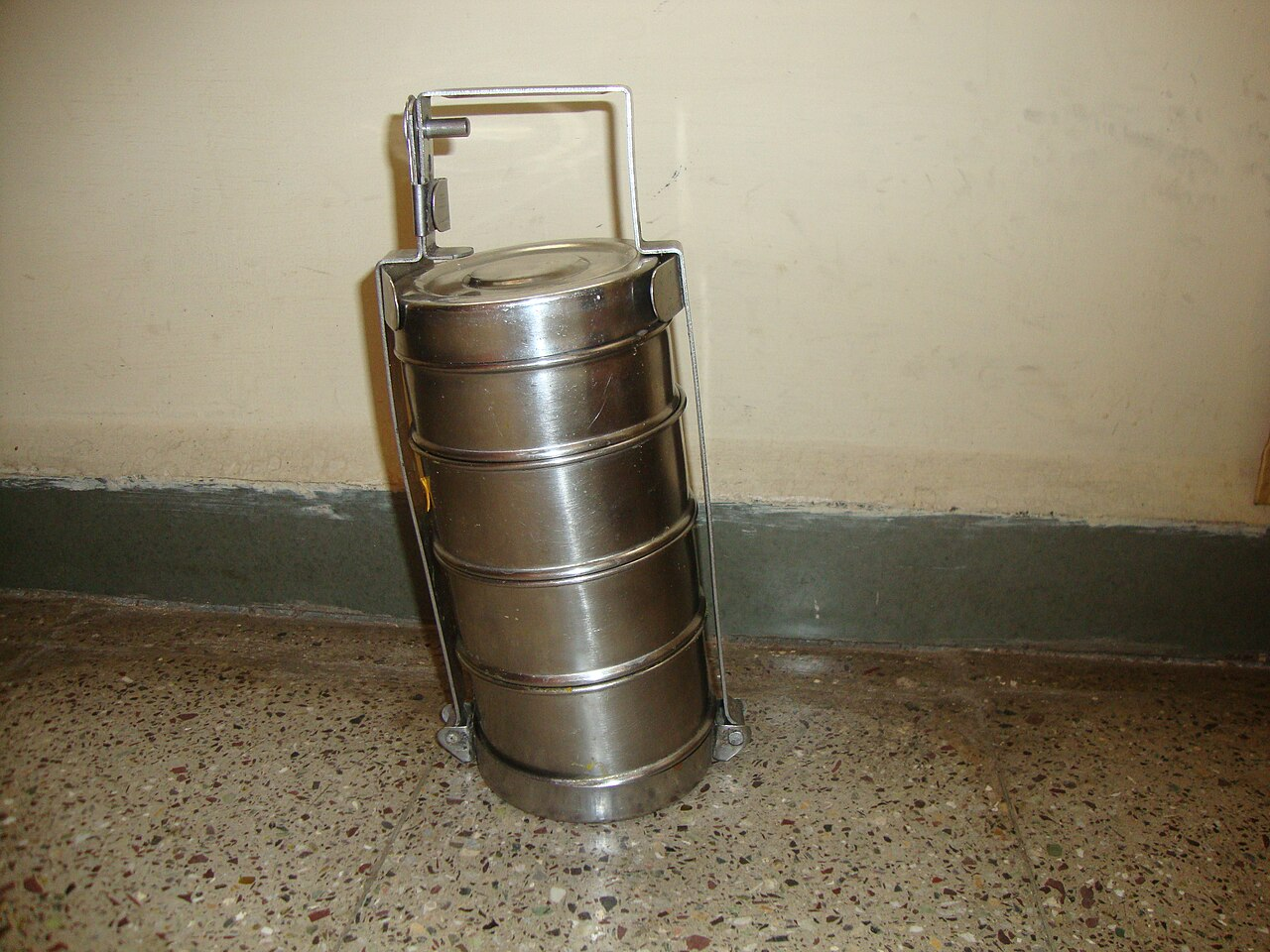
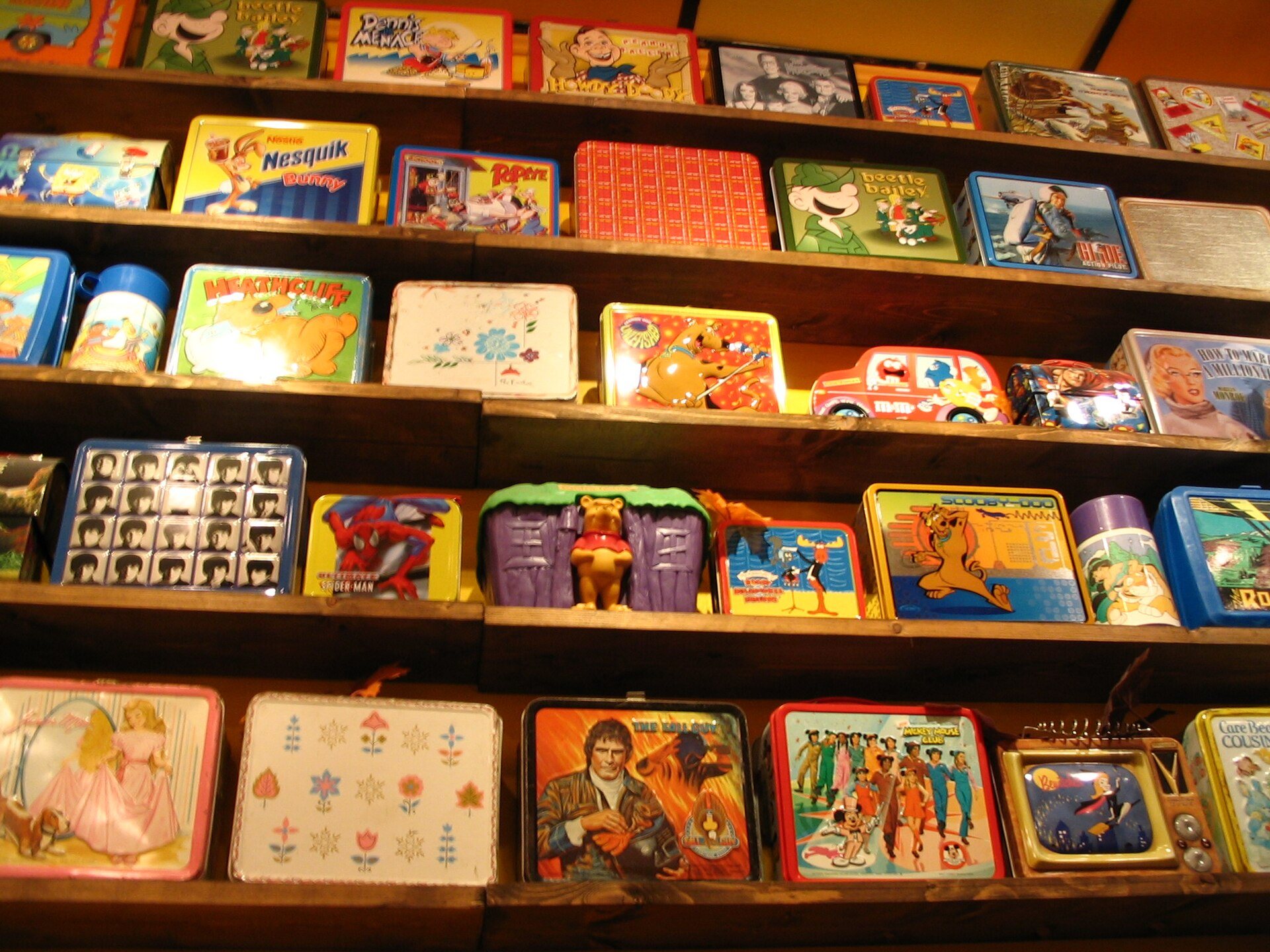
Sturdy metal lunchboxes were standard equipment. Setting one down, or dropping it, produced a genuinely loud, distinctive clang.
Sturdy metal lunchboxes were the standard carrying case for decades, genuinely durable equipment that produced a distinctive, unmistakable clang whenever set down on a cafeteria table or accidentally dropped in a crowded hallway. A metal lunchbox that announced itself loudly reflects the genuinely different physical presence lunch equipment once had, sturdy gear built to survive years of daily use rather than the lighter, softer insulated bags that eventually replaced it.
Like our content? Follow us for more.
2. A Thermos That Rarely Kept Food as Hot as Advertised
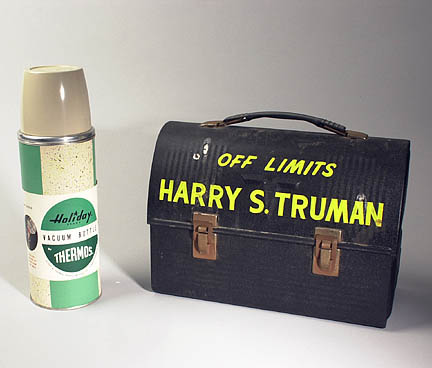
Vacuum-sealed thermoses promised warm soup by lunchtime. Reality often fell noticeably short of that promise.
A glass-lined vacuum thermos promised to keep soup or hot chocolate genuinely warm until lunchtime, though the reality, several hours after being filled in a rushed morning routine, often fell noticeably short of that promise by the time the lunch bell finally rang. A thermos that rarely kept food as hot as advertised reflects the genuine technological limitations of the era’s food storage, a well-intentioned piece of equipment that modern insulated containers have since made considerably more reliable.
3. A Sandwich Wrapped Entirely in Wax Paper
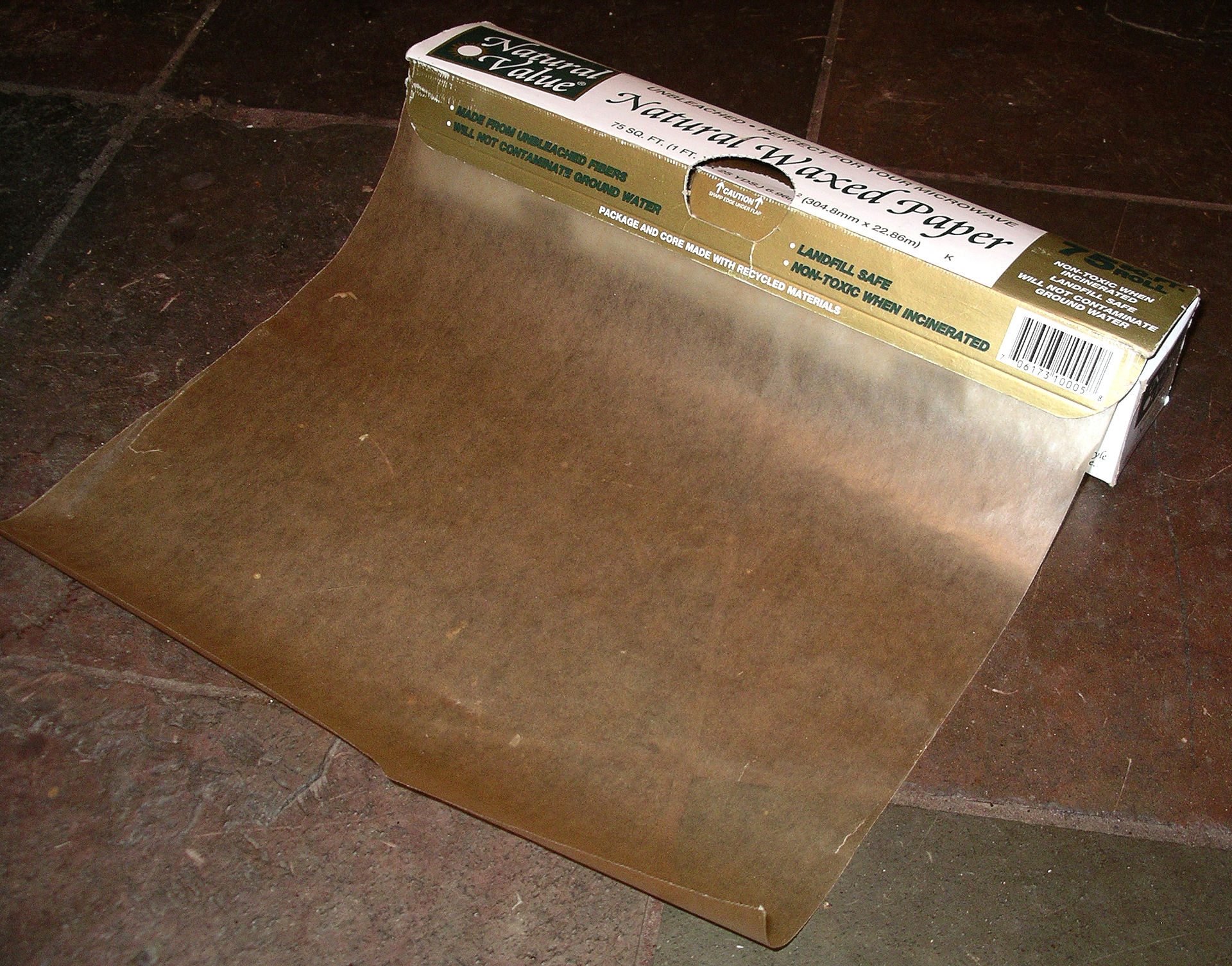
Plastic sandwich bags weren’t yet the default choice. A simple sheet of wax paper, folded and sometimes taped, did the job instead.
A sandwich was typically wrapped in a simple sheet of wax paper, folded carefully around the edges and occasionally secured with a small piece of tape, a low-tech but genuinely effective method that predated the resealable plastic sandwich bags that eventually became standard. A sandwich wrapped entirely in wax paper reflects the more basic, if perfectly functional, packaging materials of the era, a simple solution that modern zip-top bags have since made considerably more convenient and reliable.
4. Fruit Packed Whole, Bruises and All
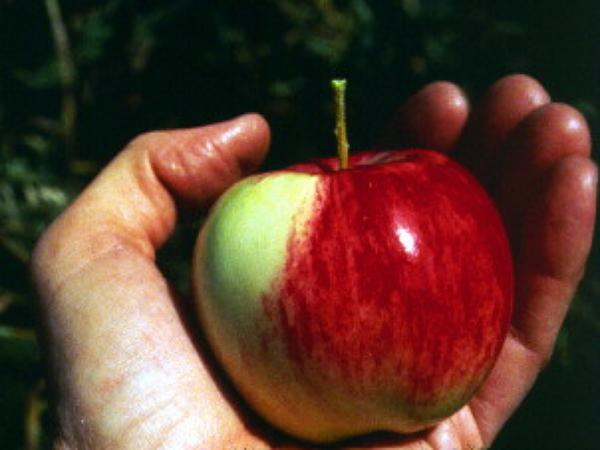
An apple or banana went into the lunchbox exactly as purchased. Pre-cut, packaged fruit portions weren’t yet a common option.
Fruit went into the lunchbox exactly as purchased, a whole apple or banana that inevitably picked up a bruise or two after being jostled around all morning, since pre-cut, individually packaged fruit portions simply weren’t a widely available option at the time. Fruit packed whole, bruises and all, reflects the more basic, less convenience-oriented food packaging of the era, an inevitable bit of minor damage that modern pre-portioned fruit cups and slices have since made largely unnecessary.
5. A Handwritten Note Tucked in by a Parent
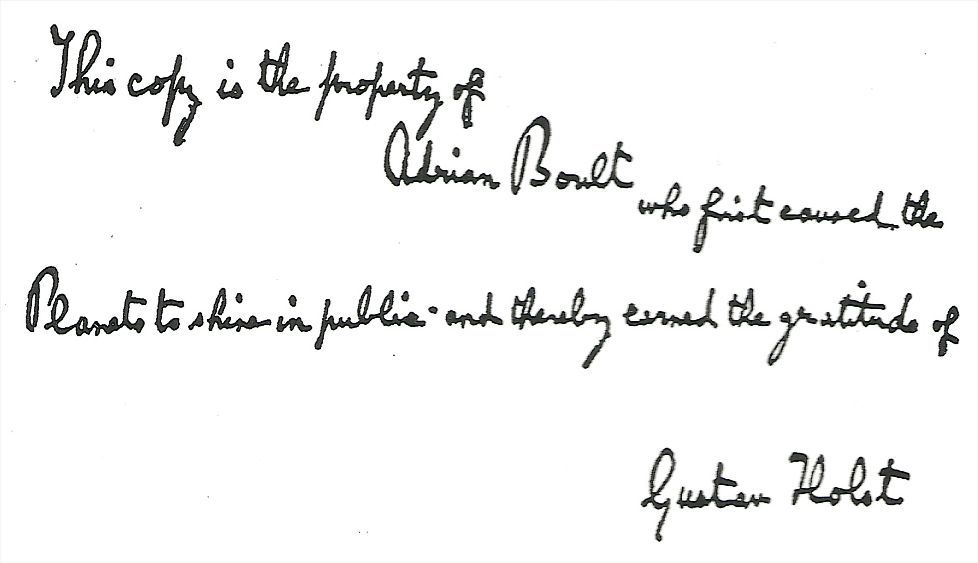
Some parents included a small personal message with the lunch. Finding it midday was a small, genuinely meaningful surprise.
Some parents tucked a small, handwritten note into the lunchbox, a brief message of encouragement or a simple reminder about after-school plans, a genuinely personal touch that many kids specifically remember finding midway through their meal with real, quiet delight. A handwritten note tucked in by a parent reflects the small, personal thoughtfulness some families brought to an otherwise routine daily task, a simple gesture that turned an ordinary lunch into a small, meaningful connection to home.
6. A Genuinely Limited Range of Snack Options
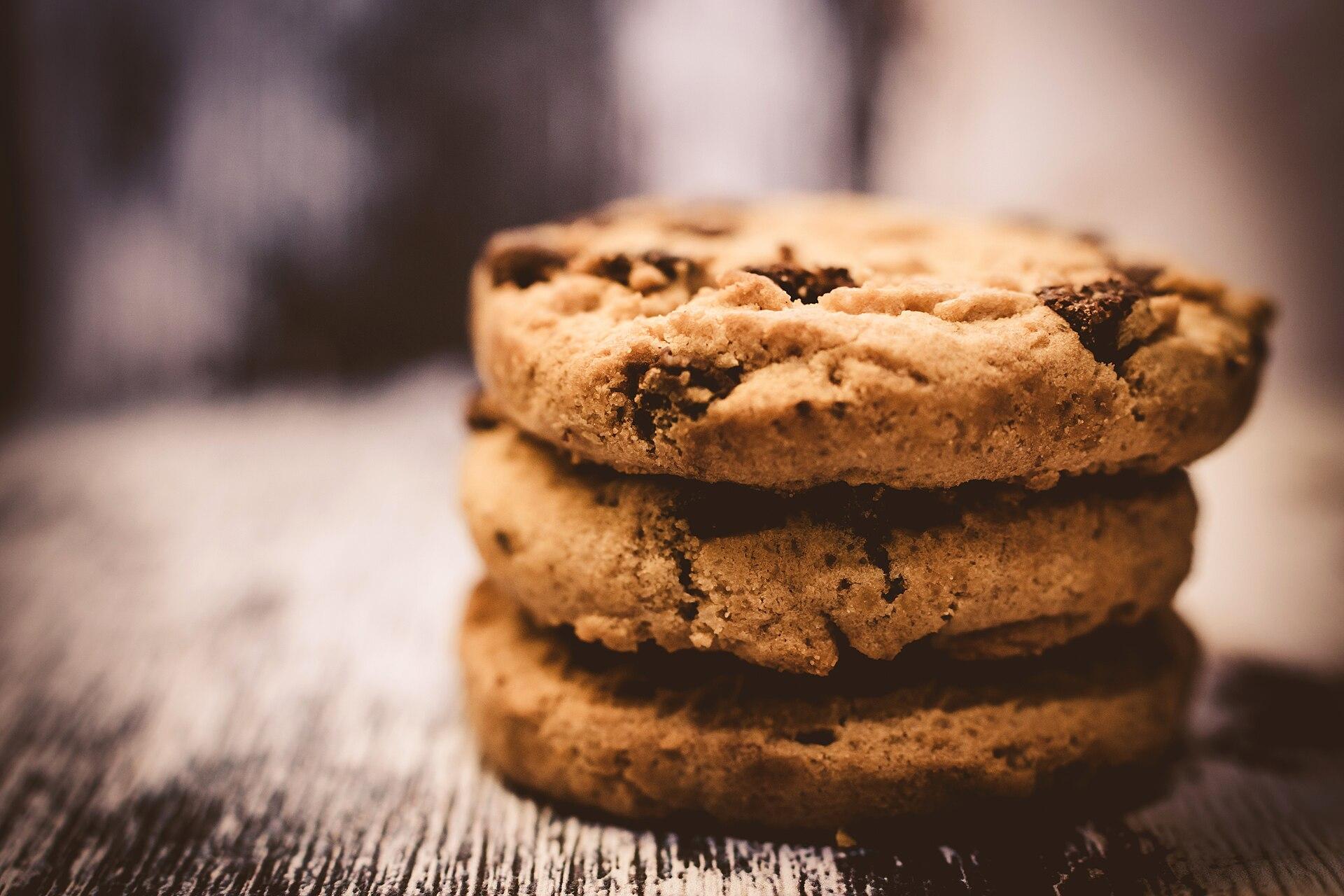
Packaged snack choices were considerably more limited than today. Homemade treats filled the gap where store-bought variety fell short.
The available range of packaged snack foods was considerably more limited than today’s grocery store aisles now offer, and many lunches instead included homemade treats, cookies or a slice of cake wrapped in foil, filling the variety gap that store-bought convenience snacks hadn’t yet expanded to cover. A genuinely limited range of snack options reflects the narrower packaged food market of the era, a gap that homemade baking filled naturally well before the snack aisle expanded into its now-enormous modern variety.
7. No Nutritional Labeling to Guide Lunch-Packing Decisions
Parents packed lunches based on general knowledge rather than printed data. Calorie counts and nutrition facts weren’t yet standard.
Parents packing a school lunch relied on general, informal knowledge of what constituted a reasonably balanced meal rather than any printed nutritional data, since mandatory nutrition facts labels on packaged food didn’t become standard until the early 1990s. No nutritional labeling to guide lunch-packing decisions reflects the genuinely different informational landscape of the era, a gap that federal labeling requirements have since closed considerably for parents packing lunches today.
8. A Genuine Trading Economy at the Lunch Table
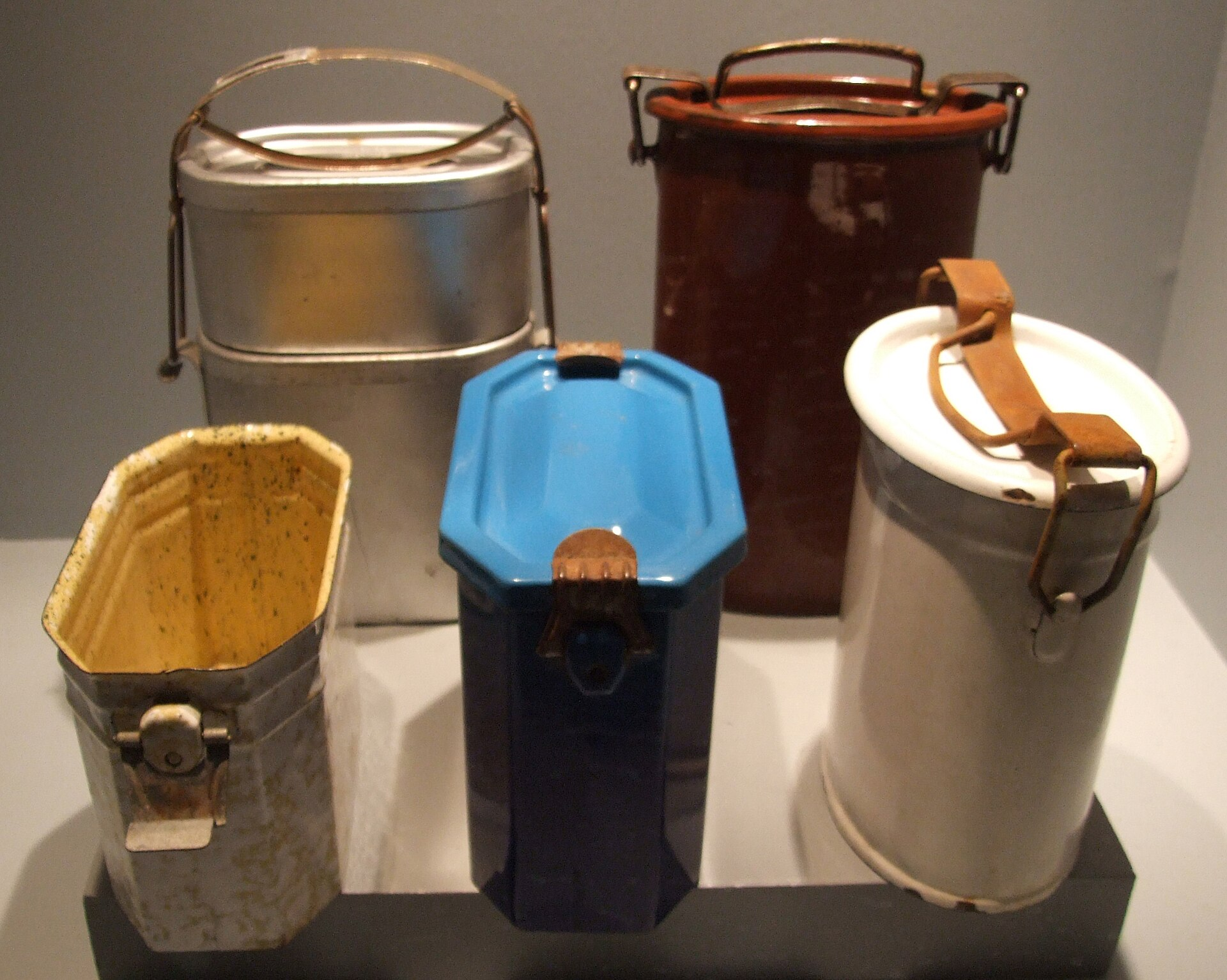
Kids swapped items from their lunch with classmates regularly. Certain treats held real, recognized trading value among peers.
A genuine informal trading economy operated at the lunch table, kids swapping a dessert for a more desirable snack or a sandwich they preferred, with certain especially coveted treats carrying real, widely recognized value among classmates. A genuine trading economy at the lunch table reflects the surprisingly social, transactional dimension of school lunch, a daily marketplace that many former kids remember as a genuinely fun and strategic part of the midday meal.
9. A Genuine Absence of Allergy Awareness in Lunch Planning
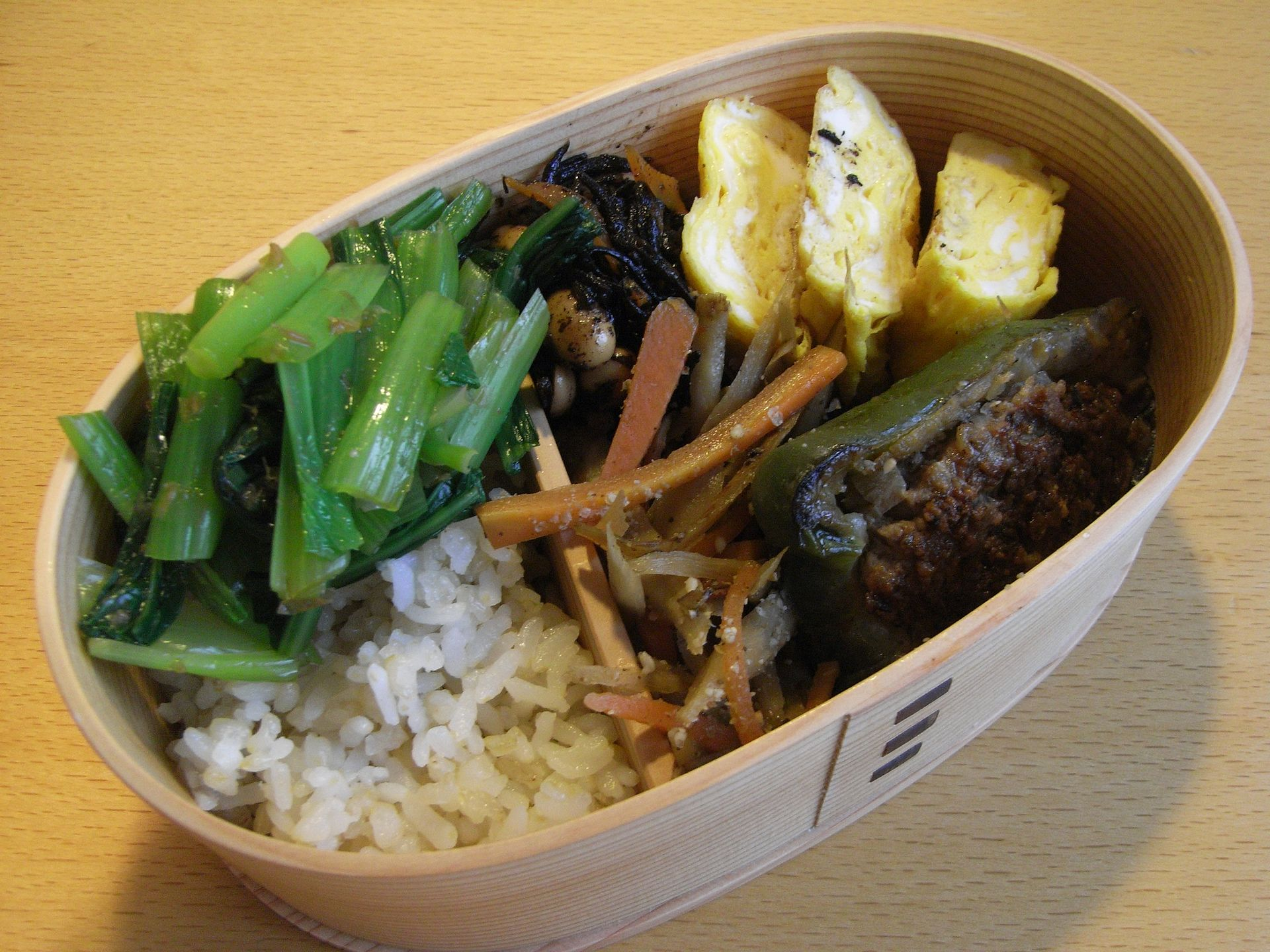
Food allergy concerns weren’t yet a widespread consideration. Ingredients now commonly avoided were packed without a second thought.
Food allergy awareness simply wasn’t a widespread consideration in lunch planning during this era, and ingredients now commonly restricted or avoided in many modern school settings were packed and traded freely without any particular concern. A genuine absence of allergy awareness in lunch planning reflects a real, significant shift in how schools and families approach food safety today, a gap that modern allergy education and school policies have since addressed considerably more seriously.
10. A Genuine Sense That Lunch Reflected Home, Not a Cafeteria Menu
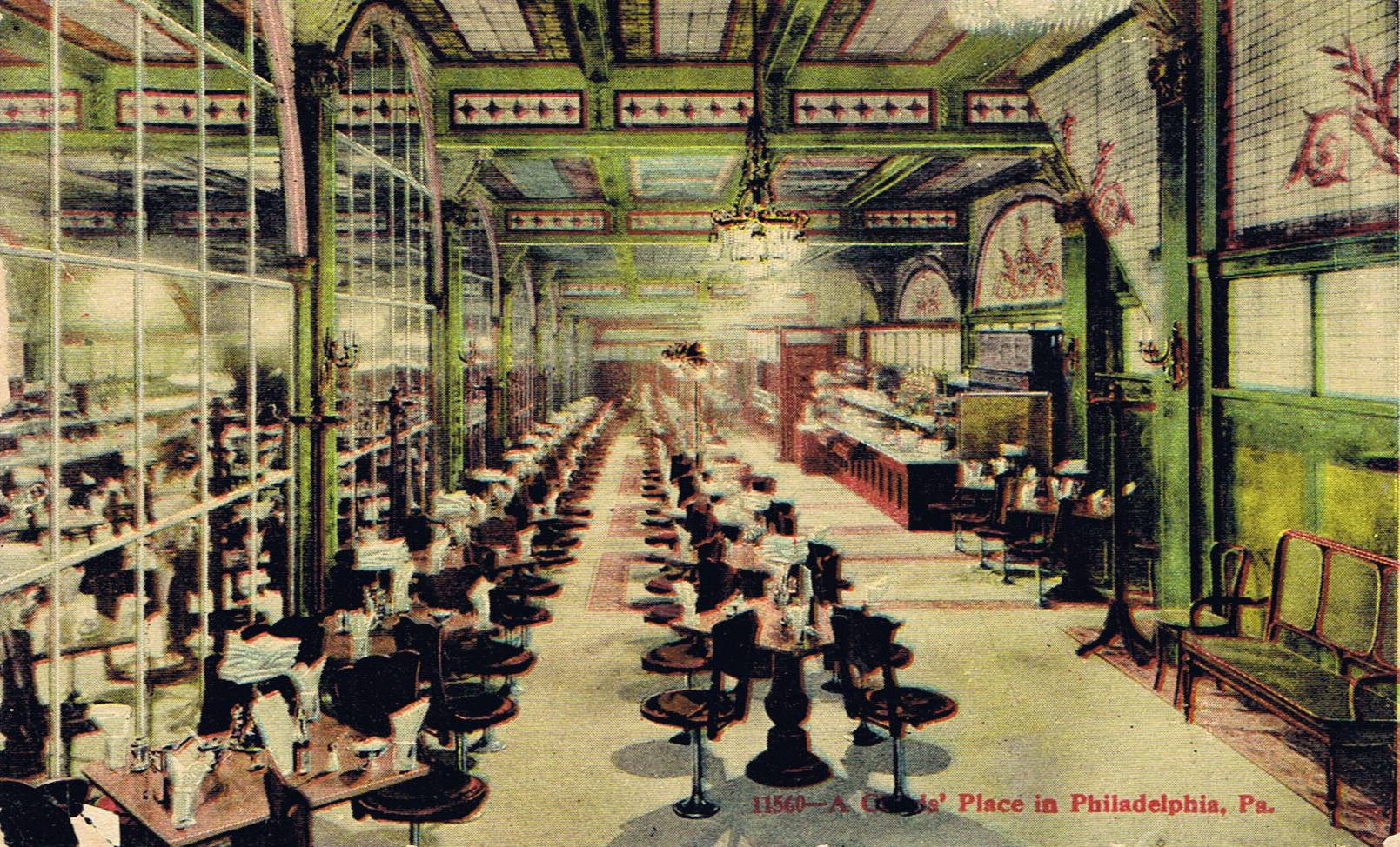
A packed lunch felt distinctly personal and homemade. It stood apart clearly from the standardized cafeteria offering nearby.
A packed lunch carried a genuinely personal, homemade quality that stood in clear contrast to the standardized cafeteria meal being served just a few tables away, a distinctly individual reflection of each family’s own particular tastes, budget, and daily routine. A genuine sense that lunch reflected home, not a cafeteria menu, is the lasting emotional core of the packed lunch tradition, a small daily connection to home life that many former kids specifically associate with genuine comfort and familiarity.
A Genuinely Different Daily Ritual
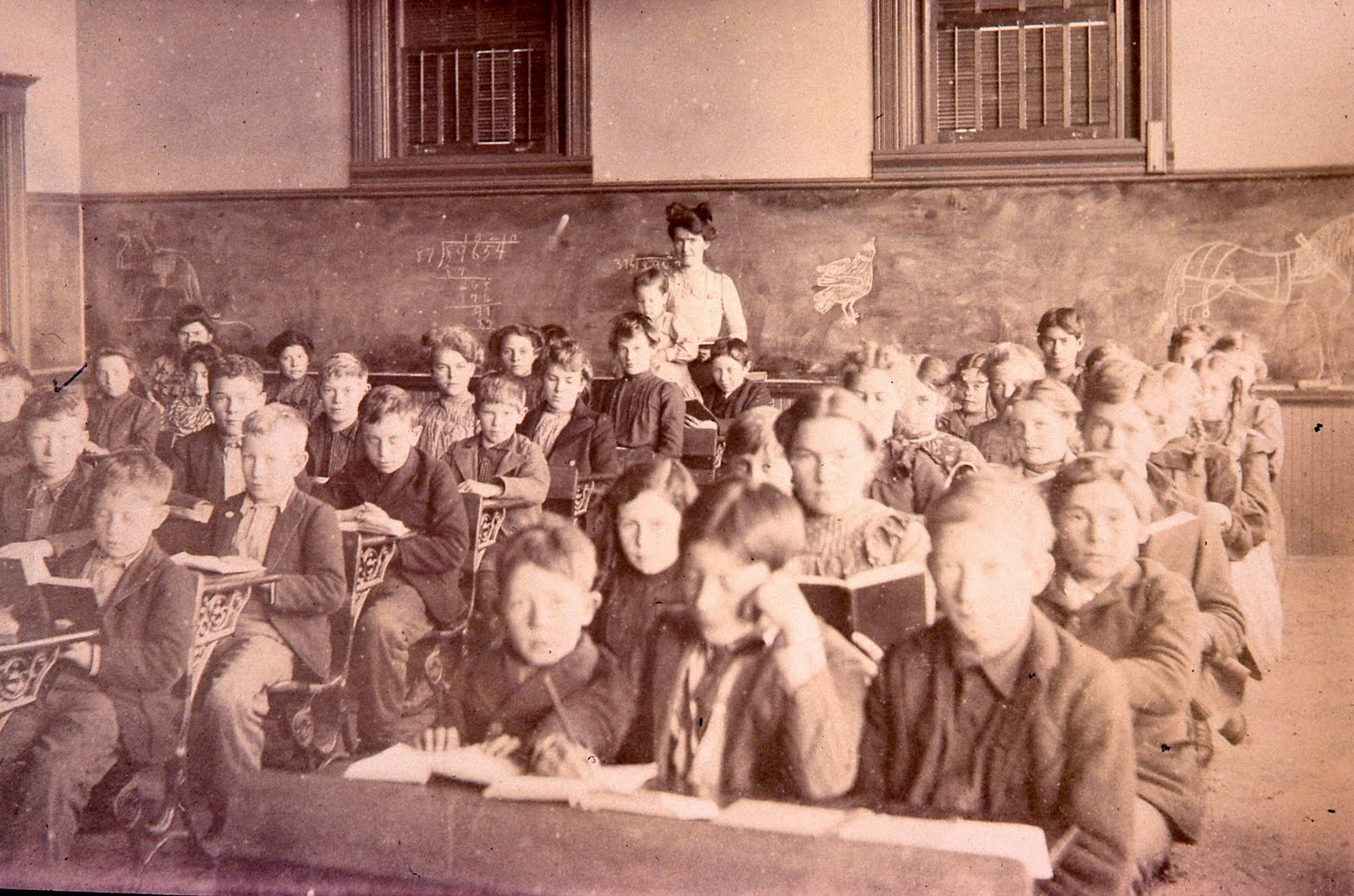
Taken together, these ten things capture exactly how differently packing a school lunch once worked, from the sturdy metal lunchbox and the wax-paper-wrapped sandwich to the informal trading economy and the genuine personal touch of a handwritten note. It was a considerably more basic, if genuinely more personal, daily ritual than the convenience-packed lunches many families assemble today.
Insulated lunch bags, pre-portioned snacks, mandatory nutrition labeling, and considerably greater food allergy awareness have transformed school lunch packing almost entirely, trading some of the earlier era’s simplicity and informal trading culture for genuine convenience and safety. The change reflects real progress on multiple fronts at once. For those who remember the clang of a metal lunchbox or the small thrill of finding a handwritten note tucked inside, these details bring it all back: the wax-paper sandwich, the bruised apple, the genuine trading economy at the lunch table. Looking back at how packing a school lunch used to work is a nostalgic reminder of just how much this everyday routine has changed.
Like our content? Follow us for more.