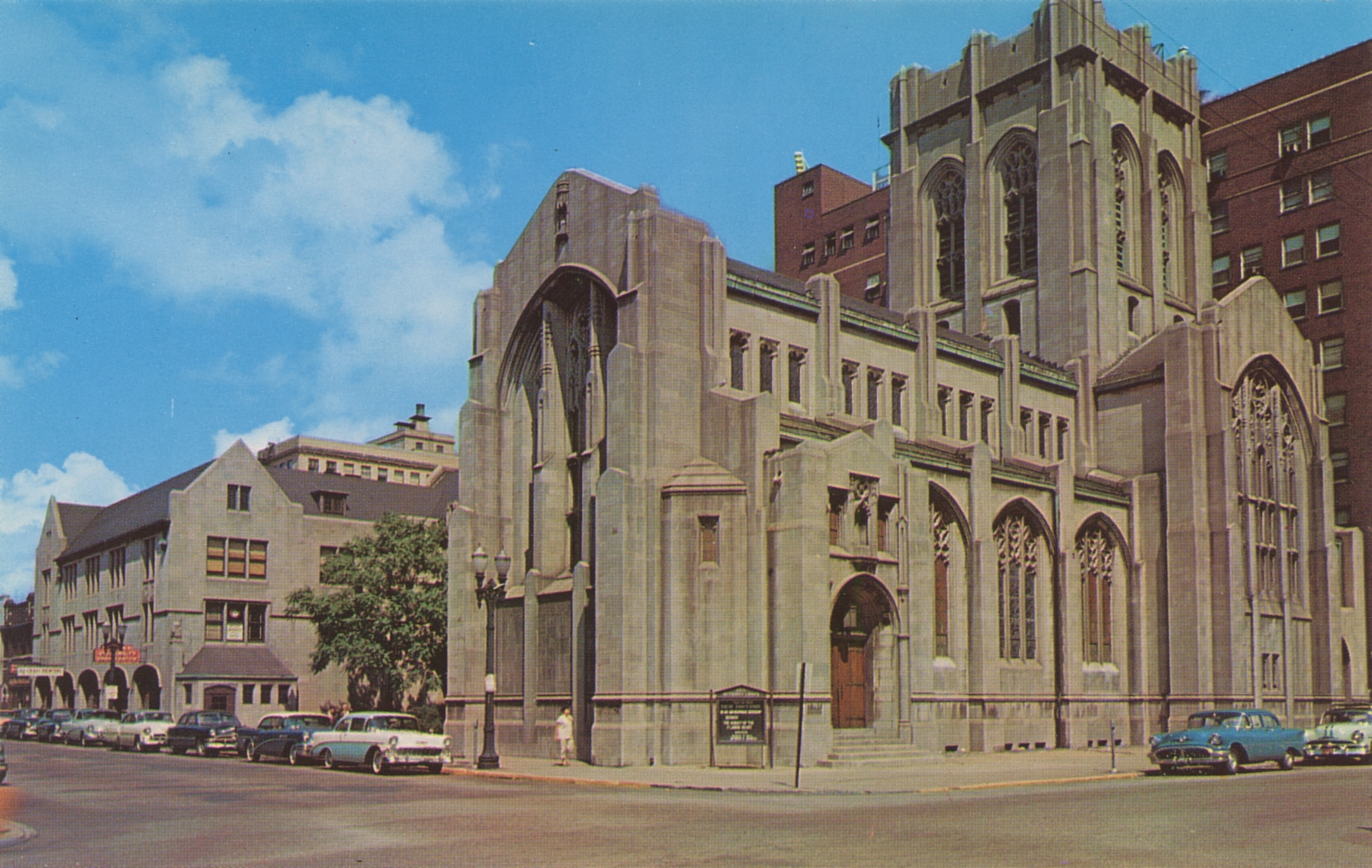
Rising nine stories above a city that steel built and steel eventually abandoned, City Methodist Church stands today as one of the Midwest’s most striking ruins, an English Gothic cathedral-scale building left to decay in the heart of Gary, Indiana.
A Company Town Builds a Grand Church
Gary, Indiana was founded in 1906 as a planned company town for U.S. Steel, and a Methodist congregation had been present almost from the beginning. In 1916, pastor Dr. William Grant Seaman arrived with genuinely ambitious plans, envisioning a much larger church to serve the growing industrial city, one that would bring a prominent religious and civic presence into a young town then dominated by saloons and brothels catering to steelworkers.
Like our content? Follow us for more.
An Astonishing Architectural Achievement
City Methodist Church opened in 1926 at a final cost exceeding a million dollars, a genuinely staggering sum equivalent to more than seven million dollars today, roughly half of it donated directly by U.S. Steel. The massive nine-story English Gothic complex, designed by the Chicago firm Lowe and Bollenbacher, featured soaring stone arches, intricate stained glass, and an attached theater called Seaman Hall capable of seating a thousand people, alongside offices, a gymnasium, and a full dining hall.
A Congregation That Rose With the City
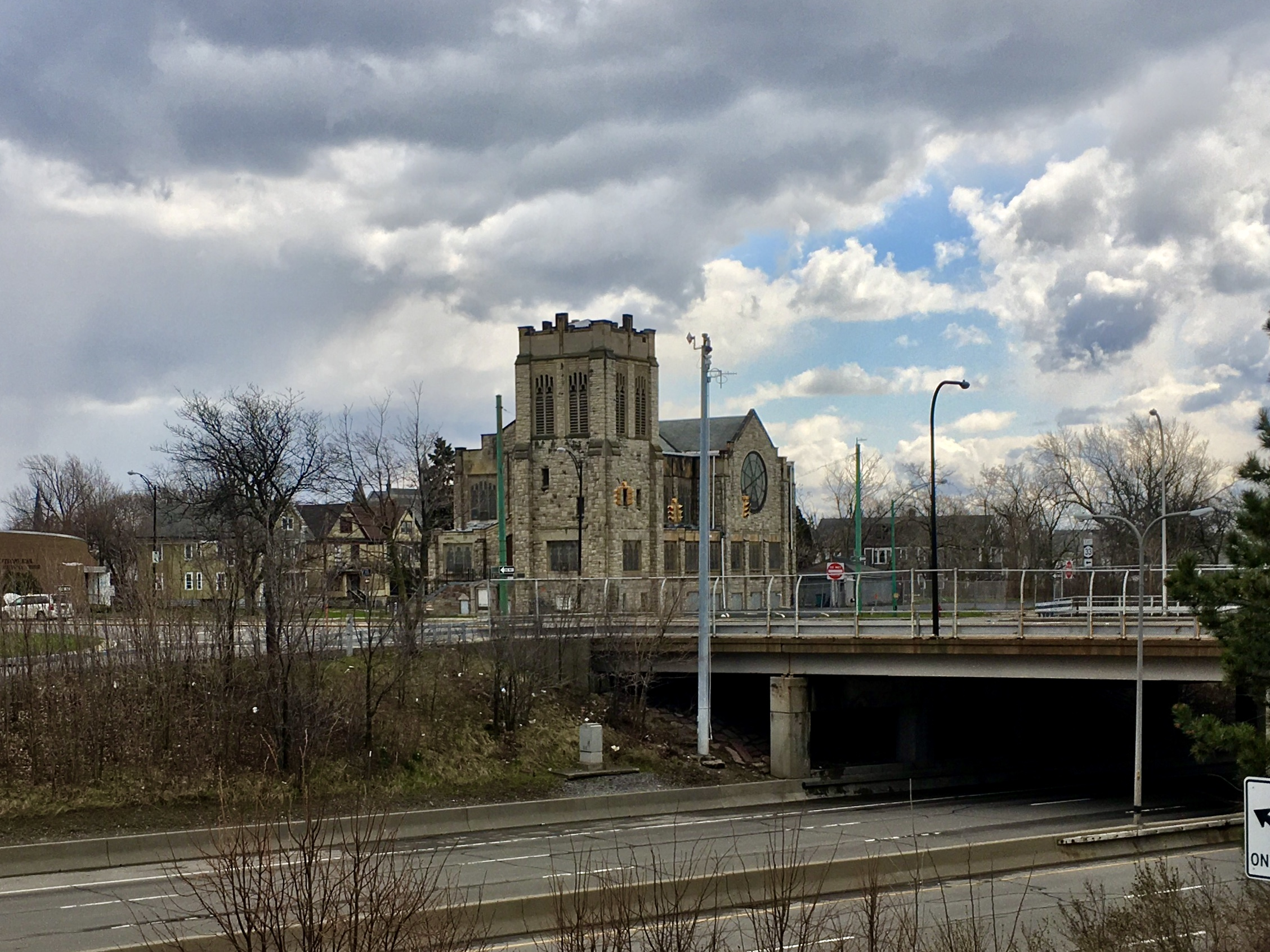
By 1929, the church counted 1,700 members, and attendance continued climbing through the following decades, reaching a peak membership surpassing 3,000 in the 1950s, a period that coincided with Gary’s own peak as a thriving American industrial city. During the Great Depression, the church even leased part of its facility to a fledgling Gary College, and by the late 1940s, Indiana University’s Northwest campus occupied three floors of the building.
Decline Follows the Steel Industry Down
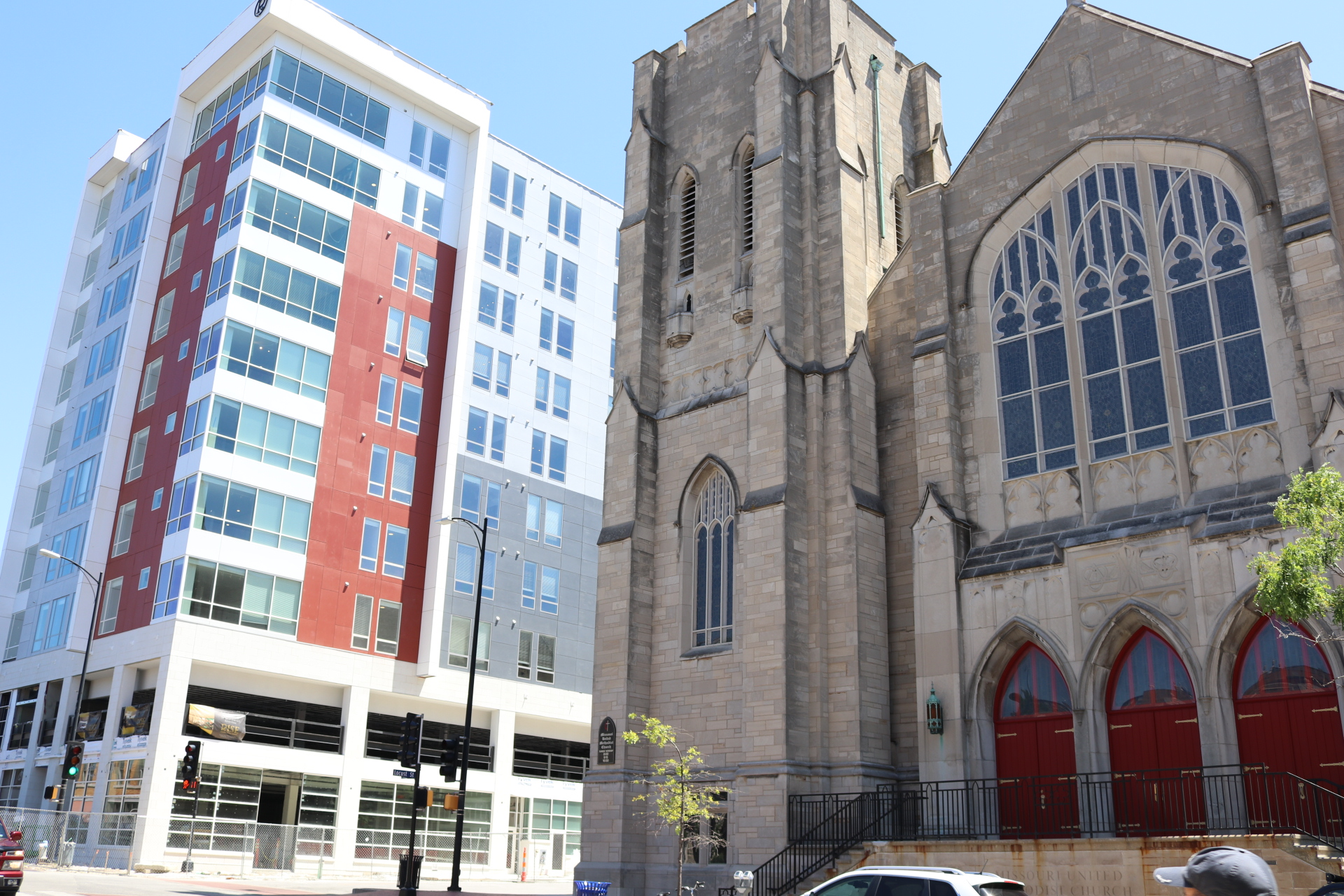
As Gary’s steel industry began its long decline through the 1960s and 70s, so did the fortunes of City Methodist Church. The congregation, predominantly white and middle-class, lost substantial membership to white flight as the city’s demographics shifted and crime rates climbed, while the sheer cost of maintaining such a massive structure in Gary’s harsh lakefront climate became increasingly unsustainable. By 1973, membership had fallen to just 320, with barely a third attending regularly, and after unsuccessful attempts to sell the property, the church held its final service in 1975.
Left to the Elements for Half a Century
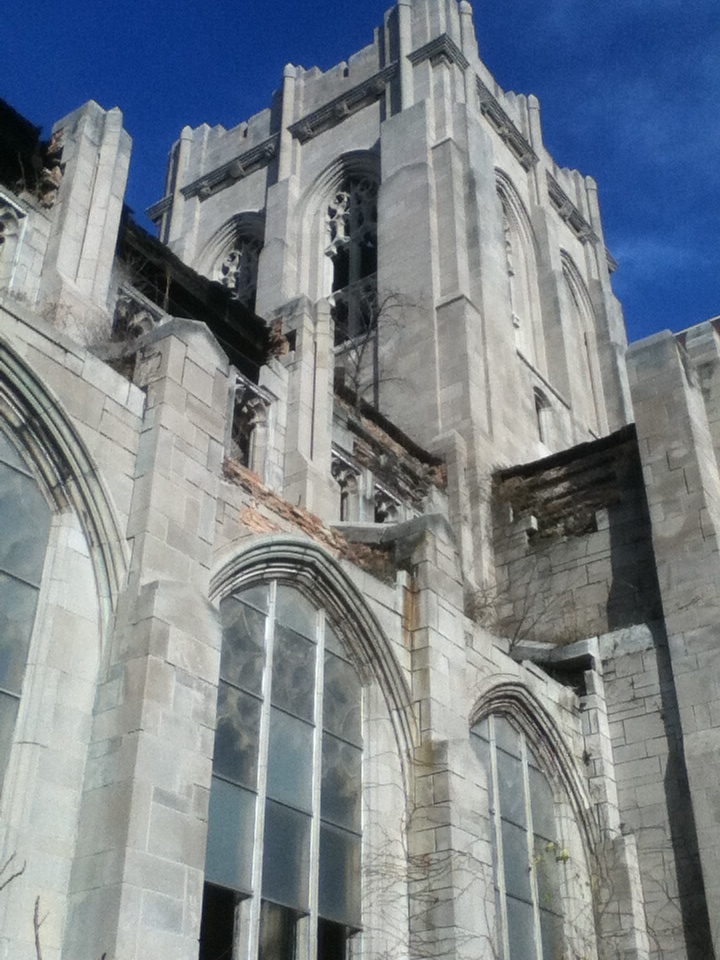
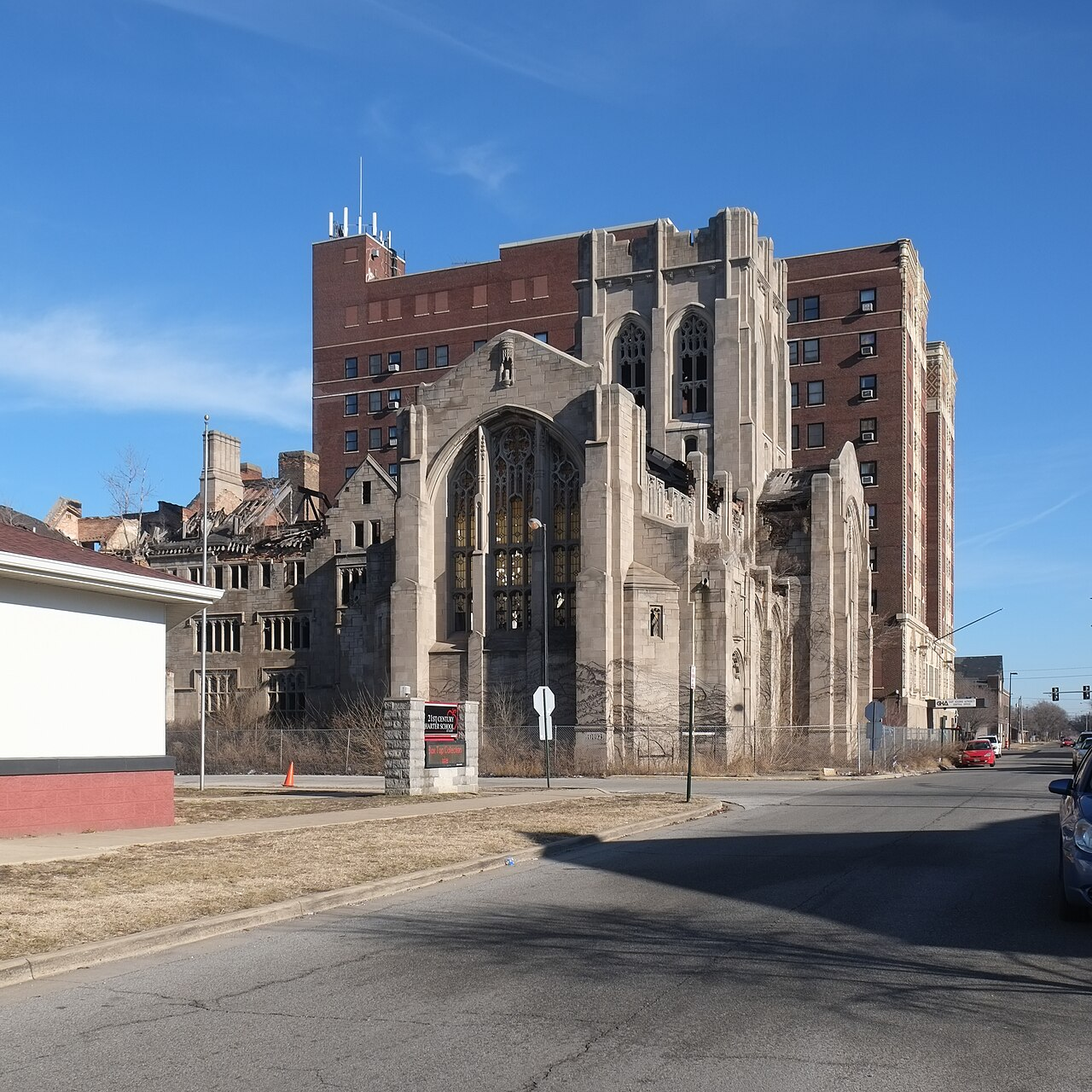
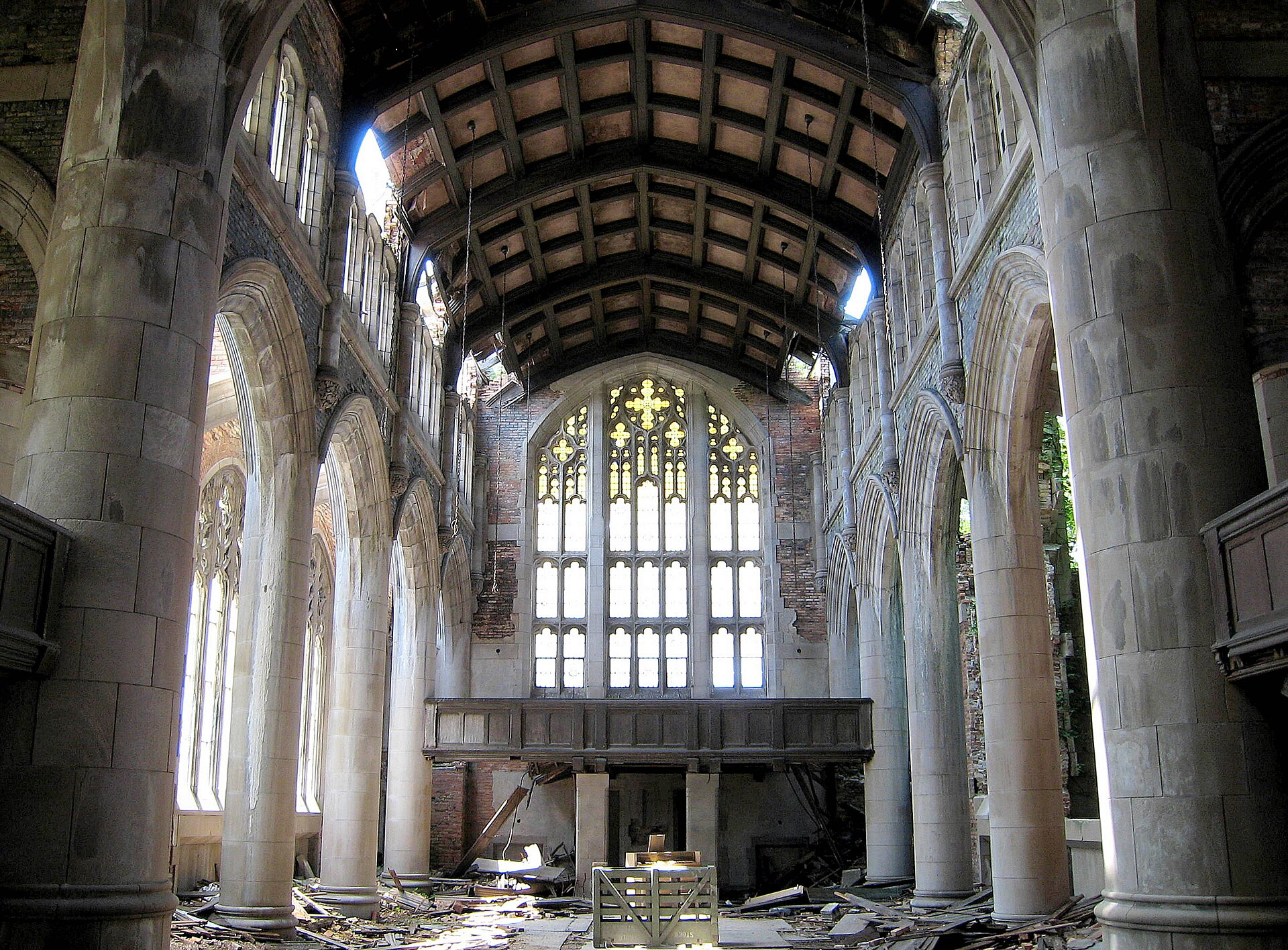
In the decades since, City Methodist Church has sat almost entirely exposed to Indiana’s harsh weather, its interior fixtures long since stripped by thieves and scavengers, and its roof partially collapsing in a dramatic 2011 failure. The building has become internationally recognized among urban explorers and photographers, its dramatic ruined sanctuary appearing in numerous films and music videos over the years, a striking visual shorthand for rust belt decline.
A Genuinely Dangerous, Illegal Destination
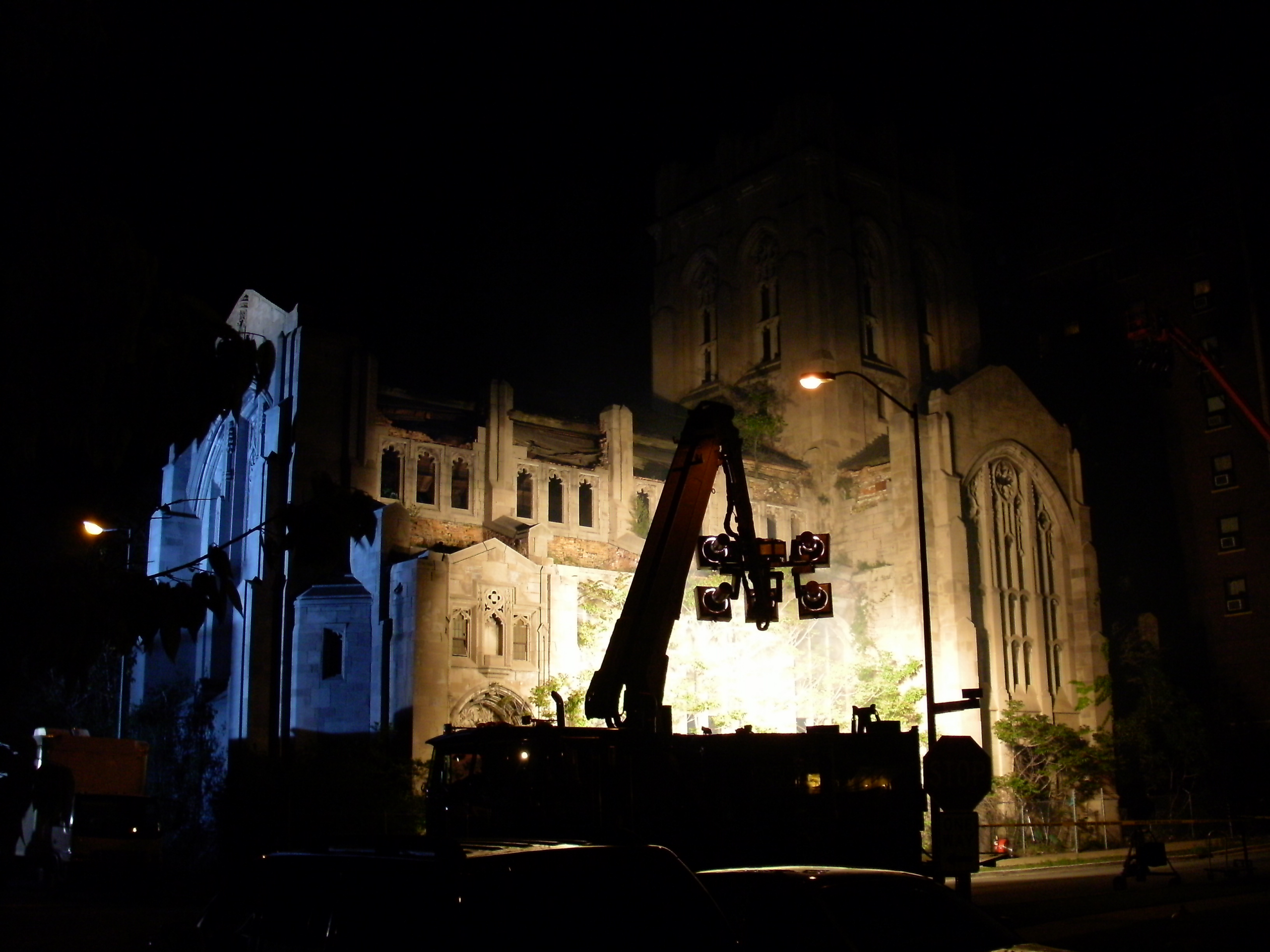
Despite its fame, City Methodist Church is not legally open to the public, and unauthorized entry constitutes trespassing on a structurally compromised site with genuine safety hazards, including asbestos contamination and an unstable roof. The church has been listed among Indiana Landmarks’ most endangered historic places, a designation reflecting both its architectural significance and the real urgency of its ongoing deterioration.
A Preservation Effort Moving Slowly
In 2017, the Gary Redevelopment Commission secured a grant from the Knight Foundation to begin transforming the site into a “ruins garden,” a stabilized public space with an amphitheater rather than a fully restored building. Asbestos removal began in 2019, and the city has continued pursuing additional cleanup funding since, though the project remains very much a work in progress, with the sanctuary’s eventual fate, partial preservation, further collapse, or full demolition, still genuinely uncertain.
Gary’s Broader Story of Reinvention
City Methodist Church sits alongside several other notable vacant landmarks in Gary, including the city’s grand former Union Station, part of a broader collection of striking, if sobering, ruins that reflect the city’s dramatic industrial decline since its mid-century peak. Yet Gary itself has also seen genuine, if gradual, signs of civic reinvestment in recent years, public art installations, restored murals, and community redevelopment efforts throughout its downtown core, suggesting a city working, however slowly, to reclaim its own narrative beyond simple decline.
What Draws Visitors From Around the World
Despite, or perhaps because of, its illegal status and genuine hazards, City Methodist Church has become an internationally recognized subject for photographers and documentary filmmakers studying American industrial decline, appearing in countless articles and image collections dedicated to abandoned architecture. Its soaring Gothic arches, now open directly to the sky, and its scale, genuinely massive even in ruin, continue to draw comparisons to European cathedral ruins, a striking visual contrast to the modest surrounding neighborhood that once supported such an ambitious religious building.
A Monument to Boom and Bust
City Methodist Church’s story, a congregation’s ambitious million-dollar vision built on steel money, decades of genuine prosperity, and a decline that mirrored the city itself, captures something larger than one building’s fate. It stands today as one of the most visually striking and historically significant reminders of American industrial rise and fall, a monument best appreciated from a respectful distance while its future remains genuinely unresolved.
Like our content? Follow us for more.