

Cities have burned, flooded, and rebuilt. Cities have been abandoned. But only one city on Earth is currently picking itself up — cathedral, clock tower, hotels, and thousands of residents — and walking two miles down the road to get out of the way of its own livelihood.
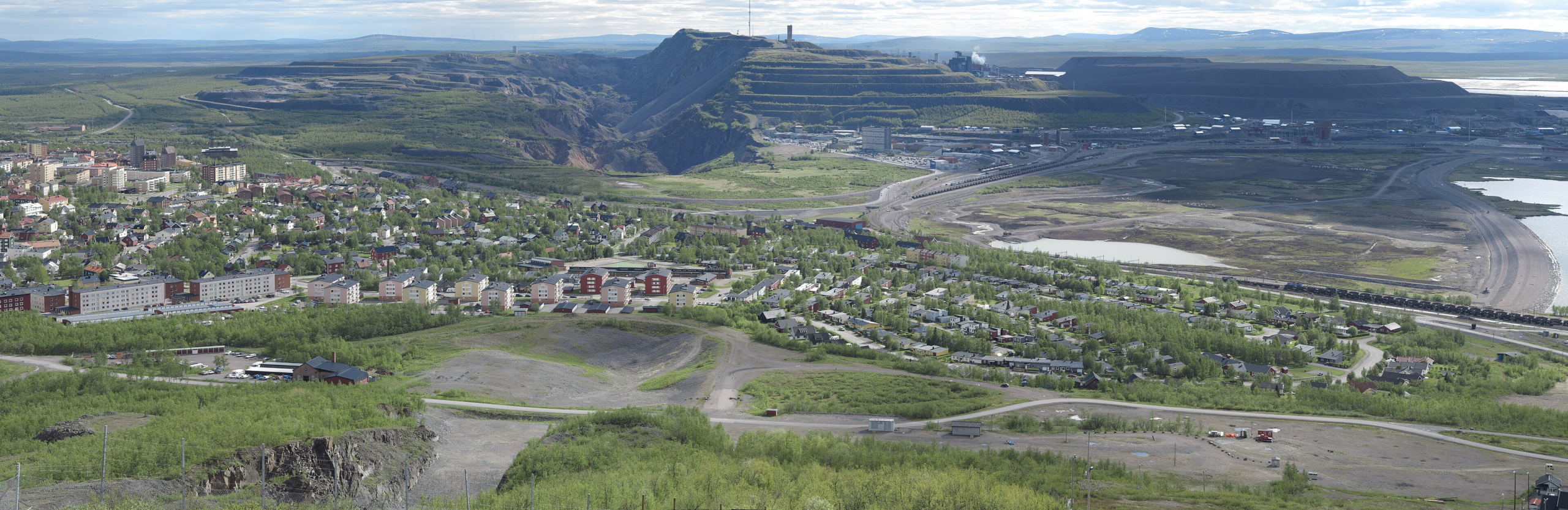
Kiruna sits 90 miles above the Arctic Circle in Swedish Lapland, home to about 18,000 people, the northern lights, the midnight sun — and, directly beneath it, the largest underground iron ore mine in the world. The mine built the town, employs the town, and is now, tunnel by tunnel, undermining the town in the most literal sense available: as ore is extracted from the great sloping body of iron that runs beneath the city, the ground above fractures and subsides, and the deformation zone has been creeping toward the town center for years. Sweden faced a choice between the mine and the city’s location, and made the only decision a mining town could respect. The mine stays. The city moves.
What’s unfolding — a full urban relocation, planned to run into the 2030s — has become one of the most fascinating engineering stories on the planet, and one of its strangest travel experiences: a city you can visit in two places at once.
A Town Built on a Mountain of Iron
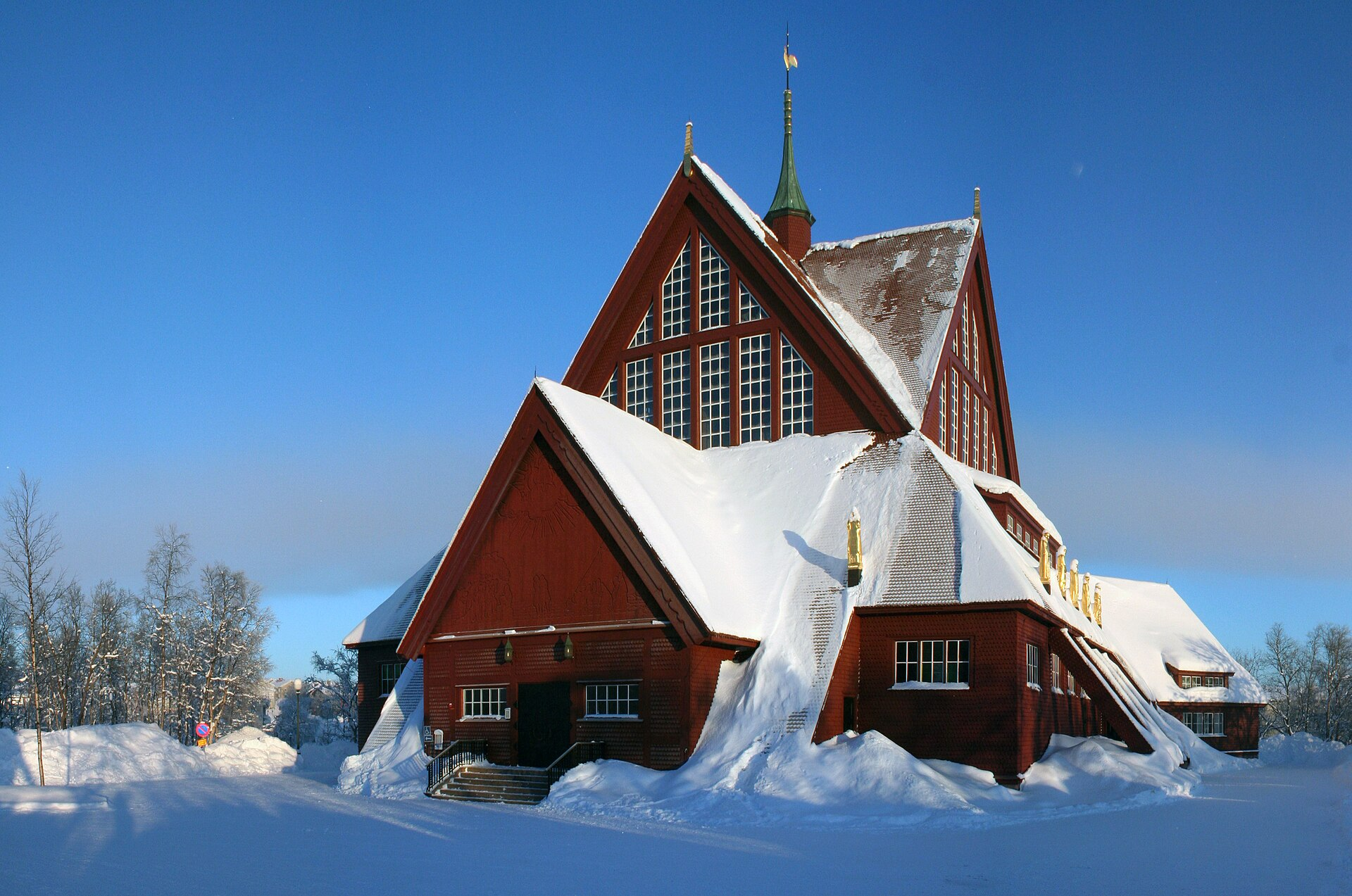
Kiruna exists because of a geological jackpot: an enormous slab of high-grade iron ore, plunging diagonally into the earth like a buried skyscraper lying on its side. The state mining company LKAB founded the town around 1900 to work it, and did the job with unusual ambition — Kiruna was designed as a model community, with architect-drawn neighborhoods, decent housing, and, on a hill at its heart, a masterpiece: Kiruna Church, a great red wooden building raised in 1912 in a style blending national romanticism with the silhouette of a Sámi hut, so beloved that Swedes have voted it the country’s most beautiful building.
For a century, town and mine prospered together, the mine descending ever deeper as it chased the ore body — which, inconveniently, dips directly beneath the city center. By the early 2000s, LKAB’s engineers delivered the news: continued mining would deform the ground under downtown; cracks would come; the danger zone would spread. In 2004, the announcement was made that still sounds fictional — Kiruna would relocate. Not evacuate: relocate. The mine funds the move, the city planned a new center about three kilometers (two miles) east, and one of history’s slowest, most deliberate urban migrations began.
Like our content? Follow us for more.
The Mine Beneath It All
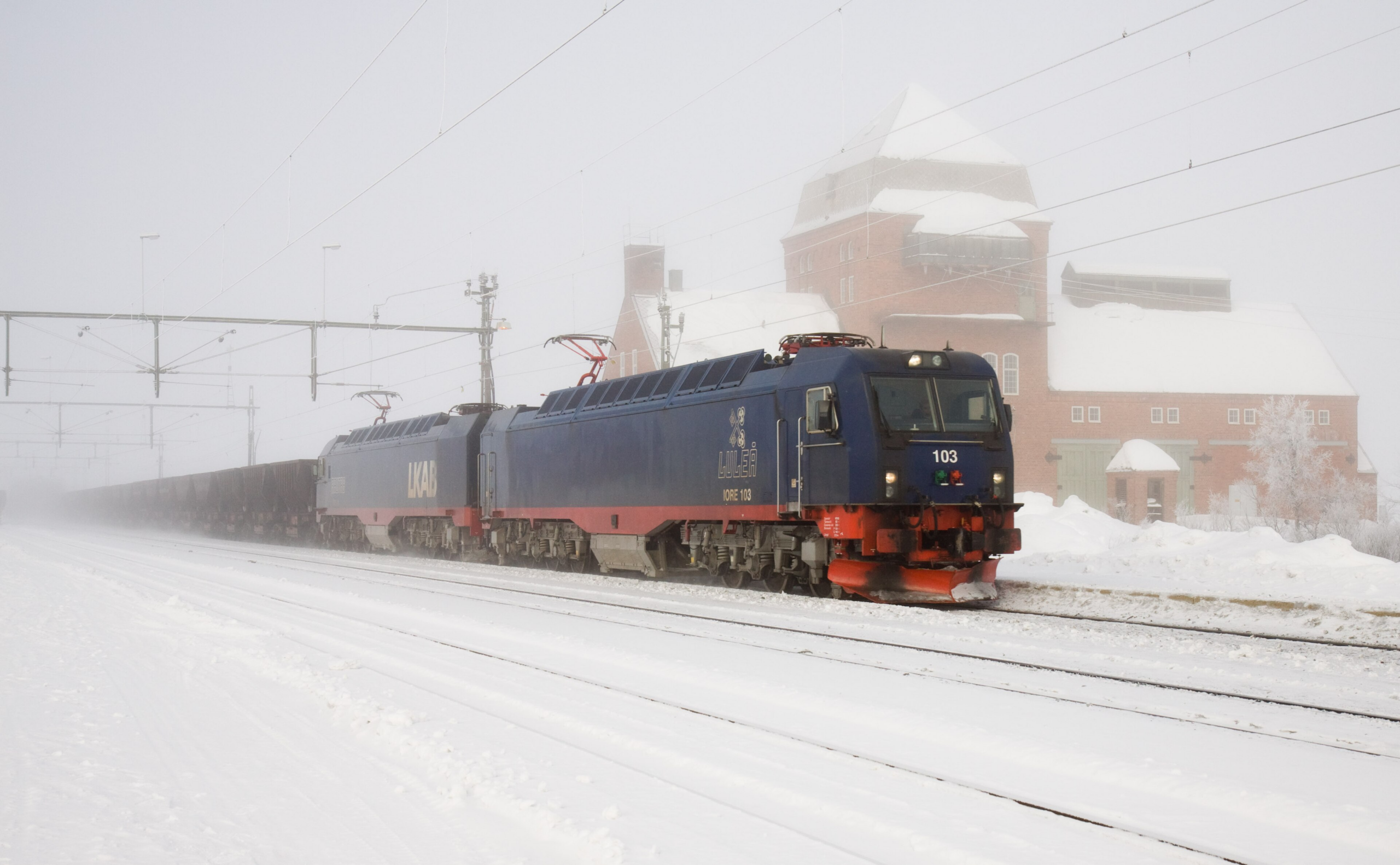
To understand why a country would relocate a city rather than close a mine, look at what’s down there. The Kiirunavaara ore body is a geological freak — a wall of magnetite roughly four kilometers long and eighty meters thick, tilted into the earth at sixty degrees, so rich and so continuous that it has been mined without pause for over a century and still hasn’t been bottomed out. LKAB’s operation descends more than a kilometer: an underground city in its own right, with dozens of miles of roads, remote-controlled trains hauling ore through the dark, and crushing stations feeding a processing chain that runs around the clock. The mine supplies the great majority of Europe’s iron ore, which makes it not merely Kiruna’s employer but a strategic asset a continent leans on — and LKAB has announced enormous deposits of rare earth elements alongside the iron, raising the stakes further still.
Set against that, the arithmetic of moving a town — vast as the cost is — starts to look almost modest. The mine pays for the relocation as a cost of doing business; the alternative, walking away from the ore body, was never seriously on any table in Stockholm. Kiruna’s residents, most of whom owe their livelihoods to the mountain directly or at one remove, largely made their peace with the bargain long ago. The town isn’t being sacrificed to the mine, locals will tell you. The town is the mine, continued above ground — and it’s doing what miners do: following the ore.
How You Move a City
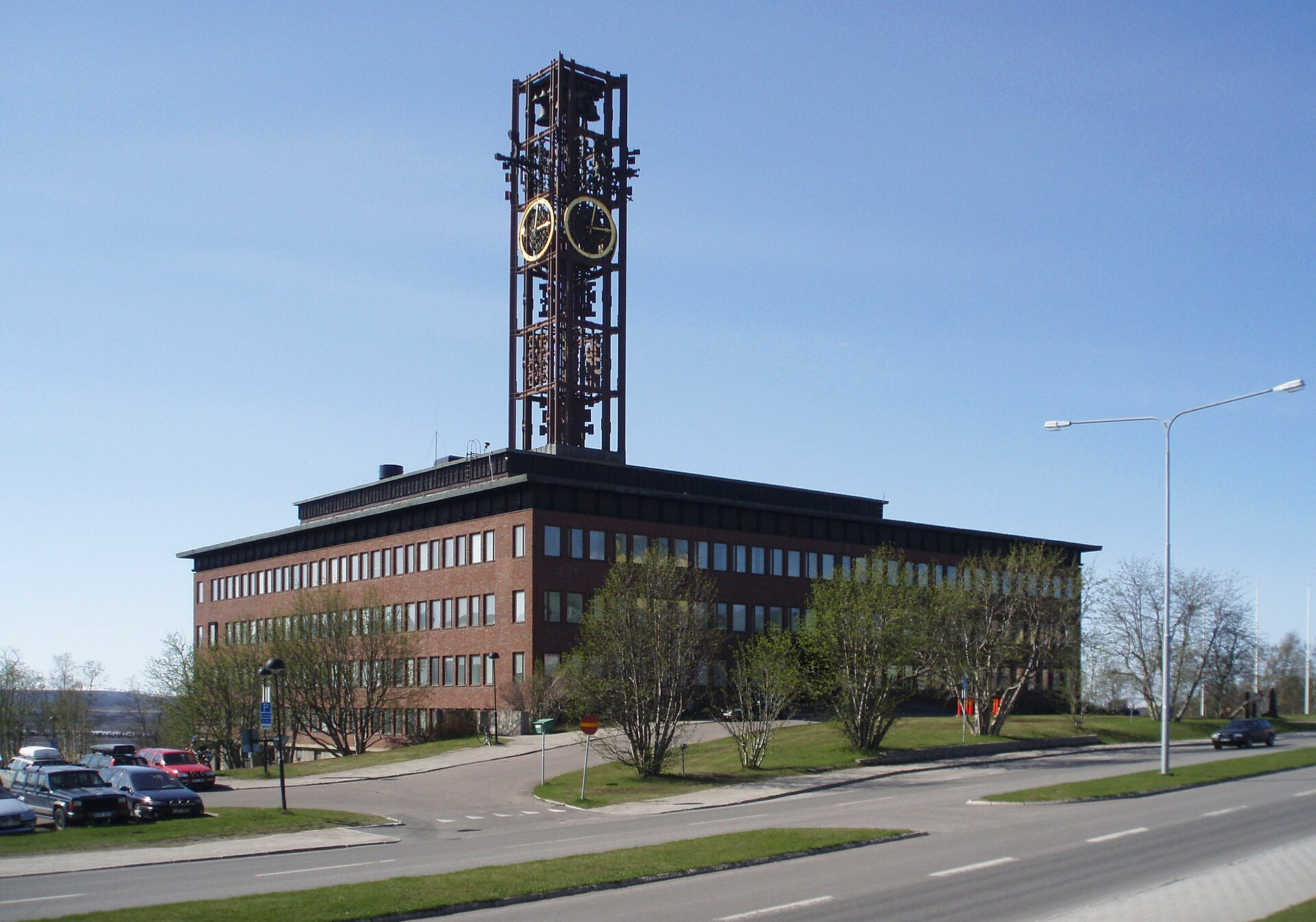
The relocation runs on a triage that says everything about what a town decides it is. Ordinary buildings — apartment blocks, offices, the old center’s commercial stock — are being demolished and rebuilt new in the eastern town, their residents compensated and rehoused; over the project’s life, thousands of homes and a hundred-plus businesses are changing address. A new downtown is already alive: the crystalline round city hall opened in 2018 as the new center’s anchor, followed by a new main square, hotels, shops, and housing, so that today’s visitor steps off the bus into a functioning Arctic downtown that did not exist a decade ago.
But the buildings that carry the town’s soul get the full treatment: they’re moved whole. Dozens of Kiruna’s historically significant structures — pioneer-era wooden houses, the founder’s villa, the iconic clock tower from the old city hall, which now stands proudly beside the new one — have been lifted onto transporters and driven, at walking pace, to new foundations in the east. The town has, in effect, curated itself: deciding which pieces of a century are furniture and which are family.
And in August 2025 came the main event. Kiruna Church — 672 tons of red timber, 40 meters wide — was cut free of its foundation, raised onto self-propelled modular transporters, and driven the five kilometers to its new home over two days, at roughly half a kilometer an hour, down a route specially widened for it. Sweden treated it as the television event it was: tens of thousands lined the route and national broadcast covered the journey live, the church rolling past crowds like the world’s most solemn parade float, bell tower following separately. “The Great Church Walk,” as it was billed, went off without a scratch — and instantly became the signature image of the whole relocation: a city carrying its heart to safety in its arms.
Visiting a City in Two Places
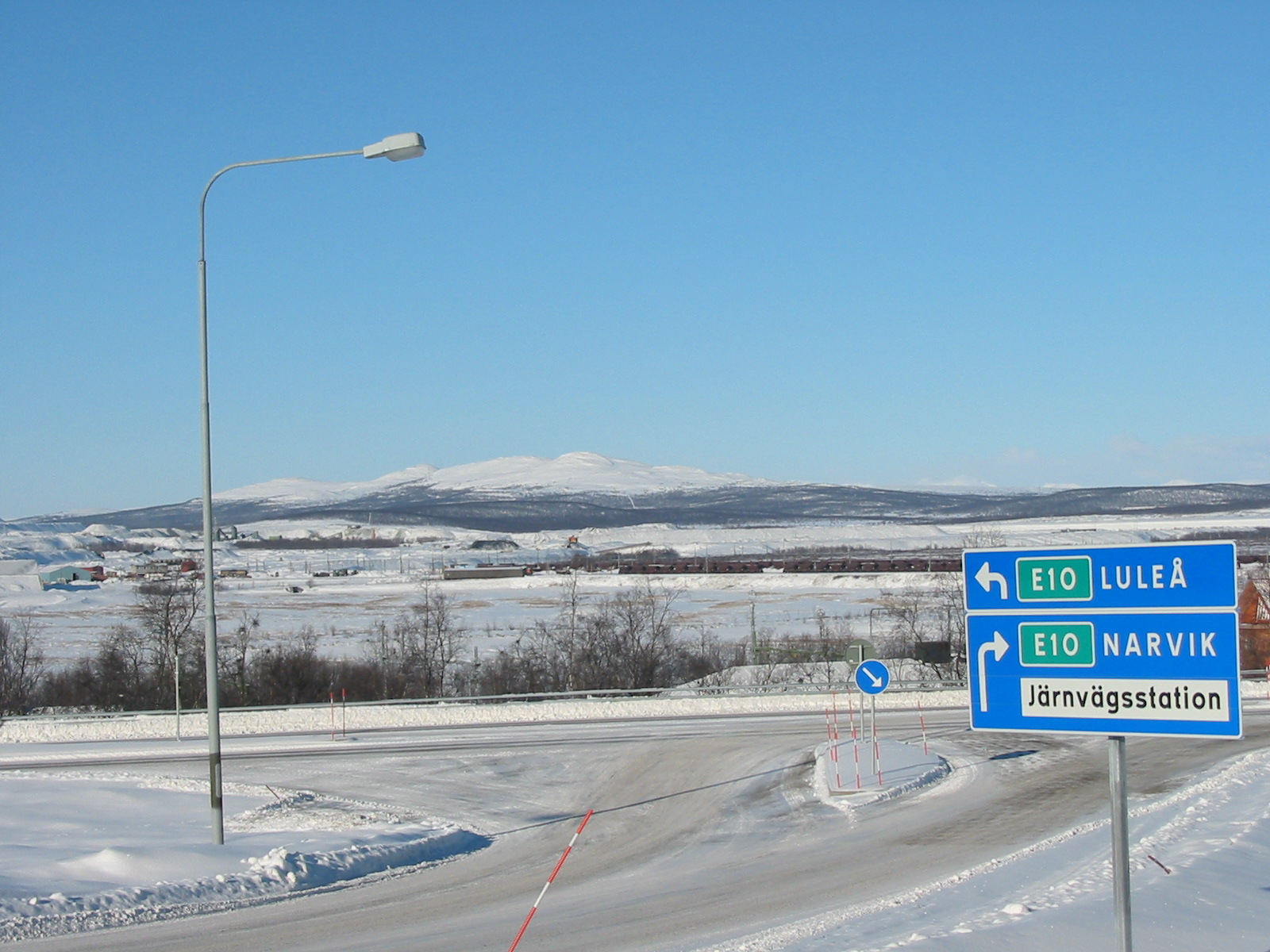
For travelers, Kiruna right now is unrepeatable — a before-and-after photograph you can walk through. In the east, the new town center hums with the slightly uncanny freshness of a city with no old buildings except the ones that arrived on trucks: the round city hall with its art collection, the relocated clock tower, new hotels and restaurants, the church settling into its new hilltop. To the west, the old center is a place in mid-farewell — blocks emptying in stages, some already gone to gravel, guided walks tracing what stood where. LKAB runs tours into the mine itself, descending to a visitor level hundreds of meters down to see the machine rooms of the thing the whole story orbits. Few places on Earth let you tour the cause and both effects in one afternoon.
The setting, meanwhile, remains the Arctic playground it always was. Kiruna is Sweden’s gateway to Lapland: the northern lights in the dark months, the midnight sun from late May to mid-July, dogsledding, and — a short drive away in Jukkasjärvi — the original Icehotel, rebuilt from river ice every winter. The town also serves as the base for visiting Sápmi culture respectfully, with Sámi-run experiences in the surrounding region, and for Esrange, the space center out on the tundra that has begun launching satellites — because this particular small town apparently collects superlatives.
Trains run overnight from Stockholm (one of Europe’s great sleeper rides), and flights connect daily. Winter is the aurora season; June and July trade darkness for round-the-clock light. Either way, pack for the Arctic and book the mine tour ahead.
What Kiruna Is Really Testing
It’s easy to file Kiruna under engineering marvels, and it is one — but the more interesting experiment is civic. The relocation asks a question no city has answered at this scale: what, exactly, is a town? Kiruna’s working answer — the people, a handful of buildings worth carrying, and the willingness to rebuild everything else — is being watched closely, and not out of idle curiosity. Coastal cities eyeing rising seas, communities above depleting resources, and planners of managed retreat everywhere cite Kiruna as the first full-dress rehearsal of a question this century will ask repeatedly: not whether a city can move, but how one does it while remaining itself.
Early verdict from the Arctic: it can be done, it takes decades, it costs a mine’s fortune — and if you get the church there safely, with the whole country watching and the bells waiting to ring in a new place, the rest is logistics. Kiruna’s advice to the future, delivered at half a kilometer per hour, is that a city is not where it stands. It’s what it refuses to leave behind.
Like our content? Follow us for more.
