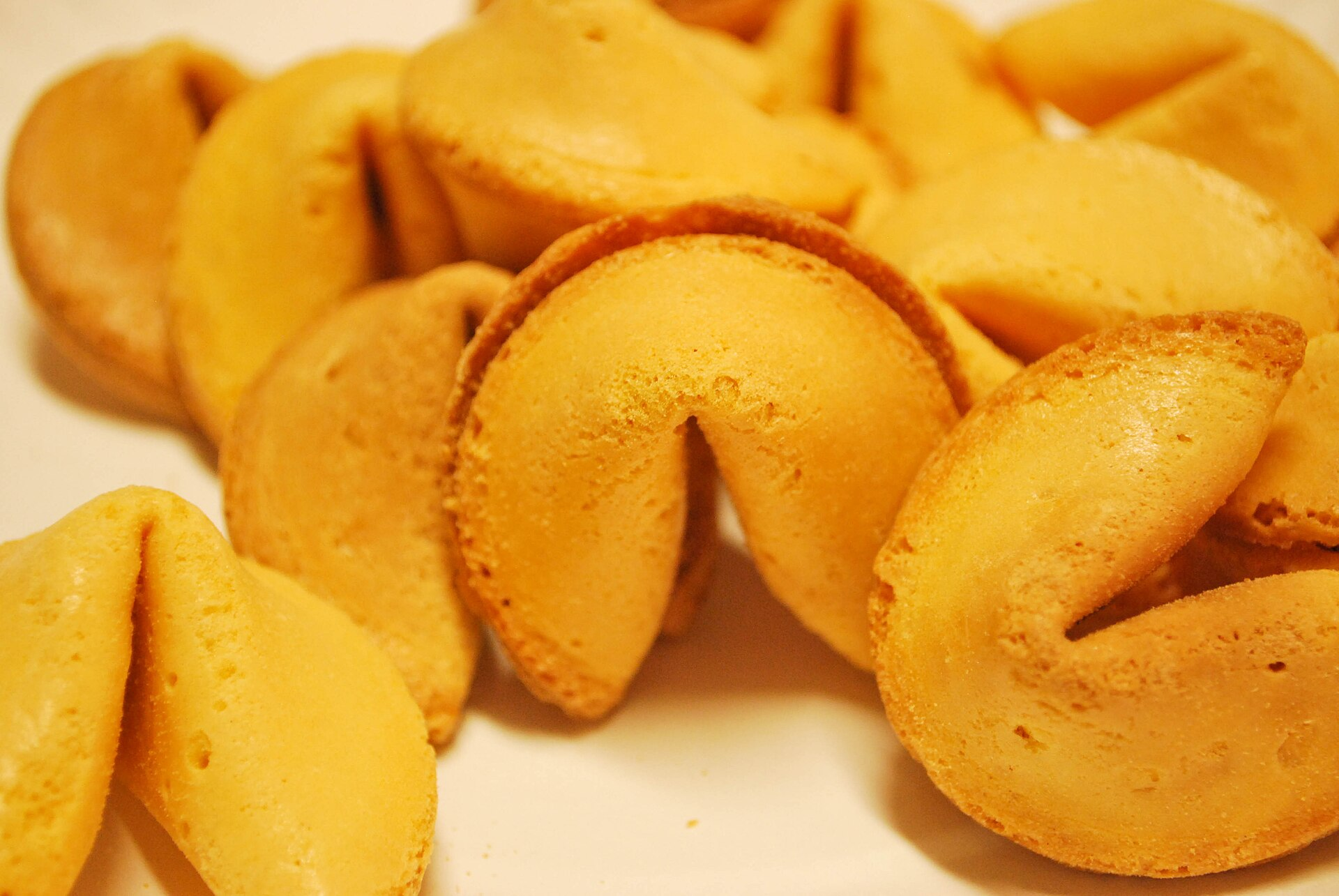
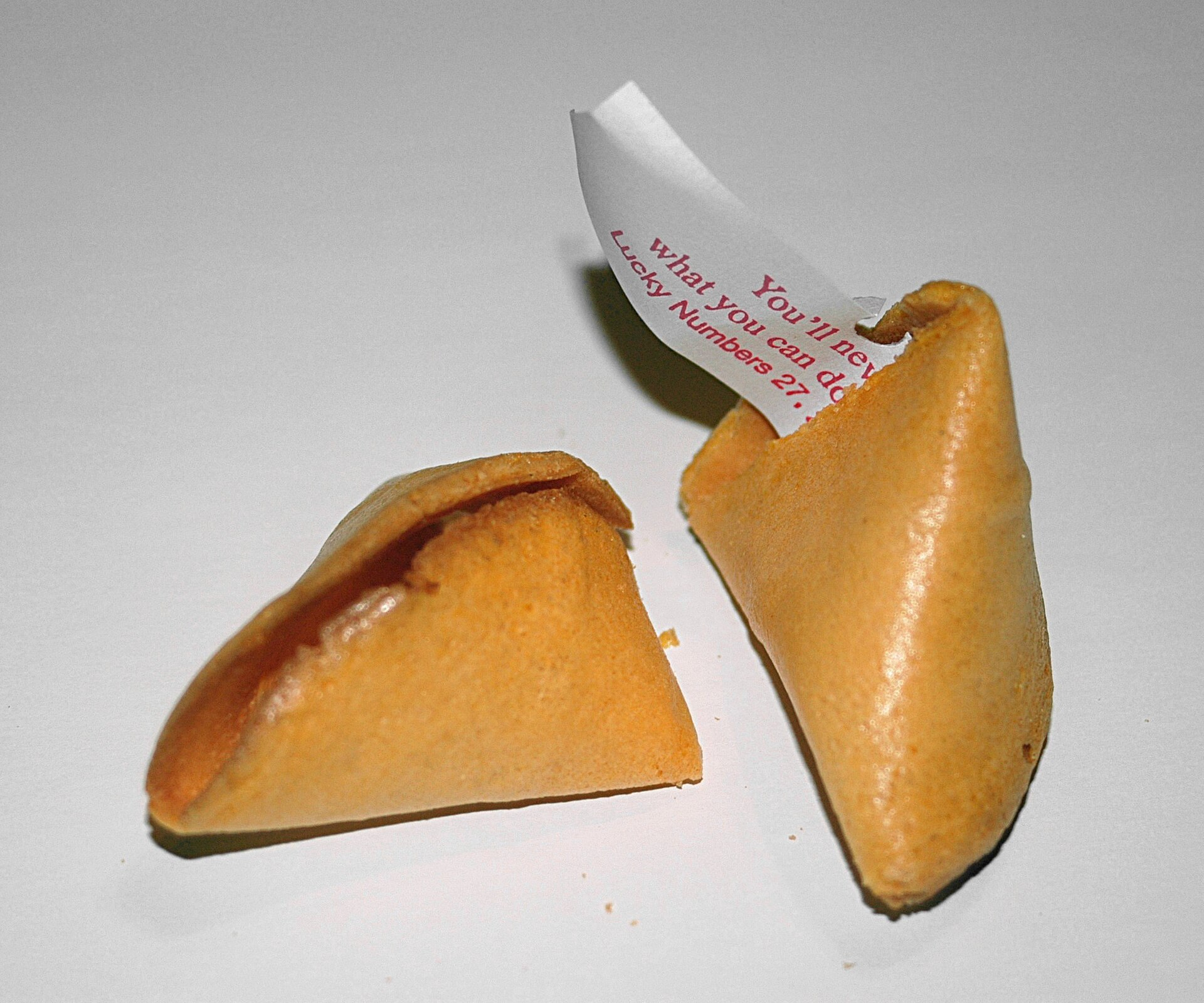
It’s the most reliable ritual in American dining: the meal at the Chinese restaurant ends, the check arrives, and alongside it come the fortune cookies — those crisp, folded, vaguely sweet shells, each cracked open to reveal a slip of paper bearing a fortune, a proverb, or a set of lucky numbers. Nothing feels more essentially, iconically Chinese to the average American diner. Which makes the truth truly surprising: the fortune cookie is not Chinese at all. In China, it’s essentially unknown, and where it does appear, it’s often understood as a strange foreign novelty — an American thing.
The fortune cookie is one of the great culinary misunderstandings in American life, a food universally assumed to come from one culture that in fact originated somewhere else entirely, in a story tangled up with Japanese immigrants, California restaurants, a world war, and a real historical dispute over who invented it. Unraveling where the fortune cookie really came from is a fascinating detour through immigration, adaptation, and the way foods take on identities that have little to do with their actual roots — and it reveals that the real story is substantially more interesting than the comfortable myth it replaced.
A Cookie Unknown in Its Supposed Homeland
The first and most telling clue that the fortune cookie isn’t Chinese is that people in China, by and large, don’t have them. The fortune cookie is a fixture of Chinese restaurants in the United States and other Western countries, but it is largely absent from the dining culture of China itself, where the custom of ending a meal by cracking open a folded cookie for a paper fortune simply isn’t a traditional practice. Visitors from America are often surprised to discover that the cookie they associate so completely with Chinese food is missing from actual Chinese cuisine.
The most delicious evidence of this disconnect comes from a widely reported episode in which an American company attempted to introduce fortune cookies to the Chinese market in the 1990s. The cookies reportedly failed to catch on, and in a detail that perfectly captures the irony, they were marketed there as an American product — “genuine American fortune cookies,” by the popular account. A food that Americans consider quintessentially Chinese was, in China, a novelty import from the United States. That single fact upends the entire assumption most Western diners carry about where their after-dinner cookie comes from.
Like our content? Follow us for more.
The Japanese Roots
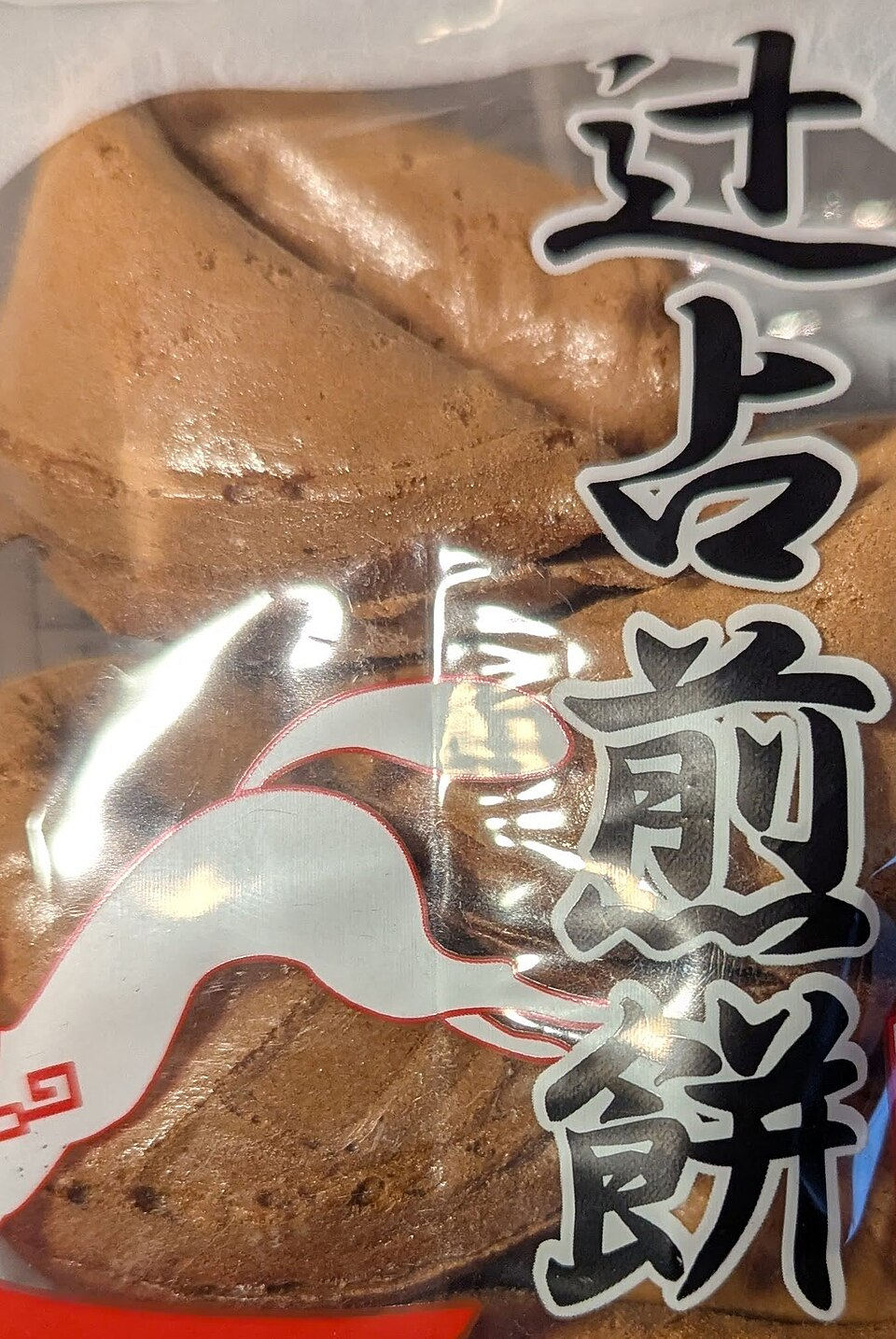
If not China, then where? The trail leads, surprisingly, to Japan. Food historians who have investigated the fortune cookie’s origins have found compelling evidence that its true ancestor is a Japanese cracker. There exists a traditional Japanese confection — a larger, browner, sesame-and-miso-flavored cracker, sometimes containing a paper fortune — made in the region around Kyoto, with a history stretching back well over a century. These crackers, folded in a distinctive shape and in some cases holding a slip of paper, bear a striking resemblance in form and concept to the modern fortune cookie, and researchers have traced illustrations and references to such fortune-bearing crackers in Japan predating the American fortune cookie’s appearance.
The bridge from this Japanese tradition to the American Chinese-restaurant staple runs through Japanese immigrants in California. In the late 1800s and early 1900s, Japanese immigrants settled on the American West Coast, and among them were people who made and sold confections, including versions of these folded, fortune-containing crackers, often connected to Japanese tea gardens and businesses in cities like San Francisco and Los Angeles. It was in this Japanese-American context, food historians believe, that the treat began its transformation into the cookie known today — sweeter and lighter than its Japanese ancestor, adapted to American tastes, but retaining the essential folded form and the hidden paper fortune.
Who Actually Invented It? A Real Dispute
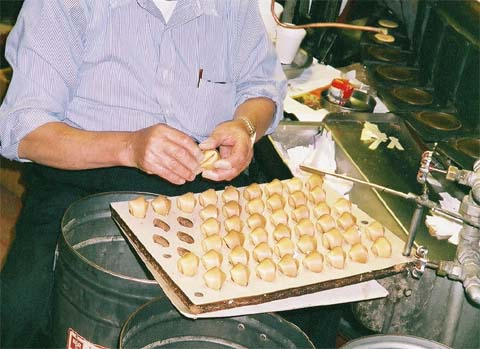
Pinning down the exact inventor of the American fortune cookie is impossible, because it’s the subject of a long-running and colorful dispute, with multiple people and cities claiming the honor. The competing claims center largely on California, and specifically on a rivalry between San Francisco and Los Angeles, each of which has advanced candidates for the title of fortune cookie originator.
One prominent claim credits a Japanese immigrant associated with a famous Japanese tea garden in San Francisco, who is said to have served fortune cookies (or their immediate ancestor) to garden visitors around the early twentieth century. A competing claim points to a Los Angeles-based entrepreneur who asserted he had invented and popularized the cookie in that city around the same era. The dispute has been serious enough that it was once, memorably, the subject of a mock trial staged to adjudicate the competing San Francisco and Los Angeles claims — a lighthearted proceeding that, fittingly, could not really settle the matter. What’s clear from all the competing accounts is the common thread: the people at the center of the fortune cookie’s American origins were overwhelmingly Japanese immigrants and Japanese-American businesses, not Chinese ones. The cookie was born in a Japanese-American milieu, whoever first sold it.
How a Japanese Cookie Became “Chinese”
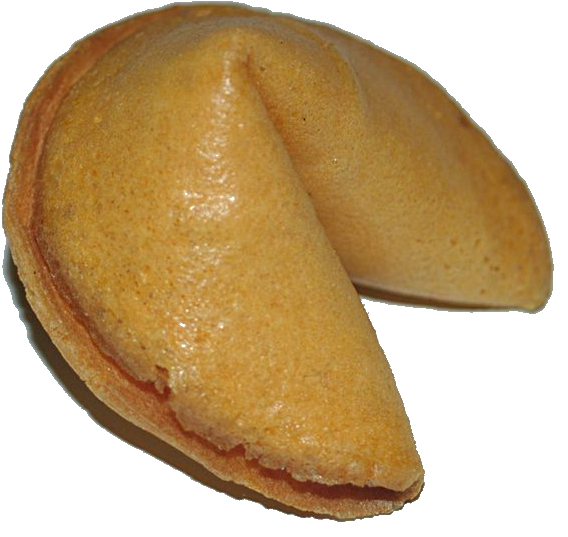
The final piece of the puzzle is the great irony at the heart of the story: how did a treat with Japanese roots become, in the American mind, the definitive symbol of Chinese food? The answer appears to lie substantially in the upheavals of the Second World War. Before the war, fortune cookies in America were largely made and sold by Japanese-Americans, often in connection with Japanese businesses on the West Coast. During the war, Japanese-Americans on the West Coast were forcibly removed from their homes and businesses and confined in incarceration camps — a grave injustice that also, incidentally, devastated the Japanese-American businesses that had been making fortune cookies.
Into the gap stepped Chinese-American entrepreneurs and restaurants, which began producing and serving fortune cookies, and in the postwar years the cookie became firmly associated with Chinese restaurants rather than Japanese ones. As Chinese-American restaurants proliferated across the country in the following decades, they carried the fortune cookie with them, cementing it in the national imagination as an inseparable part of the Chinese-American dining experience. By the time most Americans encountered a fortune cookie, it arrived at the end of a meal at a Chinese restaurant, and the association became total and permanent — the Japanese origins forgotten, the wartime displacement that enabled the handoff unremembered, the cookie’s identity fully and inaccurately fixed as “Chinese.”
The Cookie Goes Mainstream
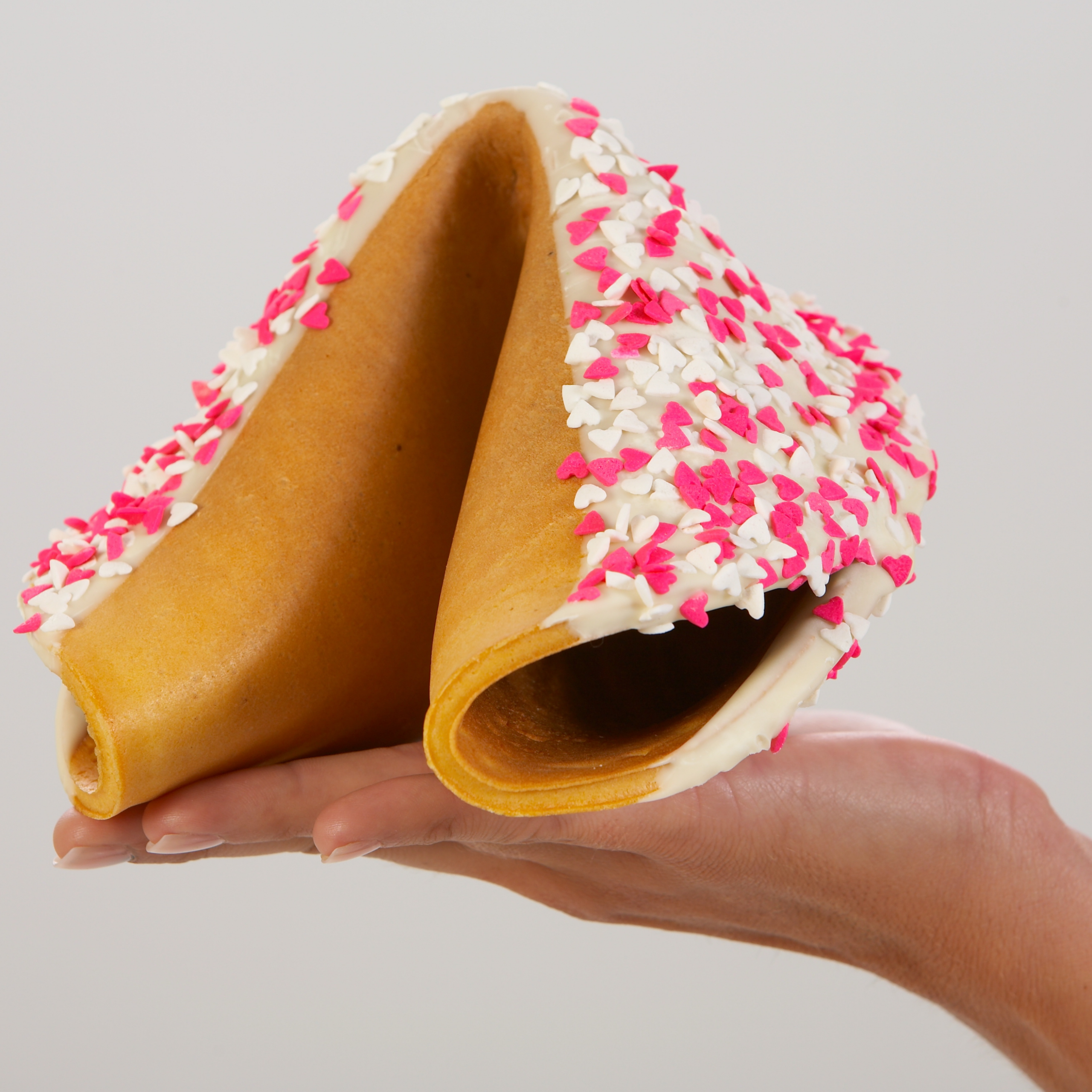
The transformation of the fortune cookie into a mass-produced American staple is a story in itself. For much of its early life, the cookie was made by hand — a slow, skilled process of folding hot, pliable wafers around paper slips before they cooled and hardened, work that limited how many could be produced. That changed in the second half of the twentieth century, when machines were developed to automate the folding and fortune-insertion process, allowing fortune cookies to be manufactured by the millions at low cost.
This mechanization is what turned the fortune cookie from a regional specialty into a nationwide fixture, cheap and plentiful enough to accompany every takeout order and every restaurant check across the country. Today, enormous quantities of fortune cookies are produced annually, the overwhelming majority in the United States, cementing the irony at the heart of the story: a treat with Japanese roots, now considered Chinese, is in fact manufactured on an industrial scale as a thoroughly American product. The fortunes themselves became a small industry too, with writers employed to produce the endless supply of proverbs, predictions, and lucky numbers — and the addition of lucky numbers eventually created its own strange footnote, when numbers from fortune cookies were credited with producing a wave of lottery winners who had all played the same cookie-supplied digits.
What the Fortune Cookie Really Tells Us
The fortune cookie, understood properly, is a honestly American story — not Chinese, not simply Japanese, but a product of immigration, adaptation, injustice, and reinvention on American soil. It began as a Japanese cracker, was transformed by Japanese immigrants into a lighter American treat, was inherited by Chinese-American restaurants in the wake of a wartime tragedy, and became, through the spread of Chinese-American cuisine, a symbol of a culture it never actually came from. It is a food whose very identity is a kind of accident of history, and whose true origins tell a richer and more complicated story than the simple label it wears.
There’s a broader lesson tucked inside that folded cookie, right next to the fortune. The foods we think of as authentically belonging to one culture or another are often far more tangled, hybrid, and historically contingent than we assume — shaped by migration, adaptation, and the accidents of who happened to be making and selling them at a given moment. The fortune cookie feels like the most Chinese thing on the table, and it turns out to be a Japanese-descended, American-born creation that most people in China have never encountered. The next time one arrives with the check, it’s worth remembering that the little folded cookie carries a fortune more surprising than any slip of paper inside it: the true story of where it actually came from, which almost nobody at the table would ever guess.
Like our content? Follow us for more.