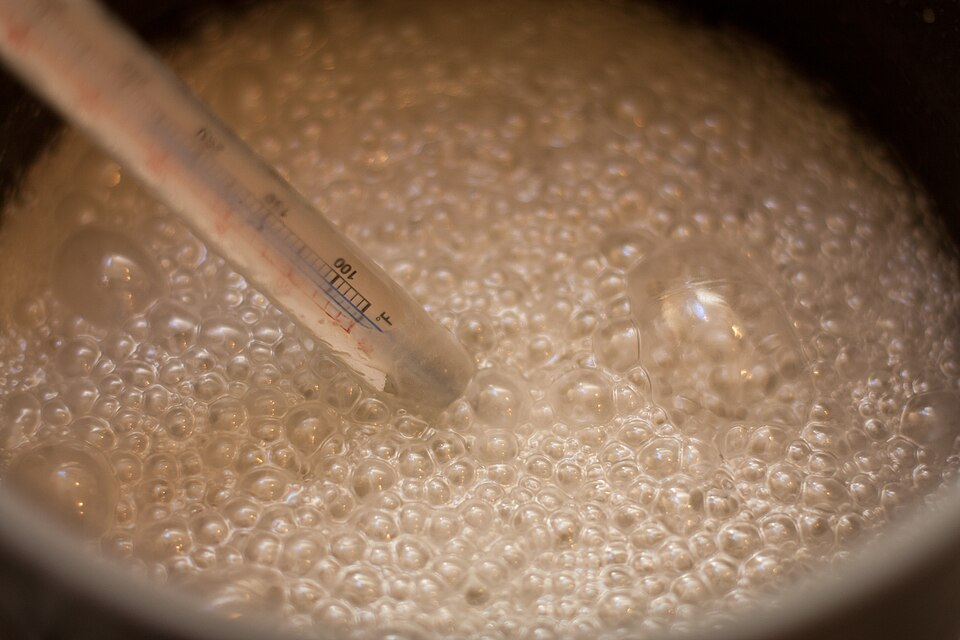
Making candy at home with children was one of the best things an American household did in 1965 and it was conducted around the hottest and most adhesive substance in the kitchen, with a mercury thermometer in the pan, an open gas flame, loose sleeves and a method that required somebody to decide by touch when a mass of cooling sugar was safe to handle.
The activity is entirely recoverable and most of the hazards are not inherent to it. Here are fourteen things about those afternoons.
1. The sugar was heated far past the temperature of boiling water
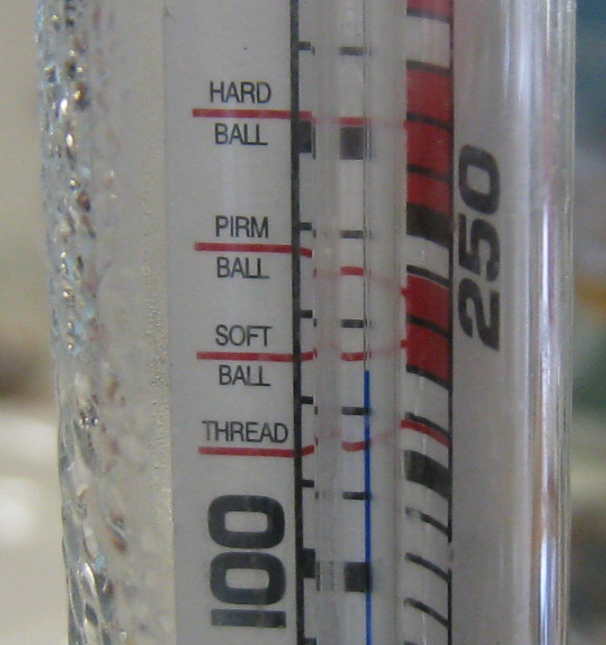
Candy making works by driving water out of a sugar syrup, and the stages a recipe calls for — soft ball, hard ball, soft crack, hard crack — are progressively hotter, with the hardest stages substantially above the boiling point of water. The pan on a 1965 stove held a liquid at that temperature with children standing at it.
Hot sugar syrup is more hazardous than boiling water for two reasons that nobody explained at the time: it is far hotter, and it is viscous, so it adheres to skin and keeps transferring heat instead of running off. Modern guidance for any domestic candy making is adults at the stove, children kept back during the boil, and the whole operation treated as the hottest thing that happens in a kitchen.
This is the reason the file exists. The activity was wholesome, the company was the point, and the pan was the most dangerous object in the house.
Like our content? Follow us for more.
2. The thermometer was mercury in glass
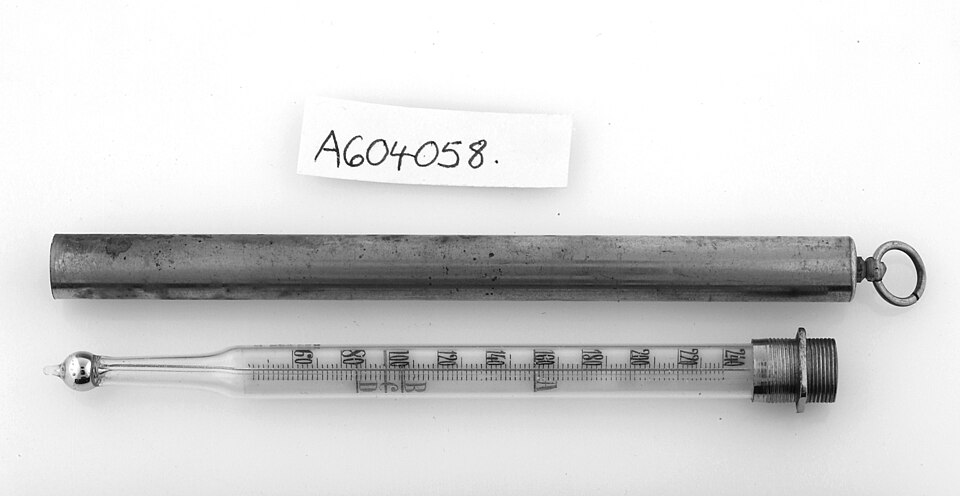
A candy thermometer was a long mercury-in-glass instrument clipped to the side of the pan, reading to well above the boiling point, and it was the one piece of specialist equipment a household bought for this.
A broken mercury thermometer in a pan of boiling sugar contaminates the confection, the pan and the stove, and mercury-in-glass thermometers have been progressively withdrawn from sale for domestic and clinical use in the United States and elsewhere, replaced by spirit-filled and digital instruments.
If an old mercury candy or clinical thermometer turns up in a drawer, the guidance is not to put it in the bin and not to vacuum a spill. Local household hazardous waste collection handles them, and most American counties have a route for it.
3. Doneness was judged by dropping syrup into cold water
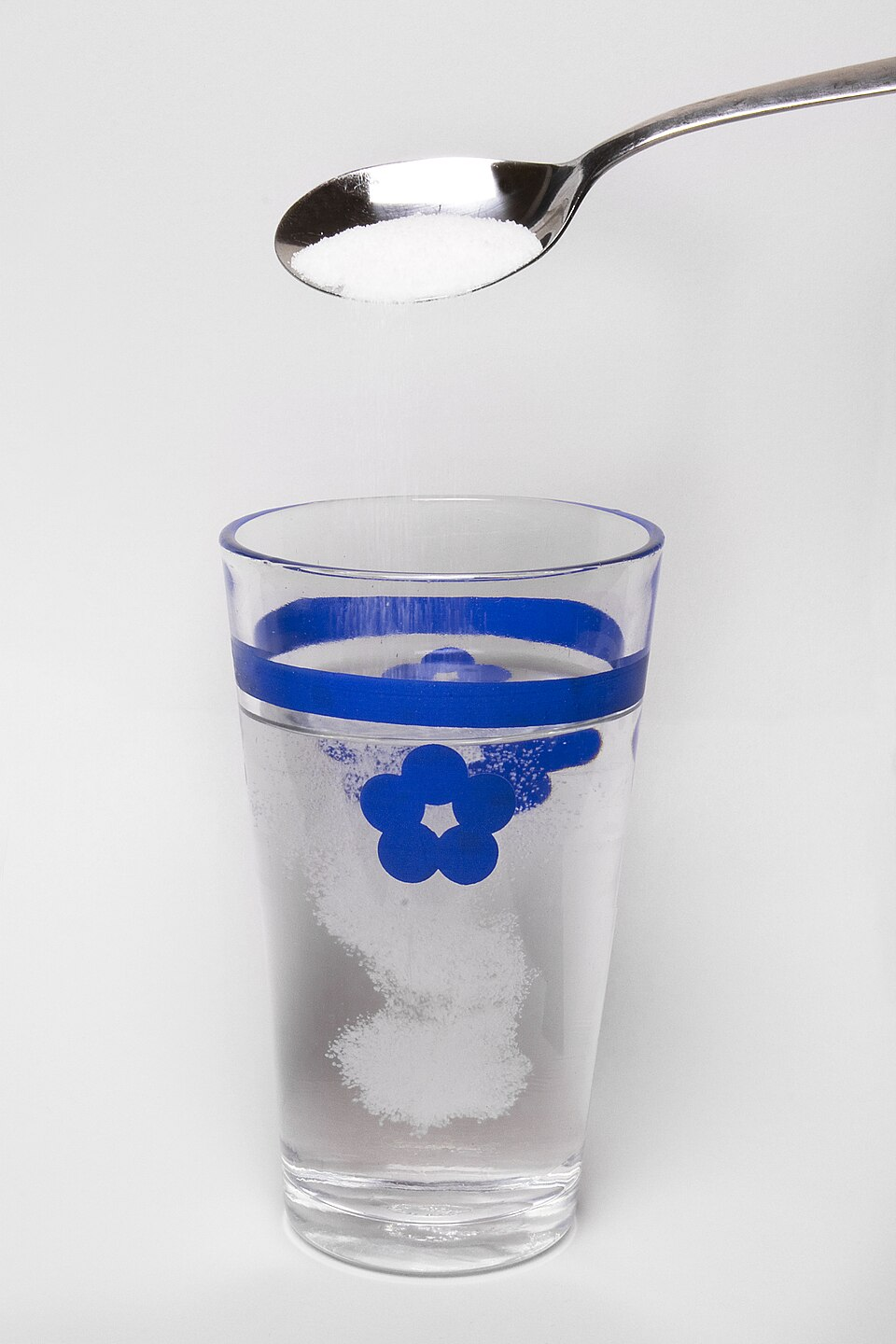
The cold water test was the method everybody used and many still do: a spoonful of syrup dropped into a cup of cold water, retrieved with the fingers and assessed by how it behaves between them.
It works and it is still taught, and the hazard in it is the transfer between pan and cup. The modern version of the same advice is to take the pan off the heat before testing, to use a fresh cup of genuinely cold water, and to keep the whole operation away from children, which is precisely the part that the 1965 kitchen inverted by making it the children’s job.
Nothing about the method has been superseded. What has changed is who is permitted to do it.
4. The syrup was poured onto a slab and worked by hand
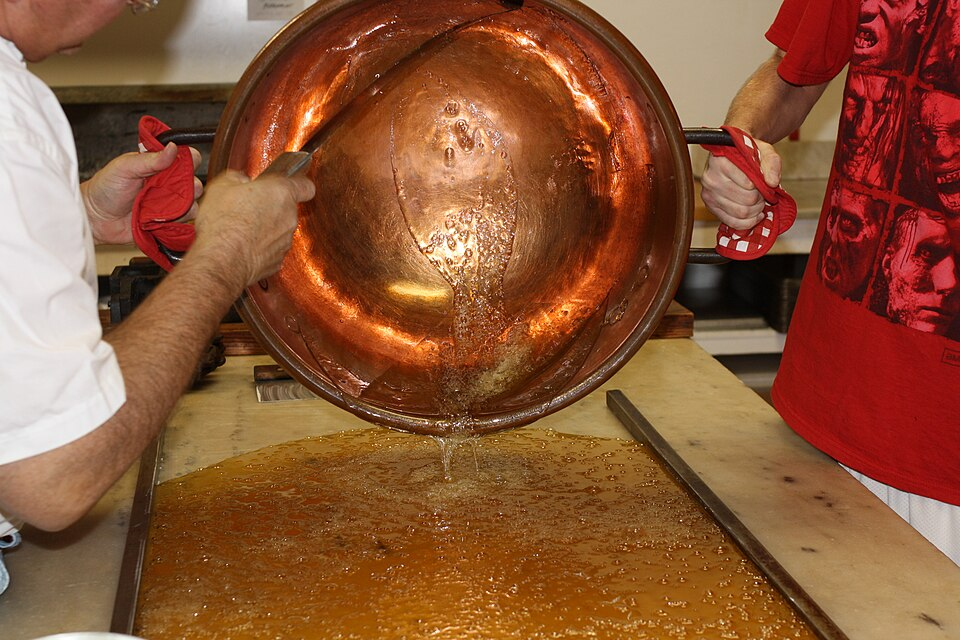
Brittles, toffees and pulled candies were poured onto a buttered marble slab or an enamel tray and then handled: scored, cut, folded and in the case of taffy pulled between two people once it had cooled enough to touch.
The judgement about when it has cooled enough to touch is the whole of the hazard, and it was made by children by touching it. Current advice for anything involving pulled or worked sugar is that the cooling stage is timed and supervised rather than tested by hand, and that the working surface is prepared before the pour rather than during it.
The taffy pull is one of the most fondly remembered American domestic activities of the period, and it consisted of a group of children handling a cooling mass of sugar at the point where it was still hot enough to matter.
5. The flame was open and the sleeves were loose
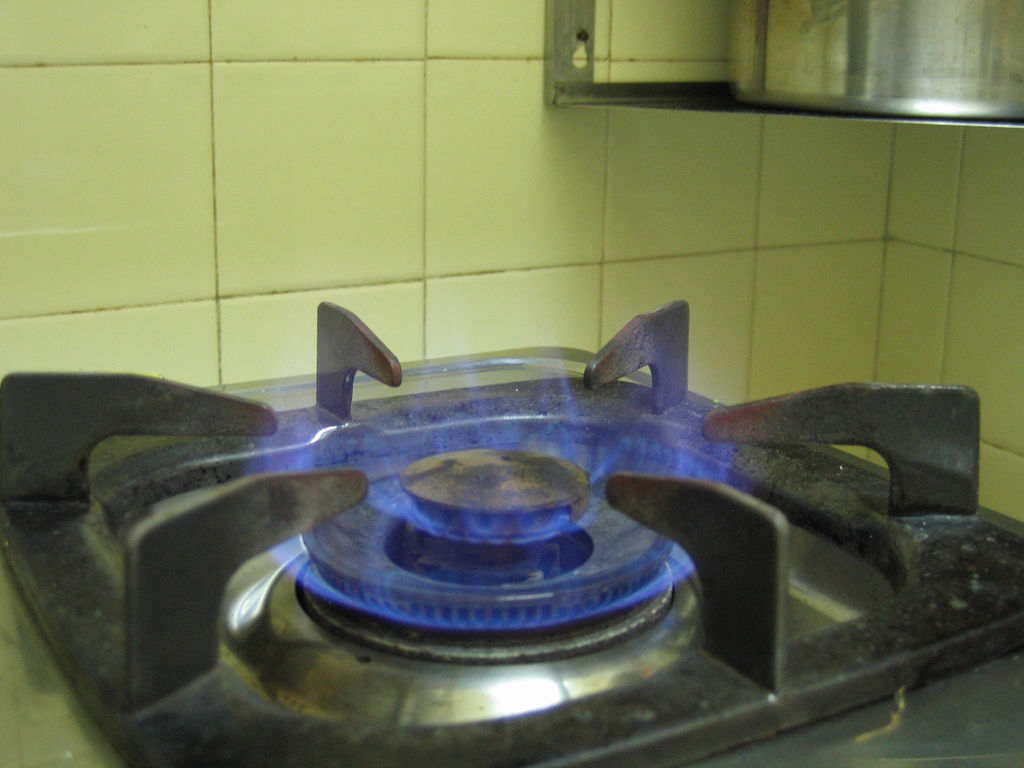
A gas ring with a tall pan on it, a child in a cardigan or a nightdress reaching across it, and no guard, no rail and no instruction about sleeves. The stove was also frequently at a height designed for an adult, which put a child’s face level with the pan rim.
Modern domestic guidance covers all of this in two sentences: cook on the back burners where possible, turn pan handles inward, and keep loose clothing away from a flame. Hob guards exist for households with small children and are inexpensive.
The reaching-across is the specific mechanism, and it is why the back burner advice exists. A pan knocked from the front of a stove by a child’s arm lands on the child.
6. Paraffin wax went into the chocolate
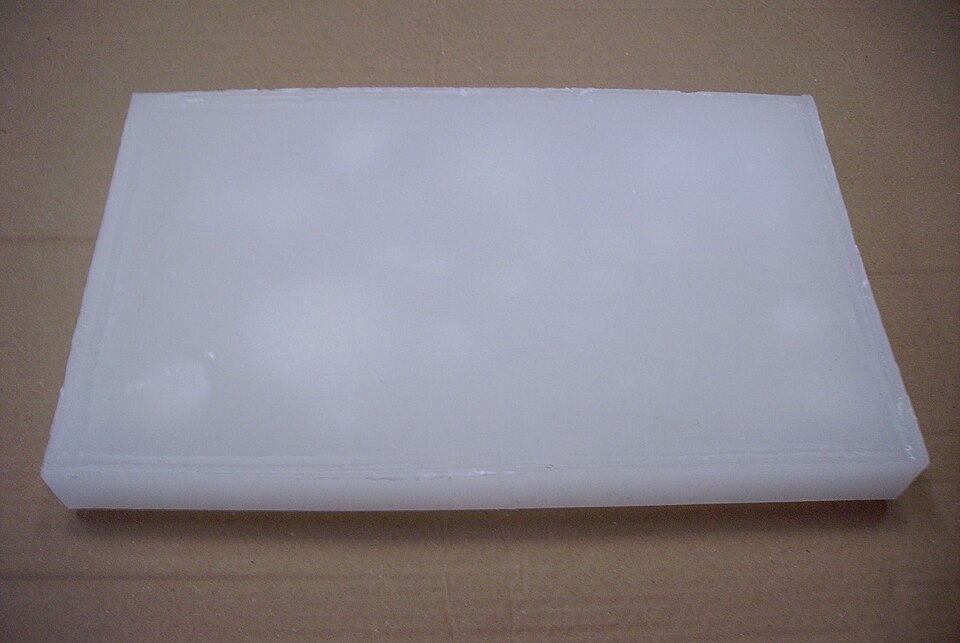
Domestic chocolate work in the period routinely added paraffin wax to melted chocolate, to make it set harder and shinier and resist melting in the hand, and it appears in a great many American family recipes for coated candies and fudge.
Food-grade paraffin remains permitted as a food additive in defined applications, and the practice has nonetheless largely disappeared from recommended domestic use, partly because tempering technique and better chocolate achieve the same result and partly because adding an indigestible wax to a confection is no longer thought of as a good idea.
It is one of the stranger inherited practices in American home cooking and it is still written into family recipe cards, which is why it is worth naming.
7. The colours are not all permitted any more
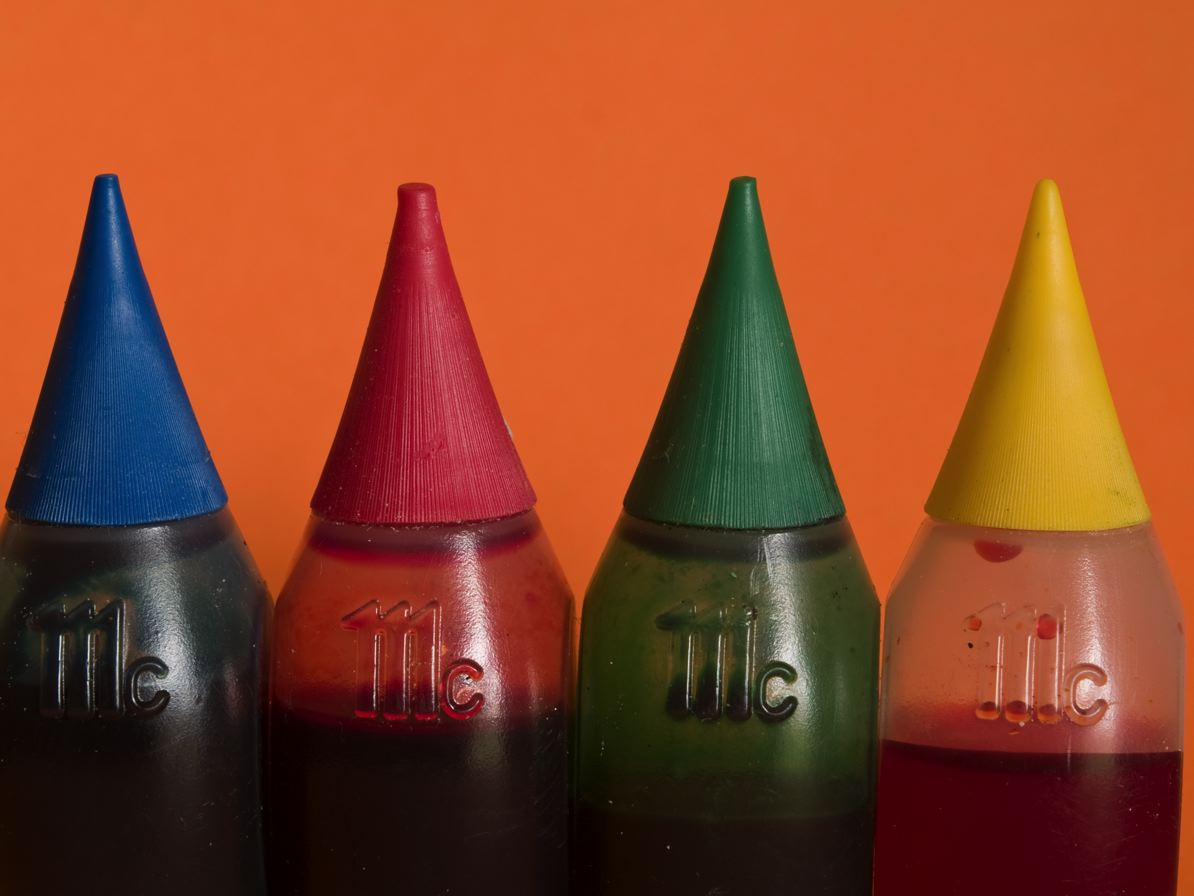
Home-made candy was coloured with the same bottles as cake icing, and the certified dye list of the early 1960s included colours that have since been removed from American food use entirely.
The 1960 amendment to American colour additive law required each dye to be specifically listed and supported by safety data, and several did not survive the review that followed. The current argument about food colour concerns different compounds and remains live rather than settled.
A 1965 recipe that specifies a colour by its old designation is referring in some cases to something no longer on the shelf, which is a small and genuine piece of food history.
8. The flavourings were concentrated oils with their own hazards
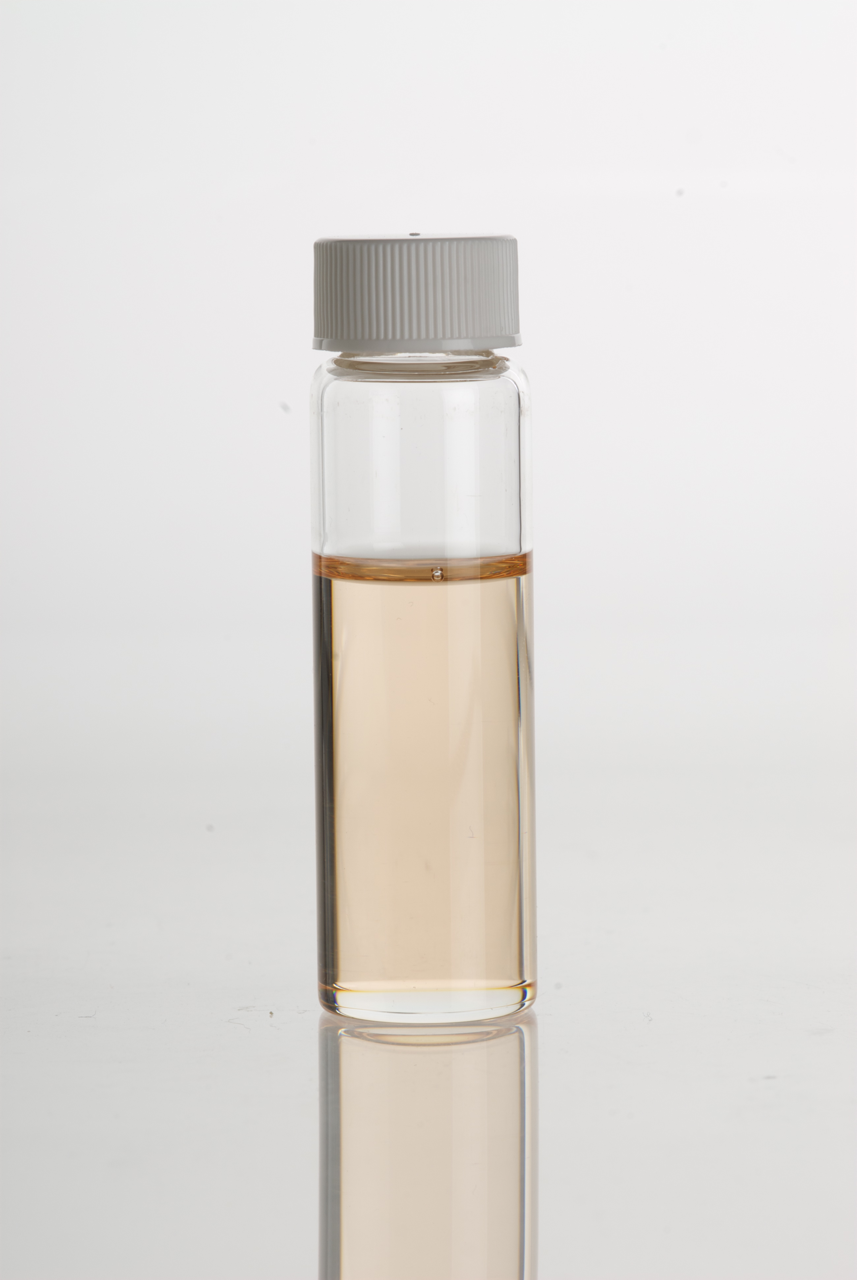
Flavouring oils rather than extracts were used for hard candy, because an alcohol-based extract flashes off at candy temperatures. Oil of wintergreen, oil of cinnamon, oil of clove and oil of peppermint were sold in small bottles and used by the drop.
Oil of wintergreen is the one that matters: it is largely methyl salicylate, which is hazardous in quantity and is of particular concern for small children, and American labelling on such products carries warnings and child-resistant packaging for that reason. The quantities used in candy are tiny and the hazard is the bottle rather than the sweet.
No quantity is stated here. The actionable fact is that a bottle of concentrated flavouring oil is a product to keep out of reach, which is not how it was stored in 1965.
9. The root beer and sassafras flavour lost its ingredient mid-period
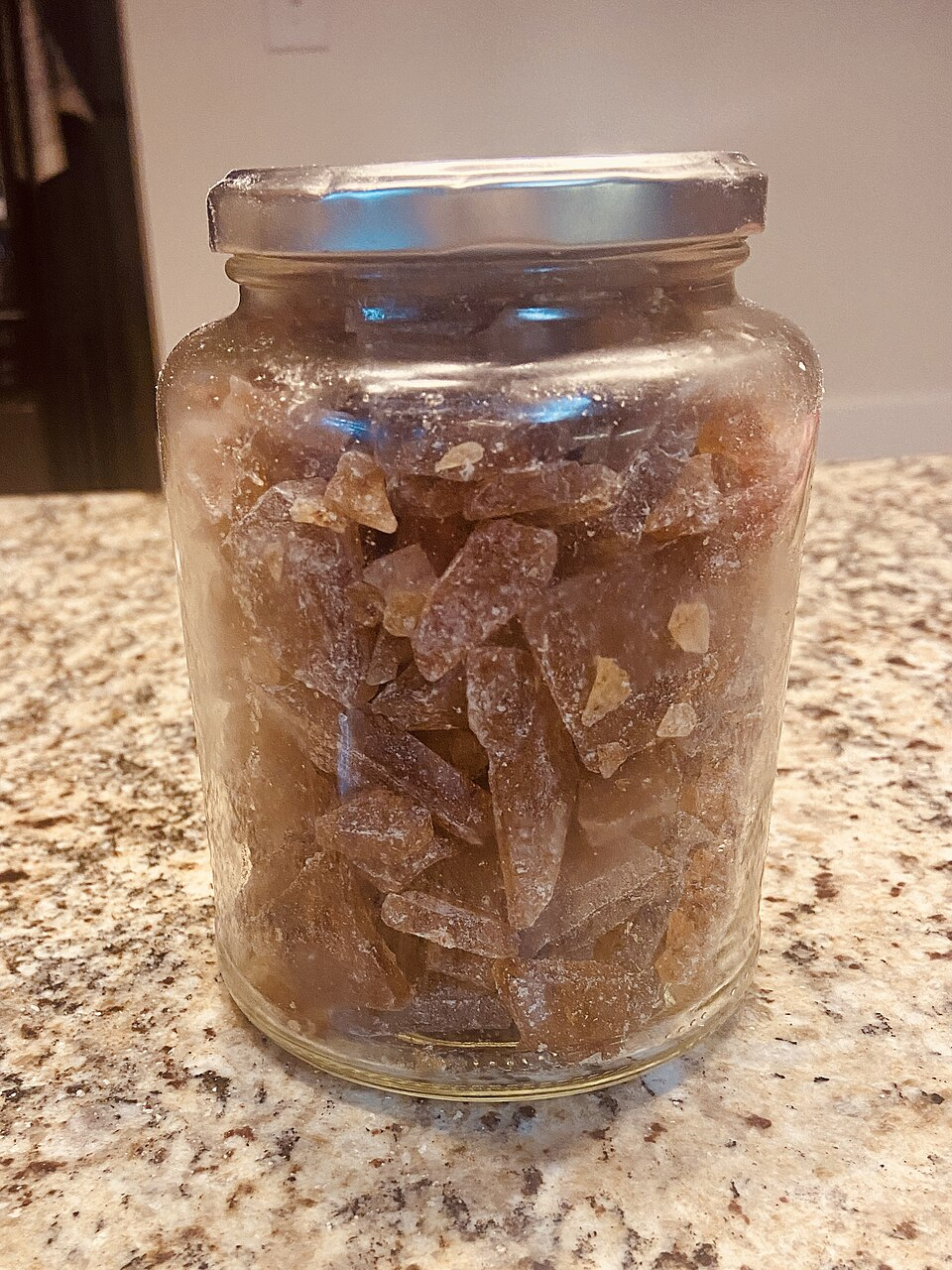
Sassafras was a traditional American flavouring used in candy, root beer and household teas, and it was on the shelf in various forms into the late 1950s.
Safrole, the principal component of sassafras oil, was banned as an American food additive in 1960 after animal studies found it caused liver tumours, with sassafras root bark for consumption following. The flavours were reformulated with other aromatics.
A household making root beer candy in 1965 was already using the substitute, which is why older relatives insisted it did not taste the way it used to. They were right.
10. Popcorn balls, nuts and hard candy went to very small children
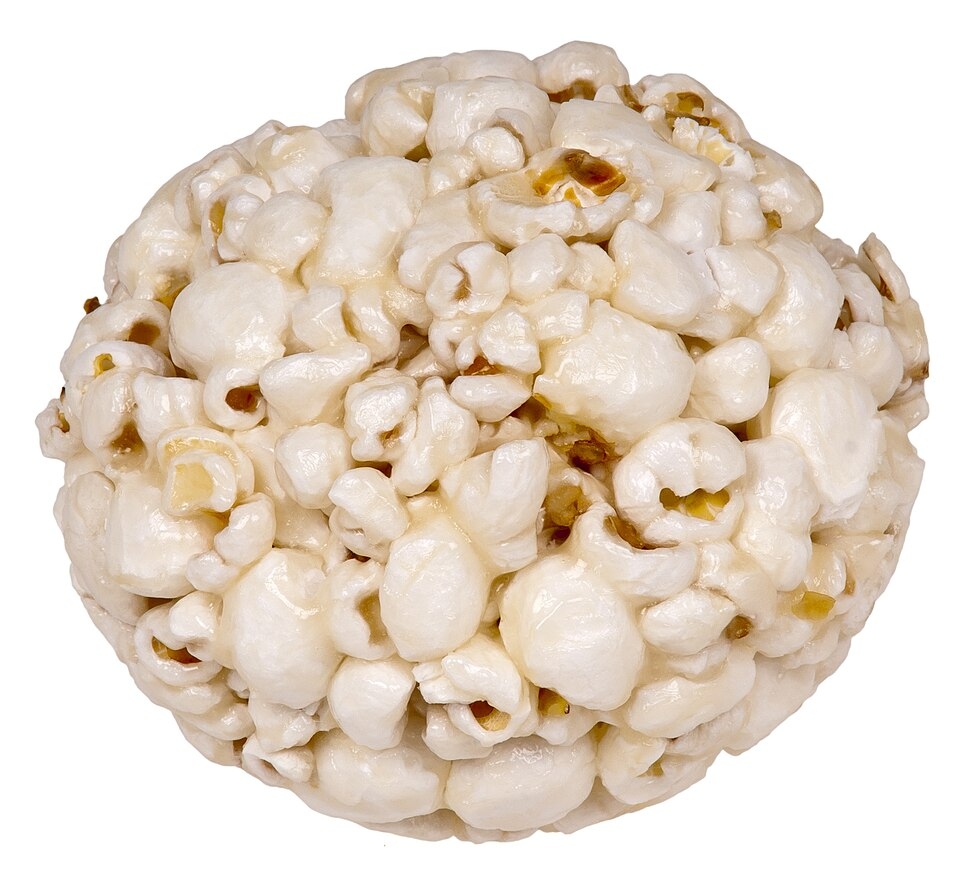
The output of a candy-making afternoon was handed round, and the recipients included toddlers. Popcorn balls, whole nuts, hard candy and anything round and firm were given to children of any age without a thought.
American small-parts and choking hazard regulation for children under three developed from the 1970s, and paediatric advice now names specifically the items that present the highest risk to young children: whole nuts, round hard candy, popcorn and anything of a size and shape that can occlude a small airway.
No age threshold or size is stated here because that is a paediatric question. The historical point is that the question was not asked, and the list of foods now specifically named is close to a list of what came out of that kitchen.
11. The pan was cleaned by soaking, and the sugar came off the stove last
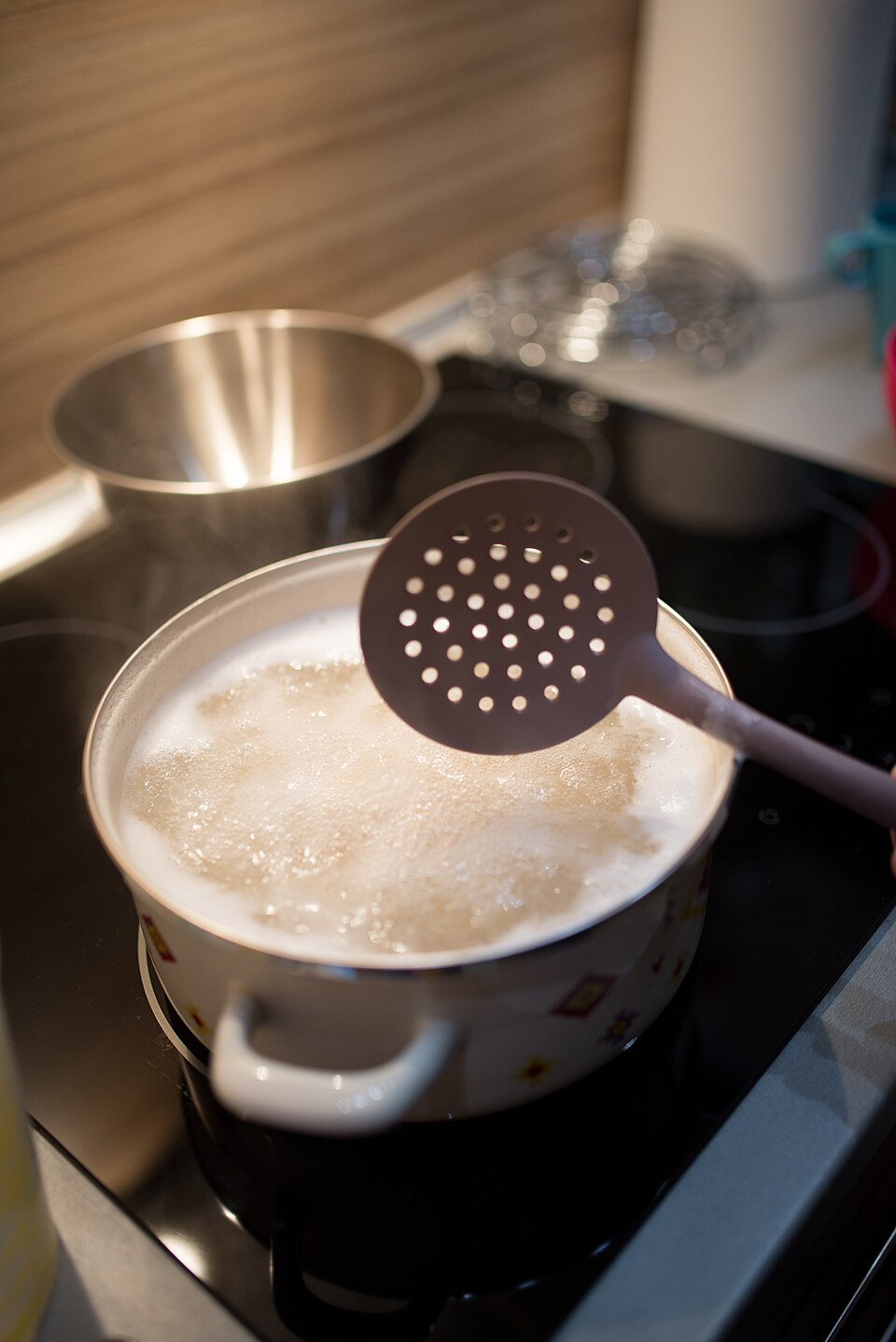
A candy pan sets solid, and the method was to fill it with water and boil it on the stove to dissolve the residue, which means a second pan of boiling liquid on the same stove at the end of an afternoon when everybody was tired and the kitchen was crowded.
It remains the correct method and the modern caution is the obvious one: it is another pan of boiling water, it goes on a back burner, and it is not a job for a child. The accumulation of fatigue, crowding and a second hot operation at the end of the session is the pattern that domestic safety guidance now identifies.
This is the item nobody thinks of as part of the activity, and it happens when the attention has already gone.
12. Everything was wrapped in waxed paper and nothing was labelled
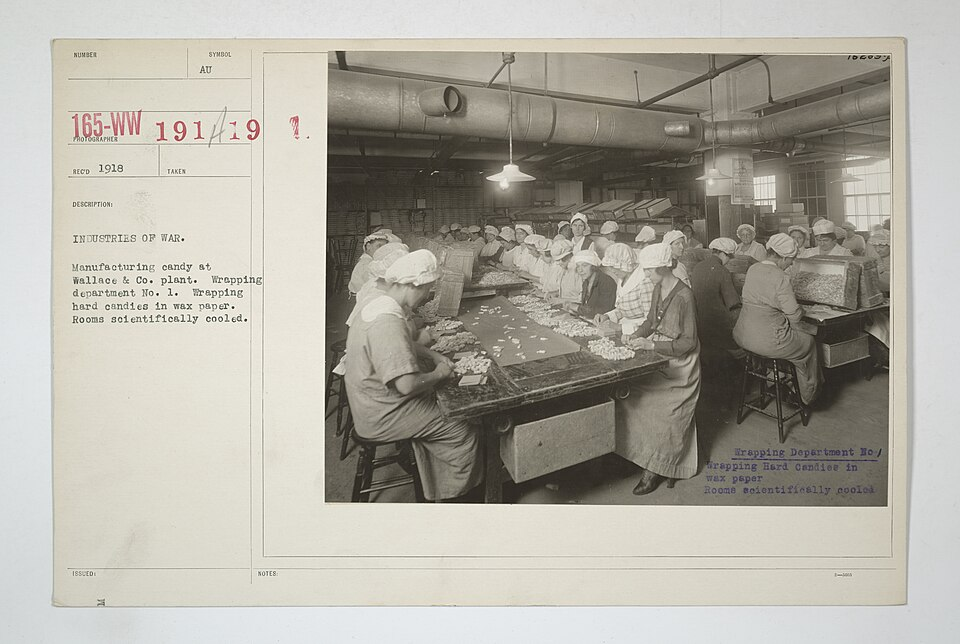
The finished candy went into tins and boxes lined with waxed paper, was given away to neighbours and relatives, and carried no indication of what was in it.
The labelling point is not bureaucratic. A household with a nut allergy, a coeliac diagnosis or a child with a specific intolerance has no way of knowing what is in an unlabelled home-made confection, and the modern convention for giving away home-made food is to say what is in it.
It costs nothing, it is the one genuinely useful modern practice in this file, and it was entirely absent in 1965 because nobody had the vocabulary for it.
13. The whole thing happened on a gas stove with no extraction
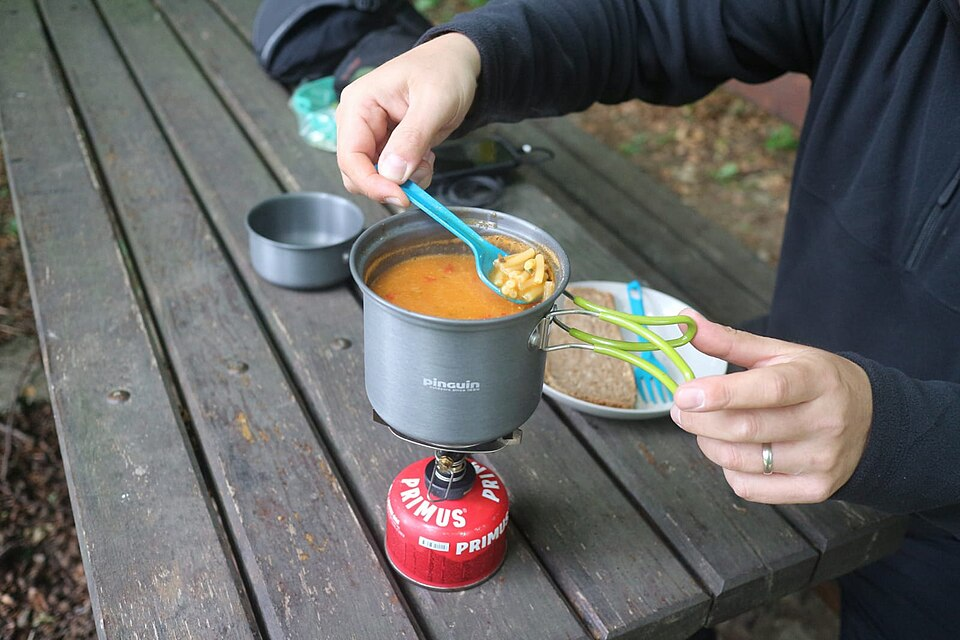
Sugar work produces steam and, at the hardest stages, a certain amount of caramelisation smoke, and the 1965 kitchen had a window rather than a hood. The gas burner itself was adding combustion products to a closed room in winter.
Domestic extraction is now standard and the general guidance for any cooking on gas is ventilation, which has had more attention in recent years as the indoor air quality effects of unvented gas cooking have been studied. The research is active and the practical advice is uncontroversial: use the extraction, or open a window.
This is the only item in the file where the hazard applied to the adults in the room more than the children at the pan.
14. And the thing that was better, which was the whole afternoon
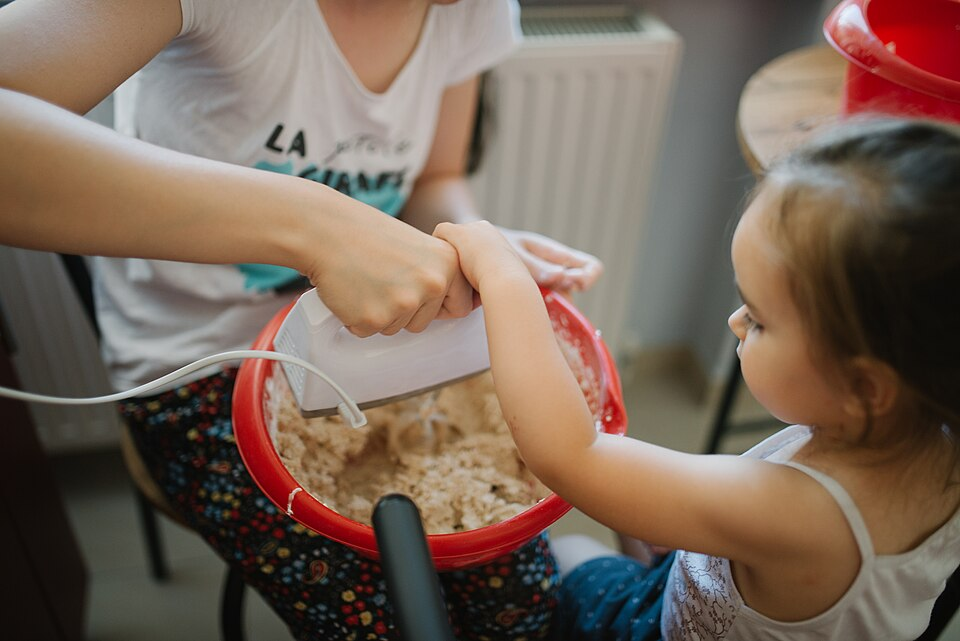
A candy-making afternoon was several hours of a shared activity with a result everybody ate, involving measurement, timing, judgement, patience and taking turns, conducted by an adult alongside children rather than for them. It was cheap, it used what was in the cupboard, and it filled a wet Saturday completely.
Nothing has replaced it and nothing in modern guidance opposes it. The activity is entirely available, the equipment is better, the thermometer no longer contains mercury, and the only change required is that the adult runs the hot stages and the children do everything else.
The honest summary is that the pan was genuinely dangerous, the mercury thermometer should go to a collection point rather than a bin, the flavouring oils belong out of reach, the unlabelled gift tin is worth correcting, and the afternoon itself was one of the best things a 1965 household did.
The hot stages and everything else
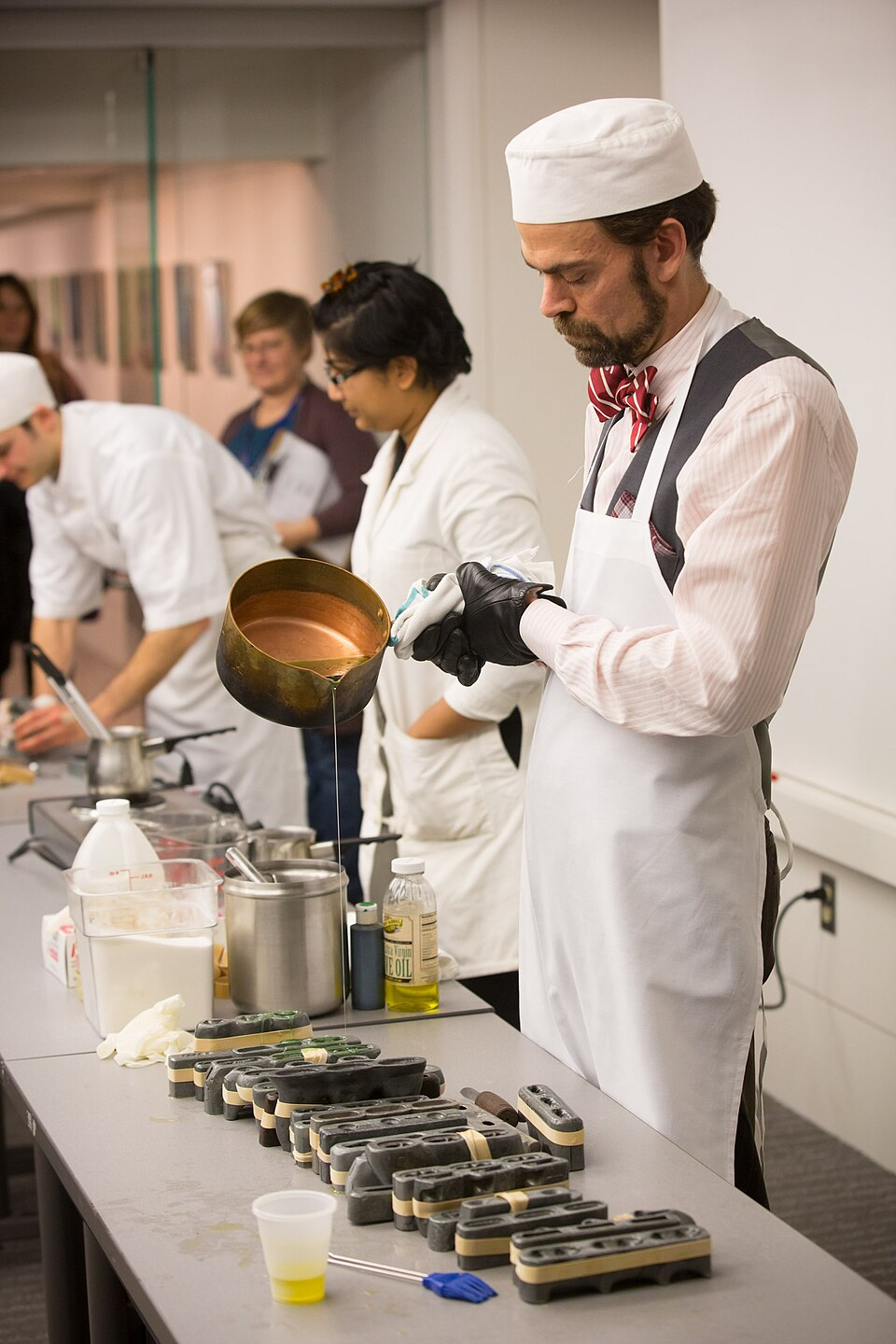
The useful way to read this file is as a division of labour that the 1965 kitchen got backwards. The hot stages — the boil, the cold water test, the pour, and the point at which cooling sugar becomes safe to touch — are the entire hazard, and they were the stages children were most involved in, because they were the exciting ones.
Everything else in a candy-making afternoon is genuinely a child’s job: measuring, buttering the slab, preparing the tins, cutting once it is cold, wrapping, labelling and distributing. The modern version of this activity is not a diminished one; it is the same afternoon with the adult holding the pan.
The three items that are not about heat are each worth a separate note. The mercury thermometer is a disposal question rather than a kitchen one and goes to a household hazardous waste collection rather than a bin. The concentrated flavouring oils, and oil of wintergreen in particular, belong out of a child’s reach because the bottle is the hazard rather than the sweet. And the unlabelled tin of home-made confection given to a neighbour is the one practice from 1965 that a household with an allergy has real reason to wish had changed sooner.
If the point is to do this with children, the arrangement that works is simple: the adult runs the stove and the pour, the children do the preparation and everything after the sugar is cold, the pan goes on a back burner with the handle turned in, and loose sleeves are rolled up before anything is lit.
The equipment has quietly improved to the point where there is no reason not to. A digital probe is cheaper and better than the mercury instrument it replaced, and it is the single piece of kit that makes the whole thing less fraught.
Like our content? Follow us for more.