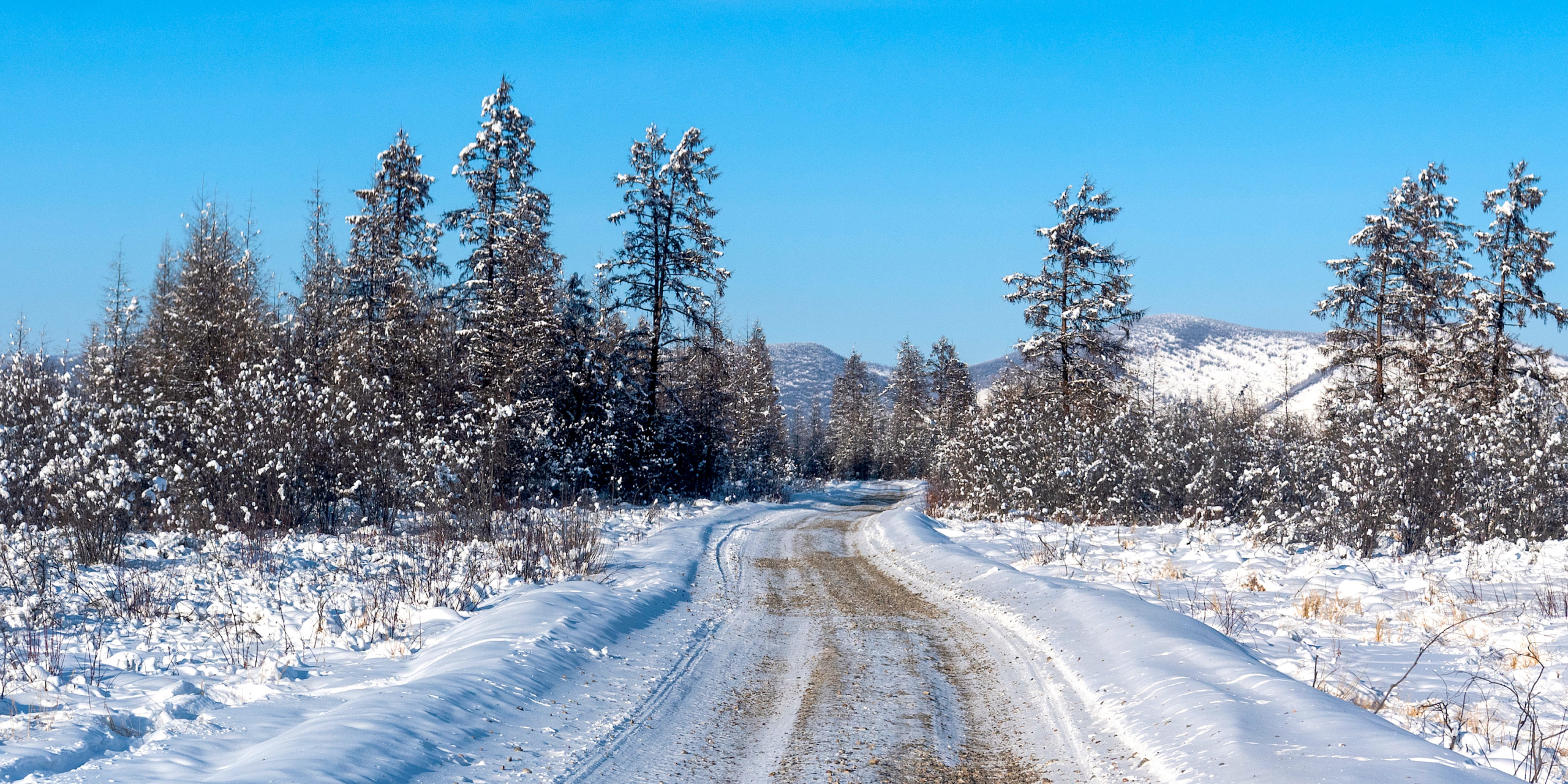
There are colder places on Earth than Oymyakon. The interior of Antarctica is colder by a wide margin and holds every genuine temperature record. What Oymyakon has is people: a few hundred of them, in a village with a school, a shop, a post office and a petrol station, living through winters that would be treated as an expedition anywhere else.
It sits in a valley in the Sakha Republic, around 350 miles south of the Arctic Circle, and it shares the title of Pole of Cold with Verkhoyansk a few hundred miles to the north. The two settlements have argued over the record for the better part of a century, the measurements involved are old and the methods behind them are disputed, and the practical difference between them is nothing at all. Both are places where the thermometer reaches a figure that stops being a temperature and becomes a different kind of fact.
Why a valley is colder than the Arctic
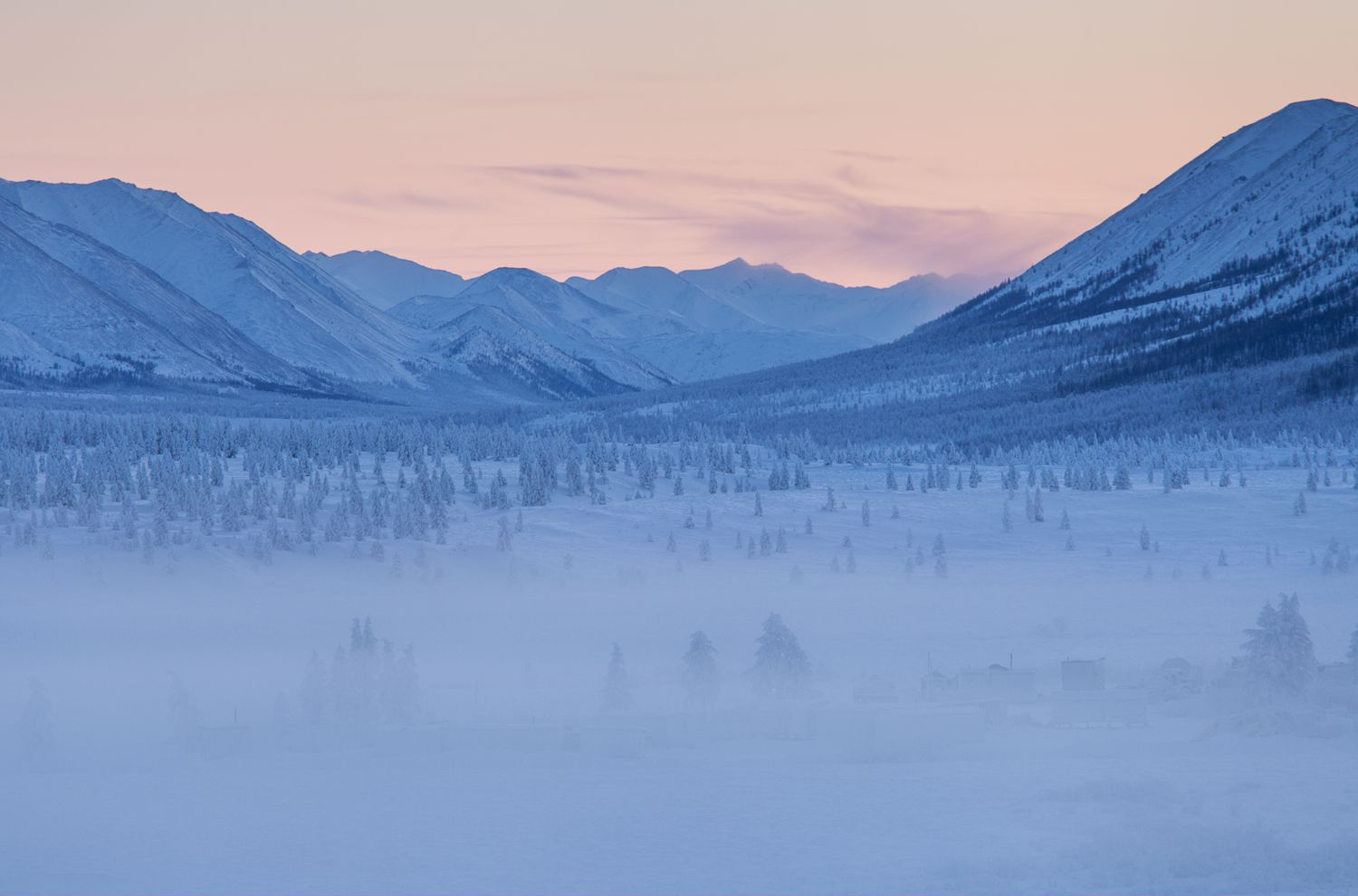
Oymyakon is not especially far north and it is not at altitude in any dramatic sense. Its cold comes from geography of a specific kind: it sits in a basin ringed by hills, a long way from any ocean, in the middle of the largest continental landmass on the planet.
Three things follow from that. There is no sea nearby to moderate the temperature, so the land cools without restraint through a winter in which the sun barely clears the horizon. The air that cools becomes dense and sinks, and in a basin it has nowhere to go, so it pools and keeps cooling in a stable layer that no wind arrives to mix. And the snow surface radiates heat away to a clear sky night after night with nothing to stop it.
That combination — continental interior, basin topography, long polar night, persistent clear skies and a reflective snow surface — is what produces the extreme. Coastal Arctic settlements at much higher latitudes are substantially warmer in January, because the ocean beside them never gets anywhere near as cold as Siberian land does. Water has to lose an enormous amount of heat to change temperature at all, and sea ice insulates what is underneath it, so an Arctic coast is effectively heated by the ocean it sits on. Oymyakon has nothing of the kind within a thousand miles.
Like our content? Follow us for more.
What the cold does to ordinary objects
At these temperatures the behaviour of everyday materials changes, and most of the village’s practical knowledge is about managing that. Steel becomes brittle. Rubber loses its flexibility and perishes. Diesel waxes and gels unless it is a winter grade or kept warm. Battery capacity collapses, so batteries come indoors overnight.
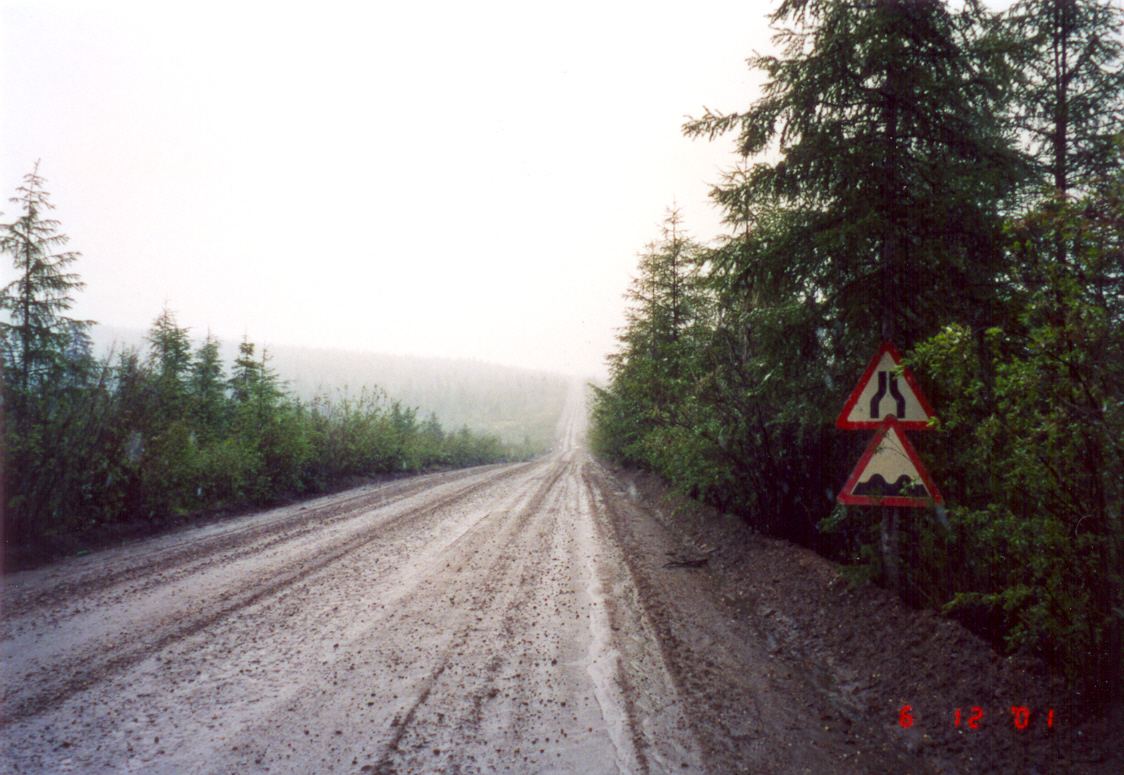
Vehicles are the clearest case. A car that stops may not restart, so through the deep winter engines are left running for hours or days, or vehicles are kept in heated garages, and a driver who breaks down between settlements on the single road is in a genuinely serious position with no realistic prospect of assistance arriving quickly. The road itself, the Kolyma Highway, is the only land route in and is one of the more demanding drives anywhere; its construction in the Stalin era used forced labour from the camp system, which is a part of the region’s history that the modern tourist route does not advertise and should not be left out of any account of it.
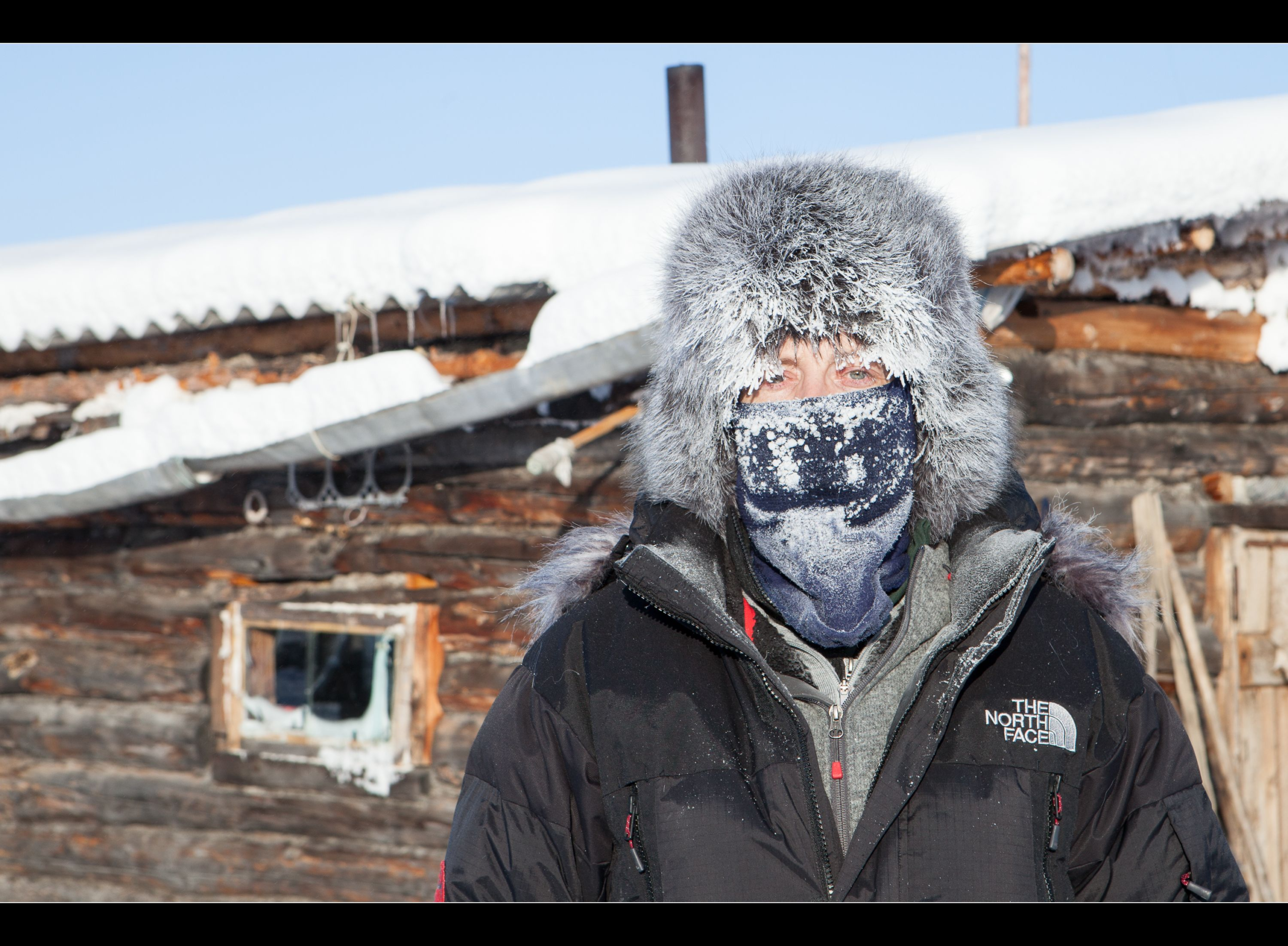
The smaller details are the ones that stay with visitors. Ballpoint pens stop working. Spectacles freeze to a face. Eyelashes frost together within minutes outdoors. Phone and camera batteries fail in the open, which is why photographs from the village are so often taken in short bursts with the equipment kept inside a coat.
Water, pipes and the ground that never thaws
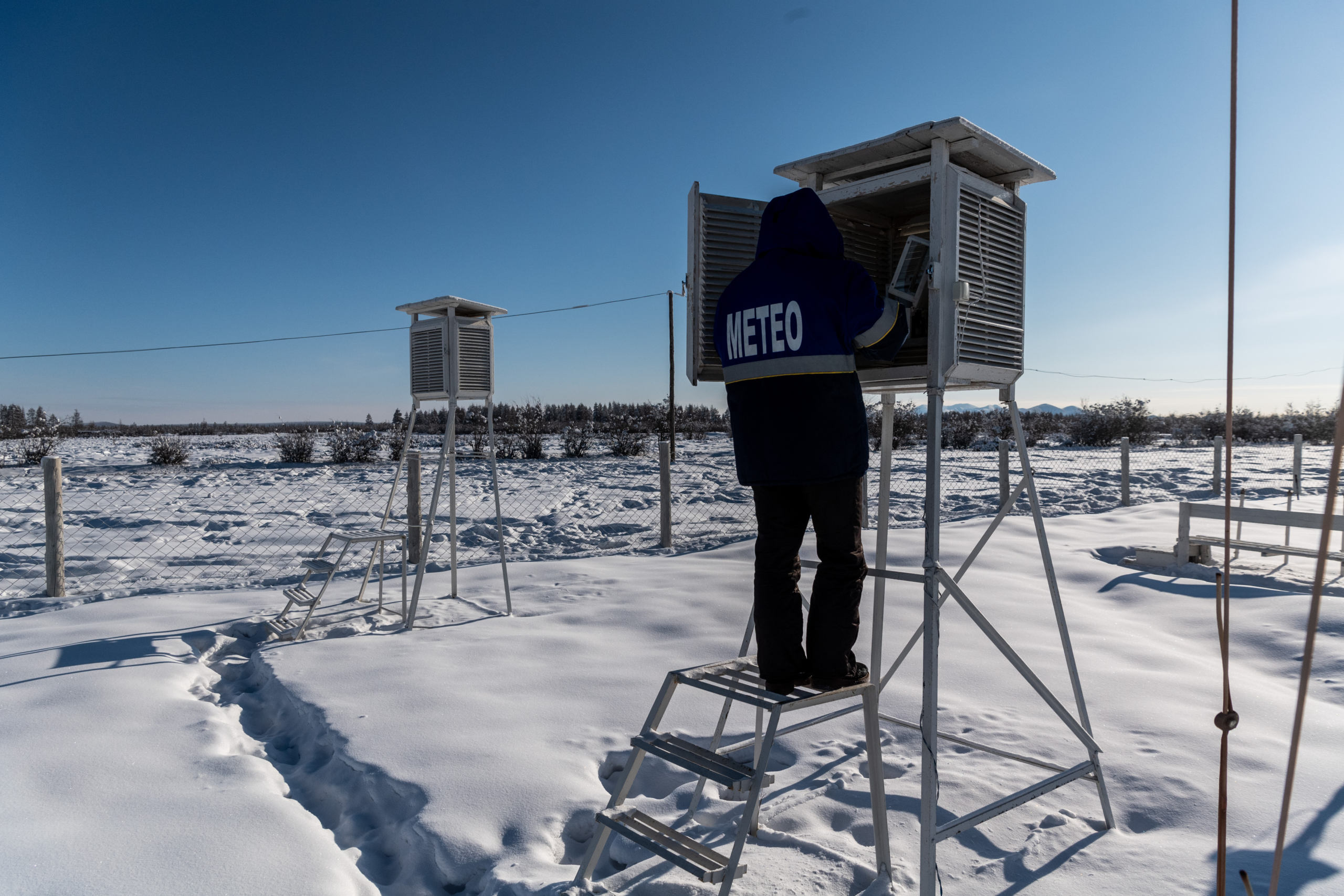
The ground beneath Oymyakon is permanently frozen to a considerable depth, and that single fact shapes the entire settlement. Buried water pipes are not practical, because a pipe in permafrost freezes and because the heat from it thaws the ground around it and destabilises whatever is built above. Conventional mains plumbing is therefore limited, and a good many houses have used outdoor privies and delivered or melted water rather than indoor systems.
The same constraint applies to building. Structures sit on piles driven into frozen ground or on raised foundations that keep the heated floor away from the soil, because a warm building that thaws its own footing will settle and crack. It also applies to burial: digging a grave in permanently frozen ground requires thawing it in stages, traditionally with fires, over a period of days.
This is also where the modern story is heading in a direction the village did not choose. Permafrost across the Russian north is warming, and thawing ground damages buildings, roads and pipelines that were engineered on the assumption that the soil beneath them would stay solid. Settlements in the region are dealing with subsidence, and the cost of maintaining infrastructure on ground that is no longer reliable is a live practical problem rather than a distant projection.
How people actually live there
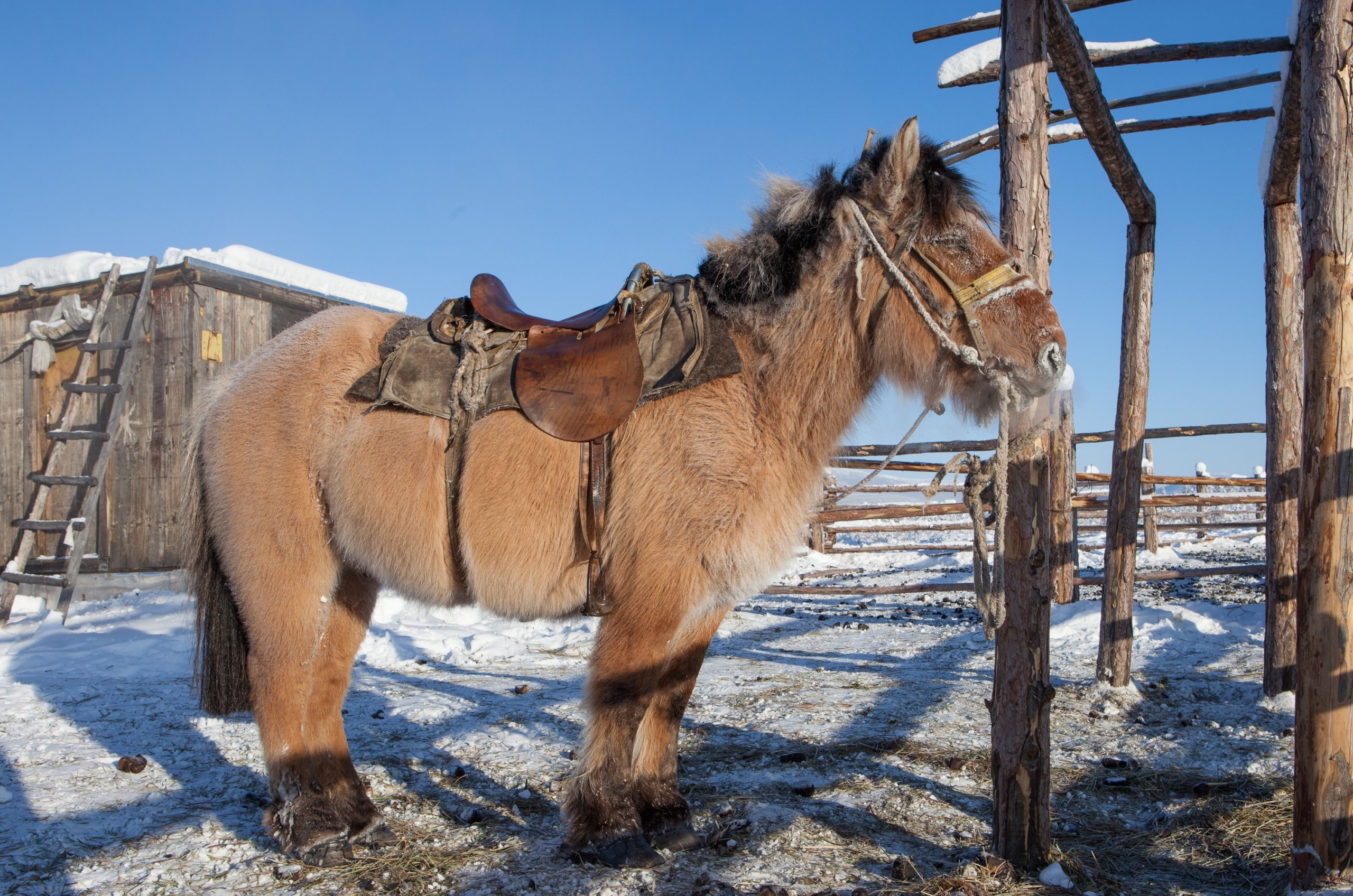
The daily arrangements are less dramatic than the temperature suggests, because the whole place is organised around it. Houses are small, low and heavily insulated, with double or triple glazing and small windows, and they are heated with wood or coal continuously through the winter. The school operates through the cold and closes only below a threshold in the region of minus 50 Celsius, which tells you something about where normal sits.
The traditional economy is herding, hunting and fishing, and the local diet reflects what is available and what keeps: frozen fish shaved into thin slices and eaten raw is the regional dish most visitors are offered, and the freezing itself is the preservation method, since an outdoor store in winter is colder than any domestic freezer. Fresh produce is expensive and arrives by road.
Clothing is the other practical system. The effective approach is layered, with fur and natural fibres on the outside, and the universal rule is that no skin is left exposed. Visitors routinely underestimate how fast exposed skin is affected at these temperatures, and the local practice of covering everything and limiting outdoor time to short deliberate intervals is not caution but arithmetic.
Visiting, and whether it is a reasonable idea
Oymyakon has become a destination, which is a strange development for a village of a few hundred people. There is a Pole of Cold monument, a visitor can get a certificate for having been there in winter, and a small tourism economy has grown around organised trips, usually flying to Yakutsk and then driving two days on the Kolyma Highway.
It is not a casual trip and should not be attempted as one. The practical requirements — correct clothing, a vehicle and driver who know the route, accommodation arranged in advance, and an understanding that a breakdown is a serious event rather than an inconvenience — are not optional, and the window in which the extreme cold is actually there is the window in which everything is hardest. Anybody considering it should be going with an established local operator, and the current political and travel situation affecting travel to Russia is a separate question that changes faster than an article can track.
The honest summary is that the interest in the place is real and the experience of being outdoors at minus 50 is reportedly unlike anything else, and also that the village is somebody’s home rather than an attraction, and the people in it have been photographed a great deal by visitors who stayed two nights.
The number, and what it actually means
The figure most often quoted for Oymyakon is a reading taken in the 1920s or 1930s of around minus 90 degrees Fahrenheit, with the exact value and the station’s status both contested. Verkhoyansk has a comparable historic figure, and neither can be verified to modern standards because neither was recorded under them. What is beyond argument is the modern instrumental record: a January mean around minus 50 Fahrenheit, with readings in the minus 60s occurring in most winters.
For comparison, Antarctica’s lowest recorded surface air temperature is substantially colder, and satellite measurements of the surface itself on the East Antarctic plateau have gone lower still. Those are the real records. Oymyakon’s distinction is the combination, and it is a genuinely remarkable one: the coldest place where a community has been continuously resident, with a shop, a school and a road, for generations.
The other number worth sitting with is the annual range. The same village that reaches the figures above has recorded summer temperatures in the eighties Fahrenheit, which gives it one of the largest temperature ranges experienced by any inhabited place on Earth. A person in Oymyakon can need mosquito repellent and a fur hat in the same calendar year, which is perhaps the most useful thing anybody can be told about it.
The summer is also the part nobody expects and the part residents talk about most. The same basin that traps cold air in January traps warm air in July, the thaw turns the upper layer of ground to mud over frozen soil that water cannot drain through, and the standing water that results produces mosquitoes in quantities that visitors describe as the genuinely unbearable season. A place defined in every article about it by one number spends two months of the year as a warm, wet, insect-ridden river valley, and the people who live there are at least as preoccupied with that as with the cold.
Like our content? Follow us for more.