The railway from Golmud to Lhasa opened to traffic in 2006 and did two things no railway had done before. It reached an altitude at which the air contains barely half the oxygen available at sea level, and it did so across hundreds of miles of ground that is frozen solid and must stay that way if the track is to remain where it was laid.
Both problems were solved, and the solutions are more interesting than the record. The line is a working piece of infrastructure carrying ordinary passengers on a two-day journey, and almost every unusual feature of it exists because of one or other of those two constraints.
The altitude problem, and what it does to passengers
At the Tanggula Pass the barometric pressure is roughly half that at sea level, which means every breath delivers about half the oxygen. The effects on an unacclimatised person are predictable and begin within hours: headache, breathlessness on any exertion, poor sleep and nausea, and in a minority of cases progression to conditions that require immediate descent.
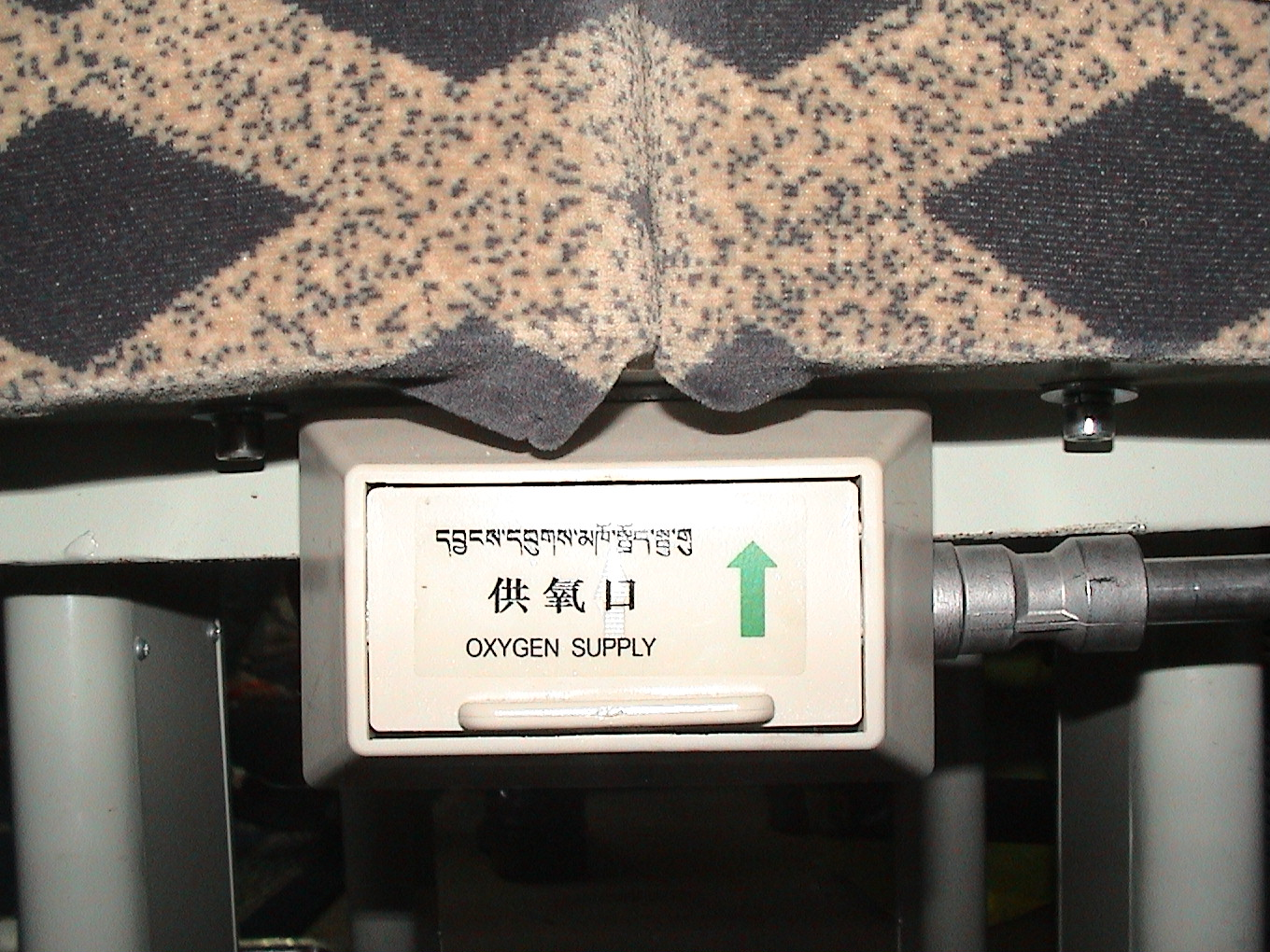
The railway’s response is engineering rather than advice. Carriages are built to a higher-than-usual sealing standard and the interior is enriched with oxygen through the air system, there are individual oxygen outlets at each berth and seat with tubing supplied, medical staff travel on the train, and oxygen bottles are carried. Windows are fitted with filtering to deal with ultraviolet intensity, which at that elevation is severe.
Passengers are asked to complete a health declaration before boarding, and the published advice for the route is not decorative: people with significant heart or lung conditions, and in some guidance pregnant travellers, are advised against the journey, and anybody with a concern should be asking a doctor well before booking rather than reading a travel article. The practical point for an ordinary traveller is that the train gains altitude faster than a body acclimatises, which is why many people find the first night harder than anything in Lhasa afterwards.
Like our content? Follow us for more.
The ground problem, which was harder
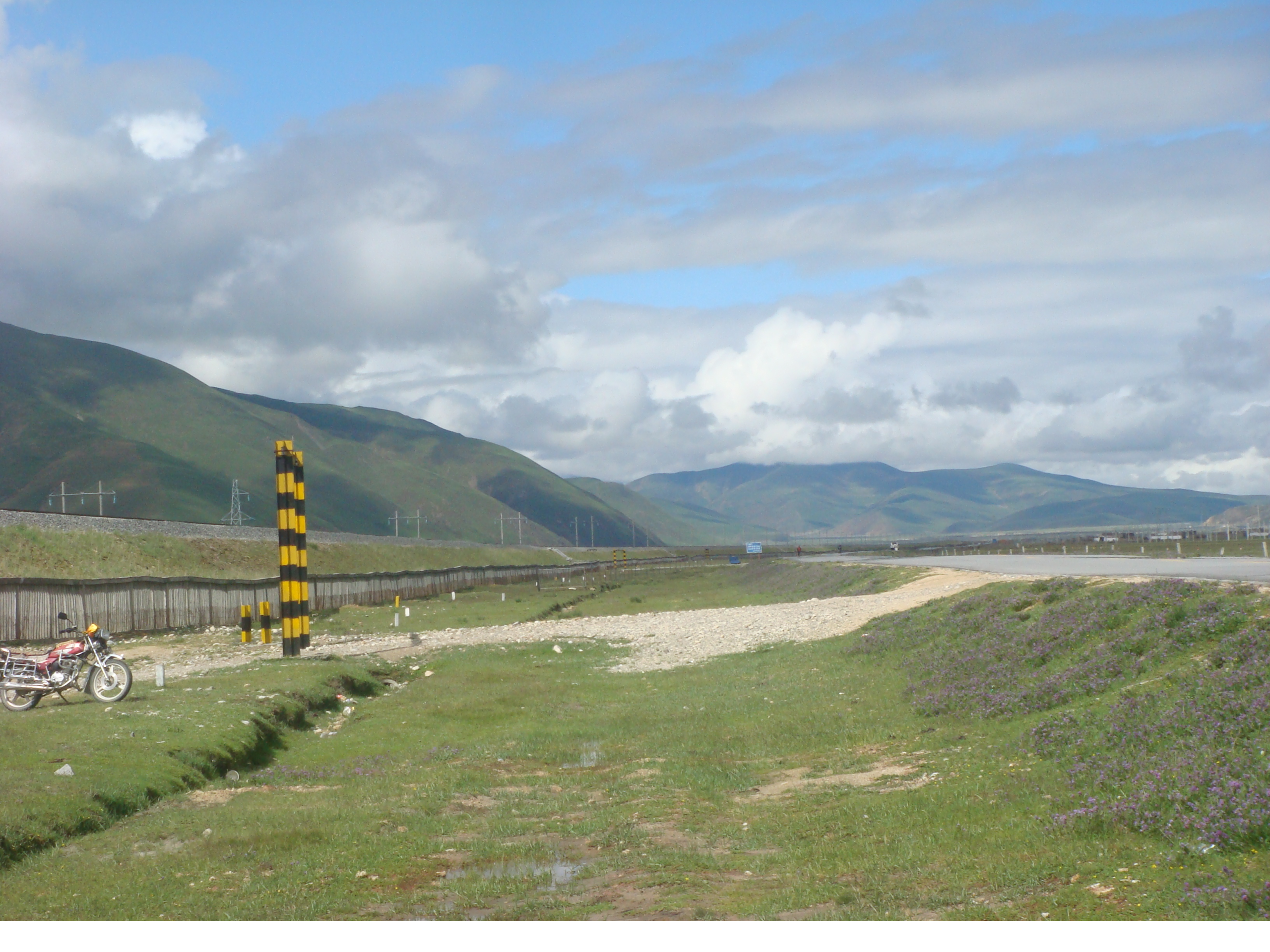
More than 300 miles of the route crosses permafrost, and a railway embankment is a structure that absorbs heat and conducts it downward. Thaw the ground under a track and it subsides unevenly; refreeze it and it heaves. Either one destroys the geometry a railway depends on, and the problem gets worse as the climate warms.
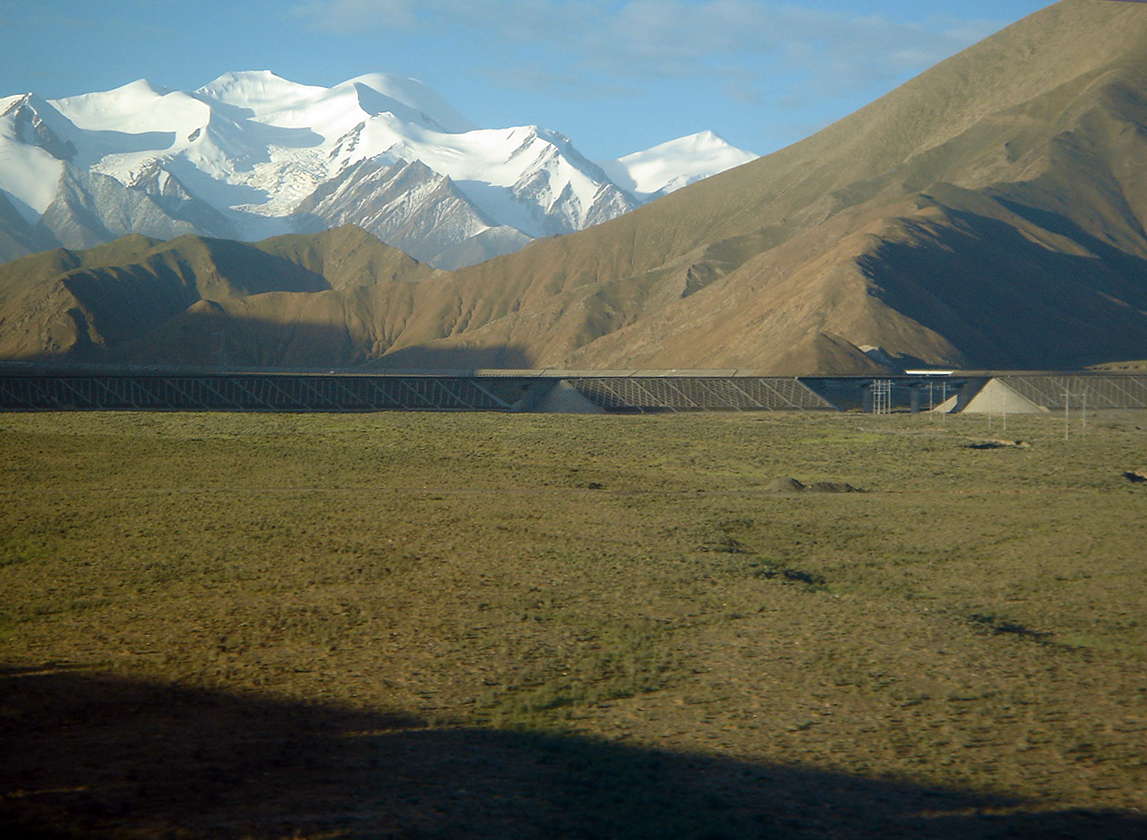
The engineering answer was to stop trying to insulate the ground and instead to actively keep it cold. Long sections run on elevated viaducts so that air passes underneath and the ground is shaded rather than covered. Embankments were built with coarse crushed rock whose open structure allows cold air to convect downward in winter and resists heat conduction in summer. Thermosyphons — sealed pipes containing a fluid that carries heat upward and radiates it away from the ground in cold weather, with no pump or power — were installed in large numbers along the formation. In places, insulation layers and sun shades were added.
This is the part of the project that engineers elsewhere pay most attention to, because the same techniques apply to any infrastructure on thawing ground, which is an increasingly common problem across the northern hemisphere. The railway is effectively a large field trial of permafrost preservation, and it is monitored continuously.
Working at that height
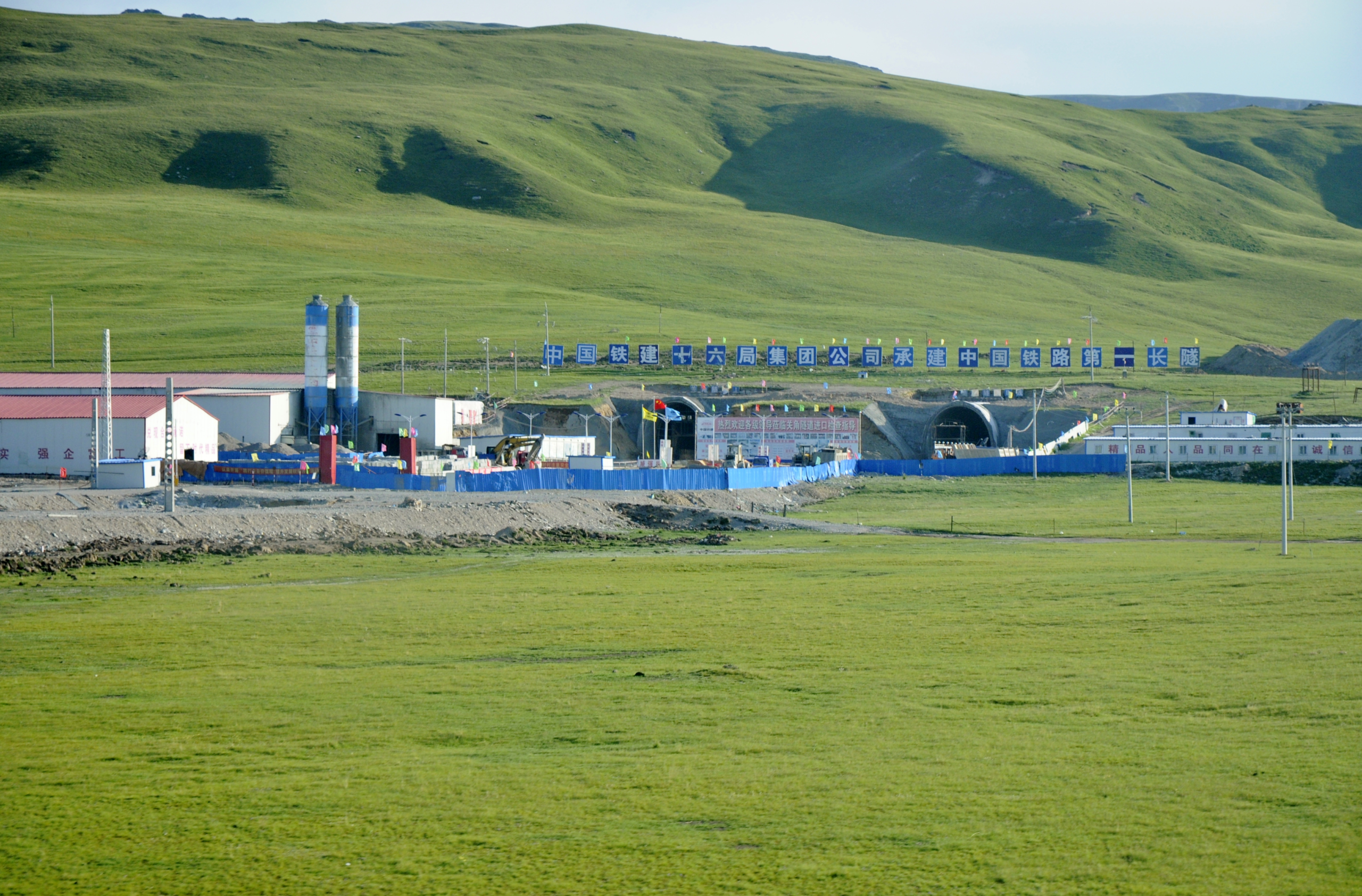
Construction ran from 2001 to 2006 with a workforce in the tens of thousands at elevations where unacclimatised physical labour is genuinely hazardous. The measures taken included oxygen-enriched rest and sleeping quarters, pressurised chambers on site for treating altitude illness, oxygen stations distributed along the route, a staged acclimatisation programme for incoming workers, shortened shifts and a substantial medical presence.
The project’s published position is that no worker was lost to altitude sickness during construction, which if accurate is a notable outcome for work of that scale at that elevation, and the acclimatisation and oxygen provision are generally credited with it. Figures from major infrastructure projects are worth treating with appropriate caution, but the measures themselves are documented and were unusually thorough for the period.
The tunnels were their own problem. The highest rail tunnel on the line sits above 16,000 feet and was driven through frozen ground, which behaves very differently from rock: the heat generated by excavation and by equipment thaws the face and the surrounds, and the material loses strength as it does. The work required refrigeration of the ground being tunnelled through, which is an unusual thing to have to do to a mountain. Brine was circulated through pipes in the surrounding ground to hold it frozen while the excavation advanced, and the lining went in behind the face as it went rather than afterwards.
The things along the line that are not about the line
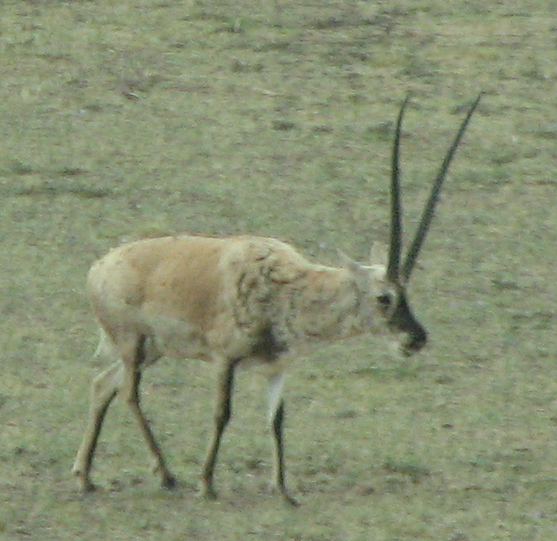
Two features of the route exist for reasons unrelated to trains. The first is a series of underpasses and bridges built specifically to let Tibetan antelope and other wildlife cross the railway on their migration routes, after survey work established where those routes ran. Whether they have worked as well as intended is debated, but the provision was made at scale and was unusual at the time.
The second is the waste arrangement. The plateau is a high, cold, slow environment in which nothing breaks down quickly, and discharging toilet waste onto the track, which was still normal practice on many of the world’s railways, was not acceptable here. The trains use sealed collection systems emptied at terminals, and rubbish is similarly collected rather than disposed of en route.
There is also the matter of what the railway is for, which is not a question with a neutral answer. It was built as a national infrastructure project and it has substantially increased the movement of people and goods into Tibet, and views on its political and cultural consequences differ sharply depending on who is asked. That argument is a live one and is outside what a piece about the engineering can settle.
The journey itself
From Xining, the practical starting point for most travellers, to Lhasa is a trip of around 21 to 22 hours, and services run from further afield including Beijing, Shanghai, Chengdu and Guangzhou, with the longest taking two nights. Accommodation is the standard Chinese long-distance arrangement of hard seat, hard sleeper and soft sleeper, and on this route the sleeper classes are what people book.
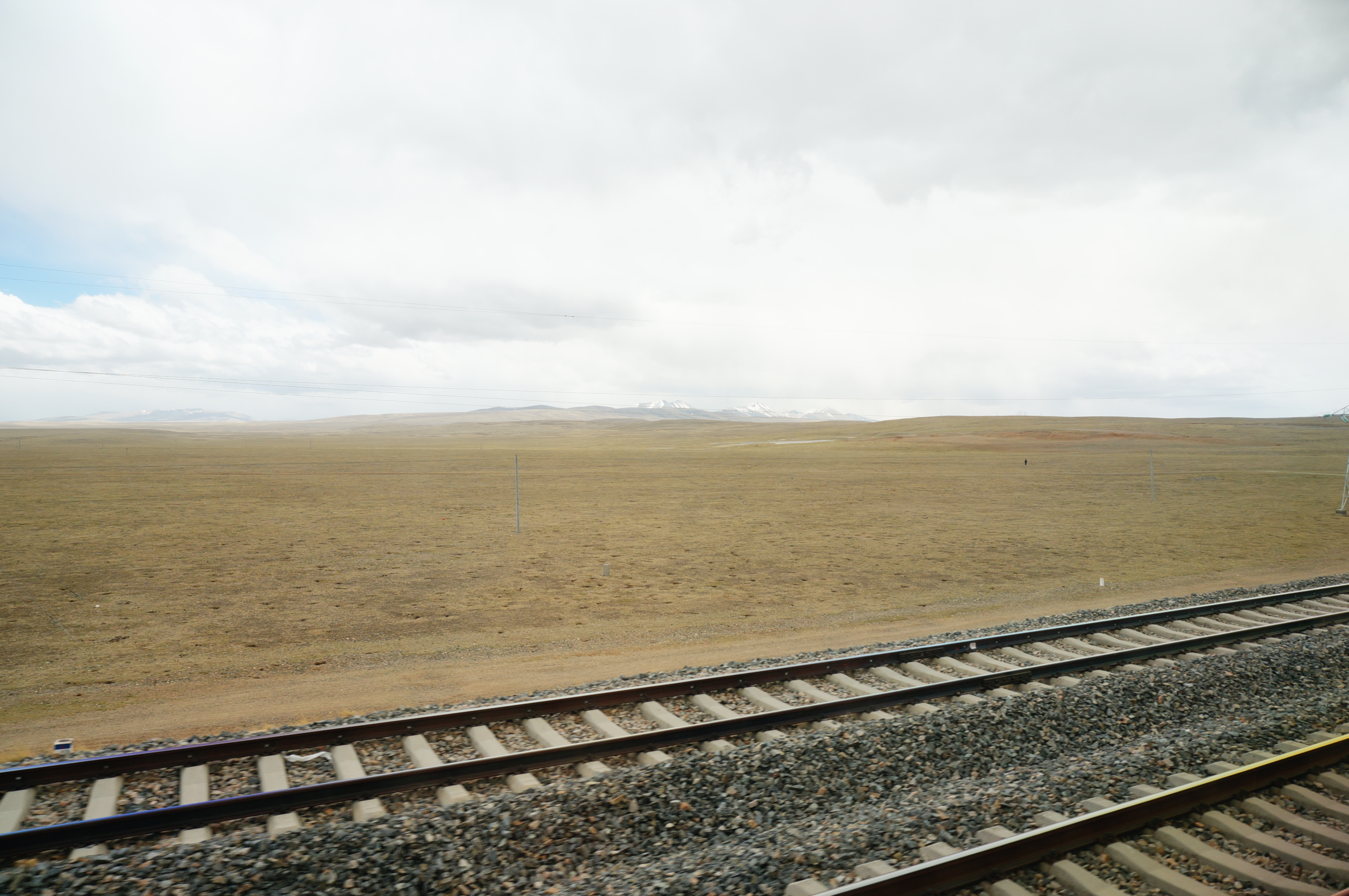
The scenery is the reason to do it. The line crosses the Kunlun range, runs for hundreds of miles across the high plateau at elevations above 14,000 feet, passes salt lakes and the Tsaidam basin, and the view from a train window at that altitude in clear weather is the kind of thing the route is recommended for. The light on the plateau is the detail people mention: thin air scatters less, so colours are harder and shadows sharper than most travellers have seen, and the effect through a train window over several hours is cumulative. The stations are mostly small and many are unstaffed; the highest station on the line sits above 16,000 feet and is not a stop for passengers.
For anybody actually planning it, the two points that matter are that permits are required for foreign travellers to Tibet and are arranged through an agency rather than independently, with the rules changing periodically, and that tickets on this route sell out well in advance in the peak summer months. Both are the kind of detail to check against current sources rather than to take from an article.
Why it still holds the record
Several railways run high. Peru’s central line through the Andes carried the title of the world’s highest standard-gauge railway for a century before this one opened, there are mining and tourist lines at altitude in South America, and Tibet’s own network has since been extended. But nothing has gone higher than the Tanggula Pass, and the reason is that the combination of problems compounds rather than adds.
Above about 16,000 feet, every element gets harder at once: the workforce cannot work unaided, passengers need supplementary oxygen, diesel engines lose power in thin air so specially modified locomotives were required, construction seasons are short, the ground is frozen and must stay frozen, and the nearest supply base is a long way off. A railway is a cheap way to move freight only when it is built on ground that cooperates.
What makes the line worth paying attention to is not the altitude number but the permafrost work, which is quietly the more significant achievement. Keeping several hundred miles of frozen ground frozen under an embankment, using crushed rock, air circulation, shading and passive heat pipes with no power supply, is the kind of engineering that gets applied elsewhere, and a good deal of northern infrastructure is going to need it.
It is also a reminder of how much of a modern record is really an administrative achievement rather than a physical one. Nothing about the Tanggula Pass was undiscovered, the altitude was known to the foot, and the materials involved — rock, concrete, steel, sealed pipes containing a working fluid — were all ordinary. What had not previously existed was the willingness to maintain several hundred miles of frozen ground, a medical service on a passenger train and an oxygen supply at every berth, continuously, as the normal operating condition of a railway. The engineering is clever. The decision to keep doing it every day is the part that makes it a record.
Like our content? Follow us for more.