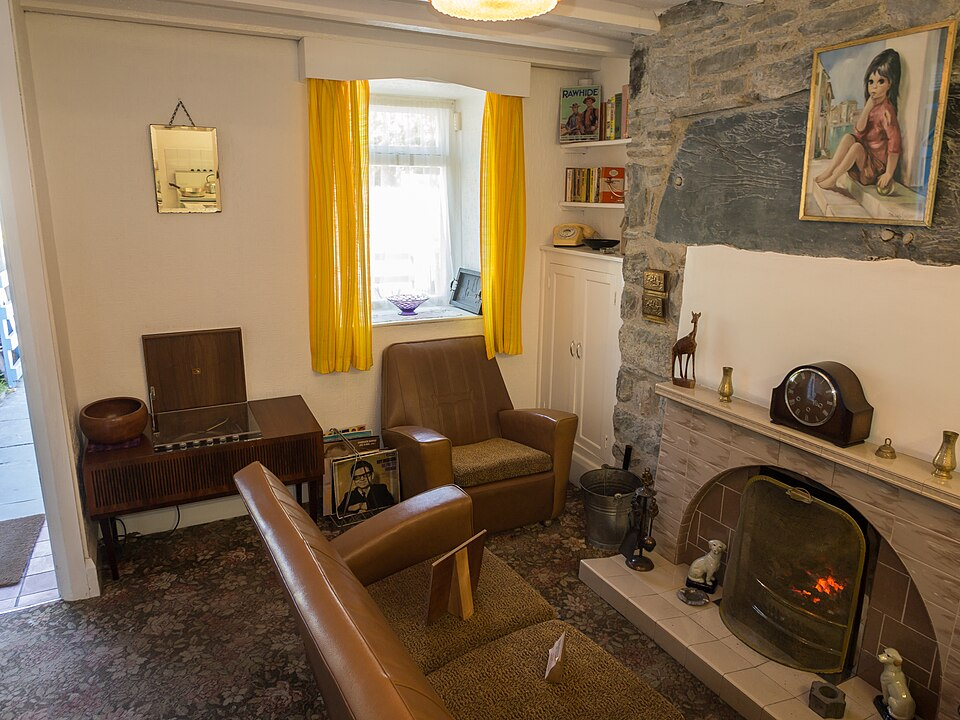
The open fire is the single most affectionately remembered feature of a mid-century house and the one with the largest gap between how it was understood and how it works. The household’s attention was on the fire. Almost every hazard was in the flue.
Unlined masonry, creosote nobody had heard of, a chimney nobody had looked up since spring, rubbish burned in the grate, and no means whatsoever of detecting the one combustion product that gives no warning. Here are fifteen things about that fireplace.
1. The flue was lined with creosote and nobody knew what that meant
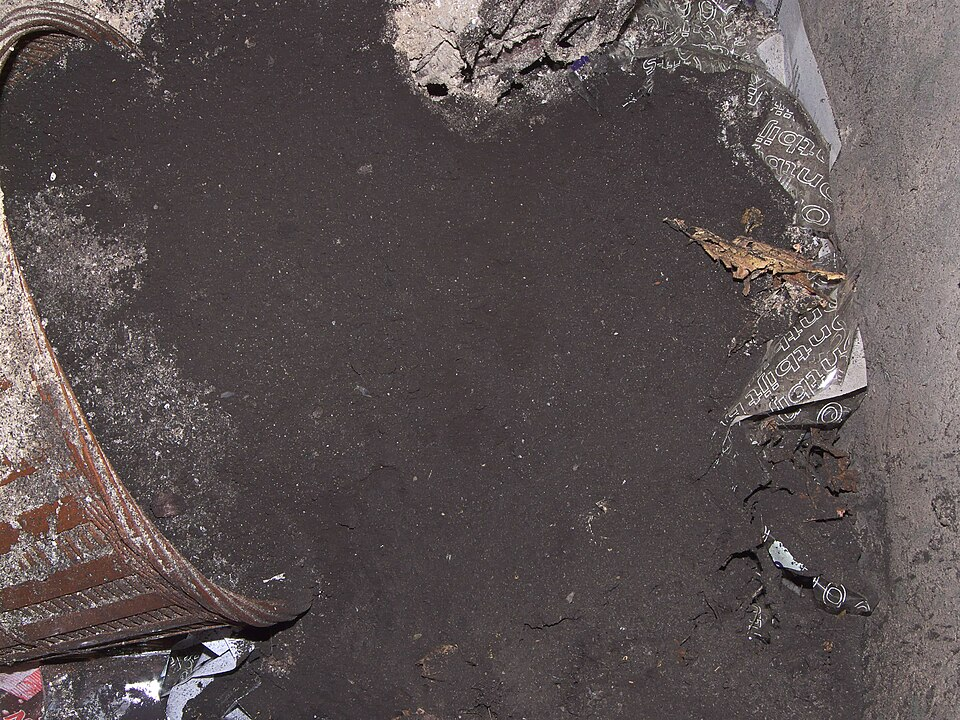
Burning wood and coal deposits creosote on the inside of a flue: a tarry, flammable residue that builds up over a season and more heavily where a fire is burned slowly or with damp fuel. A 1960 household swept the chimney when it smoked, which is not the same as when it needed it.
The modern position is a scheduled inspection and sweep by a qualified sweep, at a frequency determined by fuel and usage, and the specific finding of the past few decades is that slow-burning a fire and burning unseasoned wood are the two practices that accelerate the deposit most. Moisture meters for firewood exist for exactly this reason.
A chimney fire is a creosote fire, which is why the condition of the flue rather than the size of the fire is what determines whether you have one.
Like our content? Follow us for more.
2. A chimney fire was fought with salt, a wet sack and hope
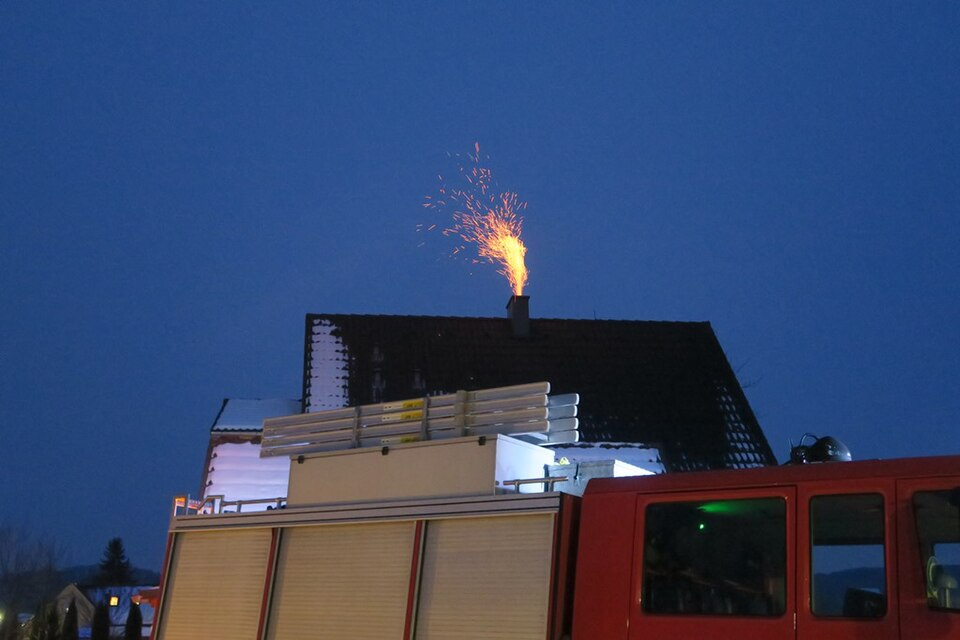
The household remedies were to throw salt or a handful of flowers of sulphur on the fire, hold a wet sack over the opening to starve it of air, or in some accounts fire a shotgun up the chimney to dislodge the burning deposit.
Current guidance is unambiguous and short: get everybody out, call the fire service, and do not attempt to fight it. A chimney fire reaches temperatures that crack masonry and liners and can spread into the structure through the flue’s contact with timber, which is not a thing a householder can assess from the hearth rug.
Of everything in this file, this is the item where the old practice was most confidently wrong. The household believed it had a procedure, and the procedure consisted of staying in a building with a fire in the structure.
3. There was no liner in the chimney at all
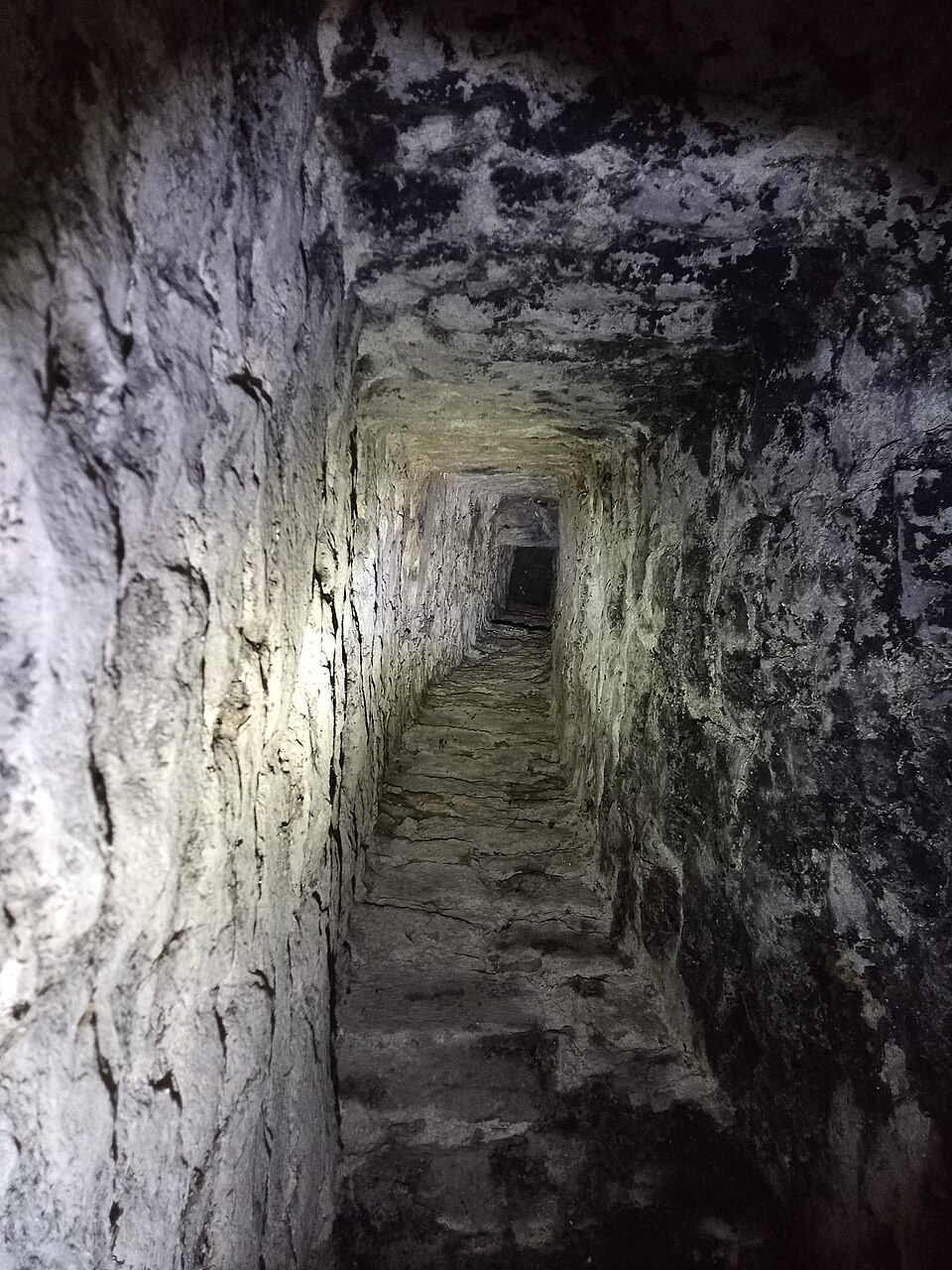
A great many 1960 houses had unlined masonry flues, built when the fuel was coal and the fire was continuous, and the mortar joints inside degraded over decades, which means the flue and the structure were in direct contact in places.
Lining is now standard practice for any appliance installation and is required in many jurisdictions, both to contain combustion products and to provide the correct cross-section for the appliance. The relining of old chimneys is routine work and is the single biggest difference between a 1960 open fire and a modern installation.
Unlined flues also frequently served more than one opening, sometimes in different rooms or different dwellings, which is how smoke from one household’s fire ends up in another’s bedroom.
4. The damper, the throat and the draught were a matter of guesswork
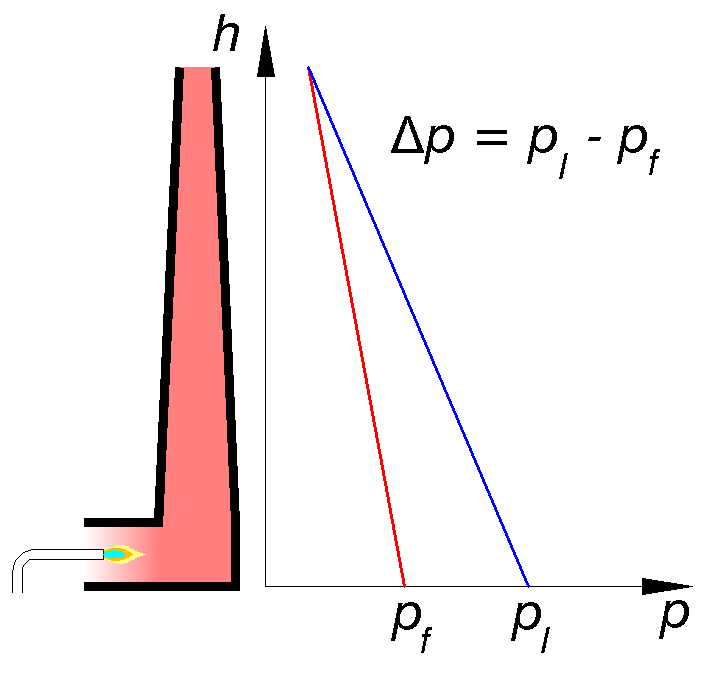
An open fire needs air, and in 1960 it got it from the gaps around the windows and under the doors. The damper was opened by feel, the fire was coaxed with a newspaper held across the opening, and a smoking fire was dealt with by opening a window.
The modern understanding is that draught is an engineering problem: flue height and cross-section, terminal position, and above all a dedicated air supply, because a sealed modern house does not leak enough air to run a fire. New installations require a provision for combustion air, and retrofitting a fire into an insulated house without one is the commonest cause of a fire that will not draw.
The 1960 house had the opposite problem and solved it accidentally. It was draughty enough to run an open fire and the fire was one of the reasons it was draughty.
5. There was nothing in the house to detect carbon monoxide
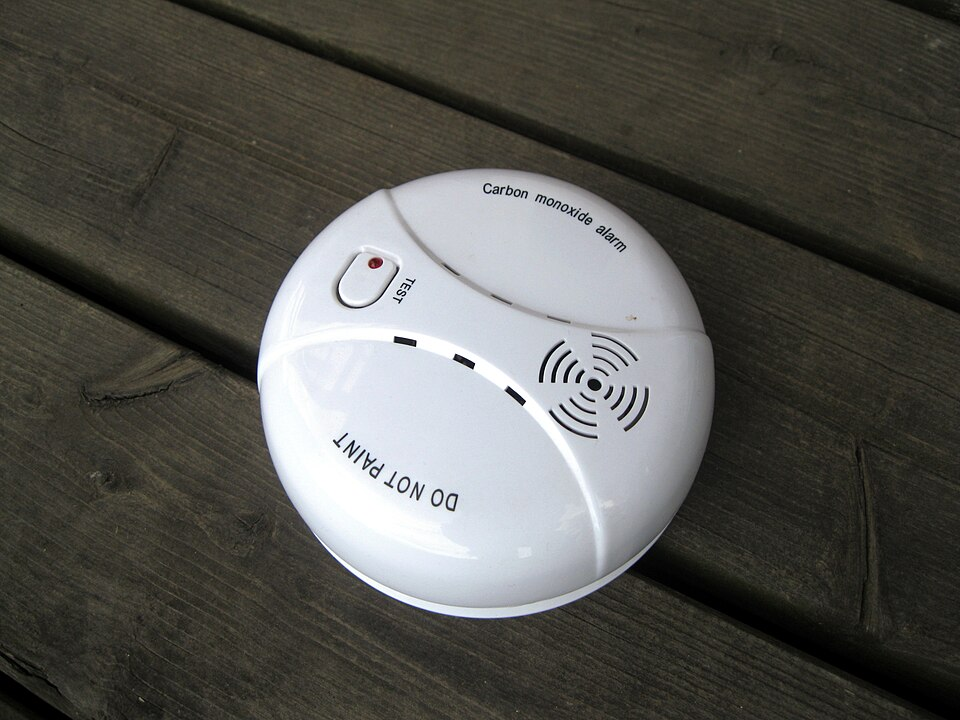
A fire that will not draw, a blocked flue, a bird’s nest, a collapsed liner or a damper left shut pushes combustion products into the room, and in 1960 the only indications were the smell of smoke and a headache, neither of which is reliable and only one of which is present.
Carbon monoxide is colourless, has no smell and interferes with the blood’s ability to carry oxygen. Domestic detectors did not exist in 1960 and are now required by law in dwellings across most of the United States, with specific requirements where there is a fuel-burning appliance.
This is the single most important sentence in the file. An alarm costs very little, works whether or not the installation is correct, and addresses the one hazard in the house that gives no warning of its own.
6. The chimney was uncapped and whatever wanted to live in it did

Open flues took in rain, leaves, soot falls, and birds, and a jackdaw’s nest in a disused flue is a substantial quantity of dry sticks sitting directly above a fireplace that somebody will eventually light.
Terminals, cowls and bird guards are now standard on any flue, and the inspection that precedes the first use of a fire after a period of disuse exists specifically to find the nest. Several bird species are also legally protected during nesting season, which affects when the work can be done.
The lighting of a fire in autumn in a chimney nobody has looked up since spring is a specific and recurring scenario, and it is entirely preventable by looking.
7. Household rubbish was burned in the fireplace, including the wrong things
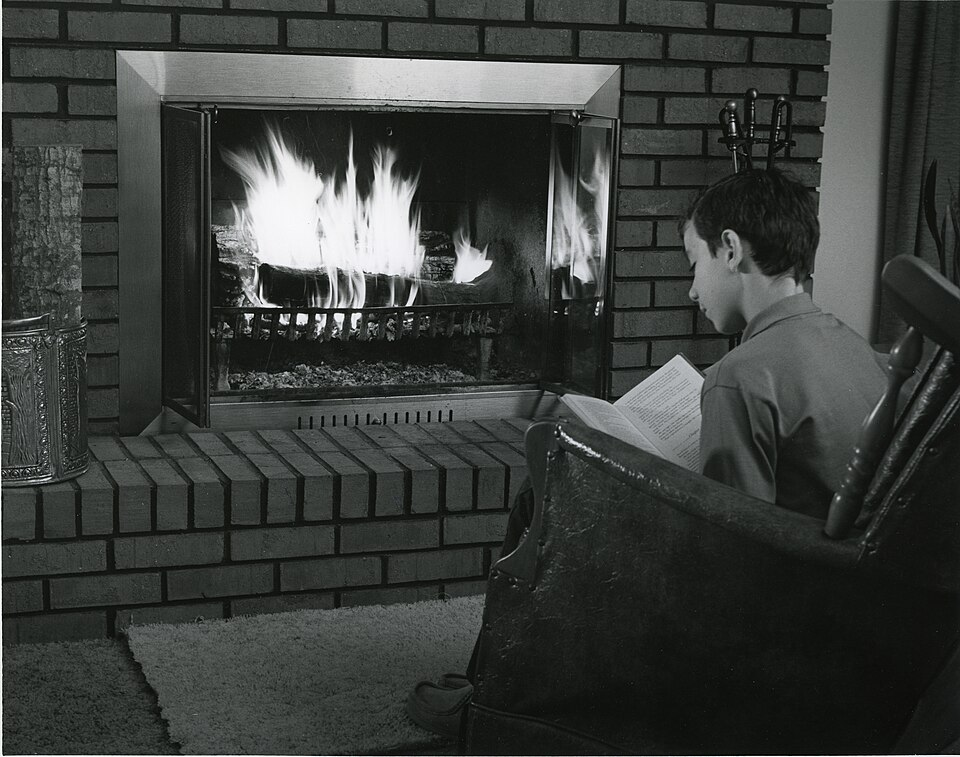
The fire was a disposal route. Newspaper, cardboard, packaging, broken furniture, painted offcuts, and by the end of the period plastic wrapping all went on it, because it was there and it was free.
Burning painted or treated timber releases what is in the coating and the treatment — in this period lead, arsenic, chromium and creosote components — and burning plastics releases their own products, into the room via any backdraught and into the neighbourhood via the chimney. Current guidance for any solid fuel appliance is seasoned wood or approved fuel only, and specifically not treated timber, painted wood, plastic or household waste.
This is the practice that converted an ordinary fire into a chemistry problem, and it was universal rather than occasional.
8. The fire was lit with a gas poker
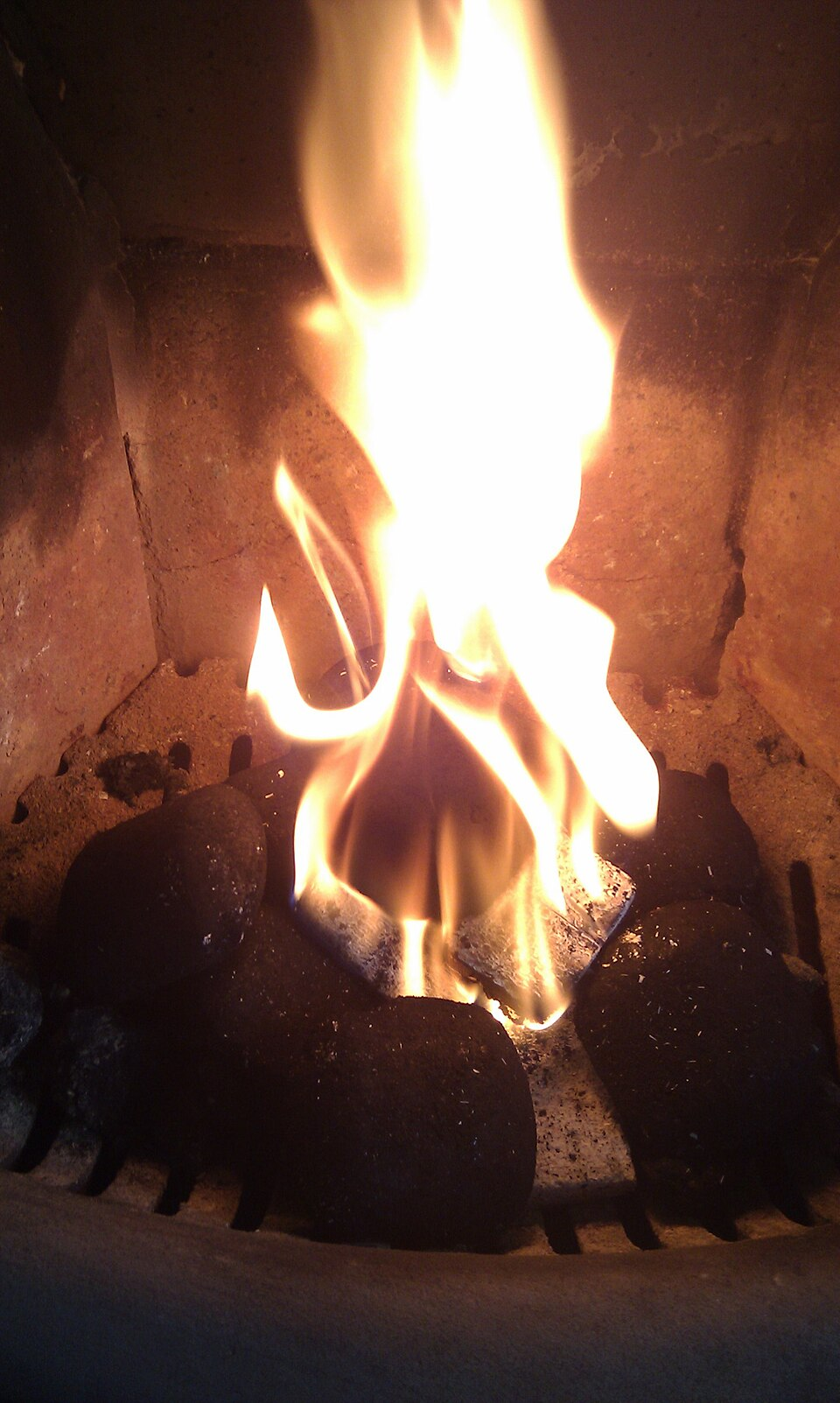
A gas poker was a perforated metal tube on a flexible hose, connected to the gas supply, pushed into the laid fire and lit, and left burning until the coal caught. It worked extremely well and was a standard domestic fitting.
They have largely gone, and where they survive they are subject to the same requirements as any gas appliance: a compliant connection, a flame supervision device, and installation by a qualified person. The original arrangement combined a flexible hose, a live flame and a moment of distraction in a room full of children.
The characteristic failure was leaving it in and forgetting it, which is why the memory most people have of a gas poker involves somebody shouting.
9. The fireguard was optional and the hearth was open
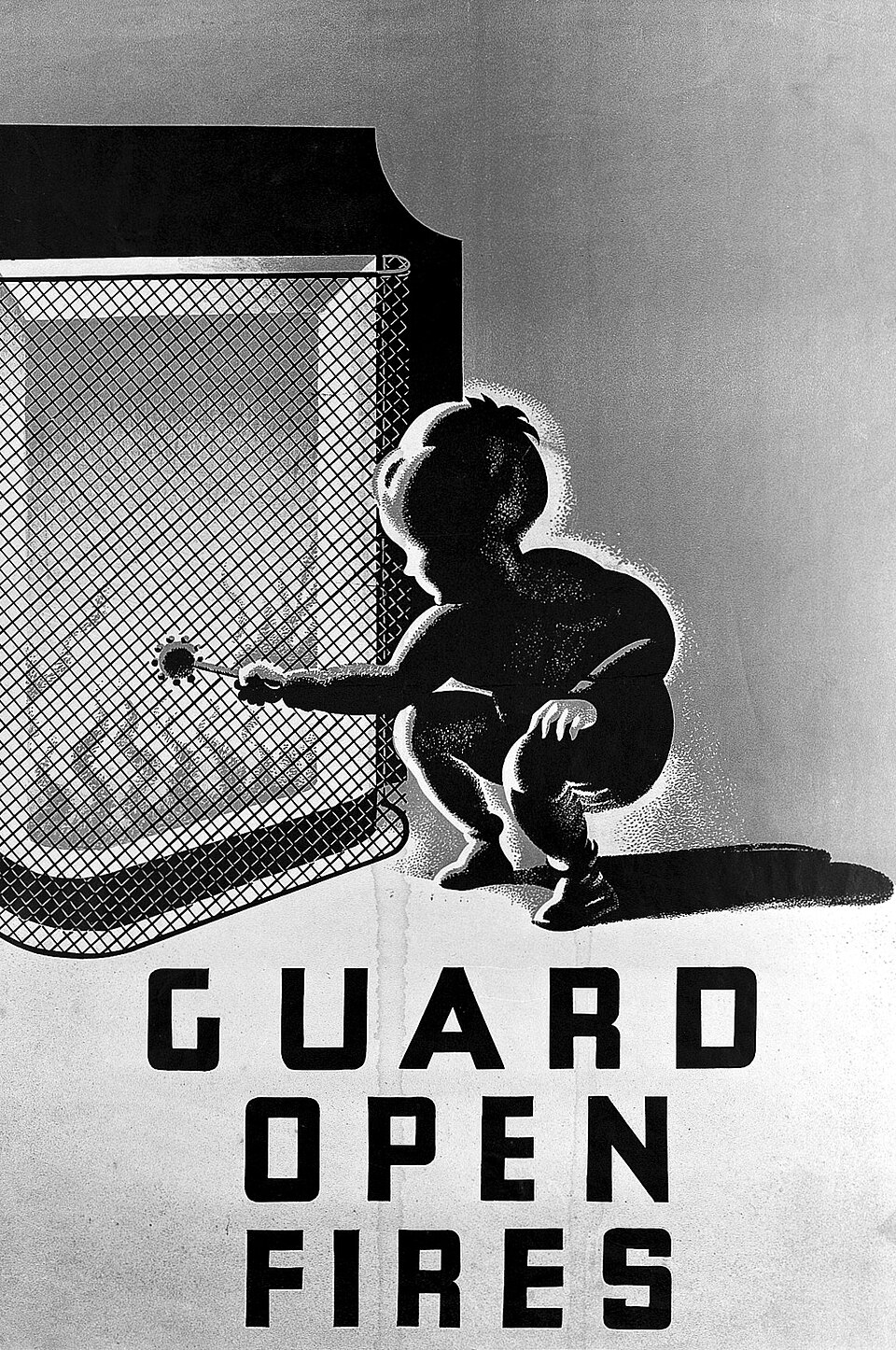
An open fire in a family room with a tiled hearth and no guard was ordinary. Guards existed, nursery guards that fastened to the surround existed, and whether one was used depended entirely on the household.
The regulatory position differs between countries and the practical guidance does not: a fixed guard for any room used by young children, a spark guard whenever a fire is left unattended, and the hearth kept clear. This is the area where the shift has been cultural rather than legislative in the United States.
The item is included because it connects directly to the other half of the same hazard, which was what children were wearing in front of it.
10. What children wore in front of it was the most flammable thing in the house
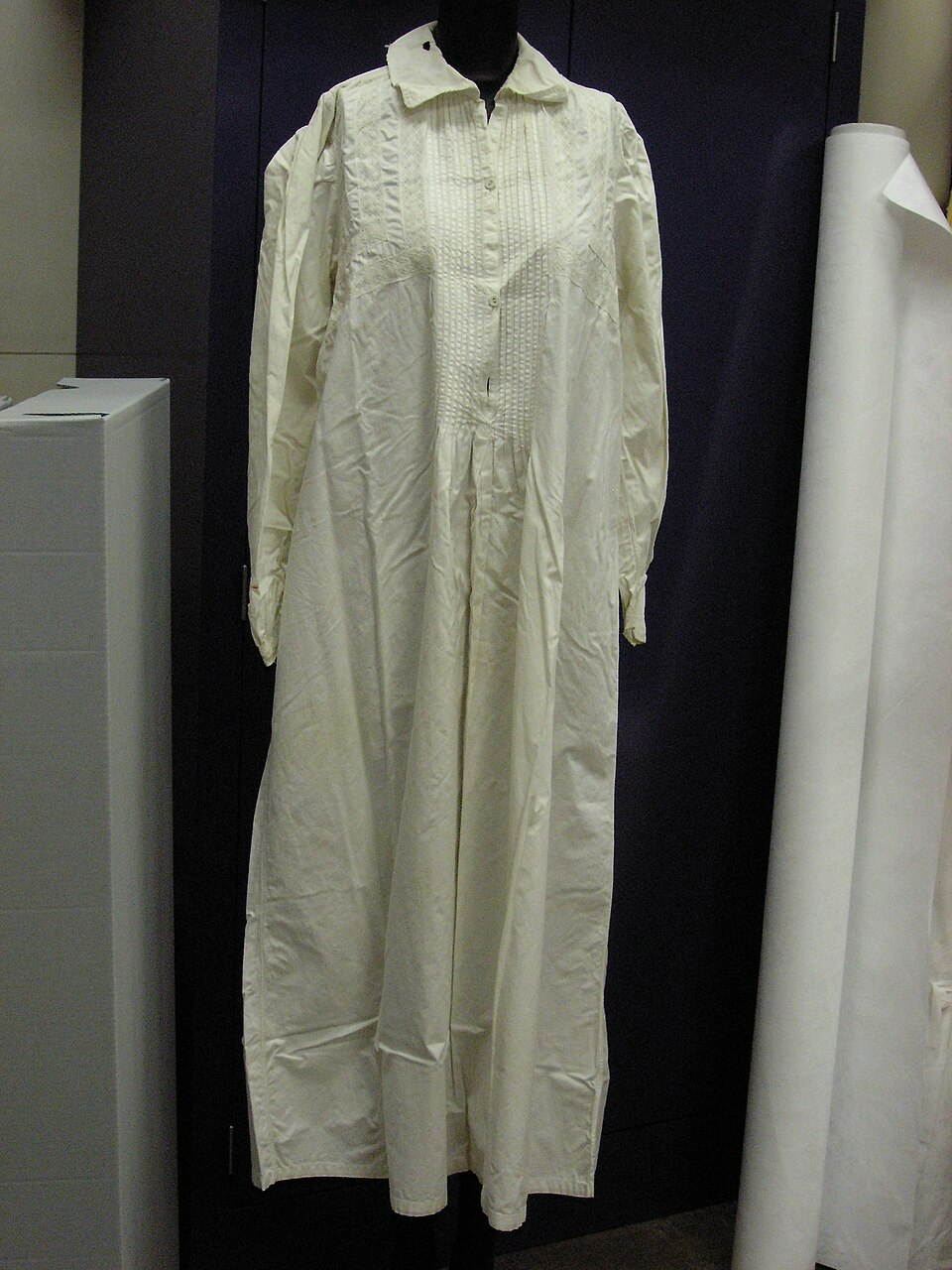
The combination that produced the injuries behind a generation of legislation was an open, unguarded fire and a loose brushed-cotton nightdress, and the two existed in the same room every evening.
The flammability standards for children’s sleepwear that followed in the United States — the 1953 legislation, the 1967 broadening of it, and the specific sleepwear standards of the early 1970s — were a response to that pattern rather than to any single event, and they changed what was on sale rather than what was in the sitting room.
The pattern is the point and no case is described. What is worth noticing is that the problem was solved at the garment end rather than the fire end, because the garment was the thing a regulator could reach.
11. Asbestos logs, mats and rope were sold as fireplace accessories
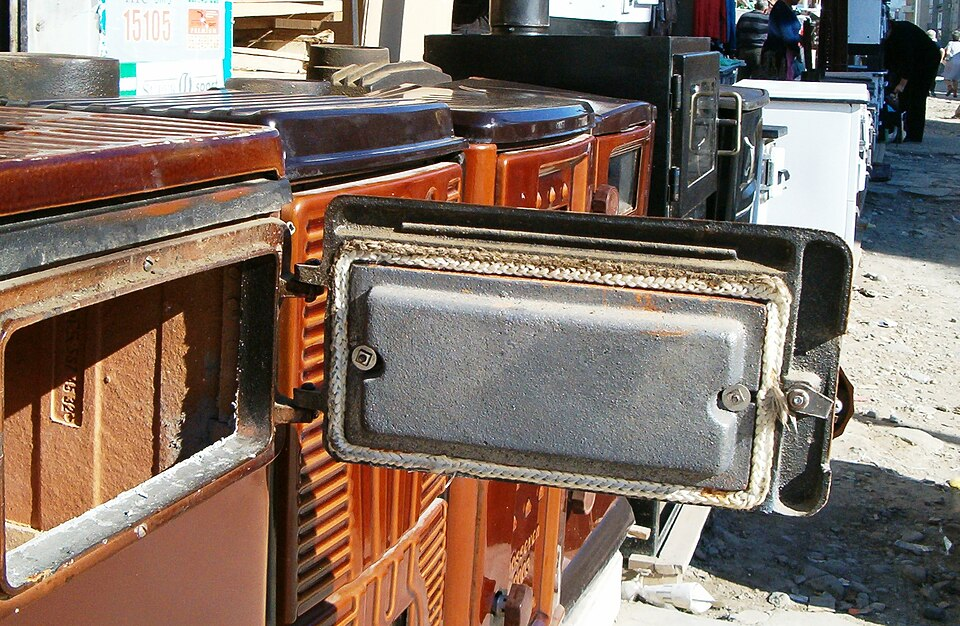
Asbestos appeared in and around the hearth in several forms: fireproof mats, millboard behind and beneath appliances, rope seals, oven gloves, and the decorative asbestos-containing artificial logs and embers sold for gas fires, which were marketed as a clean modern improvement.
The federal guidance for asbestos-containing material in the home is to leave material in good condition undisturbed, manage it in place and use a trained contractor for anything that affects it. The artificial logs and embers are the specific product category that has been the subject of warnings, because they are handled, moved and brushed.
If a gas fire from this period still has its original decorative embers in it, that is the one item in the hearth worth having identified rather than tidied.
12. Unvented heaters were used in the same rooms
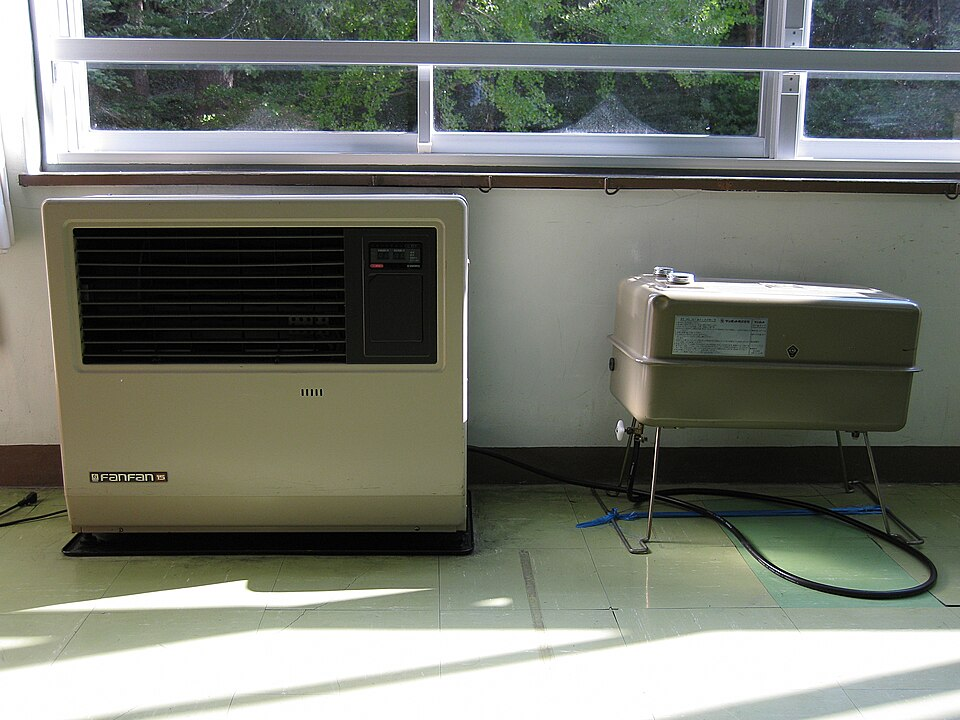
Portable paraffin and bottled-gas heaters were moved from room to room to supplement the fire, and they are unvented by design, which means every product of combustion including water vapour goes into the room.
Unvented fuel-burning heaters are prohibited for residential use in a number of American jurisdictions and are restricted in others, with requirements for oxygen depletion sensors where they are permitted, and the standing advice everywhere is never to use them in a bedroom or a bathroom or without ventilation.
The combination of an unvented heater and a sealed modern window is worse than the 1960 version, which is why this is one of the few items on these lists where the hazard has increased rather than decreased.
13. The chimney breast was full of soot and the soot went into the garden
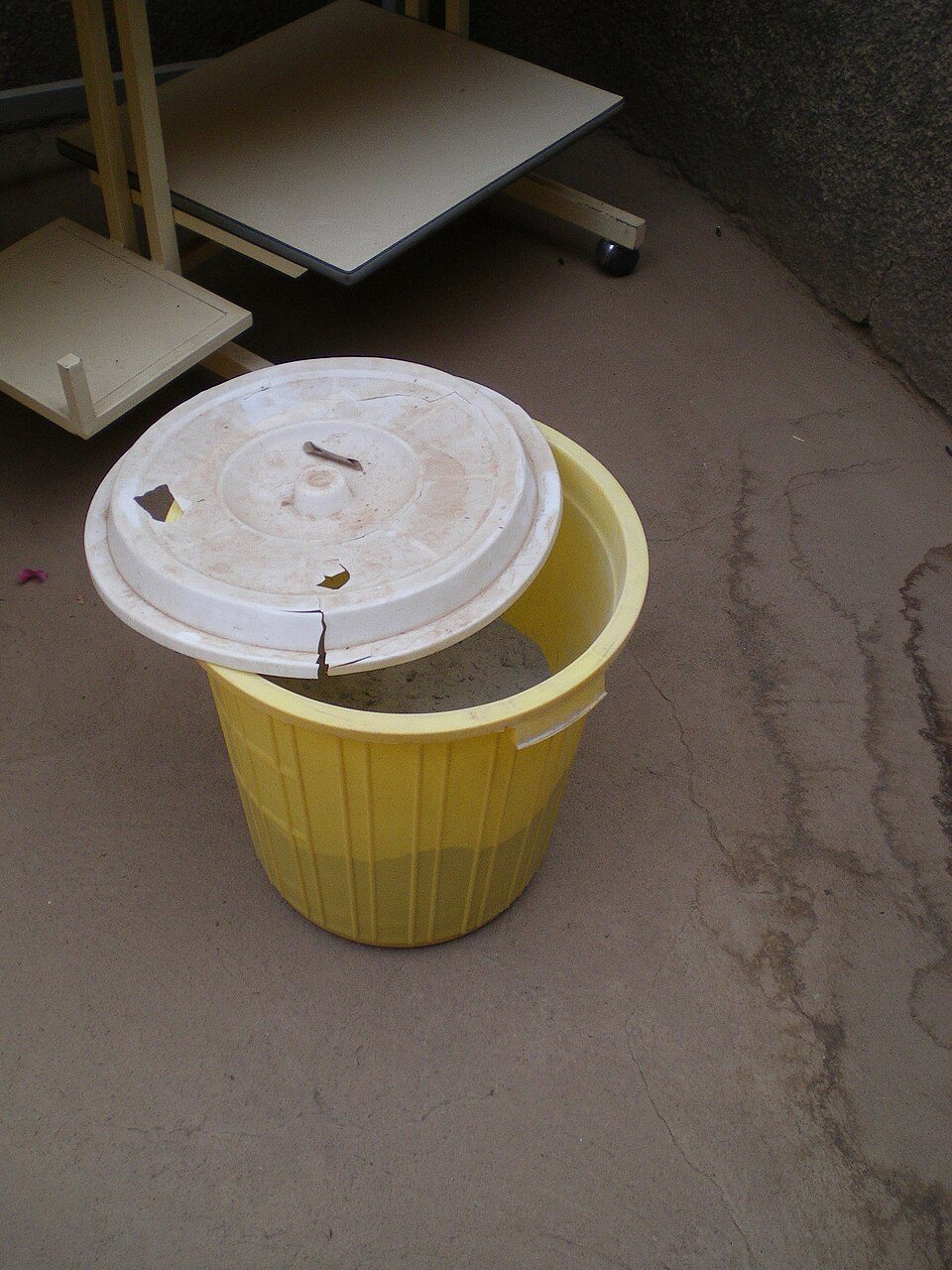
Sweeping produced sacks of soot, which went onto the vegetable beds as a soil conditioner and a slug deterrent, a practice recommended in gardening books of the period.
Soot from coal contains a range of trace metals and polycyclic aromatic compounds and is not a soil improver in the modern sense; wood ash in small quantities is a limited potash source and coal soot is a different material entirely. Current advice is that it goes in the waste stream.
It is a small item and it belongs in the file because it is the one place where the fireplace reached the food supply, and because the distinction between wood ash and coal soot is still widely muddled.
14. Nobody ever looked at the chimney from outside
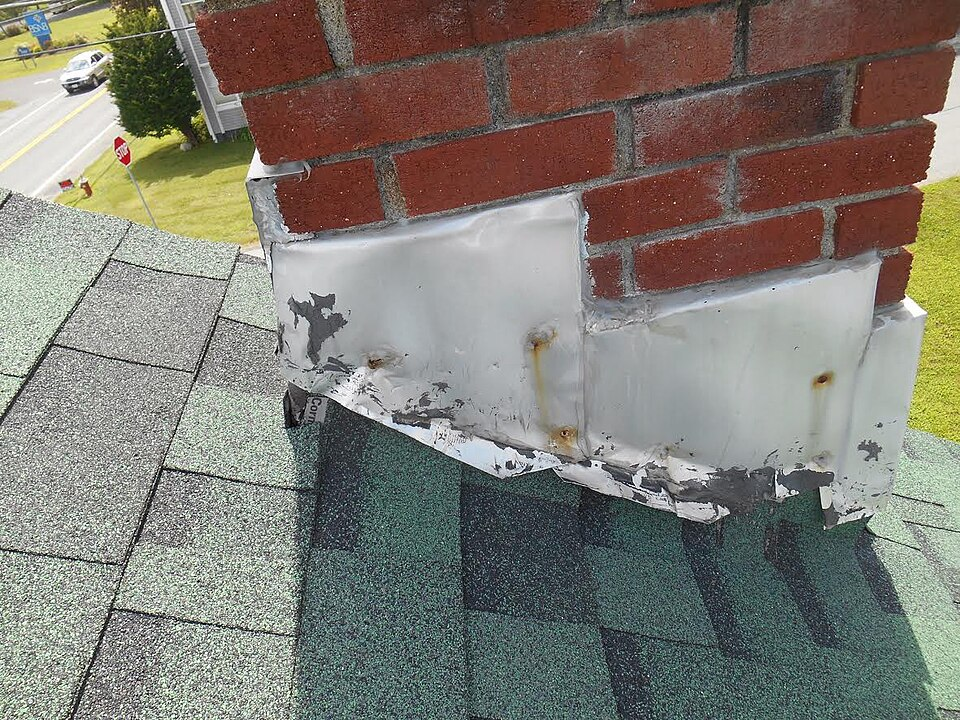
Pots, flaunching, flashing, brickwork and the state of the stack were somebody else’s problem until water came through a bedroom ceiling. A chimney was understood as the hole, not as the structure.
Modern practice treats the stack as a building element with a maintenance schedule: pointing, flaunching, flashing, pot condition and the structural state of a stack that may be carrying no load and holding considerable weight at height. Chimney-related water ingress is among the commonest defects in older housing surveys.
This is the dull item and it is the one that costs the most money when it is ignored, which is why it is in the file.
15. And what the fire did that the central heating does not
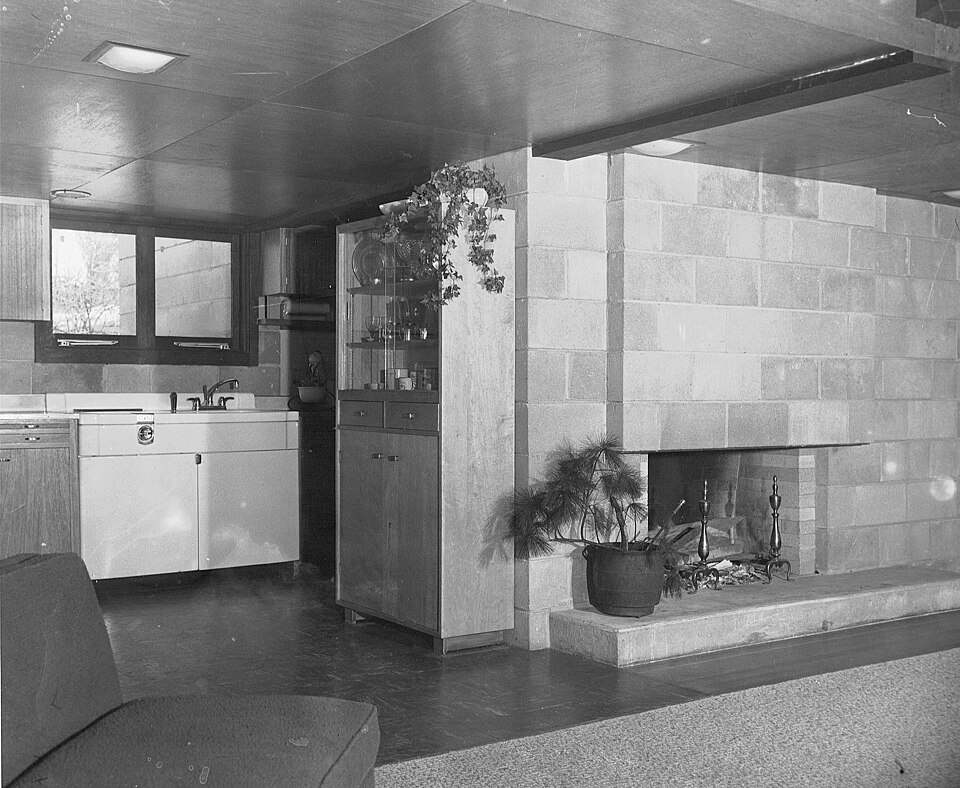
An open fire orients a room. Everybody sits facing it, the furniture is arranged around it, somebody tends it, it changes through the evening, and the household gathers at it because that is where the heat is. Central heating distributes warmth evenly and removes the reason to be in any particular place.
That is not a safety argument and it is not reversible by regulation. What has partly replaced it is the sealed stove, which is dramatically more efficient, far cleaner, properly lined, air-supplied and controllable, and which keeps the fire visible, and there is a reason those have sold in the numbers they have.
The honest summary of this file is that the flue was the real hazard rather than the fire, that the alarm is the cheapest and most valuable change of all of them, that burning rubbish in the grate was worse than anything else in the list, and that the thing worth keeping is the arrangement of the room.
The flue, the fuel and the alarm
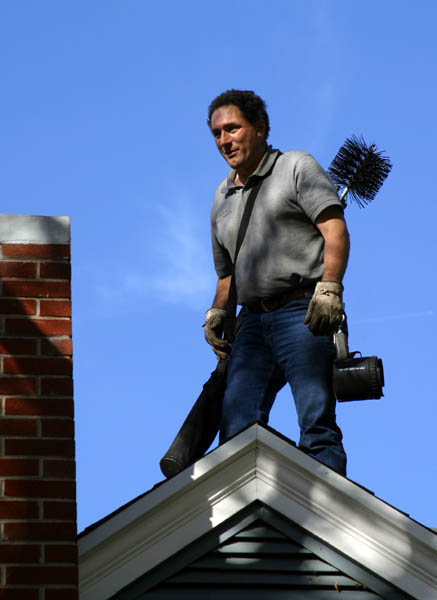
Sorting this file produces three groups. The flue is the largest: lining, creosote, sweeping frequency, the uncapped terminal, the shared flue, the draught and the condition of the stack are all about the structure above the fire rather than the fire itself, and they account for most of what a modern installer would refuse to sign off.
The fuel is the second and it is the one the householder controls entirely. Burning painted or treated timber, plastic and household waste put the contents of the coating and the packaging into the room and the neighbourhood, and burning unseasoned wood or slow-burning a fire is what lays down the creosote that causes the chimney fire. Seasoned wood or approved fuel only is the whole of the modern instruction and it fixes two problems at once.
The third group is one item. A carbon monoxide alarm costs very little, requires no competence to install, works whether or not the chimney is lined or swept or capped, and addresses the only hazard in the house that is colourless, odourless and gives no warning. It is required by law in dwellings across most of the United States and it is the single most valuable thing in this file.
Three things are worth acting on and all of them are cheap. Fit a carbon monoxide alarm if there is any fuel-burning appliance in the house. Have the flue inspected and swept by a qualified sweep before the first fire of the season rather than after it starts smoking, because the bird’s nest and the creosote are both found by looking.
And if there is a gas fire from this period still fitted with its original decorative logs or embers, leave them alone and have them identified. That is the one item in a 1960 hearth that should not be brushed, moved or tidied.
Like our content? Follow us for more.