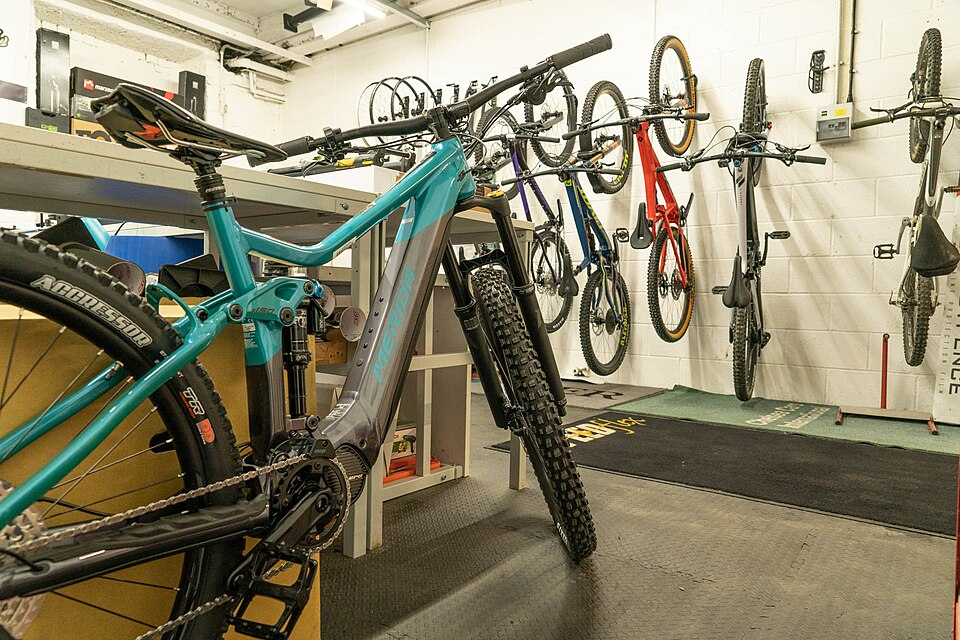
The bicycle itself has changed less than almost any object in this series. The shop around it has changed completely, and the hazards were all in the shop rather than in the bicycle: brazing fume with cadmium in it, petrol as a degreaser, lead solder, and in the very common mixed bicycle-and-motorcycle premises, asbestos brake linings filed and blown out with compressed air.
The two things that were genuinely dangerous about the bicycles were the brakes and the lights, and both were fixed by components rather than by rules. Here are fifteen things about that shop.
1. Nobody wore a helmet because helmets did not exist

There was no cycling helmet in 1960 in any form a modern rider would recognise. Racing riders wore a leather hairnet which protected the scalp and nothing else, and ordinary riders and children wore a cap or nothing at all.
The hard-shell cycling helmet was developed in the 1970s, the first American standards followed, and the modern certified helmet is a tested product with a defined impact performance and a replacement interval. The arguments about whether helmets should be mandatory are live and are a matter of public policy rather than of this file.
What is not contested is that no protective option existed at all in 1960. The question of whether to wear one had not been invented.
2. The shop brazed frames in the back room with no extraction
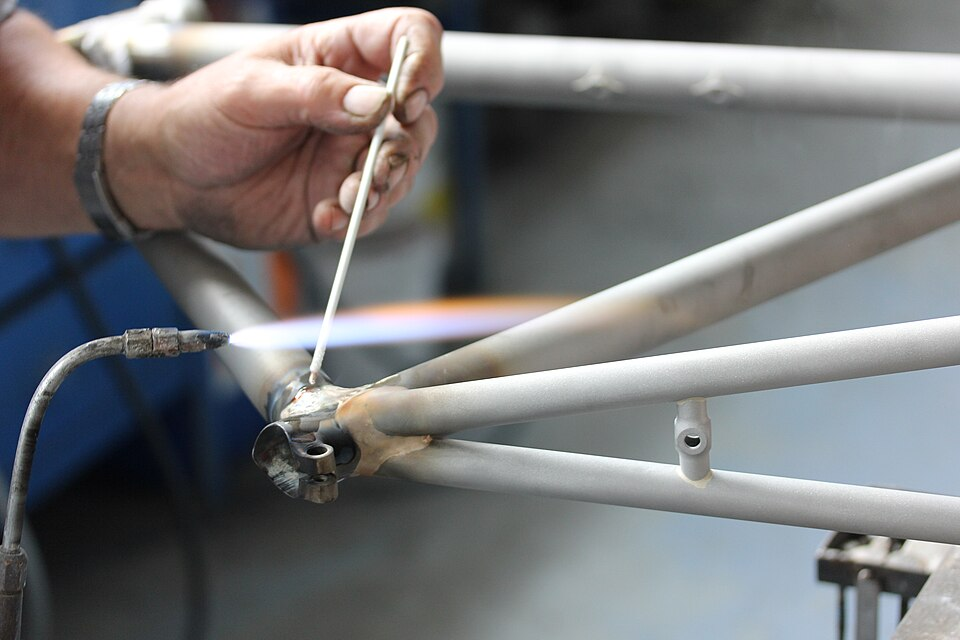
A bicycle shop of any size did frame repair and sometimes frame building, which means brazing steel tubes into lugs with a torch at a bench, using brass or silver filler and a flux.
Brazing fluxes contain fluorides, which produce an irritant fume, and silver solders of the period commonly contained cadmium to improve flow, which produces a specifically hazardous fume. Cadmium-bearing silver solders have been progressively withdrawn, cadmium-free formulations are now standard, and any remaining cadmium product requires extraction and carries specific warnings.
The frame builder’s position at the bench puts his face directly above the joint, which is the worst possible place to be standing, and the shops that did this work had a window rather than a hood.
3. The solder on everything else was lead
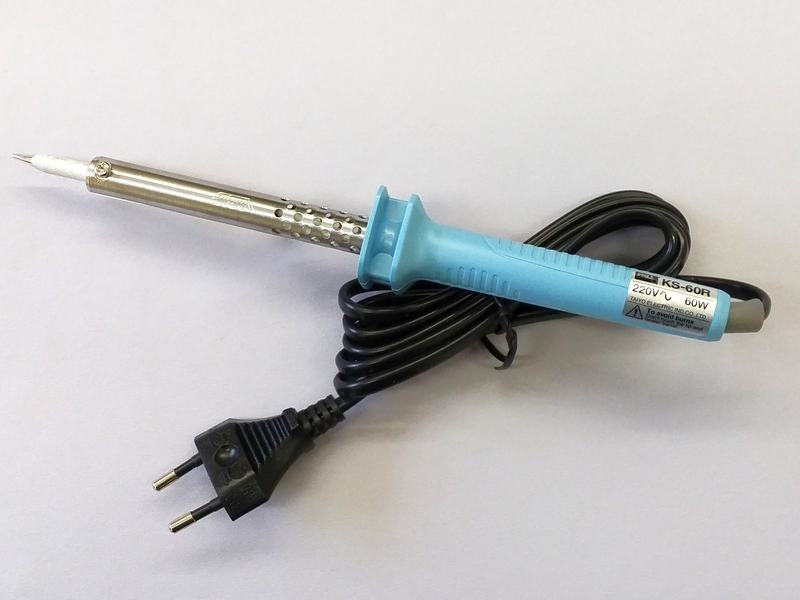
Spoke nipples, lamp wiring, dynamo connections, mudguard repairs and a hundred small jobs were done with lead-tin solder and an iron heated on a gas ring, and the technician’s hands were in it all day.
Lead-free solders are now the norm for most applications under electrical and electronic equipment restrictions, and the handling requirements where lead solder remains in use cover ventilation, hand washing before eating and no eating or smoking at the bench. None of that applied in a 1960 shop.
The combination of lead solder and the shop’s habit of eating at the bench is the ordinary, unremarkable exposure that ran through every small repair trade of the period.
4. Brake blocks and some components contained asbestos
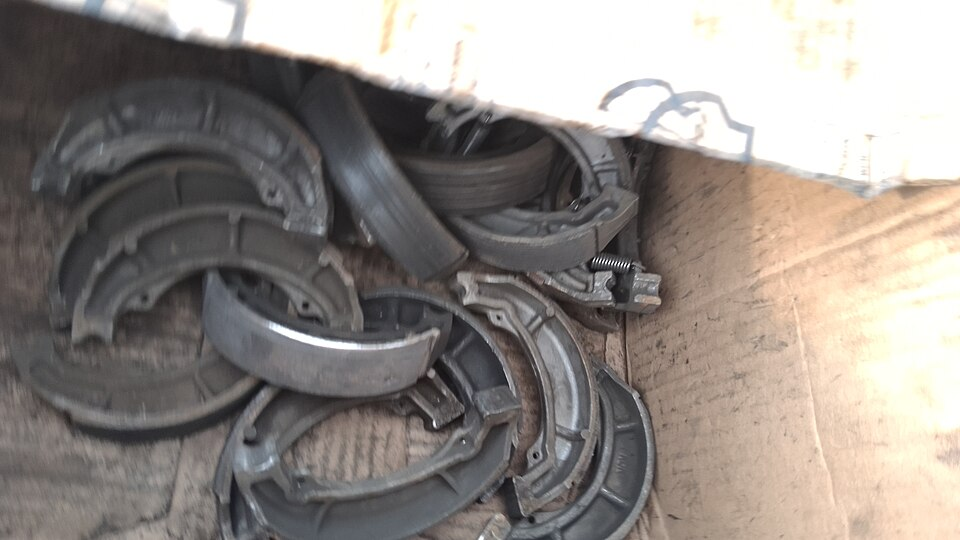
Friction materials of the period were asbestos-based, and while a bicycle’s rubber brake blocks generally were not, the shops that also serviced motorcycles, mopeds and light vehicles handled asbestos-containing brake and clutch linings, and filed, ground and blew out brake assemblies as routine work.
The federal position is that asbestos-containing material in good condition is left undisturbed, that any work affecting it requires trained handling, and the specific practices that are prohibited are exactly the ones used here: dry grinding, filing and blowing out assemblies with compressed air.
Mixed bicycle and motorcycle shops were extremely common, which is why this belongs in the file. The bicycle side was clean and the room was not.
5. The degreasing tank held whatever cut grease fastest
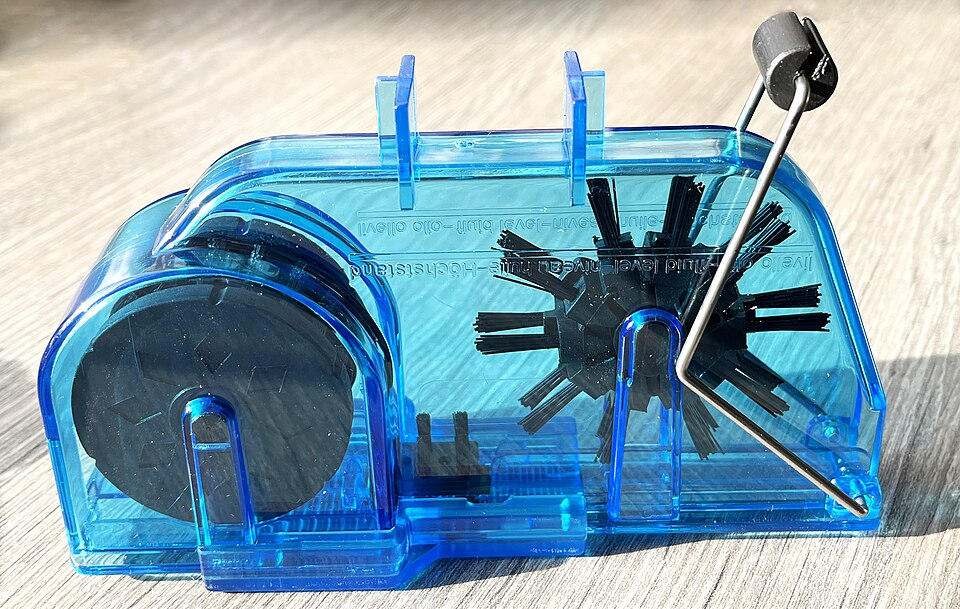
Chains, freewheels, hubs and bottom brackets were cleaned in a tank of solvent, and the solvents used were paraffin, petrol in a great many shops, and the chlorinated solvents when a shop could get them.
Petrol as a degreaser is the one that stands out, because it is used for the property that makes it dangerous: it is extremely volatile and the vapour is heavier than air, so it collects at floor level in a workshop that also contains a gas ring for the soldering iron and a brazing torch.
Modern practice uses dedicated low-volatility degreasers, enclosed or covered parts washers, extraction, and in many shops water-based chain cleaners, and the use of petrol as a cleaning agent is prohibited in workplaces.
6. Acetylene and carbide lamps were still in circulation
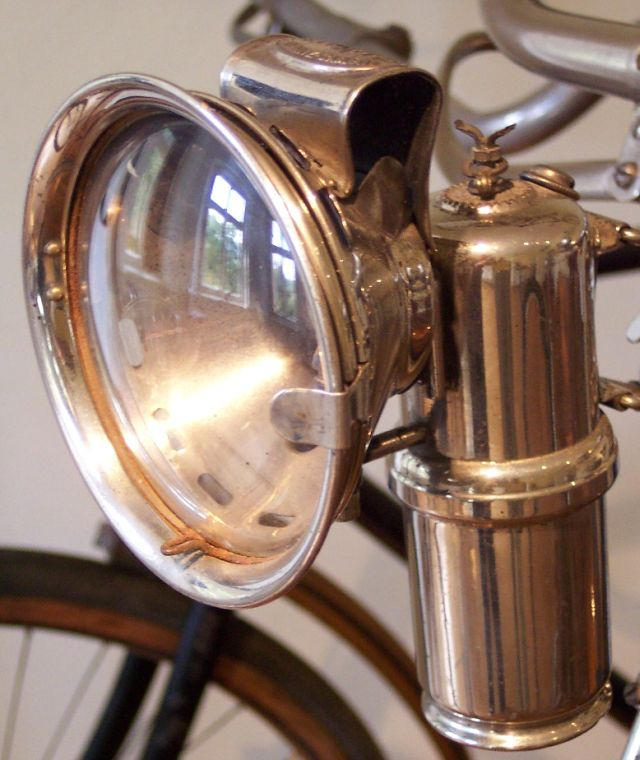
Battery lighting was established by 1960 but carbide lamps — which generate acetylene by dripping water onto calcium carbide and burn it at a jet — were still in use on older machines and still being serviced, and the shop sold the carbide.
Calcium carbide reacts with water to produce acetylene, which is flammable across a very wide range of concentrations, and the spent residue is caustic. Carbide is now a controlled material in many jurisdictions and is not a general retail product, and the lamps survive as collectors’ items.
The shop therefore kept a tin of a water-reactive material in a room with solvents and open flames, which is the kind of combination that the modern separation-of-incompatible-materials rule exists to prevent.
7. Children’s bicycles had no standards behind them at all
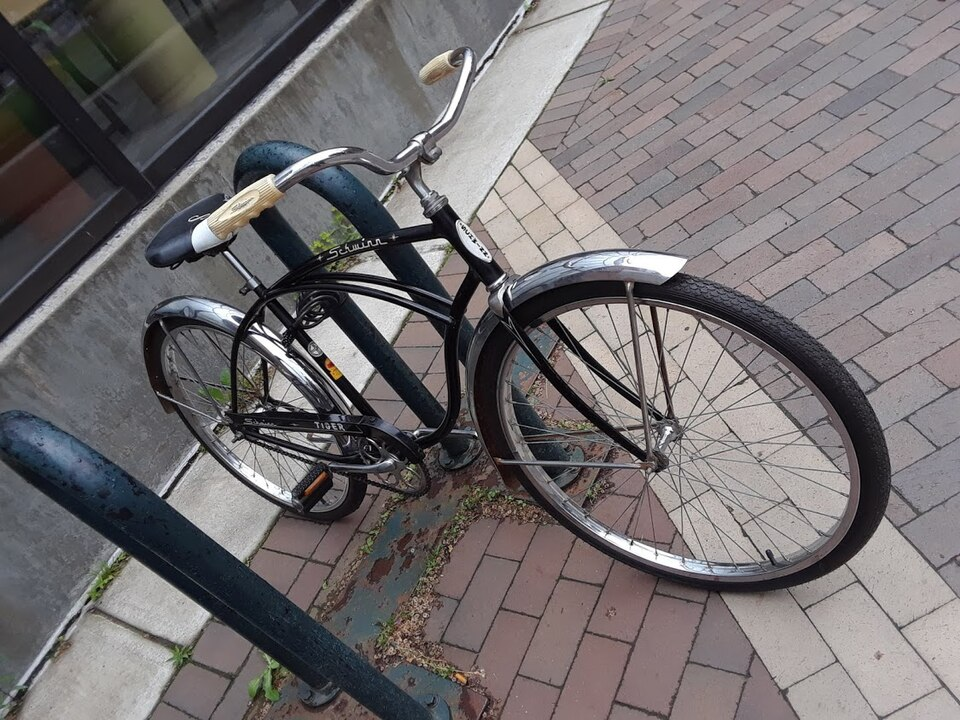
A child’s bicycle in 1960 was a smaller adult bicycle, frequently second-hand, frequently rebuilt in the shop from parts, with no requirement covering brake performance, the strength of any component, the sharpness of edges, reflectors or the suitability of the size to the child.
American consumer product safety regulation of bicycles came later and is specific: braking performance requirements, protrusion and sharp edge limits, reflector requirements, fork and frame strength testing, and labelling. It applies to bicycles as sold, including children’s models, and it is one of the more detailed product standards there is.
The practical 1960 situation was that a child rode what the family had, sized by whether they could reach the pedals, and the brakes worked as well as somebody had set them up.
8. Brakes were set up by feel and often did not work
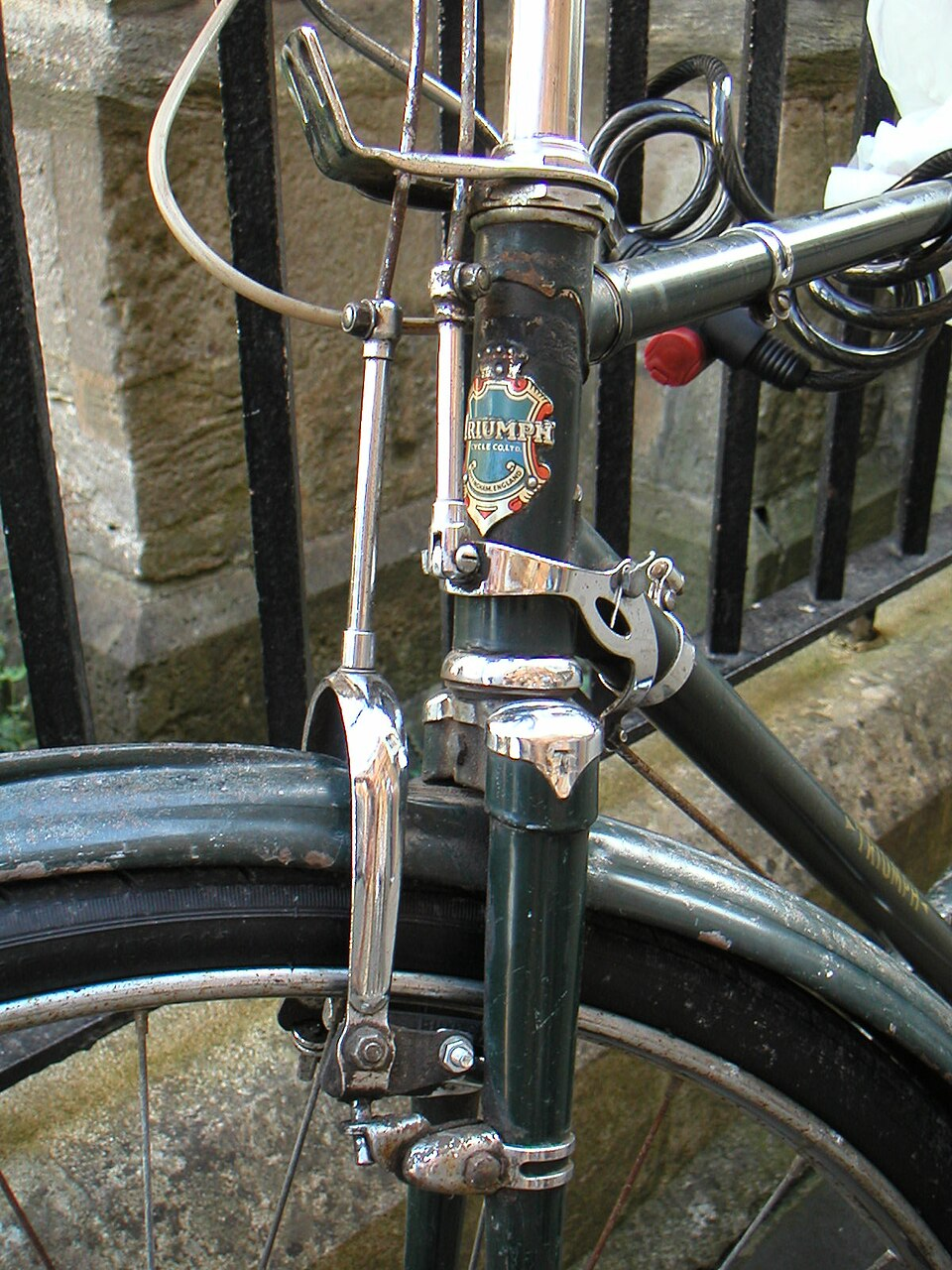
Rod brakes on roadsters and early cable brakes on sports machines both lose a great deal of their effect when the rims are wet, and the shop adjusted them by hand to whatever the mechanic judged acceptable, with no test.
Modern bicycles are tested against a braking performance requirement measured as stopping distance from a stated speed in defined conditions, which is why a current bicycle has to stop and a 1960 roadster in rain substantially did not. Rim brakes have also largely given way to discs on anything expected to be used in weather.
This is the single largest functional improvement in bicycles since 1960 and it is almost never mentioned, because the difference only shows up in the rain.
9. The tyres were repaired rather than replaced, by everybody
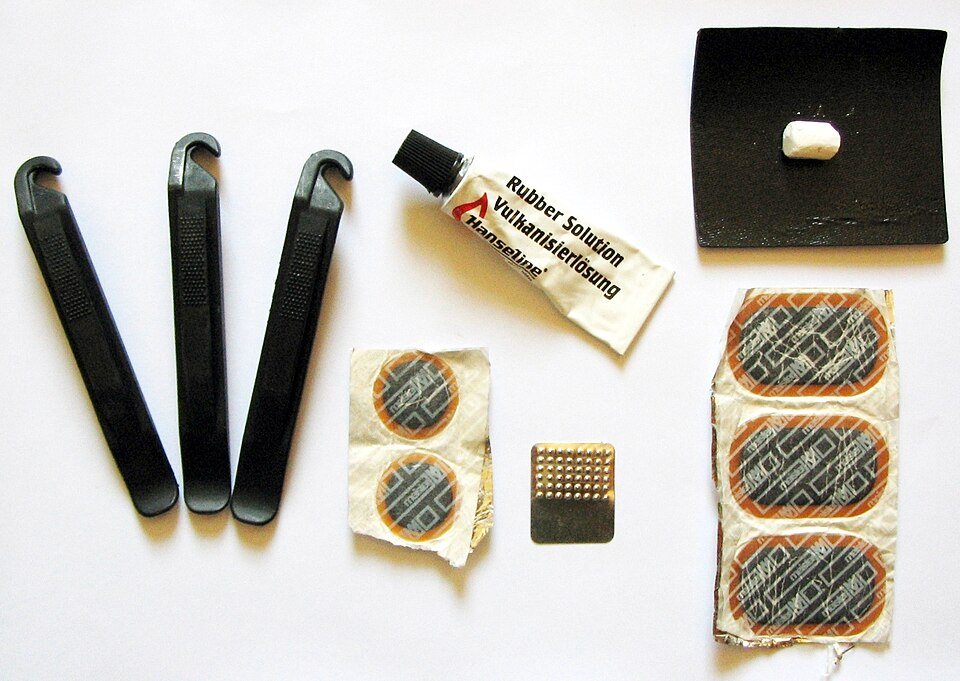
Puncture repair was a universal domestic skill and a shop service: remove the tube, find the hole, abrade the surface, apply rubber solution, leave it to go tacky, apply the patch. Tubes carried a dozen patches and were kept in service for years.
Rubber solution is a solvent-based contact adhesive and the solvent of the period was commonly a volatile hydrocarbon, used indoors from an open tin with no ventilation, which is the only hazard in the operation and is a real one in a small room with a hundred repairs a week.
The repair itself has not been improved on and is still the right answer. Modern rubber solutions are the same chemistry with better labelling, and the instruction on the tin about ventilation is the part that was not there in 1960.
10. Wheel building was a craft and it is still exactly the same
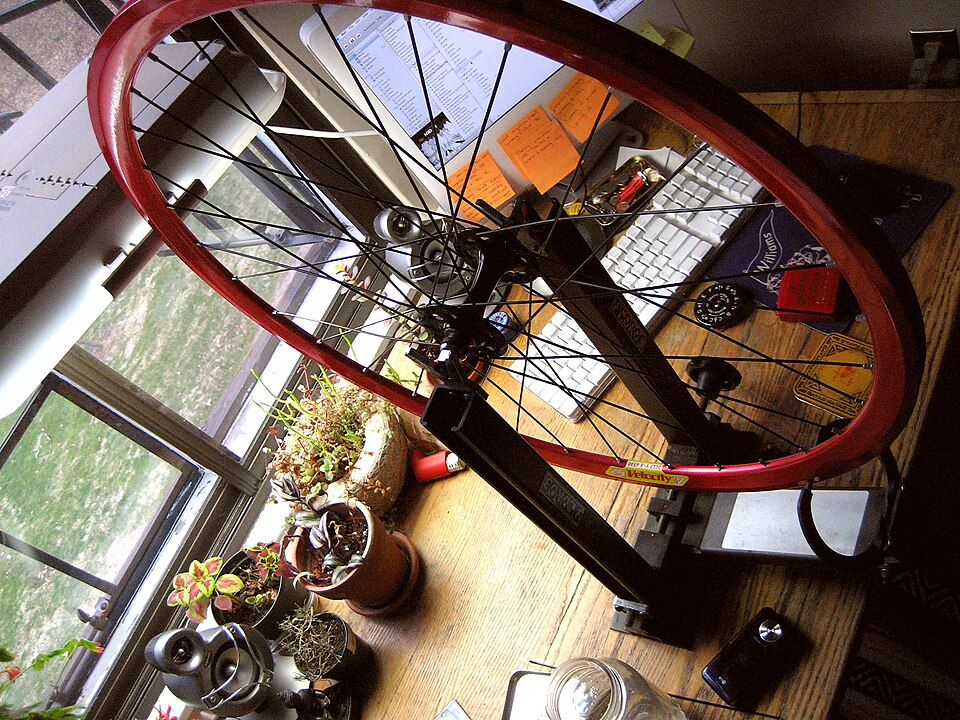
Lacing and tensioning a wheel by hand — threading thirty-six spokes in a pattern, bringing them up to even tension and truing the rim — was core shop work, done on a jig by eye and feel, with a spoke key and a nipple driver.
It is one of the very few operations in this entire series that has not changed at all. The tools are the same, the method is the same, the skill is the same, and the only addition is the tension meter, which measures what the good builders were achieving by plucking the spokes and listening.
That is worth stating plainly because it is unusual. Hand wheel building survives because nothing has ever done it better, and a wheel built properly by hand in 1960 is still a good wheel.
11. The shop sold and fitted children’s bicycles too big for them on purpose

A bicycle was bought to be grown into, which meant a child started on a machine they could not reach the ground from, with the saddle down and blocks on the pedals in some cases, and it was understood as sensible economy.
Current guidance on sizing is the opposite and is specific: a child should be able to put their feet down, reach the brakes and control the machine, and the right size now rather than next year is the safety requirement rather than a preference. Second-hand and hand-me-down bicycles are where the practice persists.
The economic pressure behind the old practice was entirely real and has not gone away, which is why the guidance has to be stated rather than assumed.
12. Everything was steel and the shop had a lathe to prove it
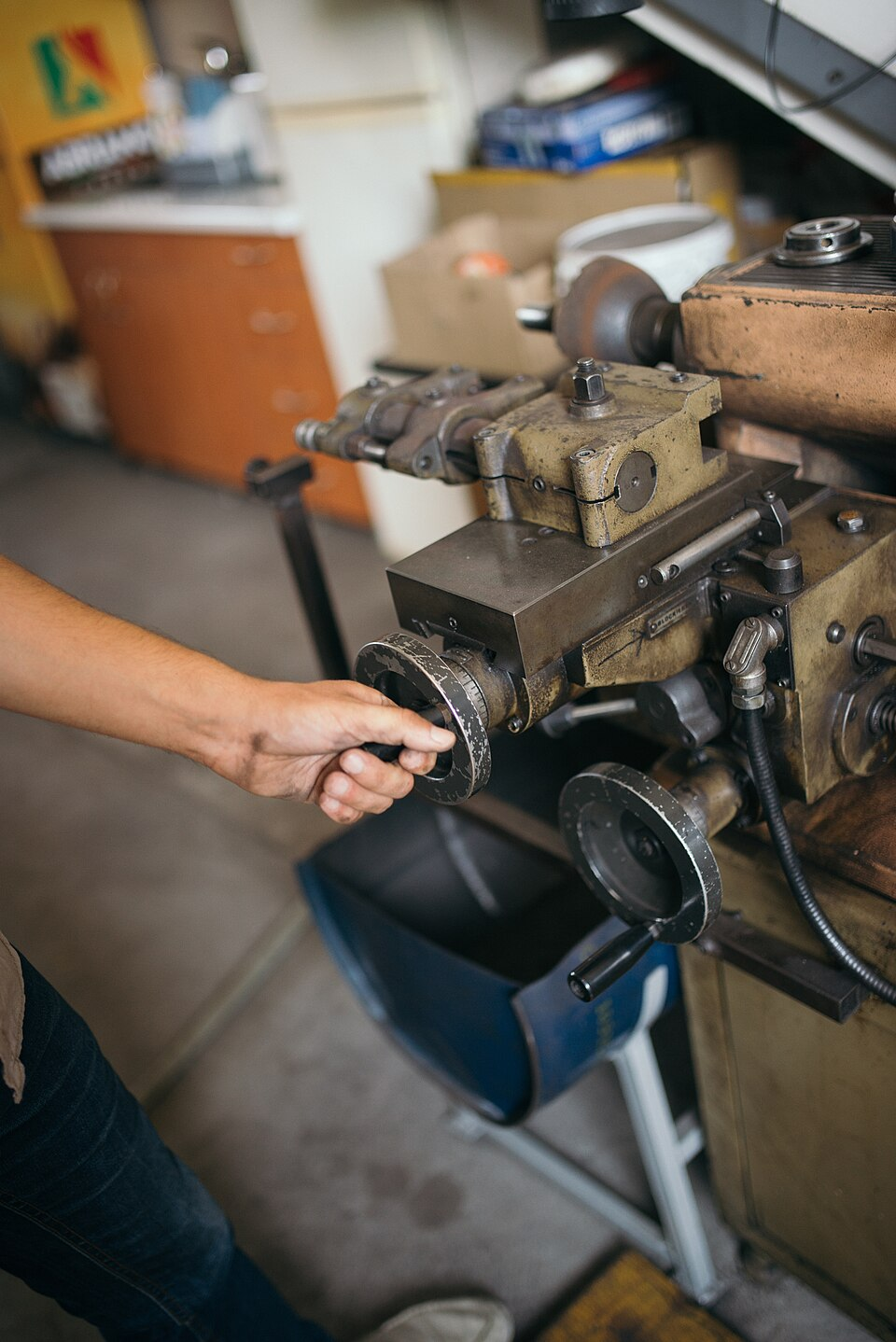
A 1960 bicycle was steel throughout — frame, bars, cranks, rims on most machines, mudguards, chainset — and a shop could cut, thread, braze, straighten and machine any of it. Bent forks were cold-set straight rather than replaced.
Modern practice is the reverse and for good reason: aluminium and carbon components are not straightened, re-bent or heated, because the failure modes are different and a straightened aluminium fork or a repaired carbon one can fail without warning. The current rule across the trade is replacement rather than repair for those materials.
This is a genuine reversal in workshop practice. The 1960 instinct was to make it good, and with modern materials that instinct is the dangerous one.
13. The delivery bike and the paper round were a job for a child
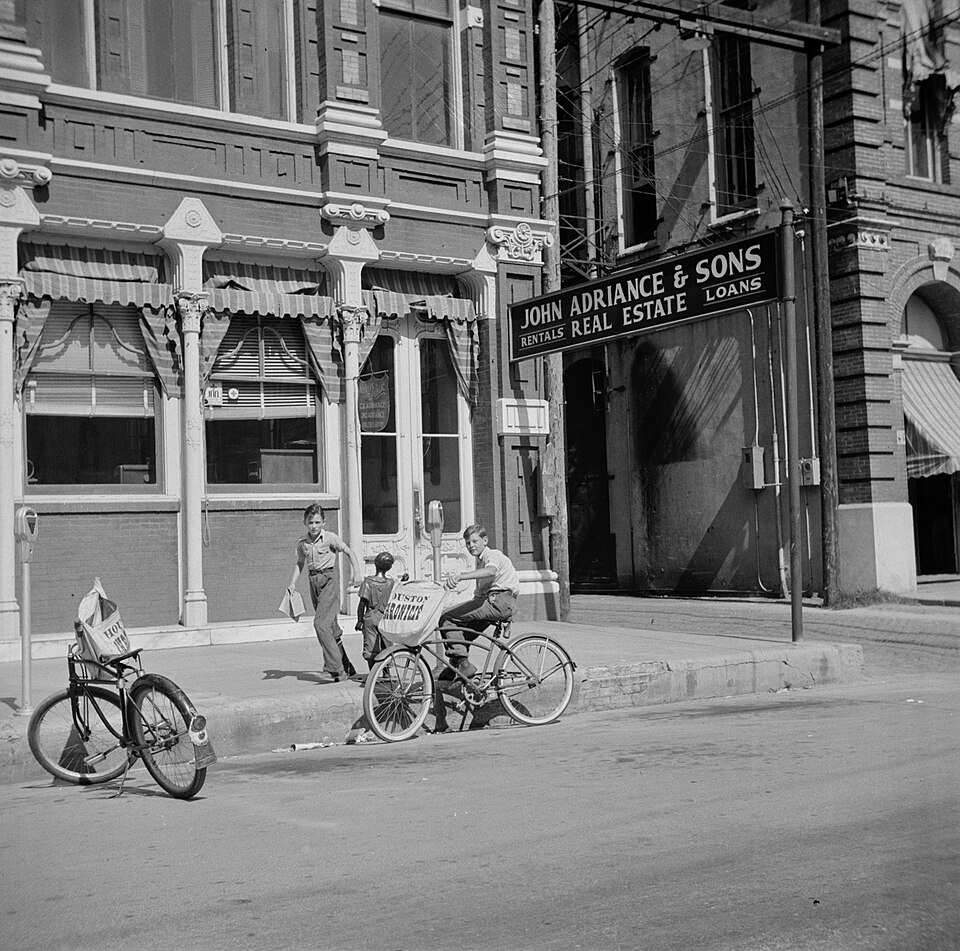
Shops sold and maintained heavy trade bicycles with front carriers, and the people riding them were frequently boys of thirteen or fourteen doing deliveries in traffic, in the dark, in all weather, with a loaded carrier that changed the steering completely.
Child labour provisions, hours restrictions and the practical disappearance of the delivery bicycle have ended it, and modern equivalents are adults on motorcycles or in vans, or adults on electrically assisted cargo bicycles with proper lighting and braking.
The loaded front carrier is the detail worth noting. A heavy basket over the front wheel of an upright bicycle makes it handle badly in a way that is specific and counterintuitive, and the riders were children.
14. Nobody was lit properly and the law barely helped
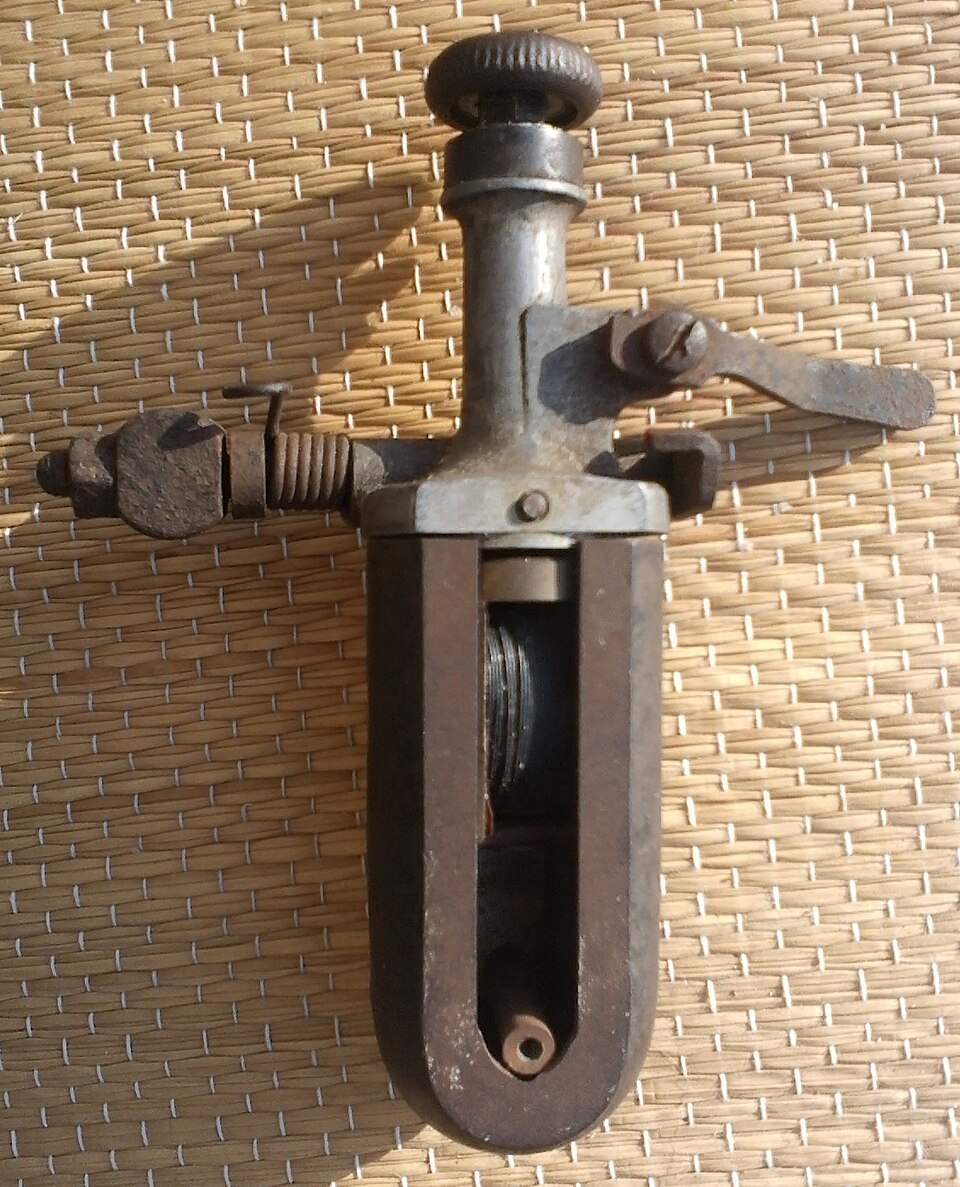
Lighting in 1960 meant a dynamo that went out when you stopped or a battery lamp with a filament bulb, generating a weak beam that illuminated the road for a few feet, with a single rear reflector or a small red lamp behind.
Modern bicycle lighting is a different technology entirely: LED lamps with outputs that make a rider visible at a distance and standlight capacitors that keep a dynamo lamp lit at a standstill, with reflector and lighting requirements specified in regulation and on the product.
Of all the changes to the bicycle since 1960 this is the one with the largest practical effect on a rider’s actual risk, and it arrived through component technology rather than through any rule.
15. And what the shop had that has mostly come back
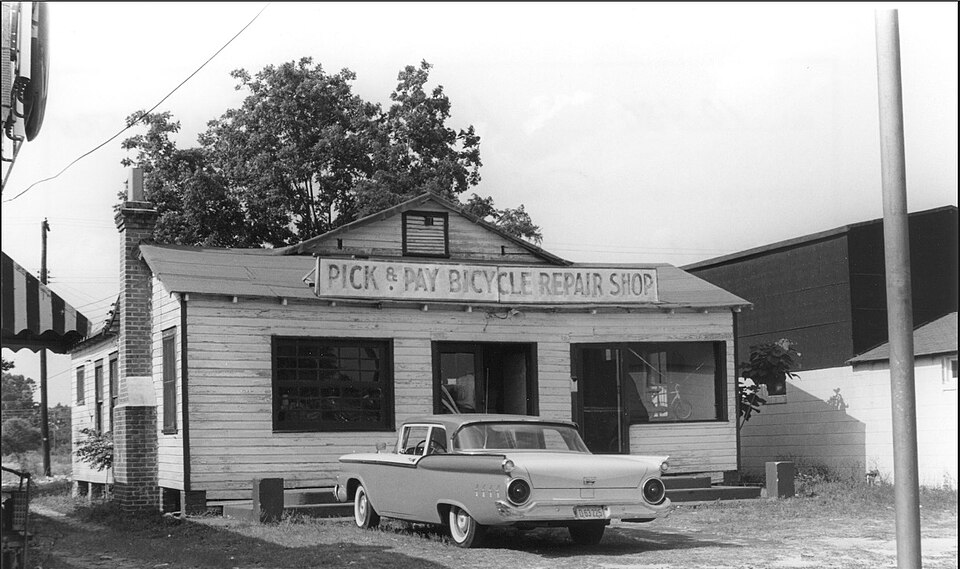
A local bicycle shop in 1960 was a repair business that also sold bicycles, run by somebody who knew every machine in the neighbourhood, could make a part, would sort out a wheel while you waited and expected to see the same bicycle for twenty years. Nothing in it was disposable.
That model nearly disappeared into the supermarket bicycle and the mail-order box, and it has substantially returned, because a modern bicycle is complicated enough that people want somebody competent to look after it, and because hand wheel building, frame repair and proper servicing turned out to be worth paying for after all.
The honest summary is that the brazing fume, the petrol degreasing, the lead solder and the asbestos in the mixed shops were the real hazards and are all resolved, that the brakes and the lighting were the genuinely dangerous things about the bicycles themselves, that growing into a bicycle is the one habit still worth arguing against, and that the shop’s actual craft — the wheel, the repair, the knowing every machine in the street — was always the good part and is still there.
The shop, the bicycle and the one habit still worth arguing about
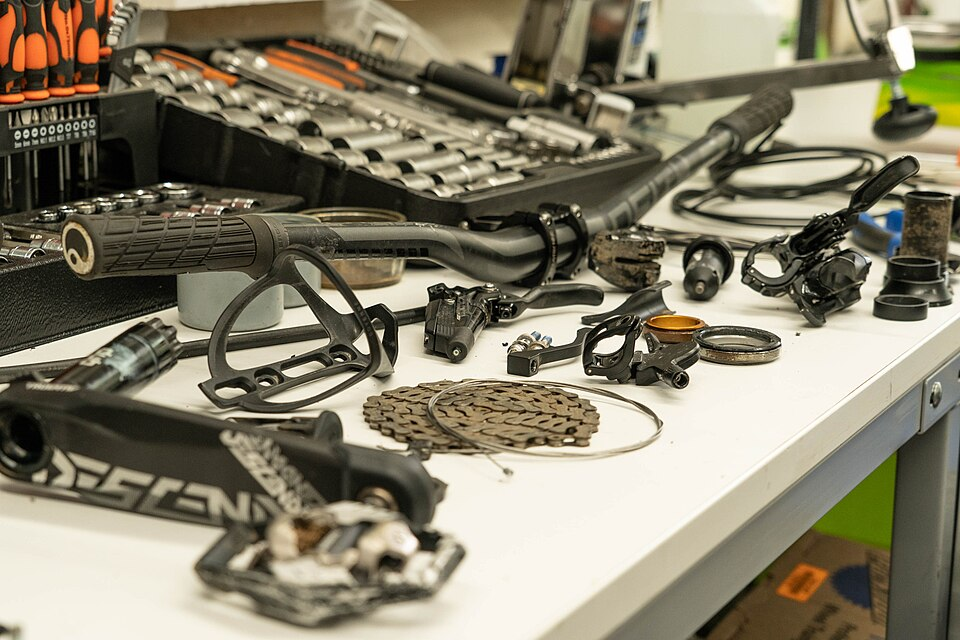
The hazards in this file sort cleanly into three groups. The shop’s own chemistry is the largest: cadmium-bearing silver solder and fluoride flux brazed at a bench with the builder’s face over the joint, lead solder on everything else, petrol used as a degreaser because it cuts grease, rubber solution from an open tin, and calcium carbide stored in the same room as all of it. Every one of those has been resolved by substitution and extraction, and the use of petrol as a cleaning agent is now prohibited in workplaces outright.
The bicycle’s own problems were two, and both were real. Rod and early cable brakes on wet rims did not stop the machine, and modern bicycles are tested against a measured stopping distance, which is the largest functional improvement to the object since 1960 and shows up only in the rain. And lighting in 1960 was a weak filament beam that went out when a dynamo-equipped rider stopped, against modern LED output and standlight capacitors — a change that arrived through component technology rather than regulation and has the largest effect of anything here on a rider’s actual risk.
The one practice worth arguing about is buying a child a bicycle to grow into. The economics behind it were real and have not gone away, which is why current guidance states the requirement plainly: the right size now, with the child able to put their feet down, reach the brakes and control the machine. It is the item in this file most likely to be happening in somebody’s garage this weekend, usually with a hand-me-down.
Two things from this are worth acting on, and one of them is about a child. A bicycle should fit the rider now rather than next year, and a hand-me-down is where that gets quietly abandoned.
The other concerns old machines. If a bicycle or a frame from this period has aluminium or carbon parts added to it over the years, those are not straightened, re-bent or heated when they get damaged — they are replaced, because the failure mode is different from steel and is not visible in advance.
Like our content? Follow us for more.