A cold or a fever in 1965 brought out an entire system of household medicine: the blankets, the flannel, the chest rub, the bottle from the cabinet, the plate of something specific, and a set of rules about what to eat, what to avoid and what had caused it in the first place. Most of it came from mothers and grandmothers rather than from doctors, and much of it was confidently wrong in ways that have since been documented.
Some of it has simply been abandoned, some of it has been reversed outright, and one item — the most ordinary medicine in the house — turned out to carry a specific hazard for children that was not identified until the 1980s. This is an account of how the advice changed and is not medical advice; anything about an actual illness, and especially anything about a sick child, belongs with a doctor or a pharmacist.
Sweating it out under the blankets
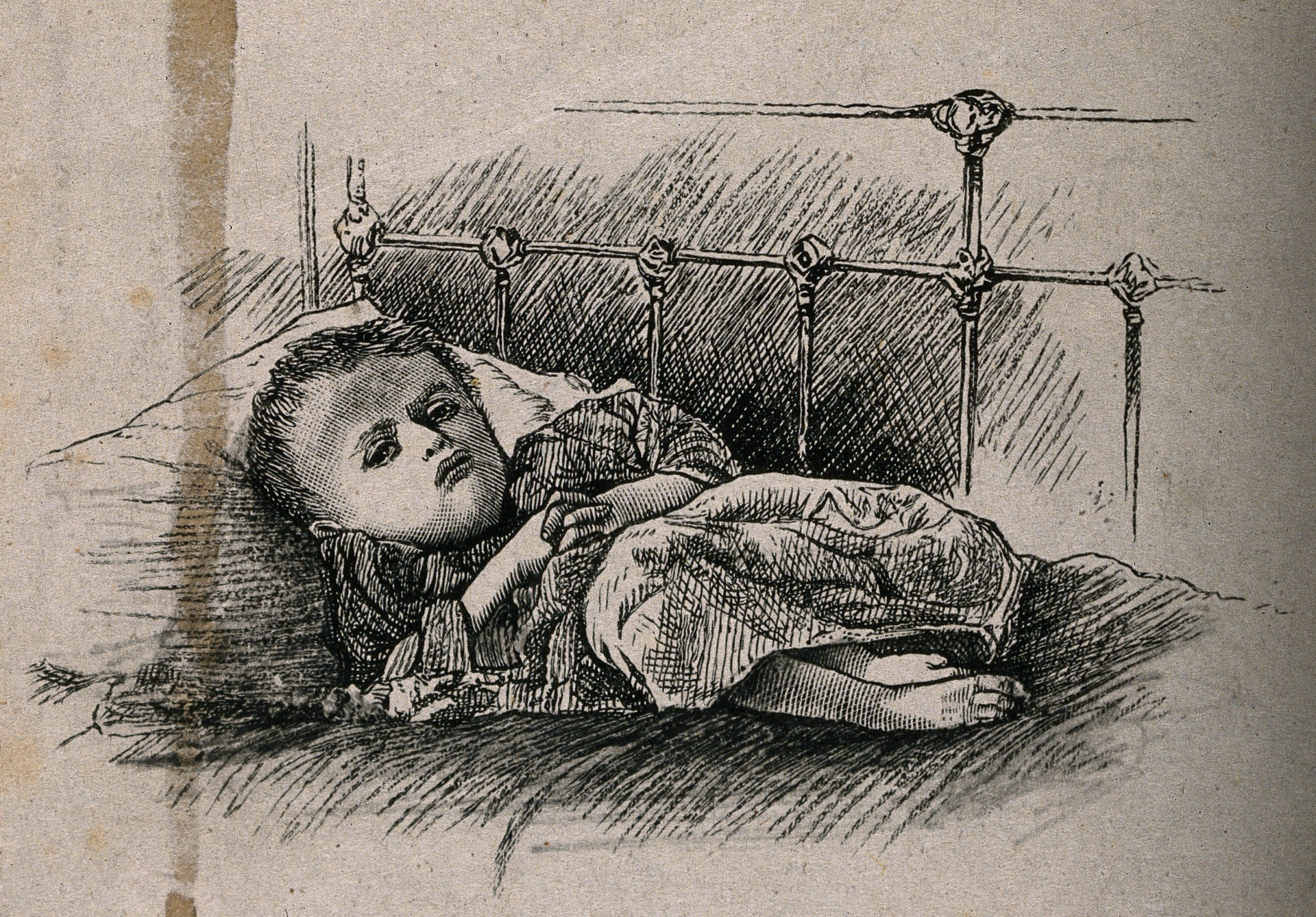
The instruction was to pile on covers, close the window, and let the fever break. It had an internal logic: the patient felt cold and shivery, so warmth seemed kind, and sweating was understood as the body expelling the illness.
The physiology runs the other way. A person with a fever feels cold because the body has raised its own set point, and wrapping them up prevents heat loss while shivering generates more heat, which pushes the temperature up rather than down. Current guidance is to keep a feverish person comfortable rather than hot: ordinary light bedding, a normally ventilated room, and no attempt to force sweating.
The same reasoning retired two more aggressive versions of the same idea. Cold baths, cold sponging and alcohol rubs were all used to bring a temperature down quickly, and all three are now advised against — the cold ones because they trigger shivering, which raises the temperature and distresses the patient, and the alcohol rub because alcohol is absorbed through the skin, which matters a great deal more in a small child than anybody realised at the time.
Like our content? Follow us for more.
Fever as the enemy
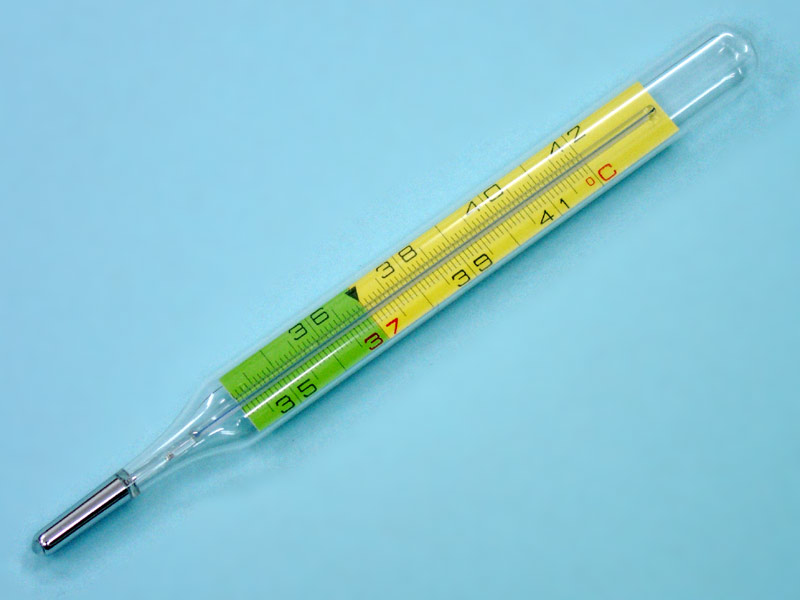
Behind all of that lay the belief that the fever itself was the illness and that the number on the thermometer was the thing to attack. Households measured frequently, recorded it, and treated a rising reading as a crisis in its own right.
The modern understanding is that fever is part of the body’s response to infection rather than the infection, that in most ordinary illness it is not harmful in itself, and that the reason to treat it is the patient’s discomfort rather than the figure. Guidance is explicit that the goal is comfort, not a normal reading, and that medicines should not be given purely to bring a number down.
There is a critical exception, and it is the reason no numbers appear in this article. In infants, and in anybody whose fever comes with particular accompanying features, fever does require prompt assessment, and the thresholds and features involved are specific enough that they must come from a clinician or a current published source rather than from an article about 1965. The general principle — treat the person, not the thermometer — is for ordinary illness in older children and adults.
Aspirin, which is the serious one
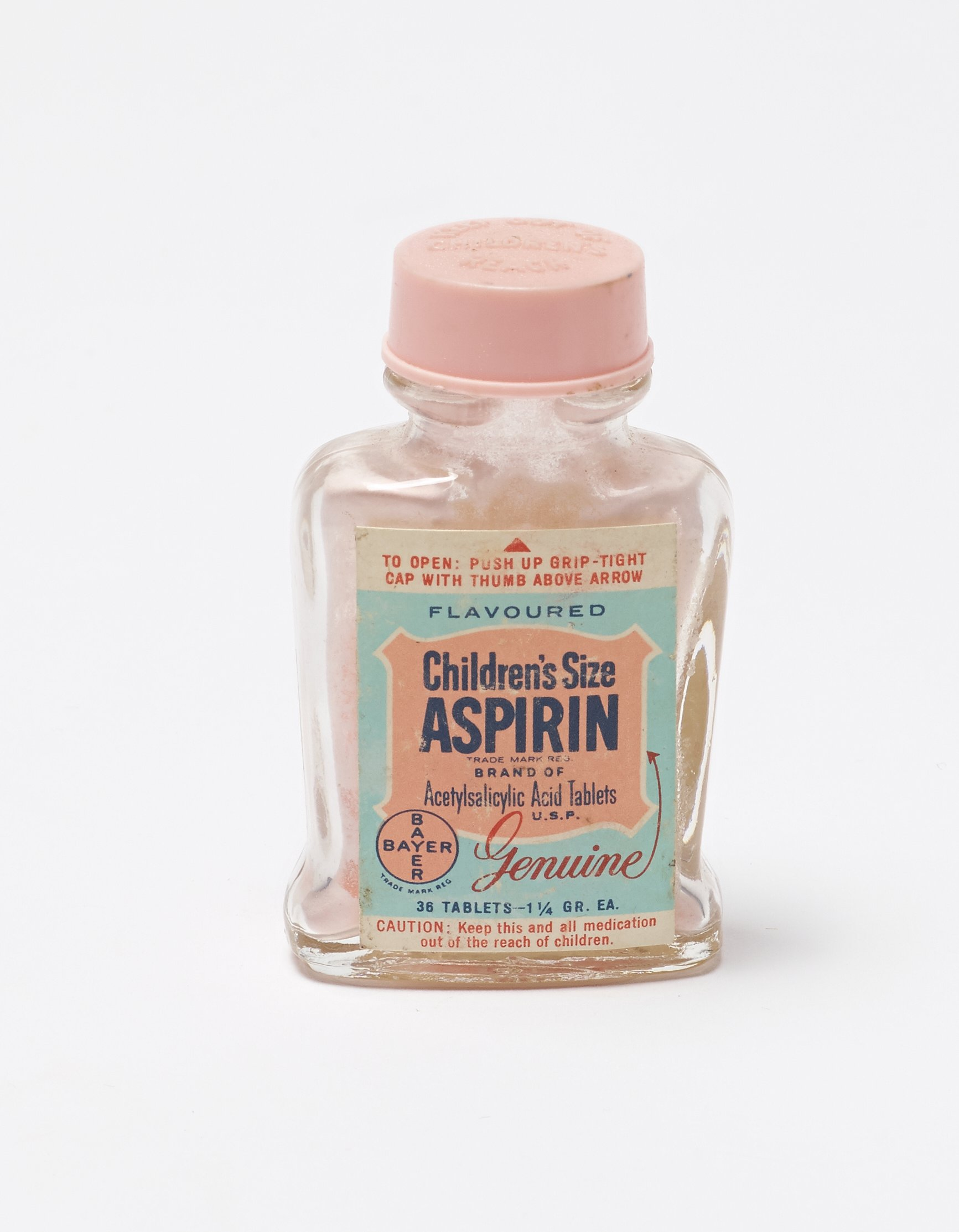
Aspirin was the household medicine of the period. It was in every American cabinet, it was given to children routinely for fevers and colds, it was marketed in children’s formulations, and nobody regarded it as anything other than mild.
In the late 1970s and early 1980s a link was identified between aspirin given during a viral illness in children and a rare but serious condition affecting the liver and brain. American public health authorities issued warnings from 1980 onward, labelling requirements followed, and the result is one of the clearest success stories in the field: as aspirin use in children fell, the incidence of that condition fell with it, to the point where it is now very rare. The standing position is that aspirin is not given to children or teenagers during a viral illness, or generally in that age group at all, except where a doctor has specifically prescribed it for a particular reason.
This is the one item on this list that a reader needs to know rather than merely find interesting. The condition is not described here, no dose or product is named, and the alternatives for a child are a question for a pharmacist or doctor — but the rule itself is simple, it is settled, and a household still working from 1965 habits would not know it.
Antibiotics for a cold

Through the 1960s a visit to an American doctor with a cold frequently produced a prescription, and the expectation that it would was entrenched on both sides. Penicillin and its successors were still new enough to feel miraculous, they were given freely, and a patient who left without one often felt they had been fobbed off.
Colds are viral and antibiotics do not act on viruses. They do nothing for the duration or severity of a cold, they carry their own adverse effects, and the collective consequence of prescribing them for decades is the resistance problem that now constitutes one of the more serious threats in medicine. Prescribing practice has changed substantially: delayed prescriptions, explicit explanation that an illness is viral, and patient information campaigns are all responses to the 1960s pattern.
The tonsil operation belongs beside it. Removal for recurrent sore throats was close to routine for American children in the period, performed in very large numbers, and the current criteria are far narrower and based on documented frequency and severity over time rather than on a parent’s report of a bad winter.
Feed a cold, starve a fever, and the other food rules
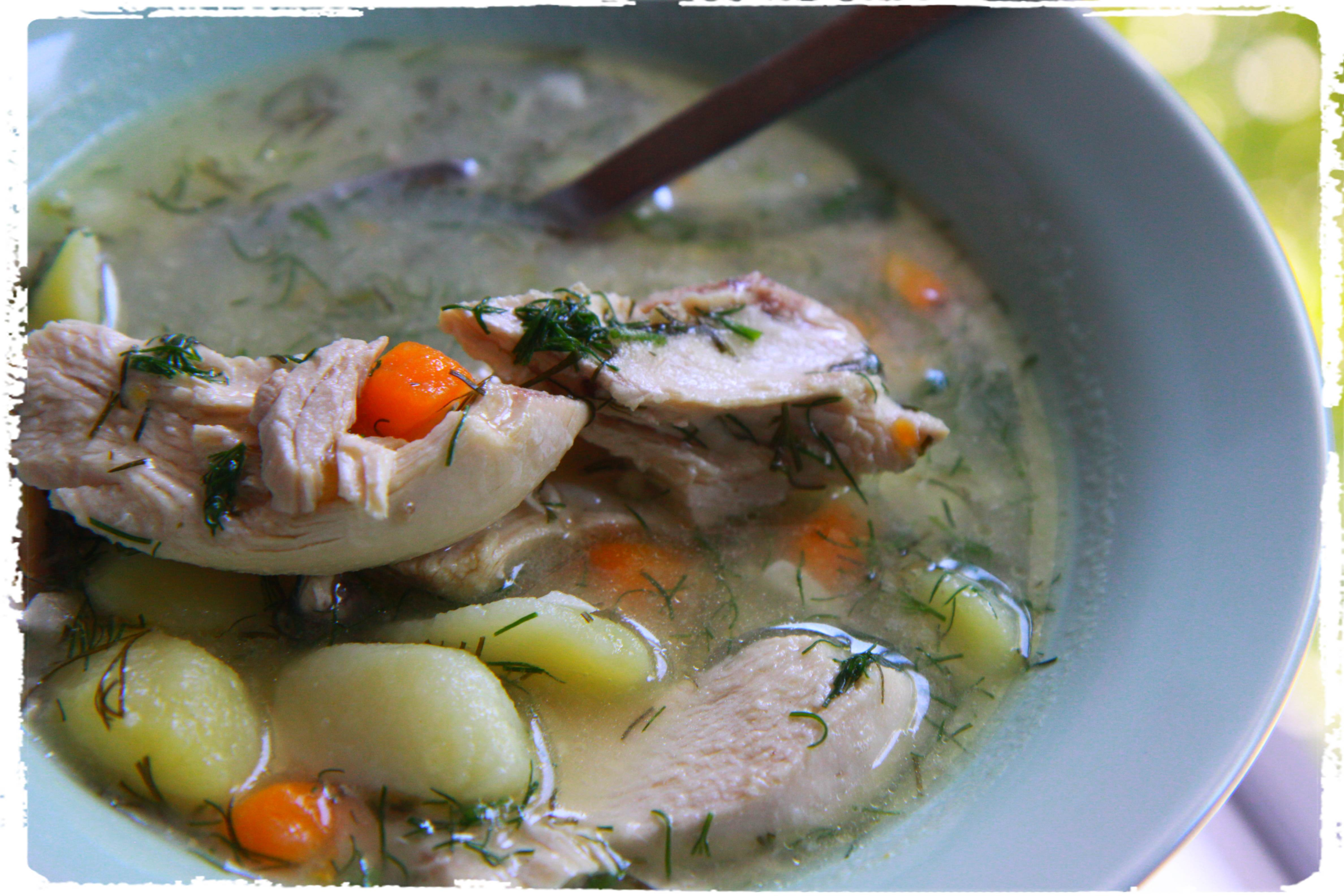
The rhyme was recited as though it were established. There is nothing in it: an unwell person needs fluids and should eat what they can manage, and withholding food from somebody with a fever has no benefit at all. The related belief that milk makes mucus has been tested directly and has not been supported, although people who believe it report the sensation, which is interesting in itself.
Chicken soup is the item that came out better than expected. It was dismissed for a long time as pure comfort, and while nobody claims it treats anything, there is modest evidence for warm fluids and steam easing congestion, and the comfort is not worthless either. The 1965 kitchen was right about this one for the wrong reasons.
Vitamin C arrived slightly after this period and deserves a mention because it became so entrenched. The large-dose claims made for it from 1970 onward have been tested extensively, and the finding is that routine supplementation does not prevent colds in the general population and has at most a very small effect on duration — which is a long way from what was claimed for it.
Wet hair, draughts and how people thought colds were caught

The causal model was exposure. Going out with wet hair, sitting in a draught, getting chilled, going outside without a coat — these were understood to cause colds, and the moral weight attached to them meant a child who fell ill had usually done something careless.
Colds are caused by viruses transmitted from other people, principally by hand contact with contaminated surfaces and by respiratory droplets, and the experimental attempts to induce colds by chilling volunteers did not produce them. The seasonal pattern that made the chill theory so plausible is better explained by people being indoors together more, by indoor air being drier, and by how the viruses themselves behave in cold dry conditions.
The practical consequence is that the single most effective household measure is the one nobody in 1965 emphasised. Handwashing, not sharing a towel, and keeping a sick person’s hands clean do more than any amount of attention to draughts and wet hair, and that reframing is why hand hygiene is the first item on every modern advice sheet.
The things in the bottle
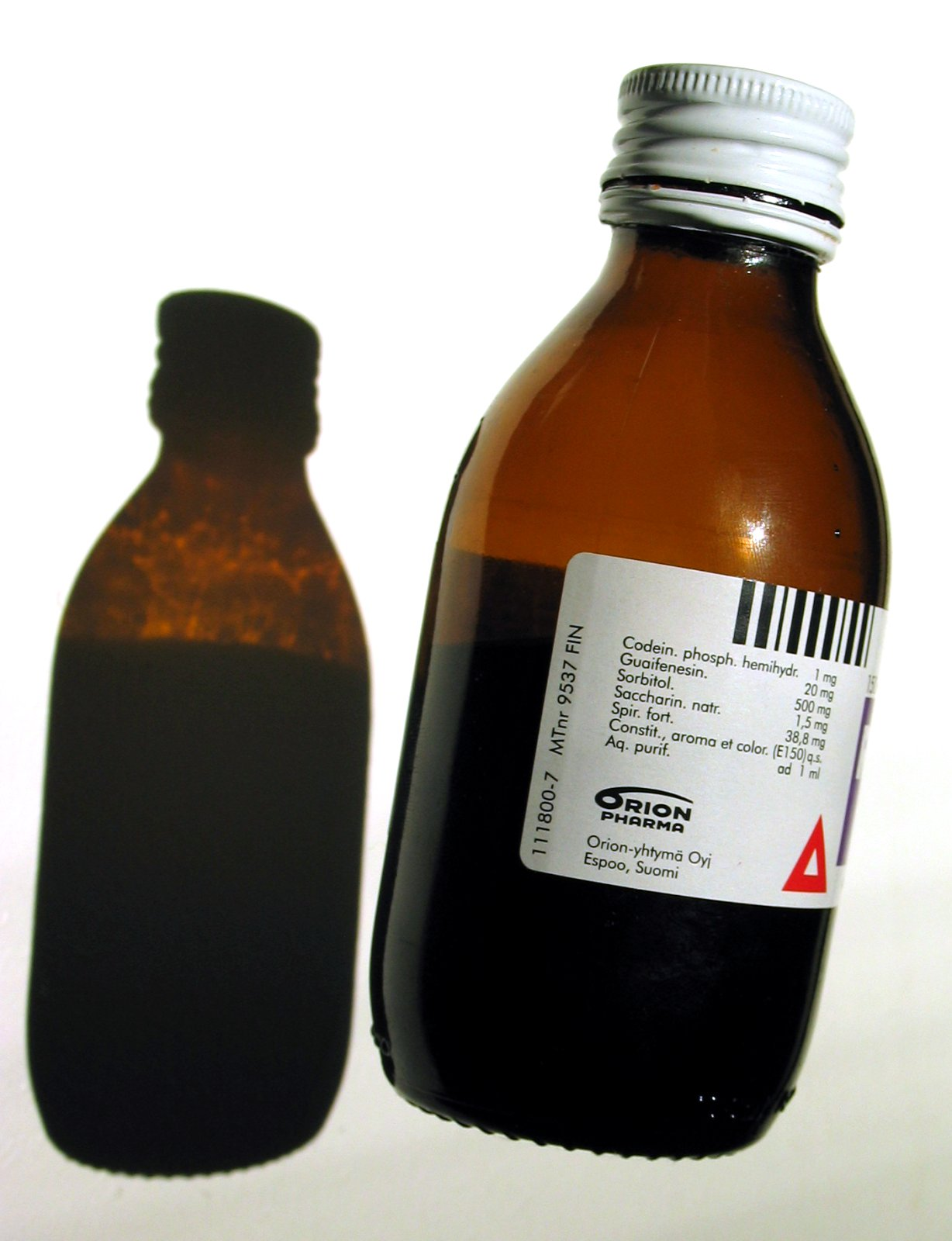
The cabinet of 1965 held cough preparations that would not be sold for children now. Codeine-containing syrups were available, alcohol content in medicines was substantial, and over-the-counter cough and cold mixtures were given to very young children as a matter of course. American regulators have since restricted codeine in children sharply and the standing advice is that over-the-counter cough and cold medicines should not be given to young children at all, because the evidence of benefit is poor and the adverse effects are real.
The chest rub and the mustard plaster were the other standbys. Camphor-containing rubs remain available and remain useful to many people, but the modern labelling reflects two things learned since: camphor is seriously hazardous if swallowed, which matters in a house with small children, and the rubs are not applied under or inside the nostrils of an infant. Mustard plasters, applied hot and left on, caused burns often enough that they have disappeared entirely.
Steam was the other treatment and it is a good illustration of how the risk calculation changed. Holding a child’s head over a bowl of boiling water under a towel does ease congestion and it is also the arrangement for a serious scald, which is why guidance moved to a cool-mist humidifier or simply a steamy bathroom with the hot water running and the child nowhere near it.
What survived
Rest, fluids, warmth without overheating, and time. Hand hygiene, which the 1965 household underrated. Warm drinks and steam for symptom relief, honey for cough in anybody over a year old, and the understanding that an ordinary cold runs its course regardless of what is done to it. That is a short list and it is almost entirely what was already in the house, minus the chemistry.
The 1965 approach failed in a specific and interesting way. It was built on an exposure model of illness, which located the cause in the patient’s own carelessness, and on the idea that the body’s response was the thing to suppress. Both of those produced advice that was either useless or counterproductive, and the one medicine everybody trusted turned out to be the one with a real hazard in it.
What has not changed is the part that was never medical. Somebody noticing you were unwell, putting you to bed, bringing you something warm and checking on you is the whole of what most ordinary illness needs, and the 1965 household did that extremely well.
Like our content? Follow us for more.