

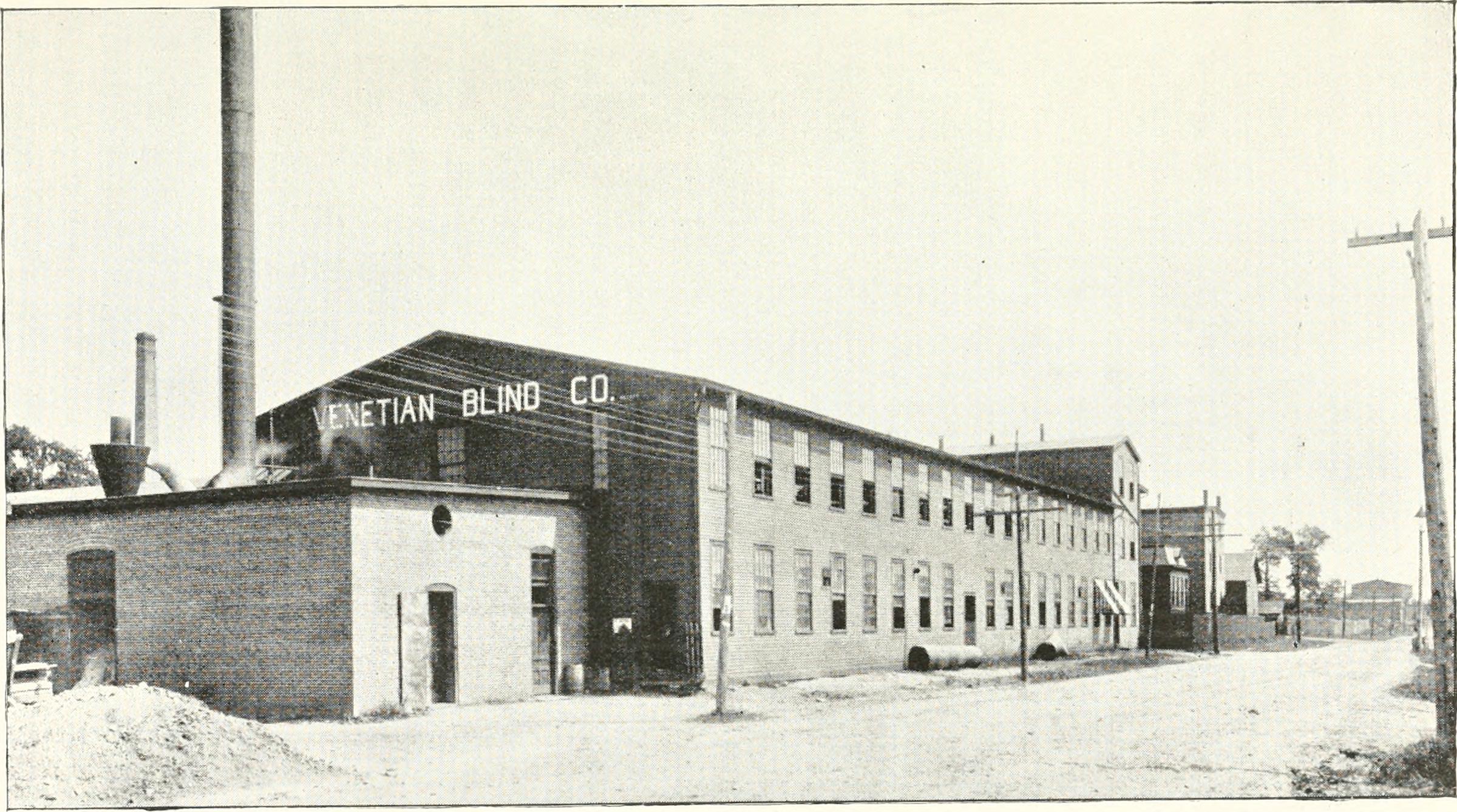
In 1960 a Venetian blind was built from steel strip, painted and baked on a continuous line before being cut, with a gentle curve rolled across every slat to stop it sagging.
Two separate systems ran through it – the ladder tape that spaced and tilted the slats, and the lift cords that raised the stack. The mechanism lived in a box at the top and turned on a worm gear. The bottom rail was weighted on purpose. And every single blind was cut to one customer’s measurement.
Here are fourteen things that were normal in a Venetian blind factory in 1960, and what became of each one.
1. The Slats Were Steel, and They Were Curved for a Reason

Venetian blind slats were rolled from thin steel strip with a gentle curve across their width, and the curve was structural: a flat strip of metal that thin would sag along its length, while a curved one holds itself straight.
Aluminium alloy slats, thinner again and still curved, for exactly the same reason. The curve is the single most important piece of engineering in the product and almost nobody notices it – run a finger across a slat and the arch is what stops a metre of metal a fraction of a millimetre thick from drooping in the middle.
Like our content? Follow us for more.
2. The Slats Were Painted on a Continuous Line and Baked

Strip steel ran off a coil through degreasing, priming and paint application, then through a stoving oven, and emerged painted both sides before being cut into slats.
Coil coating with cured polyester finishes, done at the metal supplier rather than the blind maker. Painting the strip before cutting rather than the slat after is what made volume production possible, and it is why the cut ends of old slats show bare metal and rust while the faces are perfect.
3. The Paint Had to Flex or It Cracked Along the Curve
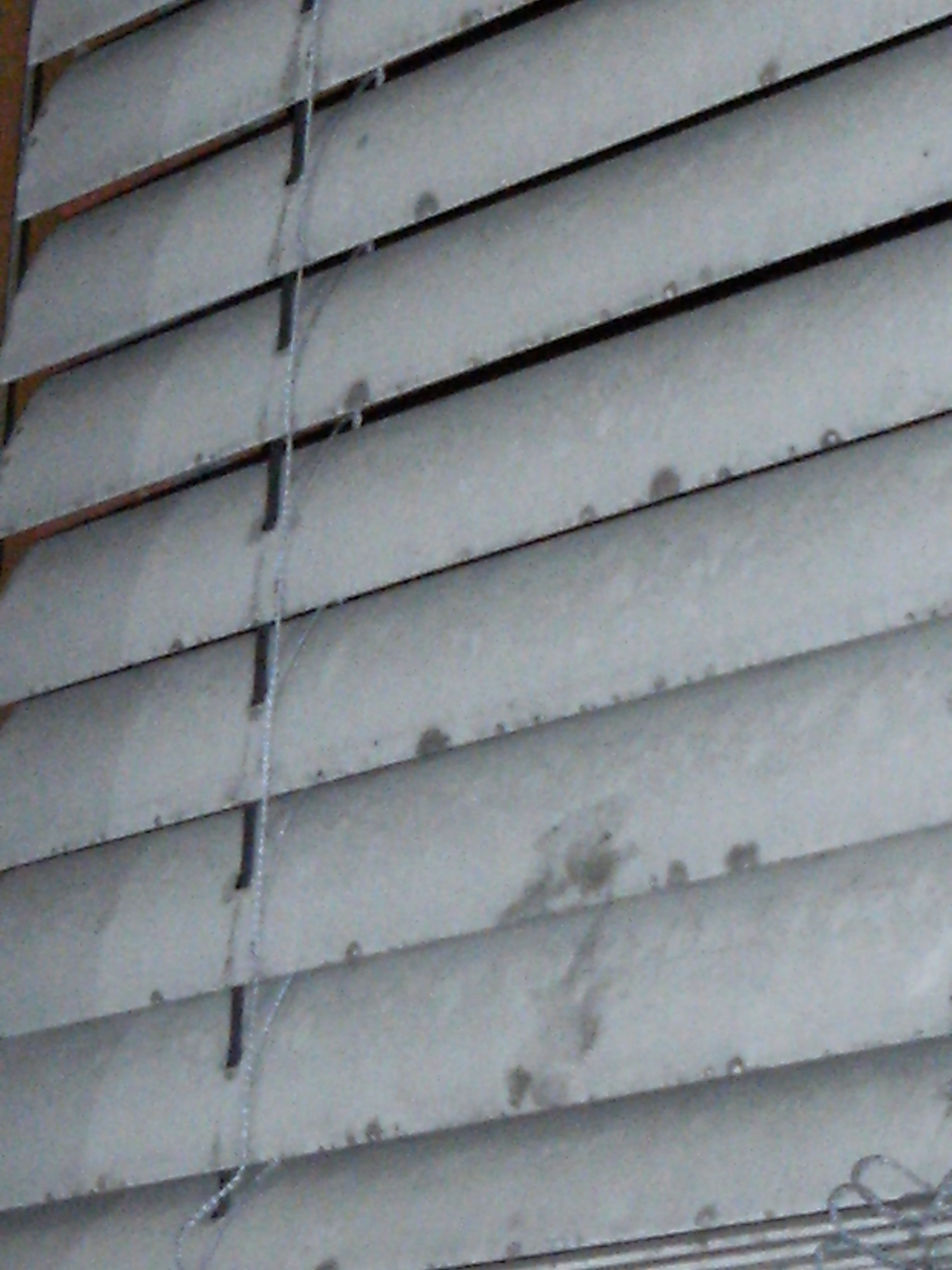
A painted strip that is then rolled, cut, punched and flexed in service needs a finish that bends with the metal, so the paint was formulated for adhesion and flexibility rather than for maximum hardness.
Modern coil coatings are both harder and more flexible. The failure mode of old blinds is visible on any surviving set: fine cracking along the crown of the curve where the coating was worked hardest, with rust showing through the cracks.
4. The Cords and the Tapes Were Two Entirely Separate Systems
A Venetian blind has two mechanisms running through it – the ladder tape or cord, which holds the slats at their spacing and tilts them, and the lift cords, which raise and lower the whole stack – and they do not interact.
Unchanged in principle, with monofilament ladders, cordless spring mechanisms and motorised operation added. Most people who have fought with a blind have been fighting a confusion between the two: the tilt does not lift and the lift does not tilt, and a blind that will not do one of them has a fault in only one of the systems.
5. Every Slat Had Holes Punched in It for the Lift Cords
The lift cords pass through the slats, so each slat was punched with holes in register, and the punching had to be accurate across the whole batch or the stack would not sit square.
Still punched, now with notches at the edge instead on many designs. The hole is also the product’s weak point in two ways: it is where a slat tears when forced, and it is where light comes through when the blind is closed – which is why slot notches at the slat edge were adopted on blackout designs.
6. The Whole Mechanism Lived in a Box at the Top
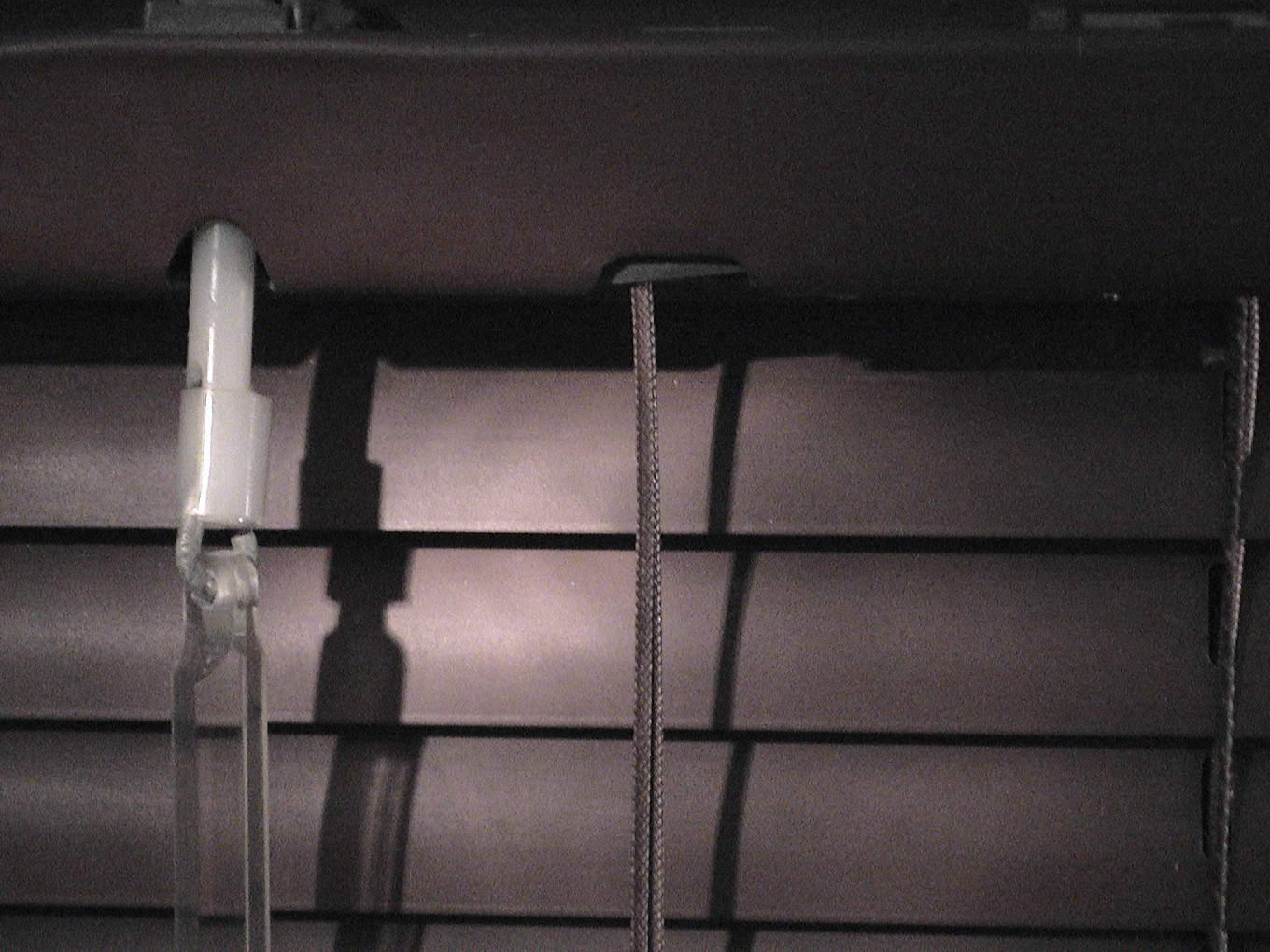
The headrail contained the tilt mechanism – usually a worm and wheel driven by a wand or a cord loop – the cord locking device, and the pulleys that turned the lift cords through ninety degrees.
The same components in a slimmer extruded rail, with spring assists and motors. The worm gear was the clever part: it allows a light twist on a wand to tilt a heavy stack and, because a worm drive does not run backwards, it holds the slats wherever it is left without any catch or ratchet.
7. The Cord Lock Was a Wedge and It Worked by Jamming
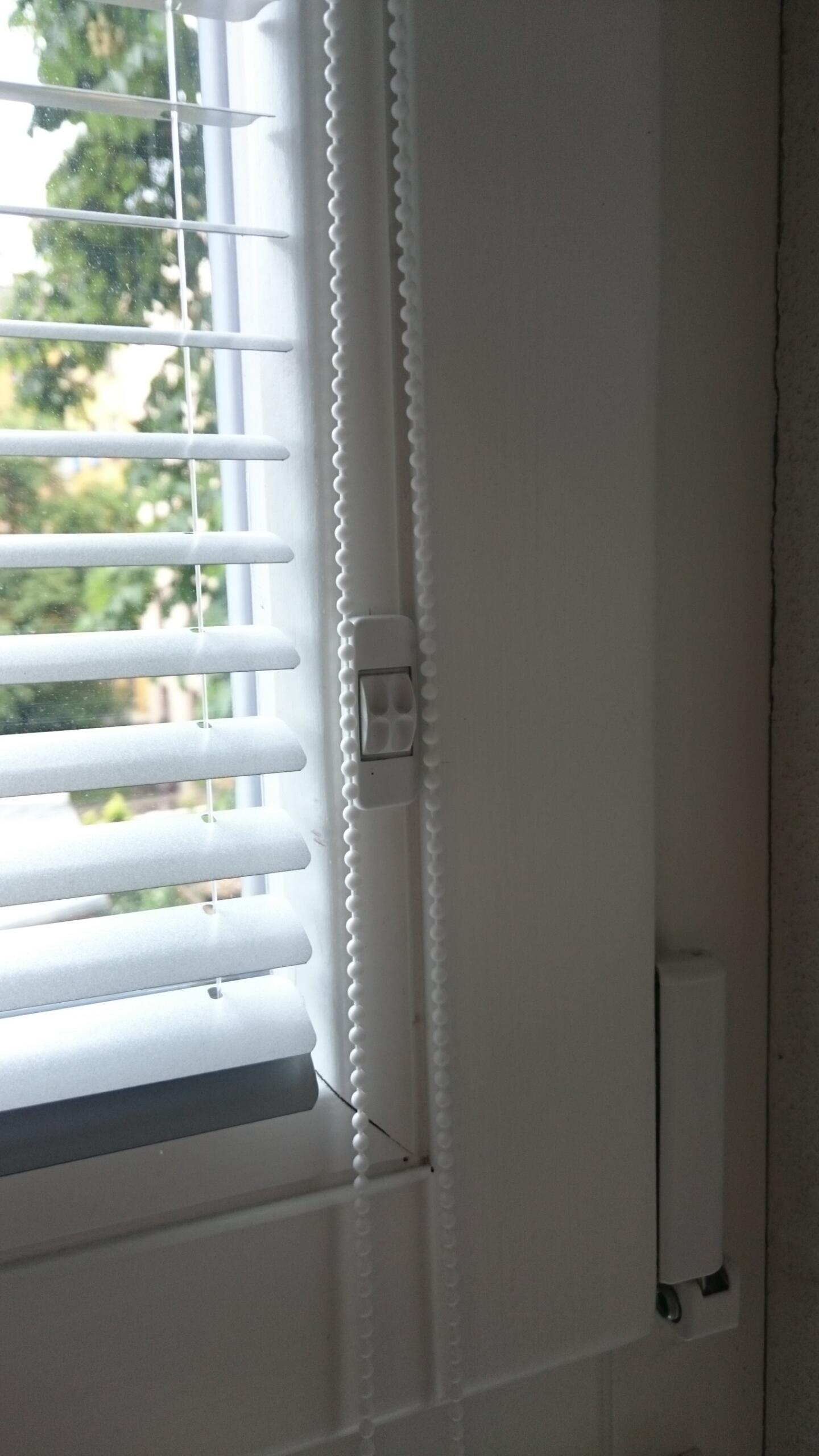
Holding the blind at a height was done by pulling the cord sideways so it jammed between a toothed roller and the housing, and releasing it meant pulling the cord back towards the centre.
The same jamming principle in most corded blinds, alongside cordless and motorised options. It is the component everybody has struggled with, and the reason is that it has no detent: it either grips or it does not, and the angle at which it grips has to be learned by feel on every individual blind.
8. The Bottom Rail Was Weighted on Purpose
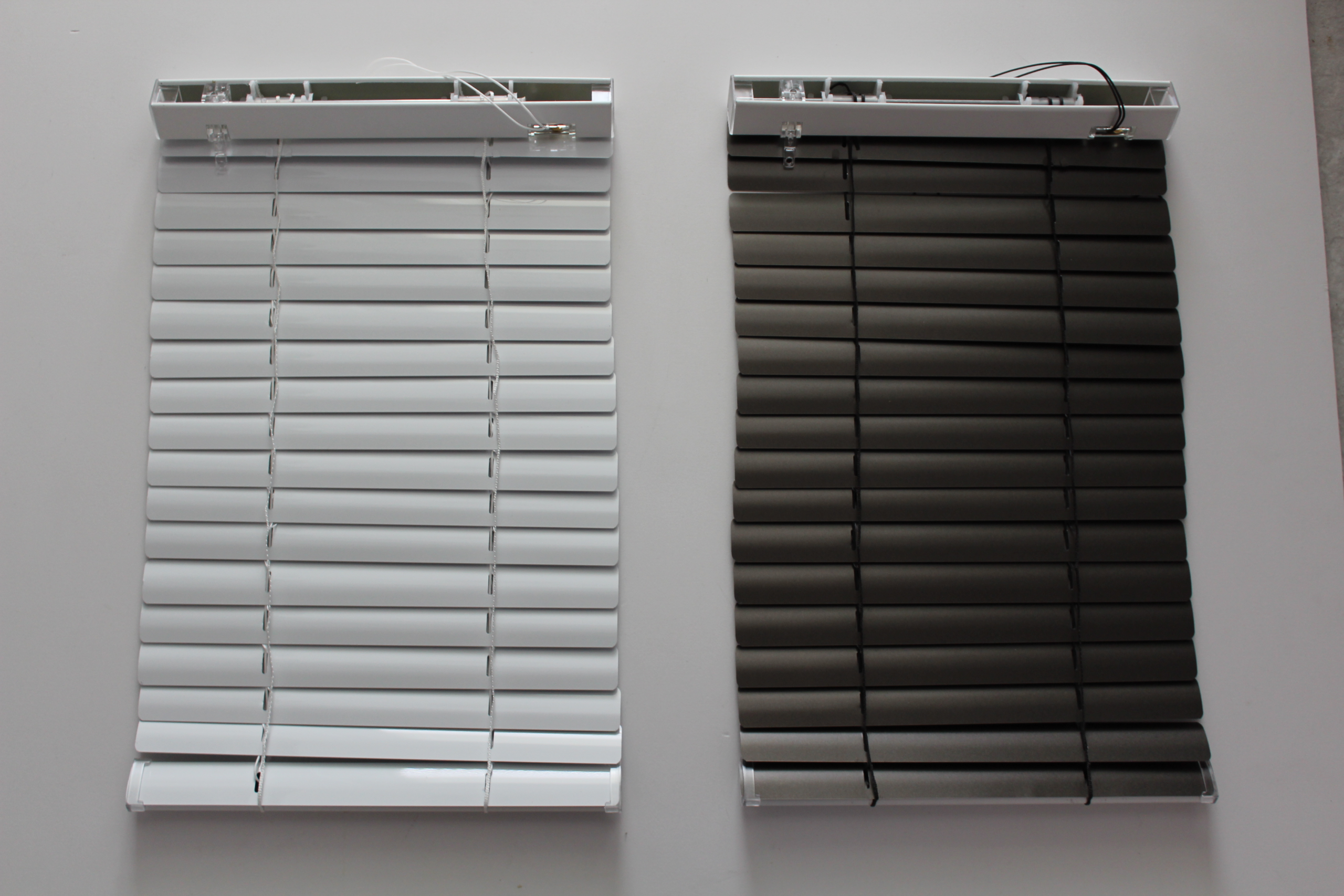
The bottom rail was heavier than a slat – a thicker section, sometimes with weight added – because the whole assembly hangs from its cords and needs tension to stay straight and even.
Still weighted, often with a sealed section filled to a specified mass. Without it the slats splay, the ladders go slack and the blind hangs crooked, which is what has happened to any blind whose bottom rail has been replaced with something lighter.
9. Wooden Slats Were a Different Trade Altogether
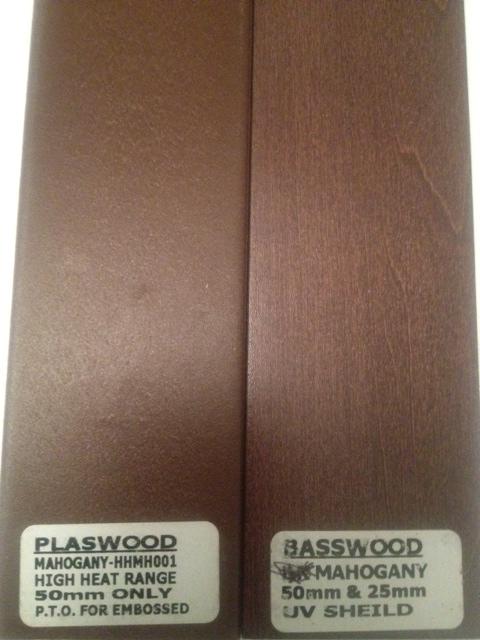
Wooden blinds were made from light, straight-grained timber, kiln dried hard, cut into slats, sanded and either stained or painted, with the moisture content controlled tightly because wood that moves will bow.
Still made, with engineered and composite slats alongside solid timber. A wooden slat has no structural curve to help it, so it relies on the stiffness of the timber itself, which is why wooden blinds use thicker slats and why a long wooden blind sags in a way a metal one does not.
10. Every Blind Was Made to the Customer’s Measurements
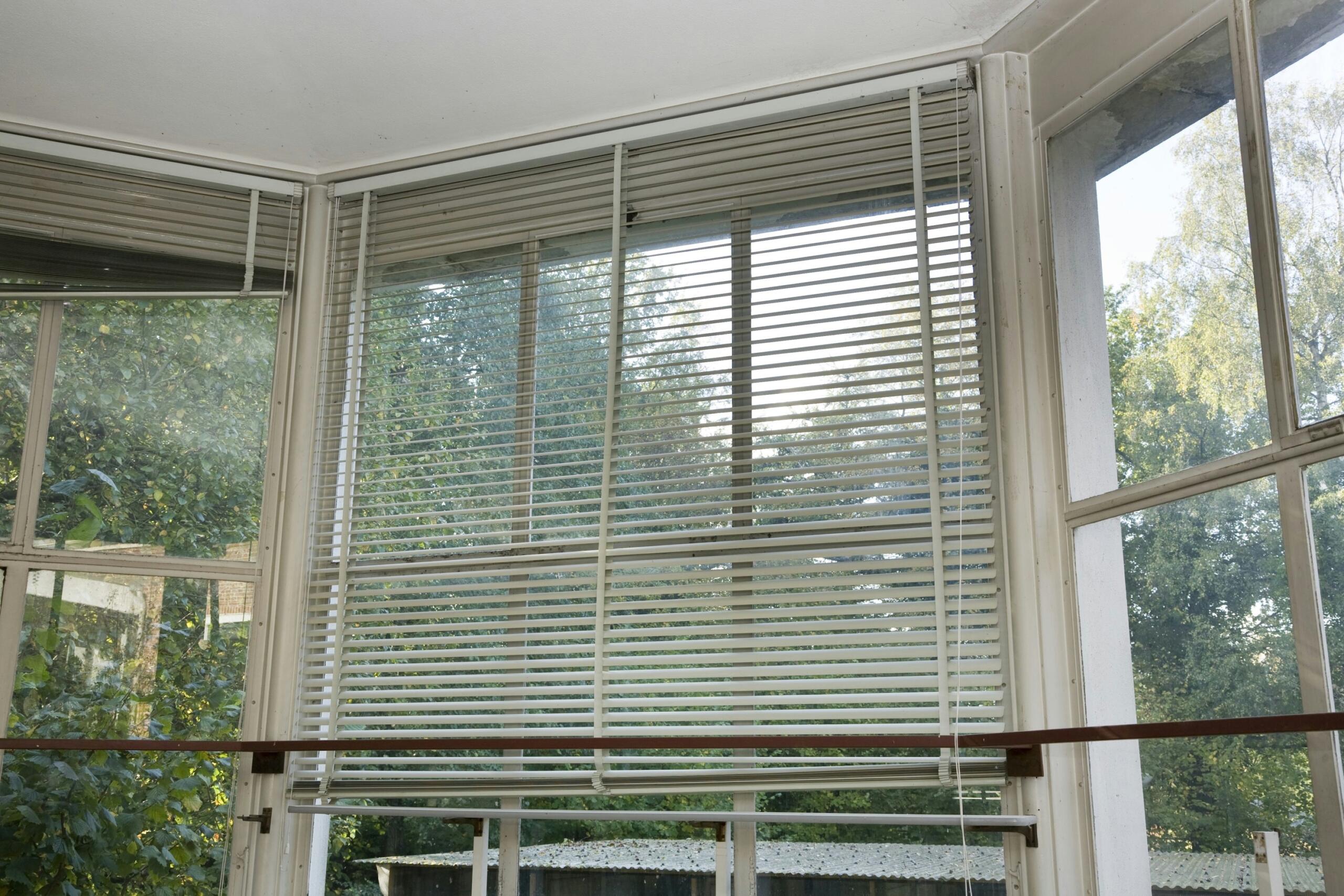
Blinds were cut to order from a measurement supplied by the customer or taken by a fitter, and a mistake meant a blind that could not be used and could not be sold to anybody else.
Still made to measure, with the measuring responsibility and its consequences spelled out in the order terms. The made-to-measure model is why the trade could never build stock: every unit was unsaleable except to the person who ordered it, so the factory ran on orders rather than on inventory.
11. Cleaning Them Was the Product’s Great Unsolved Problem

A Venetian blind presents a large surface area of horizontal ledges in the dustiest part of a room, and cleaning meant doing every slat individually, on both sides, by hand.
Entirely unsolved. Every gadget sold for the purpose is a variation on wiping each slat, and the honest answer in the trade has always been to take the blind down and wash it, which almost nobody does. It is the single most common reason people give for replacing blinds with curtains.
12. Aluminium Arrived and Everything Got Thinner
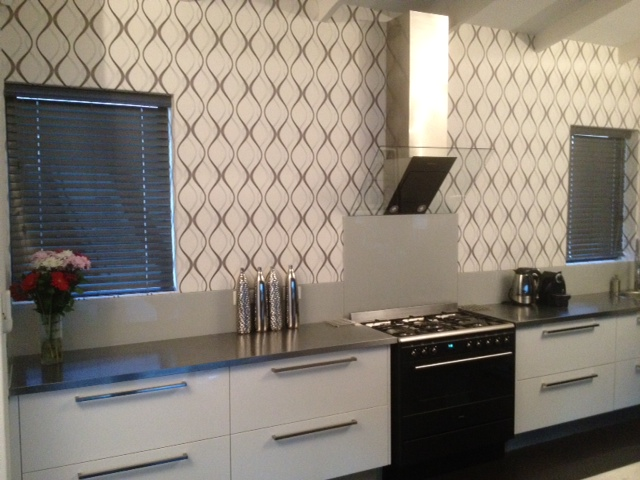
Steel slats gave way to aluminium alloy, which is lighter, does not rust, and can be rolled far thinner while keeping enough stiffness because of the curve.
Universal, with slat widths down to a fraction of the old dimension. The narrow-slat blind is a direct consequence of the material change: a steel slat that thin would have been too floppy and too prone to rust at the punched holes to be practical.
13. The Vertical Blind Took the Commercial Market Completely
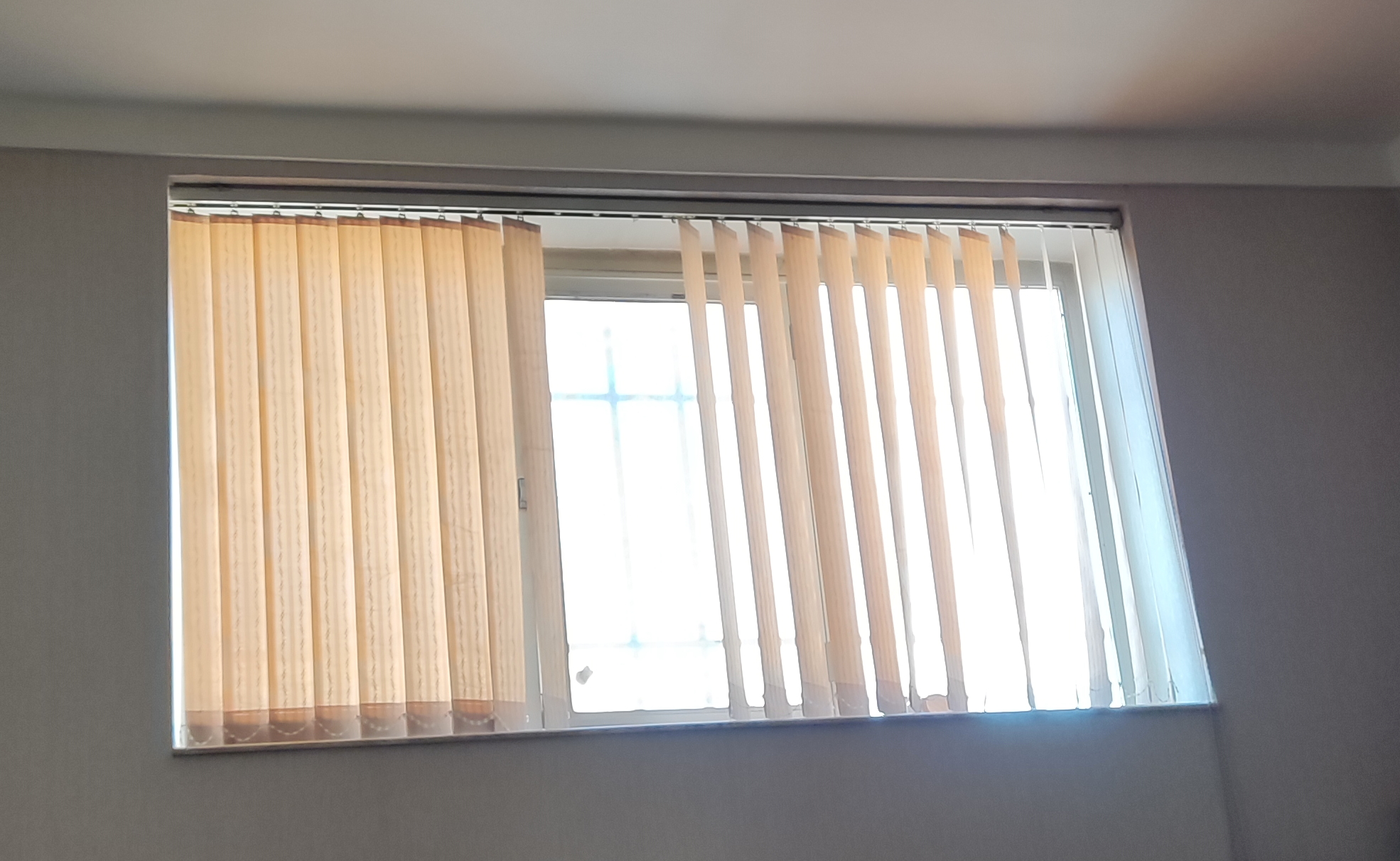
Offices, which were the volume buyer, switched to vertical louvre blinds in fabric, which cover tall windows in one unit, do not collect dust on horizontal ledges and cost less per square metre.
Verticals dominated commercial interiors for decades and have since lost ground to roller and solar-control fabrics. The commercial market was where the money was, and losing it reduced the Venetian blind to a domestic and architectural product almost overnight.
14. Then They Came Back Because of How They Look

By the later twentieth century the metal Venetian blind was associated with offices and institutions and had largely gone out of domestic fashion.
It returned as a design choice – wide wooden slats in living rooms, narrow metal in kitchens and bathrooms, and the whole product reframed around appearance and light control rather than around being the cheap practical option. The engineering is unchanged: the curve, the ladder, the worm gear and the jamming cord lock are all exactly as they were in 1960, now sold on the look of the thing rather than on the price.
The Engineering Is All Still There and None of It Is Visible
What is striking about this product is how little of it has changed and how completely the reasons have been forgotten.
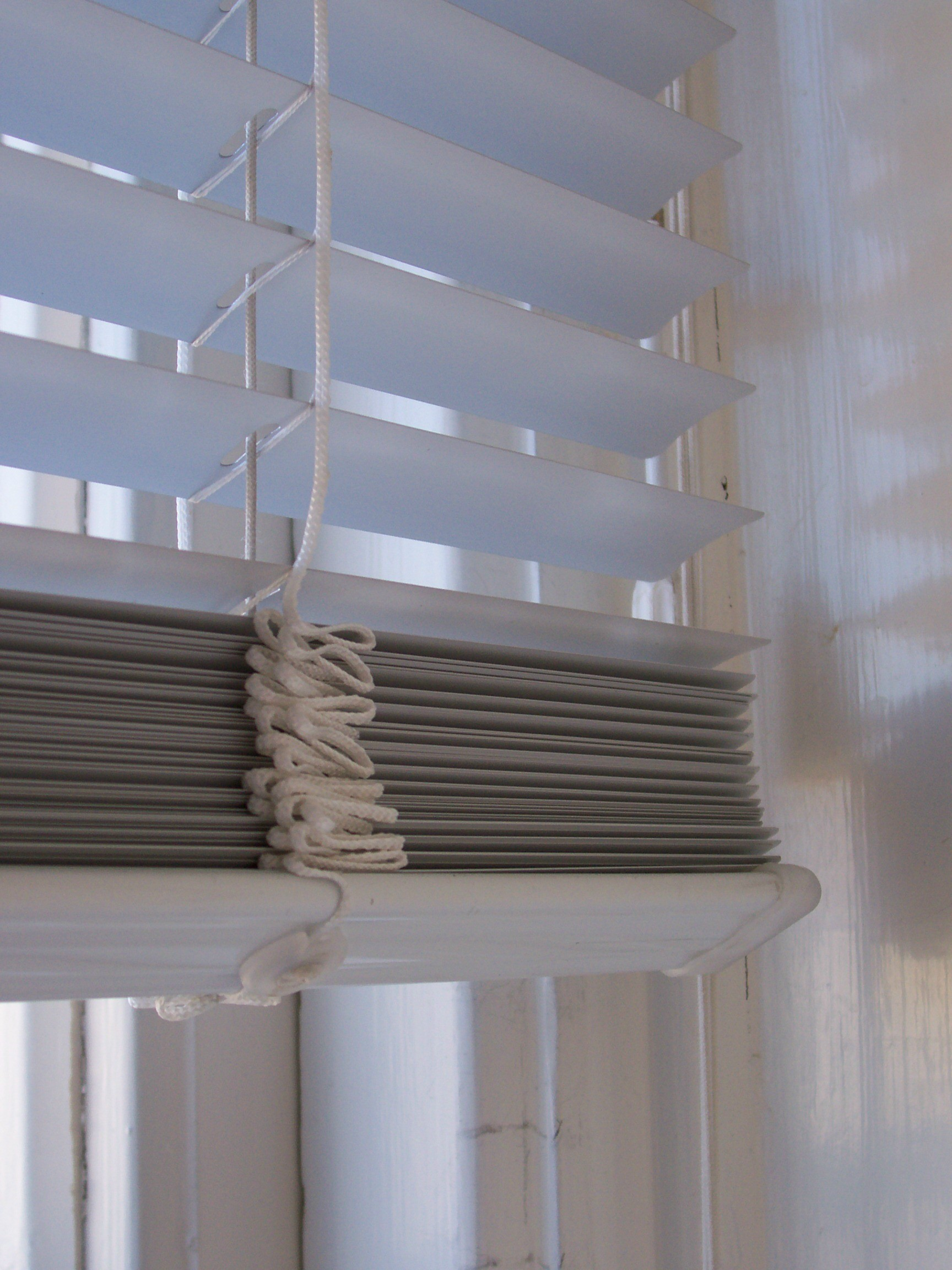
Pick up a slat from a modern blind and it has a curve across its width. That curve is not styling. It is the only thing making a strip of metal a fraction of a millimetre thick behave as a rigid beam a metre long, and it is the same principle that makes corrugated sheet stiff and a steel tape measure hold itself out straight in mid-air. Remove the curve and the product does not work at all.
Look at the top and there is a worm gear, chosen because a worm drive multiplies a light twist into enough force to tilt a heavy stack and – the important part – cannot be driven backwards, so the slats stay wherever they are left with no catch, no ratchet and no spring.
Pull the cord sideways and it jams in a wedge, which is why there is no click and why every blind has to be learned by feel.
Feel the bottom rail and it is heavier than it needs to be, because the entire assembly hangs in tension from its cords and goes crooked without weight at the bottom.
Four pieces of quiet, competent engineering, all solved before 1960, all still in the product, and all of them invisible to the person using it – who mostly experiences the blind as a thing that is awkward to clean and occasionally refuses to go up.
That is the normal fate of good design. When it works, nobody can see it. The only part anybody notices is the one problem nobody has ever solved, which is the dust.
If you have ever tried to clean one of these properly, you have discovered the only part of the design that was never solved.
And the curve in the slat is the reason it does not droop.
Like our content? Follow us for more.
