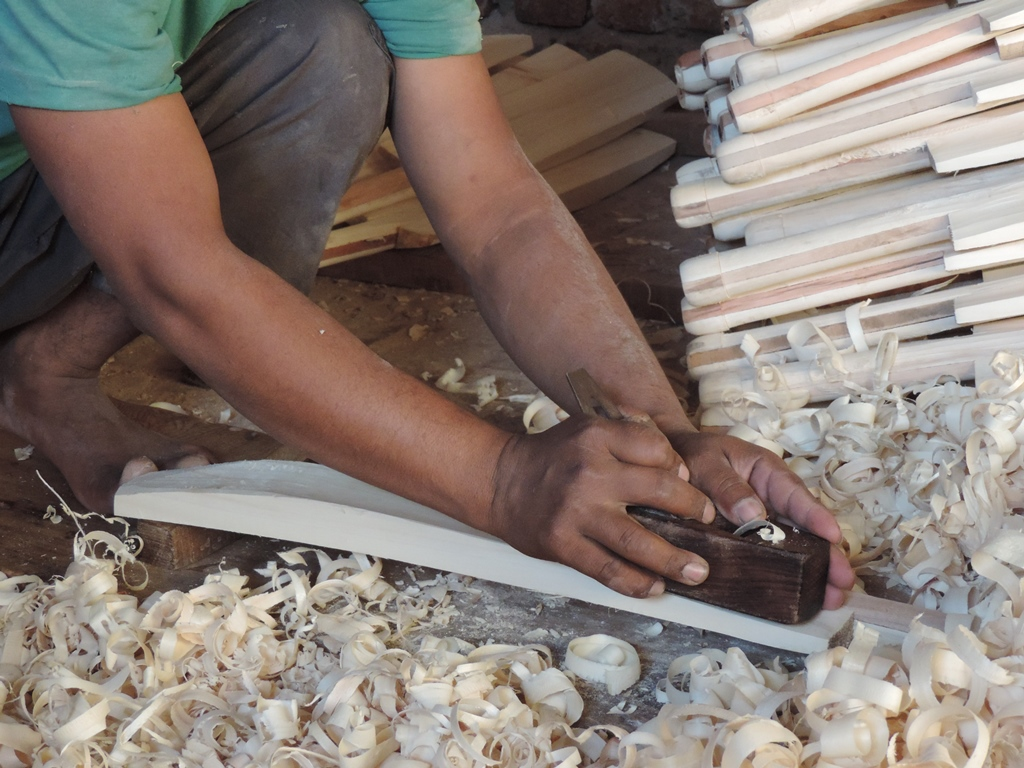
In 1960 a cricket bat started as a log of willow split along the grain rather than sawn, air dried for a year or more, then pressed under a roller until the face was hard enough to survive a ball.
A tennis racket was strips of timber steamed, bent round a former and glued, strung by hand with animal gut, and kept clamped in a press between games. A football was leather panels stitched inside out, turned the right way through the hole, and laced shut over the bladder stem.
Here are twelve things that were normal in a sports goods factory in 1960, and what became of each one.
1. Cricket Bats Were Split Out of a Log by Hand, Not Sawn
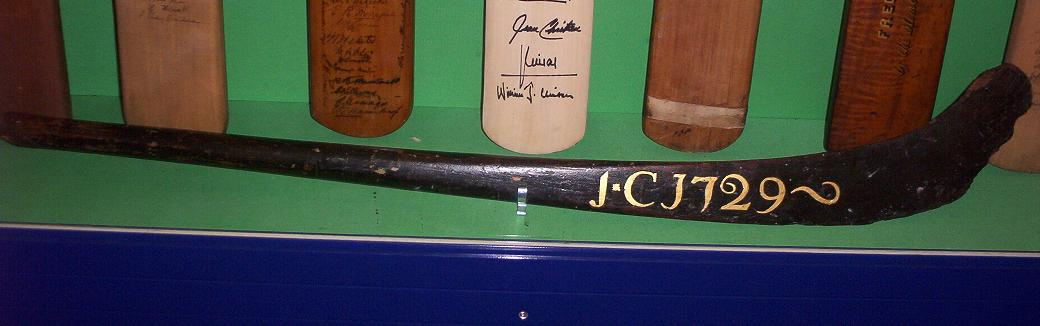
Bat making began with a log of willow cleft into wedge-shaped clefts following the grain rather than cut across it, because a bat whose grain runs straight along its length is strong and one whose grain runs out at an angle will break.
Still cleft rather than sawn for quality bats, with the same reasoning. The grain lines visible on the face of a bat are not decoration and not a grading gimmick: they show how the wood was oriented in the tree, and straight, even, vertical grain is a direct indicator of how the bat will behave under impact.
Like our content? Follow us for more.
2. The Willow Had to Be Grown, Felled and Seasoned for Years Before Use
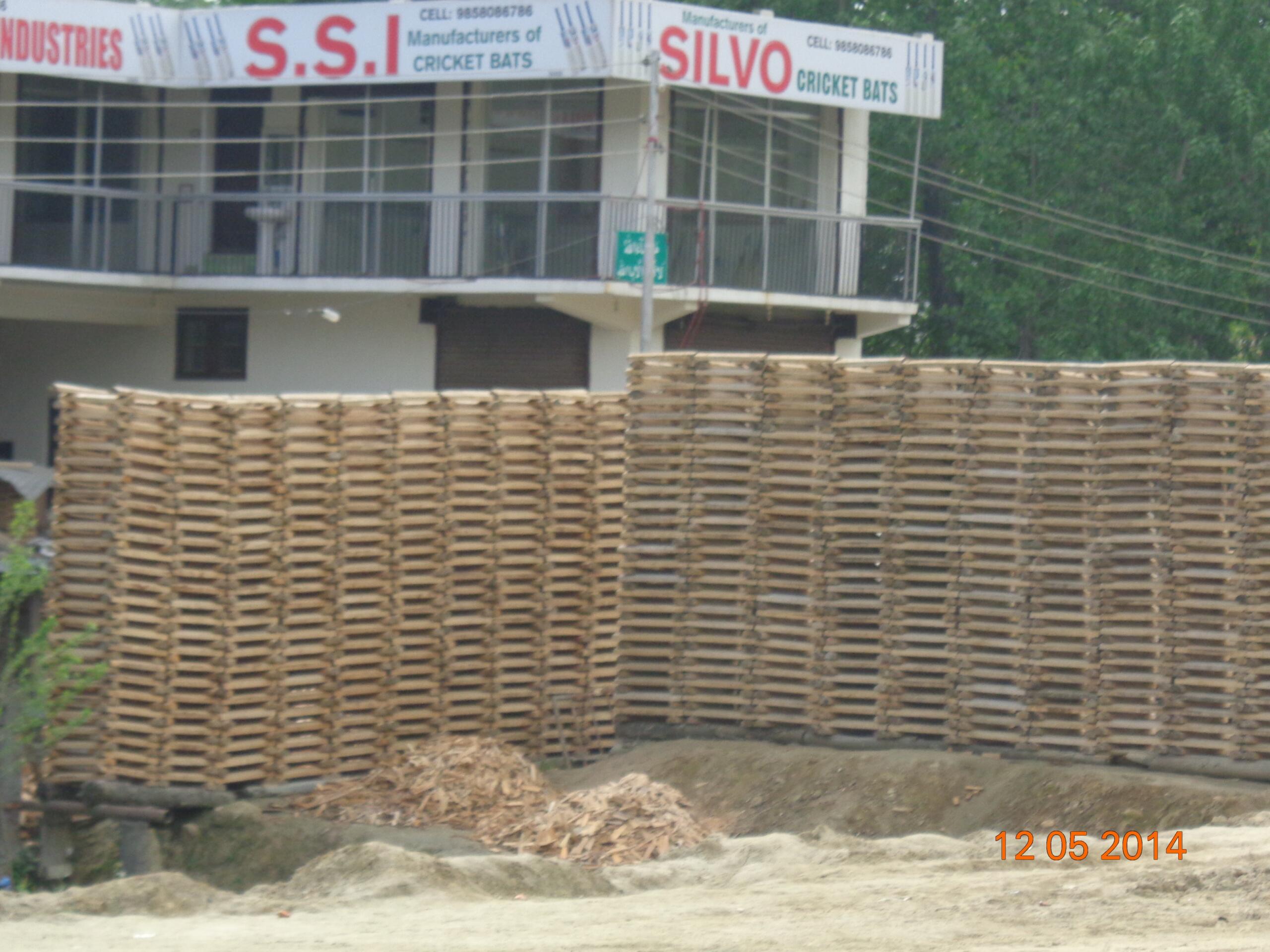
The timber was a specific variety of willow grown for the purpose, felled at a particular size and age, cut into clefts and then air dried in stacks for a year or more before anybody could begin shaping a bat.
Unchanged in essentials, with kiln assistance. The lead time is the whole economics of the trade: a bat maker in 1960 was working with timber planted decades earlier by somebody who would never see it used, and no amount of demand could shorten that.
3. The Bat Was Compressed Rather Than Carved to Strength
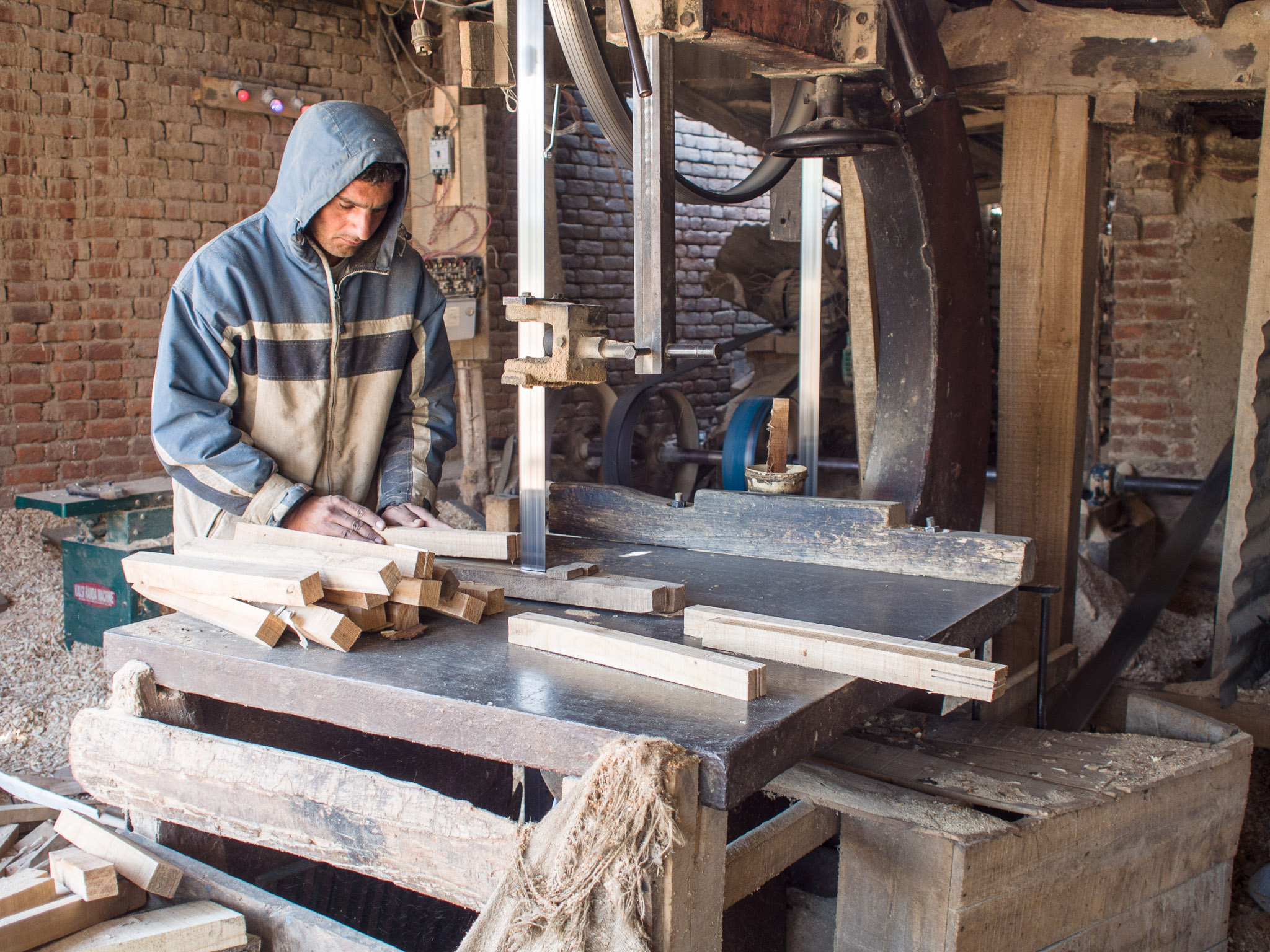
A finished blade was pressed under a heavy roller to compact the surface fibres, producing a hard face that would survive a hard ball while the interior stayed light and springy.
Still pressed, with controlled and measured pressure. The pressing is the part people do not know about and it is the critical operation: too little and the bat dents and fails early, too much and the wood is dead and the ball comes off it without life – and the judgement was made by feel.
4. The Handle Was a Separate Piece of Cane With Rubber Built Into It
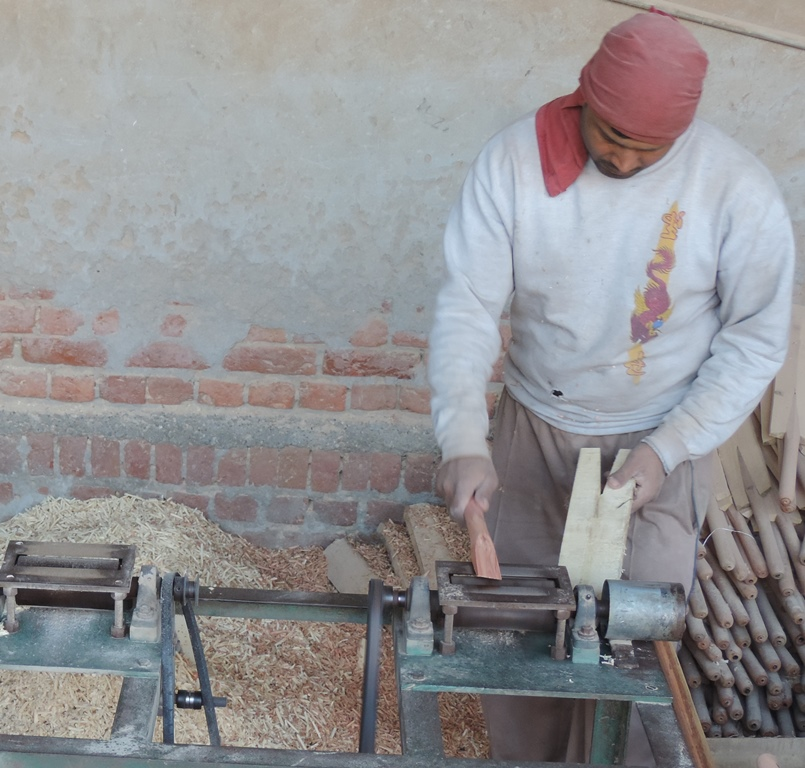
Bat handles were made from strips of cane glued together with thin layers of rubber between them, then spliced into the blade – a laminated spring designed to absorb shock before it reached the hands.
Exactly the same construction. The rubber laminations are a genuine piece of vibration engineering from long before anybody was measuring vibration, and the reason a mishit with a cheap one-piece bat hurts so much more is that there is nothing in the handle to absorb it.
5. Tennis Rackets Were Wooden Frames Bent in a Form and Glued
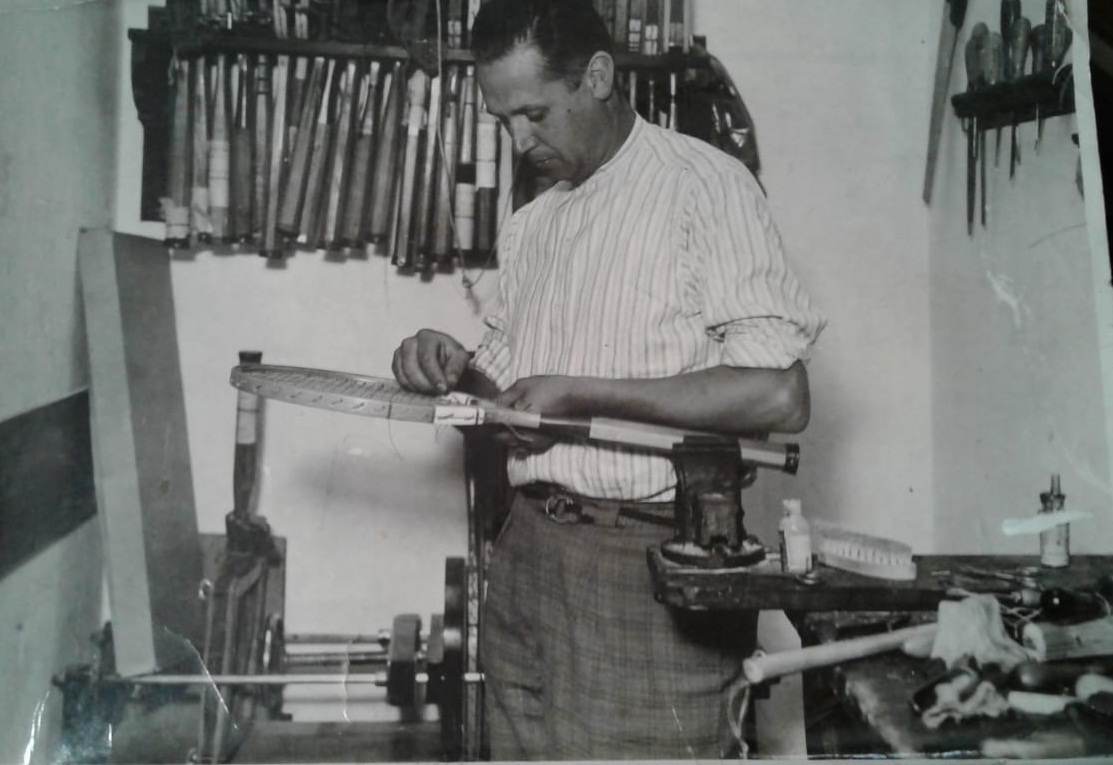
A racket frame was built from strips of ash and other timbers steamed, bent around a former into the head shape, glued under pressure and left to set, then shaped, drilled and finished.
Composite frames moulded from carbon fibre in one operation. The laminated wooden frame was a skilled, slow, multi-stage product with a limited life, and essentially everything about the modern game’s equipment follows from its replacement – including the head sizes, which wood could not have supported.
6. Rackets Were Strung With Gut and the Stringer Was a Craftsman
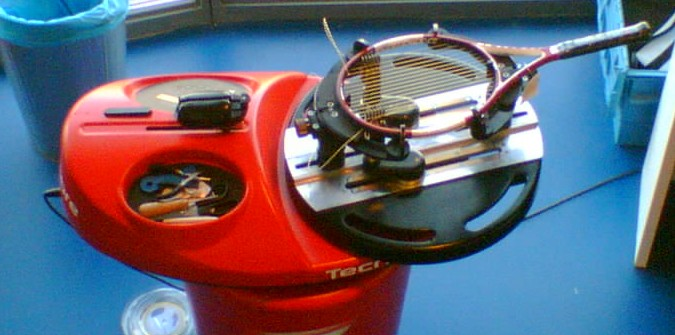
Strings were made from processed animal gut, strung by hand at a tension the stringer judged, with the pattern and tension affecting how the racket played as much as the frame did.
Synthetic strings dominate, with gut surviving at the top of the game, and stringing is done on calibrated machines to a specified tension. Gut performs extremely well and is badly affected by damp, which is why players kept rackets in covers and why a wet afternoon could ruin a set of strings.
7. A Wooden Racket Had to Live in a Press or It Warped
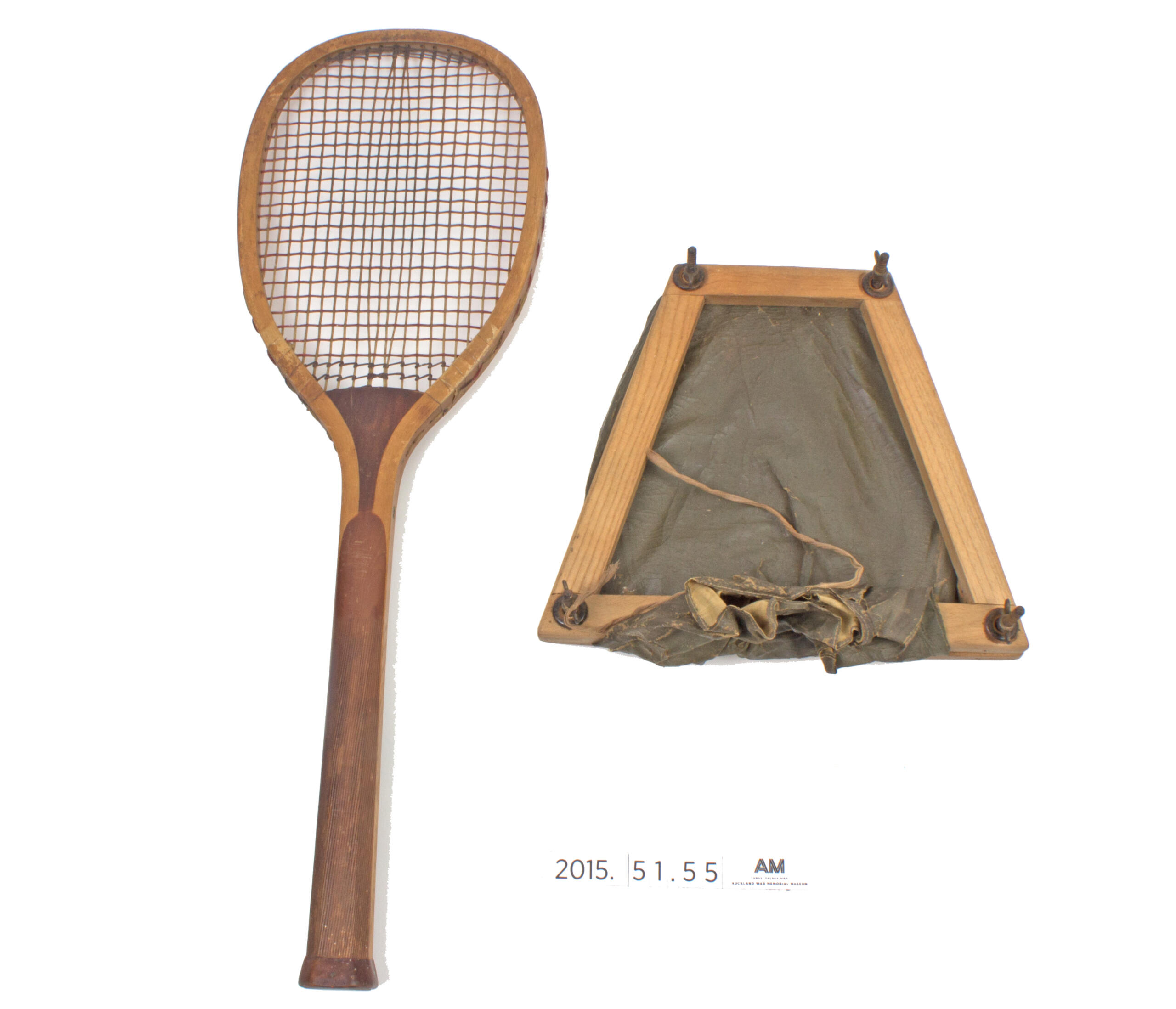
Wooden frames were kept clamped in a wooden or metal press between uses, because a laminated bent frame under string tension will gradually pull itself out of shape.
Gone completely with wooden frames. The racket press is one of the most recognisable obsolete objects of the period, found in attics everywhere, and younger people generally have no idea what it is – it was solving a problem that no longer exists in a product that no longer exists.
8. Footballs Were Leather Panels Sewn Together Inside Out by Hand

A ball was cut from leather panels, stitched together inside out by hand with waxed thread, then turned right side out through the opening before the bladder went in and the opening was laced shut.
Machine-stitched and thermally bonded synthetic panels with no lacing at all. Turning a stitched leather ball the right way out through a small opening was heavy physical work done with a tool, and it is the step nobody expects when they hear how the balls were made.
9. The Lace and the Bladder Stem Were the Known Weak Point
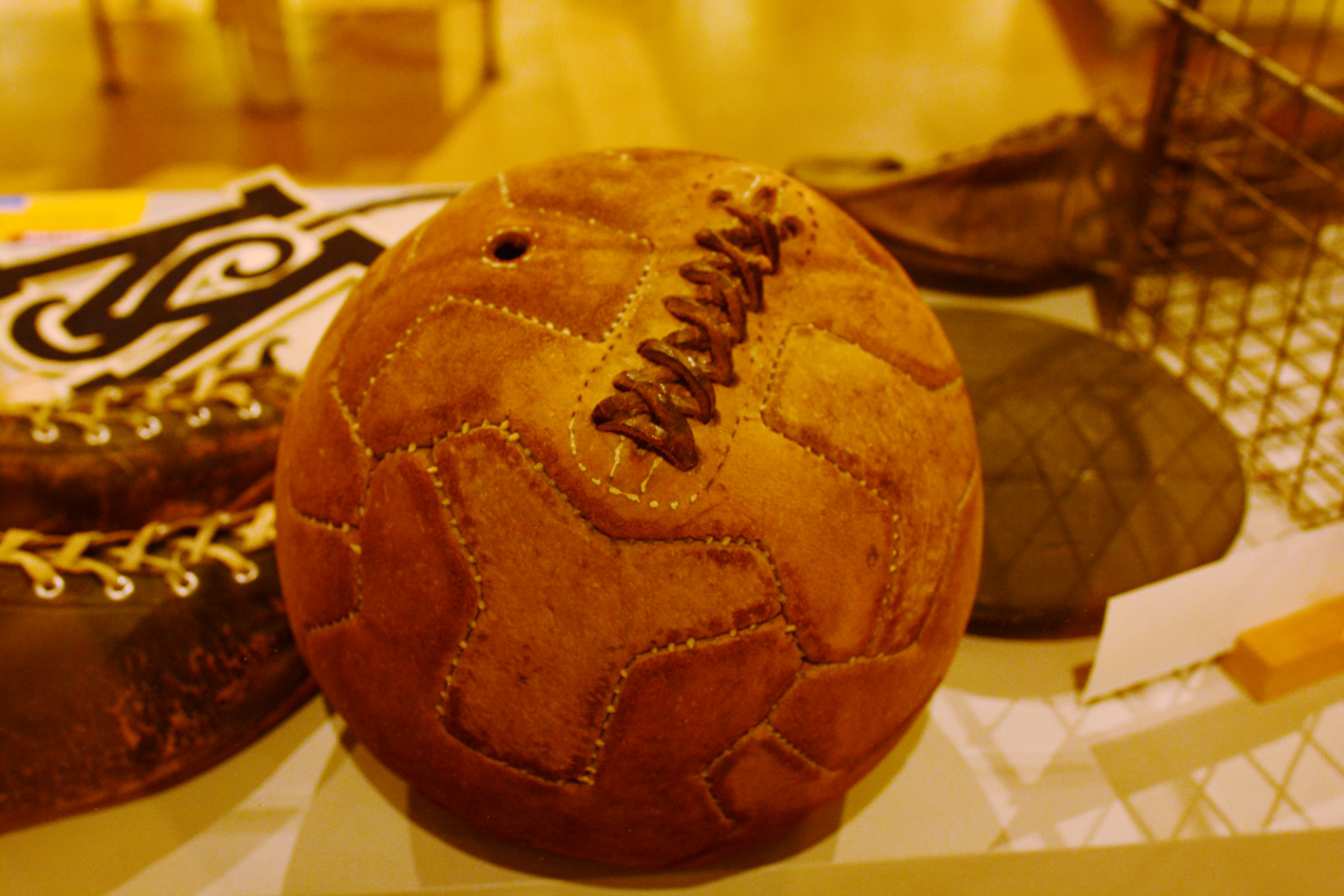
The ball was closed with a leather lace over the inflation stem, which left a raised ridge of hard leather and knotting on the surface of the ball.
Valves moulded into the bladder, with no opening in the surface. The lace was the part everybody who played then remembers: it was hard, it was raised, and heading the ball where the lacing was has been described by players as a memorably unpleasant experience.
10. A Wet Leather Ball Got Dramatically Heavier Over Ninety Minutes
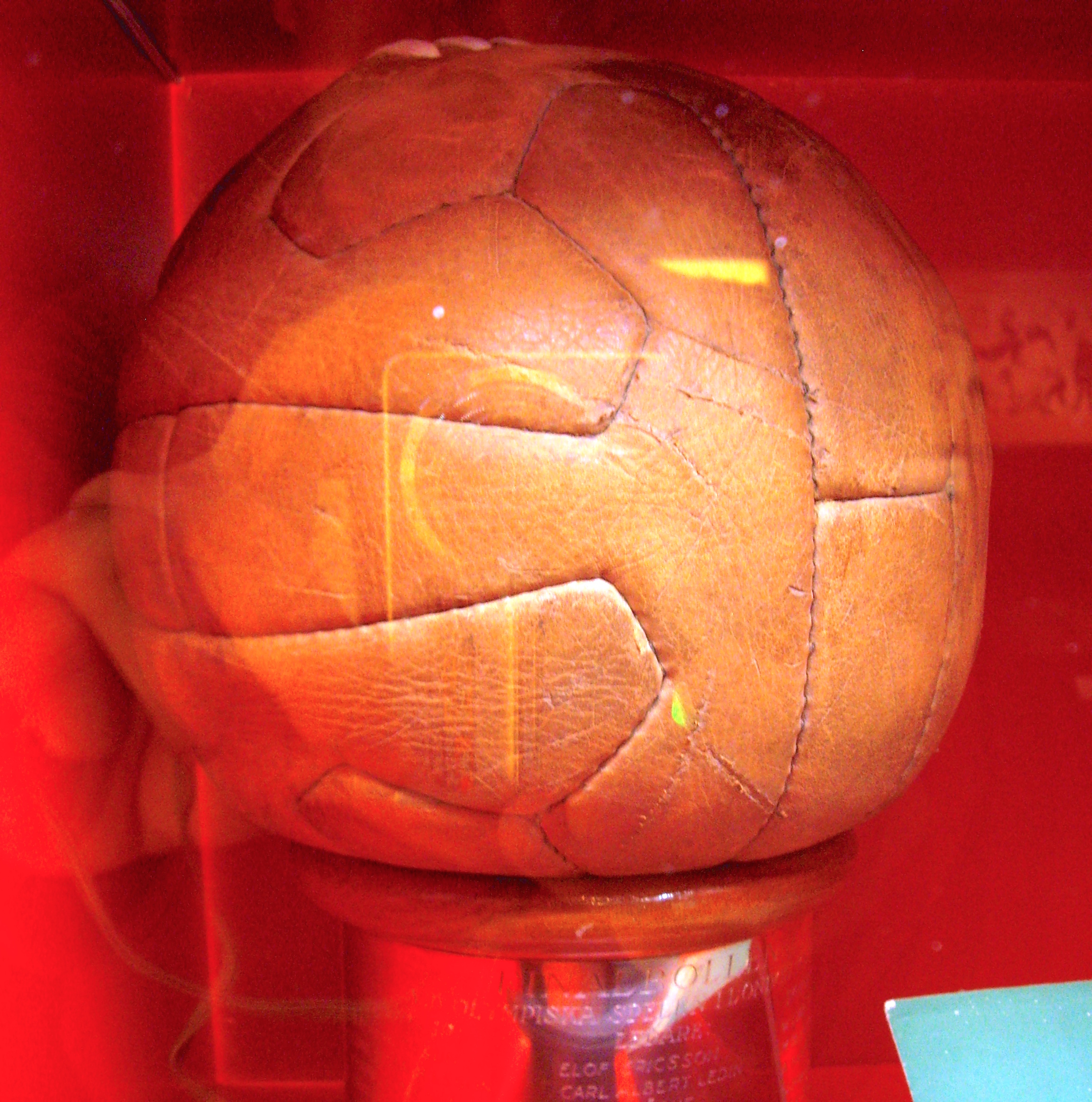
Leather absorbs water. A ball that started at its specified weight could take up a substantial amount of it during a wet match, and by the second half it was heavier, harder and far less responsive.
Synthetic coated panels absorb essentially nothing and a modern ball weighs the same at the end of a match as at the start. The long-term health consequences of repeatedly heading the heavy leather balls of this era are the subject of serious ongoing medical research and discussion within the sport, and the move to non-absorbent materials is one reason the question is asked about that generation of players specifically.
11. Then Synthetic Materials Changed Every One of These at Once
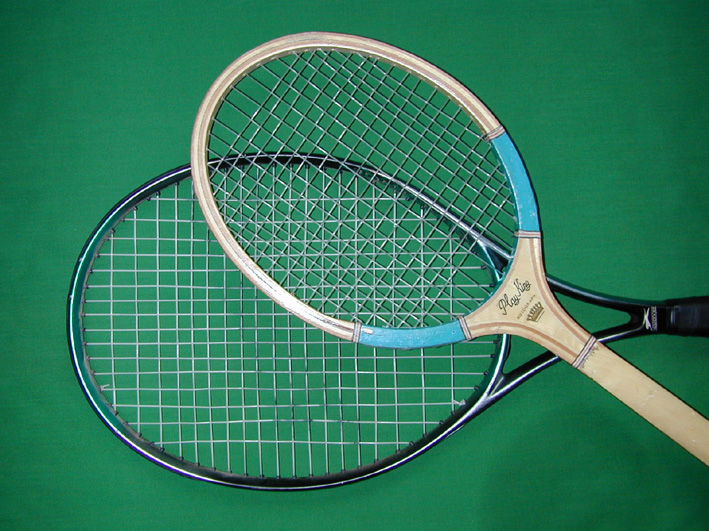
Within roughly two decades, laminated wood gave way to composites, gut to synthetic string, leather to coated synthetic panels, and lacing and bladder stems to moulded valves.
Universal across the equipment. What is unusual here is the simultaneity: this was not one product being improved but a whole category changing because the available materials changed, and a factory making wooden frames, leather balls and gut strings lost all three of its core products in the same period.
12. The Craft That Survived Went Straight to the Top of the Market
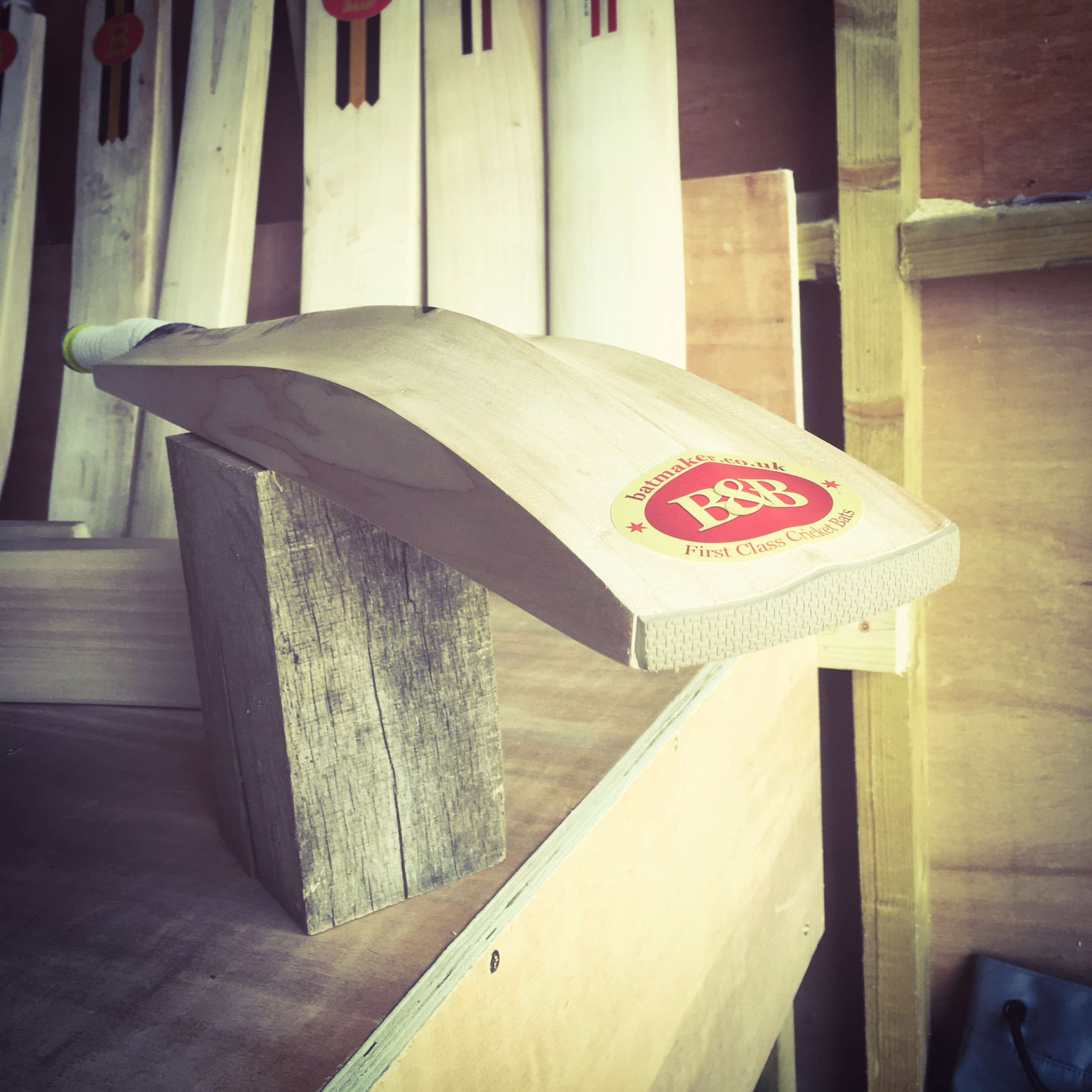
Hand work in sports goods was the normal way to make equipment and was priced accordingly, for club players and schools as much as for professionals.
Hand-made equipment is now a premium product sold on craft and performance at the top of the game, while everything below it is moulded. The cricket bat is the clearest survivor – still cleft from willow, still pressed, still spliced to a cane and rubber handle by hand – and the reason is that nobody has found a synthetic that performs better, which is a rare outcome in this series.
The Equipment Changed the Games Themselves
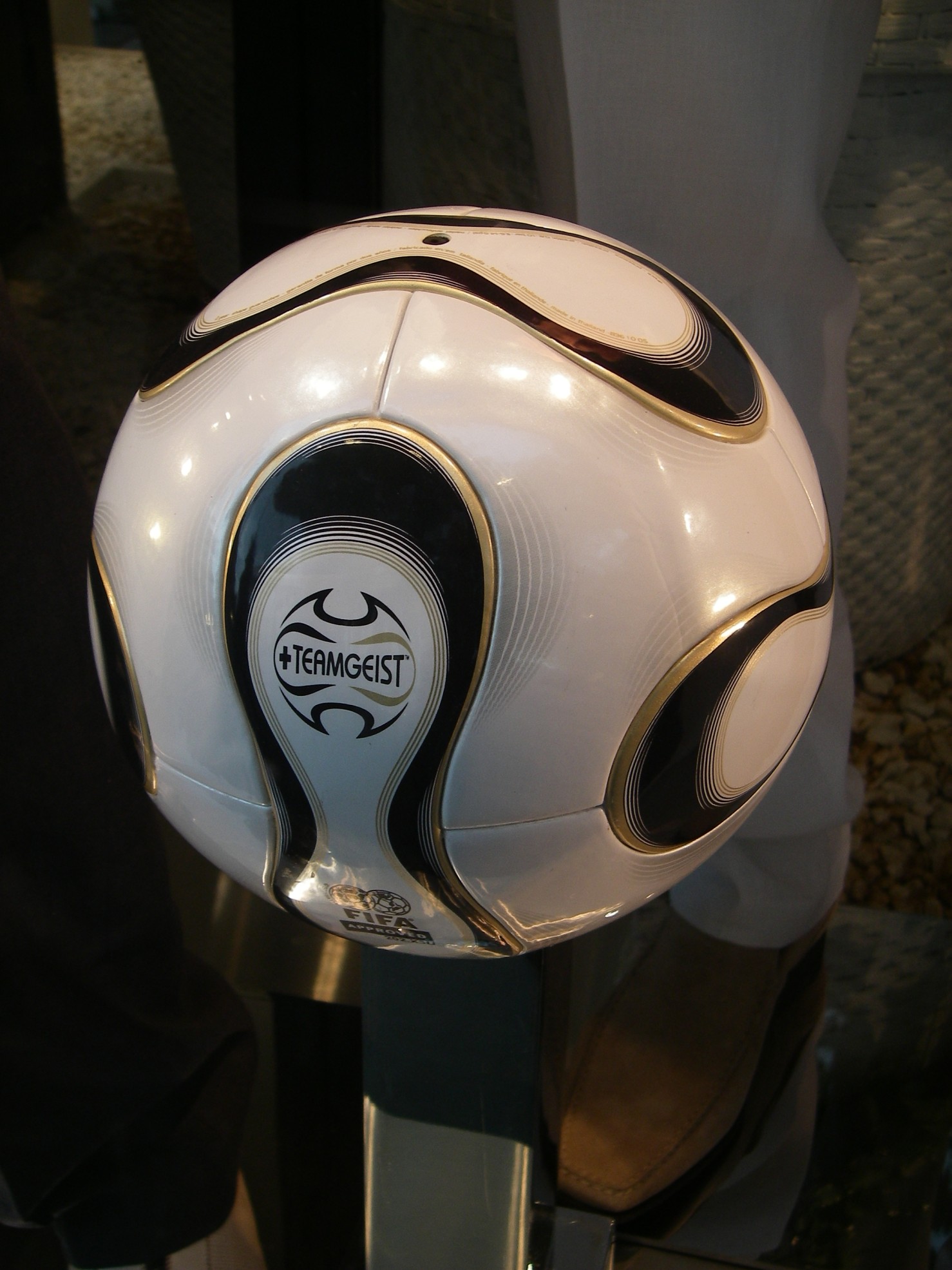
The usual way to tell this story is that equipment got better. What actually happened is that the games changed shape.
Tennis is the clearest case. A laminated wooden frame can only be made so large before it is too heavy and too weak, which fixed the head size for decades, which fixed the size of the sweet spot, which fixed how the game was played. Composite frames removed that limit. Larger heads, stiffer frames and higher string tensions produced more power and more spin, and the professional game that resulted – faster, shorter rallies, serve-dominated for a long period – is a direct consequence of a material.
Football is the same story in reverse. A leather ball that absorbs water behaves differently in the second half of a wet match than in the first, which rewarded a particular kind of play and punished another. Take the water absorption away and the ball is predictable for ninety minutes in any weather.
Cricket is the exception that proves the point. The bat is still cleft willow, still pressed, still spliced to a cane handle with rubber laminations, and the reason is not tradition or regulation alone but that the material genuinely works: nobody has produced a synthetic blade that performs better. Where the synthetic was better it won immediately. Where it was not, the craft survived.
Which is the honest version of material history. The new material does not win because it is new. It wins where it is better, and in the places it is not better the old trade is still there, quietly, usually at the expensive end.
And the equipment is never neutral. Change what the thing is made of and you change how the game is played – which means a decision taken in a factory ends up rewriting what spectators see.
If there is a wooden tennis racket in a press in your attic, the press was not a case. It was stopping the frame from pulling itself out of shape.
And if anybody in your family played football before synthetics, they remember exactly where the lacing was.
Like our content? Follow us for more.