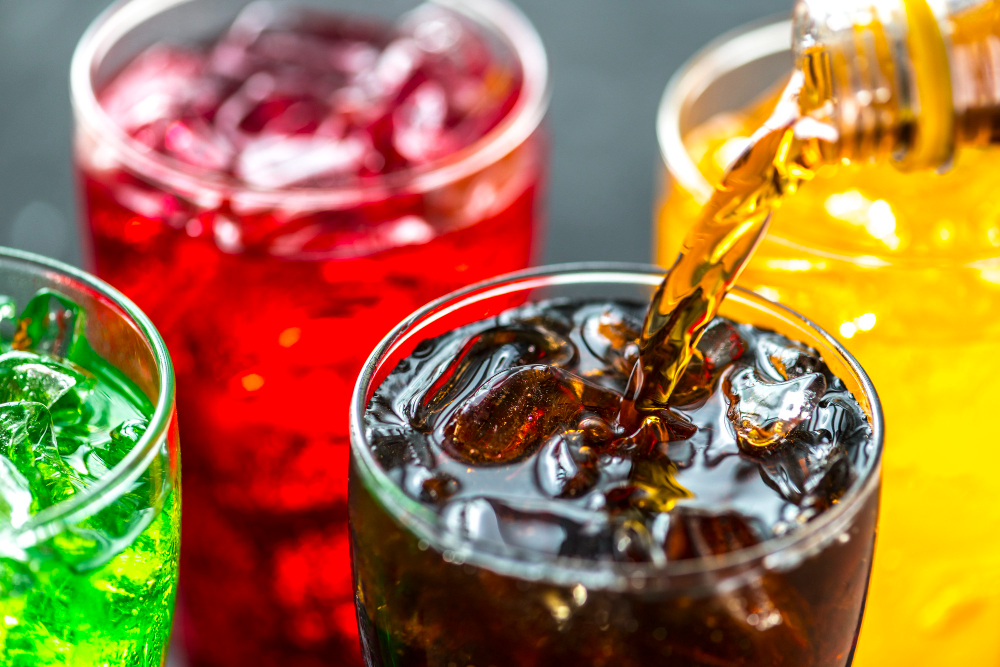
The gas is dissolved, not bubbled, and it is all trying to leave. Here are fifteen.
1. There Are No Bubbles in a Sealed Bottle
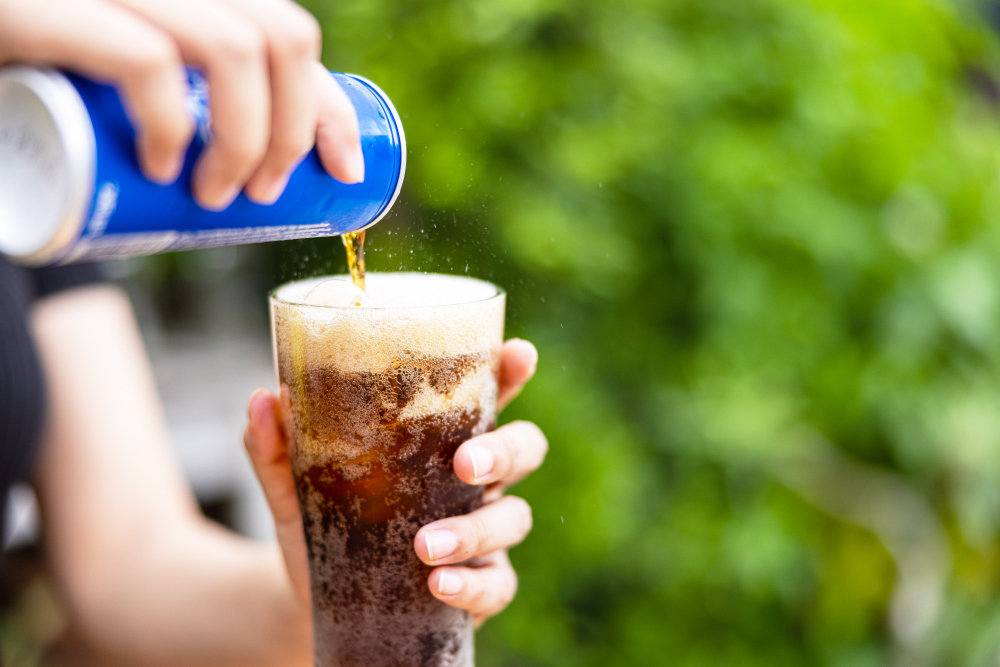
The carbon dioxide is dissolved in the liquid, invisible, held in solution by the pressure in the headspace above it.
Hold an unopened clear bottle up and there is nothing to see, which is the point.
Like our content? Follow us for more.
2. Pressure Is What Keeps It Dissolved
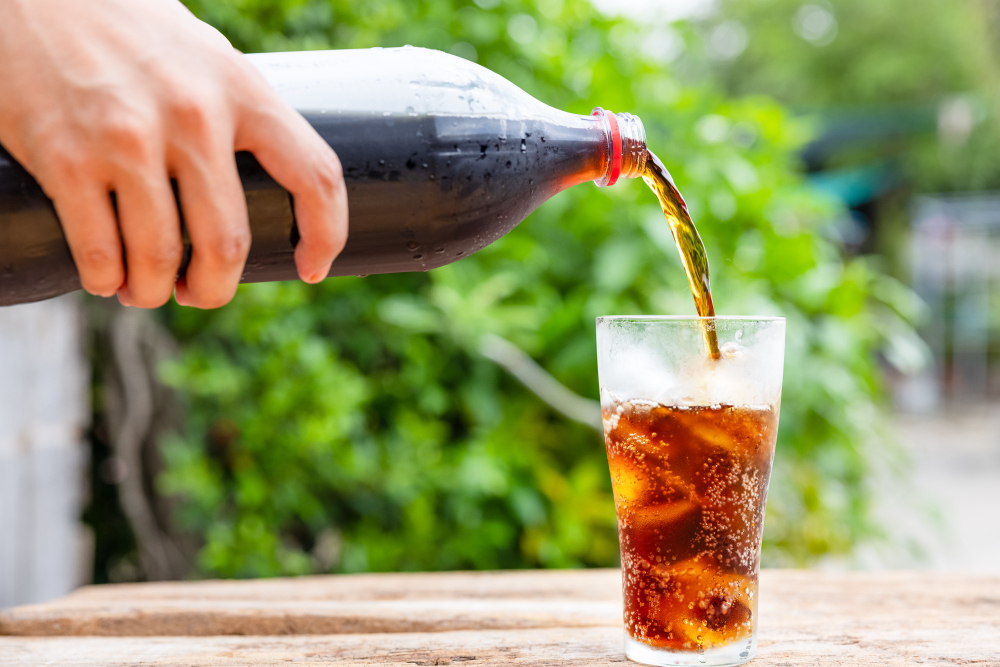
How much gas a liquid can hold depends directly on the gas pressure above it, so more pressure means more stays dissolved.
Opening the bottle removes the pressure, and the liquid is instantly holding more than it can.
3. The Hiss Is the Headspace, Not the Drink
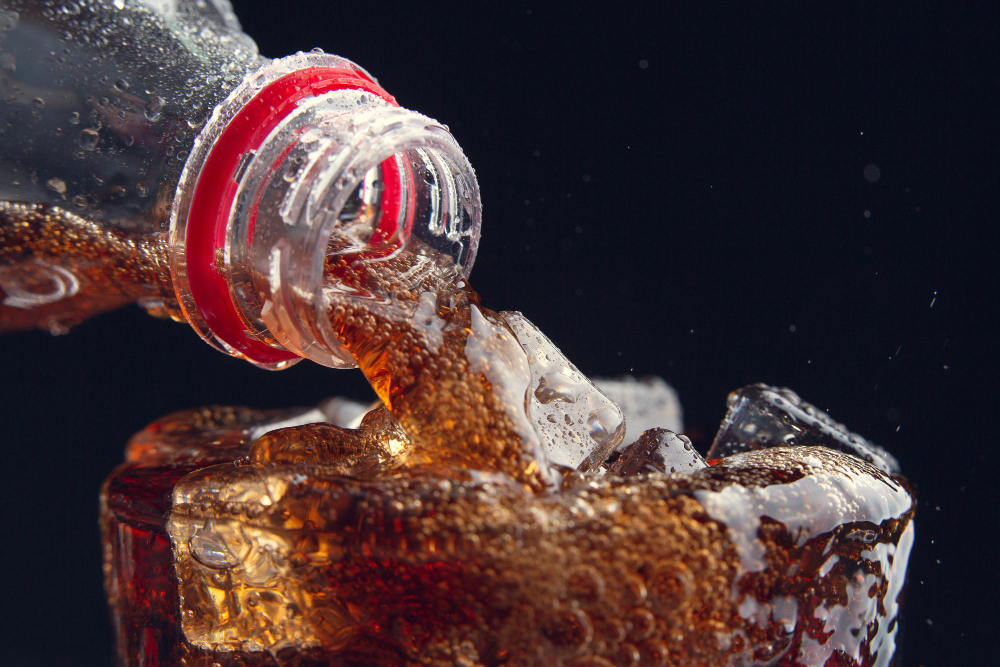
That first sound is the compressed gas in the neck escaping, which happens in a fraction of a second.
Everything after the hiss is gas coming out of the liquid itself, and that takes hours.
4. Cold Liquid Holds Far More Gas
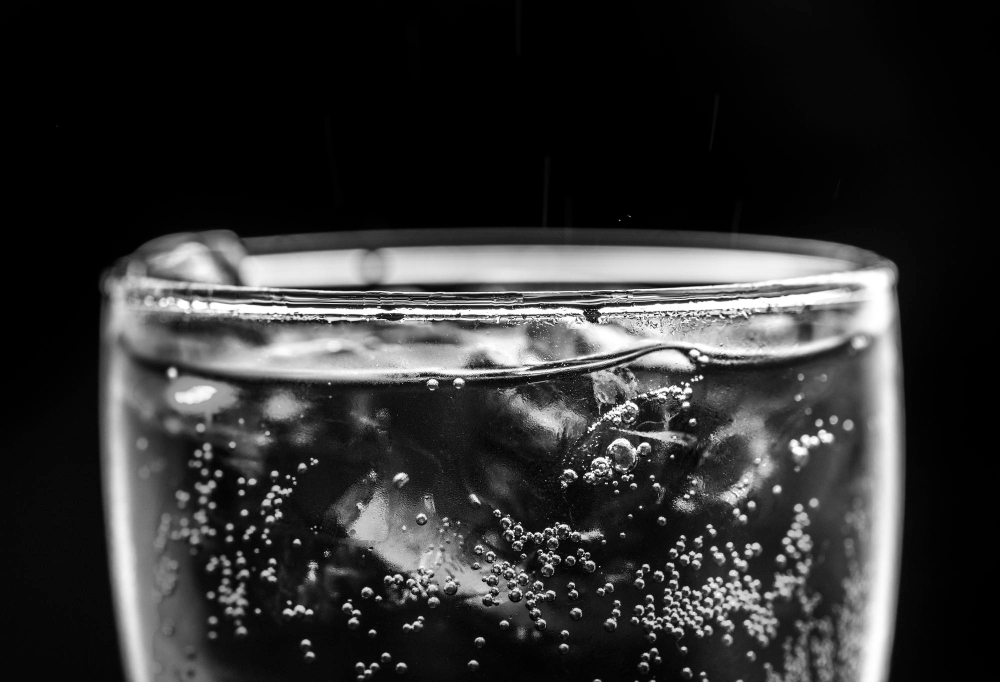
Gas solubility rises sharply as temperature falls, which is why a warm drink erupts and a cold one behaves.
The same bottle is a different object at two temperatures.
5. A Bubble Cannot Form in Clean Liquid
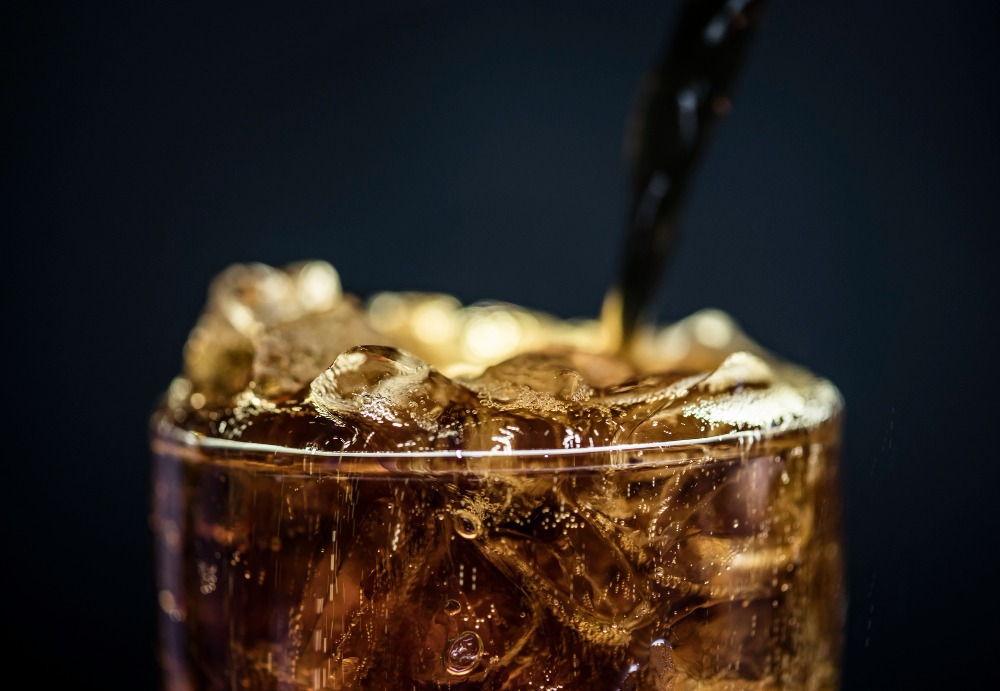
Creating a bubble from nothing requires forcing open a new surface, which takes far more energy than is available.
The gas needs somewhere to start, exactly as freezing does.
6. So Every Bubble Starts on Something
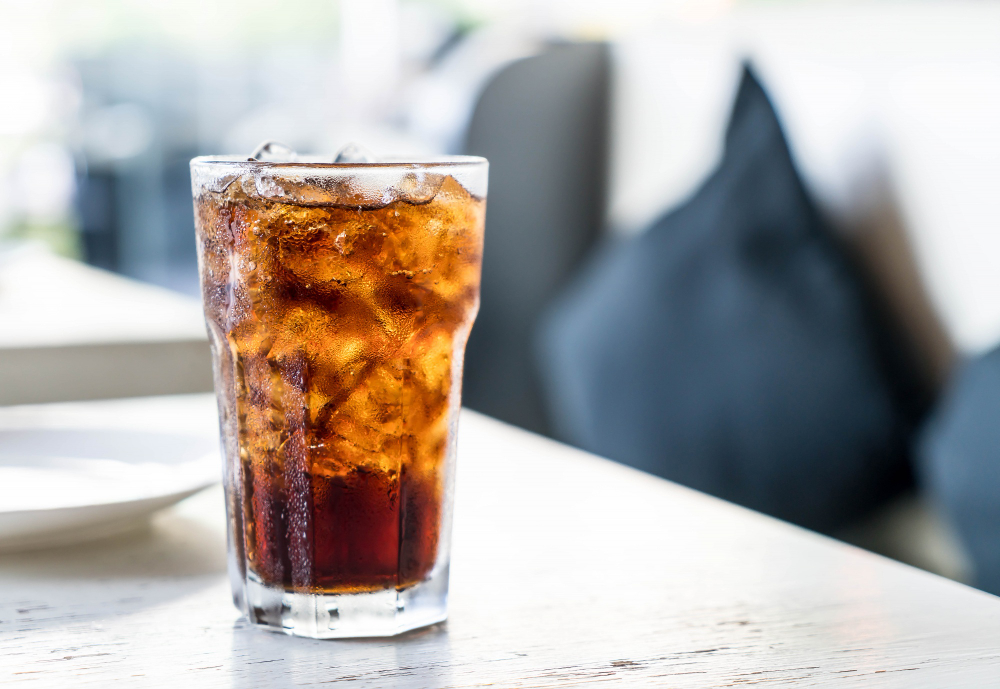
Bubbles form at imperfections: a scratch in the glass, a speck of dust, a fibre from a cloth, a rough patch on the wall.
Those are nucleation sites, and each one produces its own stream.
7. Which Is Why Streams Rise From Fixed Spots
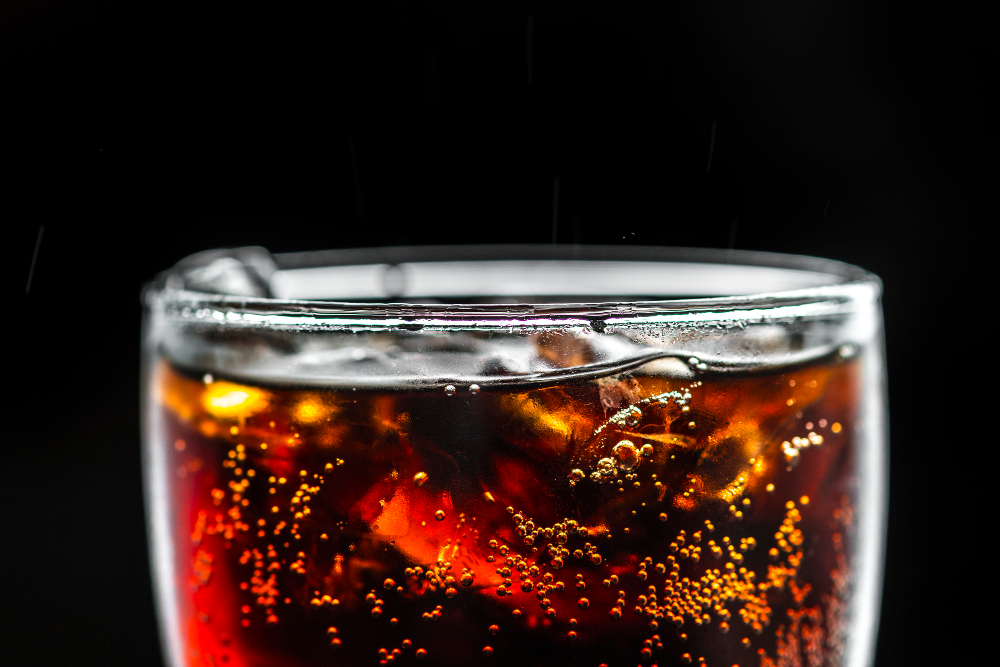
A steady line of bubbles climbing from one point means a single site is releasing gas repeatedly in the same place.
Wipe the glass differently and the streams appear somewhere else.
8. Bubbles Grow as They Rise
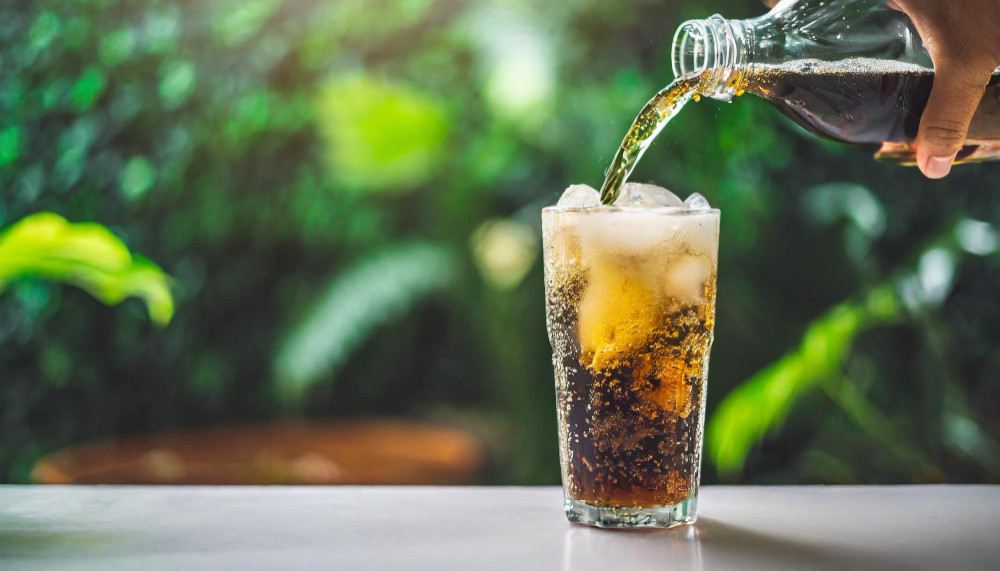
A bubble collects more gas from the surrounding liquid on the way up, and the pressure on it falls as it nears the surface.
They are visibly larger at the top than at the bottom, and both effects add.
9. They Accelerate on the Way Up
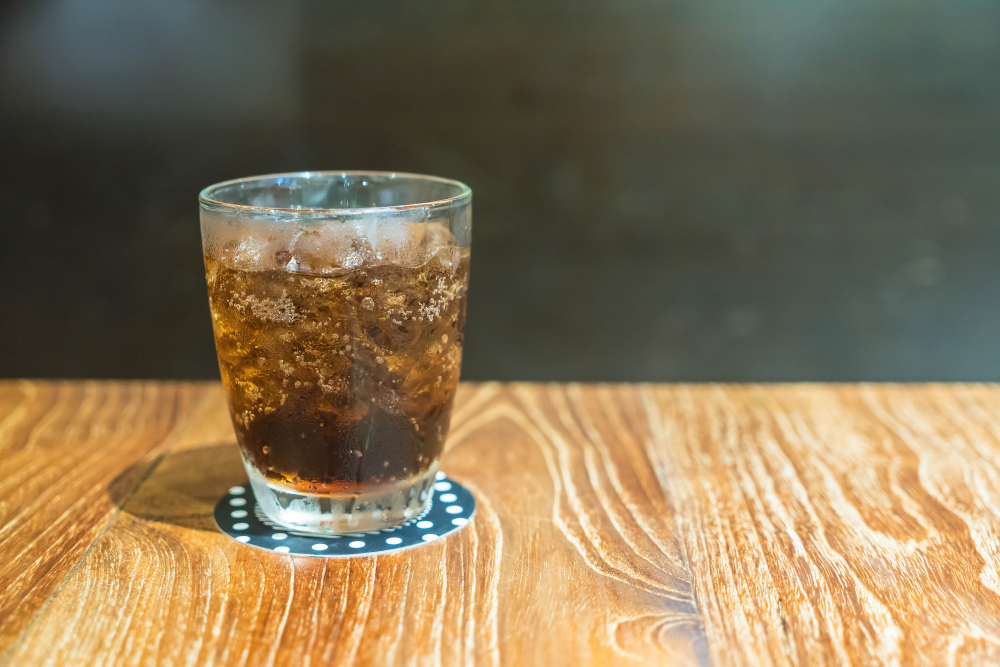
A bigger bubble is more buoyant, so as it grows it rises faster, and the chain spreads out toward the top.
The gaps between bubbles in a stream widen as the stream climbs.
10. A Rough Glass Makes a Worse Drink
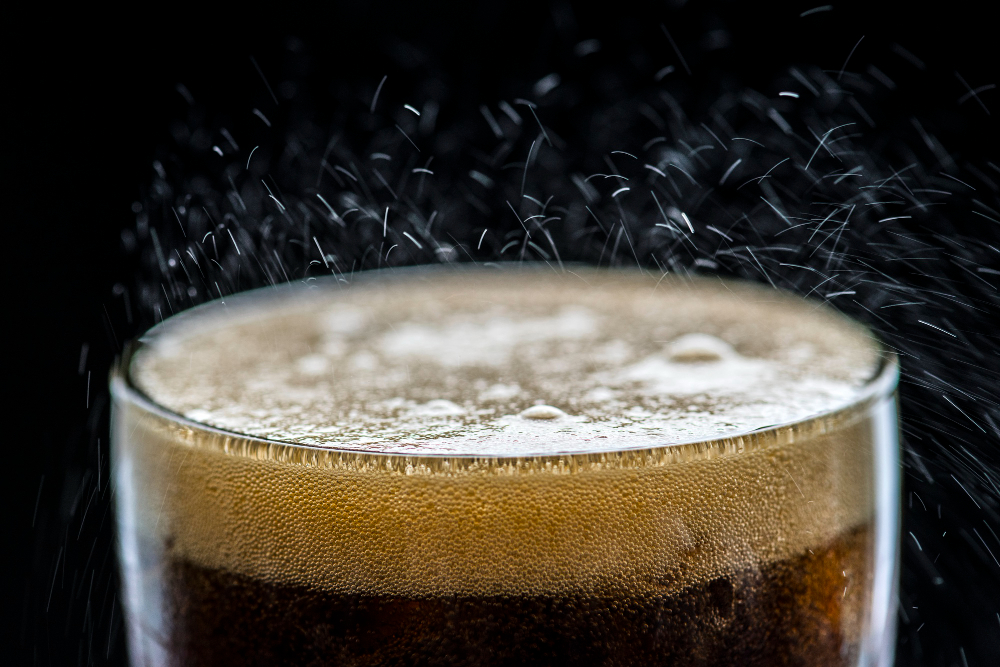
A heavily scratched or towel-dried glass provides thousands of sites, so the gas leaves quickly.
A drink goes flat fastest in the glass that looks most dramatic.
11. Pouring Down the Side Keeps More Gas In
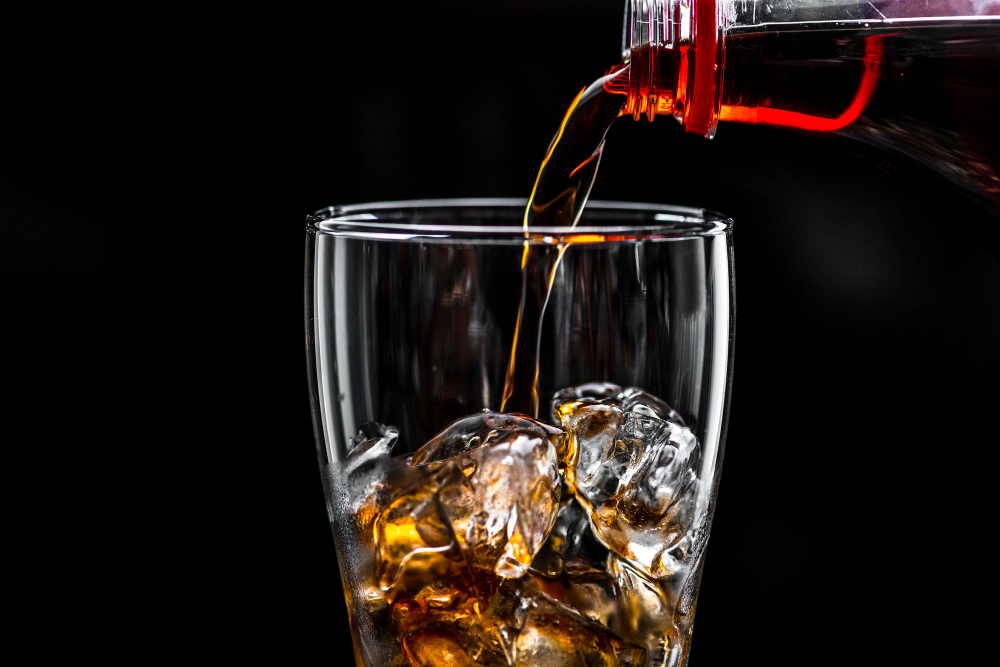
Pouring onto a sloped surface rather than into a pool reduces agitation, and agitation is what releases dissolved gas.
The same bottle gives a fizzier glass or a flatter one depending on the pour.
12. Flat Means the Gas Reached Equilibrium
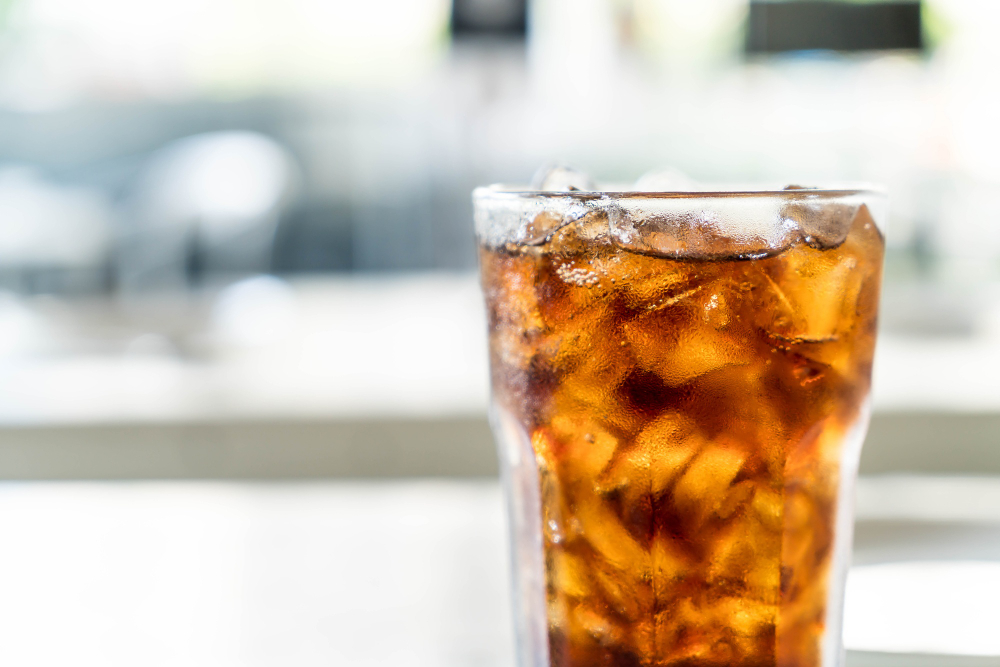
Left open, the liquid keeps releasing gas until the amount dissolved matches the tiny amount of carbon dioxide in the air.
Nothing was lost from the drink except the gas. Everything else is still there.
13. Resealing Slows It Rather Than Stopping It
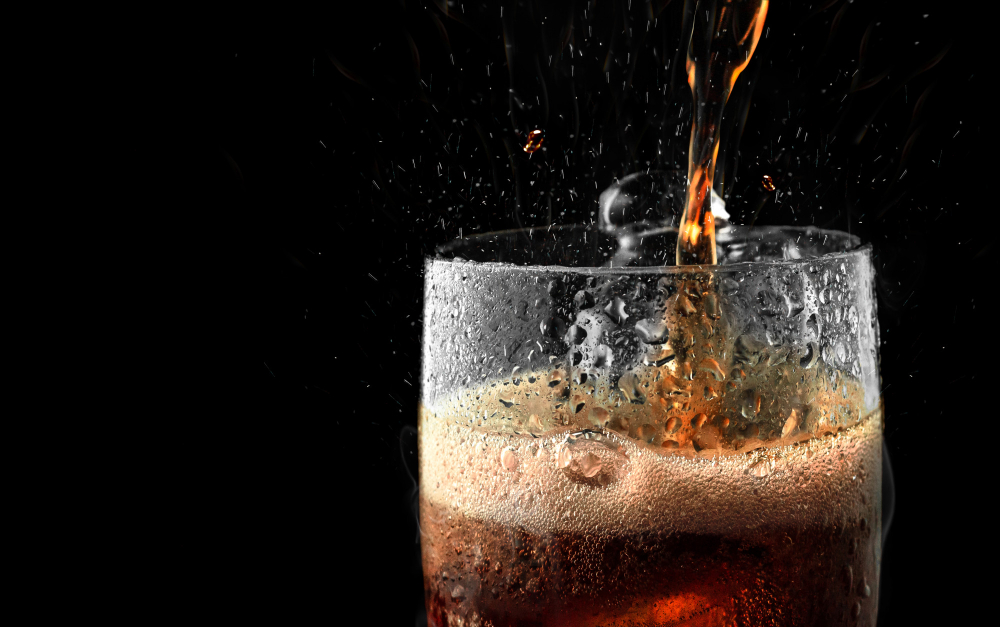
A closed cap lets gas build up in the headspace again until it balances what remains dissolved.
Each opening loses more, which is why a large bottle fades over several days.
14. Tapping the Can Does Almost Nothing
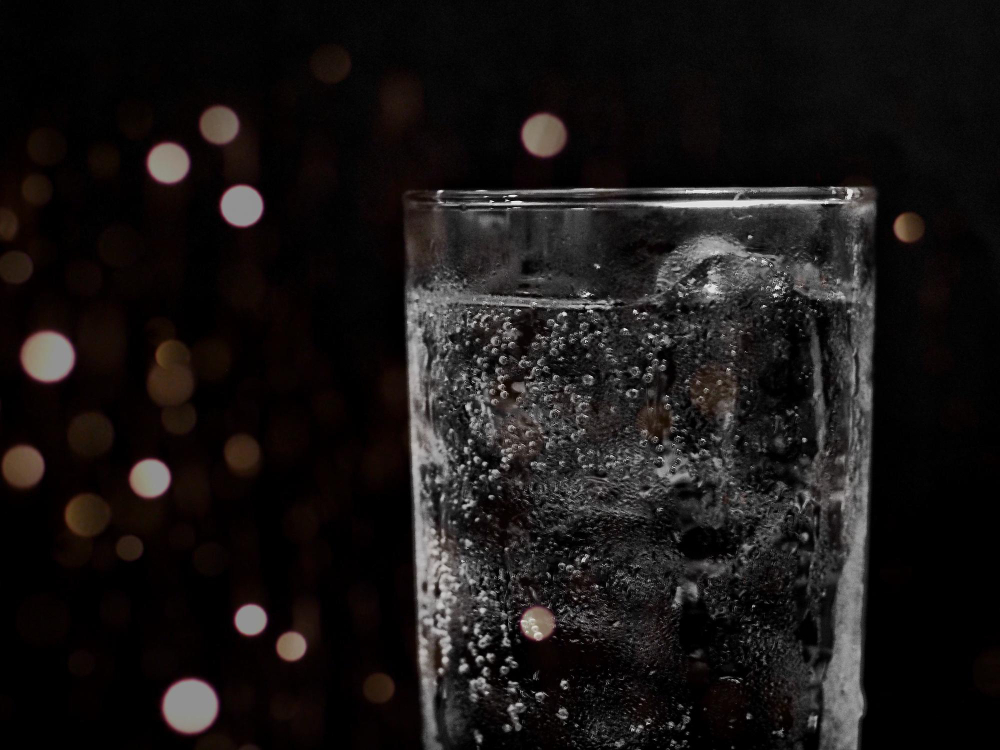
The claim is that tapping dislodges bubbles from the walls, but in a shaken can the gas is distributed through the liquid.
Waiting a minute works. Tapping is mostly ritual.
15. Some of the Sharpness Is Not Bubbles at All
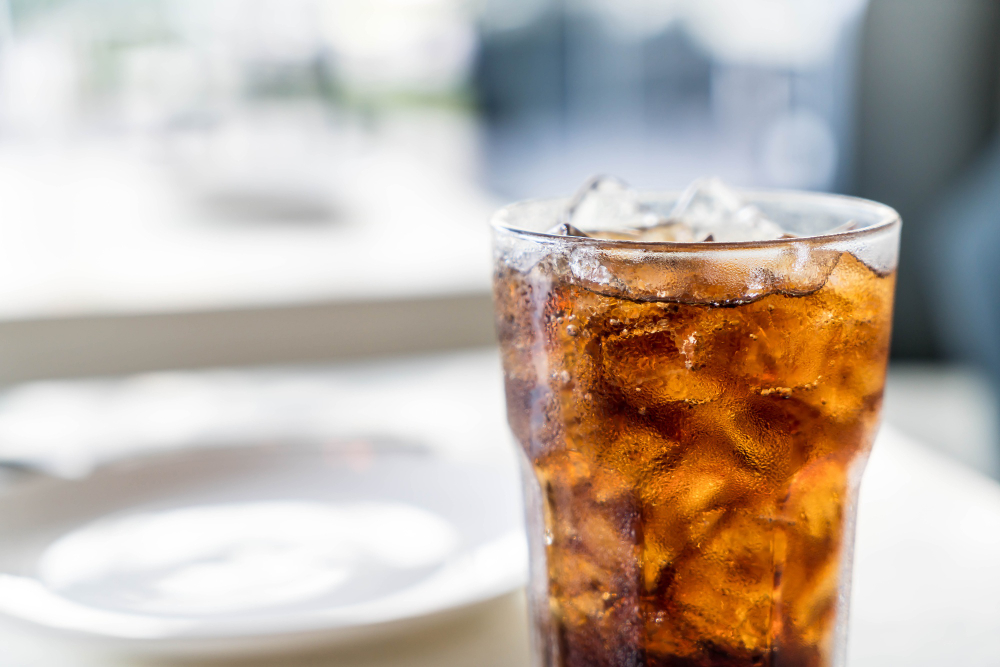
Dissolved carbon dioxide forms a weak acid in the liquid and also stimulates nerve endings in the mouth directly.
This is why flat carbonated drinks taste sweeter: the sourness left with the gas.
Dissolved Gas, Looking for Somewhere to Start
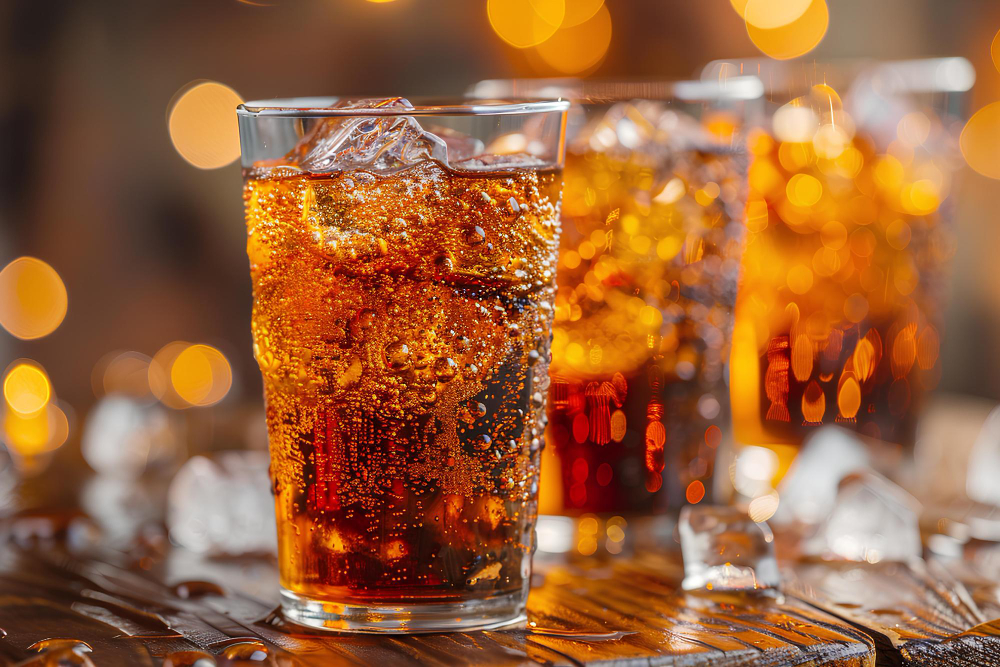
Gas held in solution by pressure rather than sitting in bubbles, cold holding more of it, bubbles needing a site to form on, streams from fixed specks, growth on the way up and a slow slide to equilibrium with the air.
The fifth and sixth items are the ones that change what you are looking at. A bubble cannot appear in clean liquid at all, so every stream in a glass is marking a physical imperfection – a scratch, a speck, a fibre – and the pattern of bubbles is a map of the flaws in the glass rather than anything about the drink.
Like our content? Follow us for more.