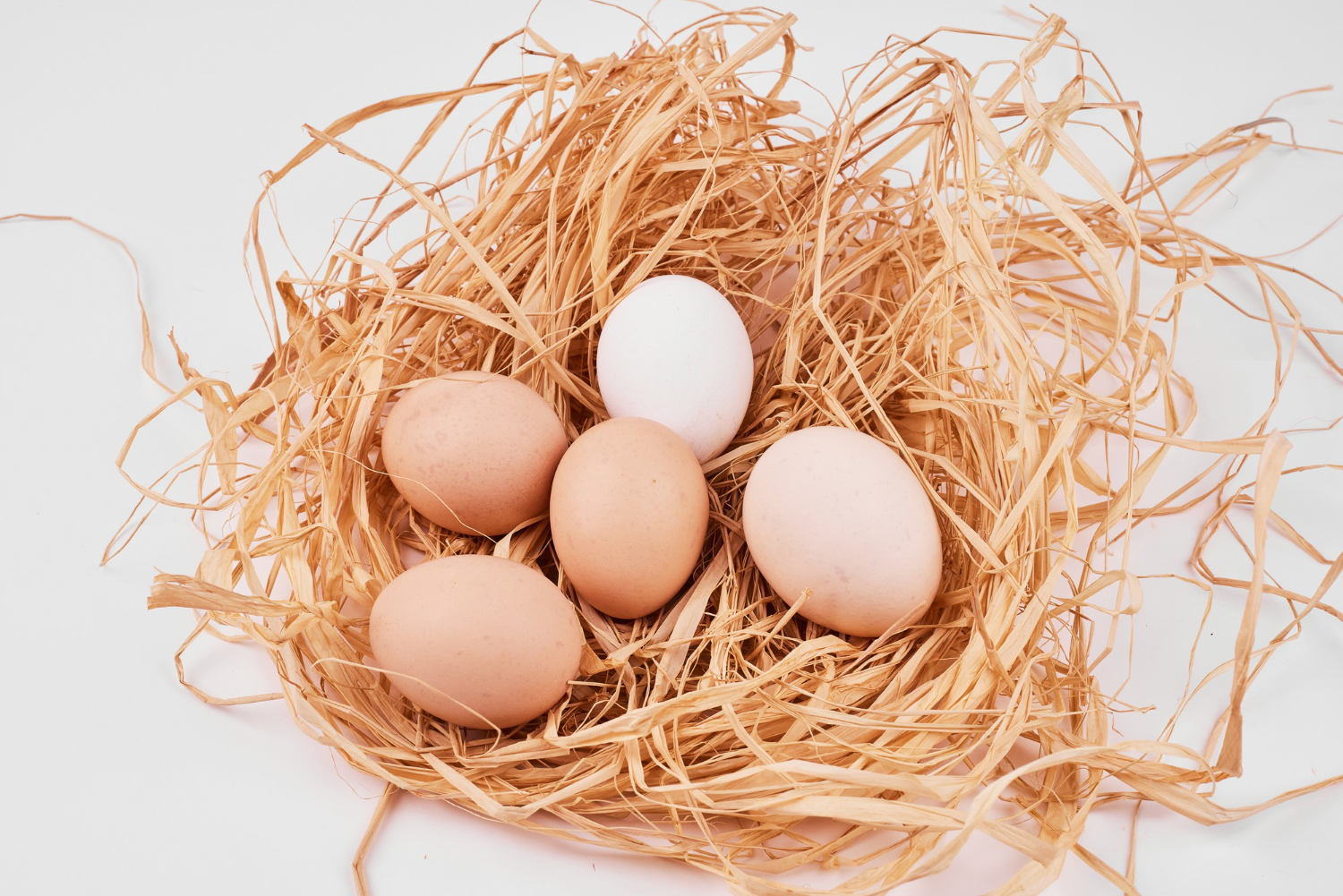
The interesting thing about an egg is how many contradictory requirements it satisfies simultaneously. Strong and breakable, sealed and breathing, hidden and identifiable. Here are sixteen.
1. It Has to Breathe
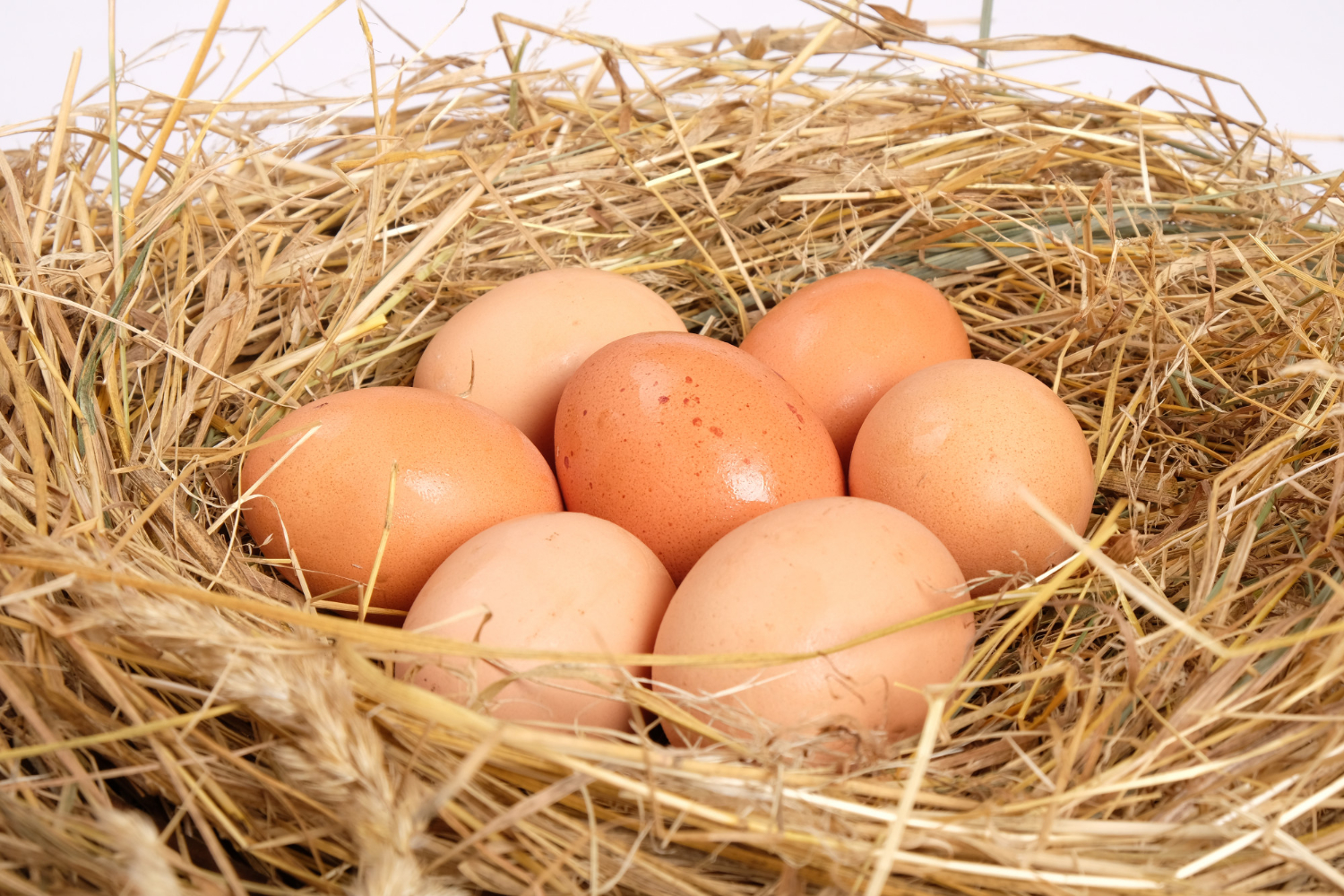
A shell is not sealed. It is perforated by thousands of microscopic pores allowing oxygen in and carbon dioxide out, because the developing chick is respiring throughout.
A truly waterproof shell would suffocate it. Shell porosity is the requirement that prevents an egg being simply a container.
Like our content? Follow us for more.
2. It Has to Be Strong and Also Break
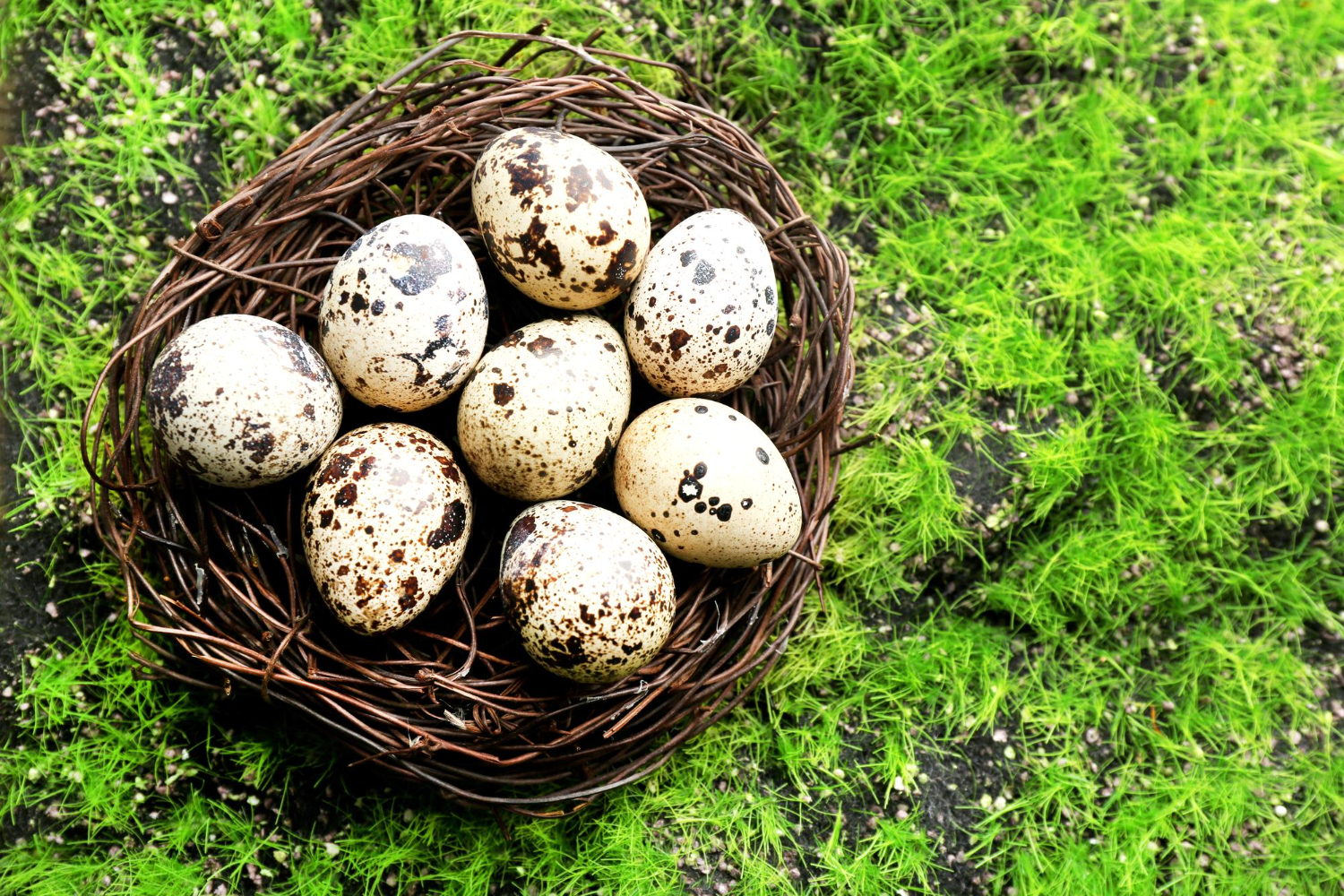
The shell must support the weight of an incubating adult without cracking, and then be broken from the inside by a chick with no tools.
Those two requirements pull in opposite directions. The strength-fragility balance is the central compromise of the whole object.
3. The Shell Thins While It Is Being Used
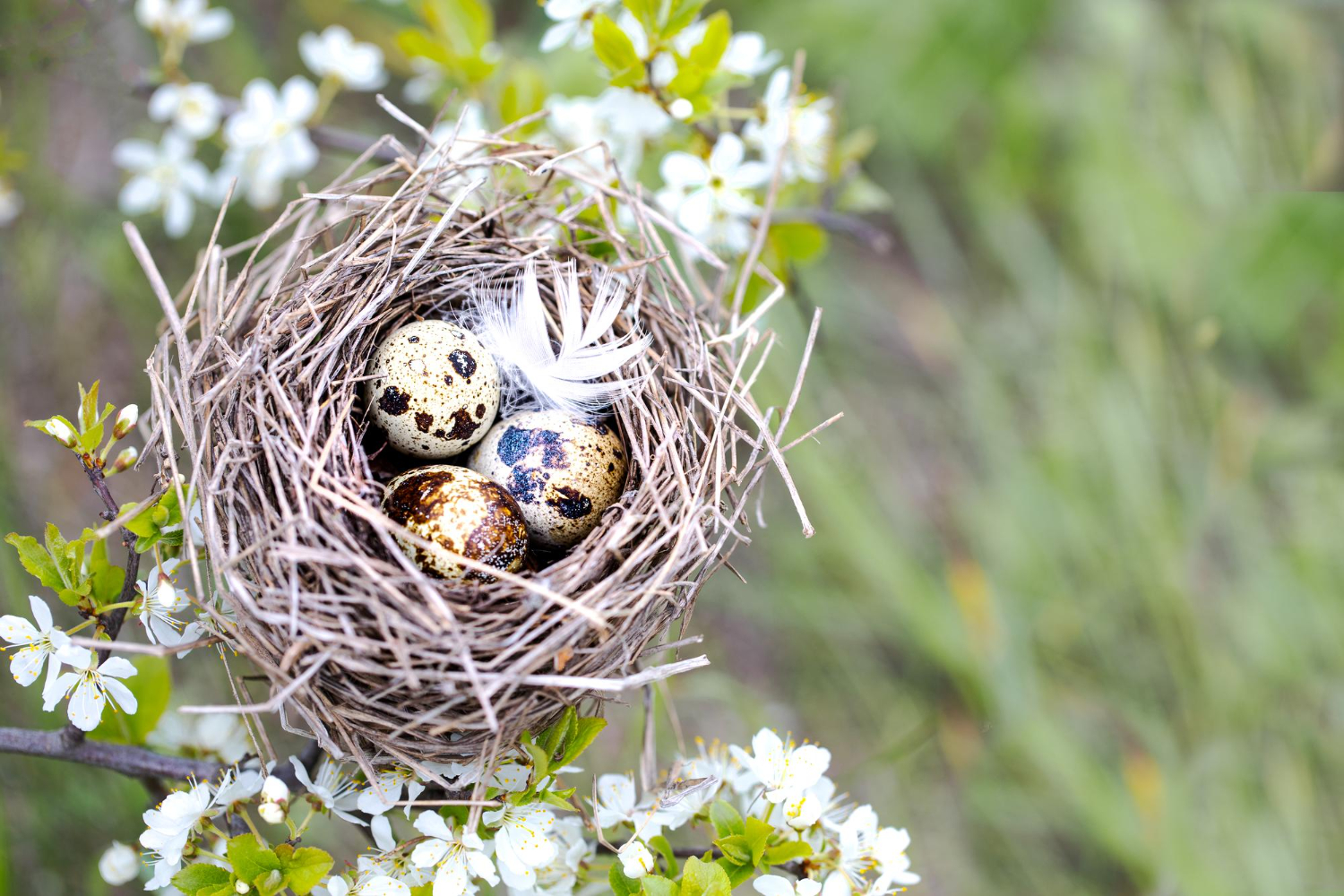
The developing chick draws calcium from the shell for its own bones, so the shell becomes measurably thinner during incubation and is weaker at hatching than at laying.
The container is being consumed by its contents. Progressive thinning is the mechanism that resolves the strength contradiction over time.
4. Colour Comes From Very Few Pigments
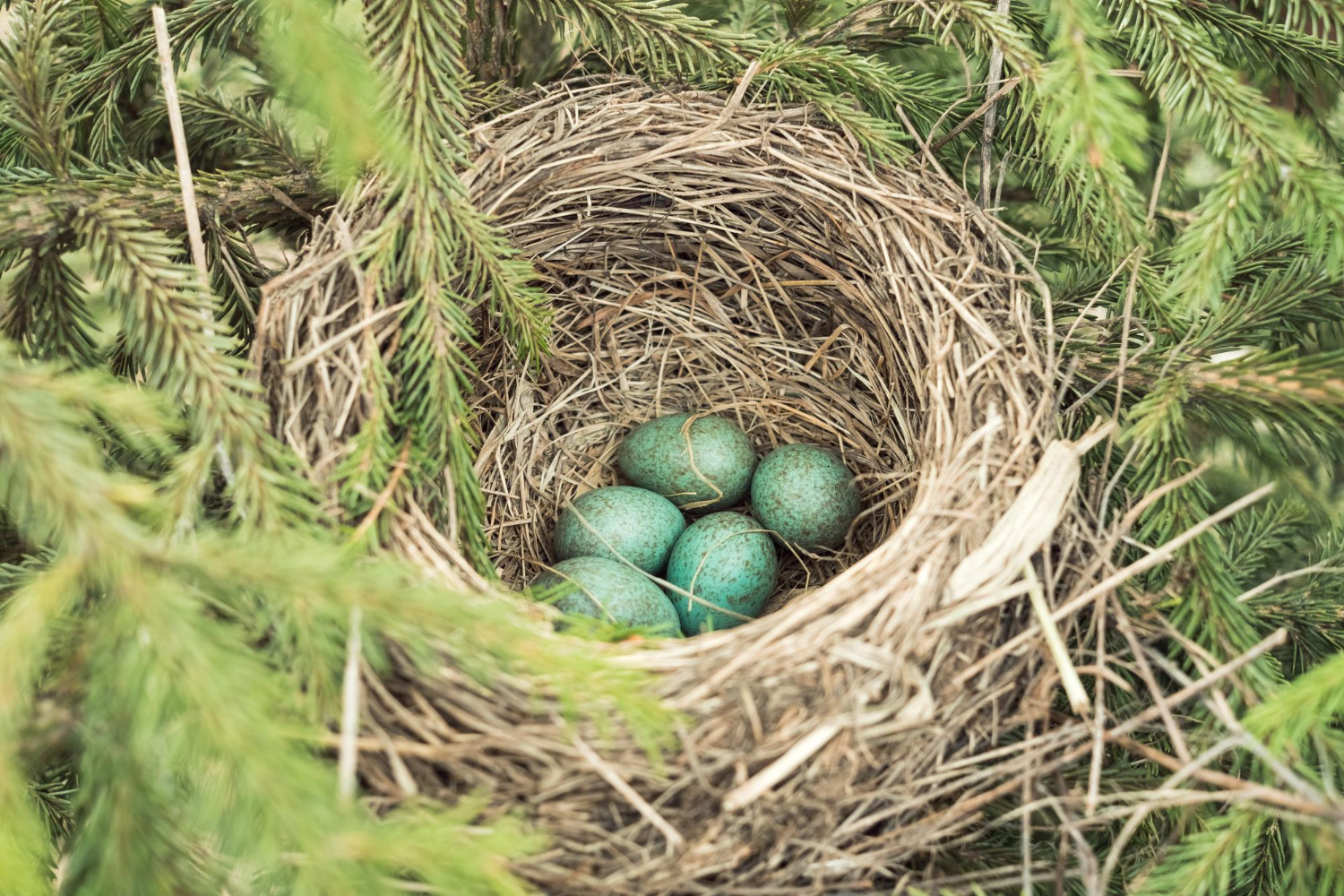
The enormous range of eggshell colours and patterns is produced by a small number of pigments deposited as the shell forms in the oviduct.
Blues, greens, browns and the speckling all derive from those. Pigment economy is the fact that makes eggshell variety surprising.
5. Ground Nests Get Camouflage
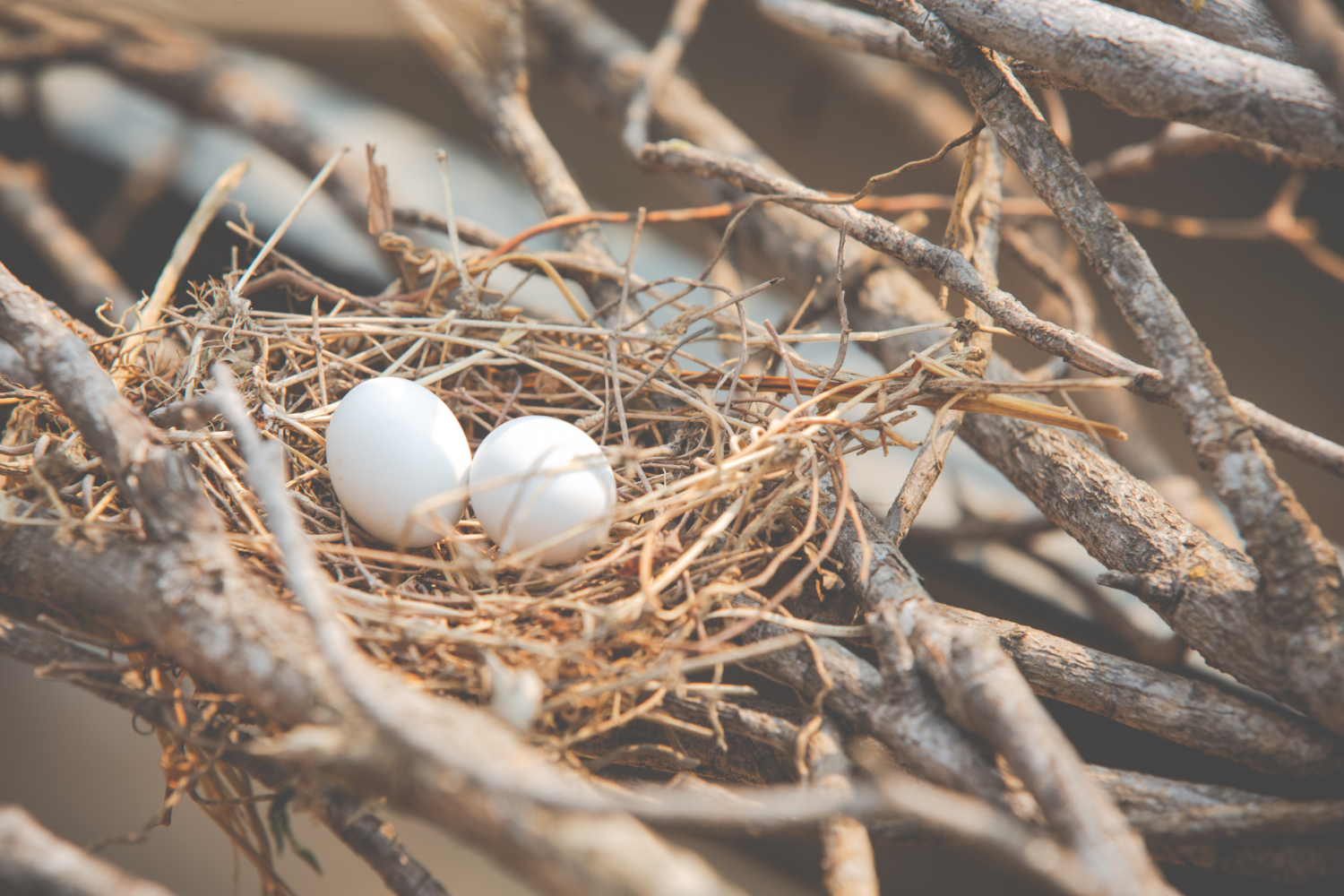
Species laying on open ground produce heavily patterned eggs that match the substrate closely, because the eggs are visible from above and cannot be hidden any other way.
The match is frequently specific to the local ground. Camouflaged eggs are the version that has to disappear rather than be concealed.
6. Hole Nests Get Pale Eggs
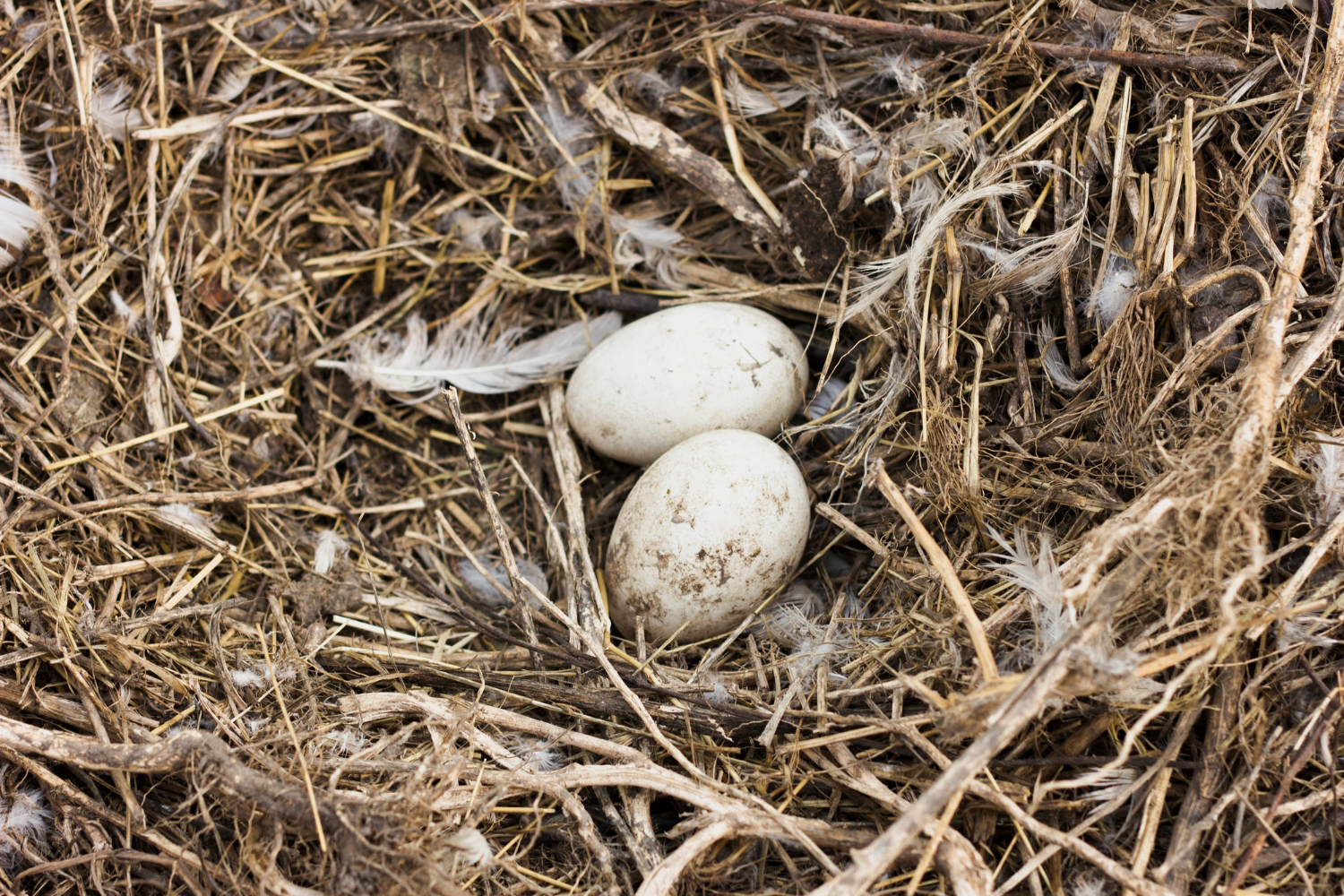
Species nesting in cavities frequently lay white or pale eggs, since there is nothing to hide from and a pale egg is easier for the parent to see in the dark.
The lack of pattern is functional rather than an absence of one. Pale cavity eggs are the version where visibility is the point.
7. Speckling Can Be Structural
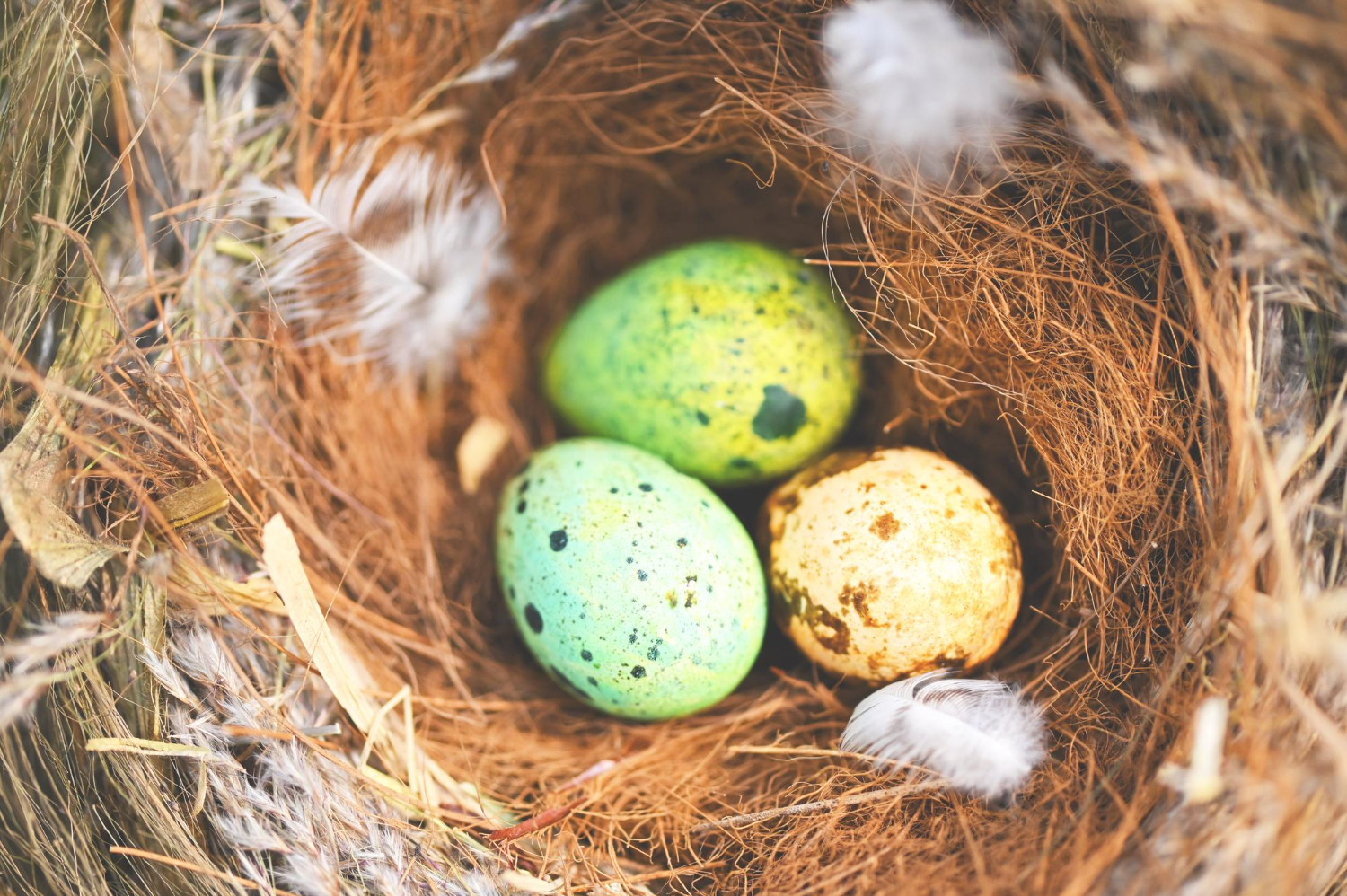
Where calcium is scarce, some species produce eggs with pigment spots concentrated at thin points in the shell, which appears to reinforce the weakest areas.
The pattern is doing engineering as well as camouflage. Structural speckling is the case where the decoration is load-bearing.
8. Shape Is Not About Rolling in Circles
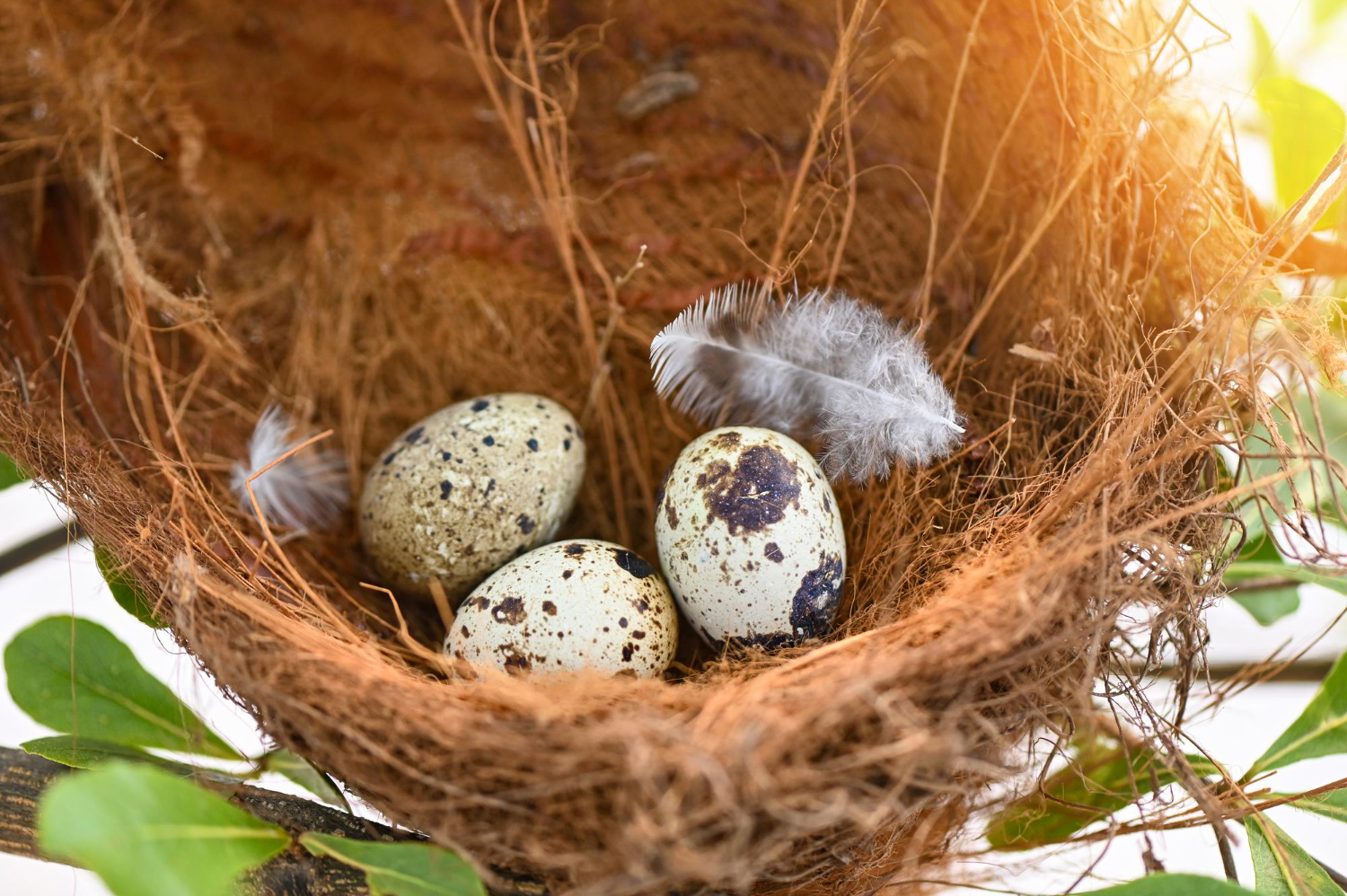
The pointed eggs of cliff-nesting seabirds have long been explained as rolling in a tight circle rather than off the ledge, but recent comparative work links egg shape far more strongly to flight ability across birds generally.
The traditional explanation is now contested rather than settled. Egg shape is the classic textbook fact that turned out to be more complicated.
9. Size Relative to the Bird Varies Enormously
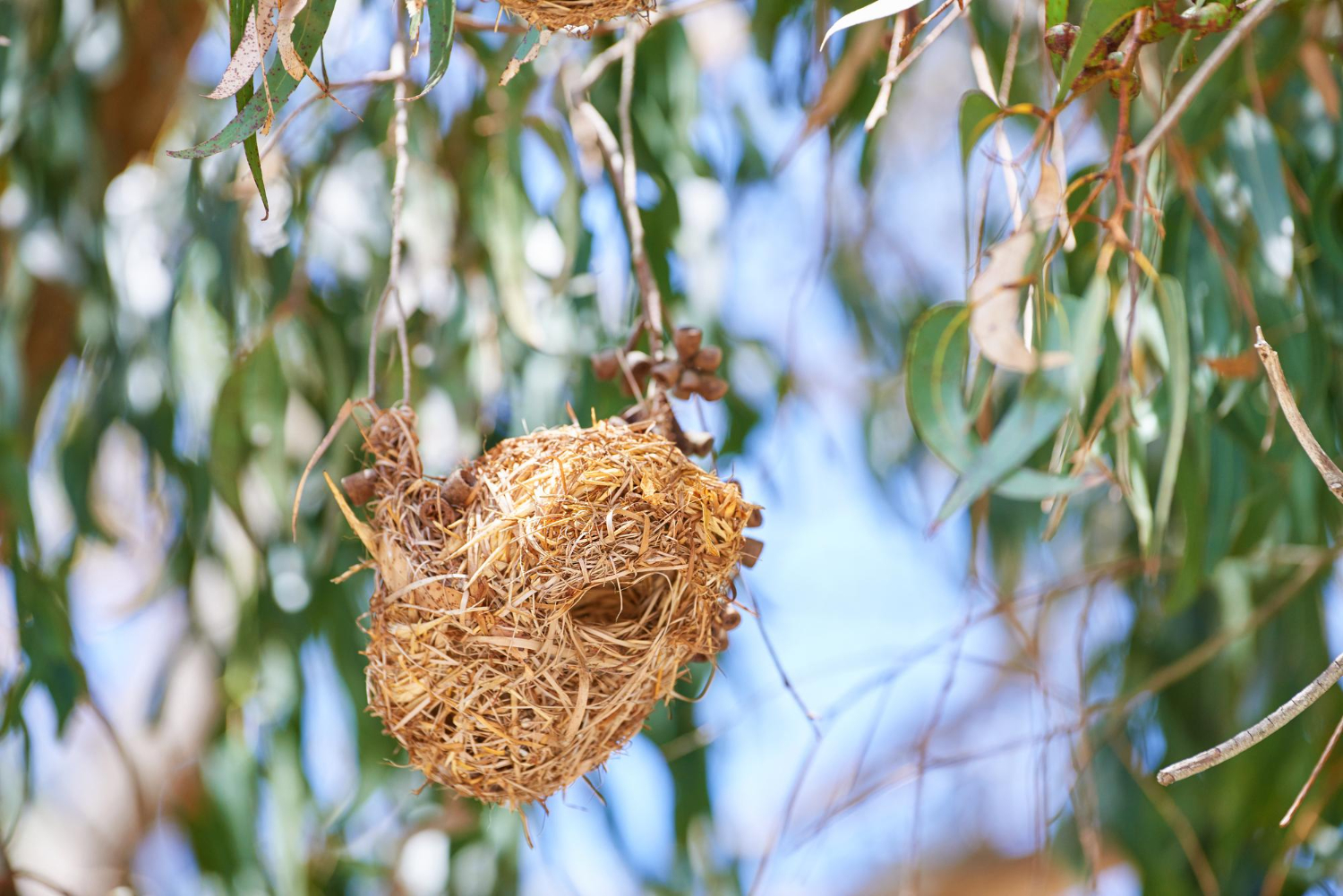
Some species lay eggs that are a tiny fraction of body mass and others lay eggs that are an extraordinary proportion of it, with kiwi at the extreme end.
A very large egg means a very developed chick and an enormous cost to the female. Relative egg size is the variable that determines the whole reproductive strategy.
10. Clutch Size Is a Calculation
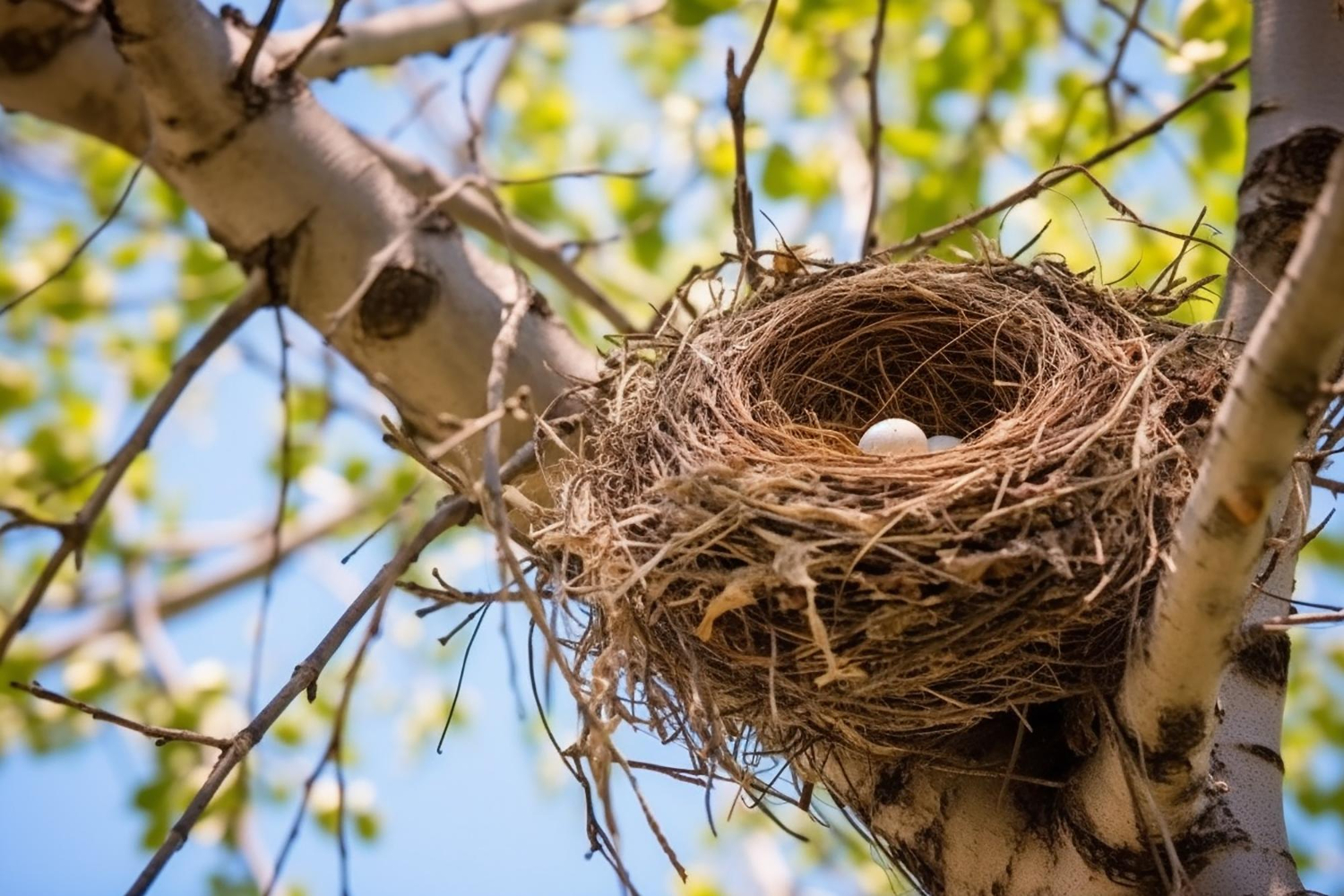
How many eggs a species lays reflects food availability, how much parental care each chick needs and how likely any individual is to survive.
More eggs means less invested in each. Clutch size is the trade between quantity and attention.
11. Laying Order Creates a Hierarchy
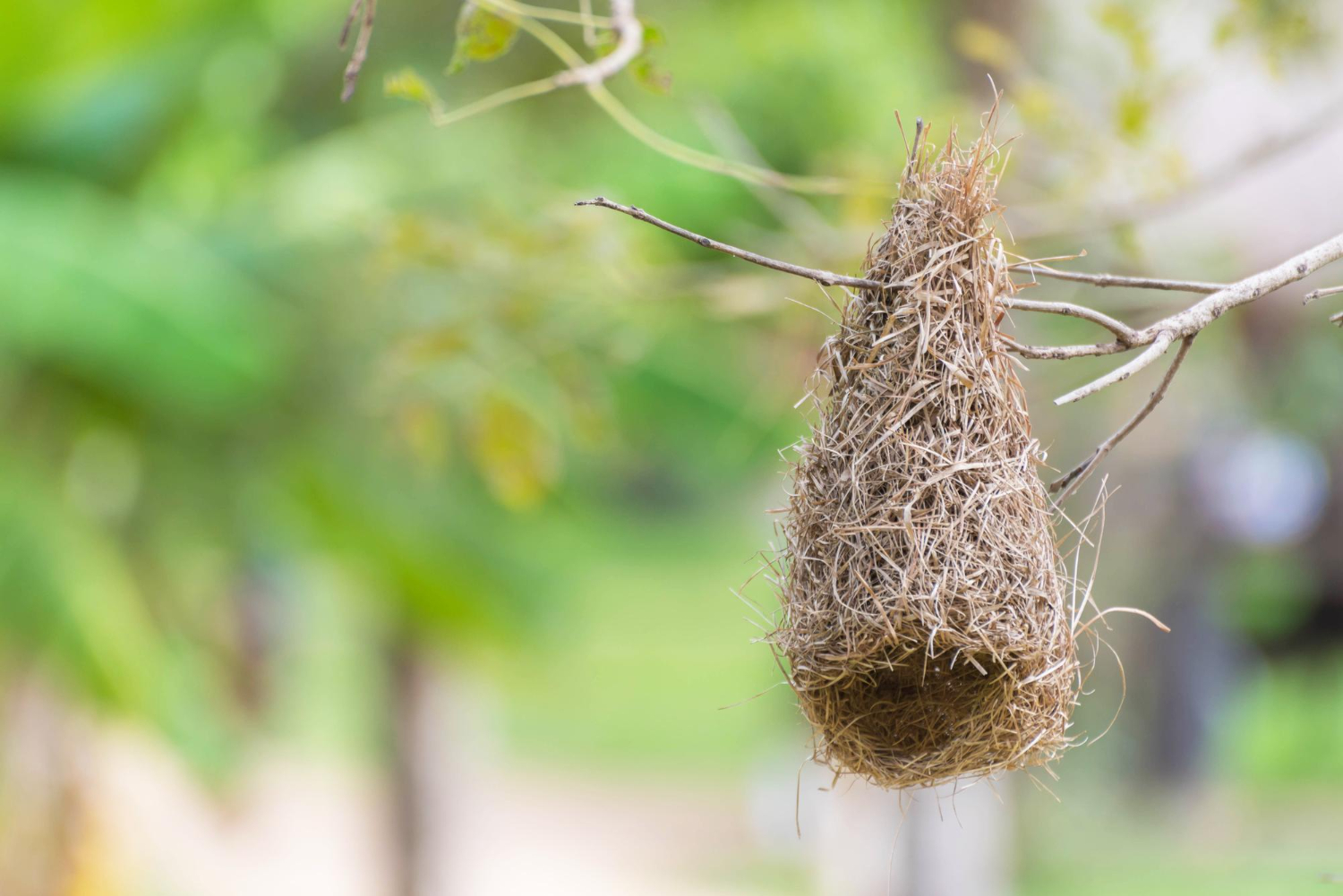
Where incubation begins before the clutch is complete, the first eggs hatch earlier and those chicks are larger and stronger than their later siblings.
Where it begins afterwards, everything hatches together. Incubation timing is the decision that determines whether siblings are equals.
12. Some Eggs Are Forgeries
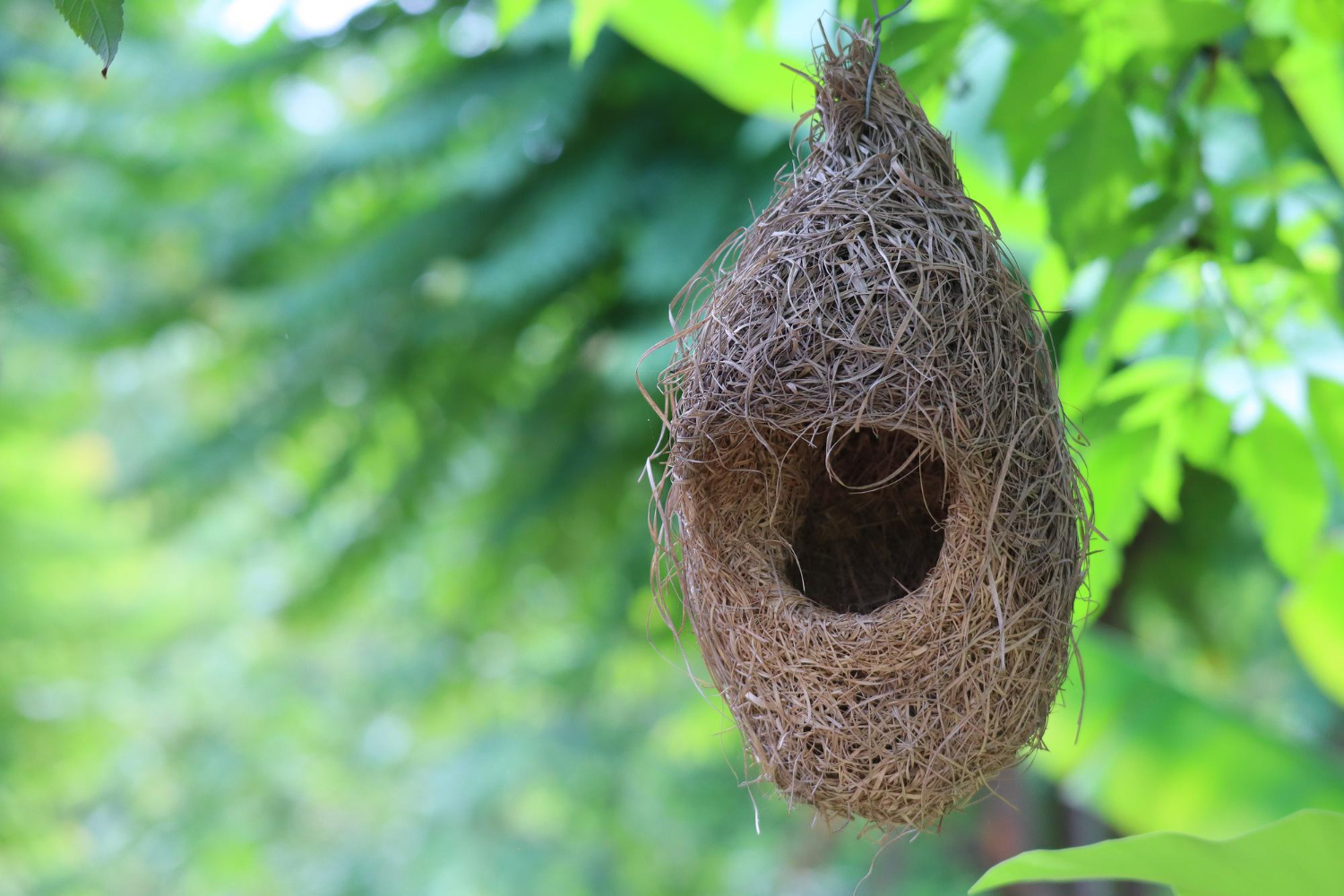
Brood parasites lay in other species nests, and their eggs frequently mimic the host eggs in colour and pattern closely enough to pass.
It is an arms race conducted in pigment. Mimic eggs are the case where the object itself is the deception.
13. And Some Hosts Can Tell
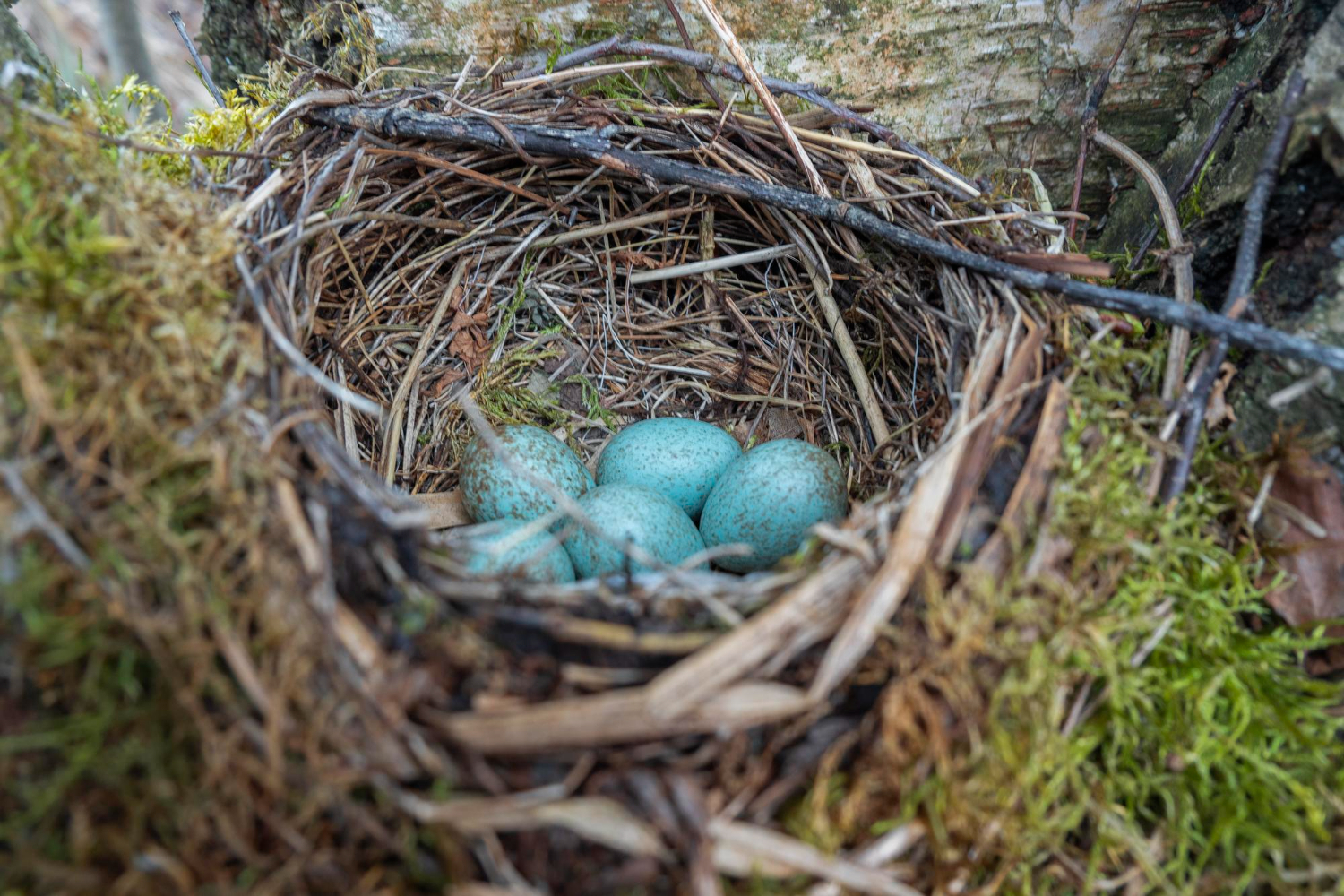
Species subject to parasitism have in many cases evolved the ability to recognise an egg that does not belong and remove it, which drives better mimicry in turn.
Each side improves in response to the other. Egg rejection is the counter-move that keeps the arms race running.
14. The Blunt End Holds the Air
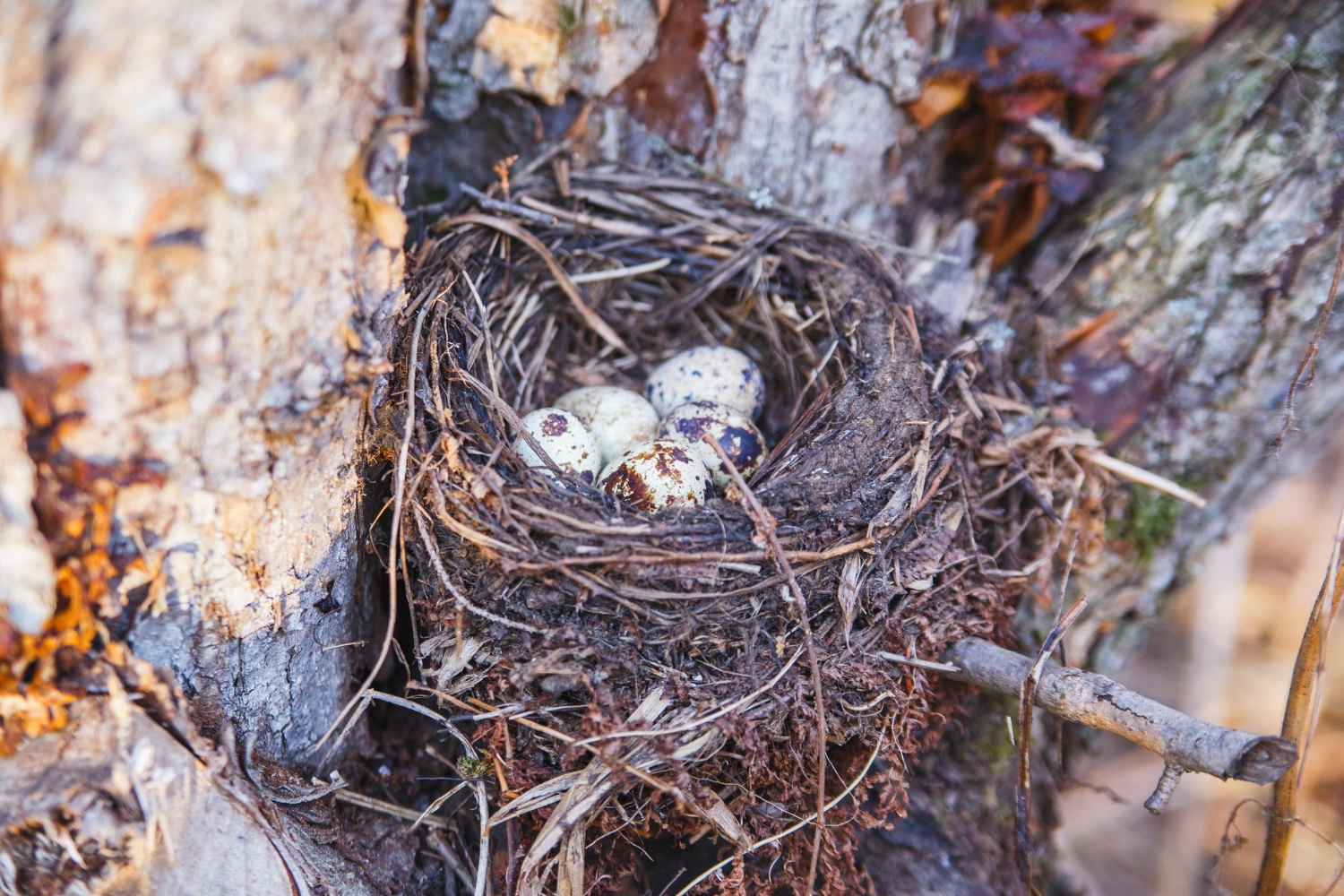
An air cell forms at the wide end as the contents cool and contract after laying, and it is where the chick takes its first breath before breaking the shell.
It grows throughout incubation. The air cell is the feature that makes hatching possible in stages.
15. The Shell Is Made Extremely Fast
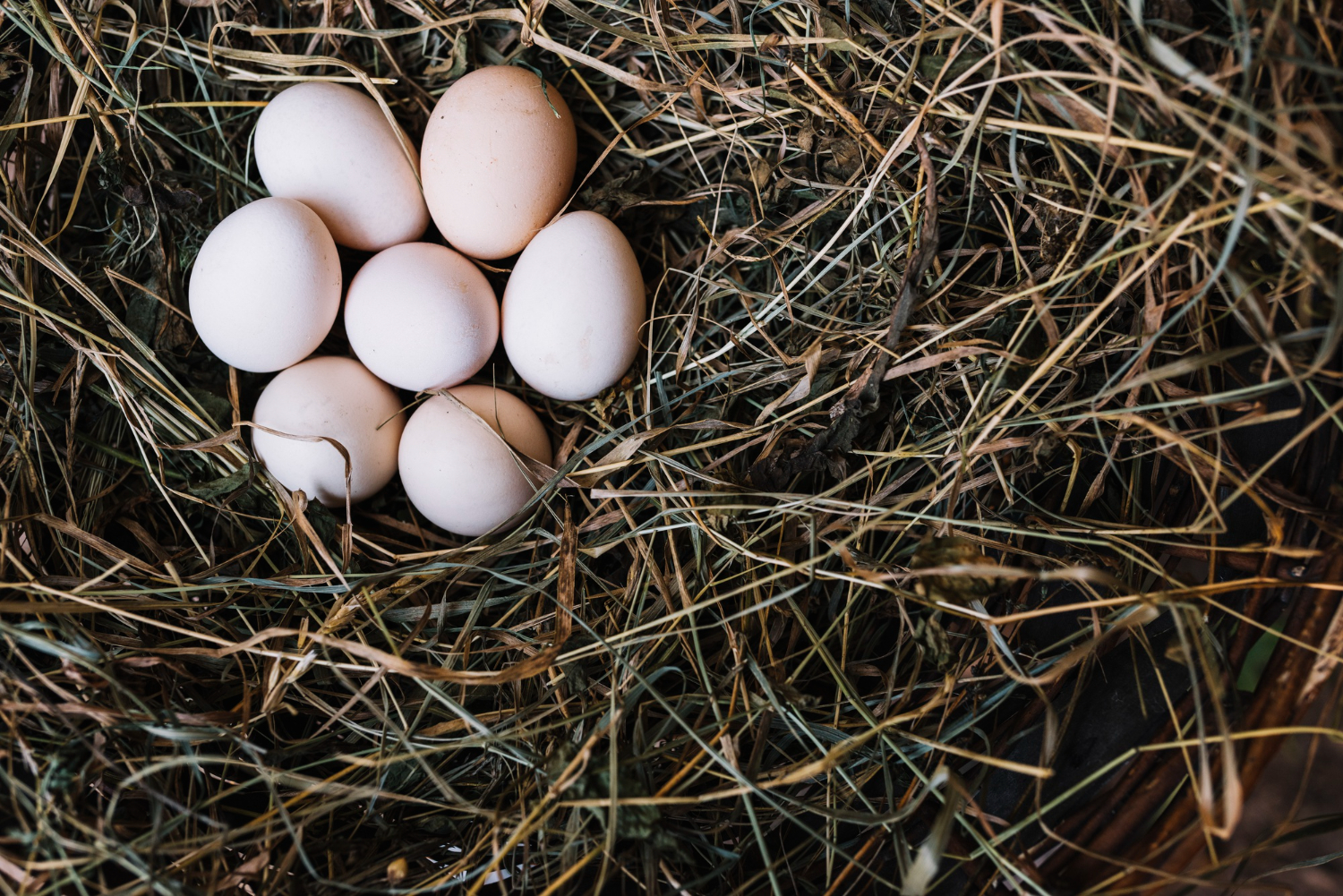
A complete shell is deposited in a matter of hours in the oviduct, which requires an enormous and rapid mobilisation of calcium from the female body.
Laying repeatedly is metabolically demanding for that reason. Rapid shell formation is the cost that falls entirely on the female.
16. It Has to Be Recognisable to the Parent
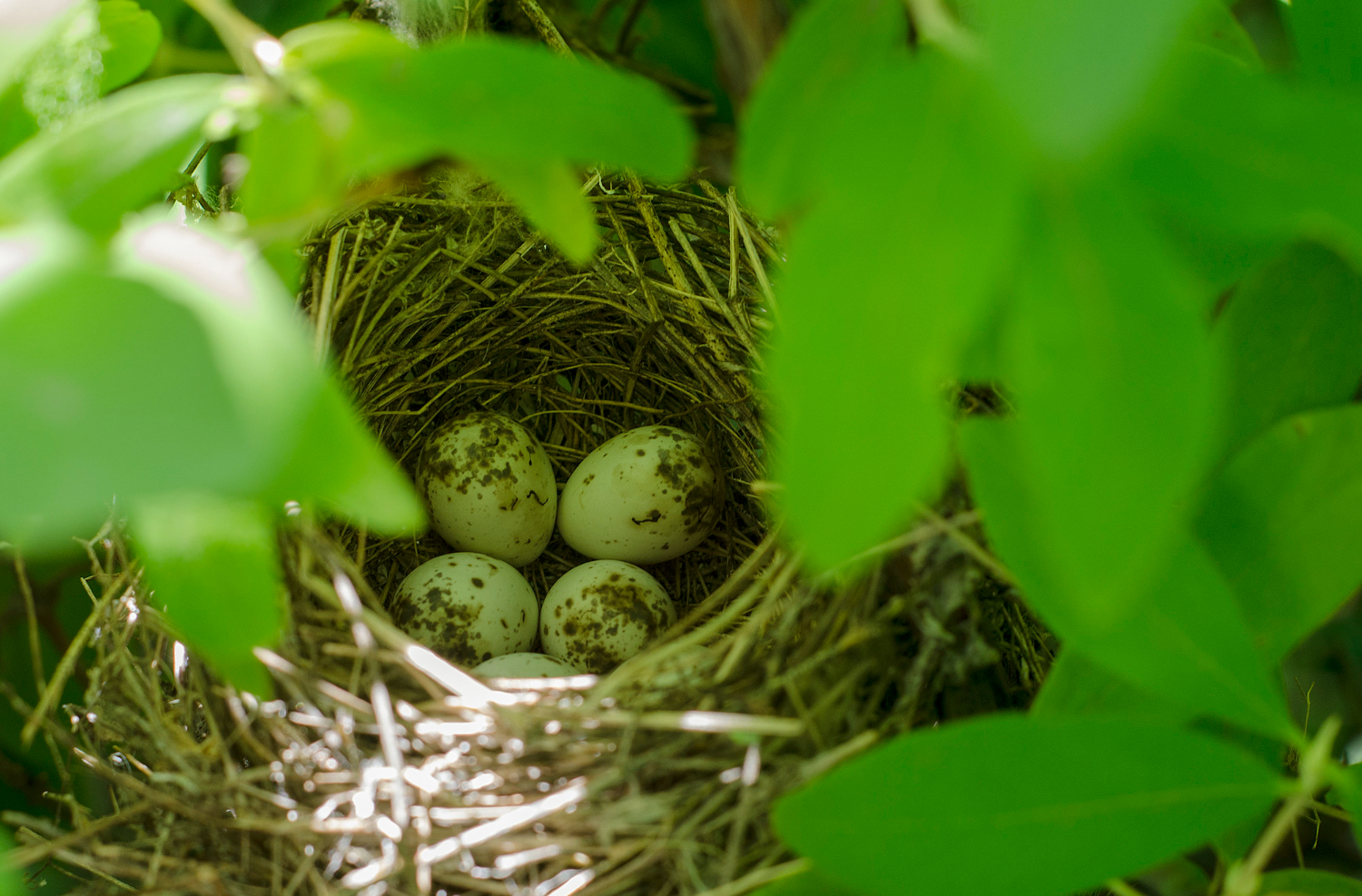
In dense colonies where thousands of eggs are laid close together, some species produce eggs variable enough between individuals that a parent can identify its own.
Variation within the species is the mechanism. Individual egg signatures are the feature that solves a problem only crowding creates.
Several Contradictory Jobs at Once
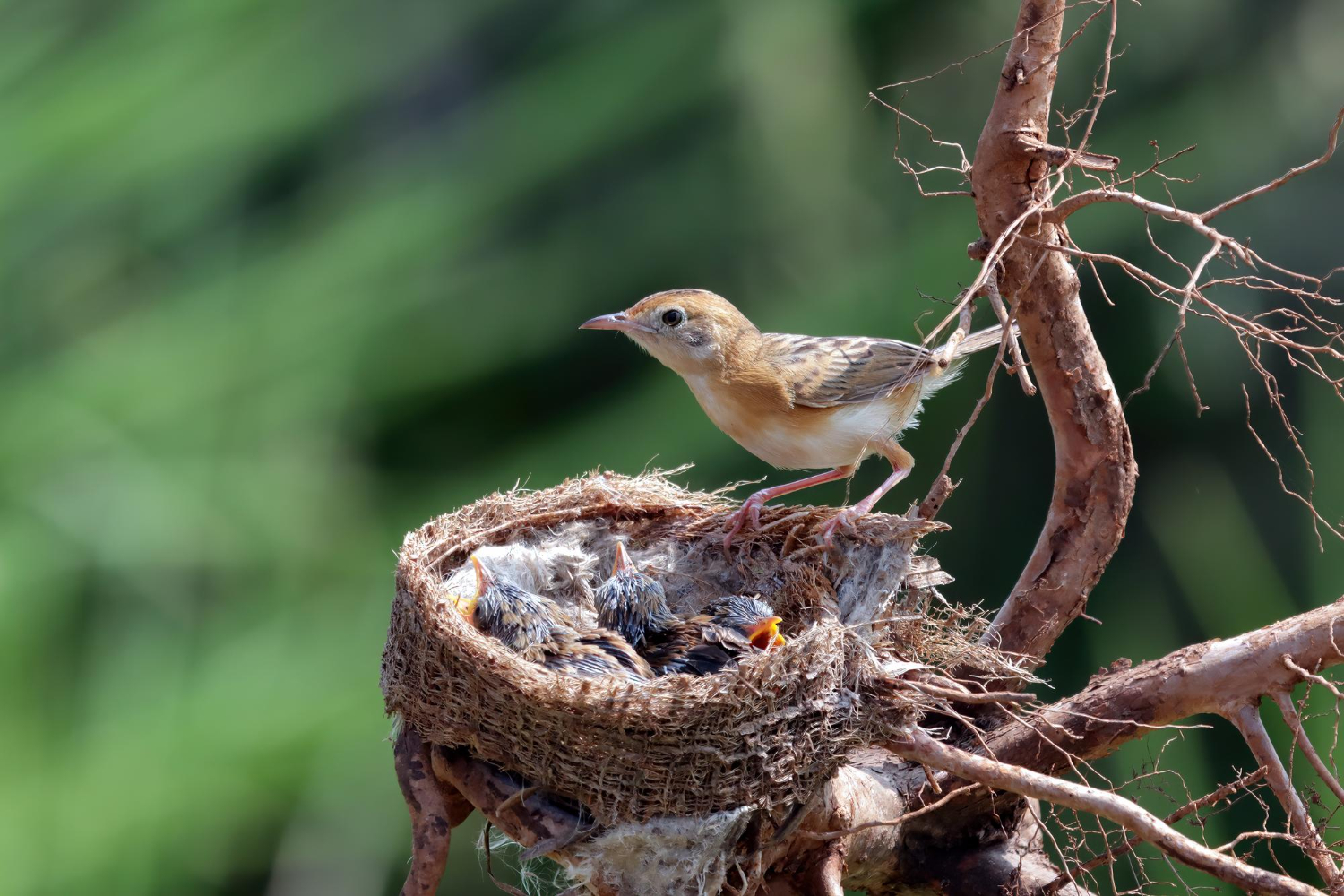
Strong and breakable, sealed and porous, hidden and identifiable, cheap enough to produce several and expensive enough to be worth protecting. Every feature here is a compromise between requirements that conflict.
One thing to say plainly: this is a piece about biology and not an invitation to go looking. Nests are easily disturbed, an incubating bird driven off may not return, and in a great many places approaching or handling wild eggs is prohibited outright. Everything above can be appreciated perfectly well from a photograph or a museum case.
Like our content? Follow us for more.