

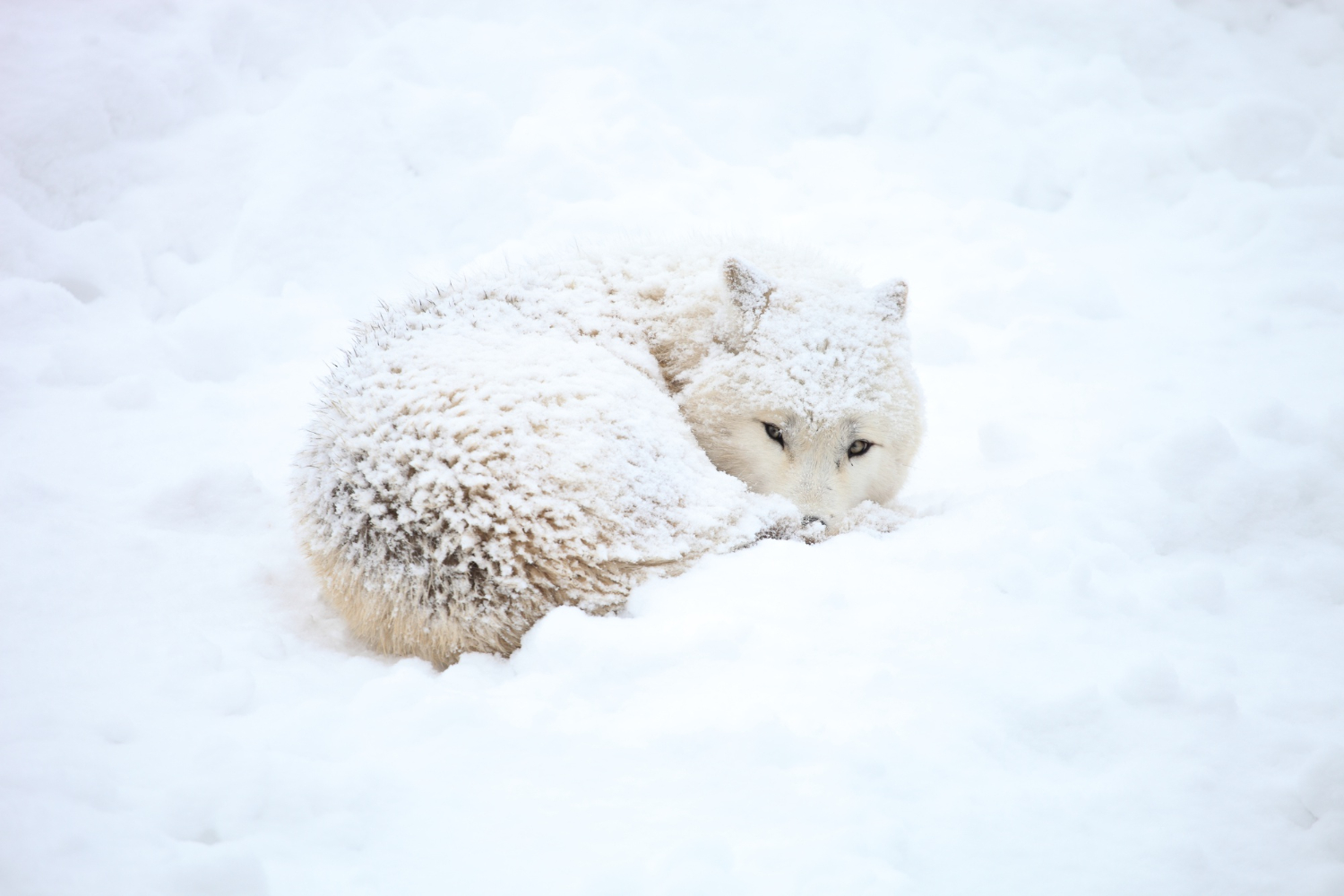
The governing constraint is that heat is gained by volume and lost through surface, so the ratio between the two determines the entire problem. Almost everything below follows from that. Here are fifteen.
1. Small Bodies Lose Heat Faster
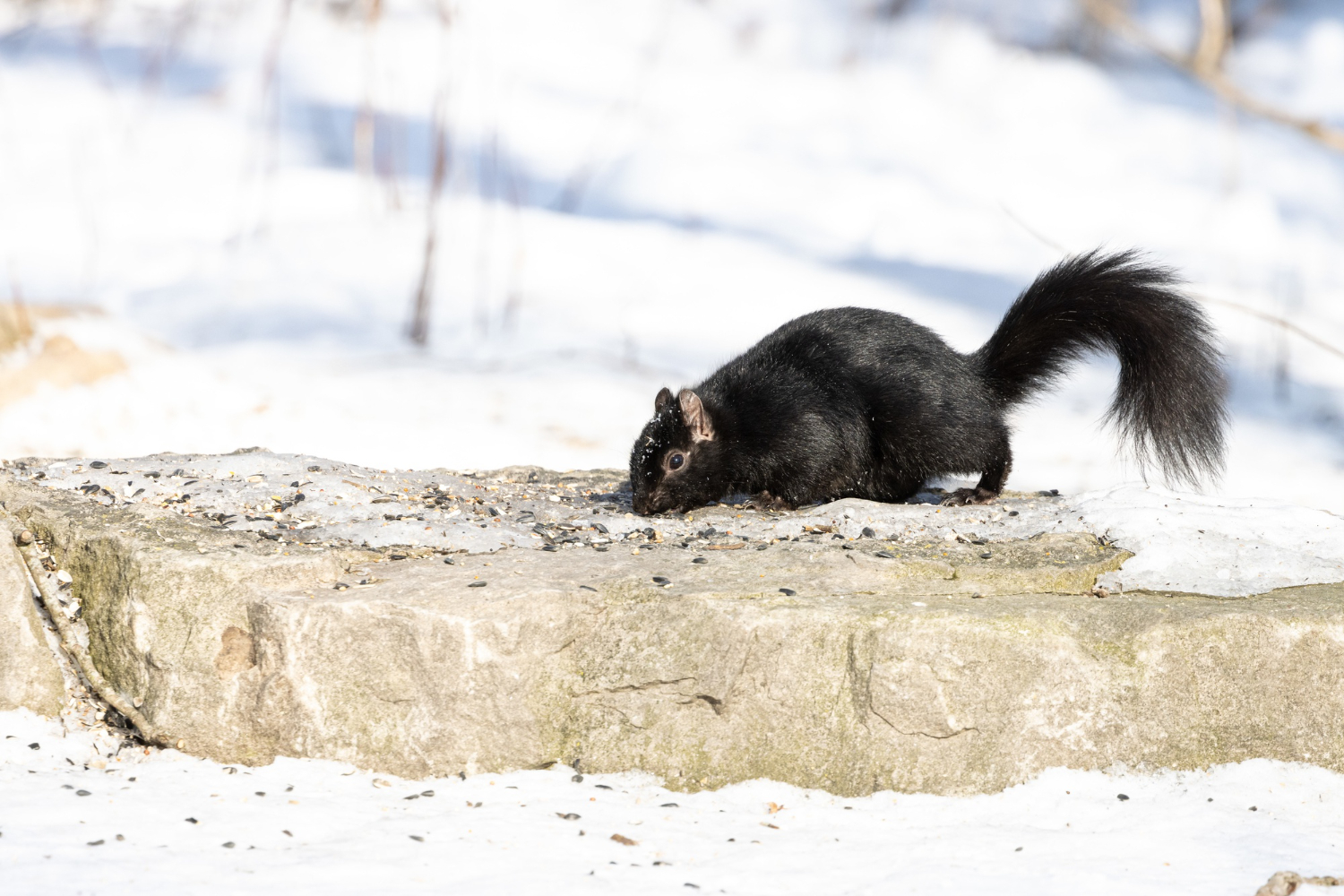
Heat is produced throughout a body and lost across its surface, and as an animal gets smaller its surface area grows large relative to its volume.
A small animal in the cold is fighting a losing arithmetic. The surface-to-volume ratio is the constraint that shapes everything else here.
Like our content? Follow us for more.
2. Which Is Why Cold-Climate Animals Are Rounder
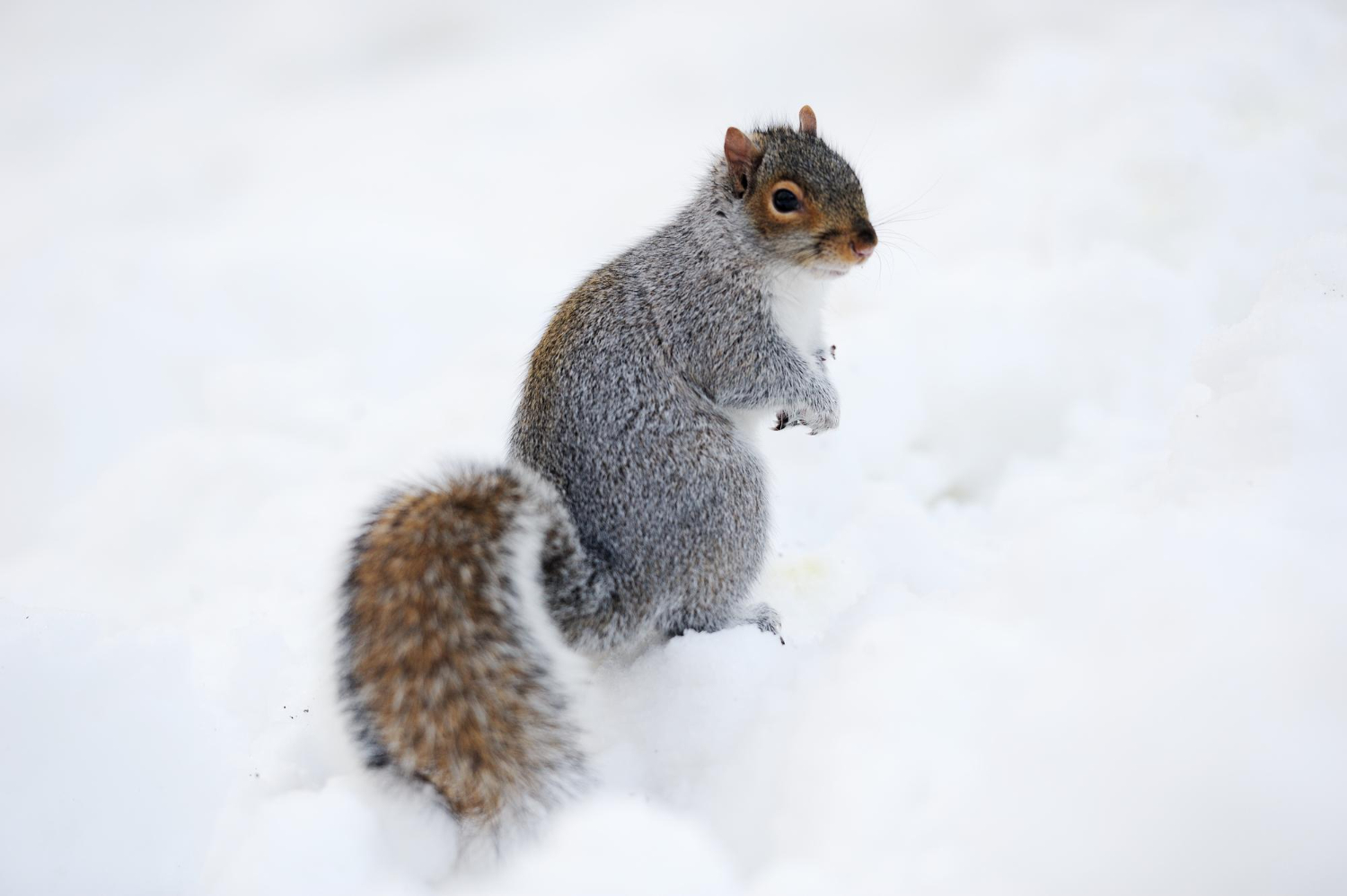
Compact bodies with short extremities minimise surface area for a given mass, and the same species tends toward stockier proportions in colder parts of its range.
It is a shape response to a geometry problem. Compact proportions are the cold-climate solution built into the body plan.
3. And Hot-Climate Animals Have Long Extremities
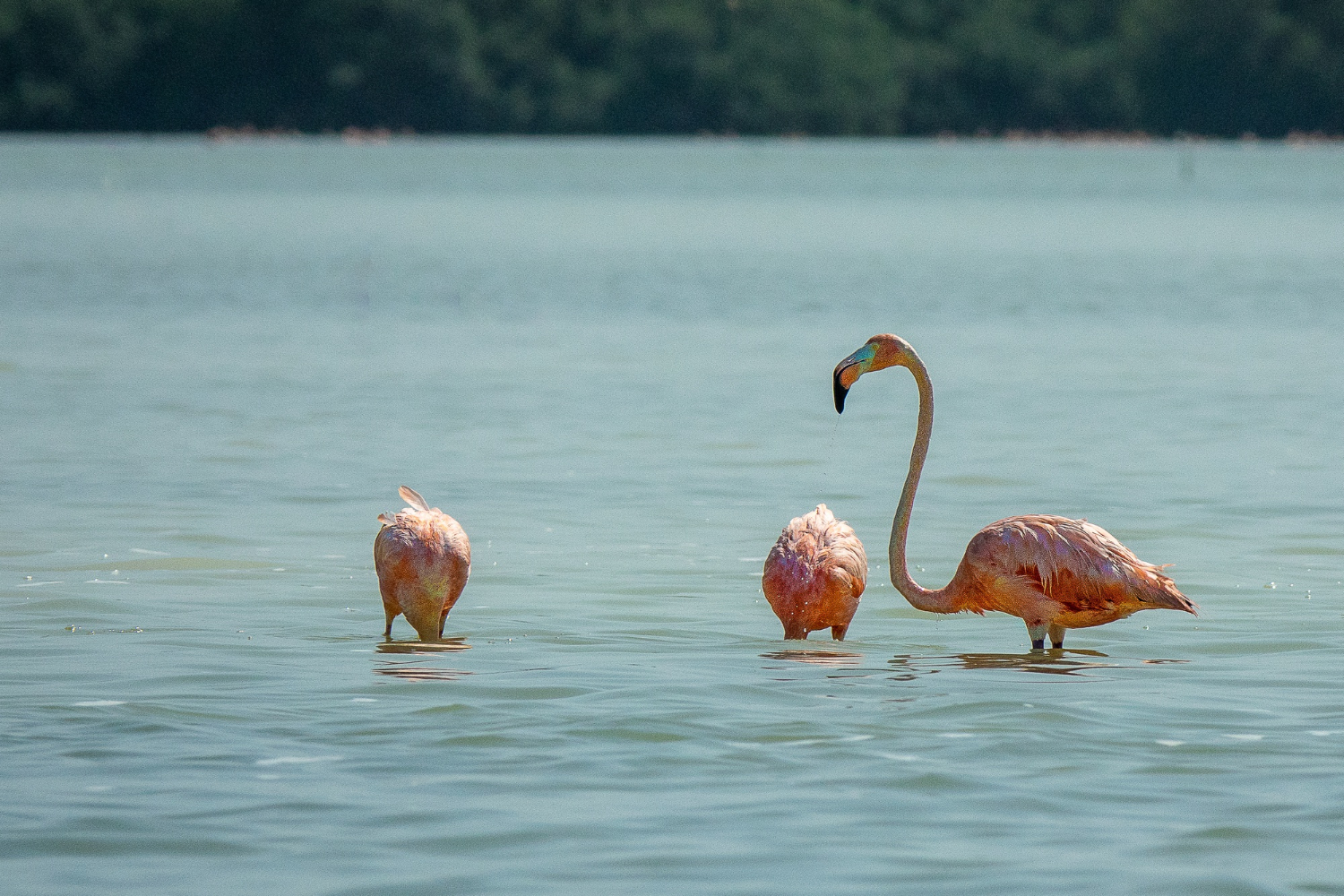
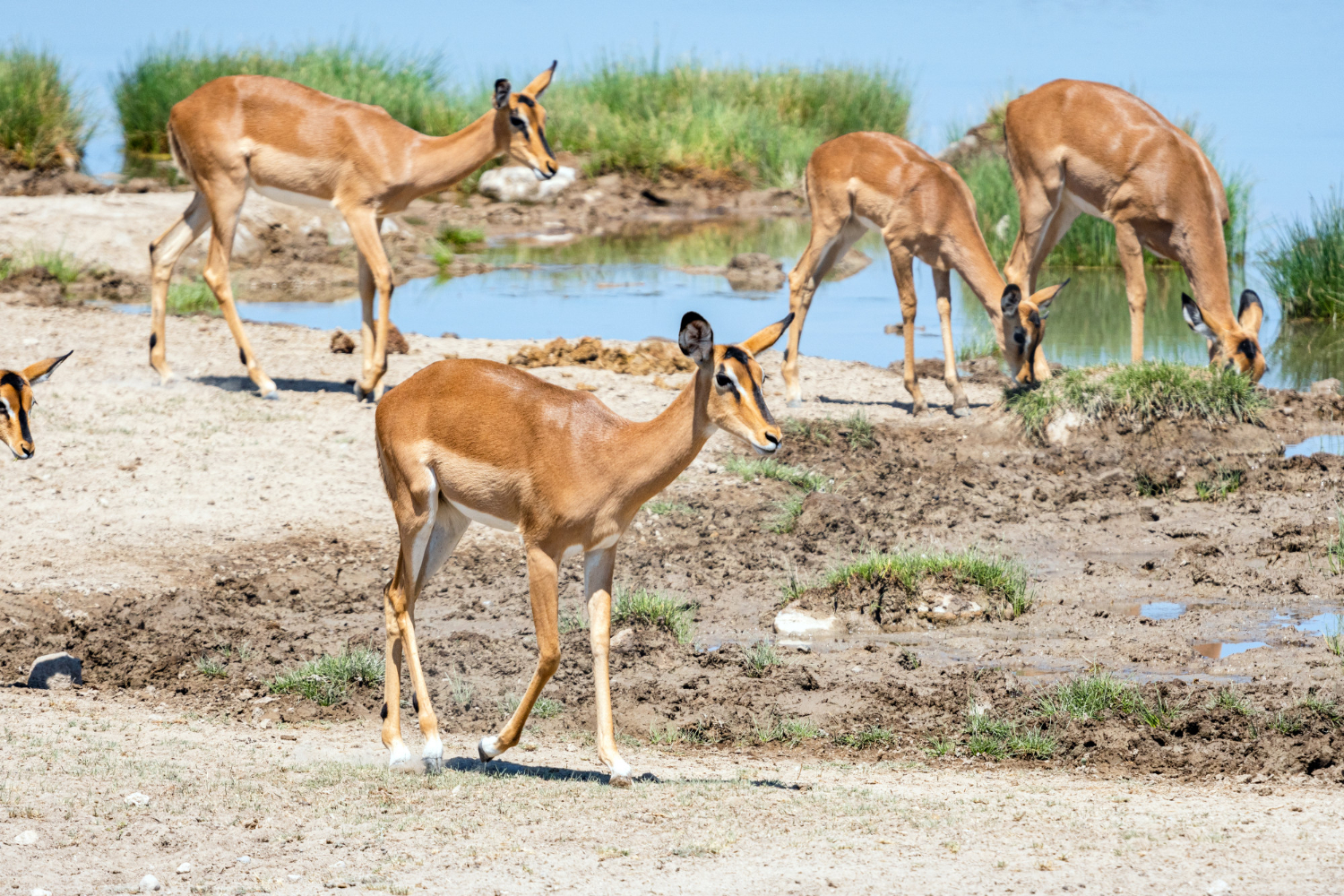
The reverse strategy maximises surface for shedding heat, which is why large ears, long limbs and slender bodies recur among animals in hot open country.
Ears in particular are heat exchangers with a large surface and thin tissue. Extended extremities are the hot-climate answer to the same equation.
4. Legs Can Be Cold Without the Body Being Cold
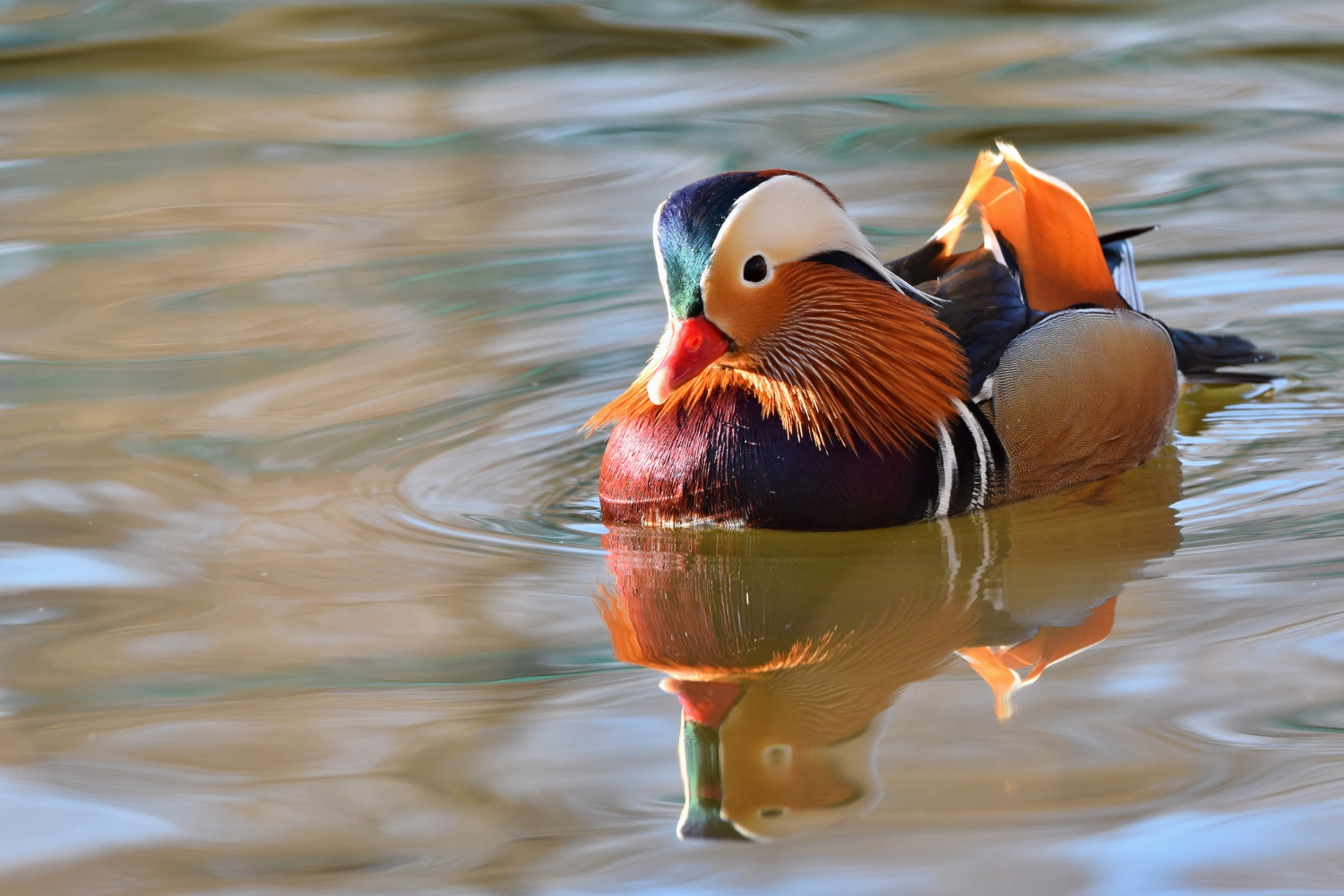
Arteries and veins running close together in a limb exchange heat between them, so warm blood going out is cooled by cold blood returning, and the extremity operates cold while the core stays warm.
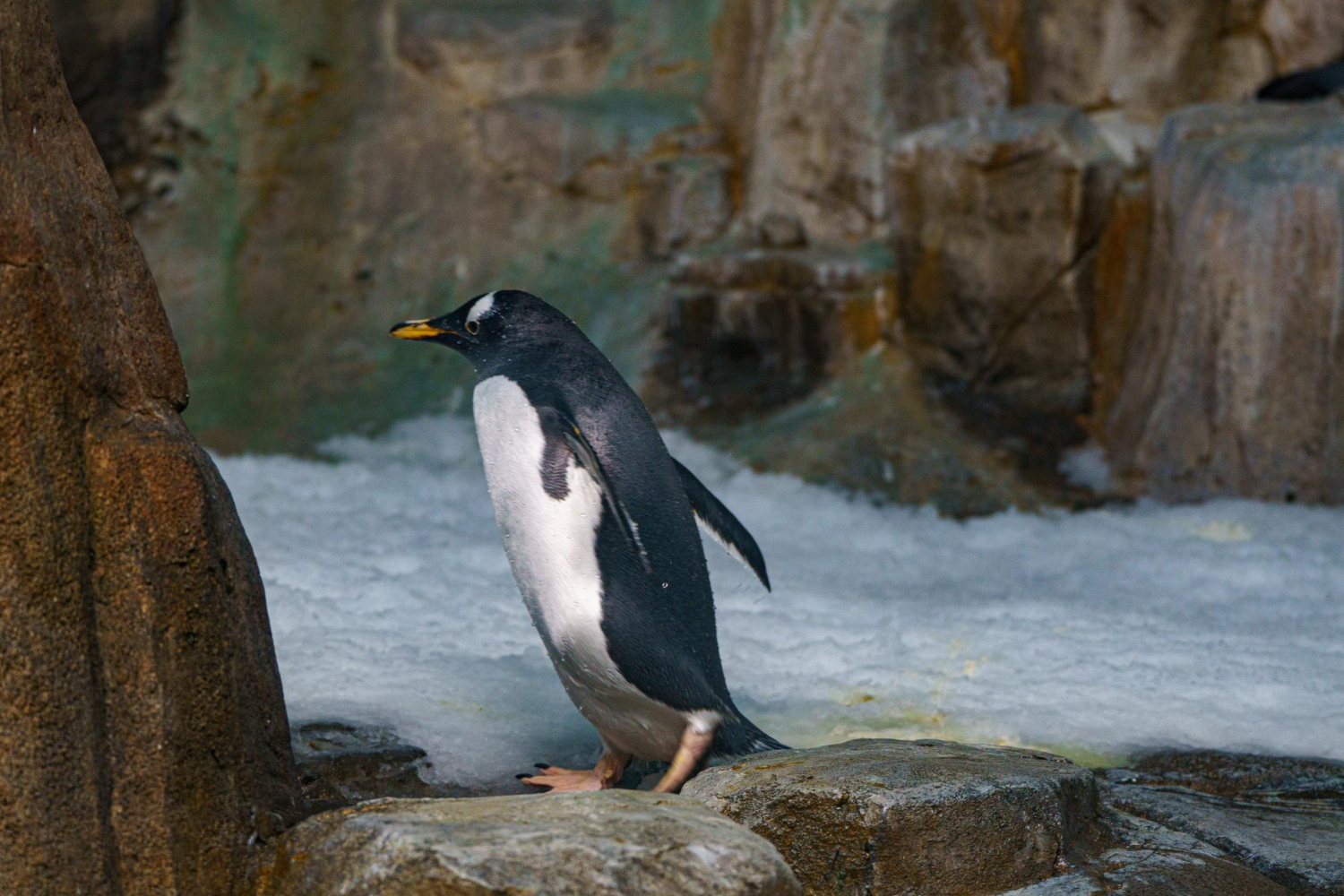
It allows a bird to stand on ice indefinitely. Countercurrent exchange is the mechanism that makes cold feet an advantage.
5. Insulation Is Trapped Air, Not Material
Fur and feathers work by holding a layer of still air against the skin, so loft matters more than the substance itself, and compressed or wet insulation stops working.
This is why animals fluff up in cold weather. Trapped air is the mechanism doing the insulating in almost every case.
6. Which Is Why Wet Animals Are in Trouble
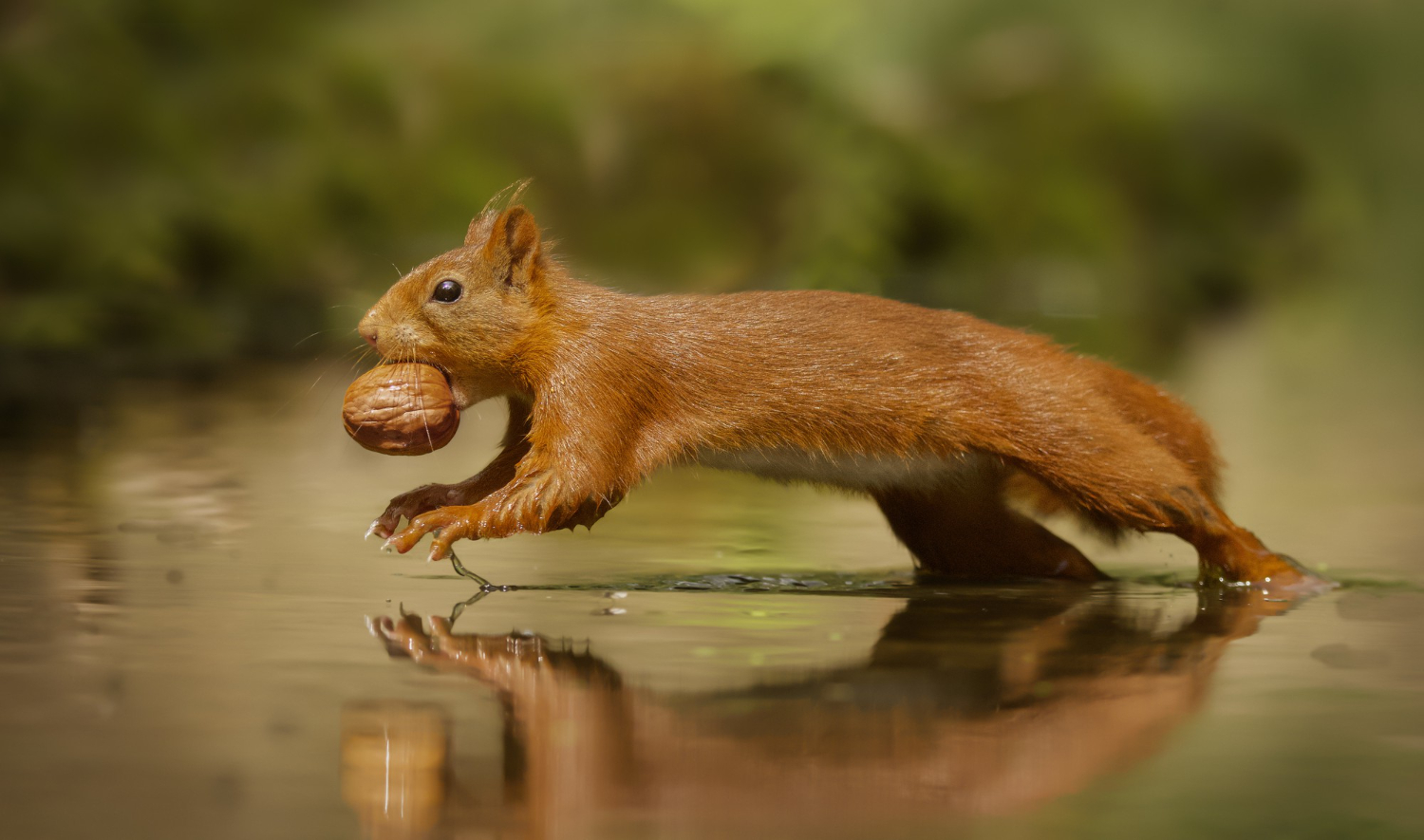
Water displaces the trapped air and conducts heat far faster than air does, so wet fur can lose more heat than no fur at all.
Waterproofing is therefore as important as insulation. Wetting failure is the vulnerability built into every air-trapping system.
7. Fat Works When Fur Does Not
Blubber insulates by being a poor conductor rather than by trapping air, so it continues working when wet, which is why marine mammals use it and land mammals mostly do not.
It also serves as an energy store. Fat insulation is the solution for animals that cannot keep dry.
8. Evaporation Costs Water
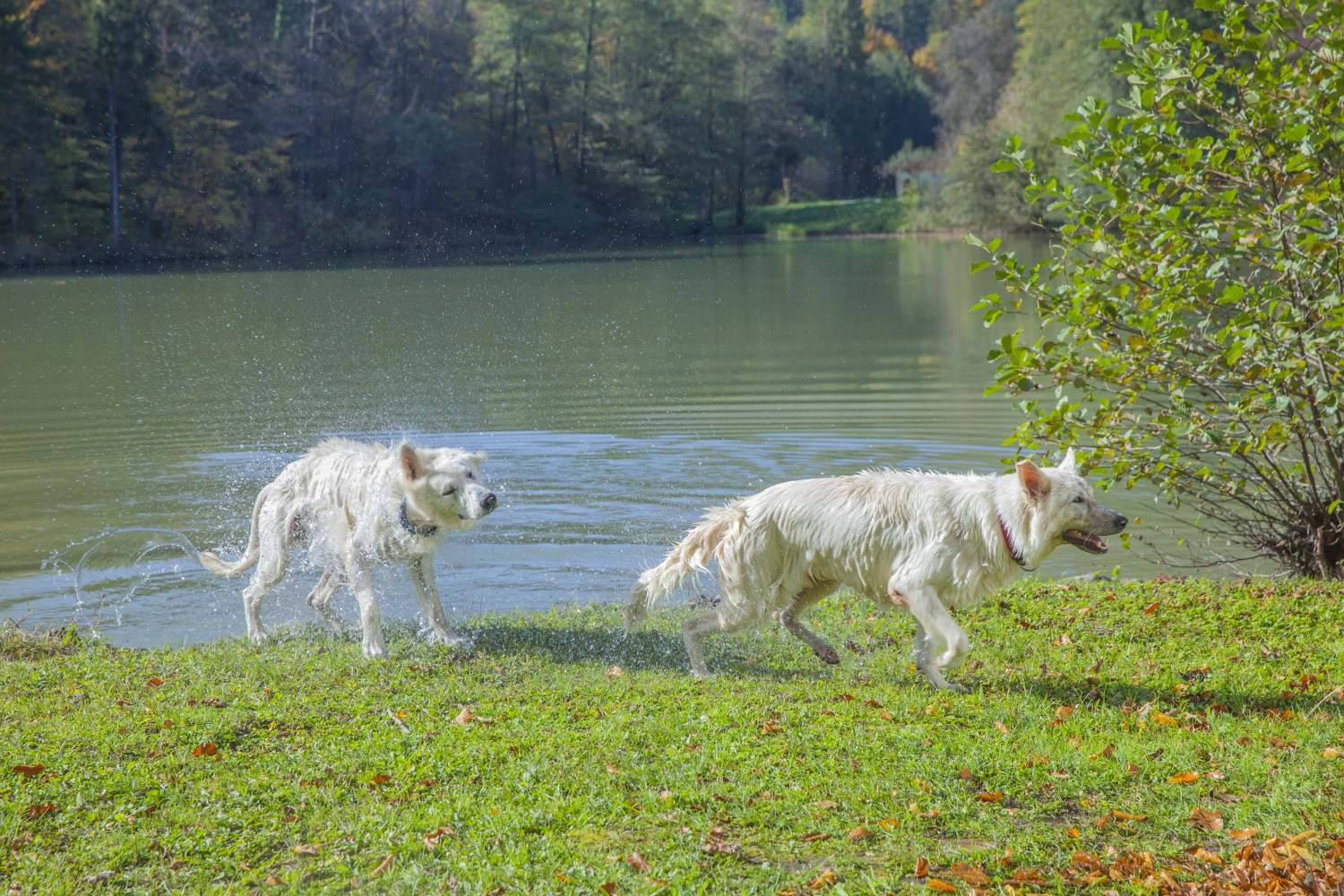
Panting and sweating shed heat efficiently by evaporating water, which works extremely well and requires a water supply the animal may not have.
In arid conditions it is a resource that runs out. Evaporative cooling is the powerful option with a hard limit attached.
9. Behaviour Comes Before Physiology
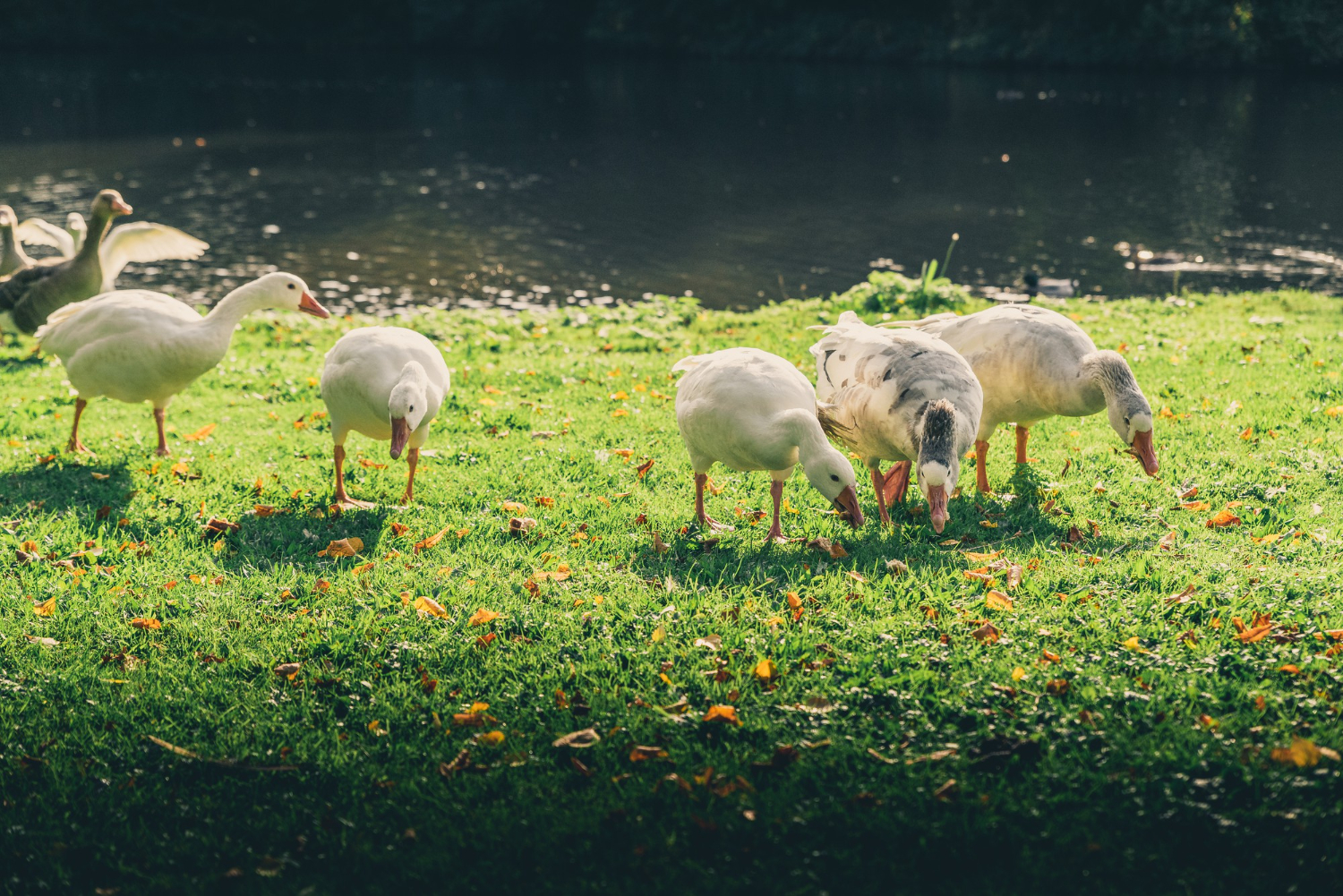
Moving into shade, going underground, changing posture, orienting to the sun and shifting activity to cooler hours are all used before any internal mechanism is engaged.
They cost nothing and work immediately. Behavioural regulation is the first line and by far the cheapest.
10. Some Animals Let Their Temperature Drift
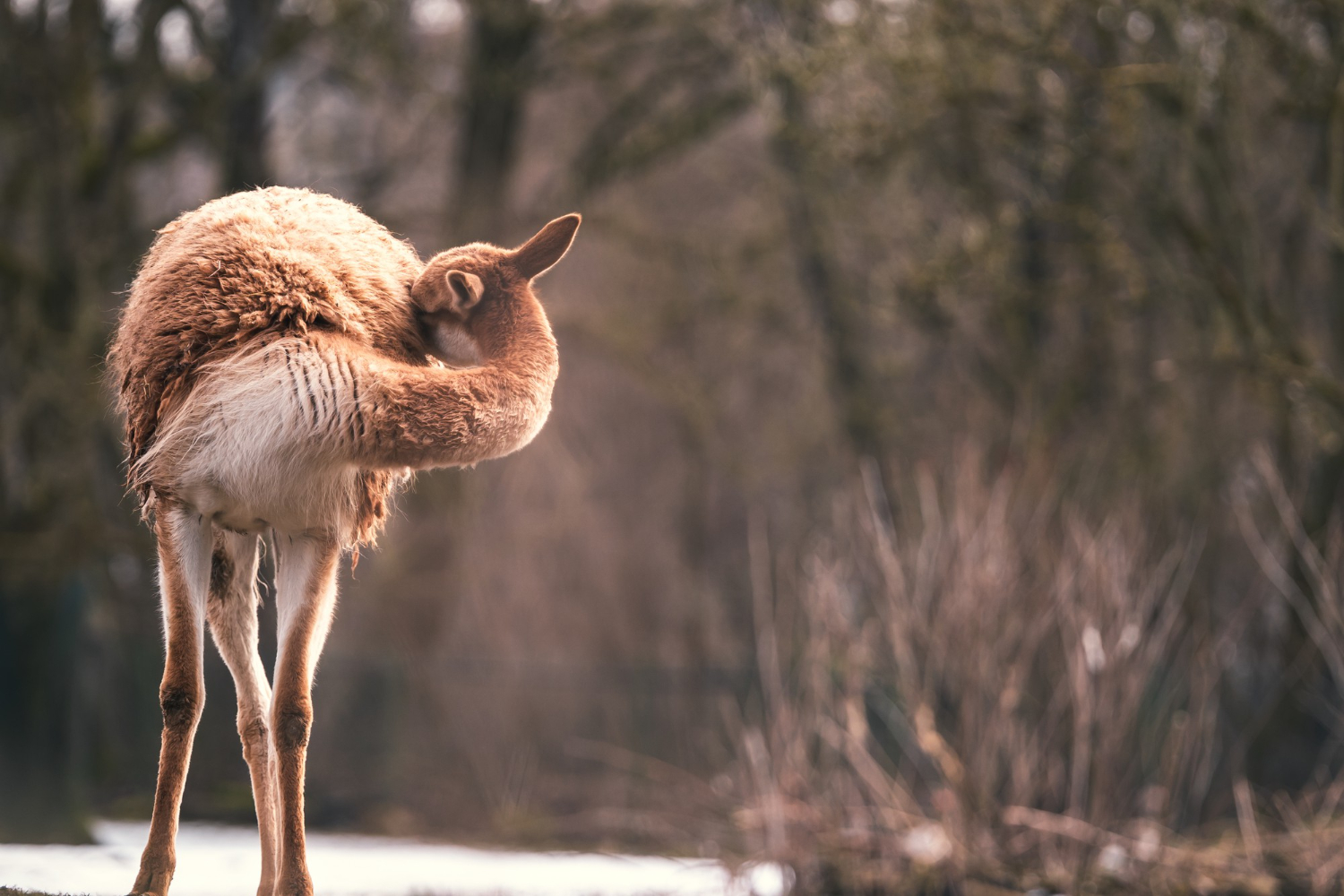
Rather than defending a fixed body temperature, some species allow it to rise during the day and fall at night, storing heat and shedding it later.
That saves the water that cooling would have cost. Temperature drift is the strategy of not solving the problem in real time.
11. Reducing Demand Beats Increasing Supply
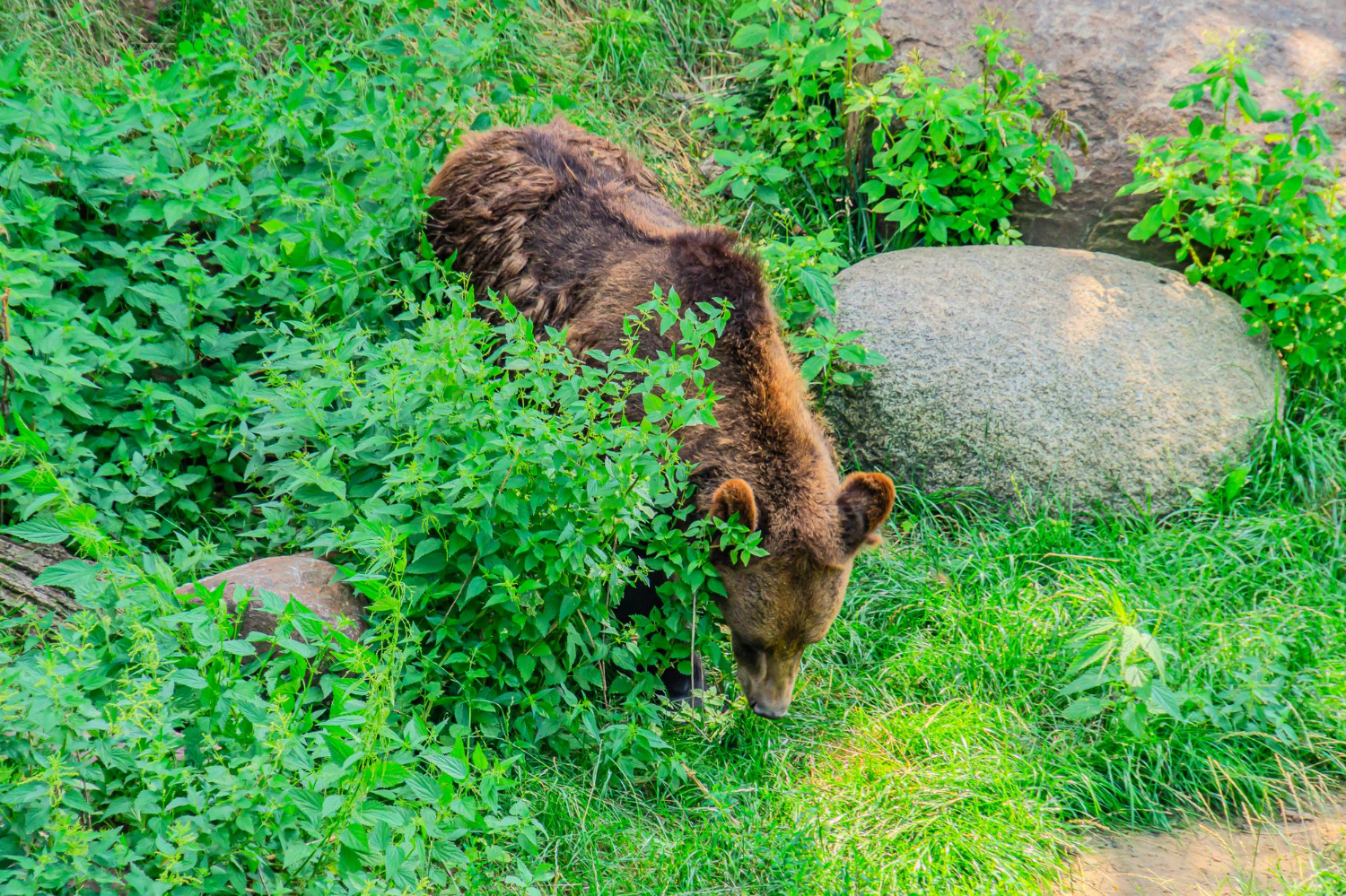
Torpor and hibernation lower the body temperature and metabolic rate substantially, so the animal needs far less heat rather than producing more.
It is a retreat rather than a defence. Demand reduction is the strategy for conditions that cannot be met head-on.
12. Huddling Changes the Geometry
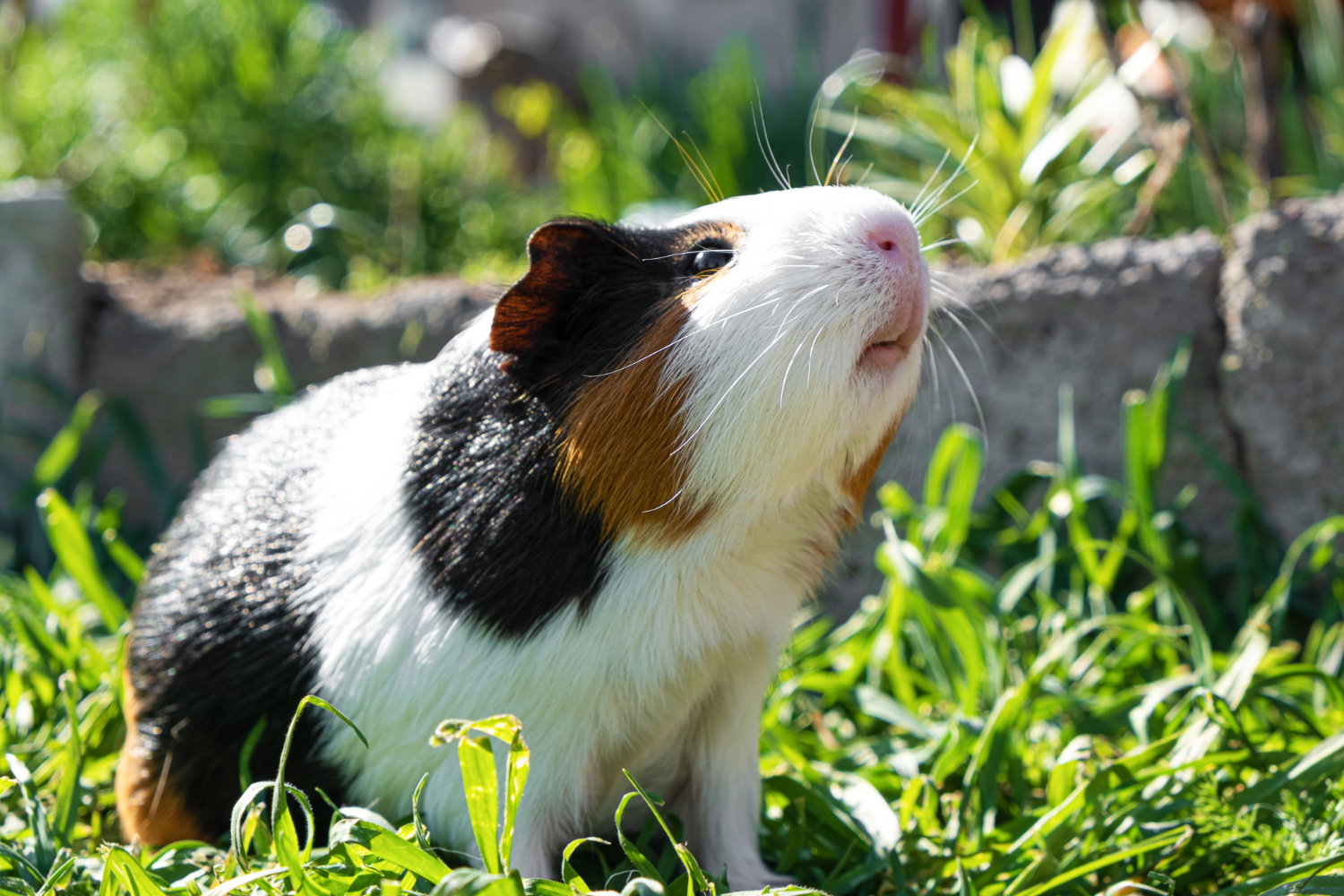
A group of animals pressed together behaves thermally as a single larger body, with a smaller combined surface than the sum of the individuals.
Rotating positions shares the exposed edge. Huddling is the collective solution to an individual geometry problem.
13. Burrows Borrow the Ground
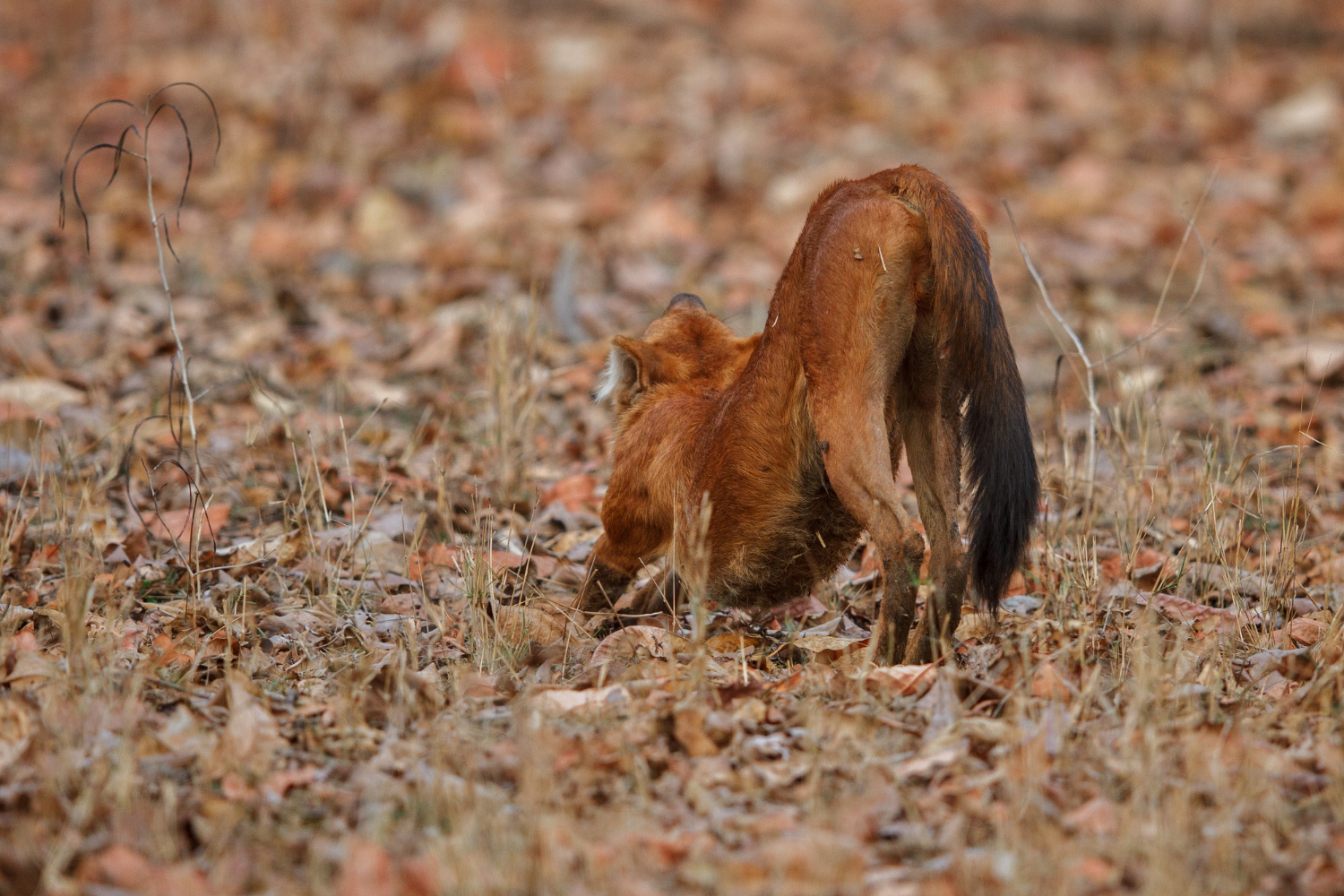
A short distance underground, temperature is remarkably stable regardless of what the surface is doing, so digging is a way of accessing a different climate.
The ground has done the insulating already. Burrowing is the strategy of leaving the problem rather than solving it.
14. Colour Affects Radiation
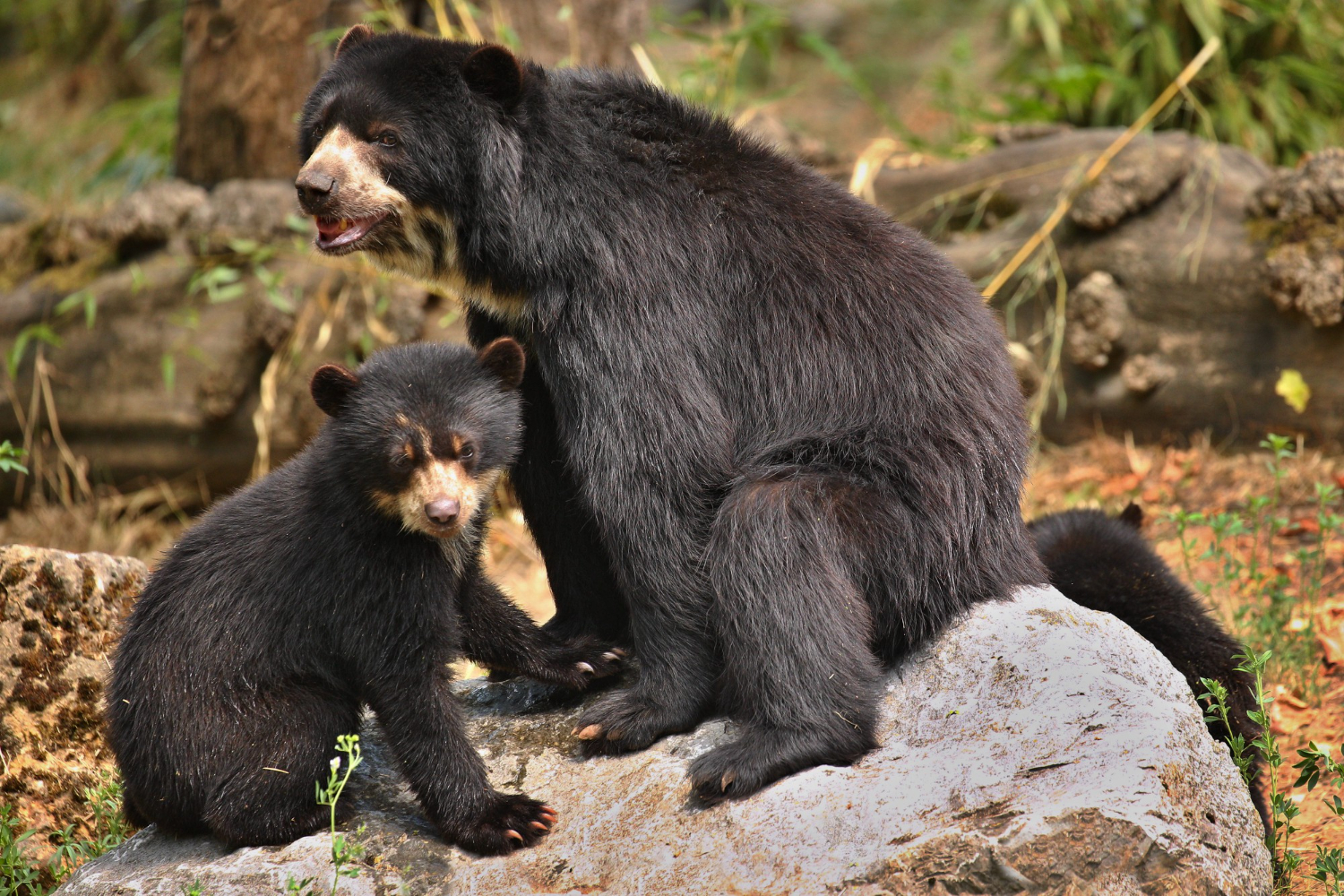
Darker surfaces absorb more radiant heat and also emit more, so colour has thermal consequences alongside every other function it serves.
The interaction with fur depth complicates it substantially. Coat colour is the variable doing thermal work as a side effect.
15. The Whole Thing Is a Budget
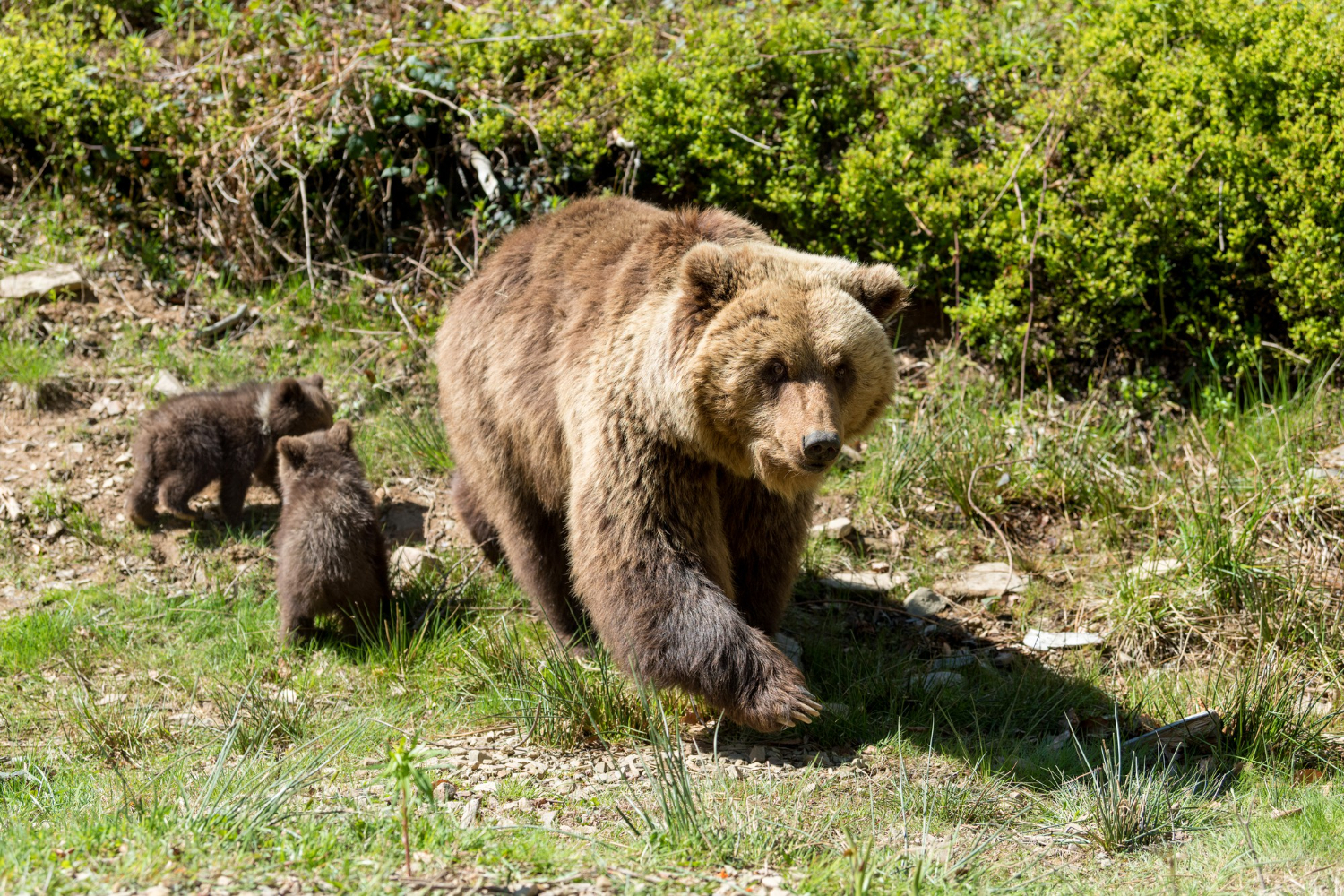
Every mechanism here is either reducing loss, increasing gain, increasing loss or reducing demand, and an animal survives by keeping the four in balance across a day and a season.
Failure at either end is equally serious. The heat budget is the framework that all fifteen items are entries in.
Gained by Volume, Lost by Surface
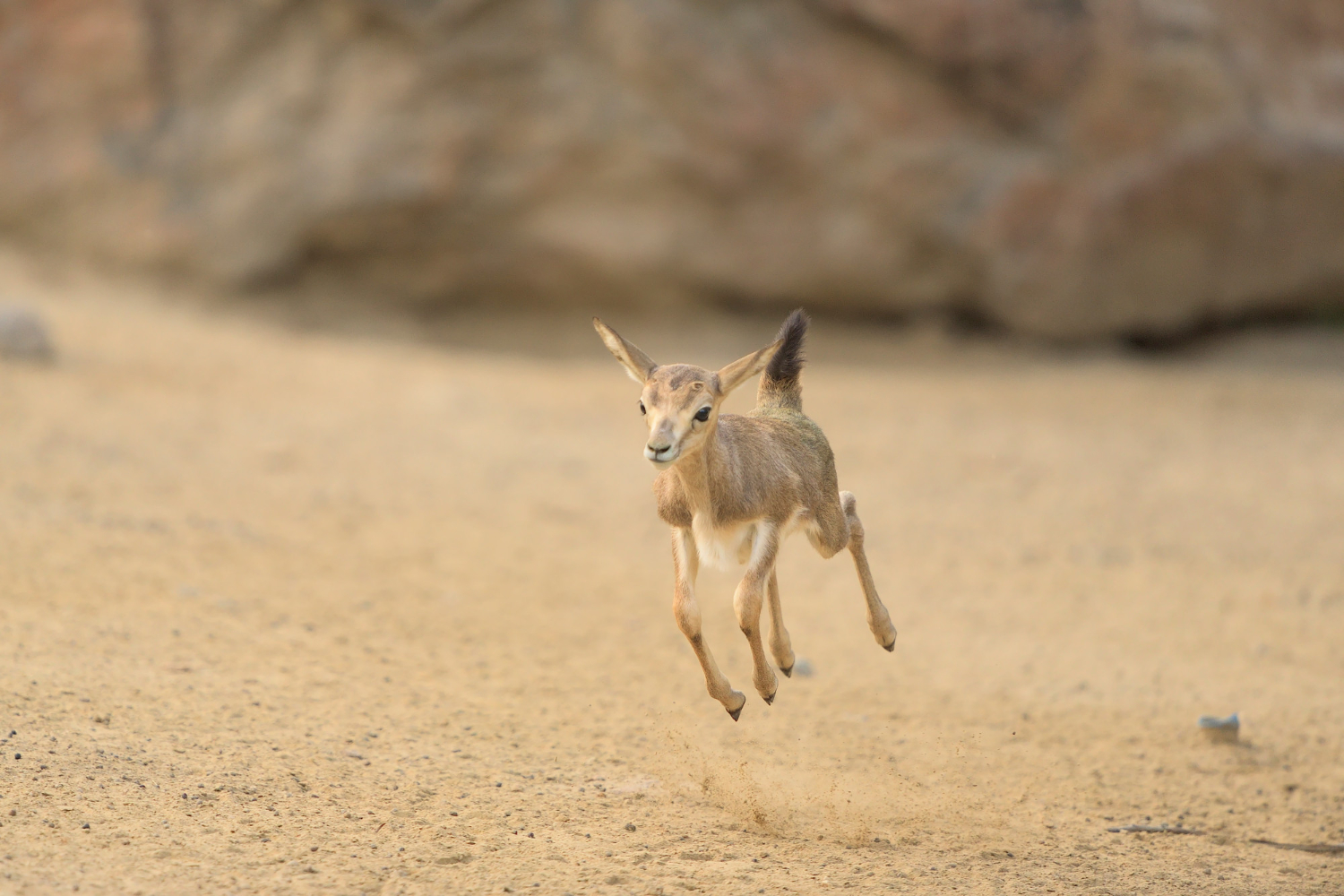
Every solution here addresses the same arithmetic – heat produced throughout a body and lost across its boundary – by changing shape, insulating the boundary, moving somewhere else, or lowering the requirement.
The item worth carrying away is the fourth one. An animal standing on ice with cold feet is not enduring anything; it has arranged its circulation so the feet are supposed to be cold, and warming them would cost heat it needs elsewhere. What looks like hardship is frequently the mechanism working exactly as intended.
Like our content? Follow us for more.
