

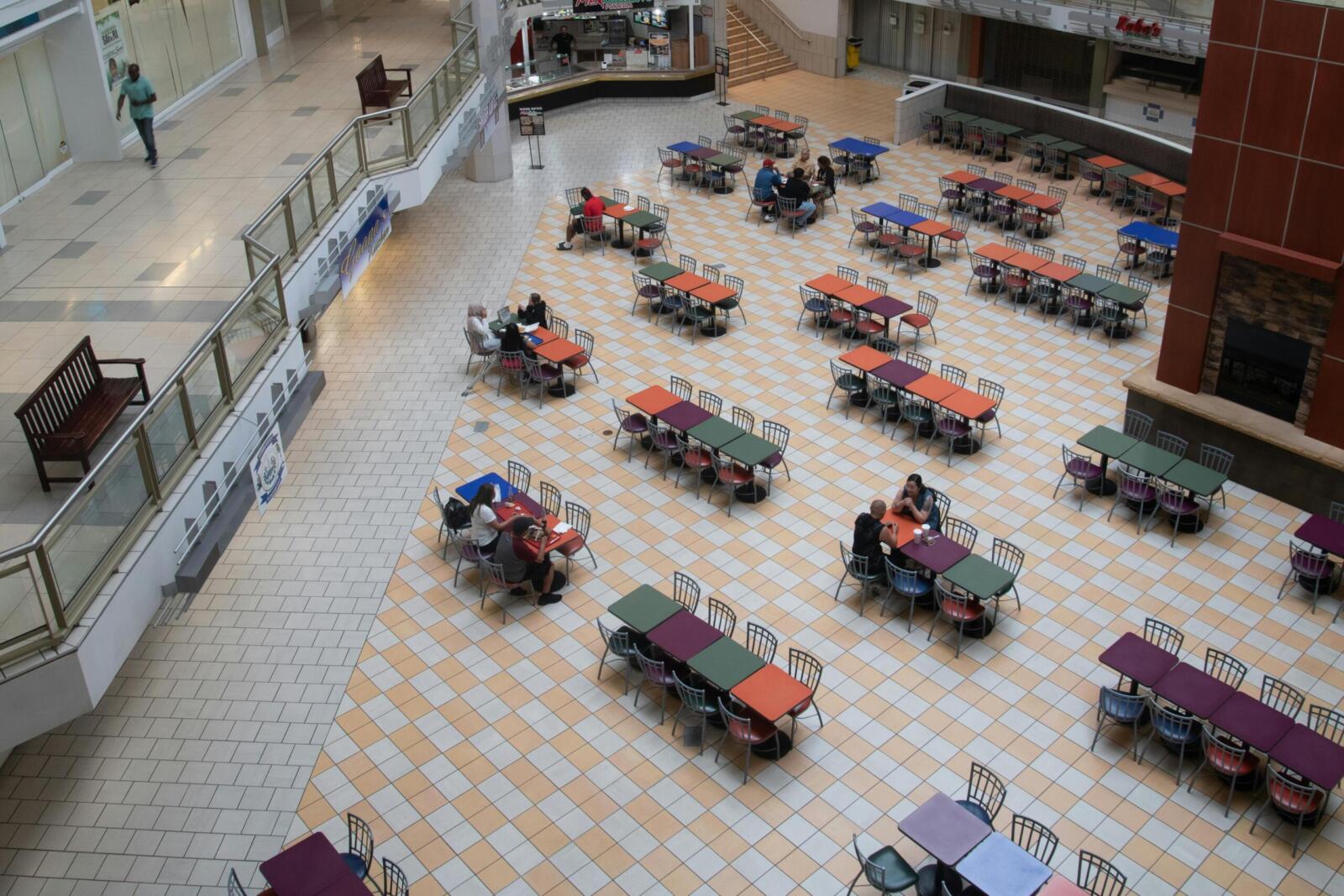
The traditional American shopping center is undergoing a radical transformation, but the shift from retail hub to industrial complex carries unintended consequences for local communities. While “dead malls” were once seen as a temporary symptom of the e-commerce boom, their 2026 rebirth reveals a landscape increasingly dominated by logistics and restricted access rather than public gathering.
The Massive Dimensions of America’s Retail Decay
Beyond the hollowed-out food courts and darkened anchor stores lies a structural crisis far more significant than a few bankrupt brands. Current 2026 industry data indicates that the United States is down to approximately 700 operational malls, a staggering drop from the peak of over 1,500. Projections suggest that another 25% of these remaining centers will shutter within the next five years, with some analysts predicting as few as 200 survivors by the mid-2030s. What started as a niche internet trend of “ruin porn” has solidified into a national infrastructure emergency.
From Consumer Paradises to Landlord Liabilities
The current collapse is particularly jarring when considering the historical overexpansion of the American retail footprint. By 2010, the U.S. boasted nearly 108,000 shopping centers, providing roughly 23 square feet of retail space per person, a figure significantly higher than that of European nations. Developers continued to build well beyond rational demand, creating a fragile environment that disintegrated once digital shopping habits and shifting consumer preferences took hold.
Why Failing Malls are Being Repurposed Instead of Demolished
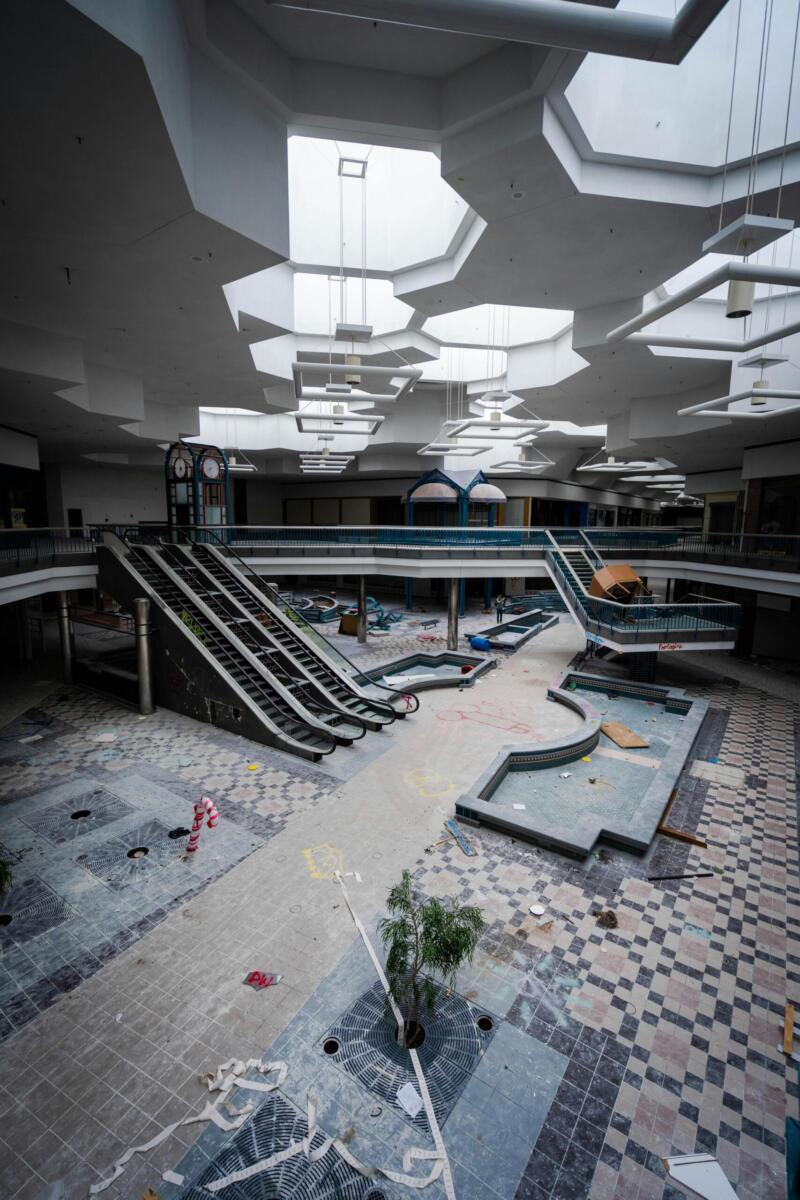
Despite the decline of traditional retail, these massive structures are not always left to crumble; many are being integrated into the “mixed-use” movement. New development patterns show that failing centers are frequently converted into hubs that blend luxury apartments, office spaces, and specialized entertainment. A smaller but growing percentage of these properties are being absorbed by healthcare providers, educational institutions, or delivery networks, fundamentally changing the zoning of suburban America.
The E-Commerce Irony: Malls Becoming Warehouses
In an unsettling twist of fate, many former shopping destinations now serve the very online networks that accelerated their demise. Data on vacant mall outcomes shows a rising trend in converting retail floor space into massive fulfillment centers. This shift transforms a space once meant for social browsing into the high-efficiency “back end” of the same-day shipping cycle. A prominent example is the former Rolling Acres Mall in Ohio, which was cleared to make way for a massive Amazon distribution hub, replacing storefronts with loading docks.
The Rise of “Mini-Cities” and Suburban Residential Hubs
A significant trend in 2026 involves integrating high-density housing directly into old mall footprints to create self-contained neighborhoods. Research indicates that nearly 50% of repurposed mall projects now feature a residential component. In major metros like Los Angeles, projects such as the Promenade 2035 transition are replacing traditional shopping formats with “mini-city” clusters featuring over 1,400 residential units, hotels, and professional arenas.
The Institutional Transition to Clinics and Classrooms
While less visible than high-end apartments, the healthcare and education sectors are quietly claiming large portions of the dead mall market. The logic is purely economic: malls offer existing plumbing, vast parking lots, and central geographic locations that are far cheaper to renovate than building new facilities from scratch. This has led to a surge in community college satellite campuses and specialized medical clinics taking over former department store wings.
The Financial Fallout: Erosion of the Local Tax Base
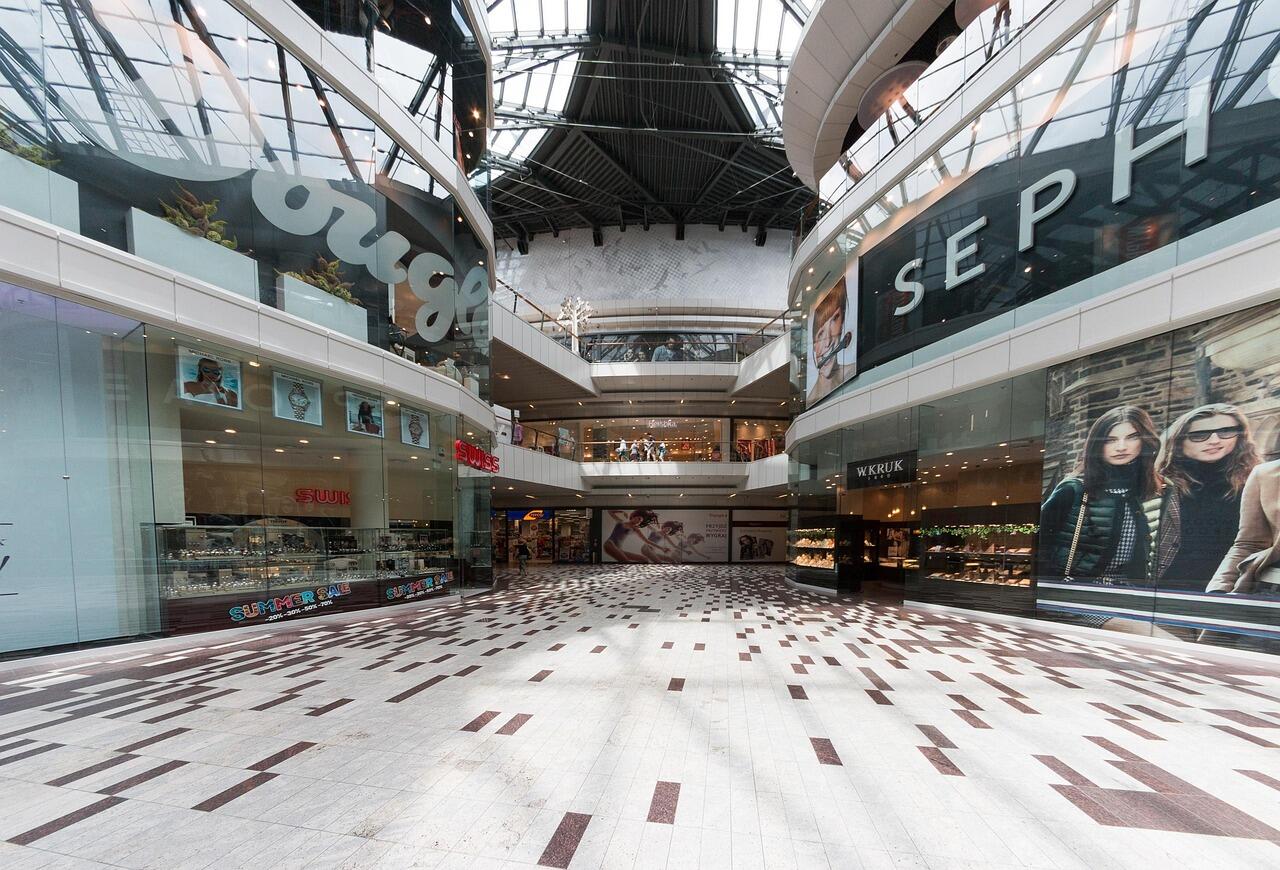
The death of a mall creates a fiscal vacuum that repurposing rarely fills completely. When these properties fail, they typically sell for a fraction of their original value, leading to a massive loss in property tax revenue for local municipalities. This loss directly impacts the funding available for public schools and road maintenance. During the years a mall sits dormant, a period that can last nearly a decade, surrounding small businesses often wither due to the loss of foot traffic and perceived regional decline.
The Loss of Public Space and the Rise of Surveillance
For generations, the mall served as a “third space” where people could congregate for free, but the 2026 redevelopments are often more exclusive. Modern mixed-use projects tend to prioritize high-income residents and ticketed events, subtly eliminating the areas where one can simply exist without making a purchase. Furthermore, as malls transition into corporate offices or medical labs, open corridors are replaced by badge-access doors and heightened security, turning once-public squares into private, monitored zones.
The Environmental Debt of Overbuilt Infrastructure
Dead malls represent a significant environmental “hangover” from decades of unchecked construction. Between 1960 and 1985, thousands of acres of natural land were paved over for parking lots and “big box” structures with little regard for long-term land use. As these sites decay, they often become expensive “brownfield” properties, large, partially contaminated plots that require millions of dollars in remediation before they can be safely reused or returned to nature.
Why the Mall “Comeback” is Deeply Concerning
The true concern regarding the rebirth of malls is not their disappearance, but their transition into spaces that are less social and more transactional. The new landscape favors high-end consumers and logistics efficiency over everyday human connection. While redevelopments are touted as “revivals,” vacancy rates in traditional mall segments remain higher than the rest of the retail industry. The result is a hollowing out of community gathering points, replaced by a landscape designed for financial extraction and logistics rather than shared local life.
