

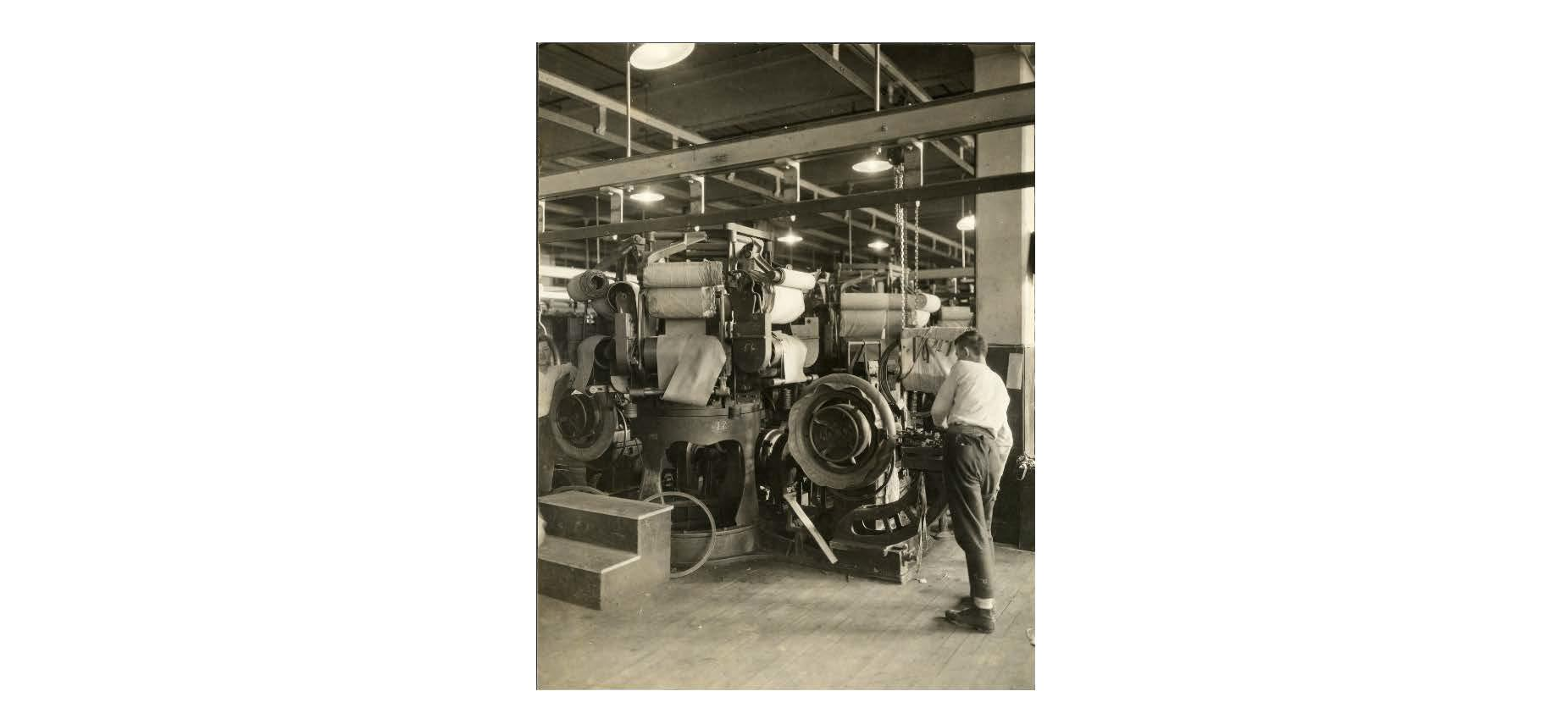
In 1960 a tyre factory was black – the carbon black that makes rubber strong was handled loose, and it covered the floors, the machines and everybody in the building.
The tyres were built up by hand on rotating drums by men judging alignment by eye on piecework. The curing presses were loaded and unloaded by hand all shift. The tread patterns were drawn from experience and tested by driving on them. And the finished tyres were inspected by somebody looking at them and tapping them.
Here are fifteen things that were ordinary in a tyre factory in 1960, and what became of each one.
1. The Whole Factory Was Black and So Was Everybody In It
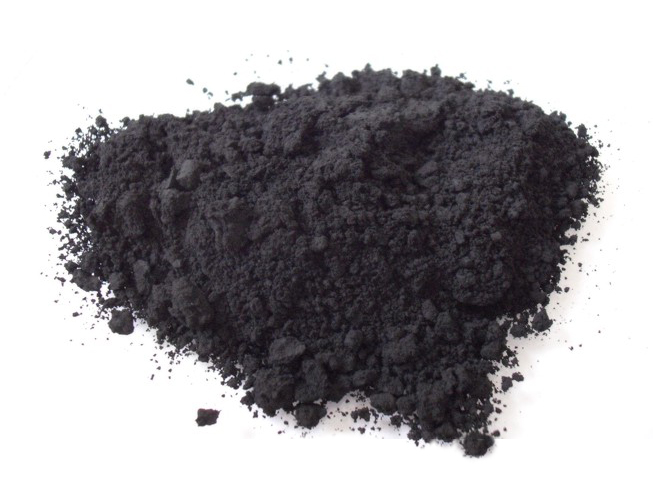
Carbon black – the fine powder that makes rubber strong and makes tyres black – was handled in bulk, and it got everywhere. On the floor, in the air, on the machines, in the men’s clothes, hair and skin, every day.
Enclosed pneumatic handling, dust extraction, pelletised rather than powdered material and respiratory protection transformed it. The blackness was the defining feature of the trade – the men were identifiable in the street – and it is stated here as occupational history only. Anybody with that work history should raise it with their own doctor rather than with an article.
Like our content? Follow us for more.
2. The Solvents Were Open and the Smell Reached the Town
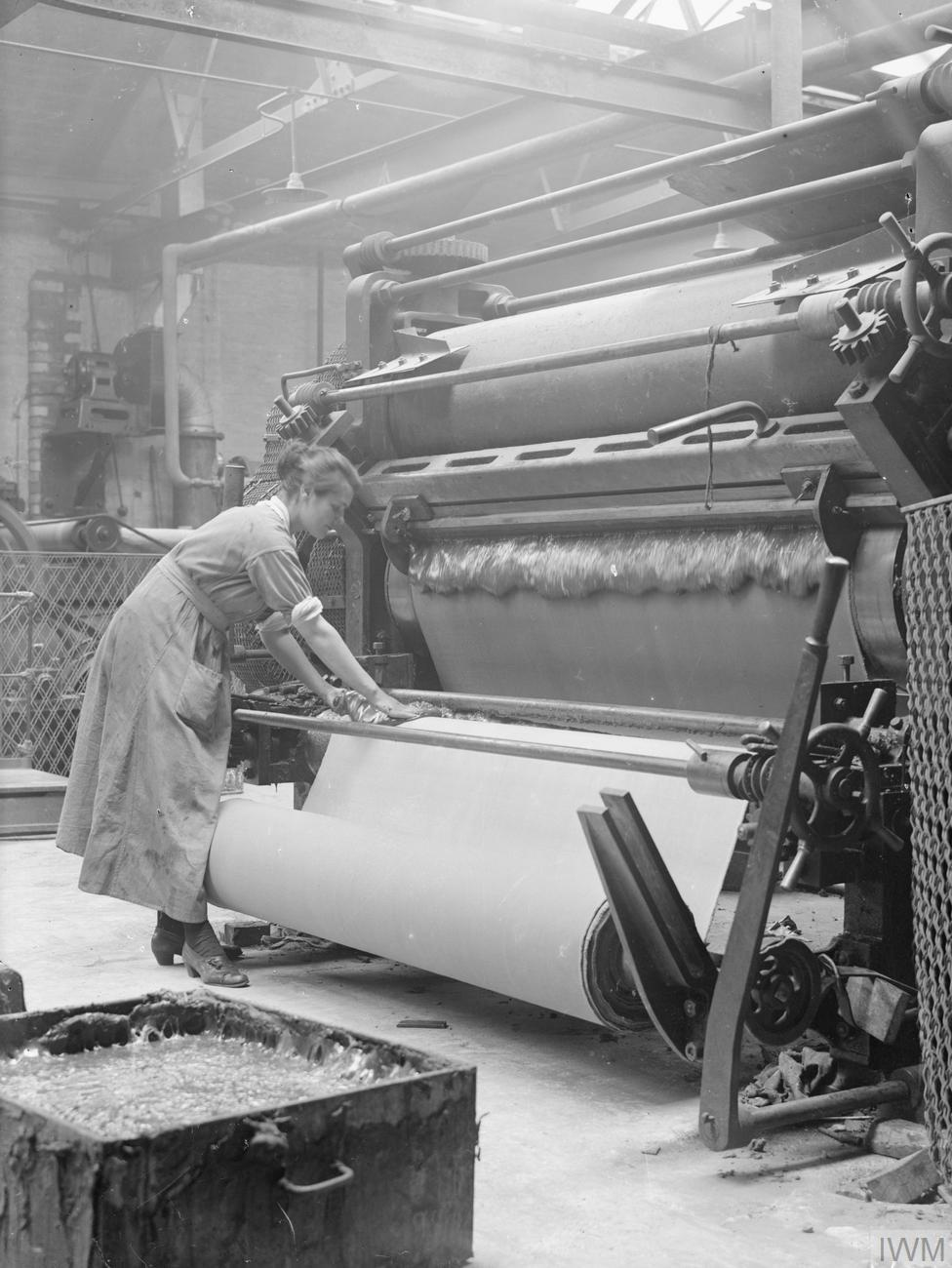
Rubber compounding, cement application and cleaning used volatile solvents in open containers throughout the building, and the characteristic smell of a tyre works carried a considerable distance.
Enclosed systems, extraction, substitution of the worst solvents and emissions control changed both the working atmosphere and the neighbourhood. Included as occupational history; anybody with that work history should discuss it with their own doctor.
3. The Tyres Were Built Up by Hand on a Rotating Drum
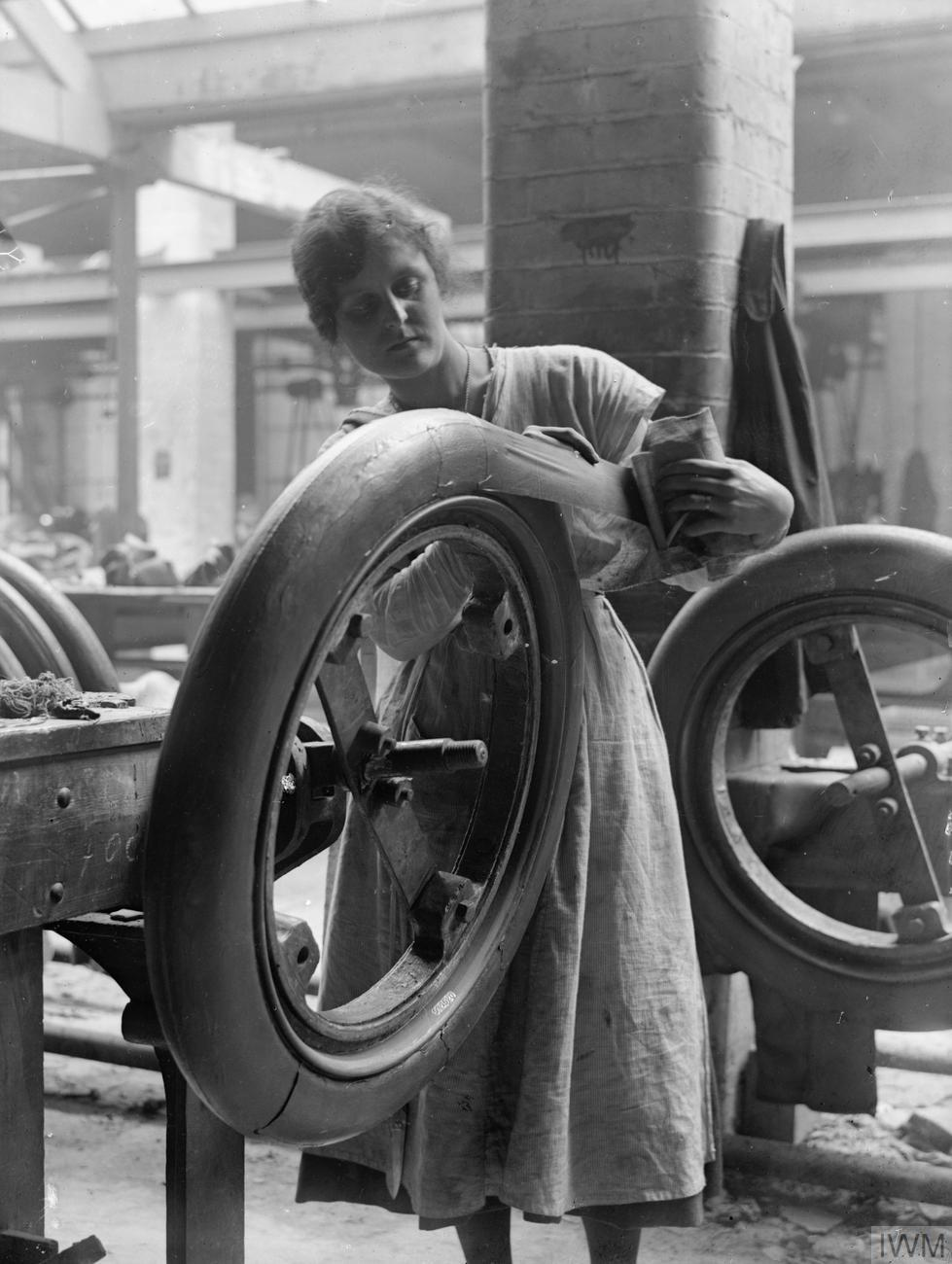
A tyre builder assembled the components – plies, beads, belts, sidewalls and tread – by hand onto a collapsible drum, stitching each layer down and judging alignment by eye at speed.
Automated building machines place components to measured tolerances with optical verification. Hand building was a highly paid skilled job on piecework, and a tyre’s uniformity – whether it runs true or produces vibration – depends directly on how evenly those layers went on, which is why the job commanded what it did.
4. Curing Presses Were Hot, Heavy and Operated by Hand
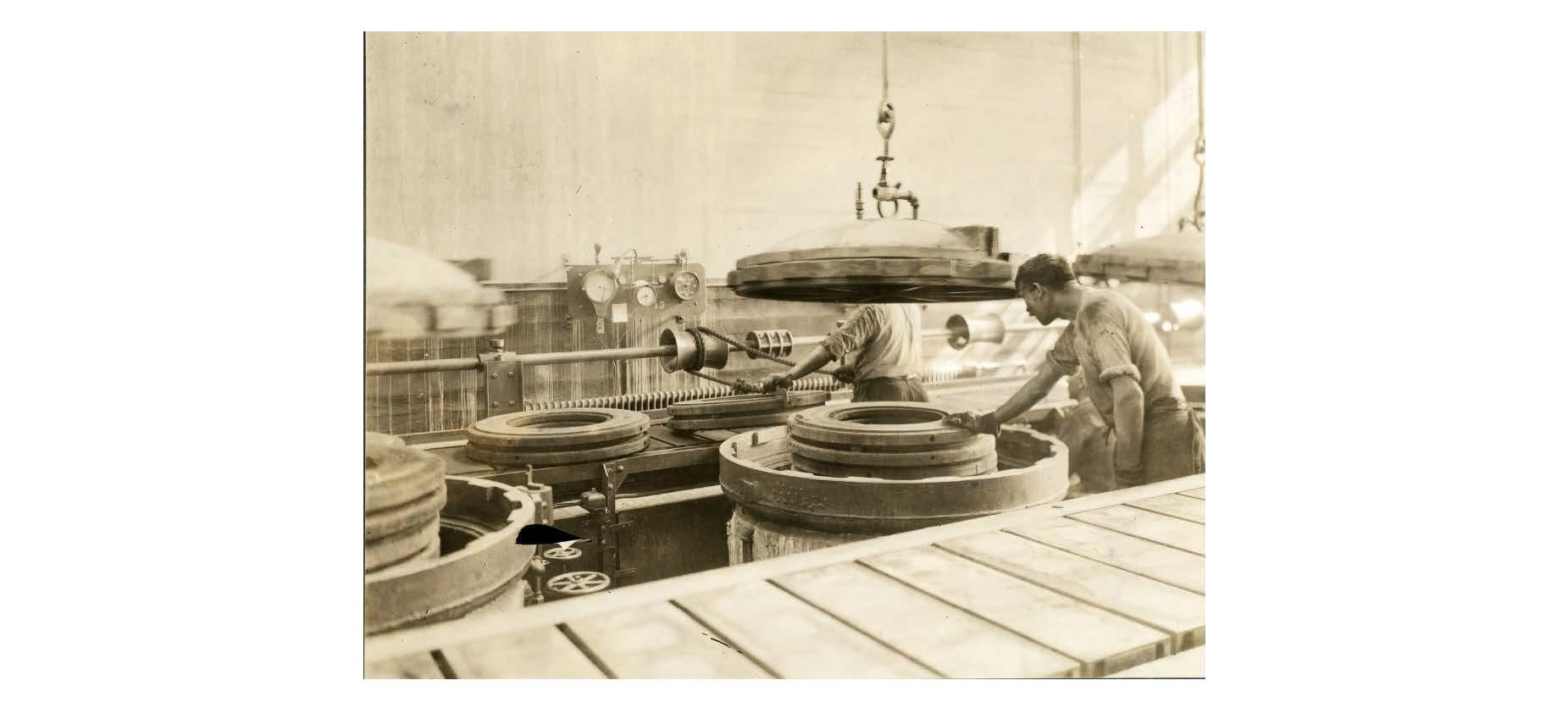
The assembled tyre went into a press where it was shaped and vulcanised under heat and pressure, with the operator loading and unloading by hand next to equipment running at temperature all shift.
Automated loading, enclosed presses and mechanical handling removed the manual operation. Curing presses were the hottest and heaviest part of the building, and the combination of heat, weight and a repetitive cycle is the one most frequently mentioned by people who worked them.
5. Lead and Other Additives Went Into the Mix With Everything Else
Compounding involved a long list of chemicals – accelerators, activators, antioxidants, plasticisers and fillers – weighed and added by hand, with characterisation of several of them considerably behind their use.
Enclosed weighing and dosing, substitution of substances later restricted, exposure monitoring and full material documentation now govern the mixing room. Stated as occupational history only, with no substance named; anybody with that work history should discuss it with their own doctor.
6. Nobody Was Measuring What Left the Site
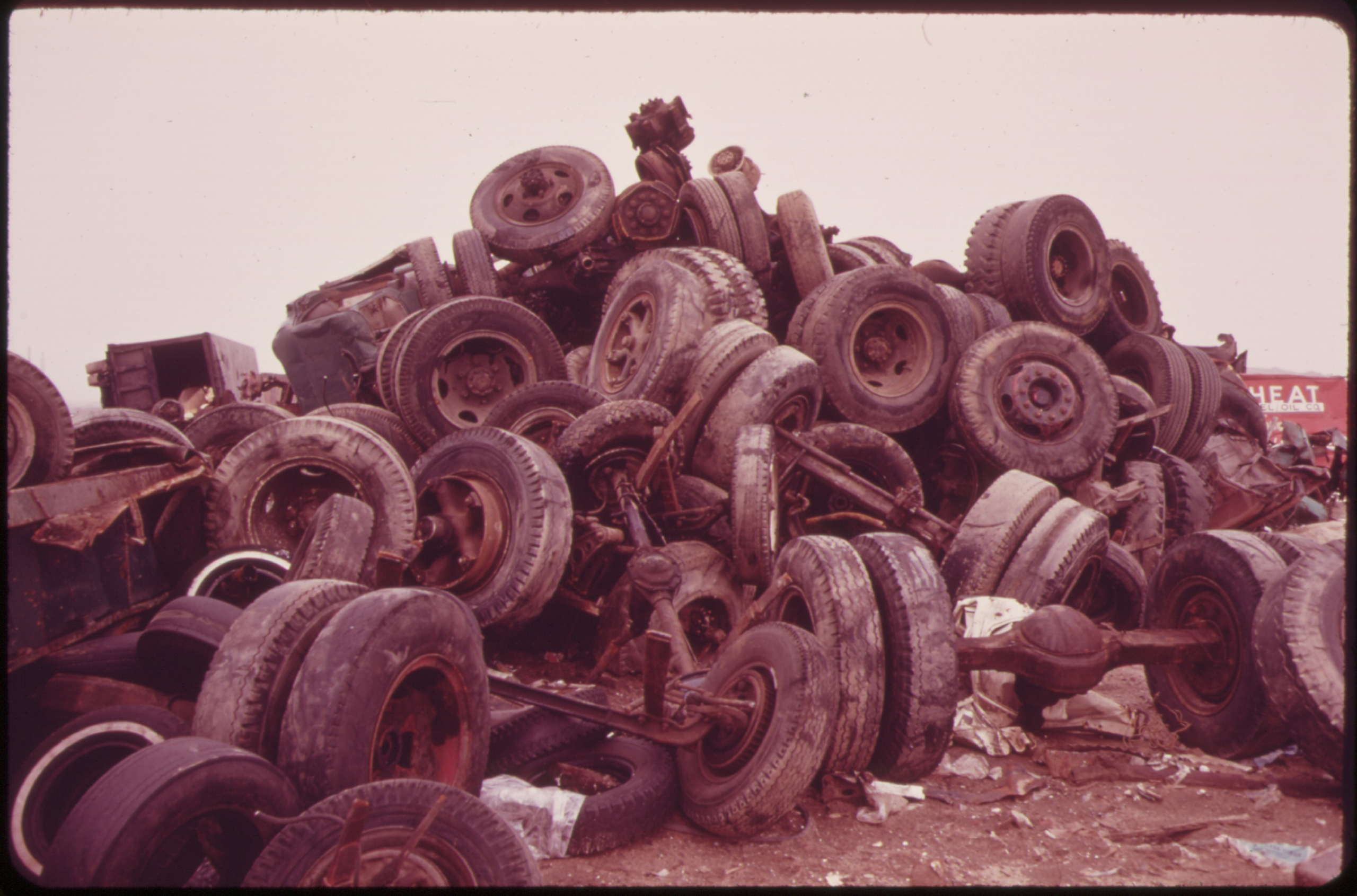
Solvent vapour, carbon black, process water and scrap rubber were handled with minimal containment, and disposal of waste rubber was largely a matter of finding somewhere to put it.
Emissions permits, effluent treatment, solvent recovery and waste regulation transformed it, and tyre disposal in particular became a major regulated problem. Stockpiles of waste tyres accumulated over decades and several have caught fire, burning for extended periods, which is a substantial part of why the regulation is as strict as it is.
7. The Cross-Ply Was Standard and the Radial Was About to Take Everything
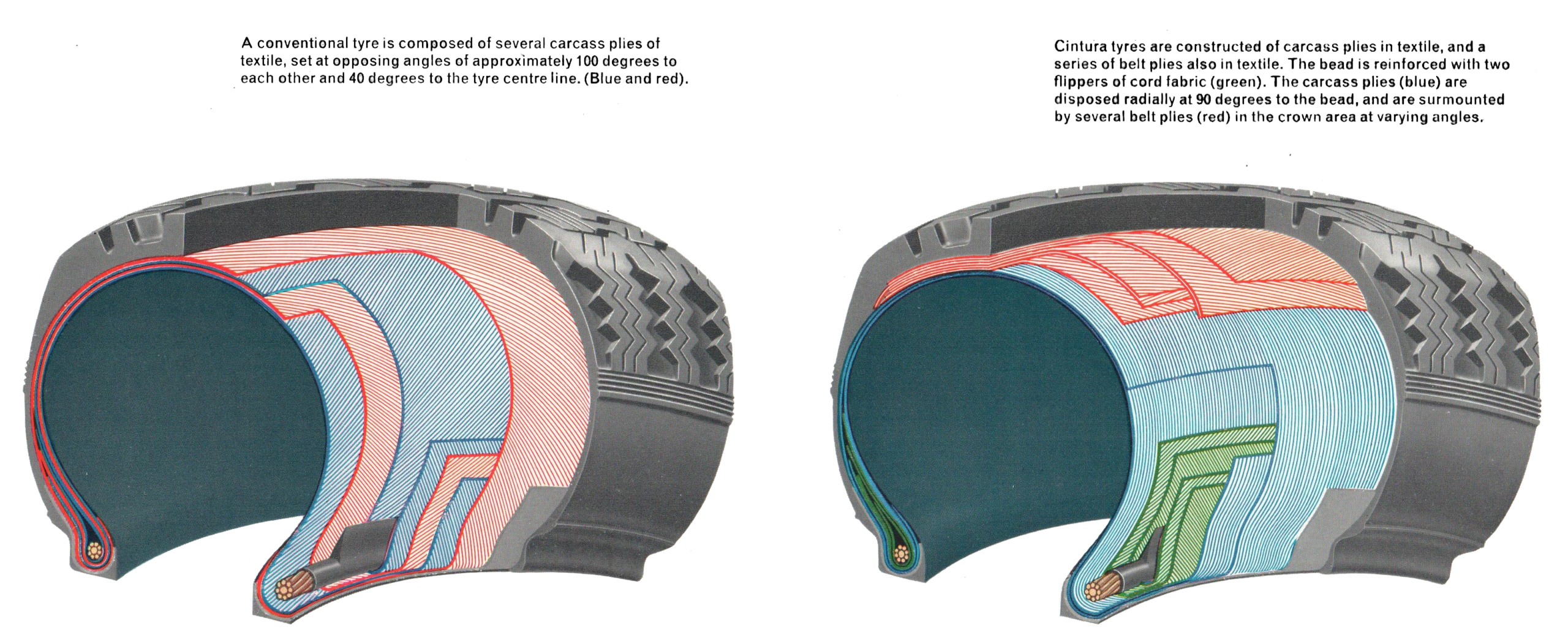
Tyres were built with the body plies running diagonally across the tyre, which made the sidewall and the tread stiffen together and limited what either could do independently.
Radial construction, with plies running across the tyre and a belt under the tread, separates those functions – a flexible sidewall with a stiff tread – and is better on grip, wear, rolling resistance and heat. It took over almost completely within about fifteen years, and manufacturers who were slow to retool suffered badly for it.
8. Retreading Was a Normal Part of a Tyre’s Life
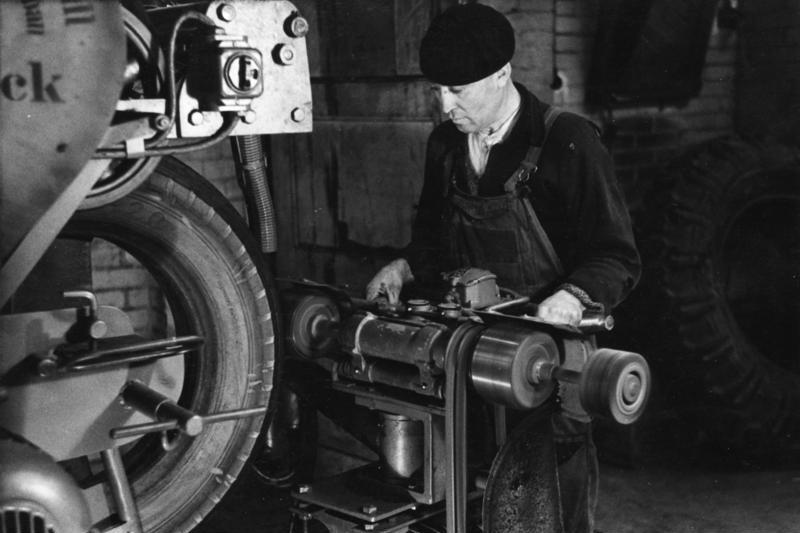
A worn tyre was routinely sent to be retreaded – the old tread buffed off and a new one bonded on – and this was ordinary practice for cars as well as for commercial vehicles.
Car retreading has largely disappeared while commercial retreading remains substantial. The decline was partly cost, as new tyres became cheaper, and partly the shift to radial construction with a casing whose suitability for retreading has to be properly assessed, which made casual retreading uneconomic.
9. Inner Tubes Were in Everything
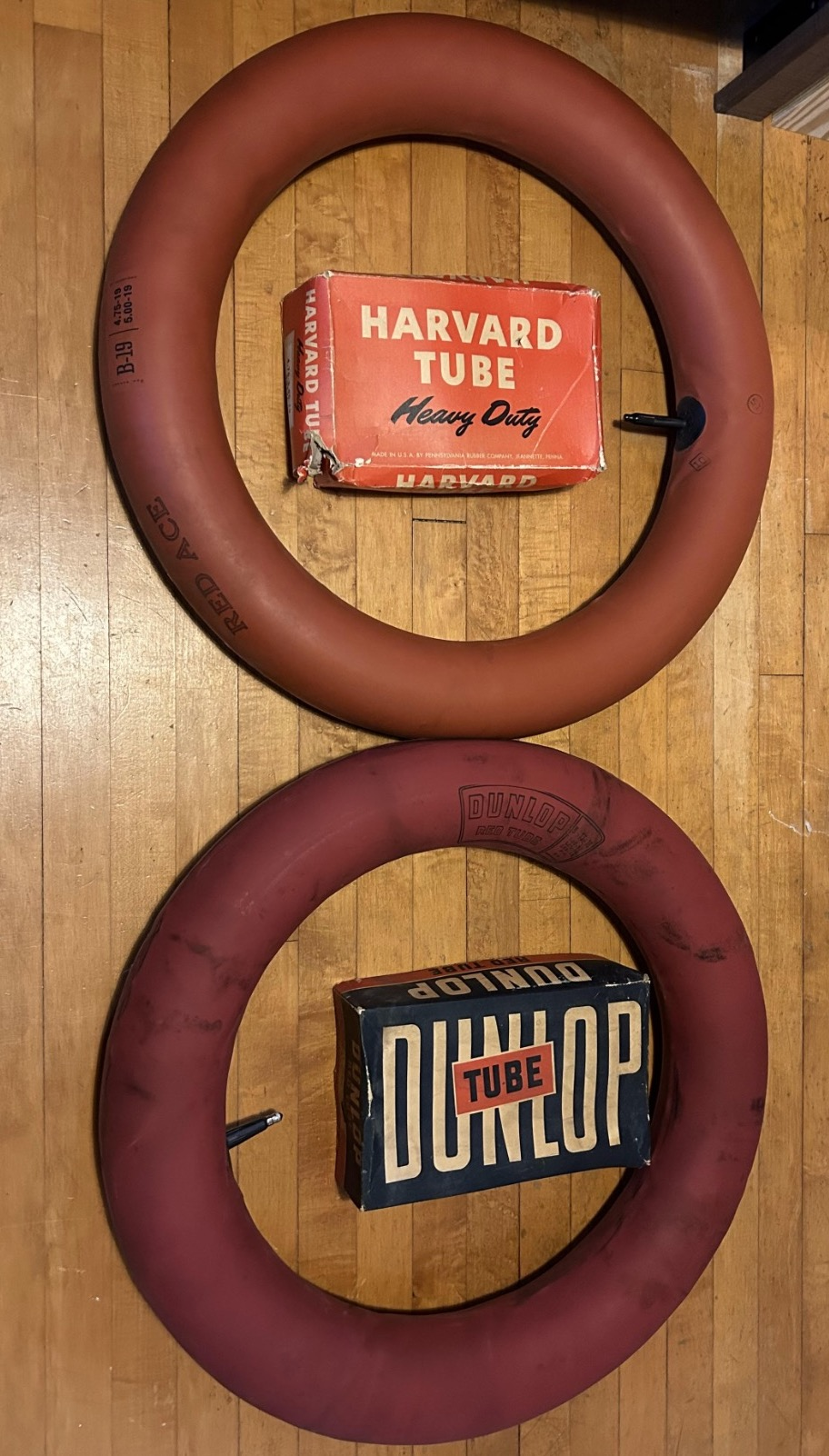
Tyres were not airtight by themselves and required an inner tube, which meant punctures were repaired by removing the tyre, patching or replacing the tube and refitting.
Tubeless construction with an impermeable inner liner and an airtight seal at the rim made the tube unnecessary for cars. Tubeless is also substantially safer, because a punctured tubeless tyre deflates gradually while a punctured tube can let go all at once at speed.
10. The Tread Patterns Were Designed by Eye and Tested on the Road
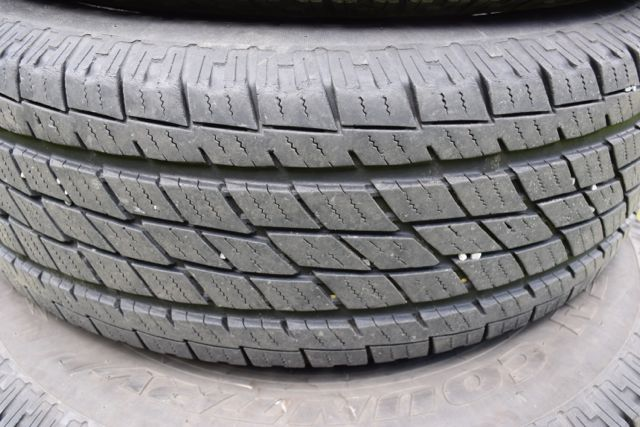
Pattern design was largely intuitive, drawn by designers from experience, cut into prototype moulds and assessed by driving on them.
Computer modelling of contact patch behaviour, water flow and noise, combined with instrumented testing, has made it an engineering discipline. Tyre noise in particular is now designed in detail, using varied pitch sequences around the tyre so the pattern does not produce a single tone, which is something nobody could have calculated by hand.
11. The Moulds Were Cut by Hand by Toolmakers
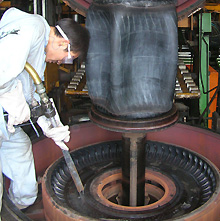
Tread moulds were produced in the factory’s own toolroom, with the pattern machined and finished by skilled toolmakers, and a mould represented a large investment amortised over a long production run.
Computer-controlled machining and laser engraving produce moulds far faster and more precisely. The cost of a mould is still the reason a tyre pattern stays in production for years, and it is why a manufacturer will defend a pattern long after a better one is possible.
12. Quality Control Was a Man Looking at It and Tapping It
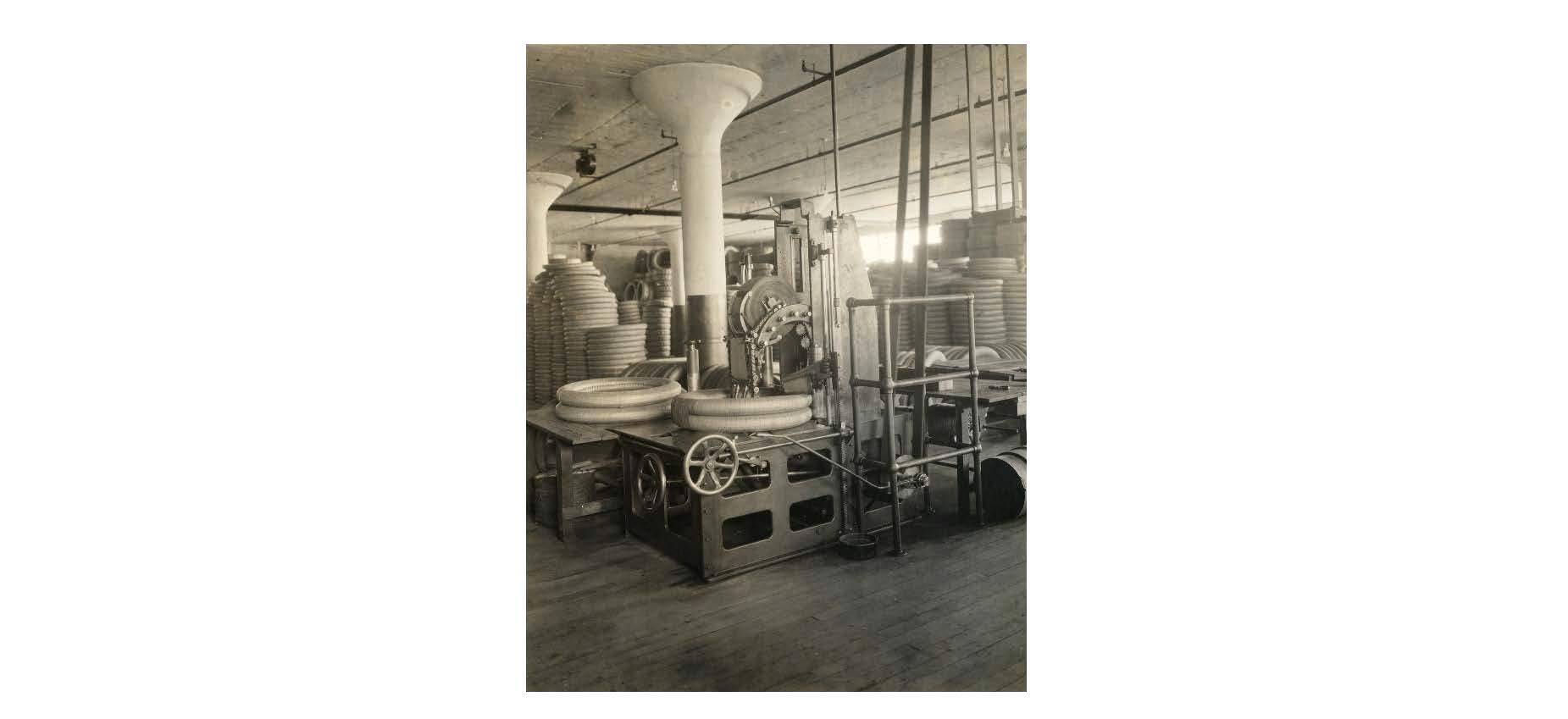
Finished tyres were inspected visually and by hand, with defects found by appearance, feel and sound.
Automated optical inspection, x-ray and shearography examine the internal structure, finding separations and inclusions that no external examination could detect. A tyre’s failure modes are mostly internal, which means the old inspection was looking at the one part of the product least likely to tell it anything.
13. Nobody Expected the Tyres to Last
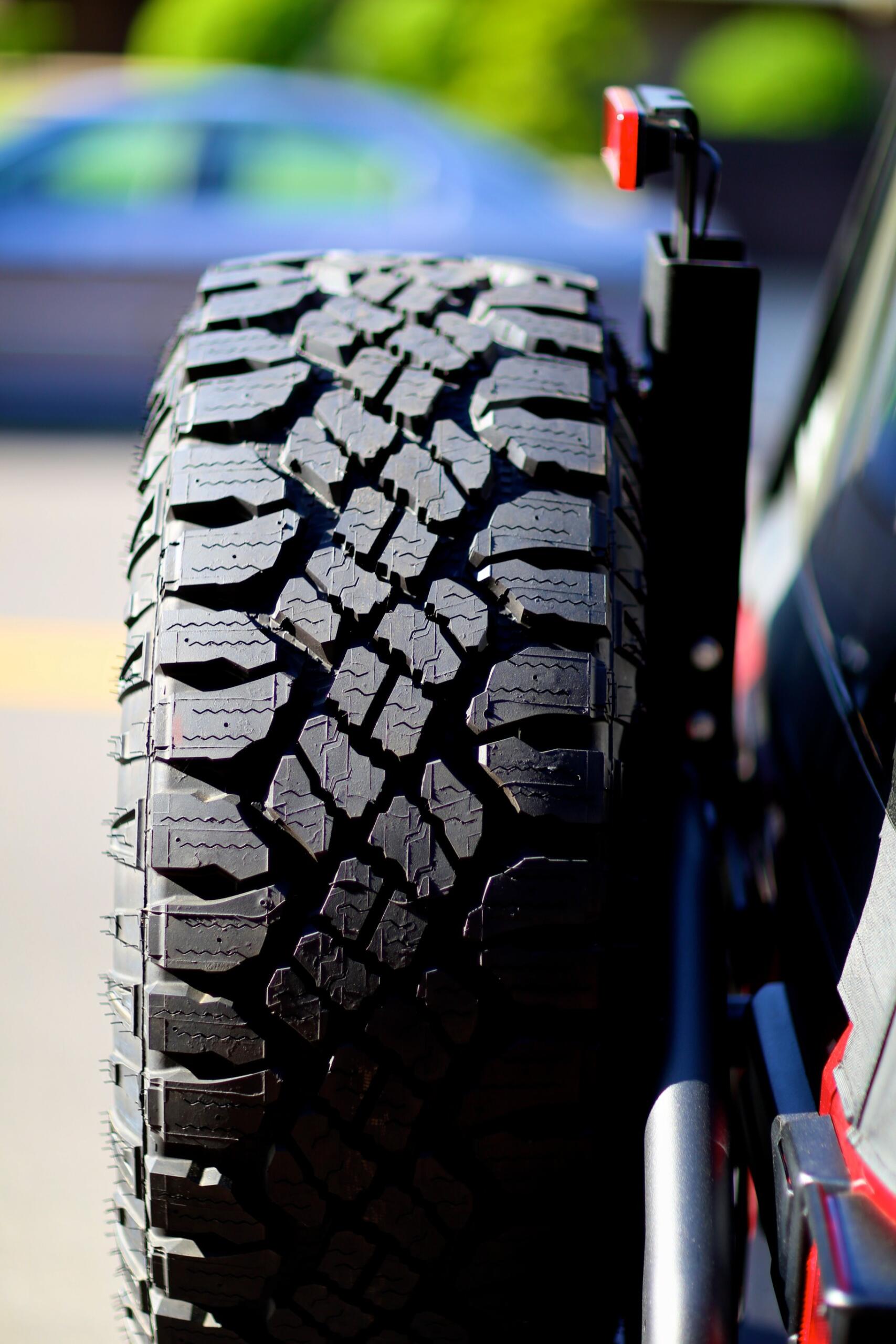
Mileage expectations were a fraction of what is now normal, and replacement was a routine and frequent expense.
Compound chemistry, radial construction and better manufacture multiplied tyre life several times over. It is a genuine and underappreciated improvement, and it also reduced the replacement market enormously, which is the usual consequence of making a consumable last longer and is why the industry consolidated.
14. The Factory Was the Town and Then It Was Not
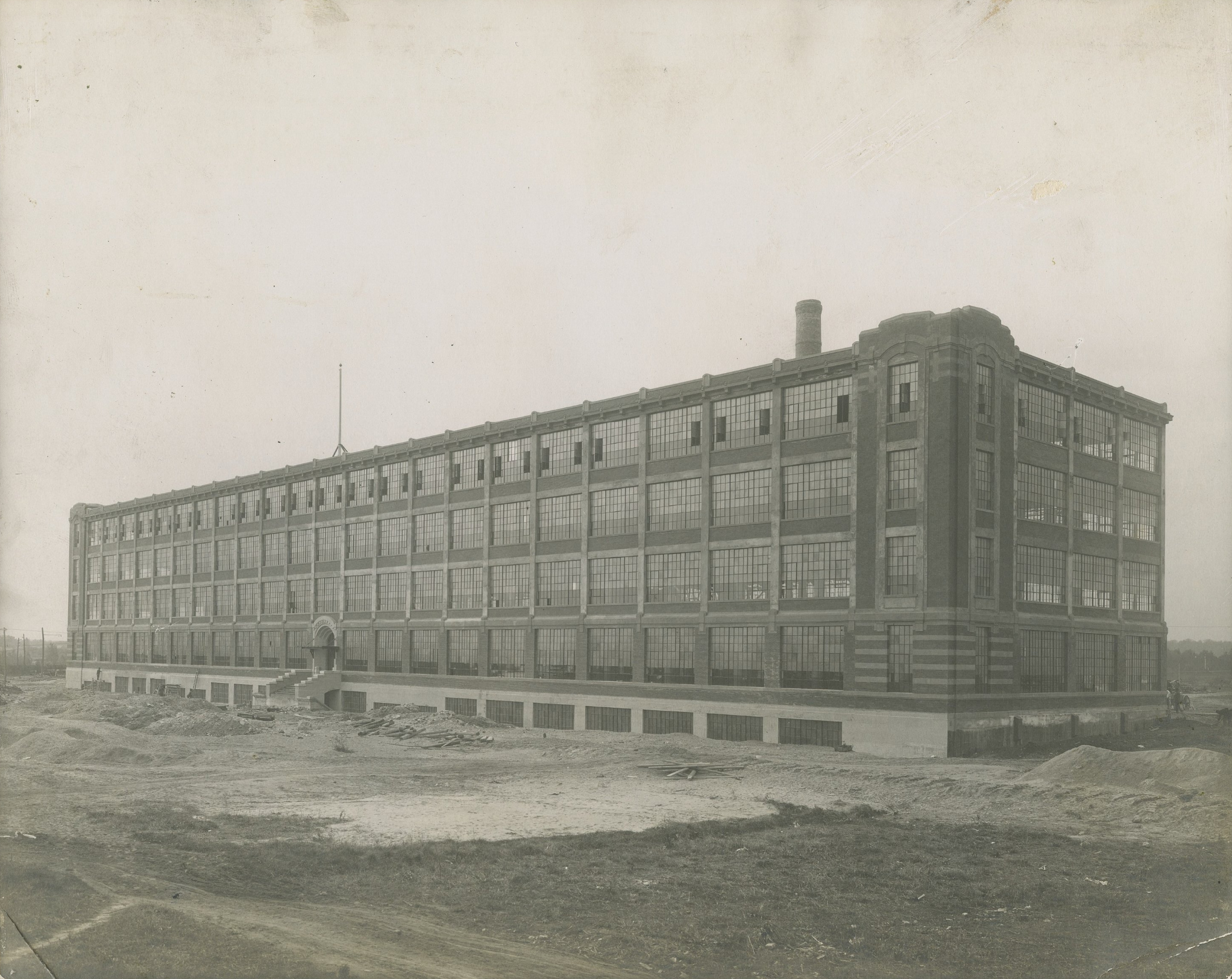
Tyre plants employed thousands, were sited where rubber could be delivered and labour was available, and dominated their communities completely.
Automation, consolidation and relocation closed a great many plants. The pattern is identical to the rest of this series, with one difference worth noting: the tyre industry’s product is still made in enormous and growing volume, so this was relocation rather than the disappearance of demand.
15. The Tyres Are Still the Problem Nobody Has Solved
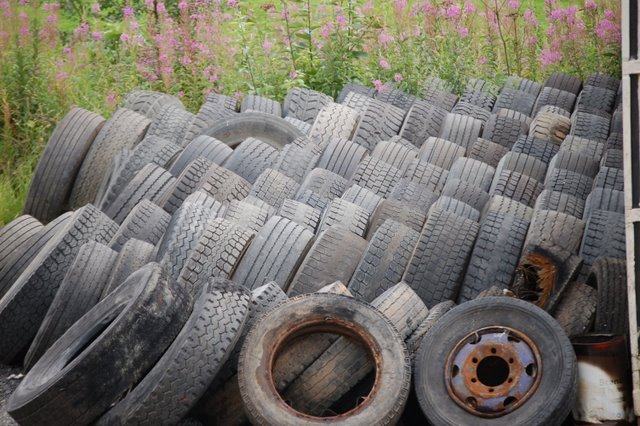
A tyre is a composite of rubber, steel, textile and a long list of chemicals, vulcanised into a form that cannot be melted down and separated.
Which is precisely why end-of-life tyres remain a difficult waste stream. They are shredded for fuel, ground for surfaces and used in civil engineering, and none of that is recycling in the sense of making new tyres from old ones. Vulcanisation is a one-way chemical change, and the property that makes a tyre durable enough to be safe is the same property that makes it permanent once it is finished.
The Thing That Makes It Work Is the Thing You Cannot Undo
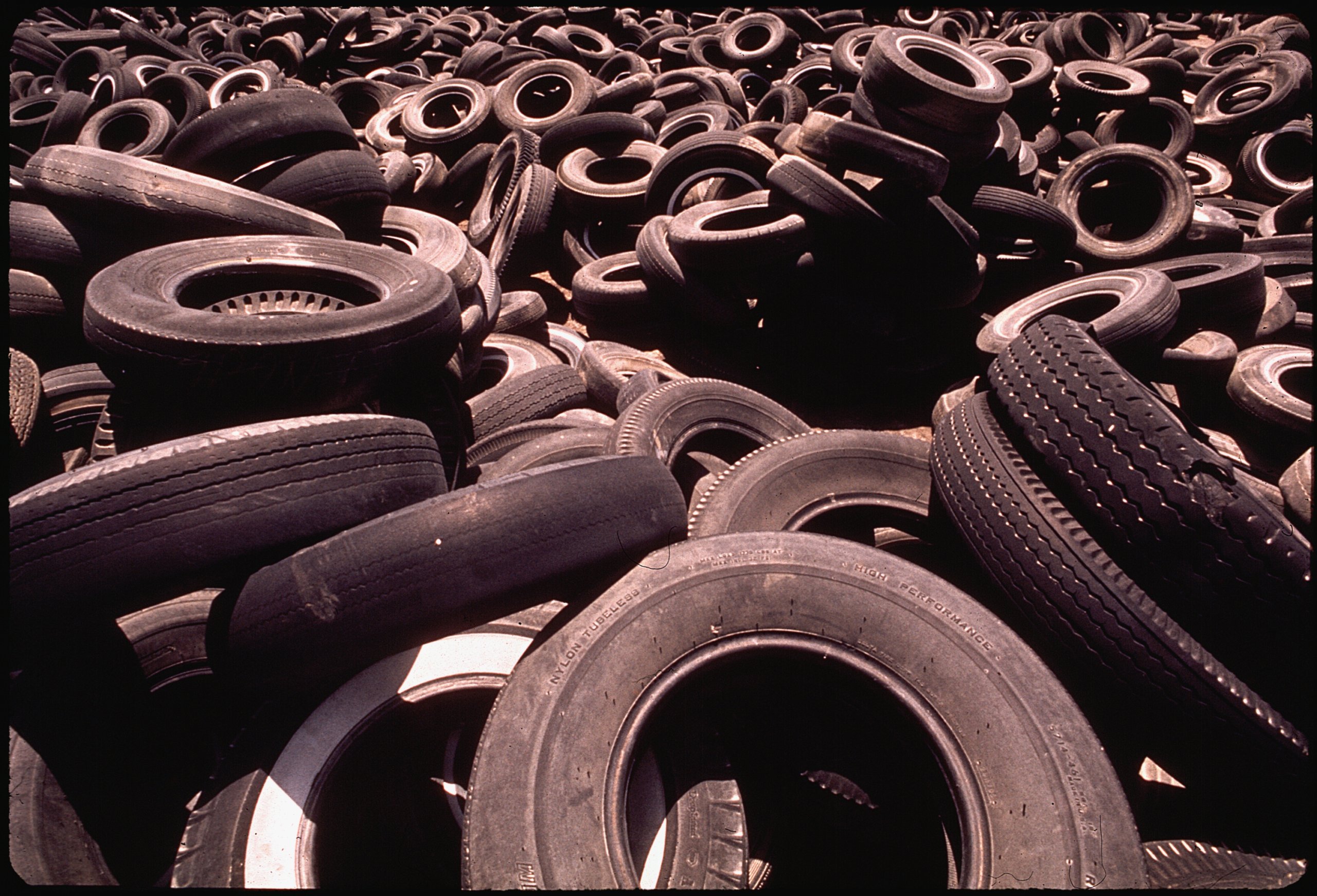
The last item on this list is the most interesting one, and it explains a problem that has resisted everything thrown at it.
Raw rubber is not much use. It is soft when warm, brittle when cold, and it deforms permanently under load. Vulcanisation fixes all of that by forming chemical cross-links between the polymer chains, turning a mass of separate molecules into a single connected network. The result is elastic, tough, temperature-stable and recovers its shape – which is exactly what a tyre needs.
The cross-links are the point, and they are the problem. They are permanent chemical bonds, and once formed the material is no longer a collection of molecules that can be melted and reformed. It is one enormous molecule. Heat it and it does not soften into something you can remould; it degrades.
So a tyre cannot be melted down and made into another tyre, in the way a glass bottle or an aluminium can or even most plastics can. The chemistry that makes it durable makes it final.
Everything done with waste tyres works around this. Shredding for fuel burns them. Granulating produces crumb for surfaces and fillers. Pyrolysis breaks them down into oil, gas and carbon, which is chemical destruction rather than recovery. Civil engineering uses them as bulk material. Devulcanisation – actually breaking the cross-links to recover usable rubber – is real, is being worked on seriously, and produces material that is not as good as new rubber.
None of that is a closed loop, and the volume is enormous and rising.
It is the clearest example in this entire series of a property being simultaneously the reason a product works and the reason it cannot be dealt with afterwards – and unlike most of the problems in these pieces, this one has not been solved by anybody and is not obviously about to be.
If you worked in a tyre plant you will know what the carbon black did to your clothes and how long it took to wash out.
And every tyre the place ever made is, in some form, still somewhere.
Like our content? Follow us for more.
