

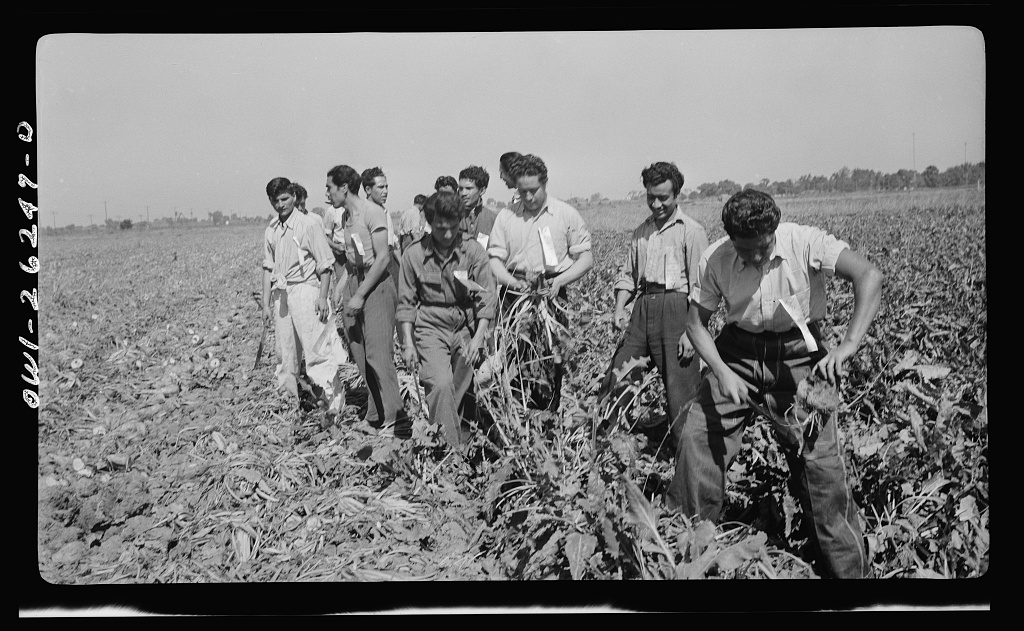
In 1960 sugar beet were pulled out of the ground by hand, knocked together to shake off the soil, and topped with a heavy hooked knife swung thousands of times a day by people with cold wet hands, in late autumn, across whole fields.
The factory then washed several thousand tonnes of mud off the crop daily, soaked the sugar out in hot water, burned coal to evaporate it, and filled the town with a smell that people still date the year by.
Here are twelve things that were ordinary in the beet harvest in 1960, and what became of each one.
1. The Crop Was Lifted, Topped and Loaded Almost Entirely by Hand
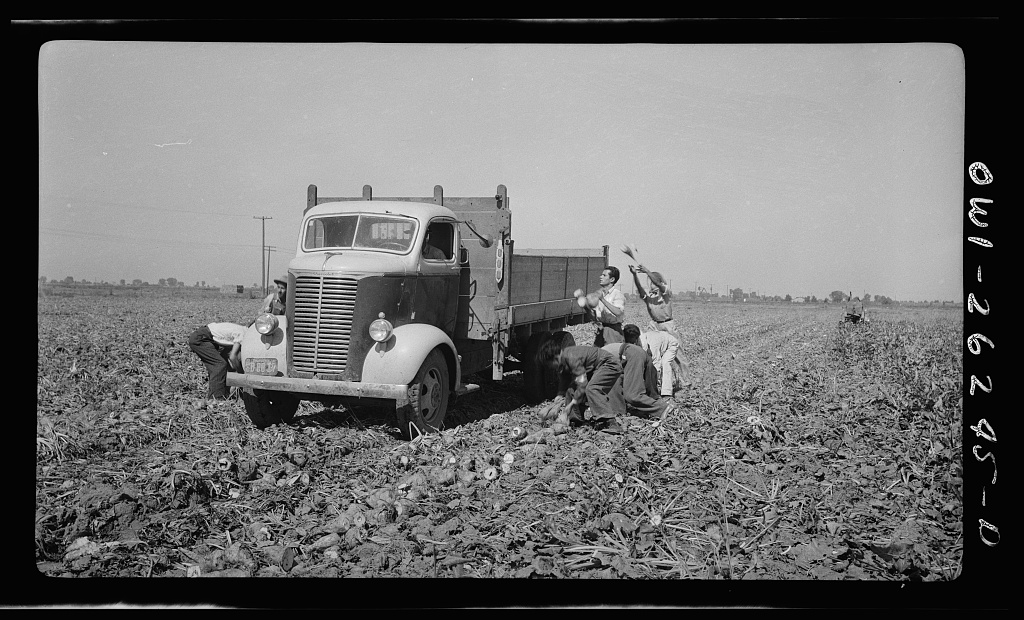
Beet were loosened, pulled, knocked together to shake the soil off, and topped with a hooked knife – one at a time, bent over, across whole fields, in late autumn weather.
Mechanical harvesters that lift, top, clean and load in one pass replaced the entire operation. Hand lifting beet is remembered as among the hardest field work there was, because the crop is heavy, it is in the ground, and it is harvested in the coldest and wettest part of the year.
Like our content? Follow us for more.
2. The Topping Knife HURT Fingers Regularly
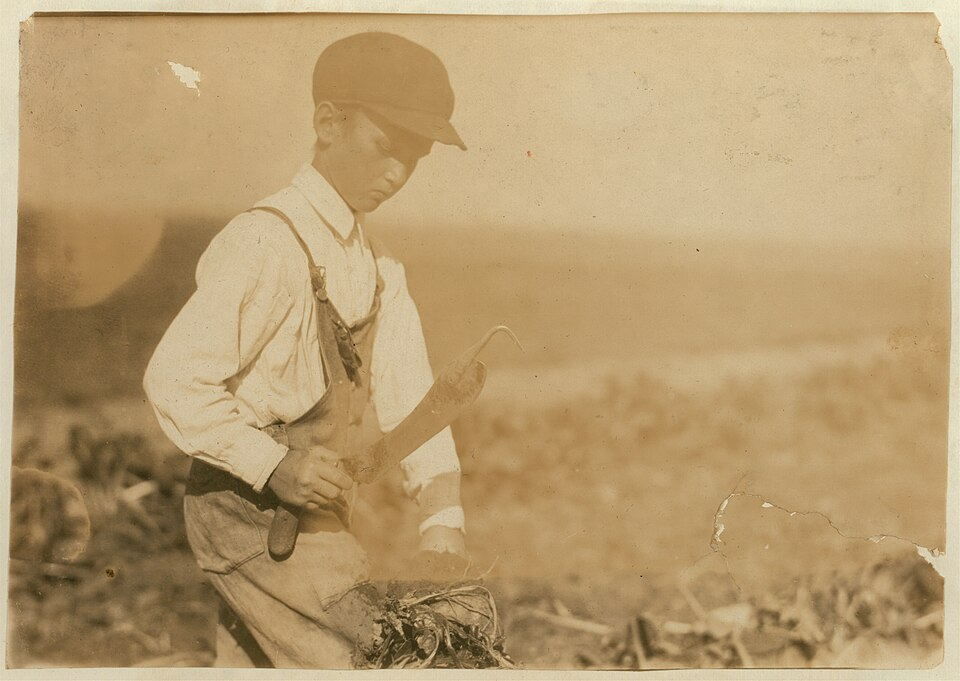
Topping was done with a heavy hooked knife swung at a beet held in the other hand, thousands of times a day, with cold wet hands.
The operation is now performed by the machine and the knife has gone. The injury pattern was well known and accepted as part of the work, and the combination of a sharp heavy blade, numb hands and piecework pay is one that appears repeatedly in agricultural injury records of the period.
3. The Whole District Moved Beet for Three Months and Nothing Else Happened
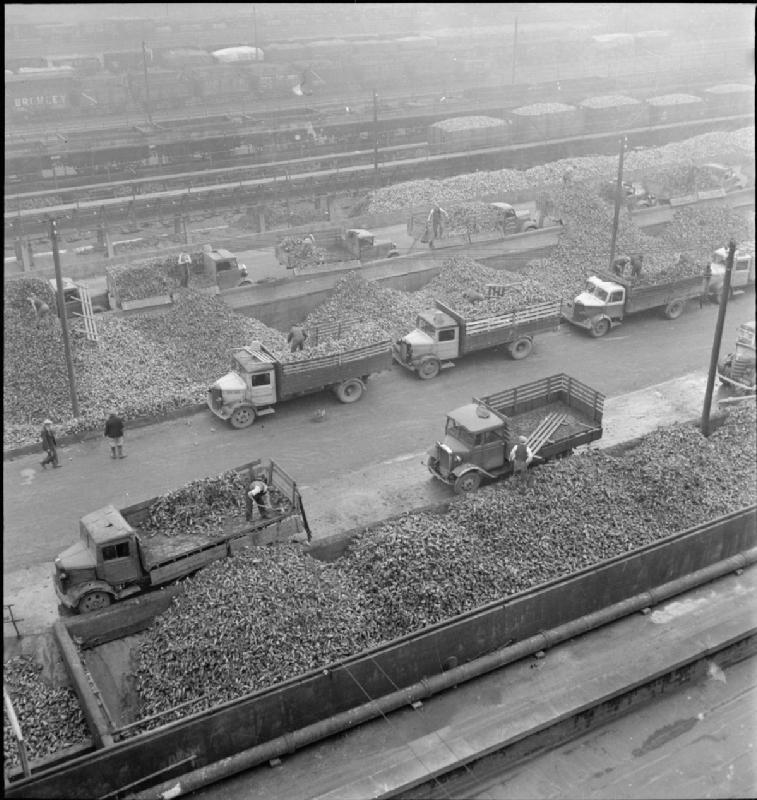
The campaign – the processing season – ran from autumn into winter, and during it the roads, the railways and the factory ran continuously on beet, with queues of lorries and carts and a constant stream of traffic through the town.
The campaign still exists and is still the organising fact of the industry, with far fewer and much larger loads. A beet factory cannot store its raw material for long because it deteriorates, so everything has to arrive and be processed within a window, which is why the intensity is unchanged even though the labour is not.
4. The Factory Washed Several Thousand Tonnes of Mud Off the Crop Daily
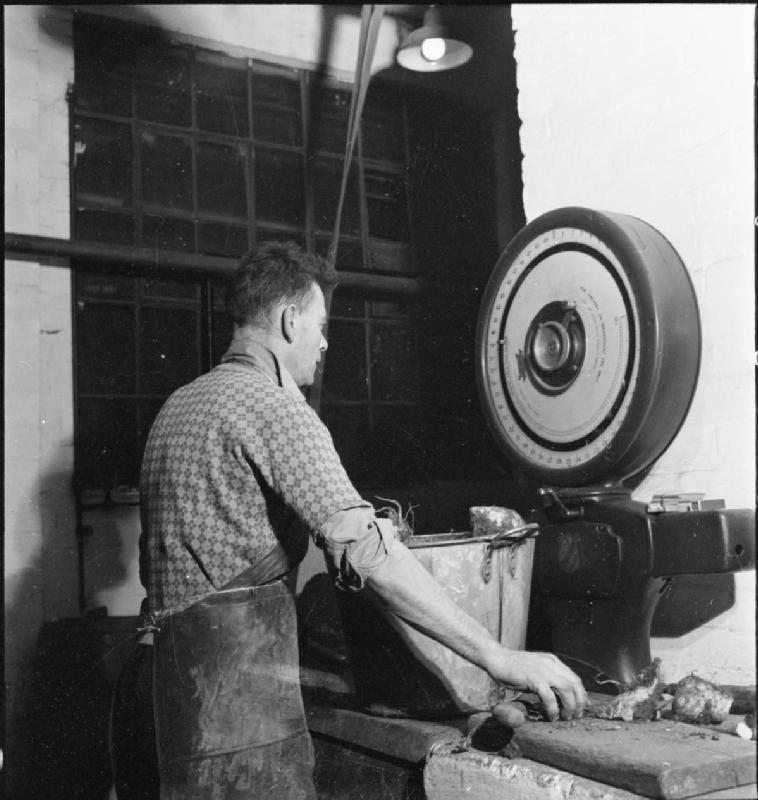
Beet arrive covered in soil, and the first operation is washing. A factory handled an enormous tonnage of mud, which had to go somewhere.
Soil is now separated, settled in lagoons and returned to land or sold, and water is recirculated rather than discharged. The soil arriving at a factory is a genuine resource and a genuine problem simultaneously, and in 1960 the washing water went into the nearest watercourse carrying most of it.
5. The Smell Reached the Whole Town and Defined the Season
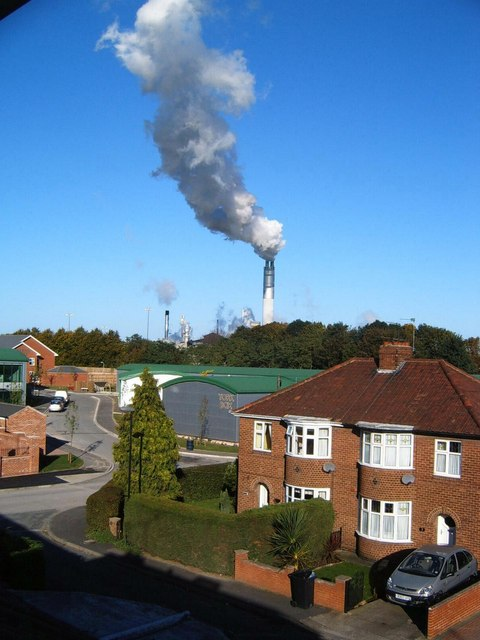
Processing beet produces a distinctive and powerful smell from the diffusion, evaporation and pulp drying stages, and during the campaign it covered the town continuously.
Odour abatement, enclosure and better drying have reduced it substantially without eliminating it. In beet towns the smell is a seasonal marker that people date other events by, and it is spoken about with a mixture of complaint and affection that is difficult to explain to anybody who has not lived with it.
6. Sugar Was Extracted by Soaking Slices in Hot Water
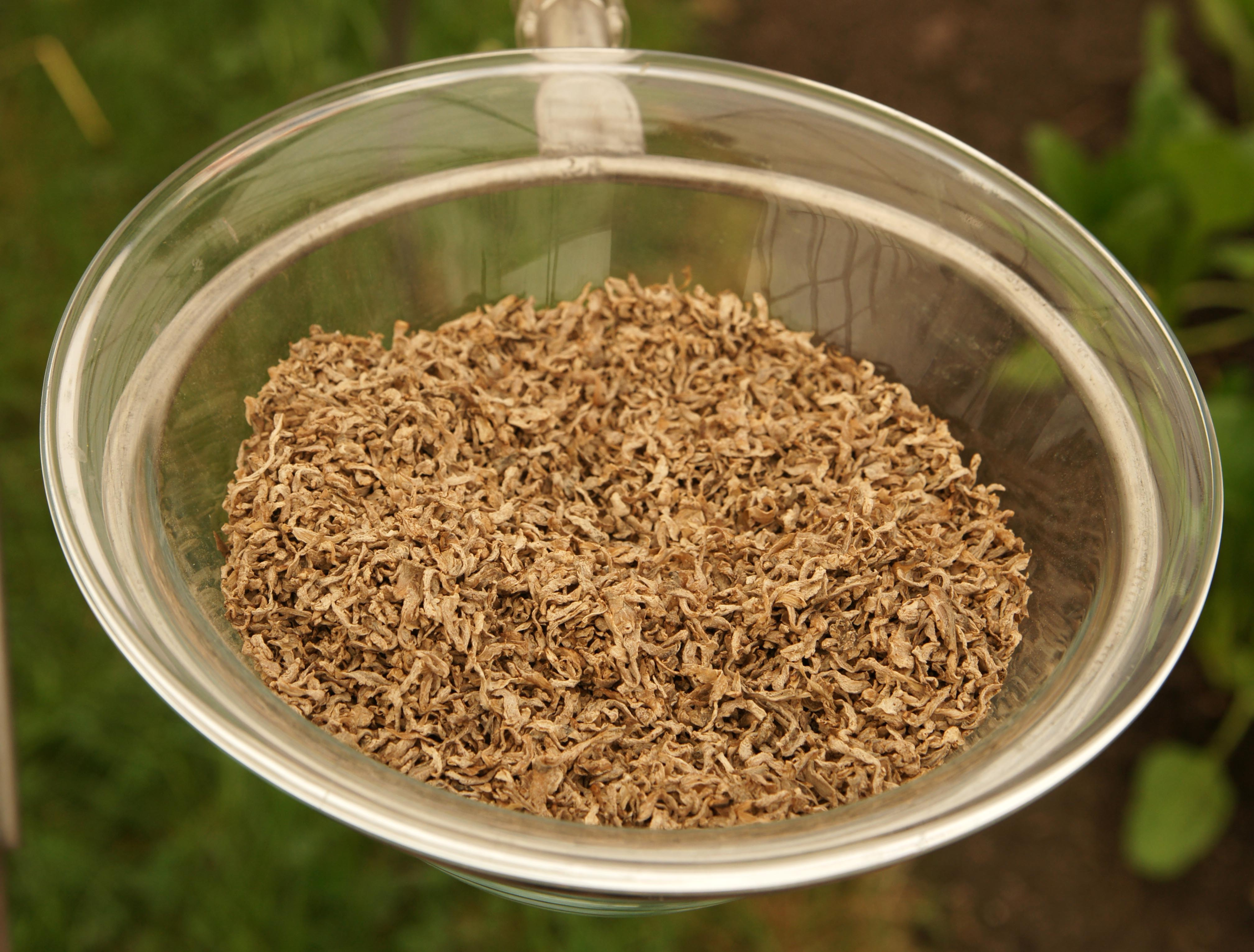
The process is diffusion: beet are sliced into strips, and the sugar is washed out of the plant cells with hot water in a long counter-current vessel, leaving exhausted pulp behind.
Still the core process, now continuous, instrumented and far more efficient in both water and energy. It is an unusually elegant industrial operation – the sugar is not pressed out or chemically extracted, it simply migrates out of the cells into water flowing the other way, driven by nothing but concentration difference.
7. The Exhausted Pulp Went Straight Back to the Farms as Feed
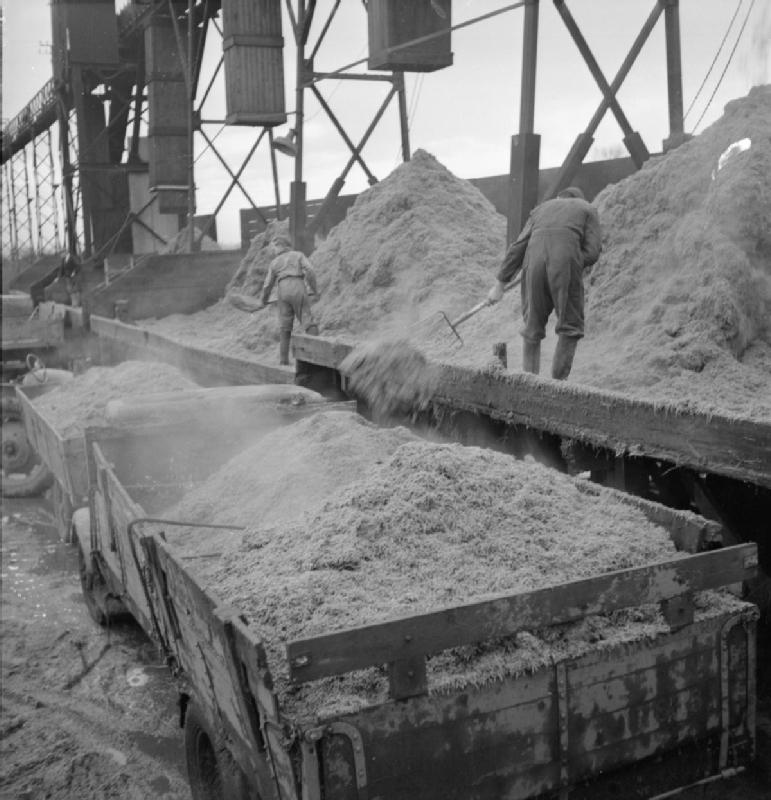
What is left after the sugar is removed is fed to cattle, either wet or dried into pellets, and farmers collected it as part of the arrangement for growing the crop.
Unchanged and expanded, with pulp a significant product in its own right. The beet factory is one of the better examples of an industry with almost no waste stream: sugar, animal feed, soil, lime and molasses all leave as products, which was true in 1960 and is more true now.
8. The Boilers Burned Coal and the Factory Made Its Own Power
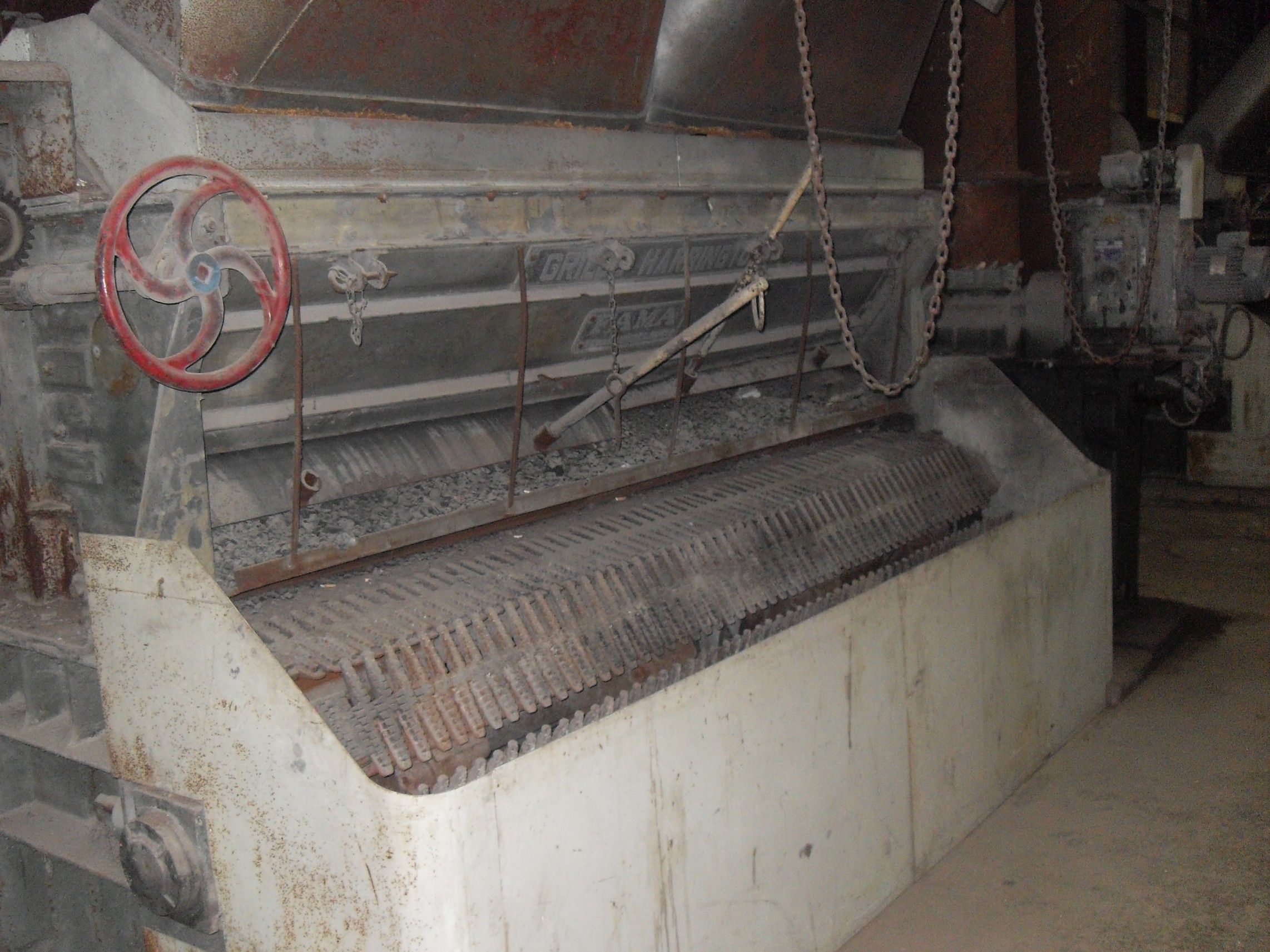
A campaign requires enormous quantities of steam for evaporation, and factories ran their own coal-fired boiler houses and generated their own electricity.
Gas firing, combined heat and power, and heat recovery from the evaporation stages transformed the energy picture. Evaporating water is the single largest energy demand in sugar processing, and multiple-effect evaporation – using the steam from one stage to heat the next – is another nineteenth-century idea that remains the right answer.
9. Casual Labour Arrived for the Campaign and Left Again
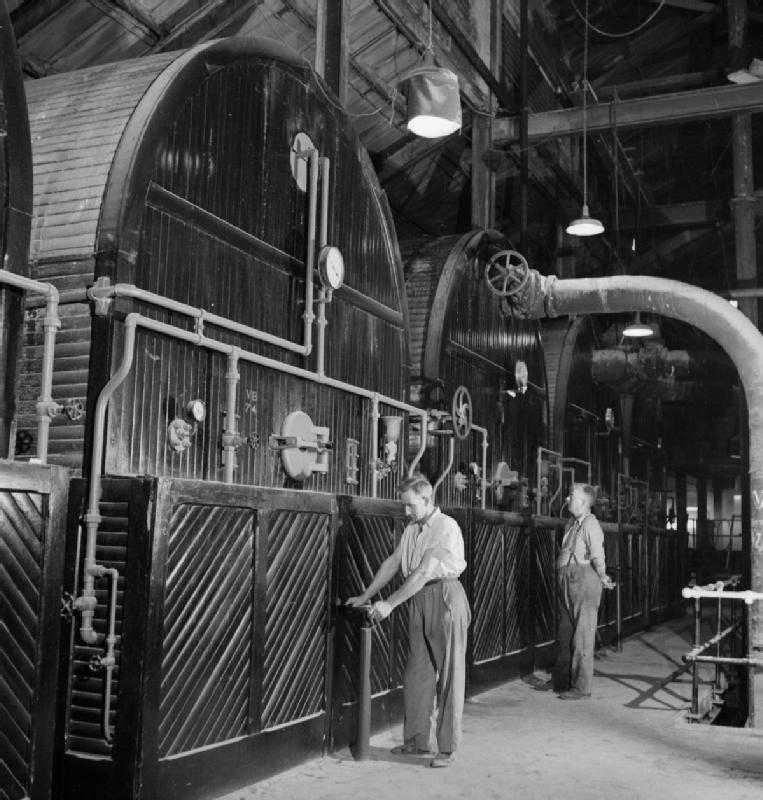
Factories took on large numbers of seasonal workers for the three months, drawn from the surrounding area and in many cases travelling for it, working shifts around the clock and then dispersing.
Automation reduced campaign staffing substantially, though seasonal recruitment continues. The arrangement gave a predictable annual income supplement to a whole rural district, and its reduction removed something that the farm wages of the period had relied on.
10. Children Worked the Fields in Season and the Schools Knew
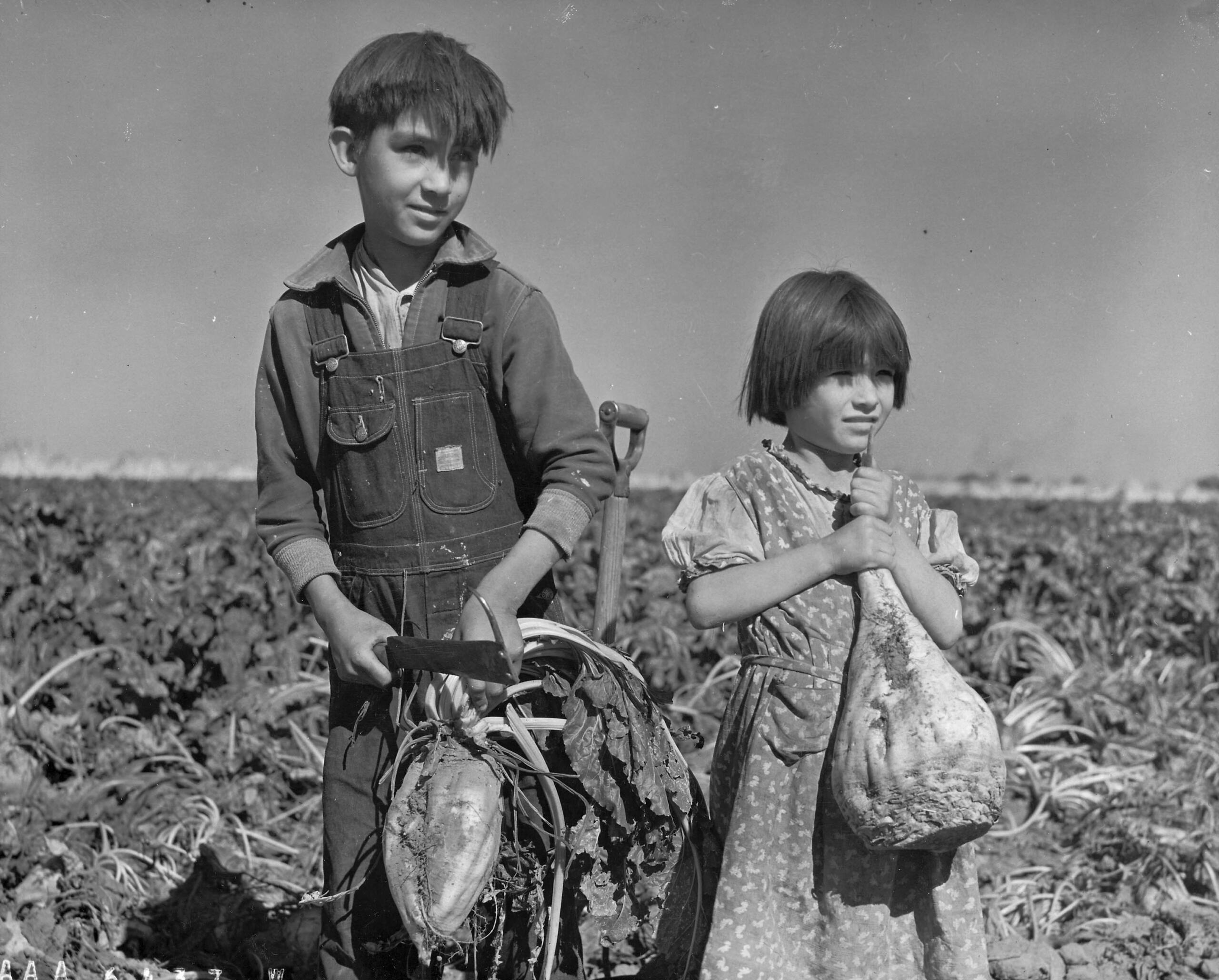
Beet work in some districts drew on family labour including children, particularly for singling – thinning the seedlings by hand early in the year – which was slow, bent work done across whole fields.
Monogerm seed, which produces a single seedling rather than a cluster, eliminated singling entirely, and precision drilling removed the need to thin at all. It is the clearest case in the crop of a plant-breeding change removing an entire category of manual labour rather than a machine doing it faster.
11. Nobody Was Measuring What Left the Factory in the Water
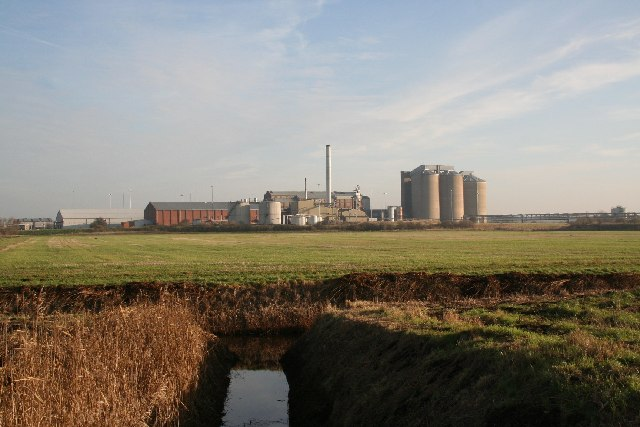
Washing water, condensates and process effluent carrying soil, organic material and sugar went out with limited treatment during a campaign that ran for months.
Effluent treatment, lagoon systems, recirculation and discharge consents transformed it, and several factories now return more water than they take because beet are mostly water and the process liberates it. A factory that is a net water producer is a genuinely unexpected outcome of taking the problem seriously.
12. Nobody Imagined the Factories Would Close
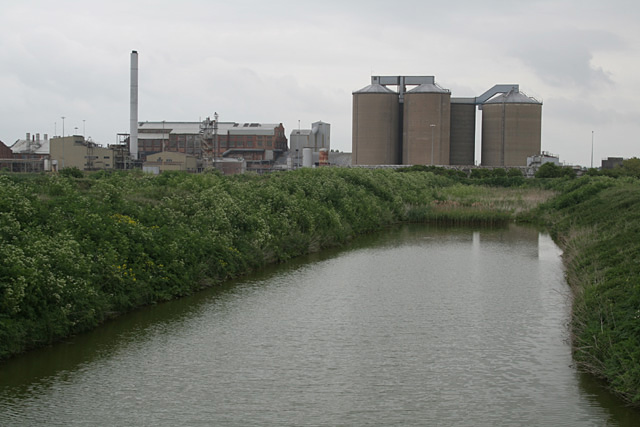
In 1960 a beet factory was a permanent fixture, the crop was supported, the contracts were secure, and the industry’s future was not a question anybody asked.
Changes in agricultural support, quota systems and global sugar markets closed a great many factories, and because each one served the farms within economic haulage distance of it, a closure ended beet growing across a whole district at once. The crop did not become unviable – the factory that bought it stopped existing, which is a different kind of ending and a harder one for the farms to do anything about.
The Seed Did What the Machine Could Not
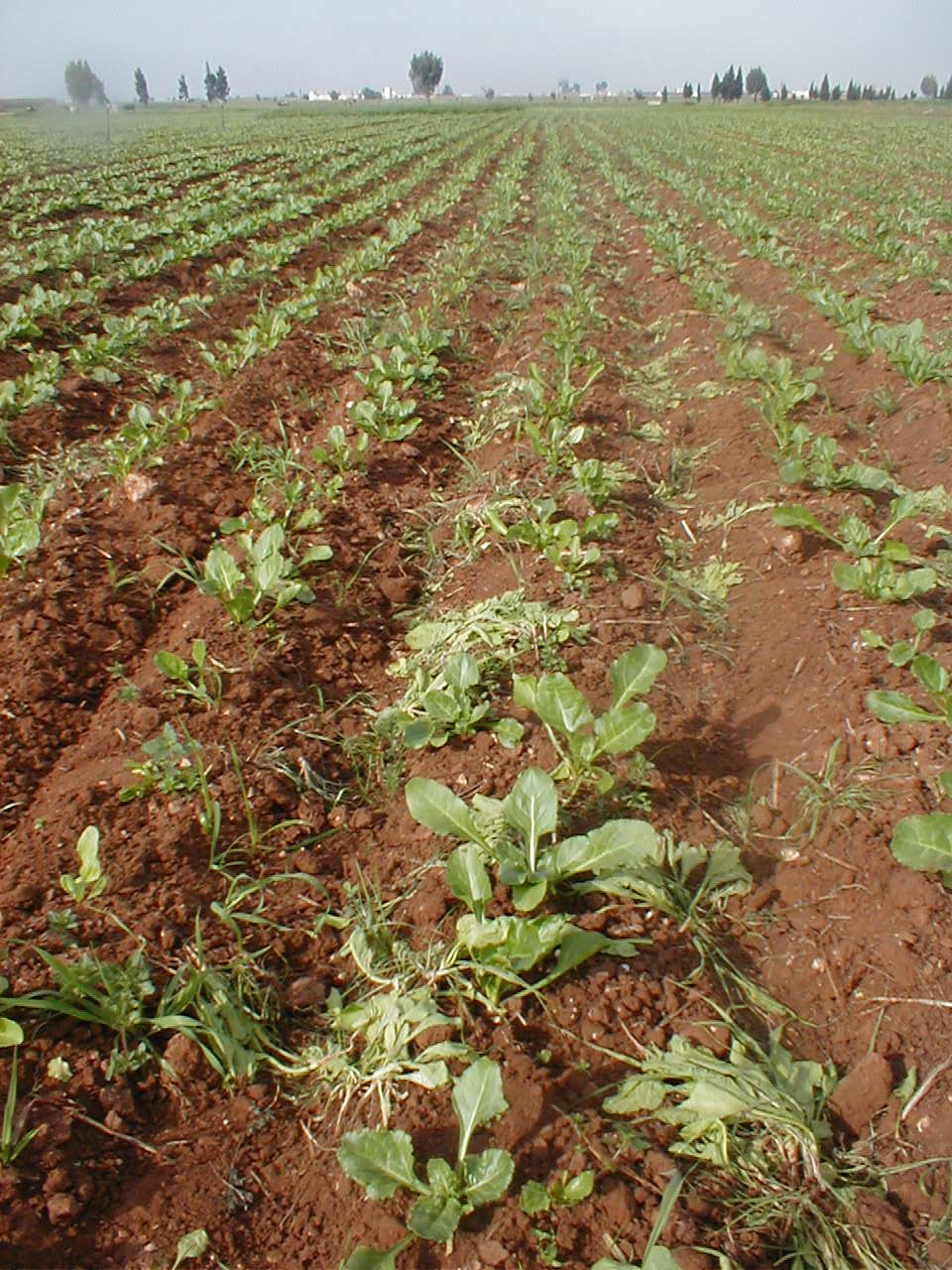
The most interesting item here is singling, because of what removed it.
Beet seed as it occurred naturally was a cluster – several seeds fused together – so each sowing position produced a tuft of seedlings rather than one plant. They had to be thinned by hand to leave a single plant at the right spacing, across the whole field, early in the season, bent double, moving along rows.
It was enormous, slow, tedious work, and it was done by families including children because the number of hands determined how fast a field could be got through.
No machine solved it. A machine cannot reliably select one seedling from a tuft and remove the rest without damaging the one it leaves.
What solved it was breeding. Plant breeders developed monogerm varieties – seed that produces a single seedling – and with that, combined with precision drilling that places individual seeds at the correct spacing, the entire operation ceased to be necessary. There was nothing to thin.
That is worth noticing, because the standard story about agricultural labour disappearing is a story about machinery. For this crop, the single largest category of manual work was eliminated by changing the plant so that the work did not need doing, and the harvester – impressive as it is – came to a crop that had already lost half its labour requirement to a seed.
Breeding is the quietest of the agricultural revolutions and frequently the most consequential, and almost nobody outside the industry can name a single thing it has done.
If you topped beet by hand, you will remember what it did to your back and your hands.
And if your town had a factory, you will know exactly what time of year it is from one sentence about the smell.
Like our content? Follow us for more.
