

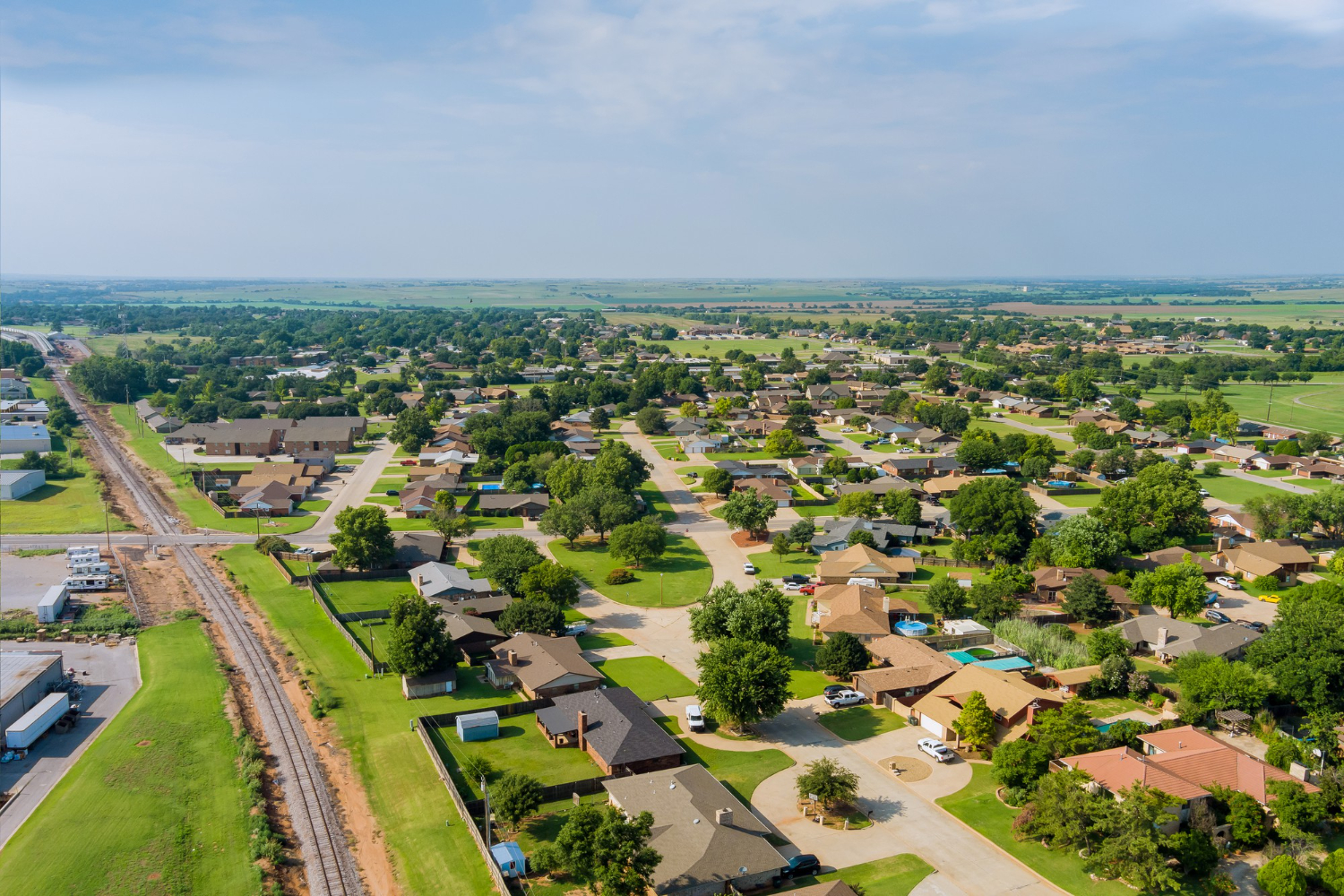
It’s a fun thought experiment that’s surprisingly practical: which places in the United States are best set up to thrive on their own, weathering whatever challenges, economic, environmental, or otherwise, come their way? The most resilient, self-sufficient places tend to share a few key traits: abundant fresh water, productive farmland, a manageable climate, a low risk of major natural disasters, lower population density, and tight-knit, capable communities. These are the spots where life could carry on comfortably even if the wider world got bumpy. Here are ten regions and places across America that consistently score well on those self-reliance factors, and what makes each one so well-suited to standing on its own two feet. Think of it as a guide to genuinely sustainable, grounded living.
The Great Lakes Region
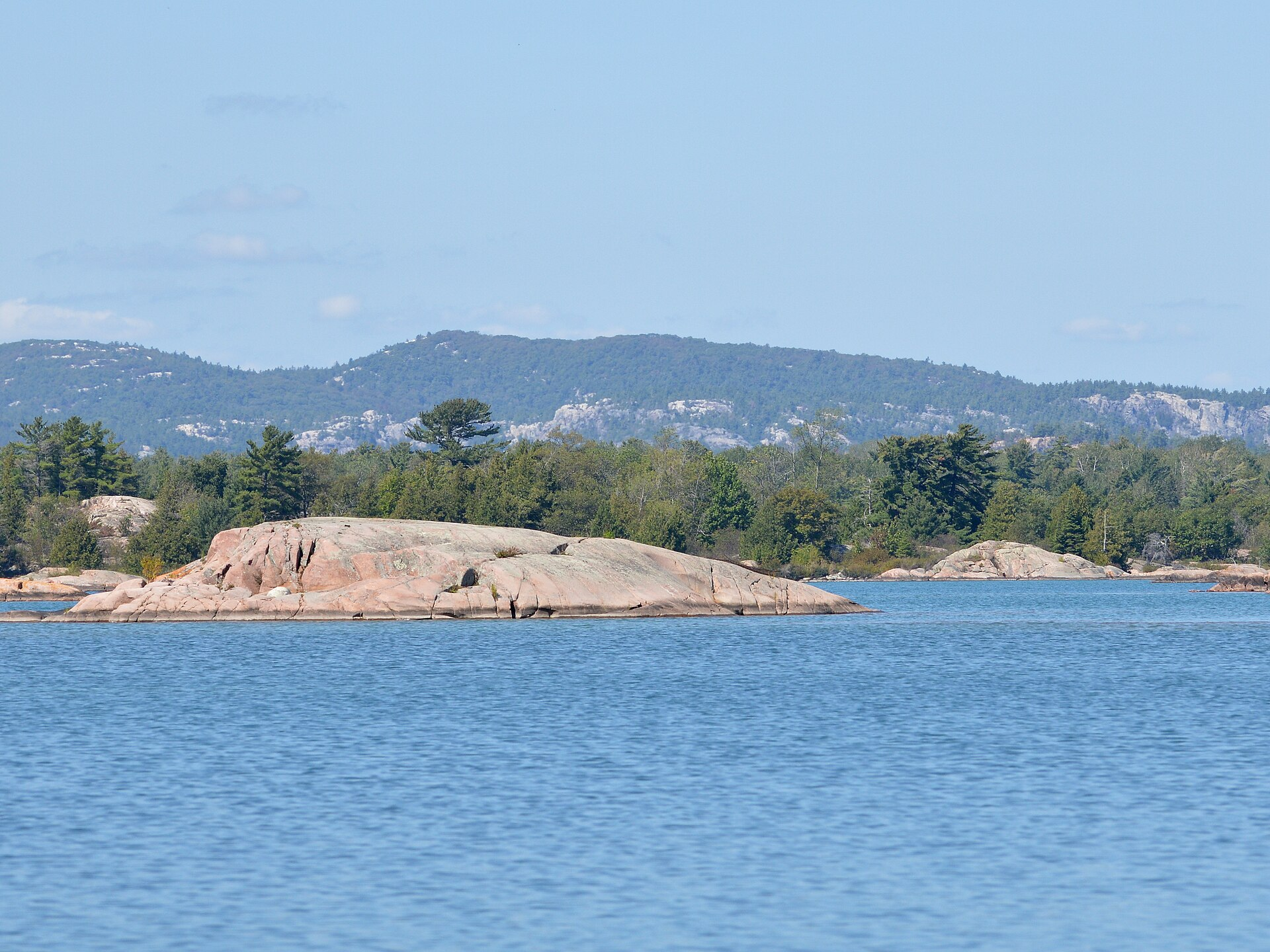
If there’s one resource that defines resilience, it’s fresh water, and no region has more of it than the Great Lakes. States bordering lakes like Michigan, Huron, and Superior sit beside the largest group of freshwater lakes on Earth, an almost unimaginable abundance of drinking and irrigation water. The region also features fertile farmland, established towns and cities, and a climate that, while cold in winter, is largely free from the hurricanes, major earthquakes, and severe droughts that affect other parts of the country. Places like rural Michigan, Wisconsin, and Minnesota combine water security, agriculture, and strong communities, making the Great Lakes one of the most naturally resilient and self-sufficient regions in America.
Like our content? Follow us for more.
The Appalachian Highlands
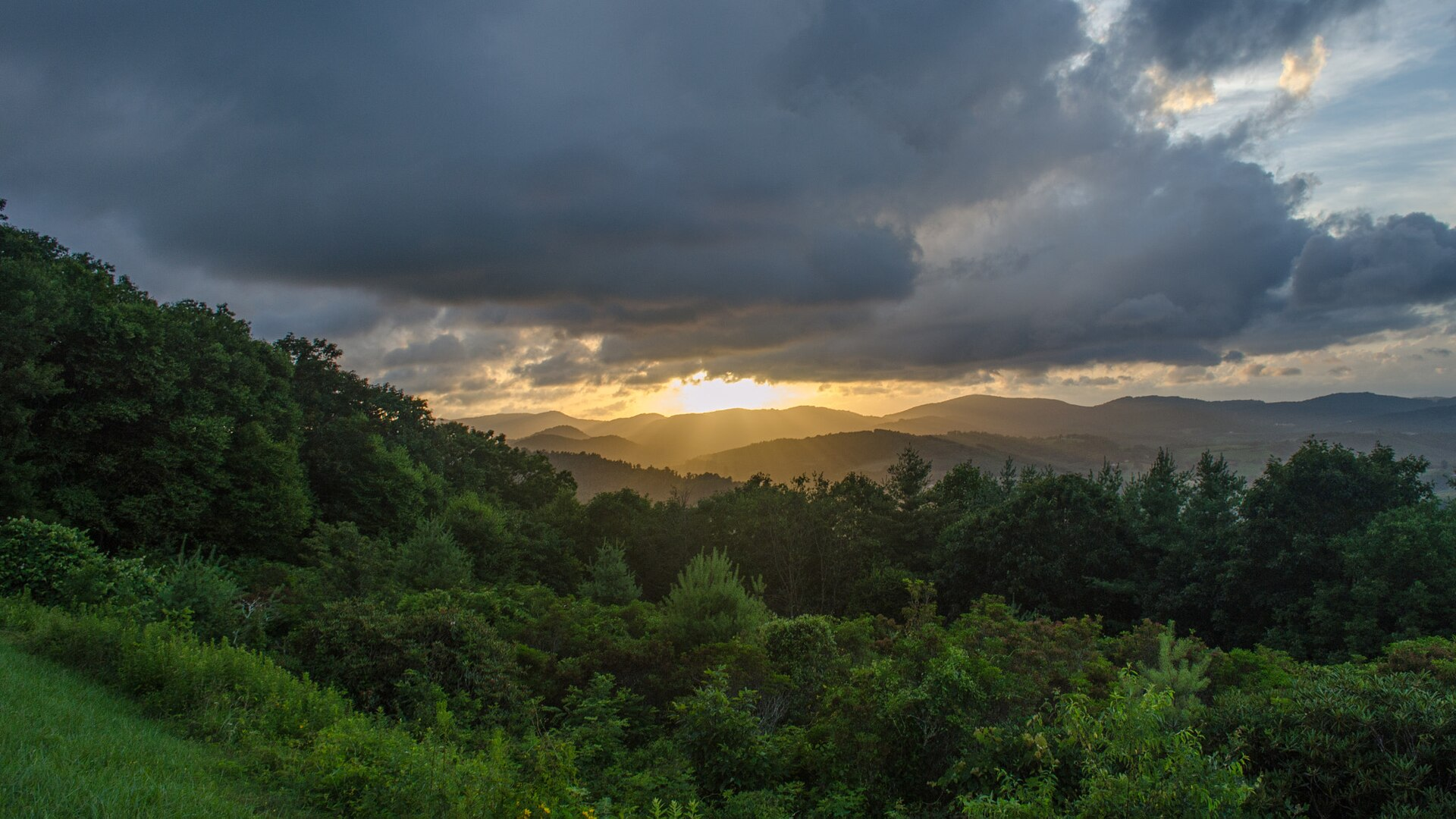
Stretching down the eastern US, the Appalachian region, including parts of Tennessee, North Carolina, Virginia, and West Virginia, has long been associated with self-reliant living. The mountains receive ample rainfall, feeding countless streams and rivers, and the region has a deep-rooted culture of farming, foraging, hunting, and making do. The terrain is fertile in the valleys, the climate is temperate, and major natural disasters are relatively rare. Communities here often retain traditional skills and a strong sense of mutual support. The scenic Smoky Mountains region of eastern Tennessee, with its green hills and tight-knit small towns, exemplifies the area’s blend of natural abundance and hardy, independent spirit, qualities that make Appalachia a classic resilient homeland.
The Ozarks
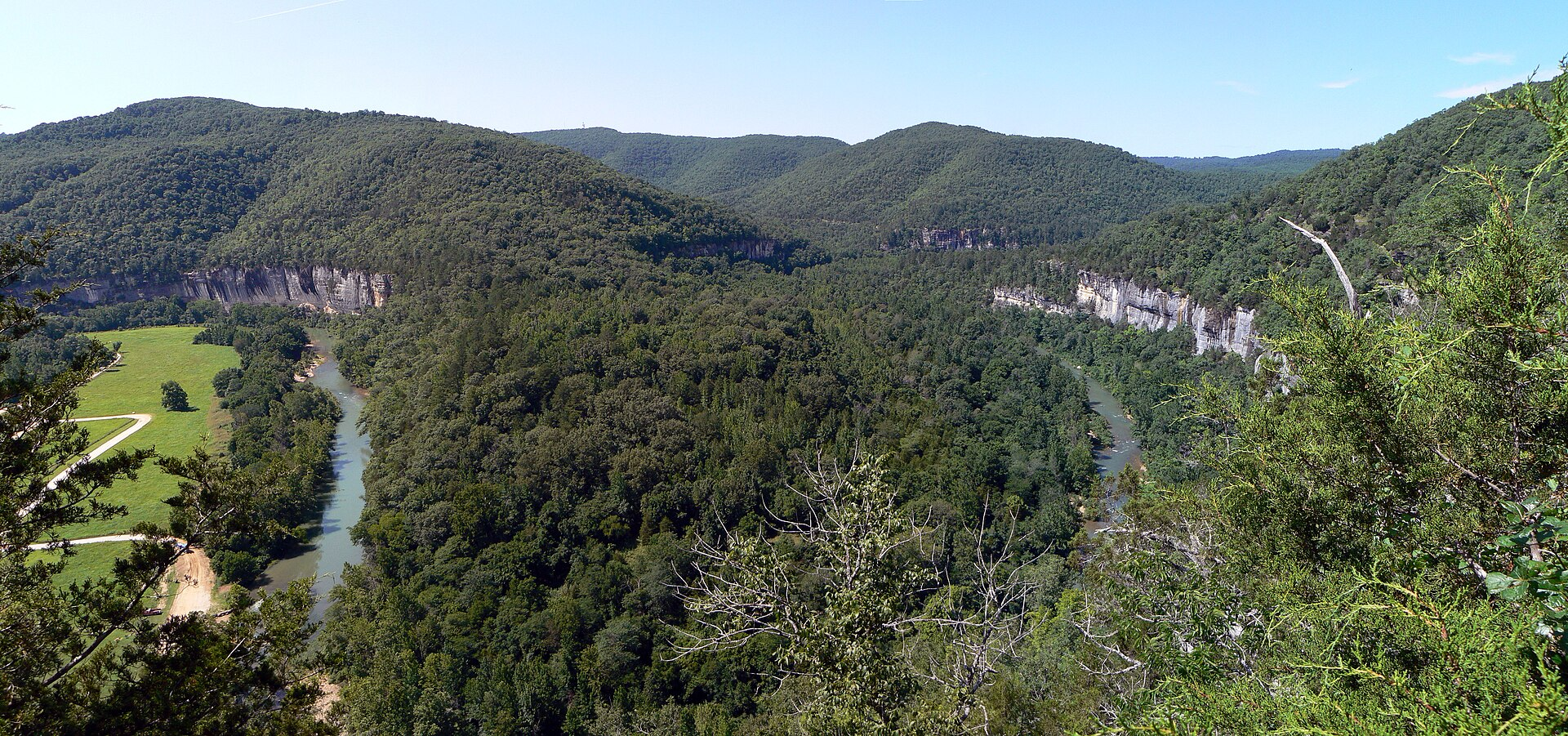
The Ozark region, spanning parts of Arkansas and Missouri, is another stronghold of self-sufficiency. This rugged, forested highland is rich in fresh water, with numerous springs, rivers, and lakes, and its hills and valleys support farming, livestock, and abundant wildlife. The climate is moderate, the cost of living is low, and the area has a strong tradition of rural independence and resourcefulness. Far from major urban centers and relatively insulated from large-scale disasters, the Ozarks offer space, natural resources, and a culture well-versed in living off the land. For those drawn to a grounded, self-reliant lifestyle surrounded by nature, this affordable and resource-rich region is a perennial favorite.
The Driftless Area
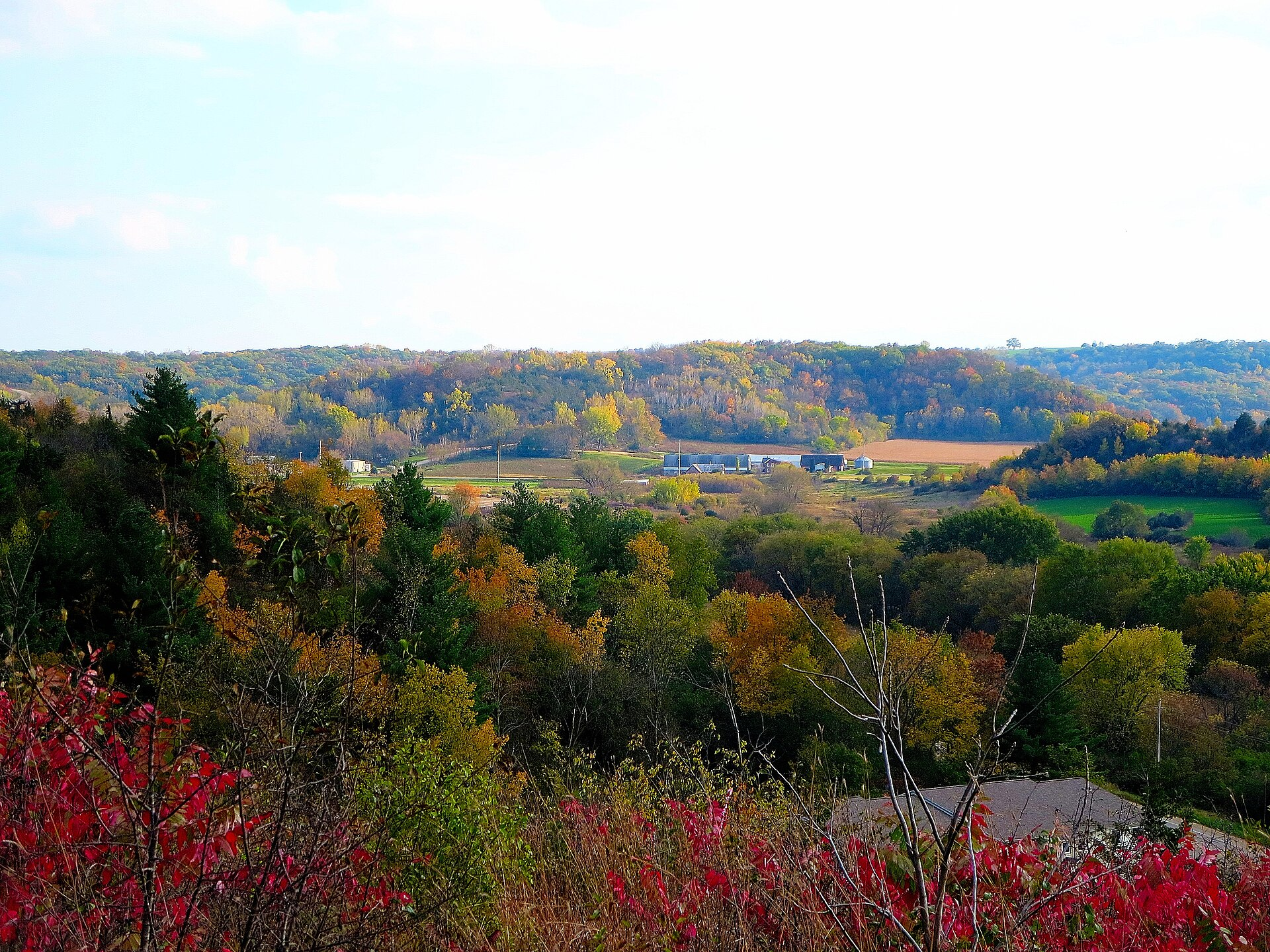
Tucked where Wisconsin, Minnesota, Iowa, and Illinois meet, the Driftless Area is a hidden treasure of natural resilience. Unusually, this region was untouched by the flattening glaciers of the last ice age, leaving behind a landscape of rolling hills, deep valleys, spring-fed streams, and rich soil. It’s prime farming country, dotted with small family farms, dairies, and a thriving local-food culture, and it enjoys plentiful fresh water. The area’s productive agriculture, abundant springs, and strong farming communities make it exceptionally self-sufficient. With its scenic terrain and deep agricultural roots, the Driftless Area stands out as one of the Midwest’s most naturally sustainable and food-secure regions, well-equipped to support its residents.
Northern New England
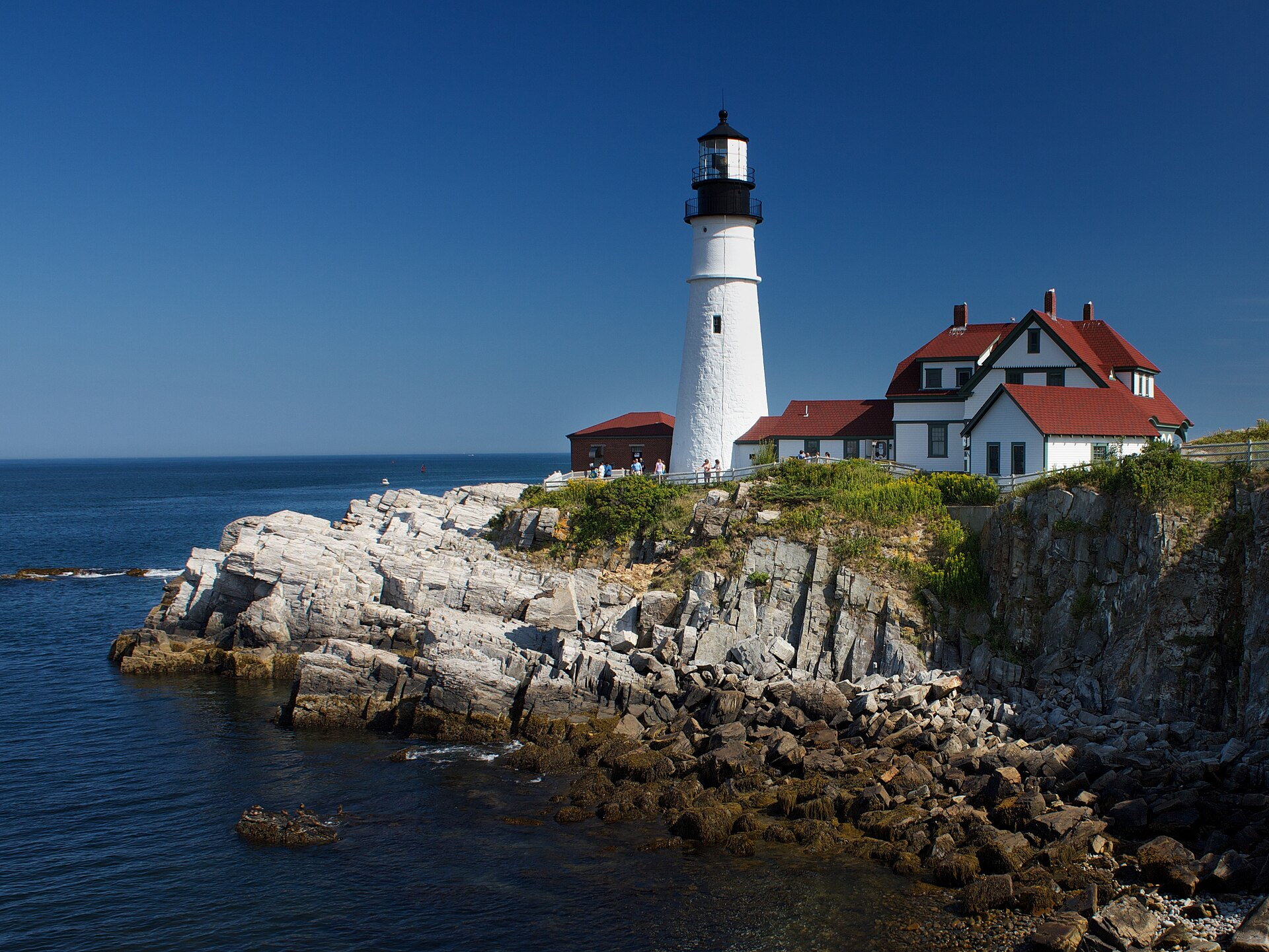
The rural reaches of Vermont, New Hampshire, and Maine offer a compelling mix of resilience factors. The region is rich in fresh water and forests, has a long tradition of small-scale farming and self-reliance, and fosters notably strong, civically engaged local communities. Vermont in particular is known for its robust local-food movement, town-meeting democracy, and culture of independence. Winters are cold and demand preparation, but the area is largely spared from the most catastrophic natural disasters. Abundant timber, maple, water, and farmland, combined with a population accustomed to self-sufficiency and neighborly cooperation, make northern New England a standout for those seeking a grounded, resilient rural life in a beautiful setting.
The Inland Pacific Northwest

While the rainy coast gets the attention, the inland Pacific Northwest, eastern Washington, the Idaho Panhandle, and parts of Oregon, offers strong self-sufficiency credentials. The region combines fertile agricultural land, including the famously productive Palouse wheat country, with significant fresh water from rivers and mountains, and a relatively low population density. It produces abundant food, has access to timber and hydropower, and sits away from the coastal earthquake and tsunami zones. With a culture that values outdoor skills and independence, plus space to spread out, the inland Northwest is well-positioned for resilient living. Its blend of farmland, water, and elbow room makes it an appealing region for self-reliant lifestyles.
The Finger Lakes, New York
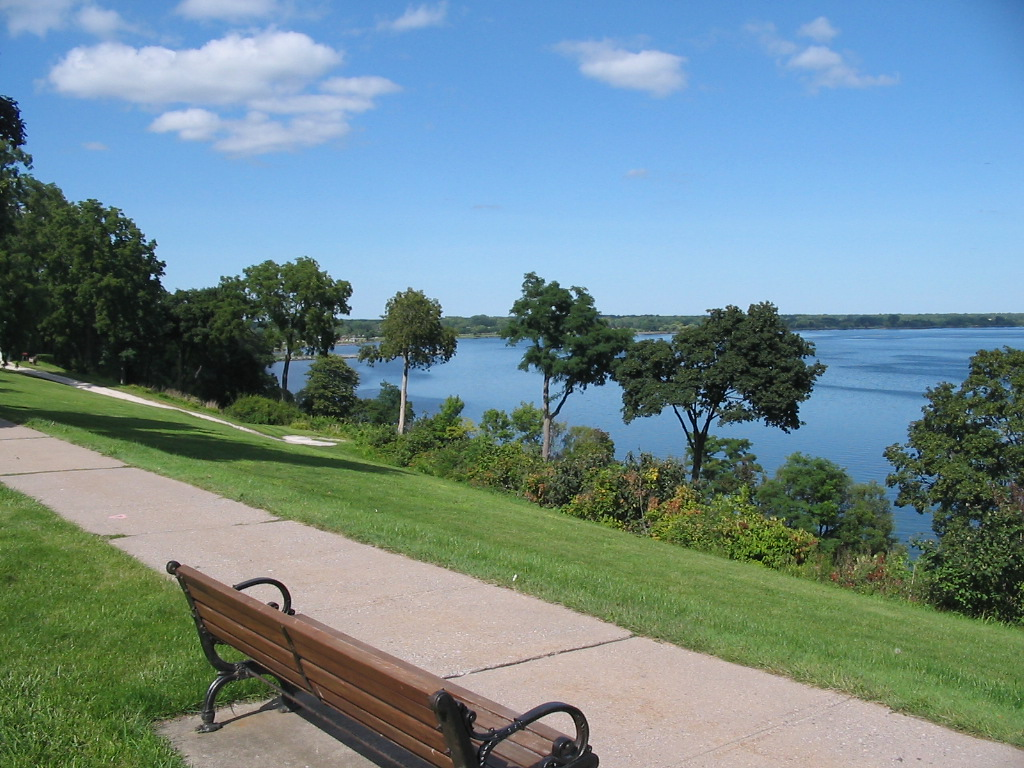
Upstate New York’s Finger Lakes region is a steadily resilient pocket of the Northeast. The deep glacial lakes provide enormous fresh-water reserves, the surrounding land is fertile and productive, supporting farms, orchards, and vineyards, and the area has charming small towns and a strong agricultural base. The climate is temperate, if snowy in winter, and the region is largely insulated from major natural catastrophes. With its combination of water abundance, rich farmland, local food production, and walkable communities, the Finger Lakes area offers a sustainable, grounded way of life. It’s a scenic, fertile region where self-sufficiency comes naturally, thanks to the land’s generosity and a well-established farming culture.
The Cumberland Plateau
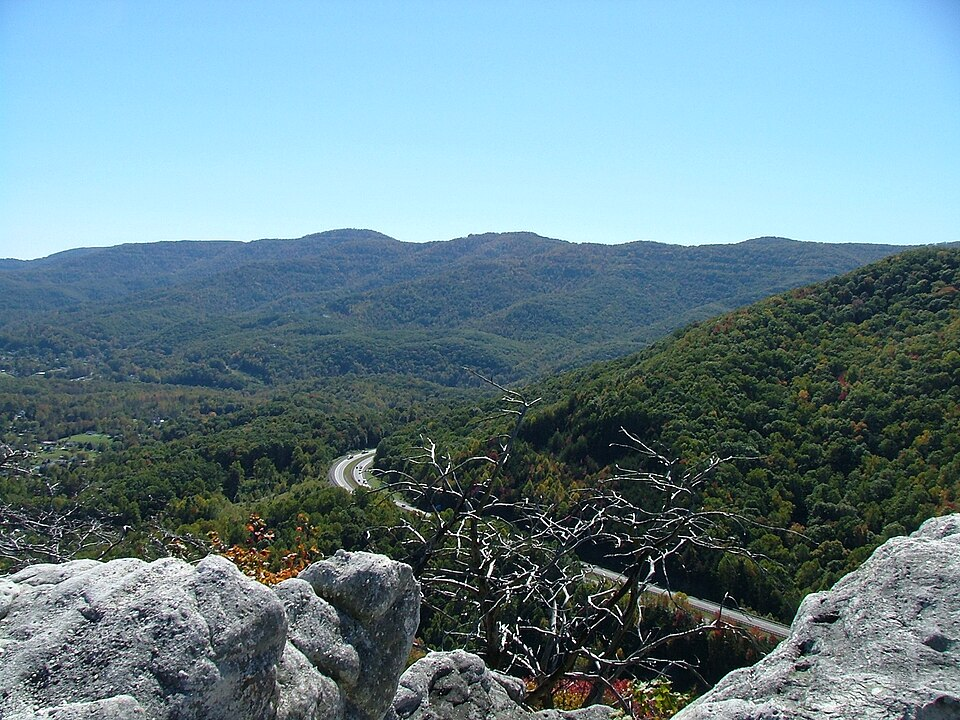
Spanning parts of Tennessee and Kentucky, the Cumberland Plateau is an underrated haven for self-reliant living. This elevated, forested region enjoys plentiful rainfall, abundant streams and rivers, and fertile pockets of farmland, all at a famously low cost of living. Its temperate climate, natural resources, and rural character support farming, gardening, and a generally independent lifestyle, while its elevation helps it avoid the worst flooding. The area has a long heritage of rural self-sufficiency and close communities. For those seeking affordable land, ample water, and a setting well-suited to growing food and living simply, the Cumberland Plateau offers an attractive and resilient option in the American heartland.
The Upper Midwest Farm Belt
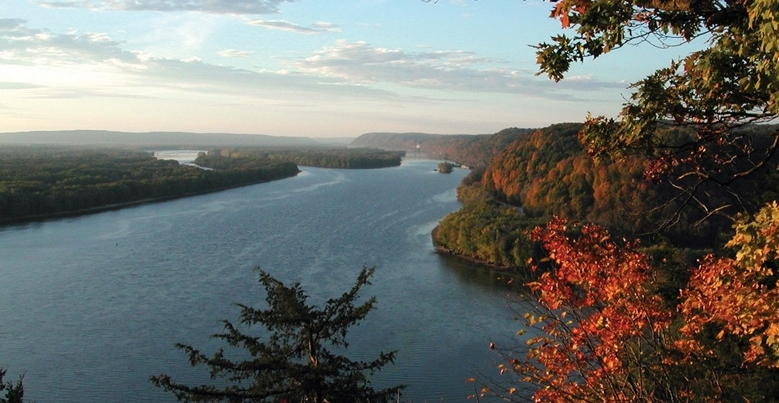
Beyond the Great Lakes shores, the broader Upper Midwest farm belt, including much of Iowa, Minnesota, and the Dakotas’ eastern reaches, is among the most food-secure regions on Earth. This is some of the most productive agricultural land anywhere, capable of growing vast quantities of grain and supporting extensive livestock. Combined with generally adequate fresh water, established farming communities, and a culture of practical, hardworking self-reliance, the region is exceptionally well-equipped to feed itself and then some. While winters are harsh, the area faces relatively limited risk from the most extreme natural disasters. For sheer food production and agricultural self-sufficiency, the heartland farm belt is hard to beat.
What Resilience Really Means
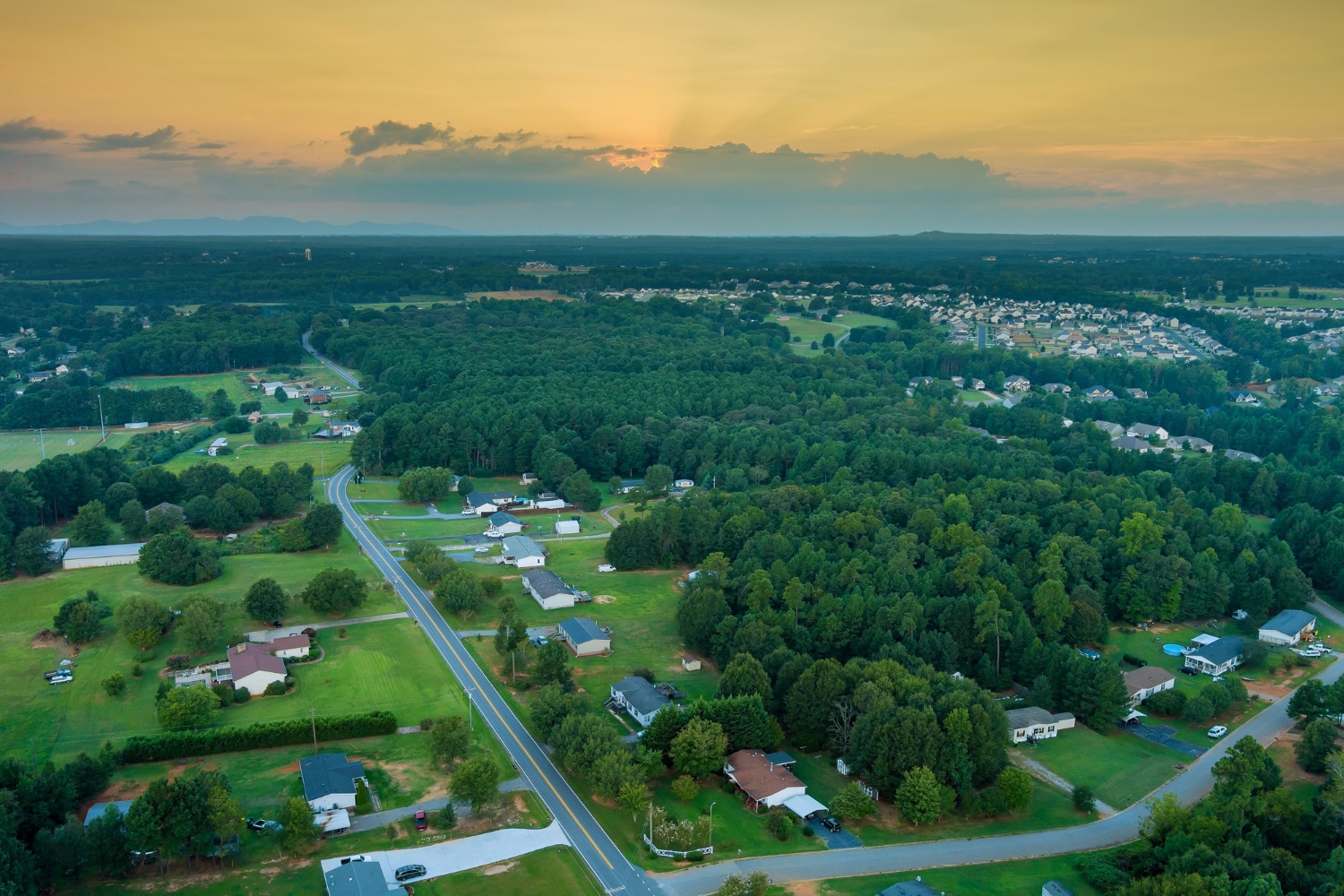
Looking across these regions, the recipe for a resilient place becomes clear: reliable fresh water, good farmland, a manageable climate, distance from catastrophic disaster risk, and, perhaps most importantly, strong, capable communities. None of this is about fear or isolation, it’s about the timeless appeal of living somewhere grounded, sustainable, and largely able to provide for itself. Many people are drawn to these qualities simply for a more self-reliant, connected, and nature-rich way of life, regardless of any worries about the wider world. Whether you’re dreaming of a homestead or just appreciate the value of a place that can stand on its own, these regions show that resilient living is alive and well across America.
Like our content? Follow us for more.
