The chocolate bar is a nineteenth-century European invention and a very late entry in a long history. For most of that history chocolate was a beverage, and in much of the world it still is something quite unlike the confectionery aisle. Here are fifteen ways it turns up.
1. Mexican Drinking Chocolate
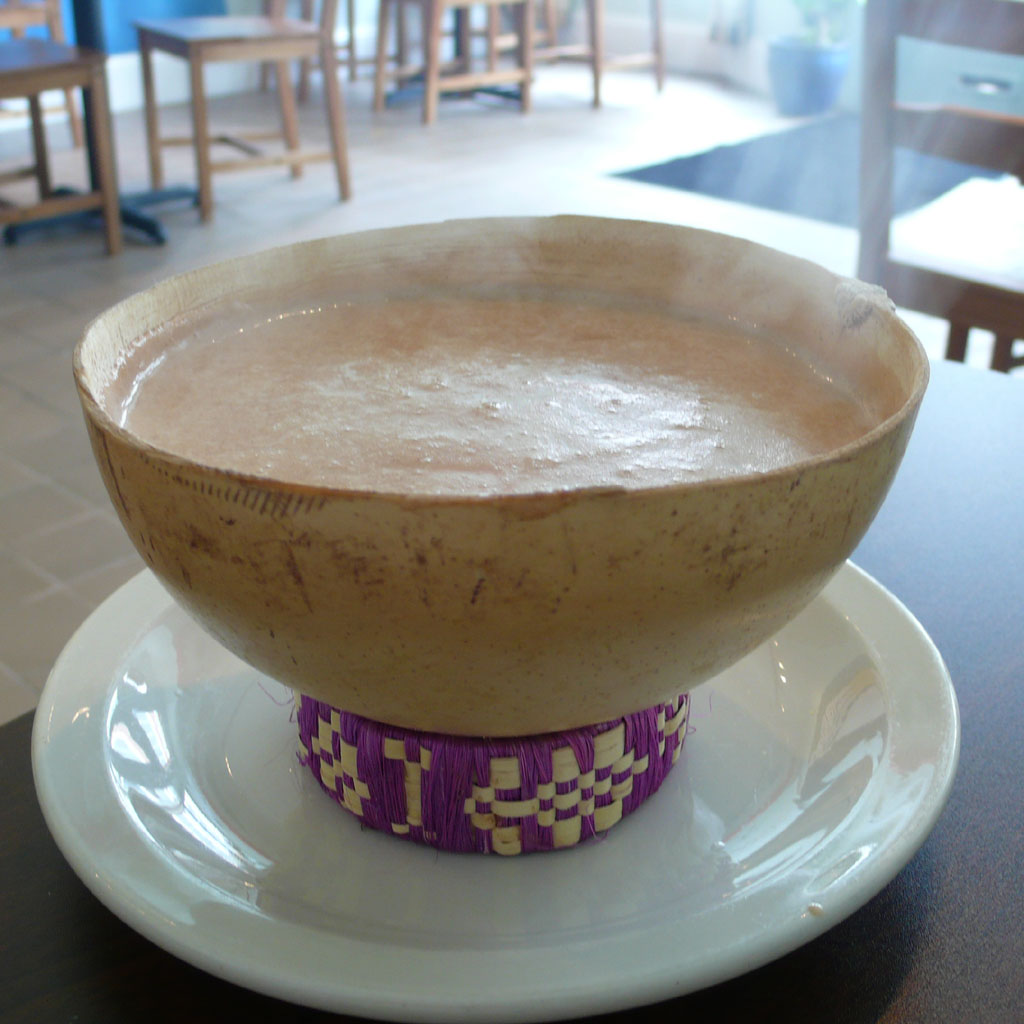
Chocolate dissolved in water or milk with cinnamon and sometimes chilli, whisked to a foam with a wooden tool called a molinillo. The foam is traditionally the point.
The tablets used are coarse and grainy rather than smooth, which is deliberate, and the drink descends directly from Mesoamerican preparations. Mexican drinking chocolate is the version closest to how chocolate was consumed for millennia.
Like our content? Follow us for more.
2. Mole — Mexico
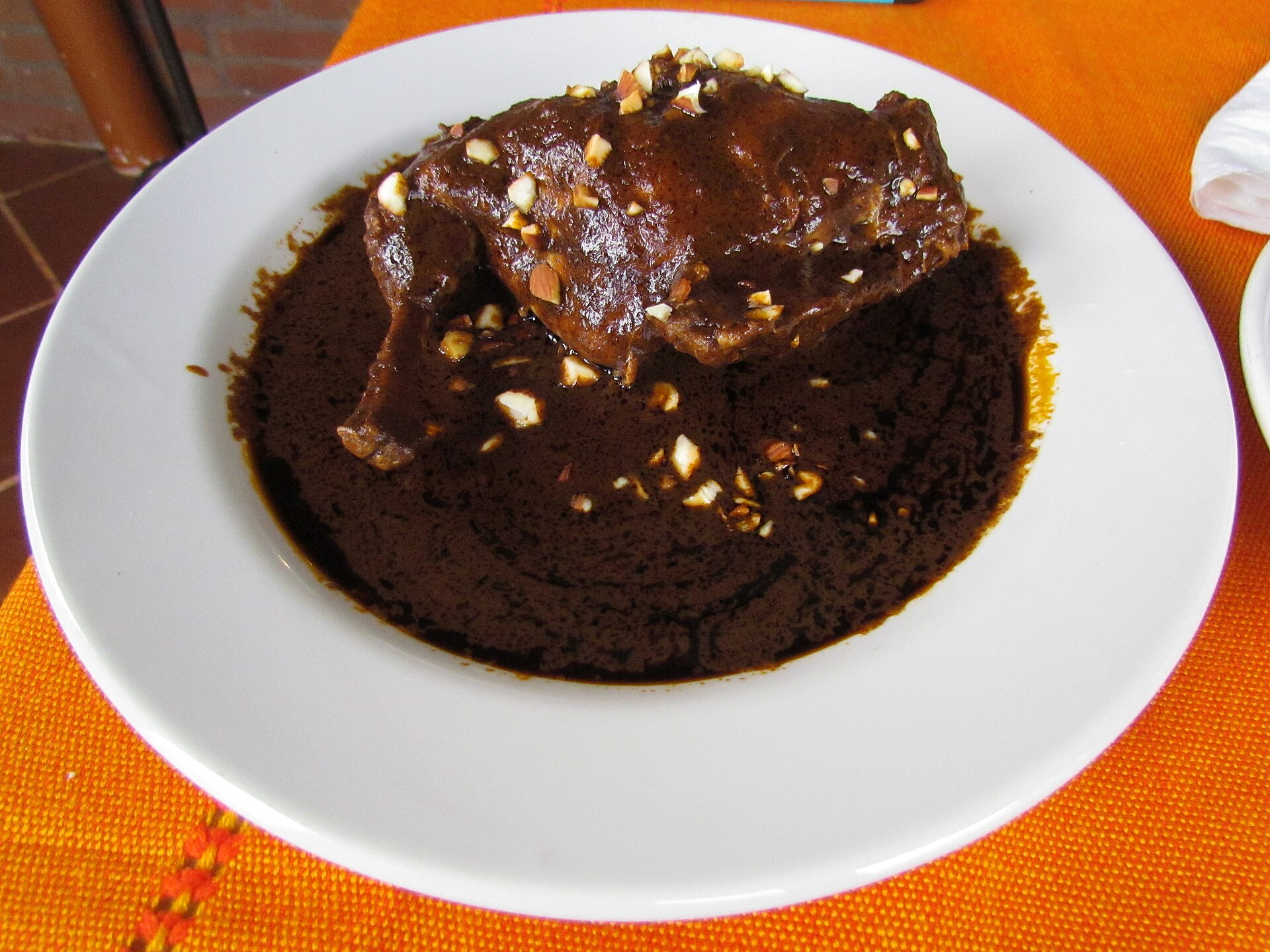
A family of complex sauces, some of which include chocolate alongside chillies, spices, nuts and seeds, served over meat rather than as anything sweet.
Mole poblano is the best-known chocolate-containing version, and the chocolate functions as depth and bitterness rather than sweetness. Recipes can run to dozens of ingredients. Mole is the dish that puts chocolate firmly on the savoury side of the meal.
3. Chocolate con Churros — Spain
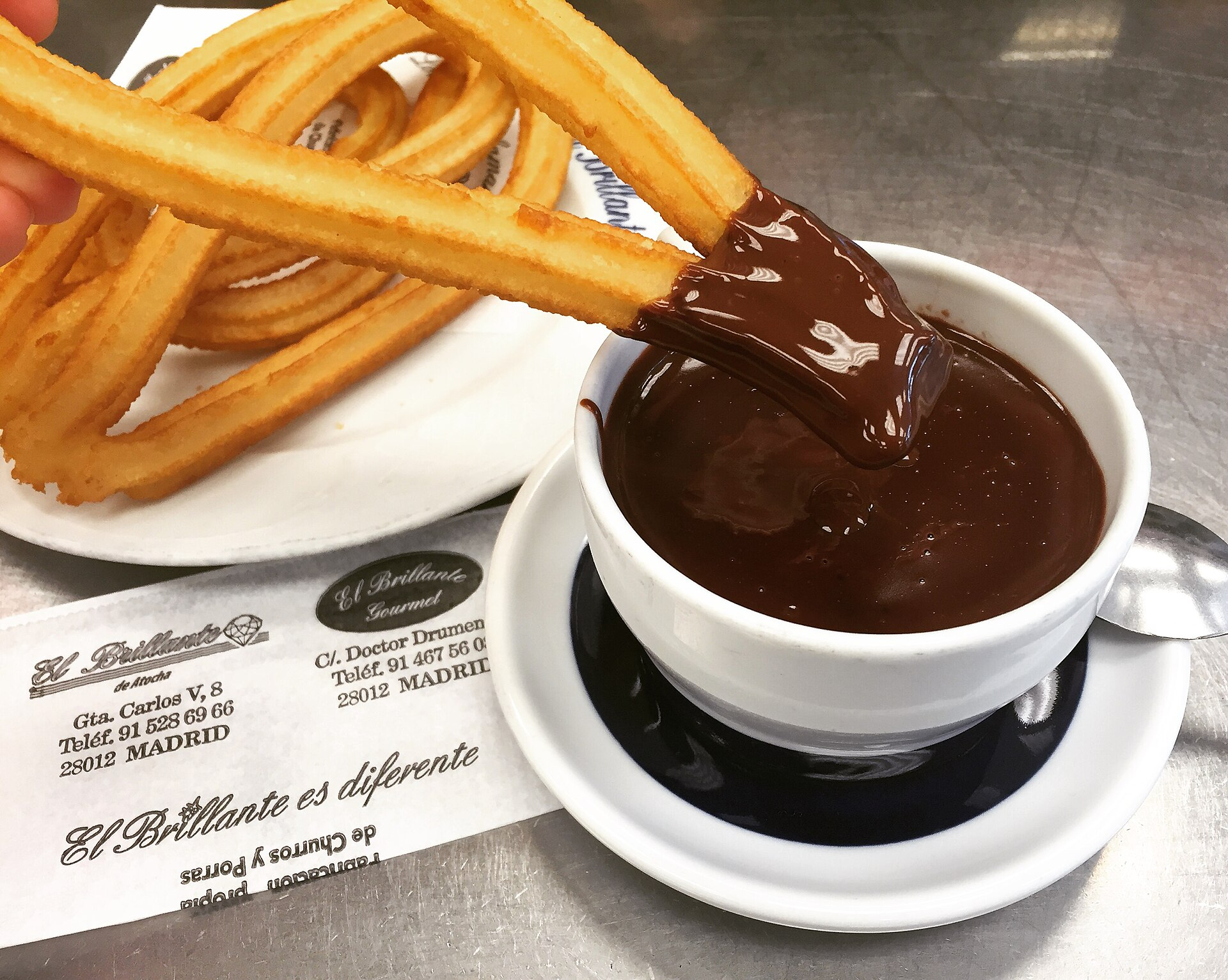
Thick drinking chocolate served in a cup for dipping fried dough, dense enough that the churro stands up in it. It is closer to a warm pudding than a drink.
The thickness comes from cornflour, and the combination is a breakfast or late-night institution rather than a dessert. Chocolate con churros is the chocolate you eat with a stick of fried dough at midnight.
4. Chocolate Rugelach — Eastern European Jewish
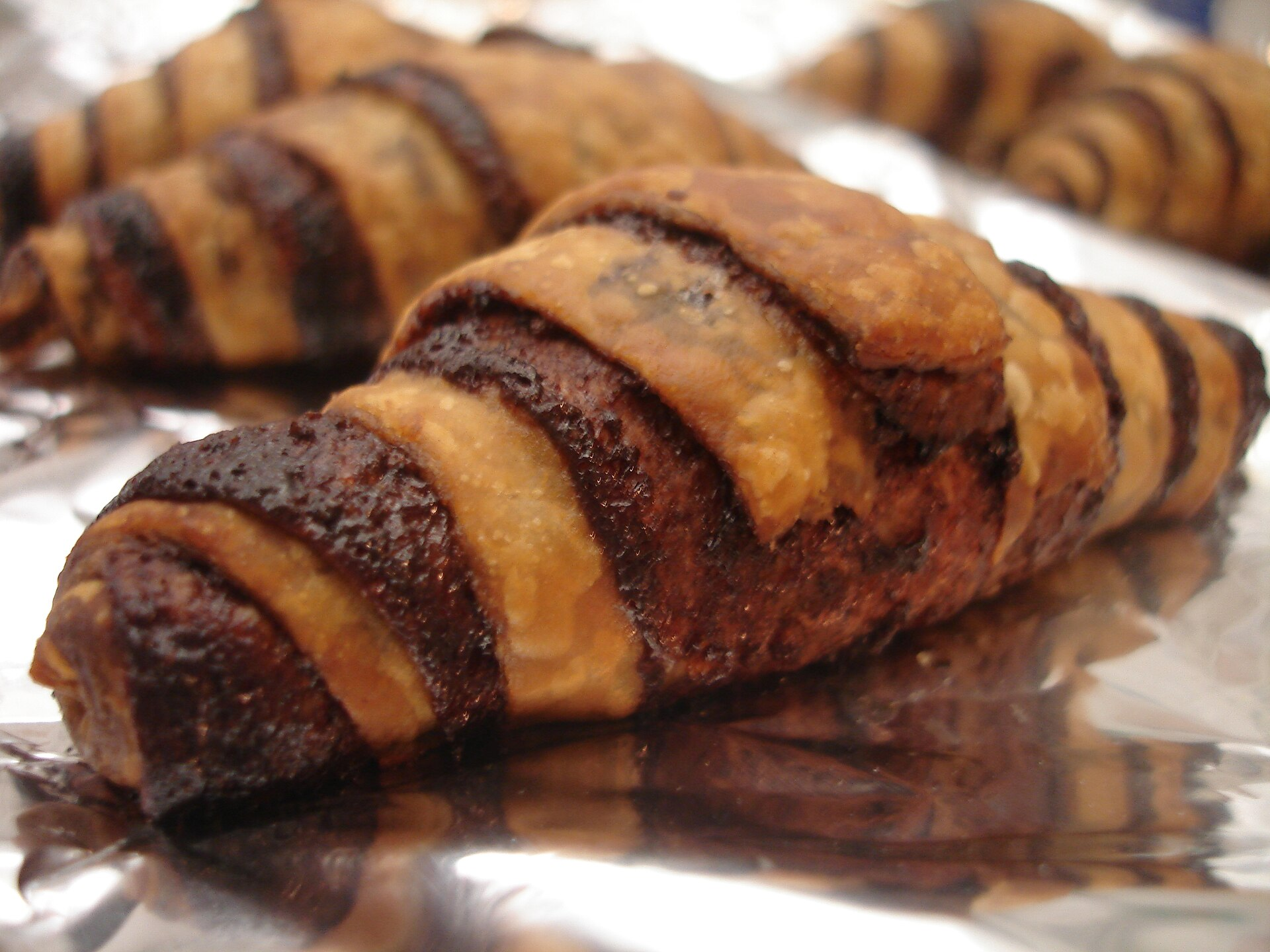
Small crescent pastries rolled from a rich cream-cheese or sour-cream dough around a chocolate filling, baked until the layers crisp at the edges.
They are made in large batches, keep well, and sit somewhere between a biscuit and a pastry without committing to either. The filling stays soft. Chocolate rugelach is the chocolate pastry designed to be eaten several at a time.
5. Pain au Chocolat — France
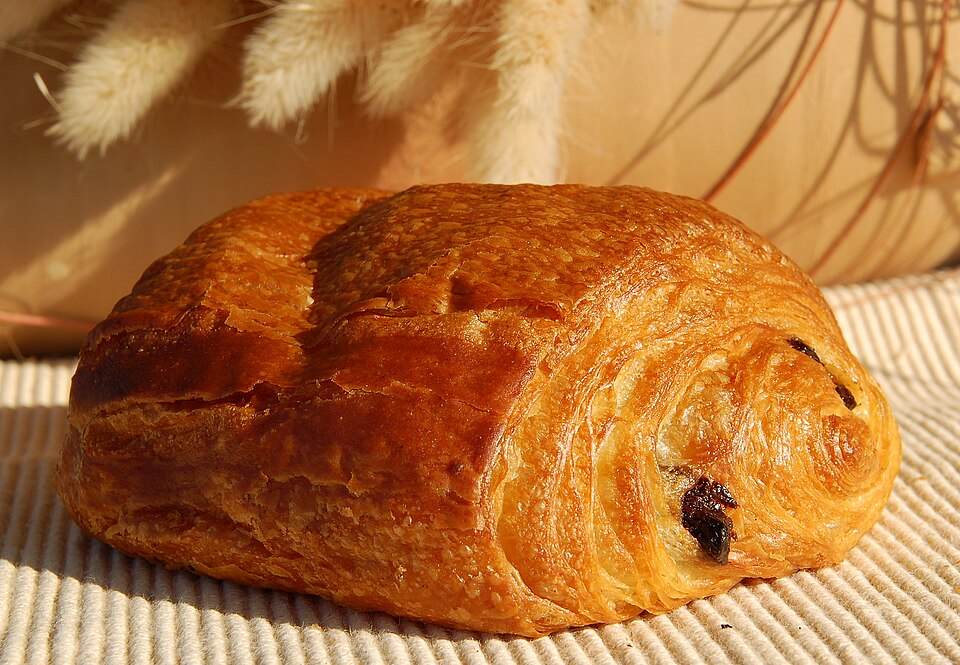
Laminated pastry dough wrapped around two batons of dark chocolate, baked until the layers separate. The name varies by region within France, which is itself a running argument.
Good versions depend entirely on the pastry, and the chocolate is deliberately restrained. It is breakfast, not dessert. Pain au chocolat is the chocolate item where the pastry does most of the work.
6. Chocolate Hummus and Savoury Pairings — Levant and Beyond
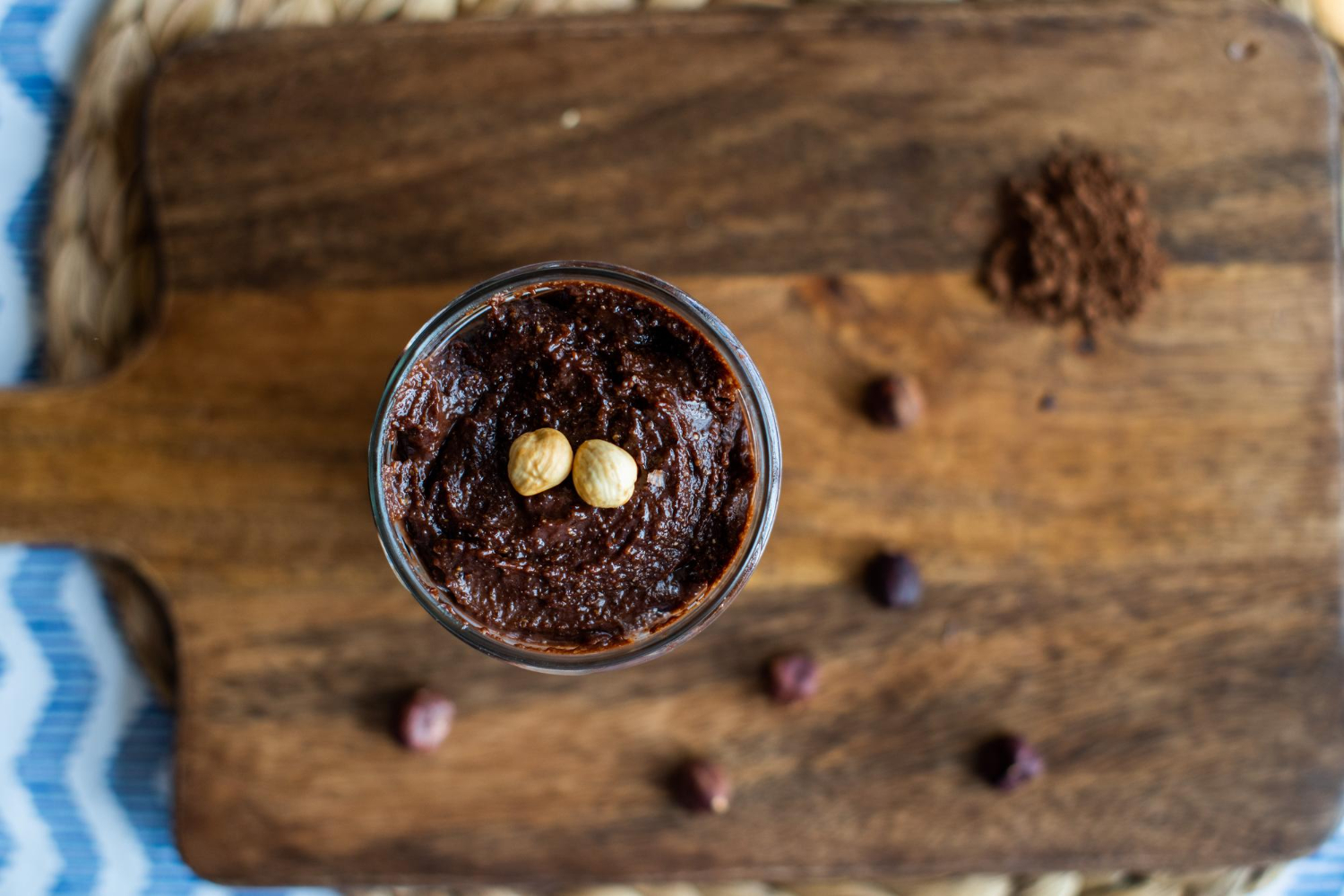
Modern kitchens across several cuisines have taken chocolate into savoury territory, pairing it with tahini, chickpeas, or spice blends in dips and spreads.
Tahini and chocolate in particular is a longstanding pairing across the eastern Mediterranean, where the sesame bitterness balances the sugar. Chocolate with tahini is the pairing that makes immediate sense on first taste.
7. Hot Chocolate with Cheese — Colombia
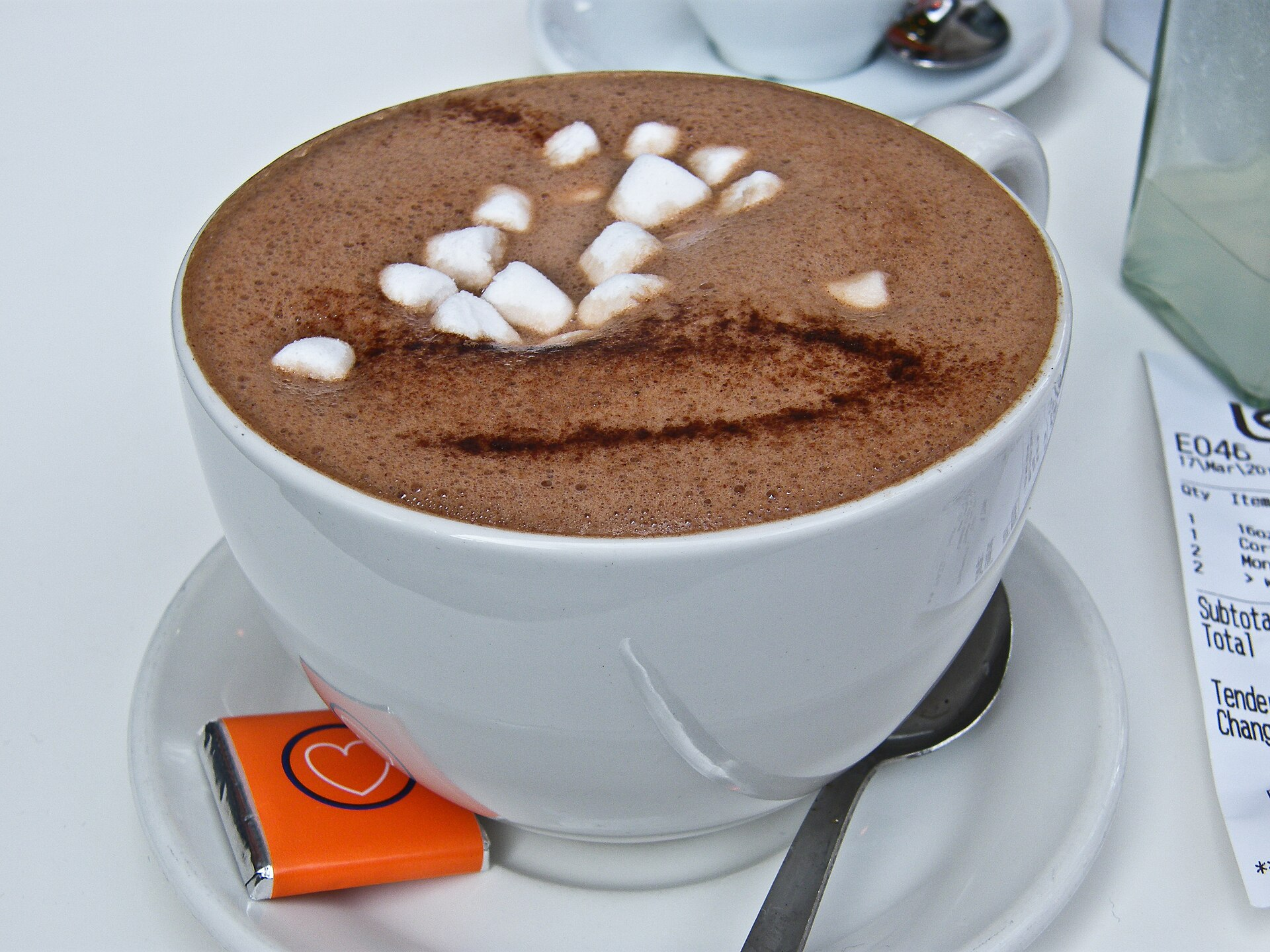
Hot chocolate served with a piece of fresh white cheese dropped into it, which softens and is eaten with a spoon as it melts.
Chocolate santafereño is a Bogotá breakfast tradition, usually accompanied by bread, and it divides visitors sharply on first encounter. Chocolate with cheese is the combination most likely to make an outsider pause.
8. Chocolate Babka — Eastern European Jewish
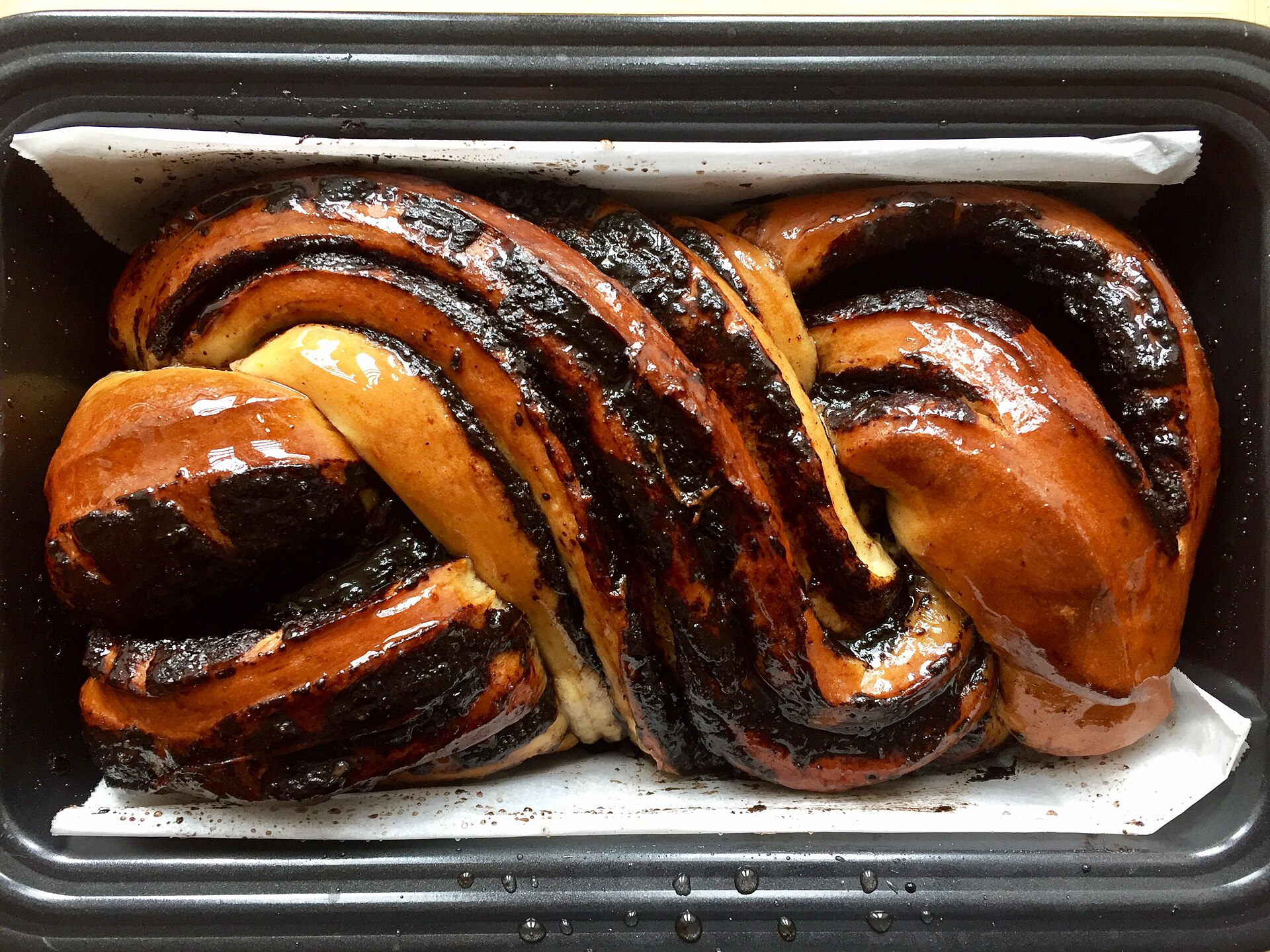
Enriched yeasted dough rolled with chocolate filling, twisted so the layers show in cross-section, then baked, often with a syrup glaze.
The twist is structural as much as decorative, distributing filling through every slice. It keeps well and toasts even better. Babka is the chocolate bread that is really a laminated argument for patience.
9. Champurrado — Mexico
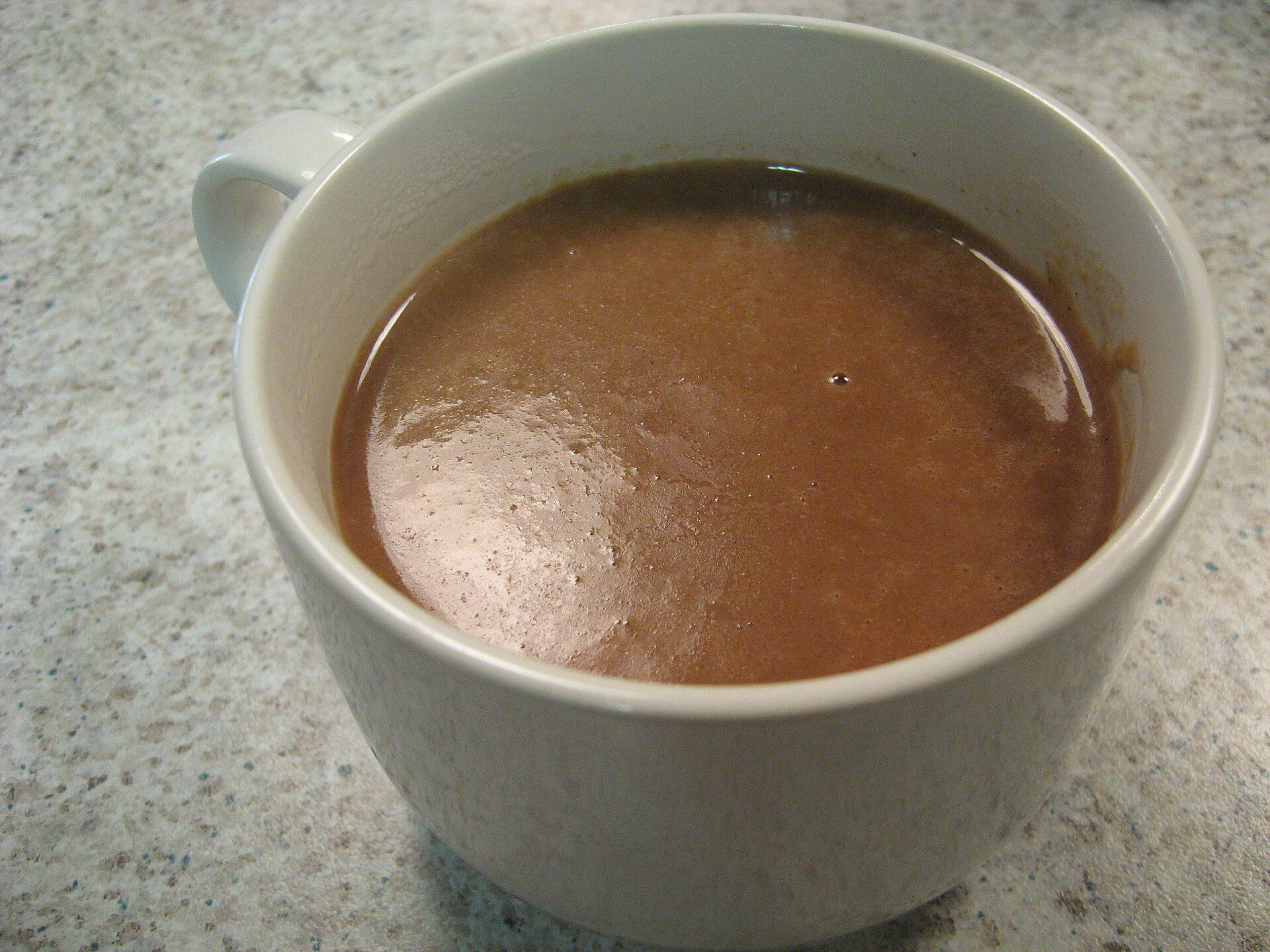
A thick chocolate drink thickened with masa, the corn dough used for tortillas, giving it a body and slight graininess quite unlike European hot chocolate.
It is a cold-weather and festival drink, often served alongside tamales. The corn is what makes it distinctive. Champurrado is the chocolate drink built on corn rather than milk.
10. Black Forest Cake — Germany
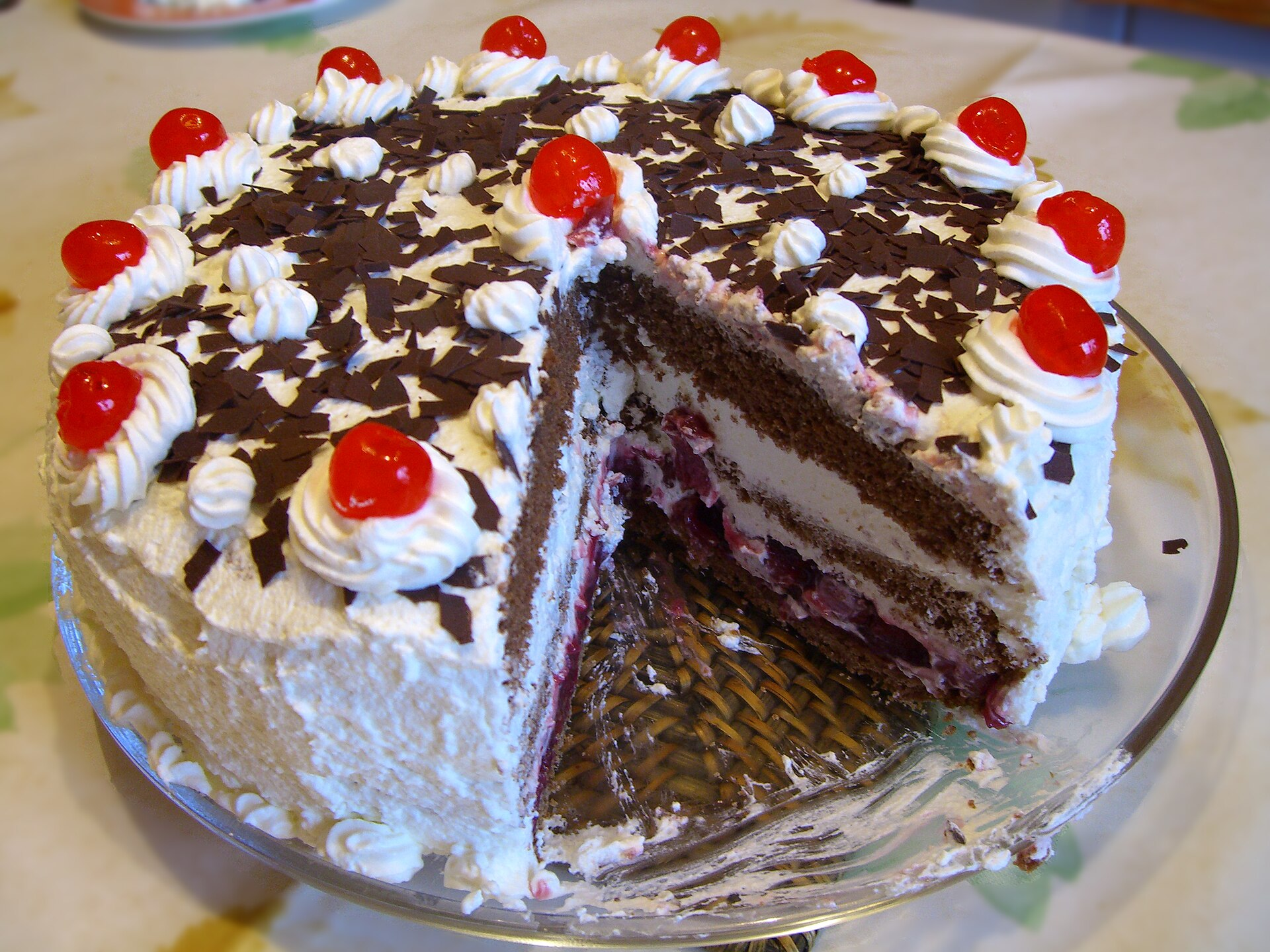
Layers of chocolate sponge with cherries, cream and a distinctive cherry spirit, topped with chocolate shavings. The spirit is traditionally essential to the name.
German regulations have historically been specific about what may be labelled as the real article, which tells you how seriously it is taken. Black Forest cake is the chocolate cake defined partly by law.
11. Chocolate Salami — Italy and Portugal
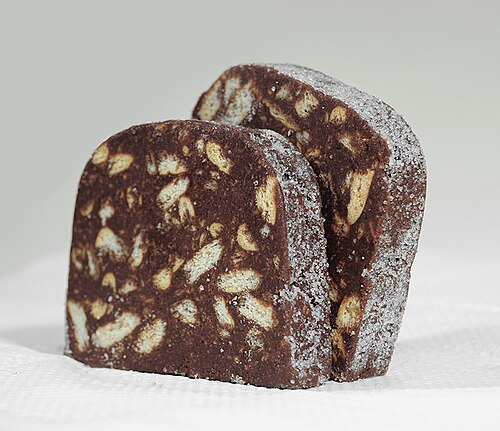
A no-bake log of chocolate, crushed biscuits, butter and sometimes nuts, chilled and sliced so the cross-section resembles cured meat.
It requires no oven and no skill, which is why it appears in home kitchens across southern Europe. The resemblance is entirely visual. Chocolate salami is the chocolate dish that looks like something else entirely.
12. Tejate — Oaxaca, Mexico
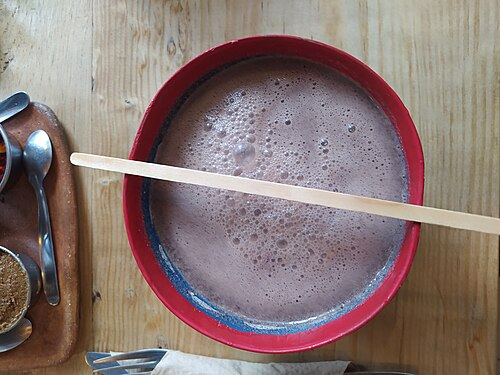
A cold pre-Hispanic drink of maize, cacao, mamey seed and a flower called rosita de cacao, whipped until a thick pale foam rises to the surface.
The foam is eaten as much as drunk, and the preparation is regional and specialised. It predates European contact. Tejate is the chocolate drink that looks and tastes least like anything you expect.
14. Chocolate Egg Cream and Soda Fountain Drinks — United States
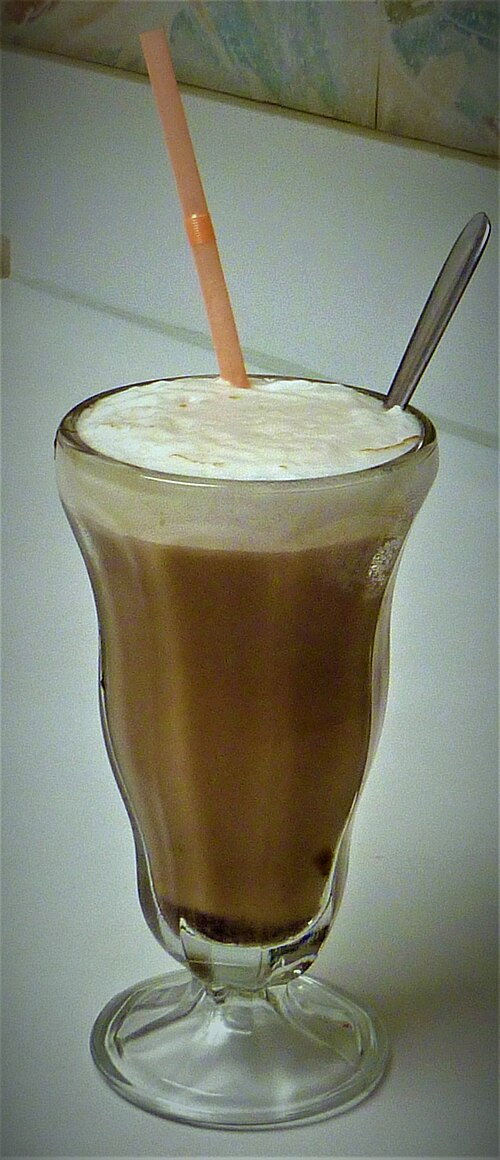
A chocolate syrup, milk and soda water combination that famously contains neither egg nor cream, mixed to produce a distinctive foamy head.
It belongs to a wider American tradition of chocolate soda-fountain drinks and depends on a specific syrup and technique. The name is a permanent puzzle. The egg cream is the chocolate drink named after two things it does not contain.
15. Cacao Nibs and Bean-to-Bar Tasting — Global
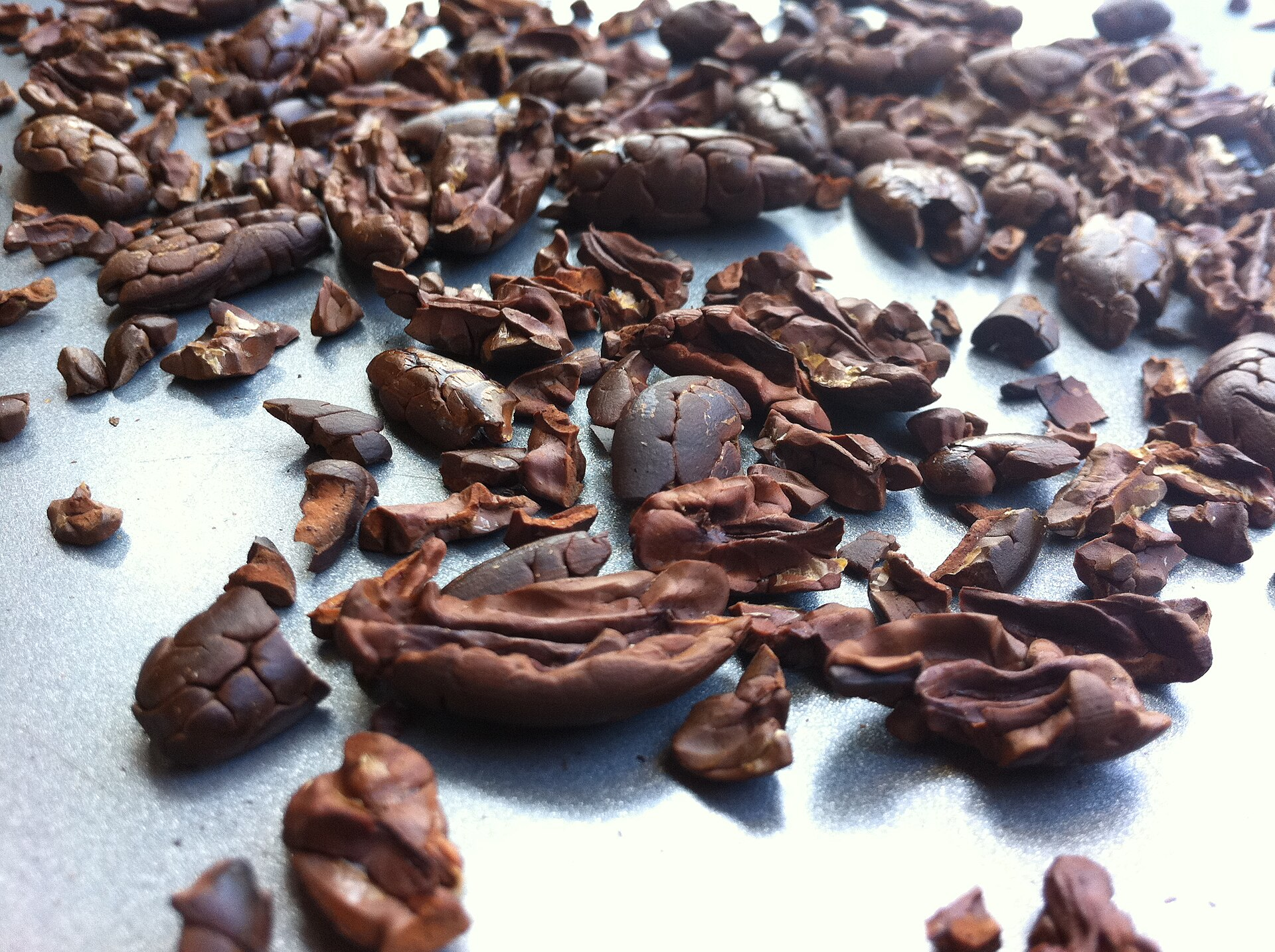
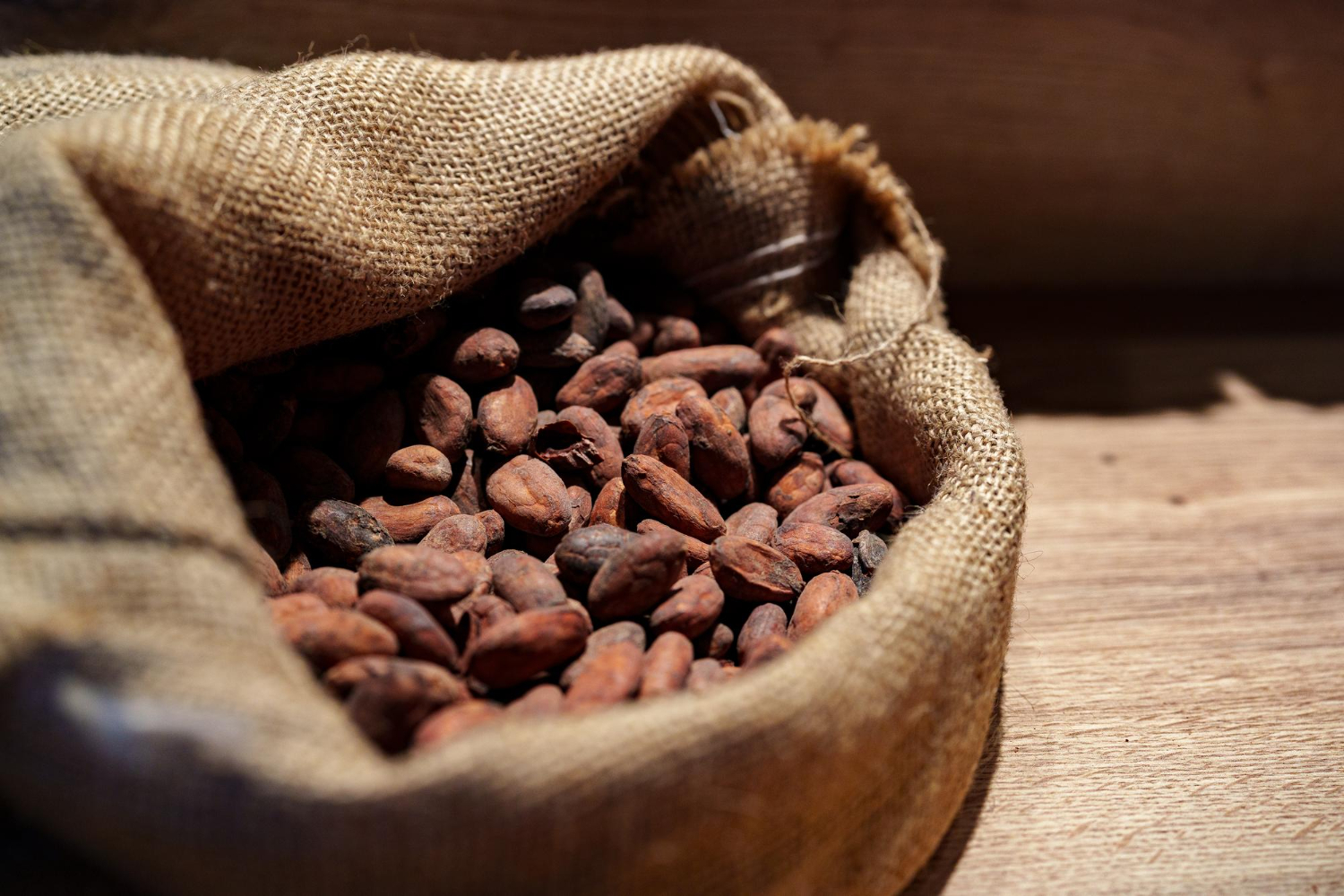
The modern craft movement has pushed cacao back toward its raw form, with nibs eaten plain and single-origin bars tasted for regional character much like wine or coffee.
The point is to taste the bean rather than the sugar, and high-percentage bars from different growing regions differ substantially. Cacao nibs are the chocolate experience that removes almost everything added in the last two centuries.
16. Hot Chocolate, Italian Style
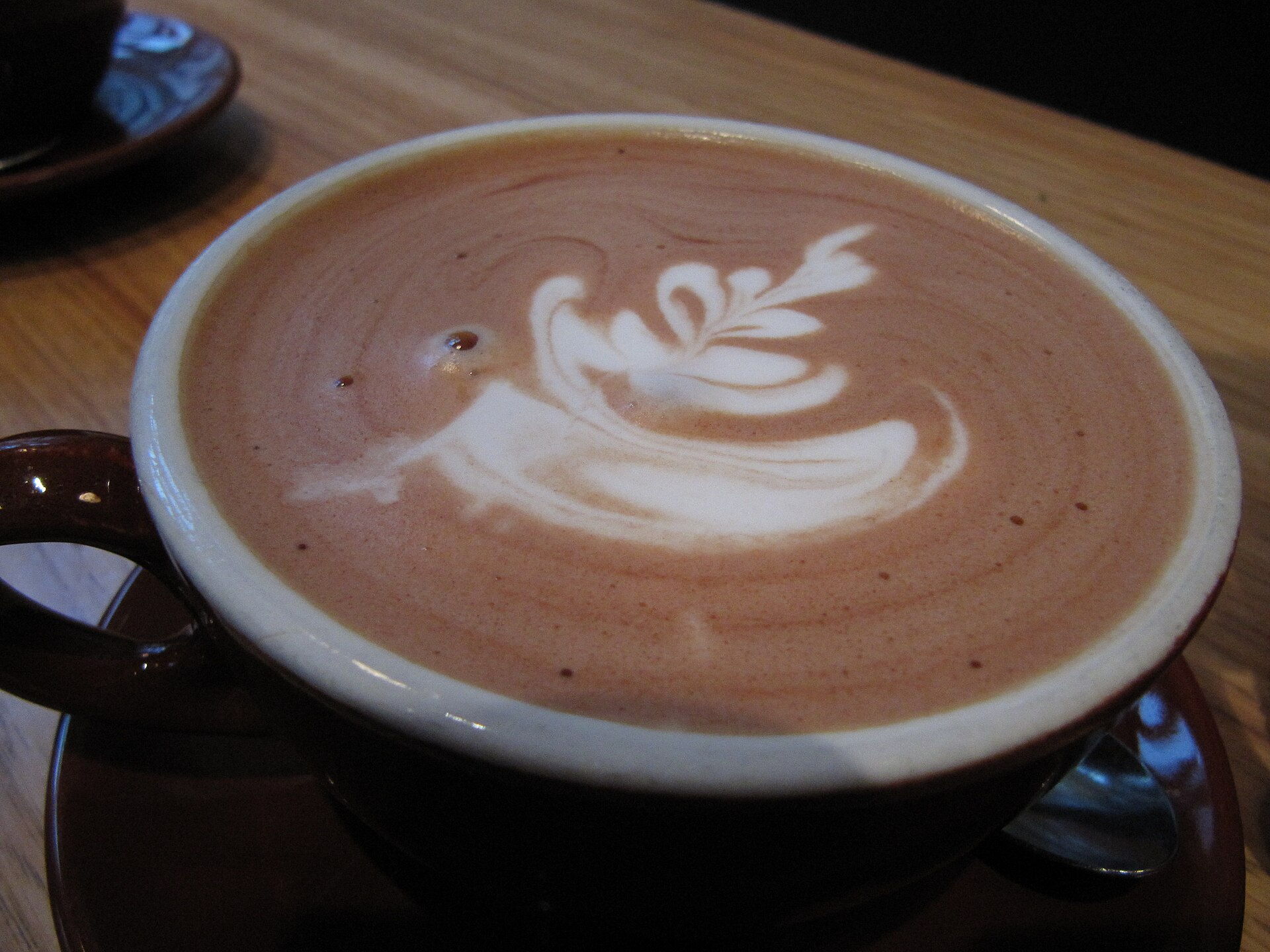
Cioccolata calda is thickened to the consistency of a warm custard, served in small cups and eaten with a spoon rather than drunk.
Italian bars serve it through the colder months and it bears almost no relation to a mug of cocoa powder and hot water. Portions are deliberately small. Italian hot chocolate is the chocolate drink that requires cutlery.
Three Thousand Years, One Bean
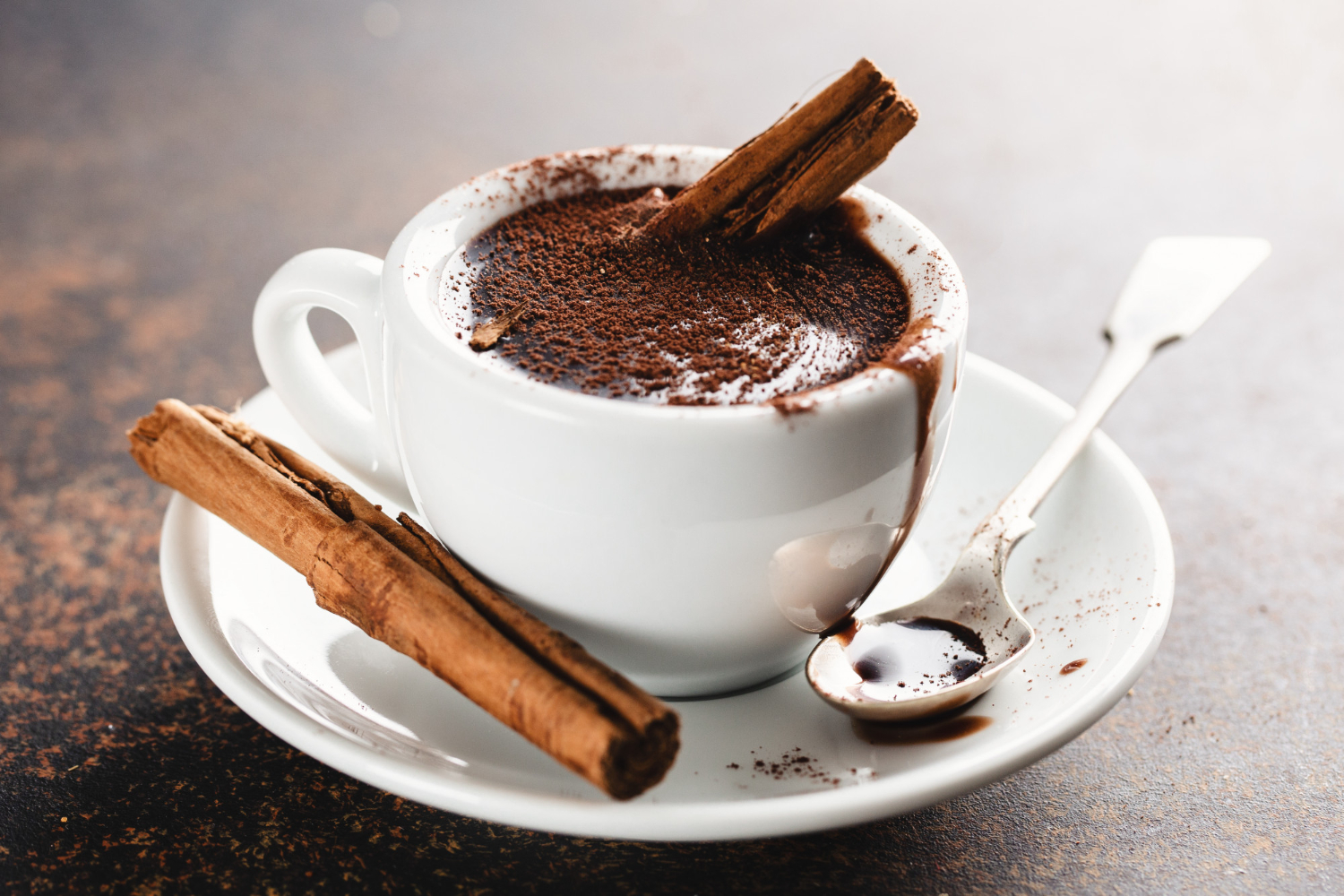
What connects these is a single tropical seed that was a bitter ceremonial drink long before anyone thought to add milk and sugar and press it into a mould.
The bar is not the default form of chocolate; it is the most recent one. Several of these are easy to try at home — thick Spanish-style chocolate, champurrado, chocolate salami — and all of them are a useful reminder that the confectionery aisle represents a narrow slice of what this ingredient does.
Like our content? Follow us for more.