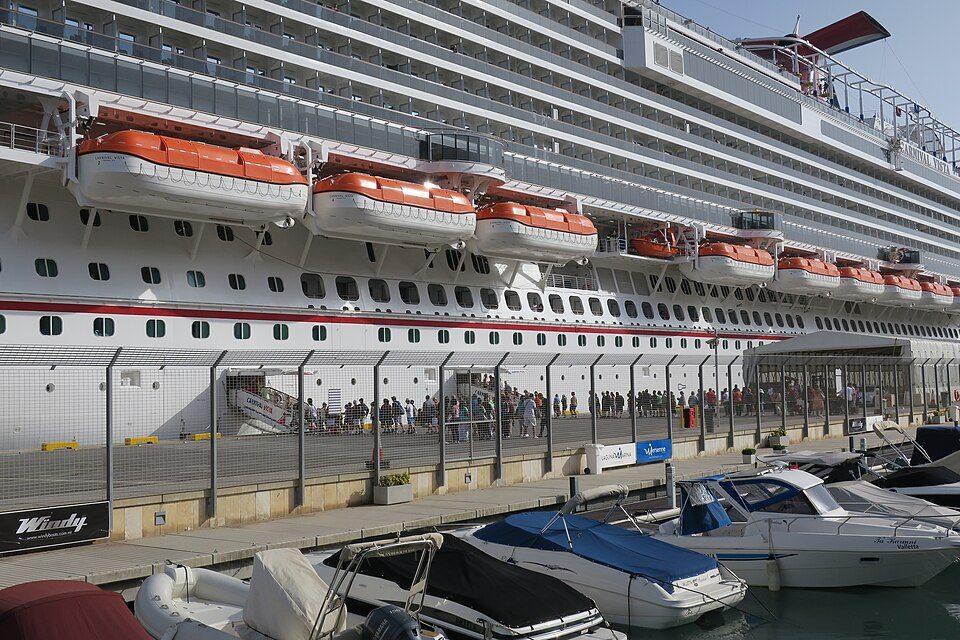
A port call is a few hours in a foreign legal system, and the way most passengers approach it is as a day out. That mismatch is where the difficulty comes from, because almost none of the items below involve any intent to do anything wrong.
They are a handful of sand, a drone in a bag, a bare chest on a promenade, a photograph of a harbour, an apple from the buffet and a step sat down on. Rules vary enormously between ports and change, so each item is a prompt to read the port information the ship issues and the destination’s own guidance rather than a statement about any particular place. Here are fifteen things that end badly ashore, and how to avoid every one of them.
1. Taking sand, shells, coral or stones off a beach
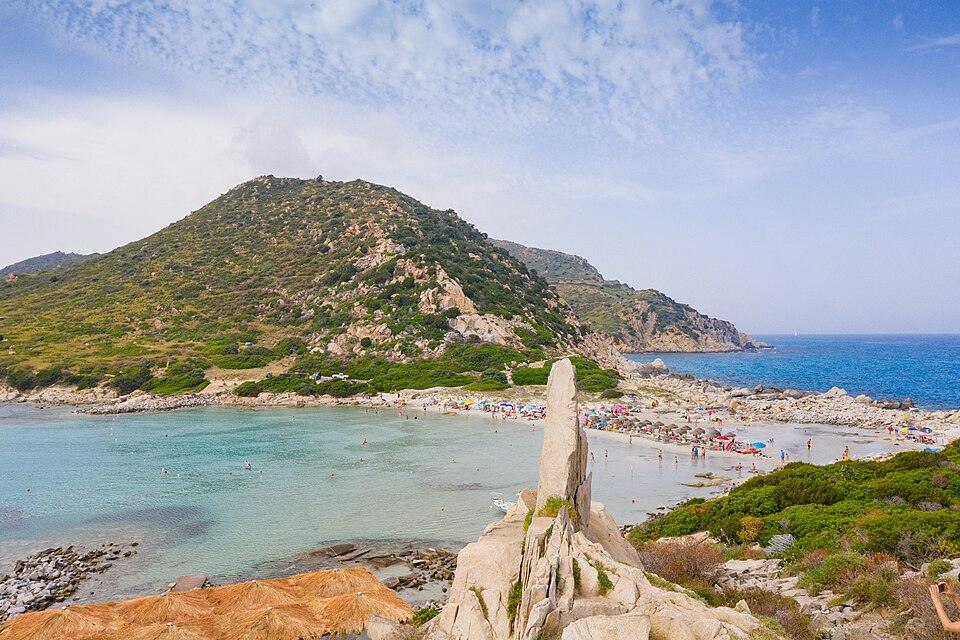
This is the most common way a cruise passenger gets into real trouble ashore, and it is almost always innocent. A handful of sand in a water bottle, a pretty shell, a pebble from a volcanic beach.
Removing sand is specifically illegal in Sardinia, with substantial fines routinely issued at the airport, and in Hawaii, the Canary Islands and a number of Caribbean jurisdictions. Coral is additionally protected internationally, and stones from an archaeological or national park site are a separate offence again.
Leave the beach where it is, and be particularly careful about volcanic sand and anything that looks like coral. Fines in the worst cases run into four figures and are issued to tourists as a matter of routine.
2. Flying a drone, anywhere
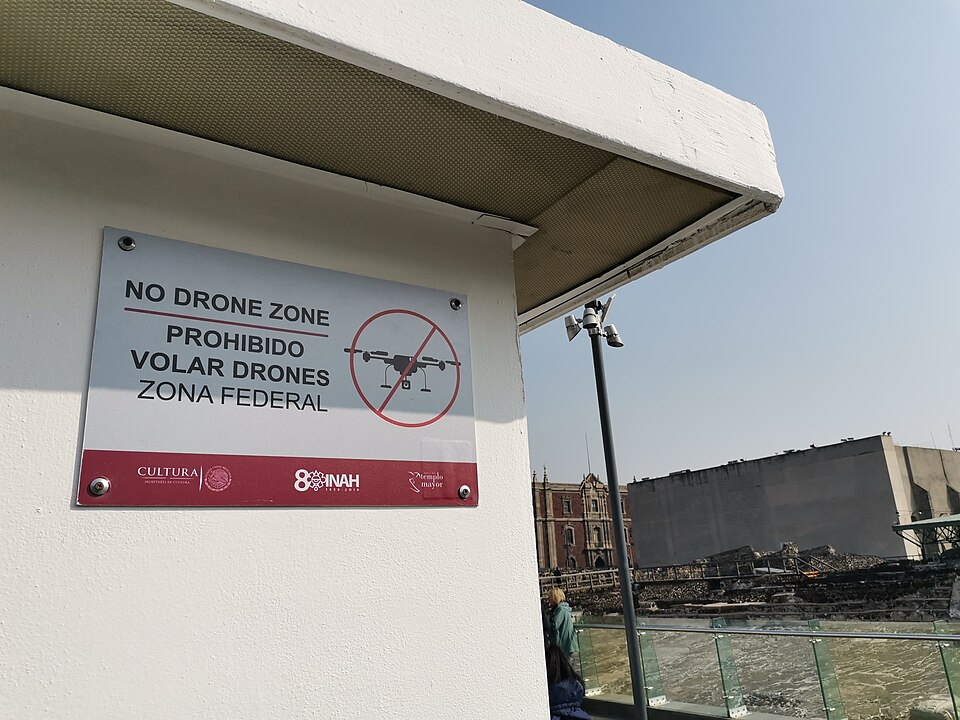
Drones are prohibited outright in a number of countries, require advance permits in many more, and are frequently banned in exactly the places a cruise passenger wants to fly one: ports, historic sites, national parks and coastlines.
Morocco prohibits them and confiscates on arrival. Several Caribbean states require a permit obtained in advance. Cruise lines also generally prohibit operating one from the ship or in port, independently of local law.
Check every country on the itinerary before packing one, and assume the answer is no unless you have found a permit process and completed it. A confiscated drone is the best outcome in this category, not the worst.
3. Photographing military sites, ports, airports or police
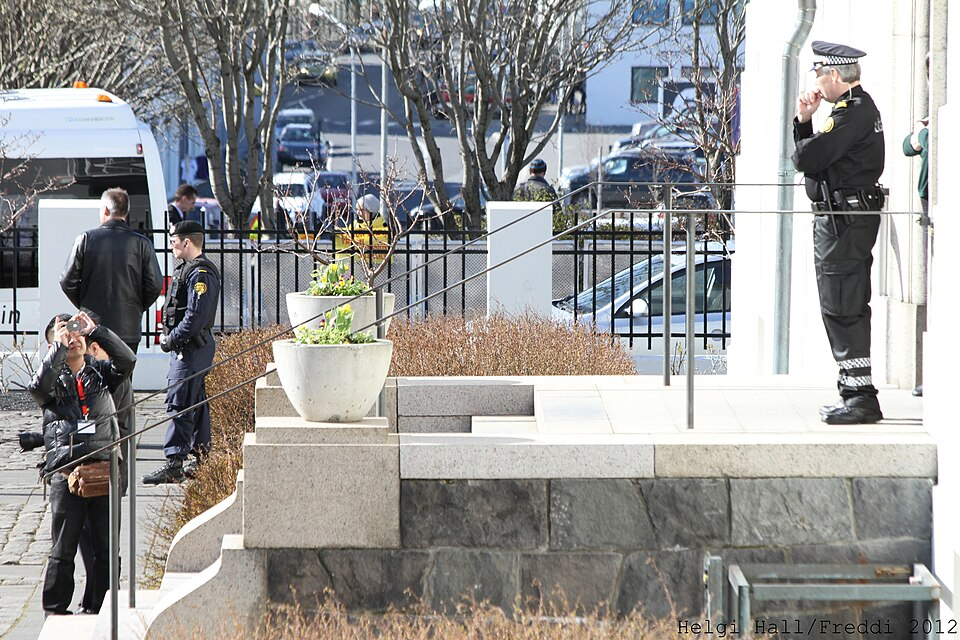
Photographing anything that could be considered a security installation is an offence in a great many countries, and the definition can include a port gate, a bridge, a government building, a uniformed officer or a stretch of coastline.
Enforcement varies from being asked to delete an image to detention and the seizure of equipment. Cruise ports are frequently working commercial or naval harbours, which makes the quayside itself a sensitive area in some countries.
Do not photograph infrastructure, personnel in uniform or anything behind a fence, and put the camera down if asked. If you are unsure whether something is sensitive, it probably is.
4. Standing on coral, or swimming in the wrong sunscreen
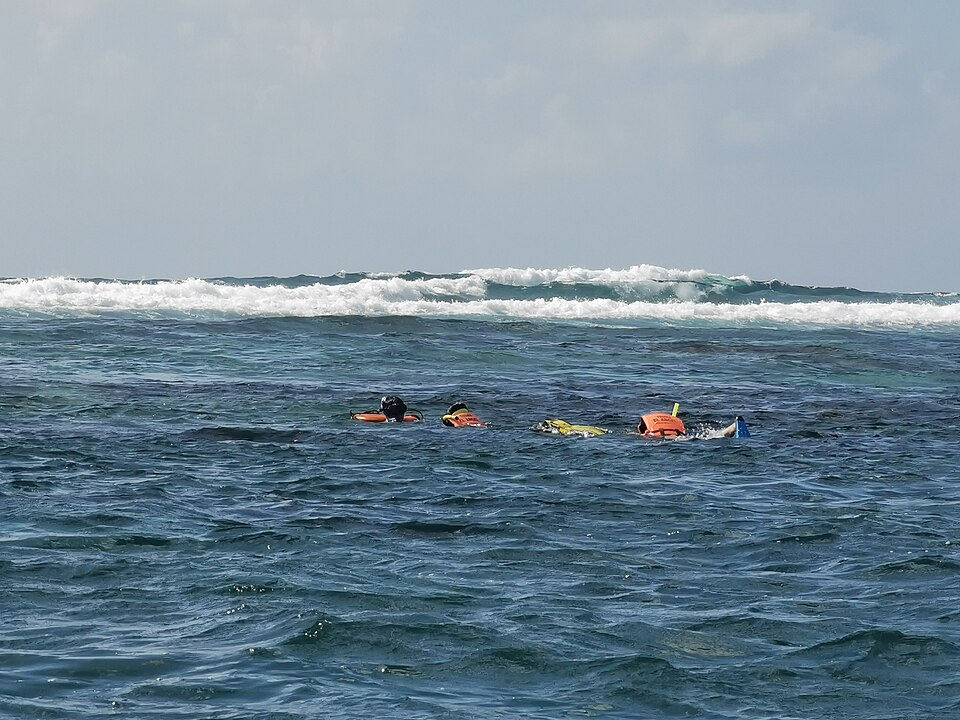
Coral is a living structure and standing on it kills it, which is why reef sites increasingly prohibit contact entirely. Separately, a number of jurisdictions have banned sunscreens containing particular ultraviolet filters implicated in reef damage.
Hawaii’s prohibition on sunscreens containing oxybenzone and octinoxate took effect in 2021, and Palau, Bonaire and Key West have their own restrictions with varying ingredient lists. Shore excursion operators in these places will refuse to take you snorkelling in a non-compliant product.
Buy a mineral-based sunscreen before you travel and read the destination’s ingredient list, because they differ. Wear a rash guard rather than relying on sunscreen, and never put a foot down on a reef.
5. Feeding, touching or swimming with wildlife
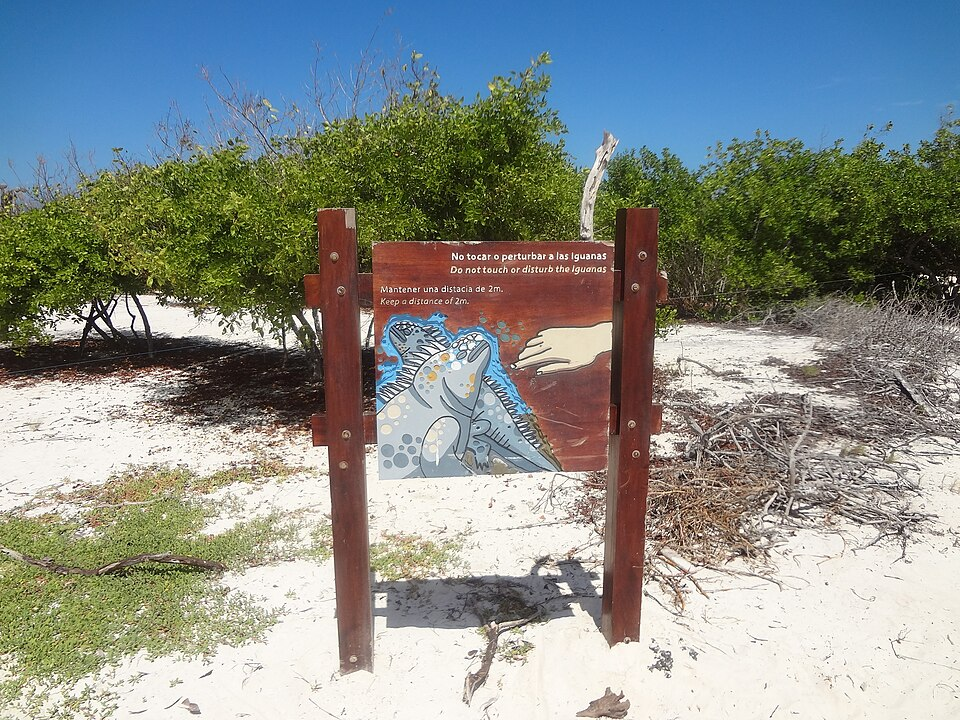
Feeding wild animals, touching marine life, handling turtles and taking photographs holding an animal are all prohibited in many destinations and are offered anyway by informal operators working the quayside.
Marine mammal interaction is regulated or prohibited in much of the world, sea turtles are protected almost everywhere, and photographs with primates, sloths and big cats commonly involve animals held in conditions that are themselves illegal.
Book wildlife activity through the ship or through a licensed operator, and decline anything offered at the pier that involves holding an animal. If a photograph requires an animal to be handed to you, that is the answer.
6. Walking away from the beach in swimwear
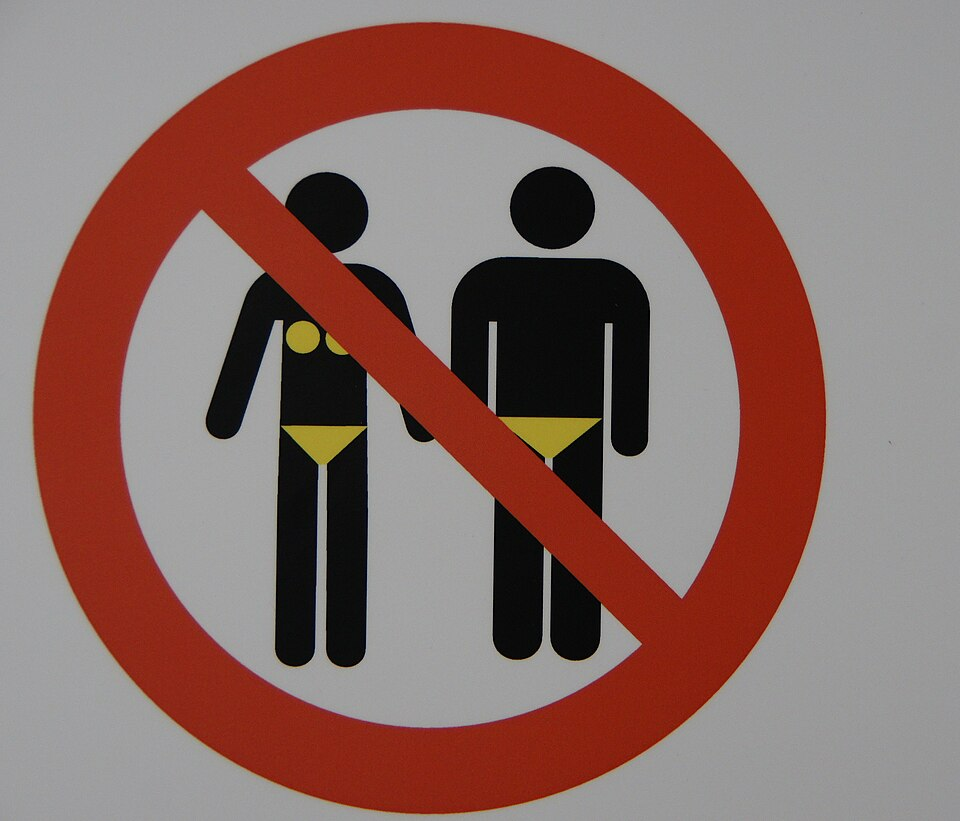
Wearing swimwear or going bare-chested away from the beach is an offence carrying on-the-spot fines in a long list of Mediterranean destinations, and enforcement has become markedly stricter in the past few years.
Barcelona, a number of Croatian and Italian coastal towns and several Greek islands all issue fines. The rules typically cover streets, seafront promenades, shops and public transport, which includes the walk back to the ship.
Carry a cover-up and put it on when you leave the sand. This is the single easiest item on the list to comply with and one of the most frequently penalised.
7. Arriving at a religious site with shoulders or knees uncovered
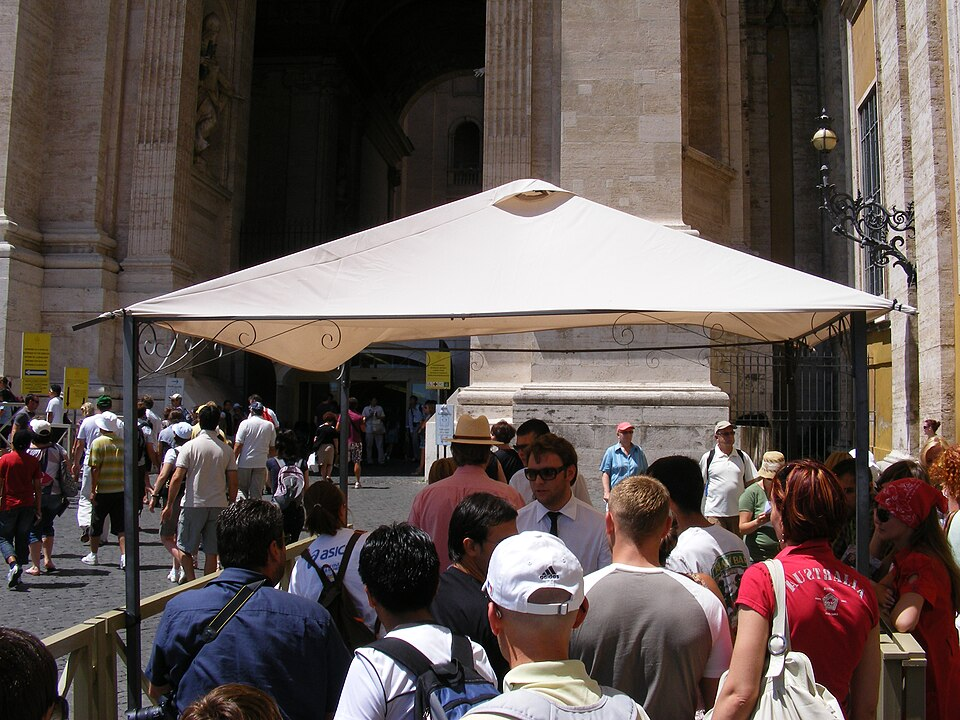
Churches, cathedrals, mosques, temples and synagogues across the Mediterranean, the Middle East and Asia enforce dress requirements, and a cruise passenger in shorts and a vest will be refused entry at the door.
Some sites sell or lend coverings and many do not. In several countries the requirement extends beyond the building to the surrounding precinct, and in a few it is a matter of national law rather than of the site’s own rules.
Pack a light scarf and something with sleeves and carry them ashore. A great many people lose the main sight of a port call to a dress code published on a website they did not read.
8. Taking fruit or food off the ship
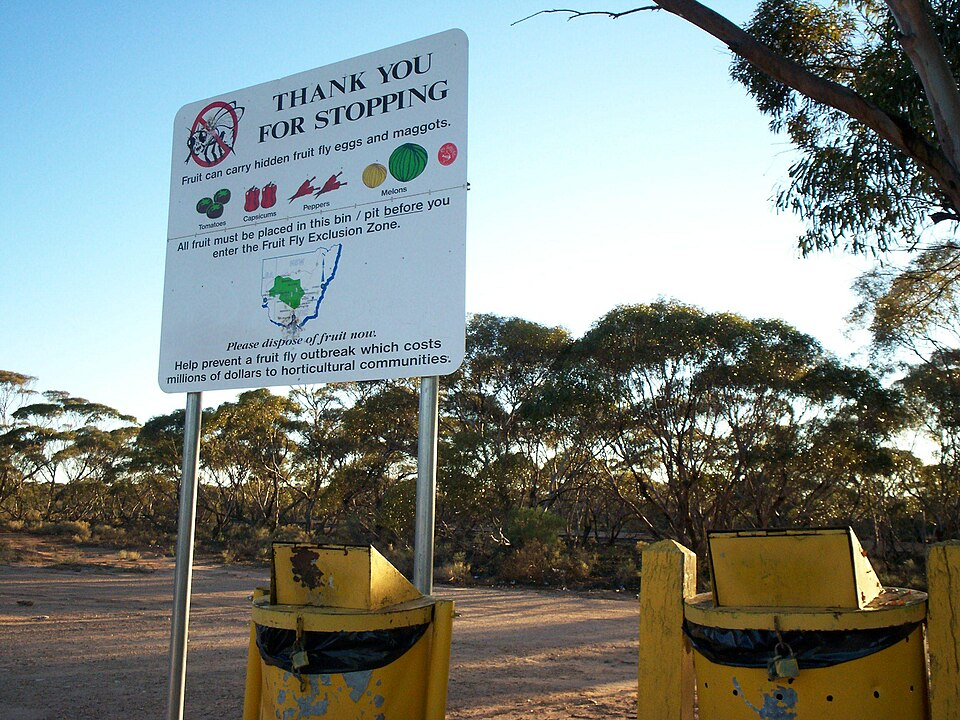
The ship’s buffet is not a packed lunch. Taking fruit, sandwiches or any fresh produce ashore breaches the agricultural import rules of the country you are stepping into, and the ship’s own provisions have not been cleared for entry.
Australia, New Zealand and Hawaii are the strictest and operate active screening at the quayside with substantial fines. Many other ports enforce it less visibly and still enforce it. The reverse direction matters too: fresh produce bought ashore generally cannot come back aboard.
Eat before you go and buy ashore. If you are carrying anything edible when you disembark, leave it on the ship.
9. Vaping or smoking in public
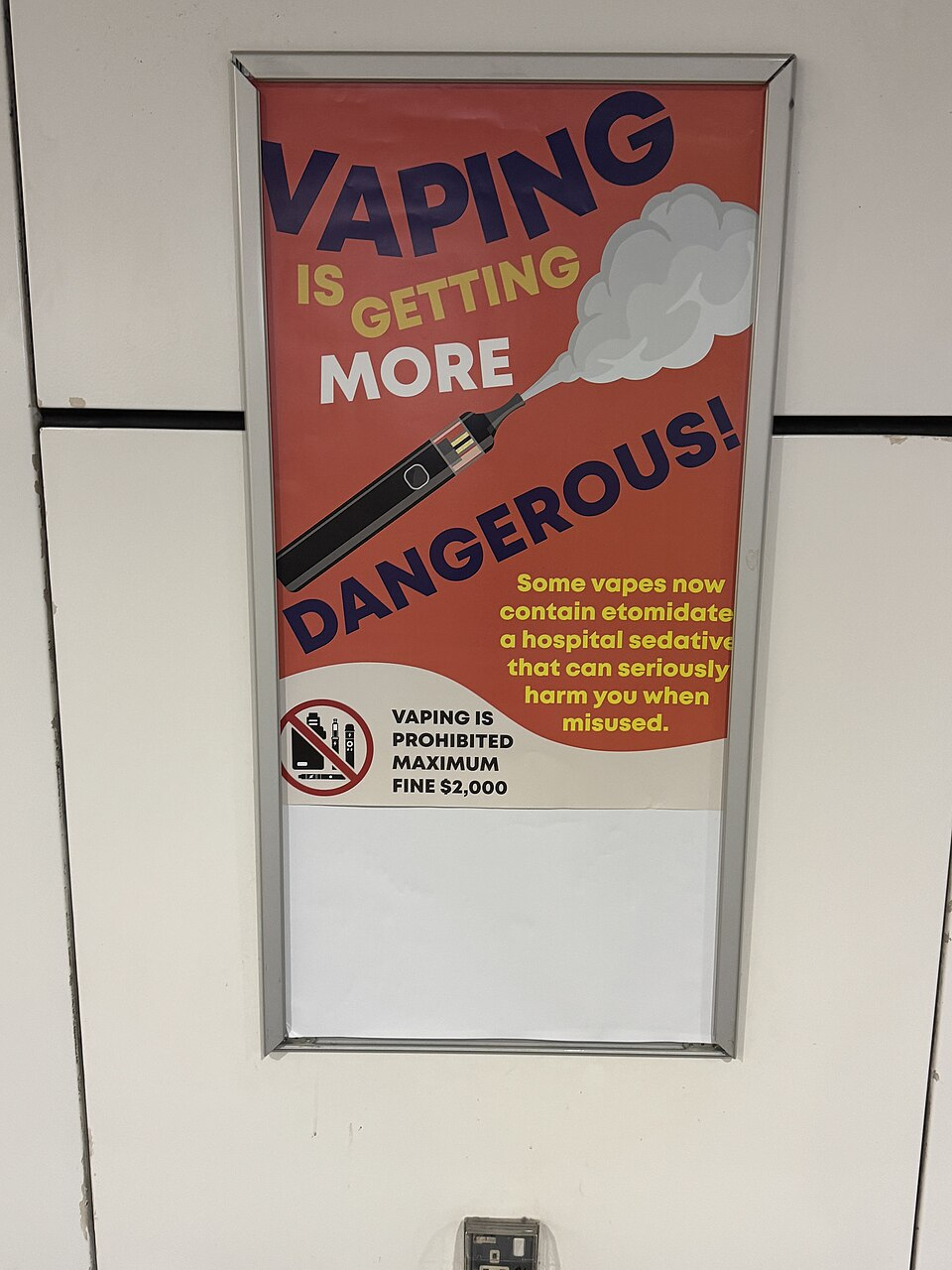
Vapes and e-cigarettes are banned outright in several countries, including Singapore, Thailand and India, where possession as well as sale is an offence. Public smoking is separately restricted in many ports.
Penalties for vaping in the strictest jurisdictions include substantial fines and in some cases imprisonment, and airports and cruise terminals are among the places where it is actively enforced.
Check each country on the itinerary, including anywhere you merely transit, and leave the device aboard or at home where it is prohibited. Do not assume a cruise terminal is a neutral zone, because it is not.
10. Crossing the road wherever you like
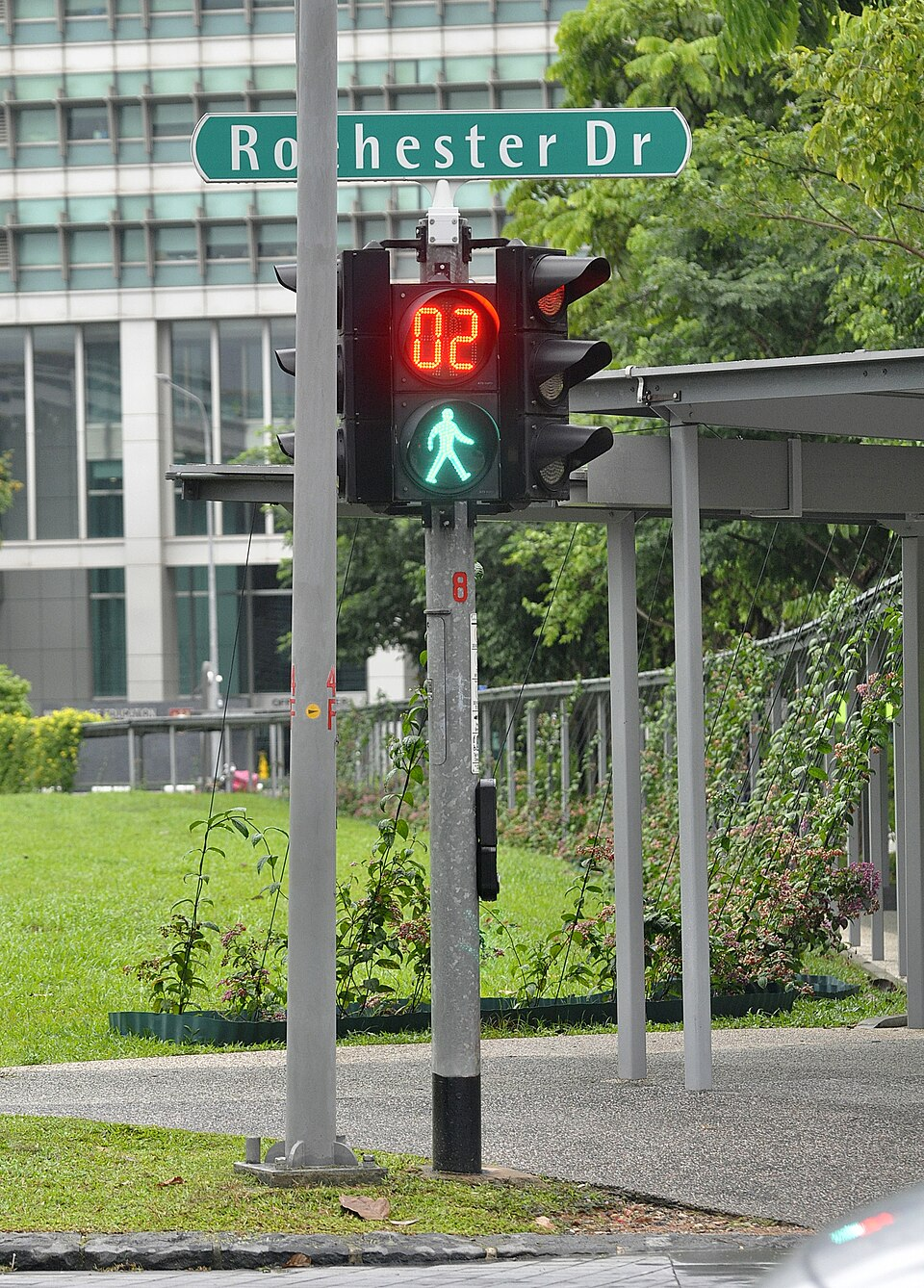
Jaywalking is an offence with on-the-spot fines in a long list of countries, Singapore, Germany and Poland among them, and American visitors breach it constantly because the behaviour is unremarkable at home.
Fines are modest and the enforcement is real. In some cities it is bundled with other pedestrian rules that also surprise visitors, including where you may stand and how you may use a cycle lane.
Use the crossings, wait for the signal even when the road is empty, and keep out of marked cycle lanes. It is the least glamorous item on this list and one of the most commonly penalised.
11. Buying a convincing counterfeit
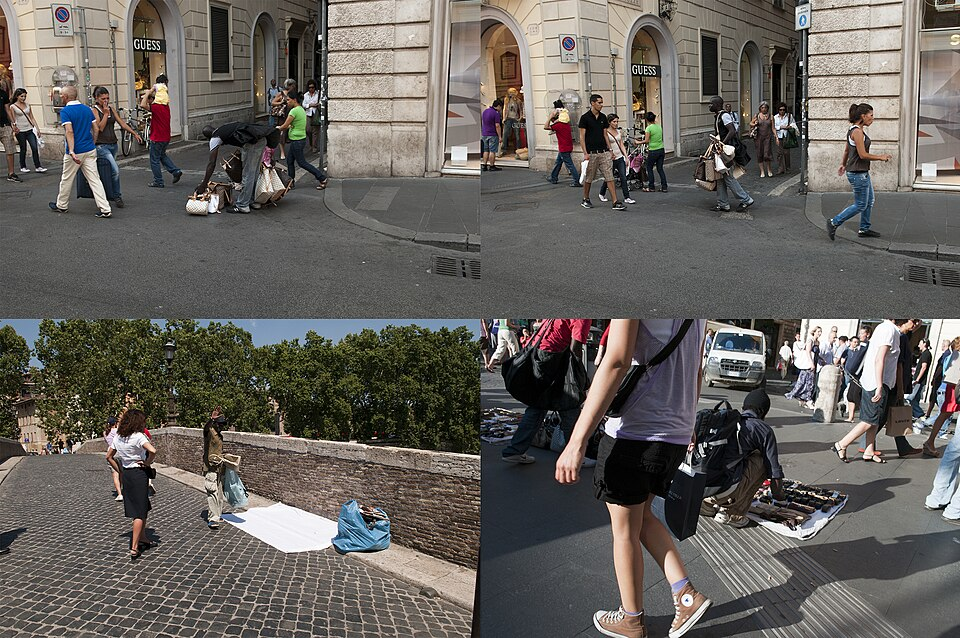
In France and Italy it is an offence to buy counterfeit goods, not merely to sell them, and fines are issued to the purchaser on the spot at substantial levels. The street seller is not the one who ends up paying.
There is then a second problem at the American border, where counterfeit goods infringing a registered trademark are subject to seizure on entry, with only a very narrow personal-use allowance.
Do not buy them. This is the one item on the list where the traveller is penalised twice for the same purchase, once ashore and once on the way home.
12. Sitting on the steps or climbing on the monument
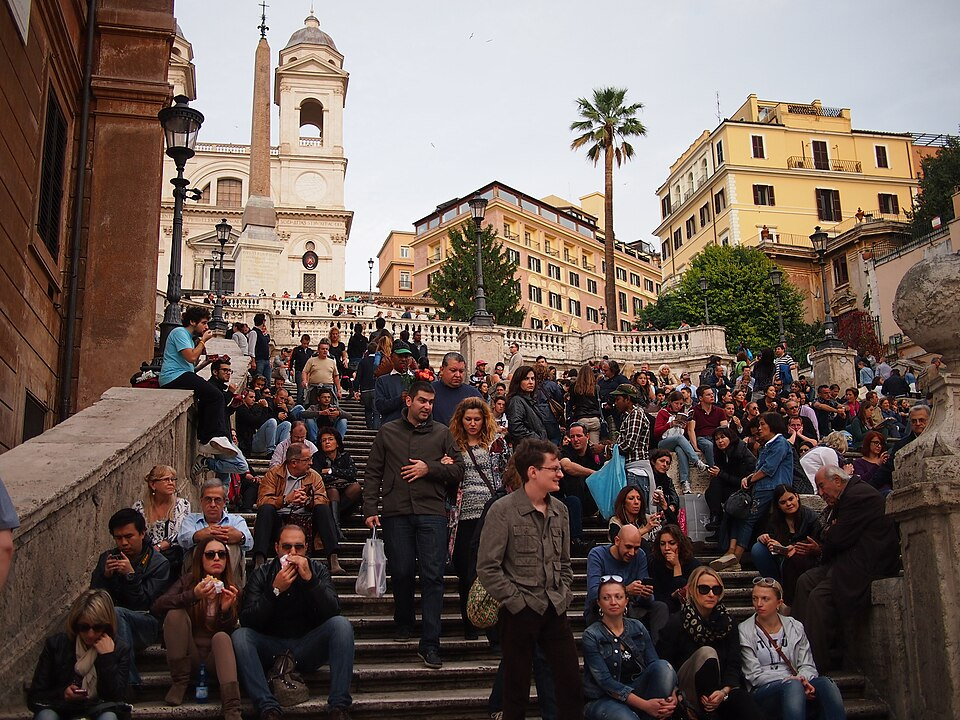
Rome fines people for sitting on the Spanish Steps and for eating or drinking at historic fountains, Venice restricts sitting in various places, and a number of cities prohibit climbing on monuments and statues.
These rules were introduced in response to visitor volume and are enforced by municipal police with on-the-spot fines. They are posted, usually in several languages, and tourists ignore them because sitting on a step does not feel like an offence.
Read the signage at major sites, do not sit or stand on anything structural, and keep food and drink away from monuments and fountains. The fines are larger than people expect.
13. Getting into an unlicensed taxi at the pier
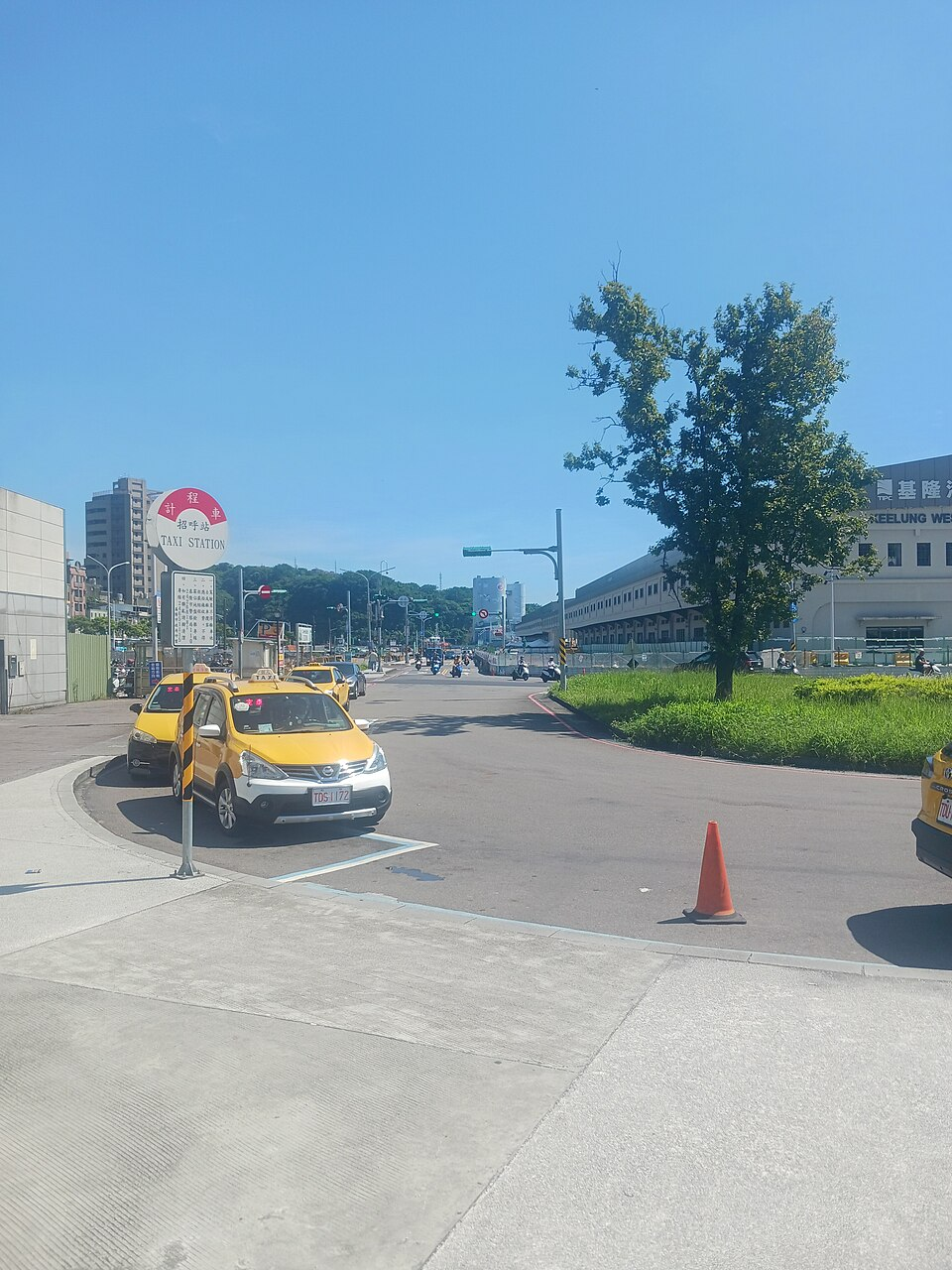
The quayside at a busy cruise port fills with drivers, and not all of them are licensed, insured or metered. Overcharging is the common outcome and it is not the only one.
Many ports now operate a regulated taxi rank with fixed fares to the main destinations, and cruise lines publish guidance for each port. An unlicensed vehicle also means no insurance cover for a passenger in an accident.
Use the official rank, agree the fare or confirm the meter before setting off, and ignore anybody approaching you away from it. Where the line runs a shuttle, it is usually the better option.
14. Going further than the port allows
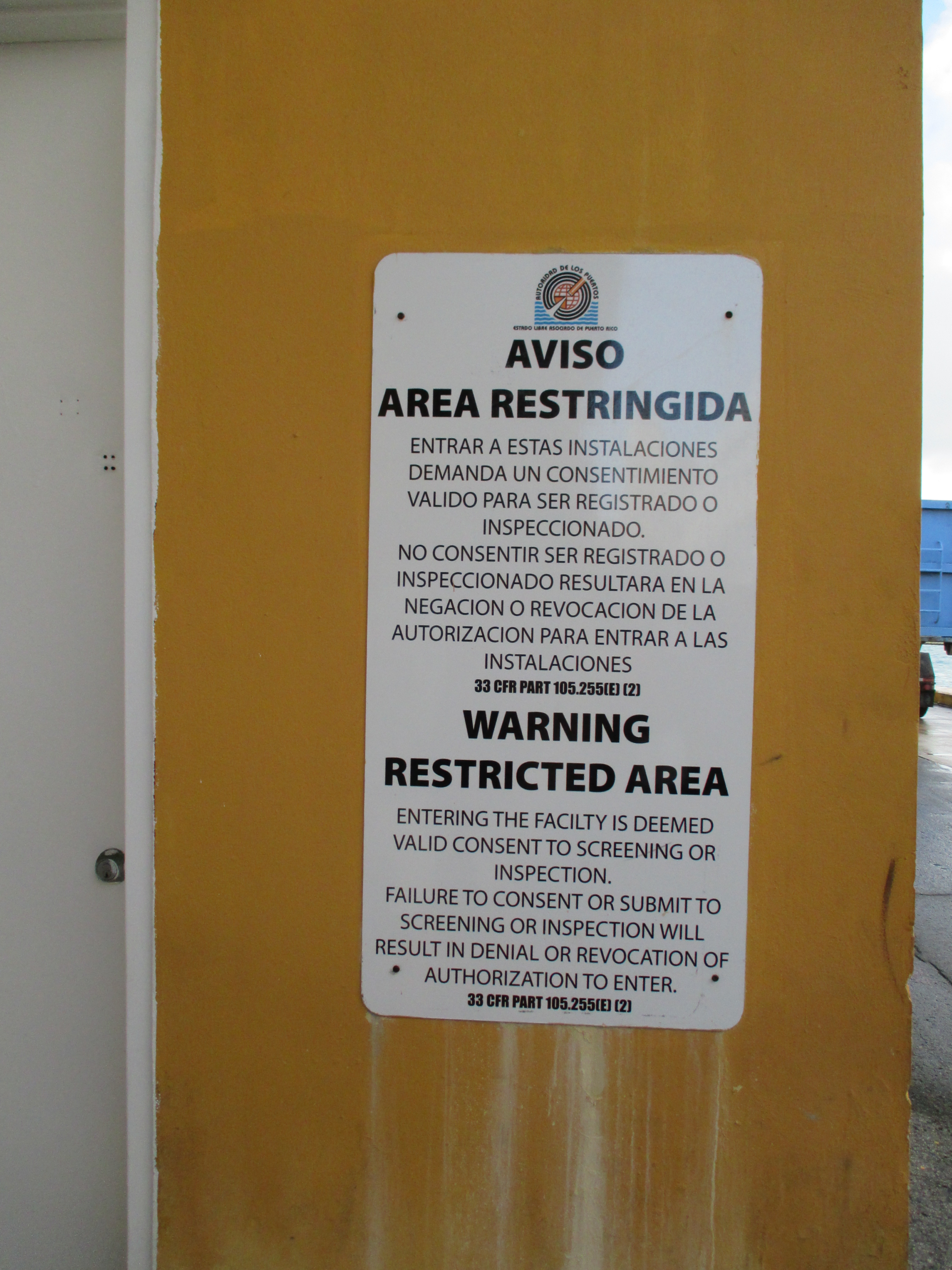
Some ports restrict independent movement, whether by local rule, by security arrangement or by the nature of the terminal, and a few countries require cruise passengers going ashore independently to hold a visa that an organised excursion would cover.
The line will tell you where this applies and it is not always obvious. Industrial ports can also be genuinely unsafe to walk out of, with no pedestrian route from the berth to the gate.
Read the port information the ship issues the night before. Where independent travel requires a visa or is not permitted, that is a documentation and security matter rather than a commercial attempt to sell you an excursion.
15. Coming back after the gangway time
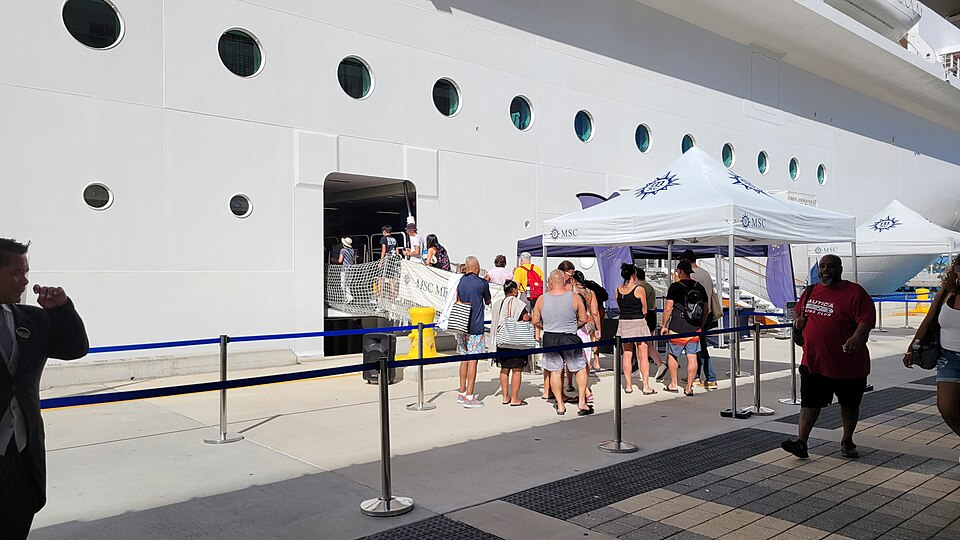
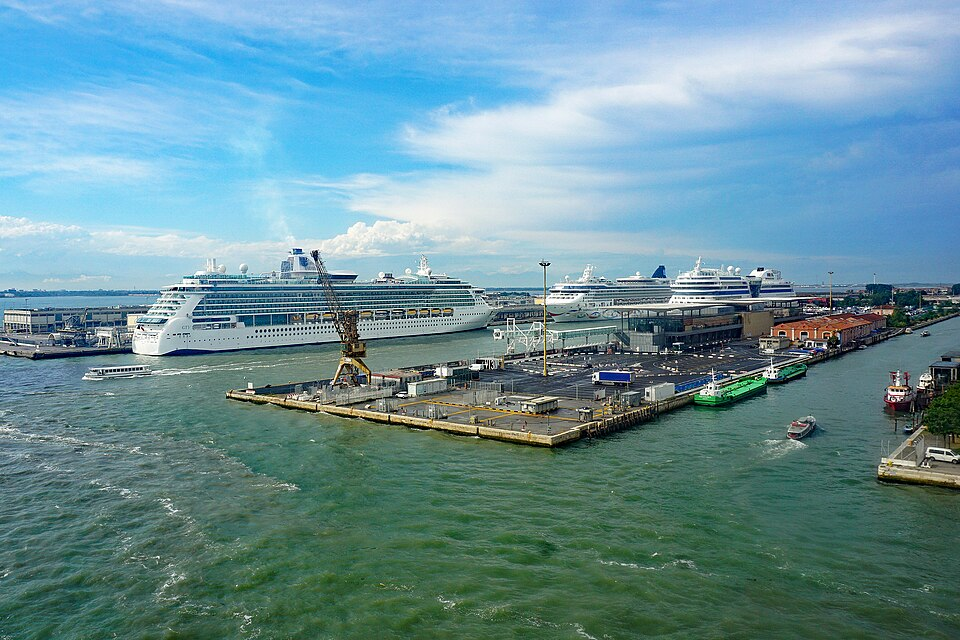
The ship leaves. It is the one rule on this list with no discretion in it at all, because the vessel has a pilot booking and a port slot, and a passenger ashore when the gangway comes up is responsible for reaching the next port alone.
Passengers on the ship’s own excursions are protected, because the ship knows where they are and will wait for a delayed tour. Passengers on independent arrangements are not, and your passport may be in the ship’s safe.
Note the all-aboard time rather than the sailing time, keep the ship’s port agent card in your pocket, and if you are going independently, build in hours rather than minutes. Also check the time zone, which catches people in every season.
The shape of the problem
Nine of the fifteen items are things an American visitor would not recognise as an offence at home: sand in a bag, a bare chest, a step, a road crossed on a red signal, a counterfeit handbag, a photograph of a bridge. The behaviour is not merely legal in the United States, it is unremarkable, which is exactly why it catches people.
The other six are environmental or biosecurity rules — coral, sunscreen, wildlife, fruit — plus the drone and the gangway. Those divide into things that damage something irreplaceable and things that leave you on a quay watching your ship go. Both categories reward about twenty minutes of reading before the trip: the port information the line issues the night before each call, and the destination’s own tourist board or government guidance for anything you plan to do independently.
Two items are worth separating out as the ones that cost the most. Sand, because the fines are far larger than anybody expects and the offence is utterly trivial to avoid. And the gangway, because it is the only one with no remedy at all.
Everything else on this list is a fine, a confiscation or a refused entry at a church door. Those two are the ones that ruin a holiday.
Like our content? Follow us for more.