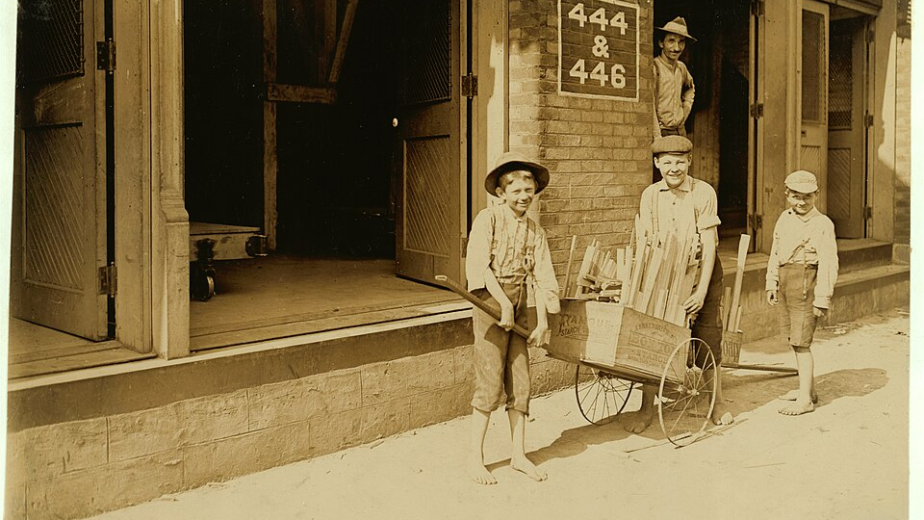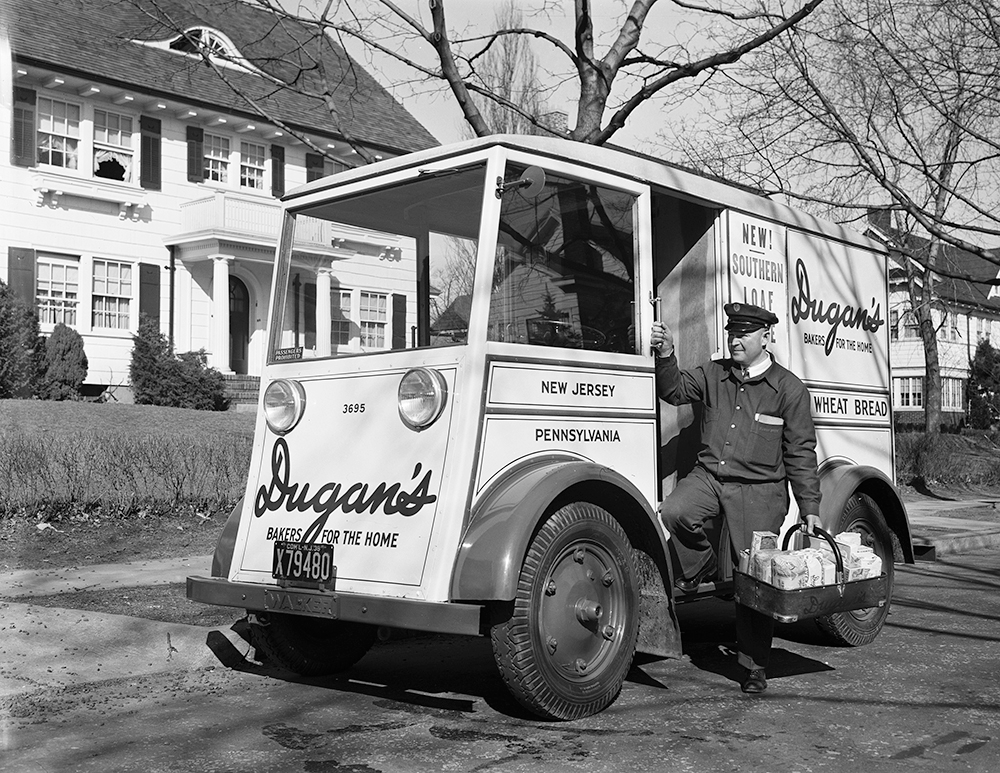
The bread truck came mid-morning and parked at the end of the drive, and you went out to it rather than waiting for it to come to you. The back opened up into shelves, the whole thing smelled of bakery, and you chose what you wanted standing in the road. In 1960 a street might see three or four of these routes a week, and the thing worth understanding is why a bakery would send a vehicle and a man to every door instead of simply selling from a shop.
The Product Had a Two-Day Life
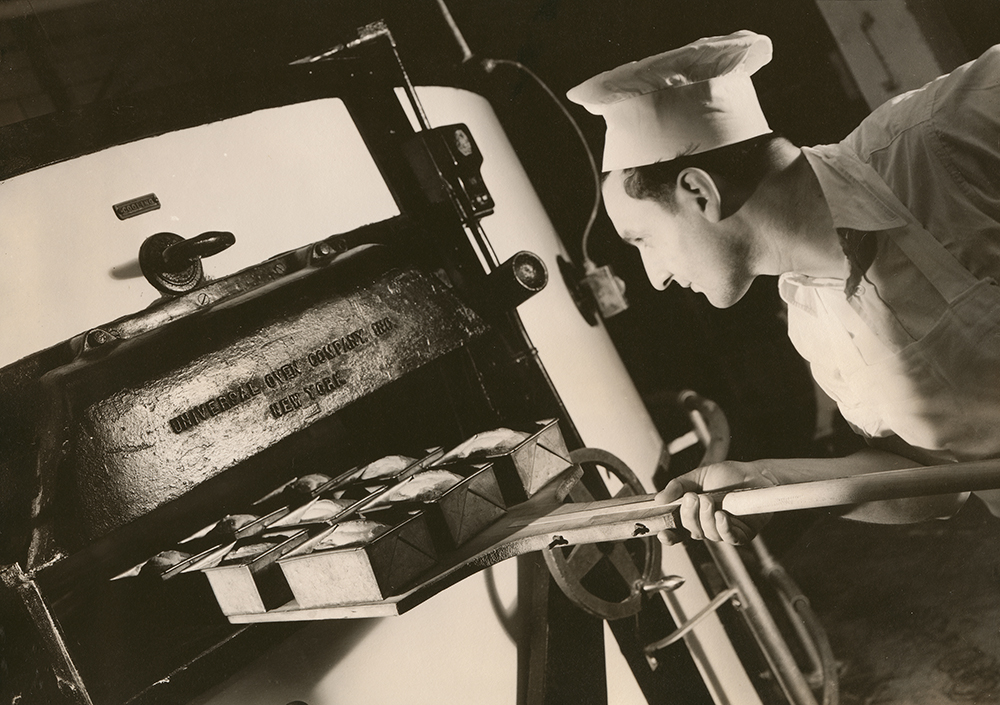
Start with the perishability, because it decides everything. Bread baked without preservatives is at its best for a day, acceptable for another and stale after that.
Which means a bakery cannot hold stock. Whatever it bakes on Tuesday must be sold on Tuesday, so the problem it faces is not production but distribution speed – getting a perishable product into households faster than it degrades. A route is a solution to that, not a convenience offered to customers.
Like our content? Follow us for more.
Selling From the Truck Was Selling, Not Delivering
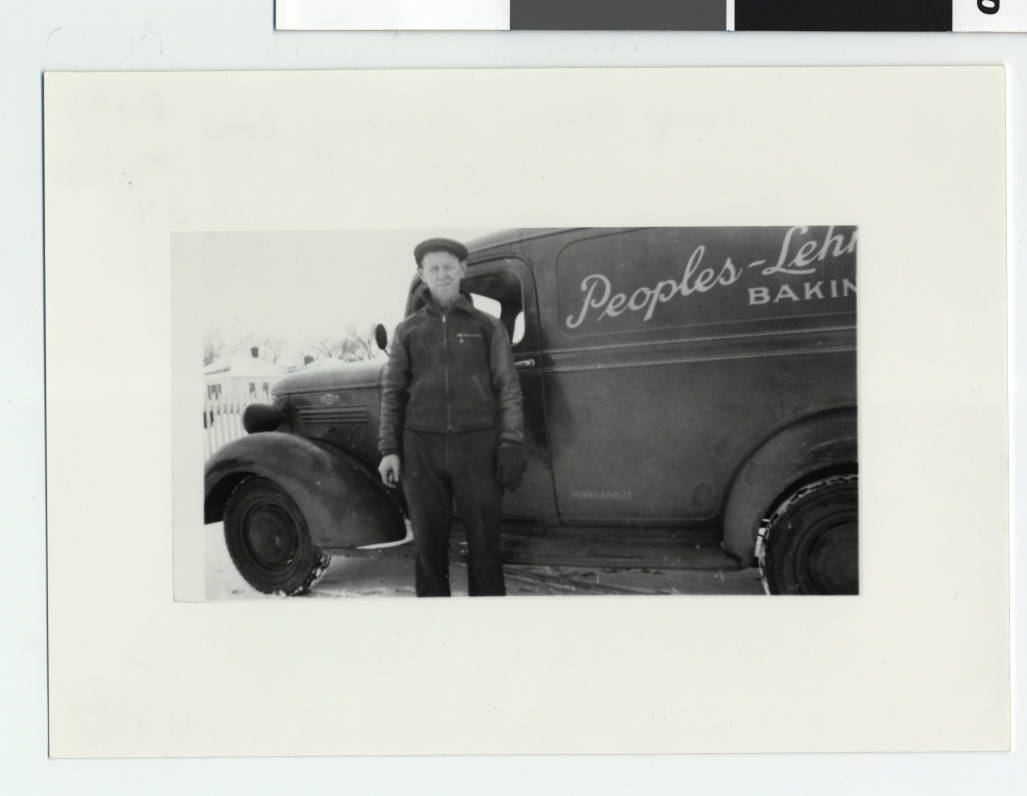
This is the distinction people miss. The milkman delivered against a standing order to an empty step. The bread man sold, face to face, from stock, at the vehicle.
So the two routes operated on completely opposite principles. One was silent, pre-agreed and unattended; the other was a shop that came to the street, with a customer choosing from what was on the shelves that morning and paying there and then.
The Truck Was the Shop and It Was Laid Out Like One
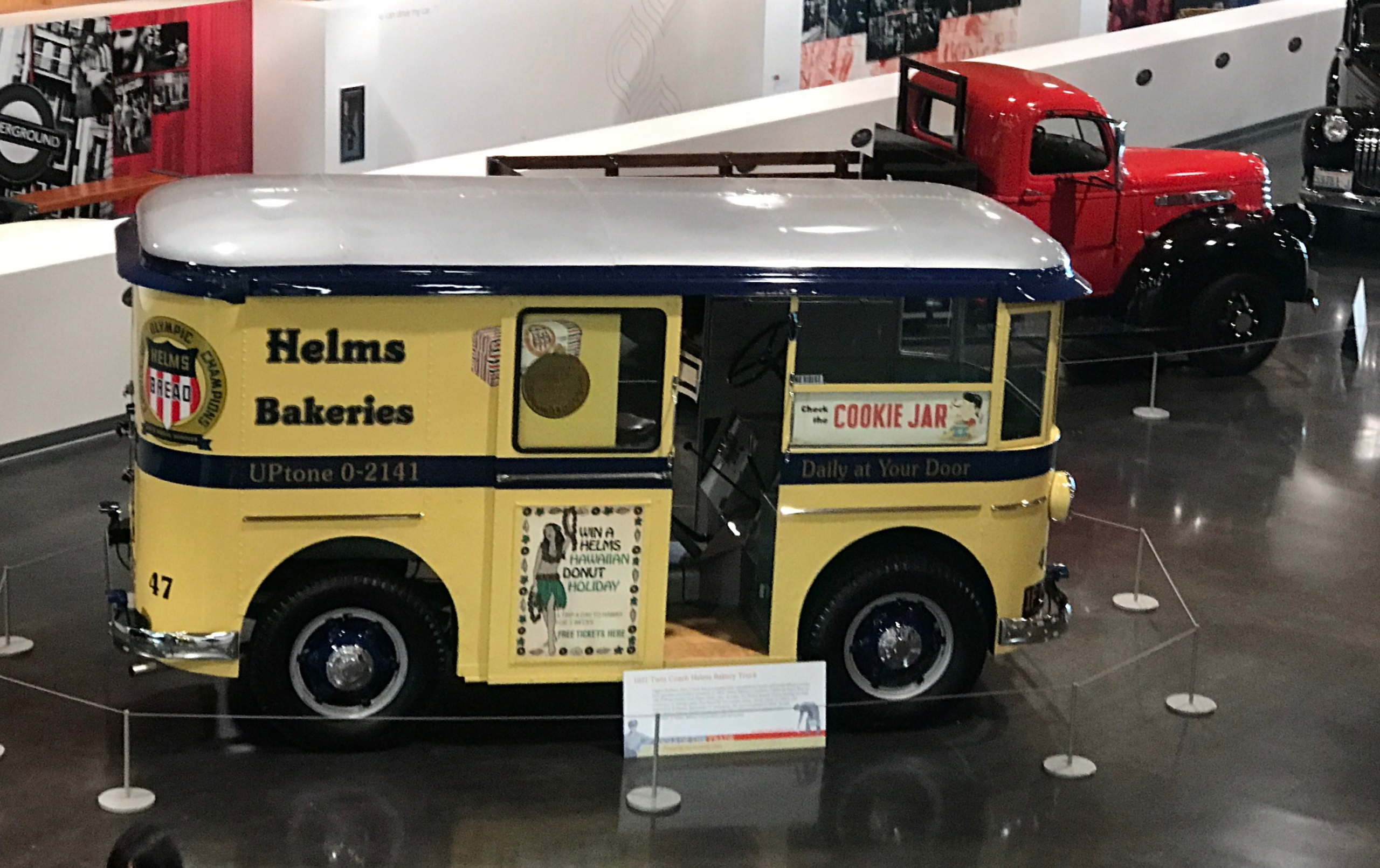
The interior was fitted with sloping shelves and trays, arranged so the whole stock was visible from the open back door.
That layout is doing real work. A customer standing in the road has about thirty seconds of attention and no time to rummage, so everything has to be seeable at a glance – which is the same reasoning behind a shop window, applied to a vehicle with the driver reaching in rather than the customer walking around.
What Was on the Truck Was What You Got
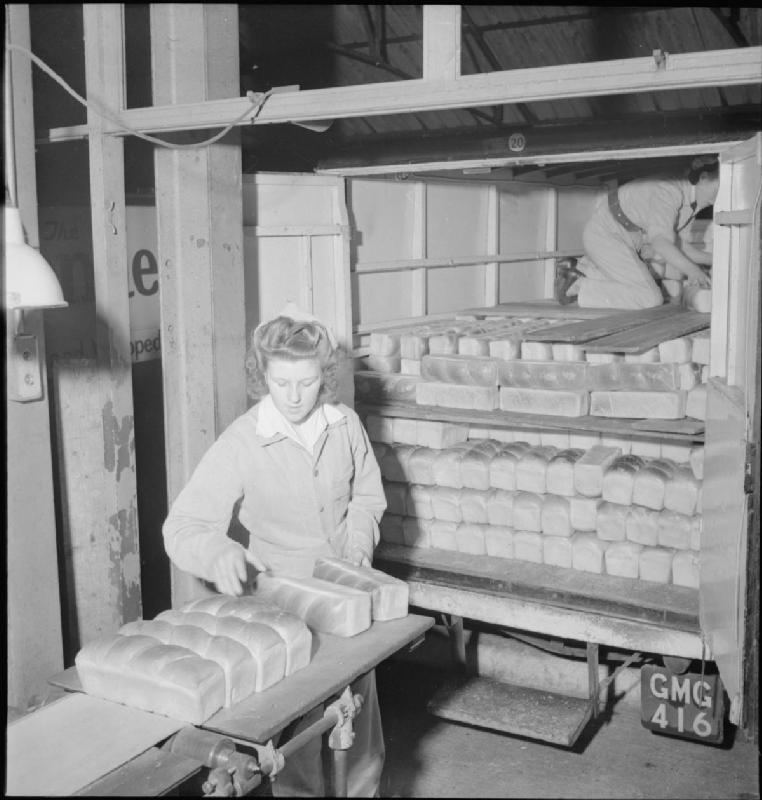
There was no ordering and no coming back tomorrow. The stock on board was the entire range available to that household that morning.
Which made the choosing genuinely consequential in a small way. Arriving at the truck late in the route meant the popular things were gone, so households learned roughly when the truck reached them and organised themselves to be there – and being at the front of a route was a real if trivial advantage.
The Driver Was a Salesman on Commission
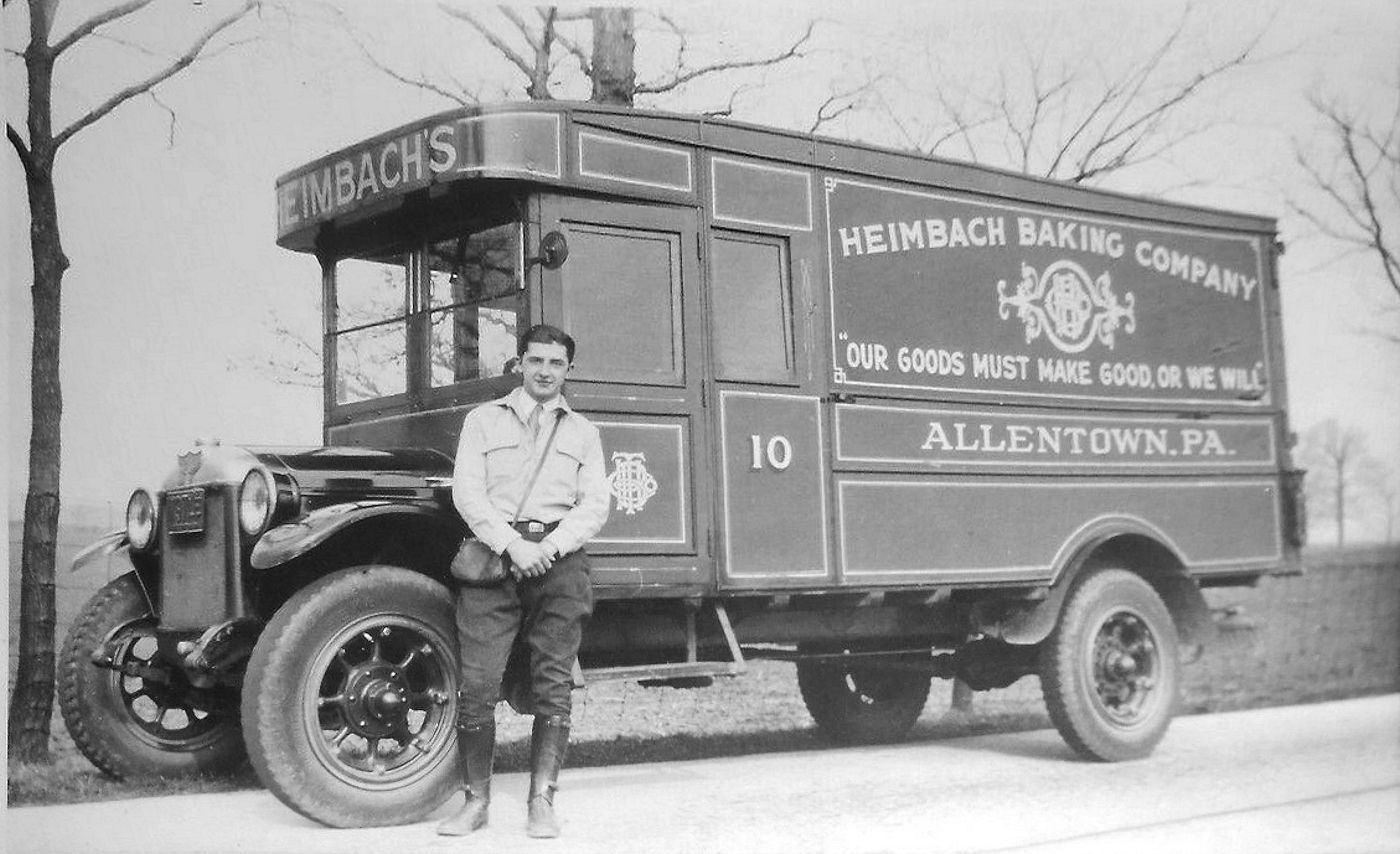
The man on the truck was not a delivery worker. He was typically selling on his own account or against a quota, buying from the bakery and taking the difference.
That is the same arrangement as the newspaper carrier, scaled up to an adult with a vehicle, and it explains the behaviour. A route man who sold more earned more, which is why he remembered what your family bought, suggested things, and worked hard at the relationship – the incentive was direct.
Unsold Stock Was His Problem, Not the Bakery’s
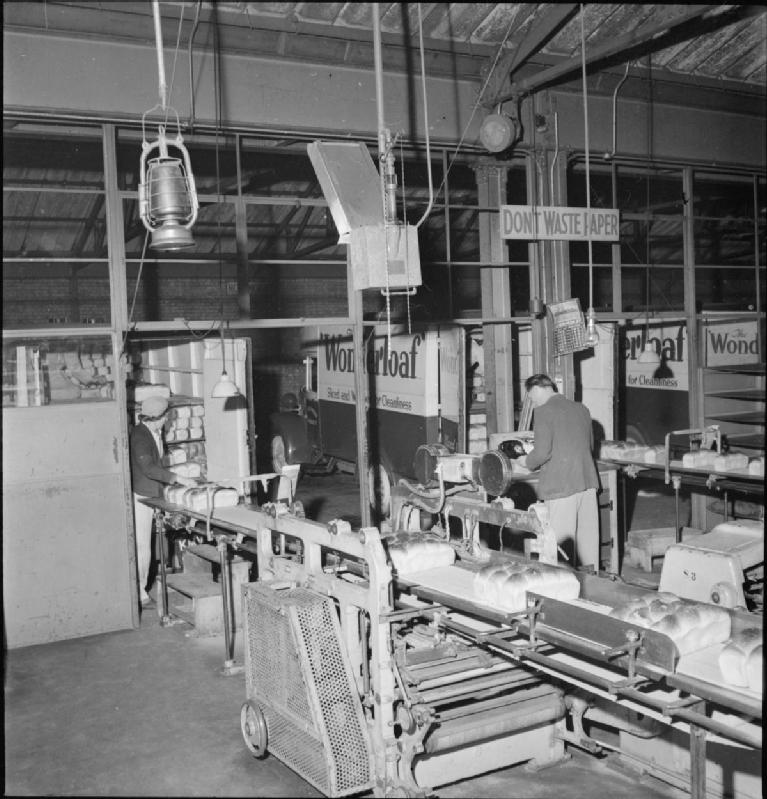
A route man who loaded too much carried the loss on what came back, because day-old bread cannot be sold at full price to anybody.
Which makes loading the truck each morning a genuine forecasting exercise. Too little and you run out and lose sales; too much and you eat the difference. A good route man knew his street’s consumption to within a few loaves, and that knowledge was his actual professional skill.
The Route Was Run on Memory Like All the Others
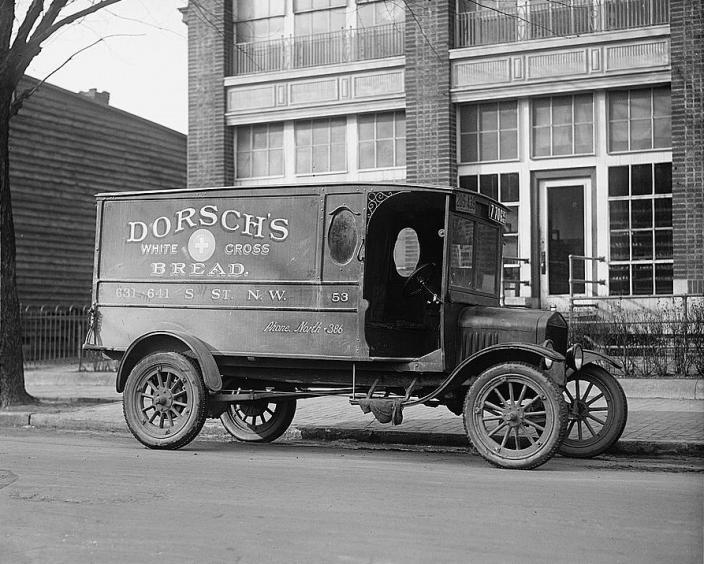
He knew which houses bought, roughly what, on which days, and where to stop – several hundred small facts held in one head.
It is the same pattern as the milk route, the postal route and the paper route: a walked or driven circuit whose efficiency lived entirely in the person running it, with no written record that would let anybody else do it as well. A substitute driver produced a worse morning for everybody.
Children Were Sent Out With Coins
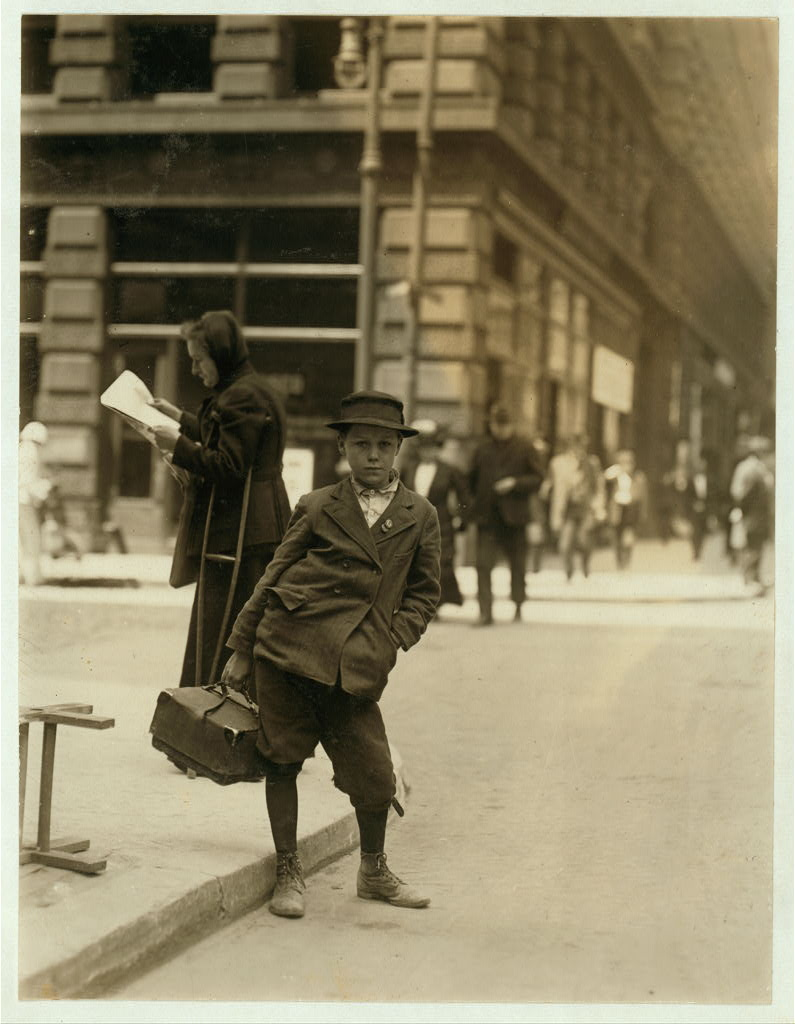
Buying bread from the truck was a job handed to a child, because it needed no judgement beyond remembering an instruction and handling small money.
It was also a child’s first regular experience of a commercial transaction conducted alone – approach, ask, choose, pay, carry it home, account for the change. Which is a complete piece of adult behaviour performed by somebody who could not yet reach the shelves.
The Smell Was the Advertising
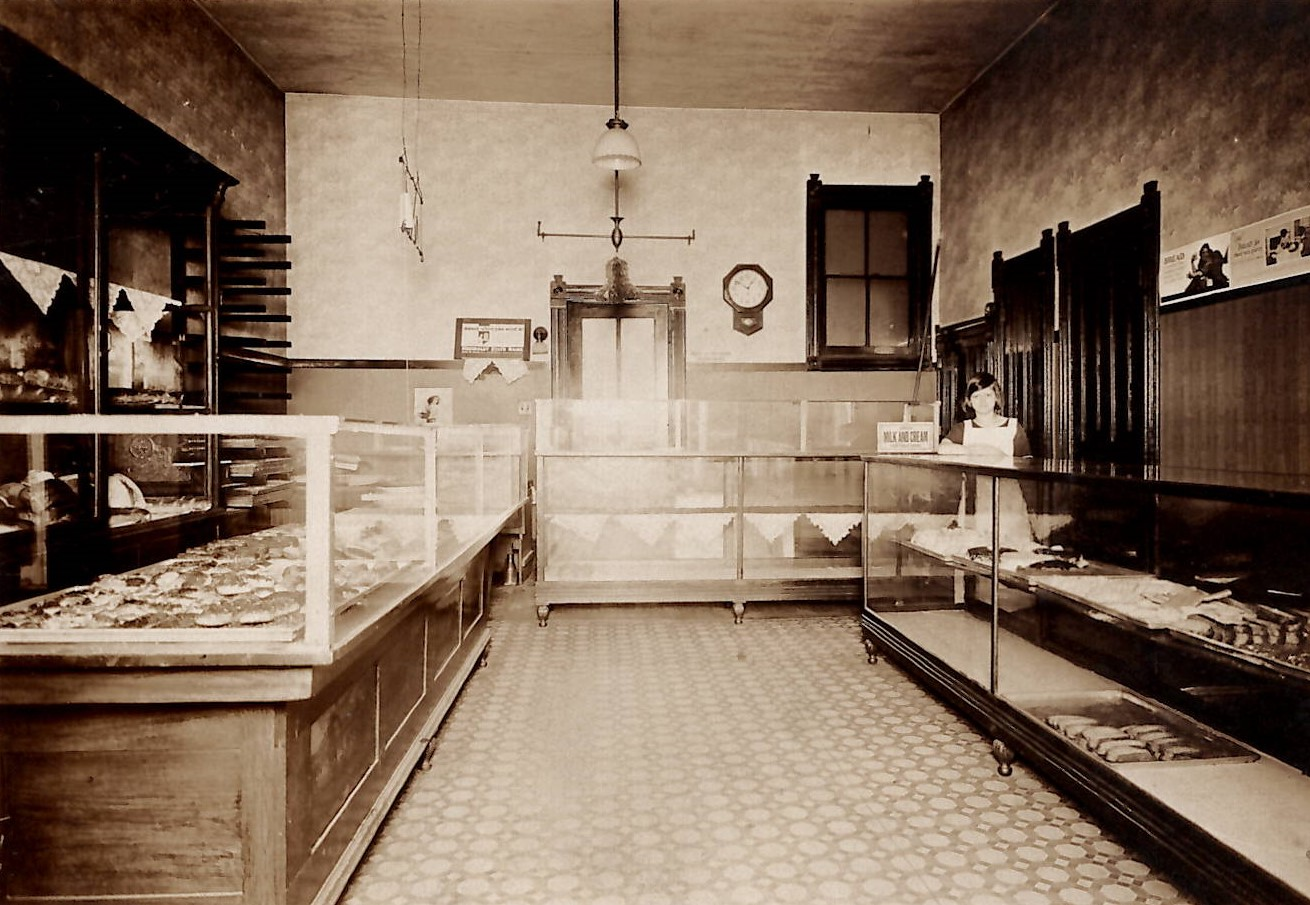
A vehicle full of fresh bread parked in a quiet street is doing something no shop can do, which is bringing the product’s most persuasive quality to the customer’s gate.
That is worth stating because it was probably the route’s single greatest commercial asset. Nobody walks past a bakery and fails to notice it, and a bakery that arrives outside the house removes every step between noticing and buying.
Cake, Pies and Rolls Were the Margin
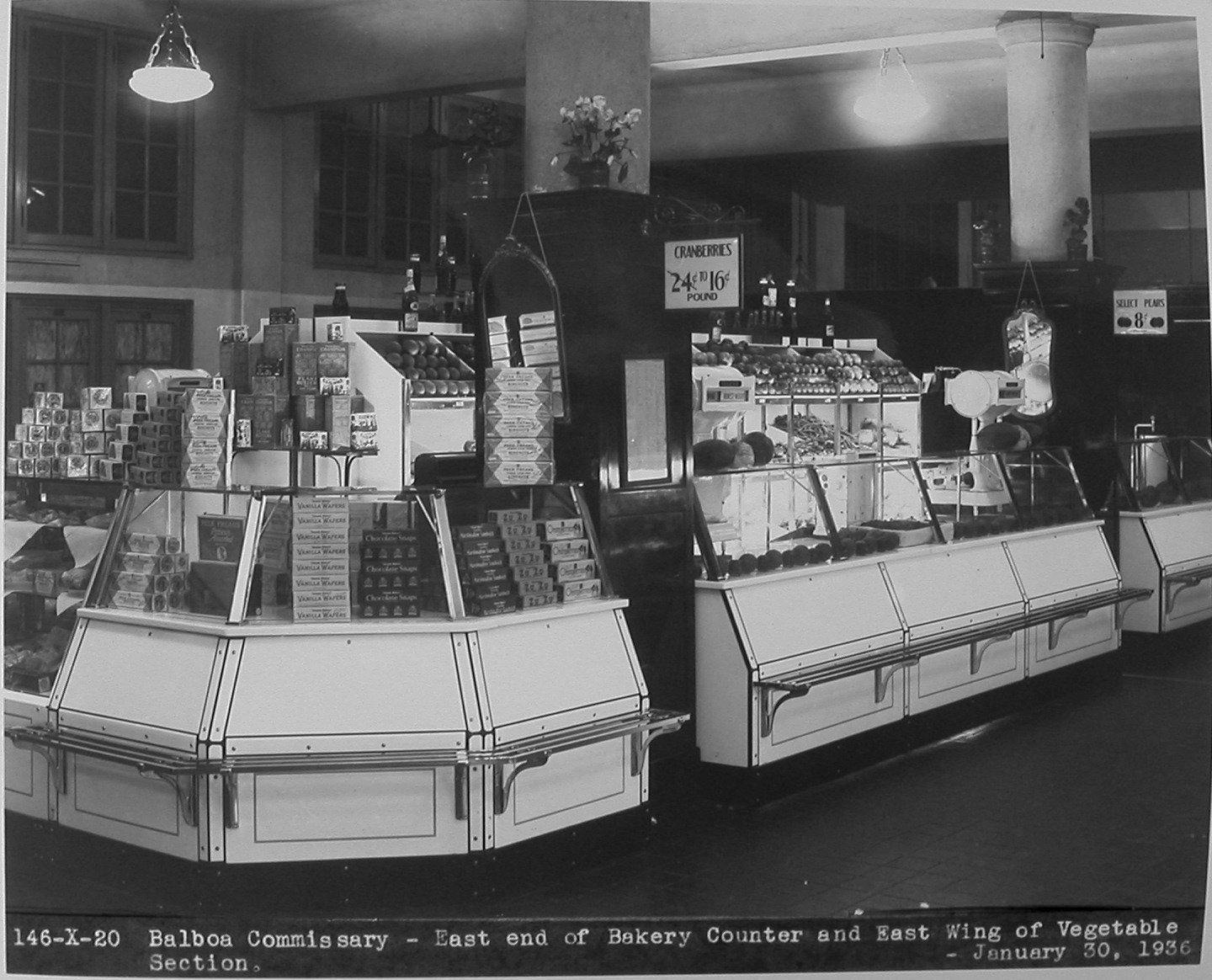
Bread is a staple sold at a thin margin and everybody needs it. The other things on the shelves are where the money was.
So the truck carried a loss-leader and a range of impulse purchases alongside it, which is exactly how a modern shop is laid out. The loaf got the household to the vehicle, and what happened next – a child’s eyes at shelf height, a tray of something sweet at the front – was the actual business.
The Horn or the Whistle Announced the Stop
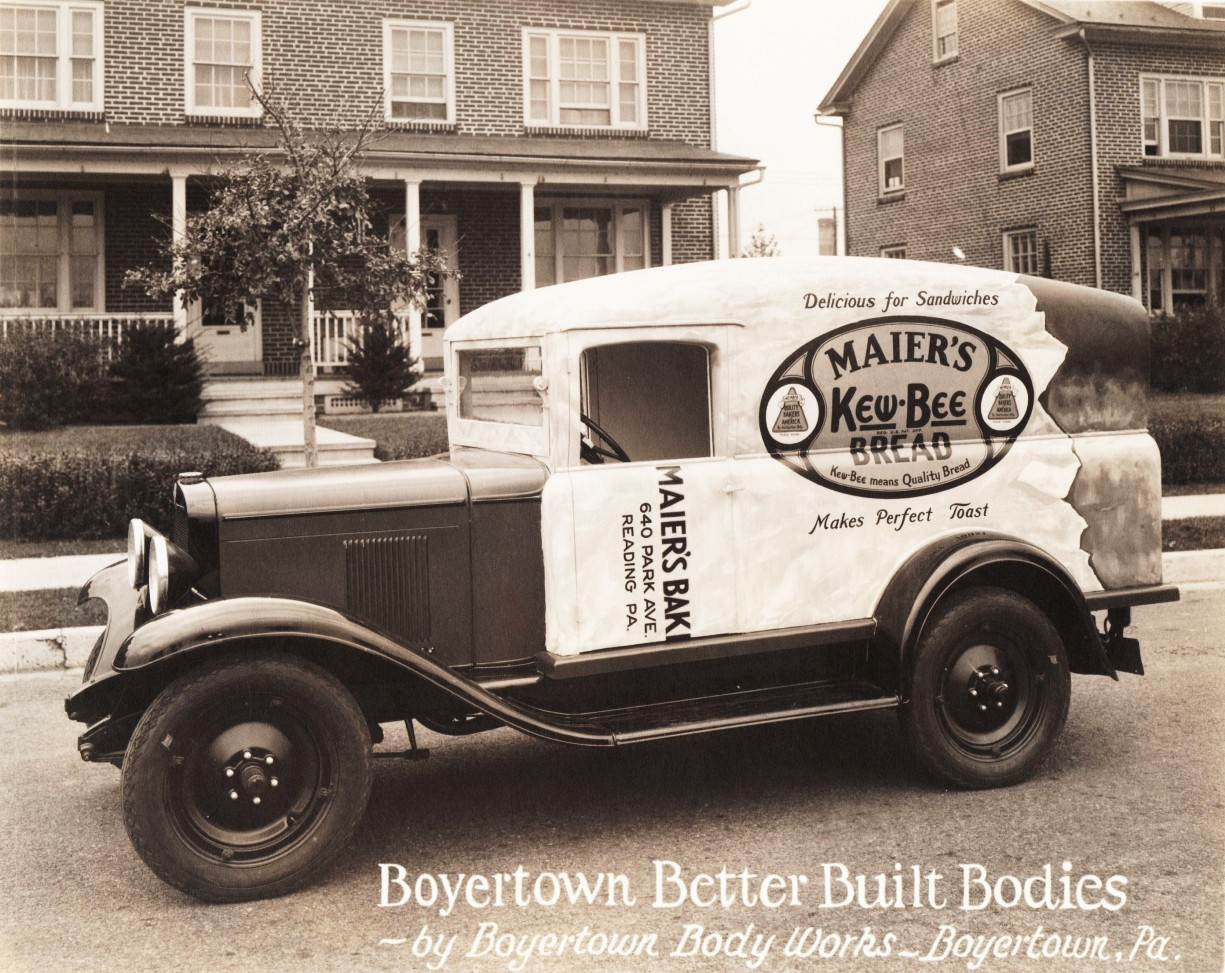
A route that sells rather than delivers has a problem the milk route does not: the customer has to come out, which means they have to know the truck is there.
So every route had a signal – a tap on the horn, a whistle, a particular way of pulling up – and households learned to recognise theirs. That sounds trivial and it was the mechanism the whole morning turned on, because a customer who did not hear the truck was a sale that did not happen, and the driver only had a minute to spare before the next stop.
Credit Was Extended at the Kerb
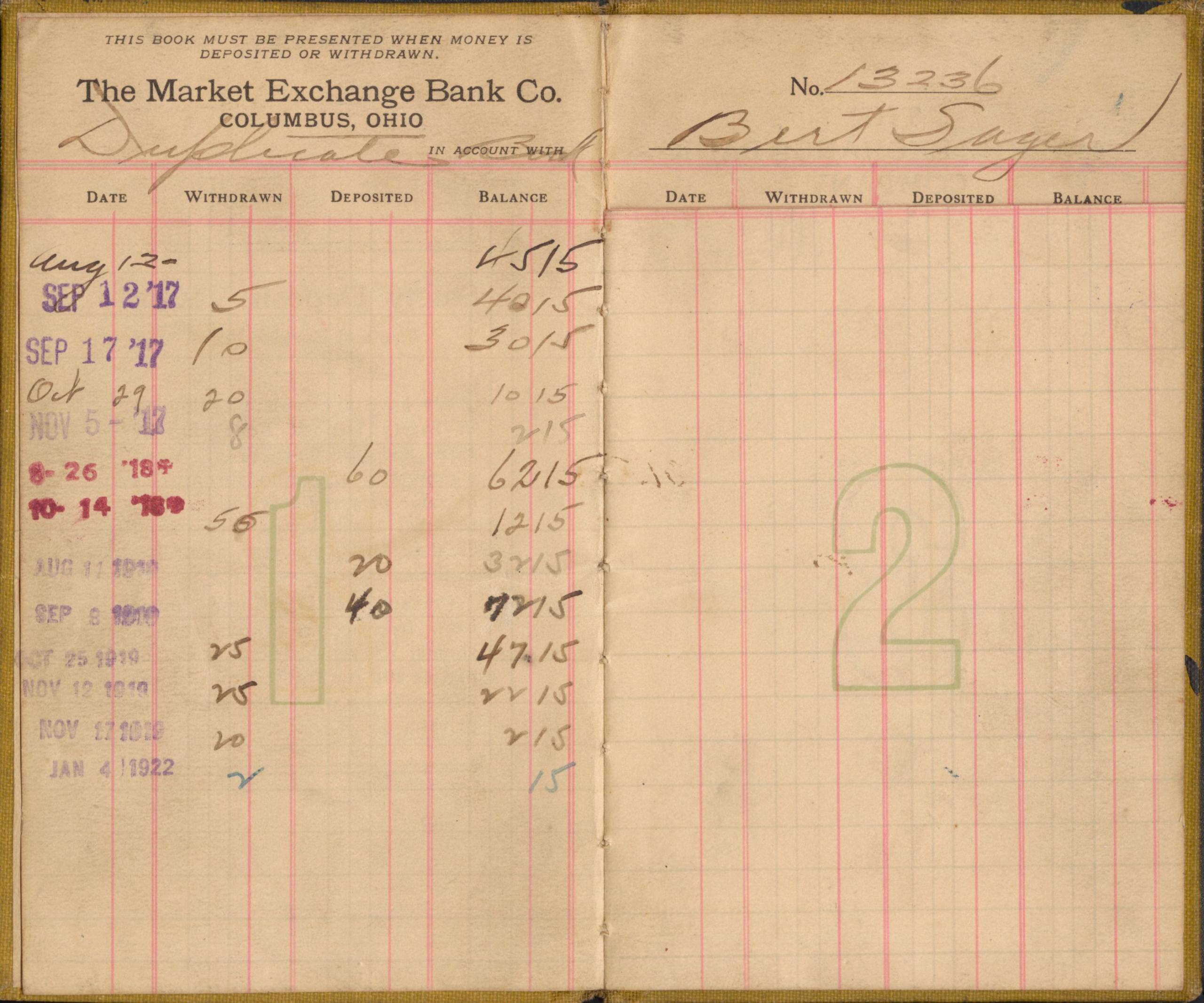
Customers short of money were carried, informally, with the amount remembered or written in a book the driver kept.
That is an unsecured personal loan, decided in seconds by one man standing in a road, on the strength of knowing the household. It worked because he would be back in three days and would be back every three days for years – the repeat relationship was the collateral.
Several Routes Competed on the Same Street
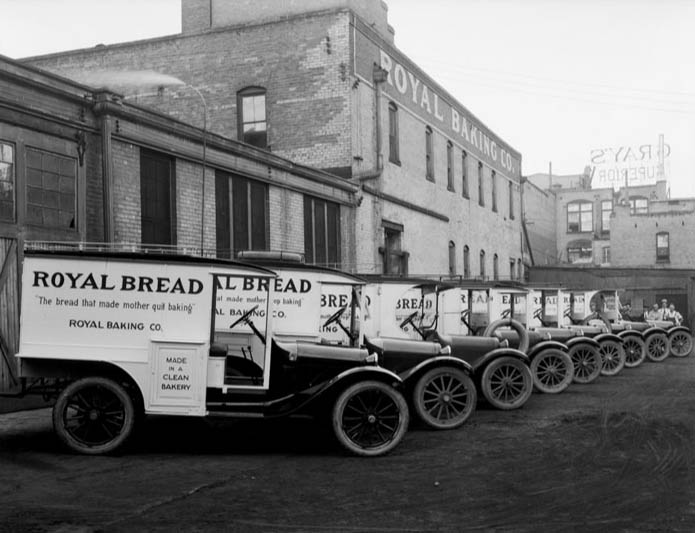
A household might be called on by more than one bakery, plus the milk route, plus others, which means the doorstep was a genuinely contested market.
So these were not monopolies. A route man who was unreliable, rude or short of stock lost customers to the competitor who came on Thursday, and households switched – which is the thing that kept the service as good as it was.
The Supermarket Did Not Beat It on Freshness
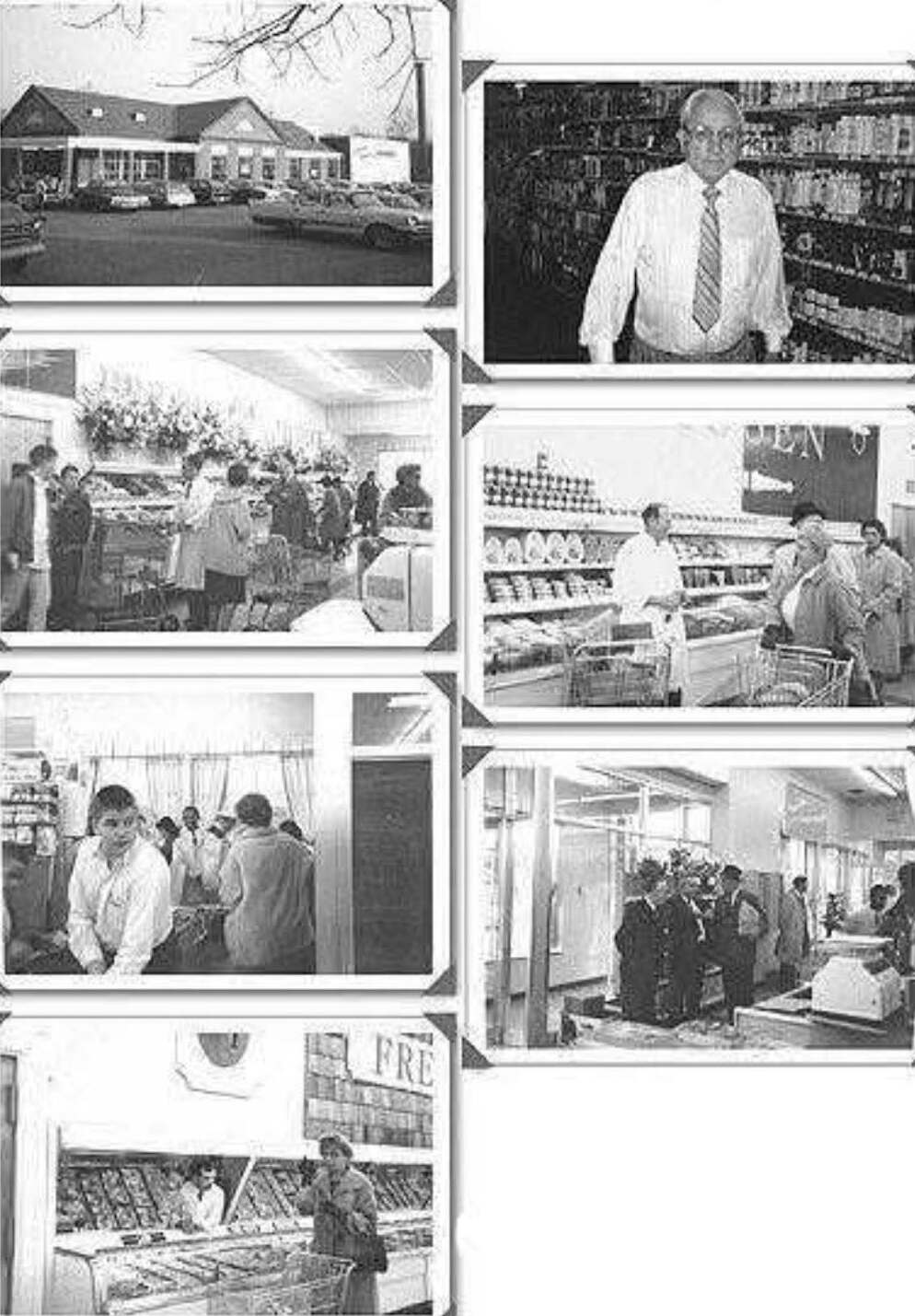
It is worth being precise about how this ended, because the obvious story is wrong. A shop with its own in-store bakery or a fast delivery chain can match the truck on freshness.
What the supermarket beat it on was the cost of distribution. One shop serving a thousand households is radically cheaper than a vehicle and a man visiting a thousand doors, and the customer absorbed the difference by driving there themselves – which is the same substitution that ended the milk route and every other doorstep service.
Preservatives and Packaging Removed the Urgency
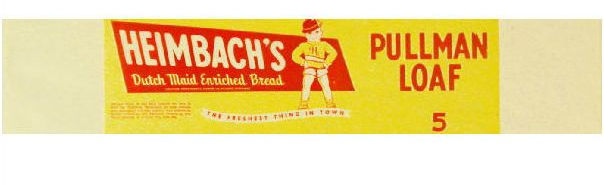
The other half of the change is the product itself. Bread that stays acceptable for a week does not need a vehicle racing it to the door.
Once the two-day life became a seven-day life, the entire justification for a daily or thrice-weekly route evaporated. The route existed because of a constraint in the product, and when the product changed the route had nothing left to solve.
Refrigeration and the Freezer Finished the Job
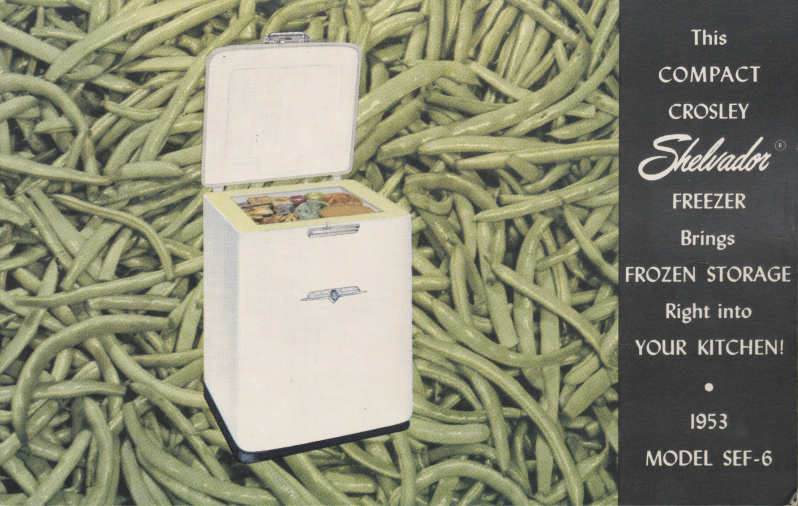
A household that can freeze bread buys a week’s worth at once, which removes the frequency the route depended on.
That is the quiet final blow. Even a perfectly good doorstep service cannot survive a customer who only needs to buy once a week, because the economics of a route depend on frequent small purchases from a large number of houses on a short cycle.
Winter Cut the Routes Back Hard
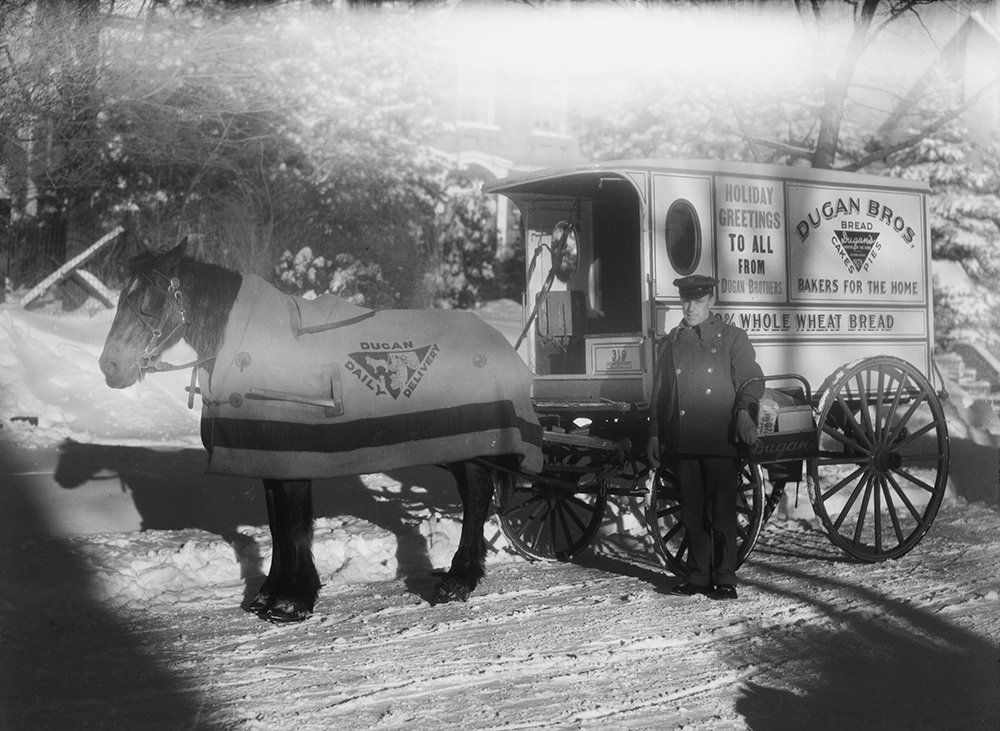
Running a selling route in bad weather is a far worse proposition than running a delivering one, for a reason that is obvious once stated.
A delivery leaves goods on a step whatever the weather. A sale needs a customer to come out and stand in the road, and in rain, cold or snow a good number of them simply did not – so takings fell exactly when driving the route was hardest and the loaves still had to be paid for. Winter was the season that tested whether a route man really knew his street.
And the Model Came Back Without the Man
The honest ending is that nothing about the idea was wrong, and it has returned in a form nobody from 1960 would recognise.
Food is once again brought to the door on a route, at a scheduled time, chosen in advance. What has gone is the part that made it work as a trade: the vehicle you walked out to and chose from, the smell doing the selling, the man who knew what your family ate and loaded his truck accordingly, the credit given in a second at the kerb, and the competition between three bakeries for the same street. The delivery survived. The salesman, the forecast, the relationship and the choosing in the road did not.
Like our content? Follow us for more.