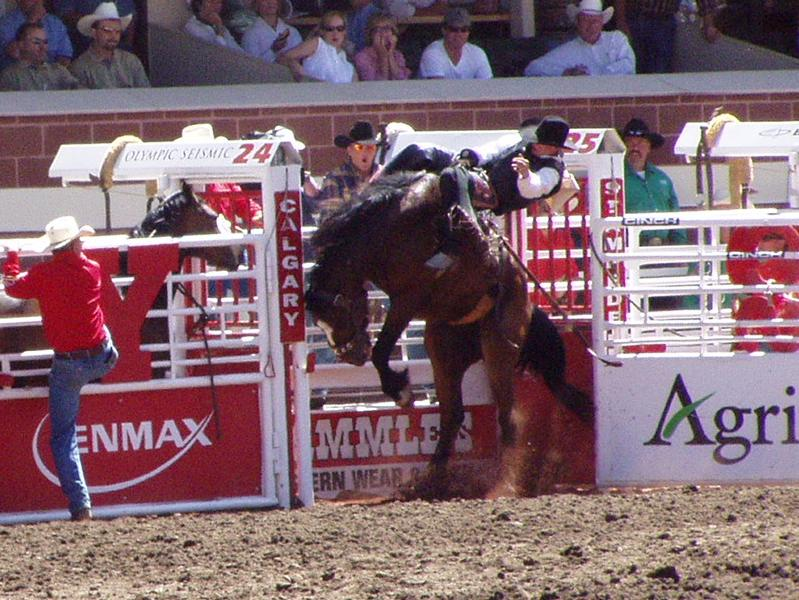
Rodeo in 1965 was a sport in which the competitors paid to take part, wore a felt hat instead of a helmet, were protected by a man in face paint, and were treated afterwards by whoever behind the chutes had a first aid kit.
It was also the biggest weekend of the year in several thousand towns, built and run by volunteers, on an arena the community had put up itself.
Here are fifteen things that were ordinary at a rodeo in 1965, and what each one became.
1. Riders Paid to Enter and Went Home With Nothing if They Lost
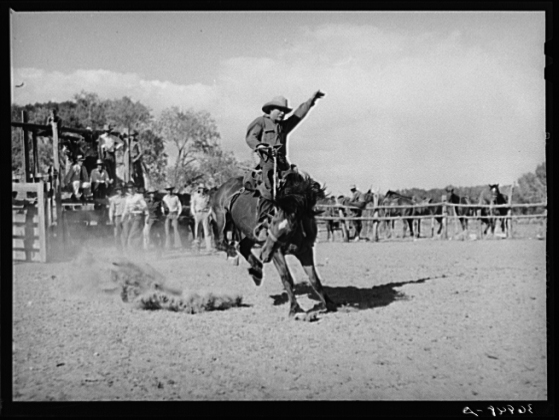
A rodeo competitor was not an employee and received no wage. He paid an entry fee at each event, and the fees from everybody entered made up the prize money along with whatever the committee added. Finish out of the places and you had paid for the privilege.
The structure persists and is the defining economic fact of the sport. A rider covers his own travel, his own entry fees, his own equipment and his own medical costs, and earns only by placing. What has changed is the addition of sponsorship, television money and organised tour structures with guaranteed purses at the top end – which has made a living possible for a small number and left the arrangement unchanged for everybody else.
Like our content? Follow us for more.
2. There Was No Medical Cover Beyond Somebody Who Knew First Aid
A small-town rodeo in 1965 might have a local doctor in the stands if it was lucky, or a volunteer with a first aid kit behind the chutes. An ambulance was called if somebody was clearly badly hurt, and the arena carried on while it came.
Organised rodeo now has a sports medicine programme with athletic trainers and physicians at sanctioned events, concussion protocols, and a medical team positioned at the arena. The change came from inside the sport as much as from outside, driven by the simple observation that the injury rate was high and that riders were competing hurt because stopping meant earning nothing.
3. Nobody Wore a Helmet and the Hat Was the Point
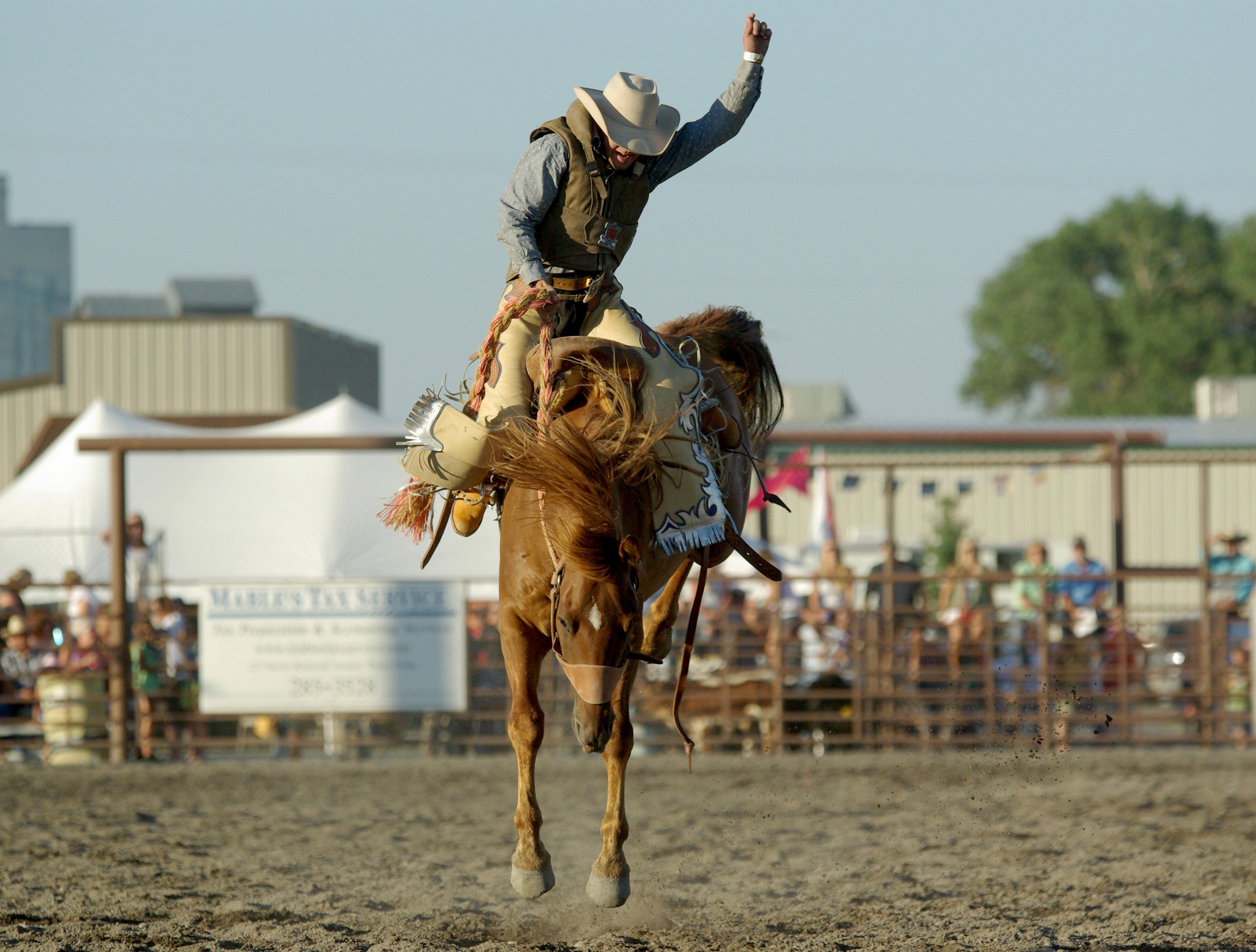
Bull riders and bronc riders competed in a felt hat. Protective headgear existed in other sports and was not used here. The hat was part of the identity of the event and a rider in anything else would have been remarkable.
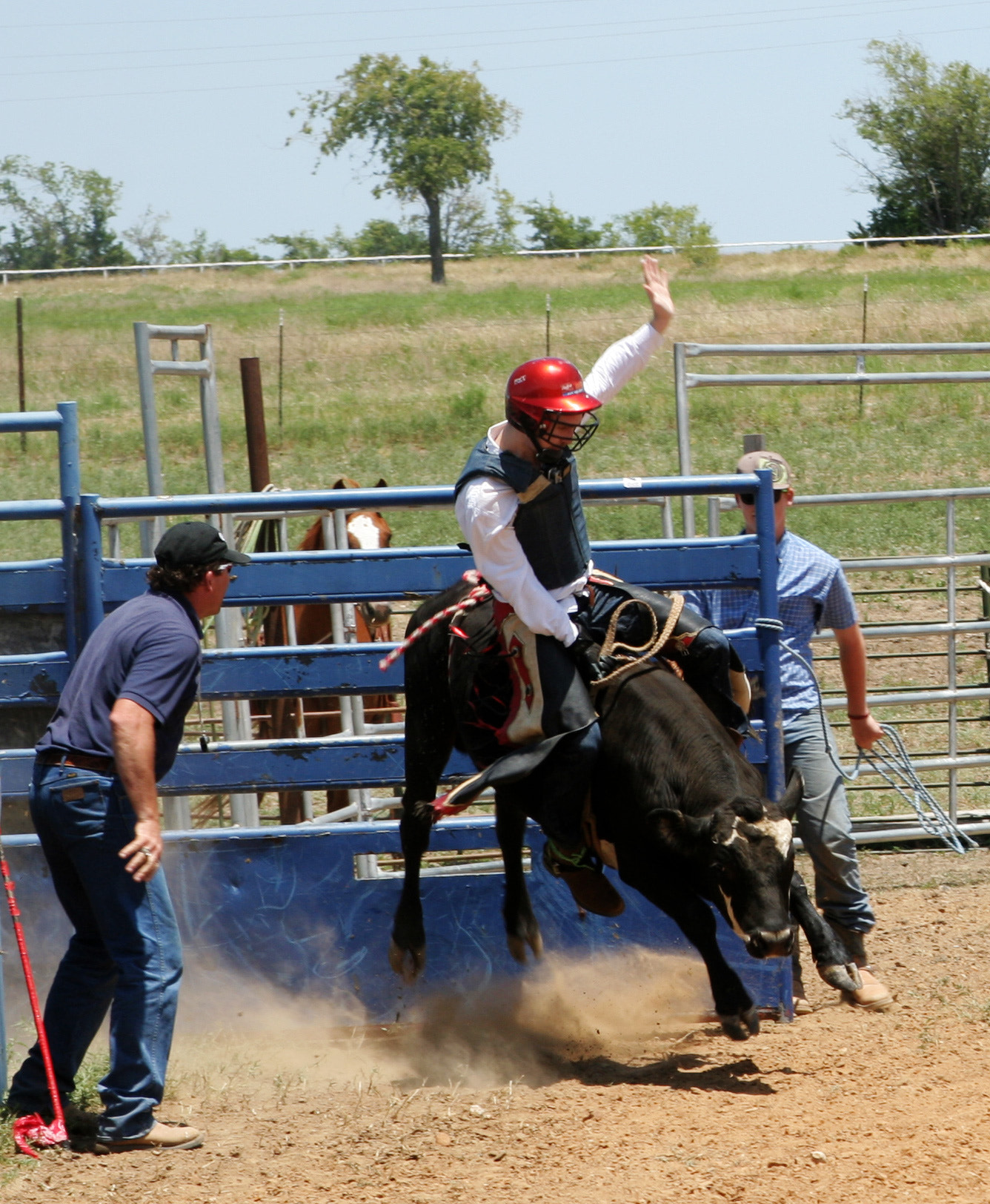
Helmets and protective vests spread from the 1990s onward, driven by a generation of younger riders and by injury data that became impossible to argue with. Vests are now close to universal in bull riding and helmets are common and increasing. The resistance was cultural rather than practical and it took the sport roughly two decades to work through it, which is a short time for a tradition that strong.
4. The Bullfighters Were Rodeo Clowns in Makeup
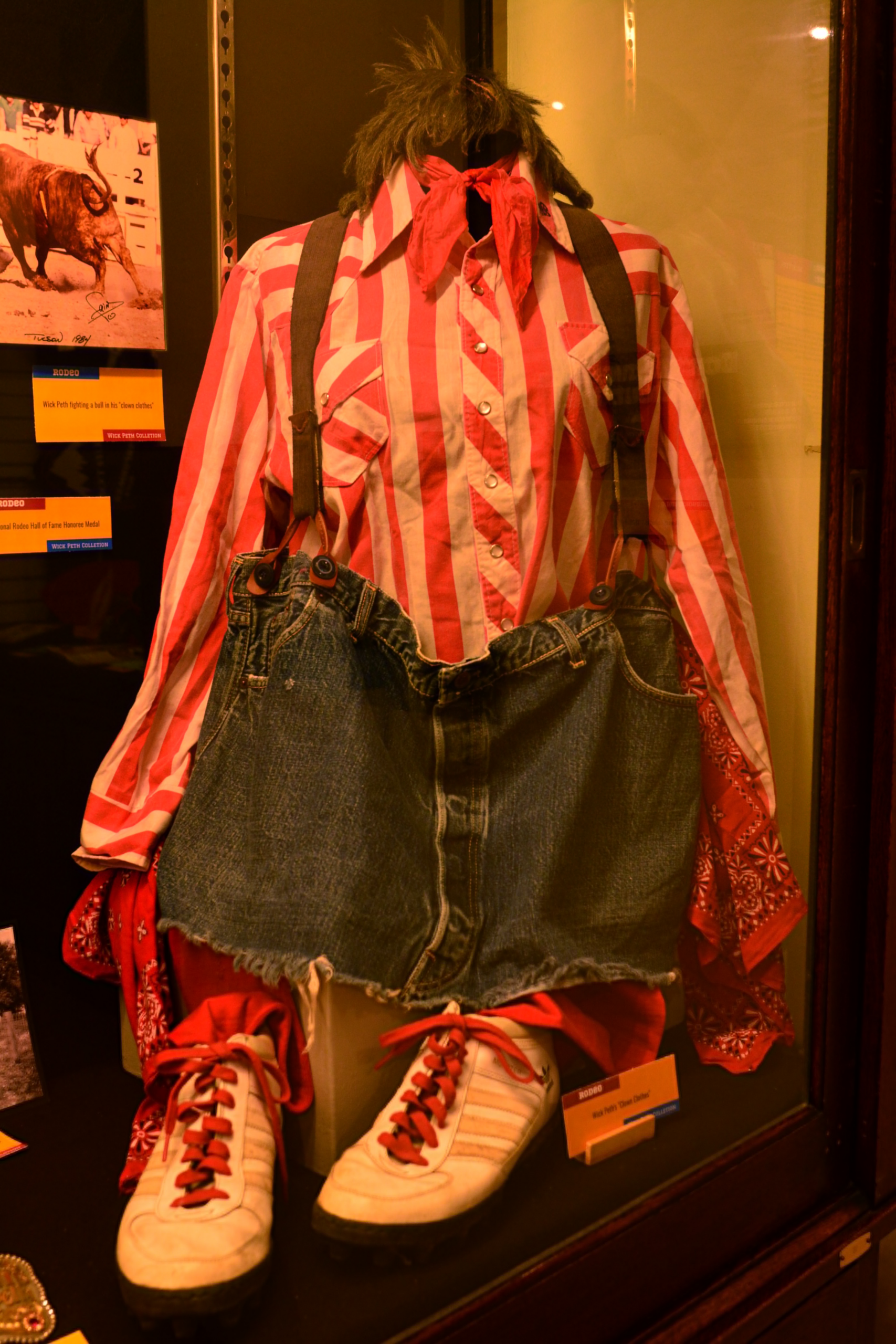
The men who put themselves between a thrown rider and the bull worked in face paint and baggy comic costume, and the same person frequently did the comedy act between events. The job was understood as entertainment with a dangerous element attached.
The two roles separated completely. Bullfighting is now a specialist athletic position with its own training, equipment and recognition, performed by people in protective gear who are not there to be funny, while the comedy role is a separate entertainer. Everybody involved regards the separation as overdue – asking one man to be both a comedian and the last line of defence for an unconscious rider was never a sensible arrangement.
5. The Stock Was Whatever the Contractor Could Supply
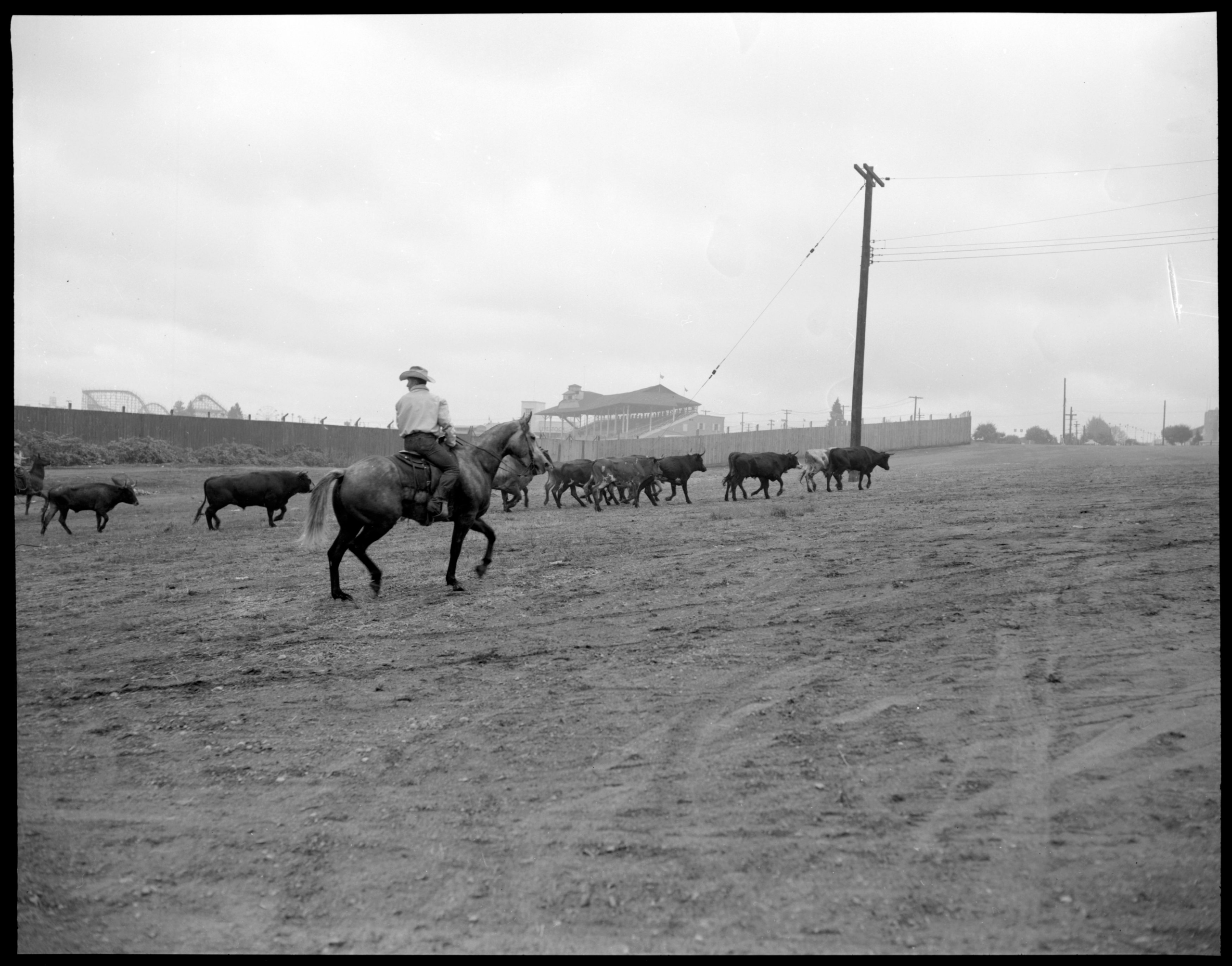
Bucking stock came from ranches and contractors who gathered animals that would not work for anything else, and quality varied enormously. A rider could draw an animal that barely moved, which made a winning score impossible through no fault of his own.
Purpose-bred bucking stock with recorded pedigrees changed the sport fundamentally. Animals are now bred, registered and valued as athletes in their own right, the great ones are famous, and a bucking bull can be worth more than most of the riders will earn in a year. Scoring also changed to reflect it, with the animal’s performance judged separately and counted into the total.
6. Animal Welfare Was Not a Subject Anybody Raised
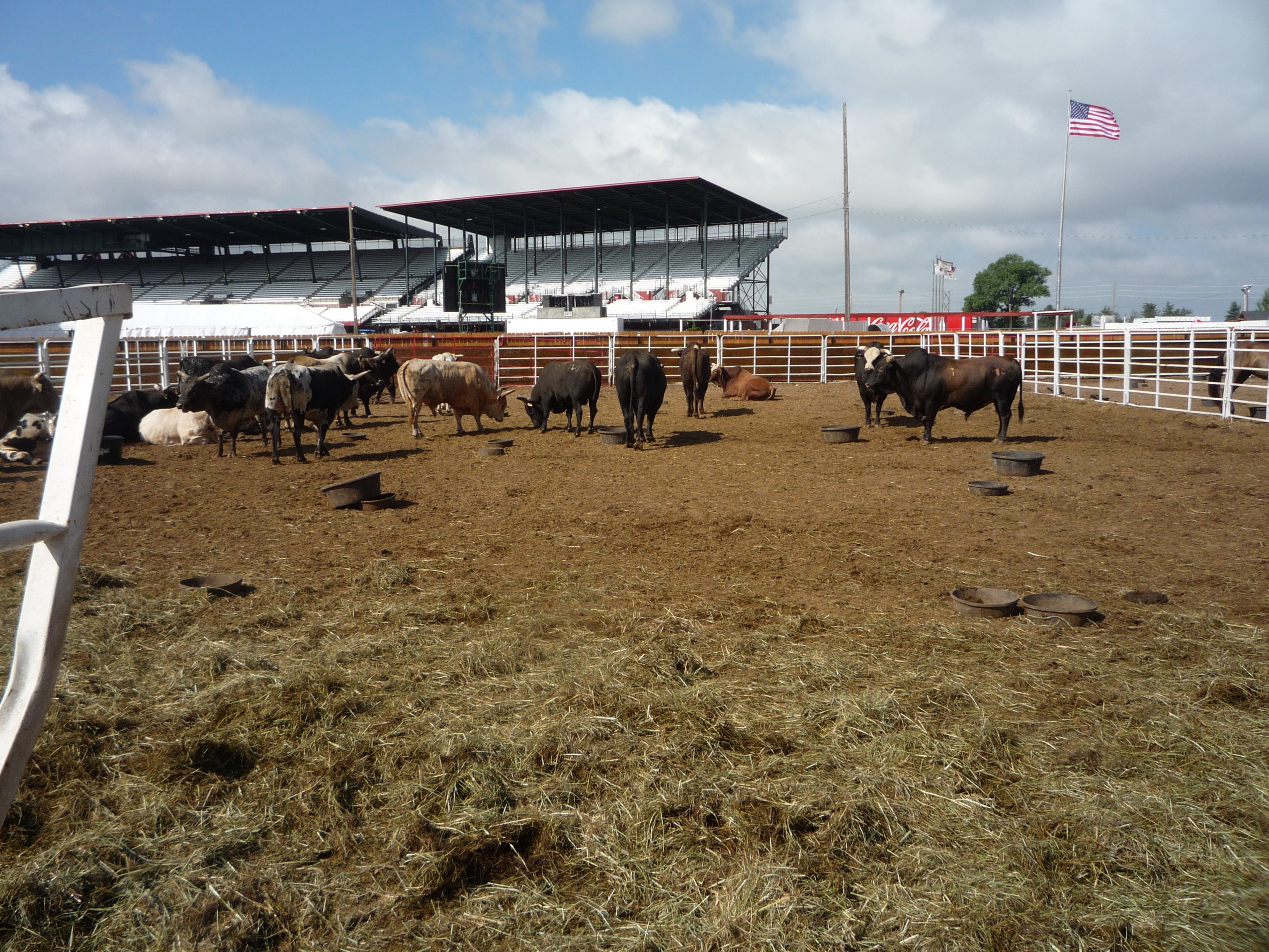
Practices varied widely between events and there was very little oversight. Equipment, handling and veterinary attention were matters for the contractor and the committee, and a small local rodeo answered to nobody in particular.
Sanctioned rodeo now operates under published animal welfare rules covering equipment specifications, handling, the presence of a veterinarian, stock inspection and prohibited practices, with penalties for violations. The subject remains genuinely contested – organised opposition to rodeo as such continues and is not resolved by welfare rules – but the gap between a sanctioned event in 1965 and one now is substantial and documented.
7. Riders Travelled Enormous Distances by Road, Together, Overnight
The circuit meant driving through the night between towns, several riders to a car, splitting fuel, sleeping in the vehicle and competing the next afternoon. A rider might enter events hundreds of miles apart in the same week.
This has not changed as much as everything else. The distances are the same and the travel is still self-funded for most competitors, though the top tier now flies and the scheduling is more coherent. Road accidents on the circuit are a real and recurring cause of death in the sport, which is the part nobody puts in the programme.
8. The Prize Money Was Small and the Entry Fees Were Not
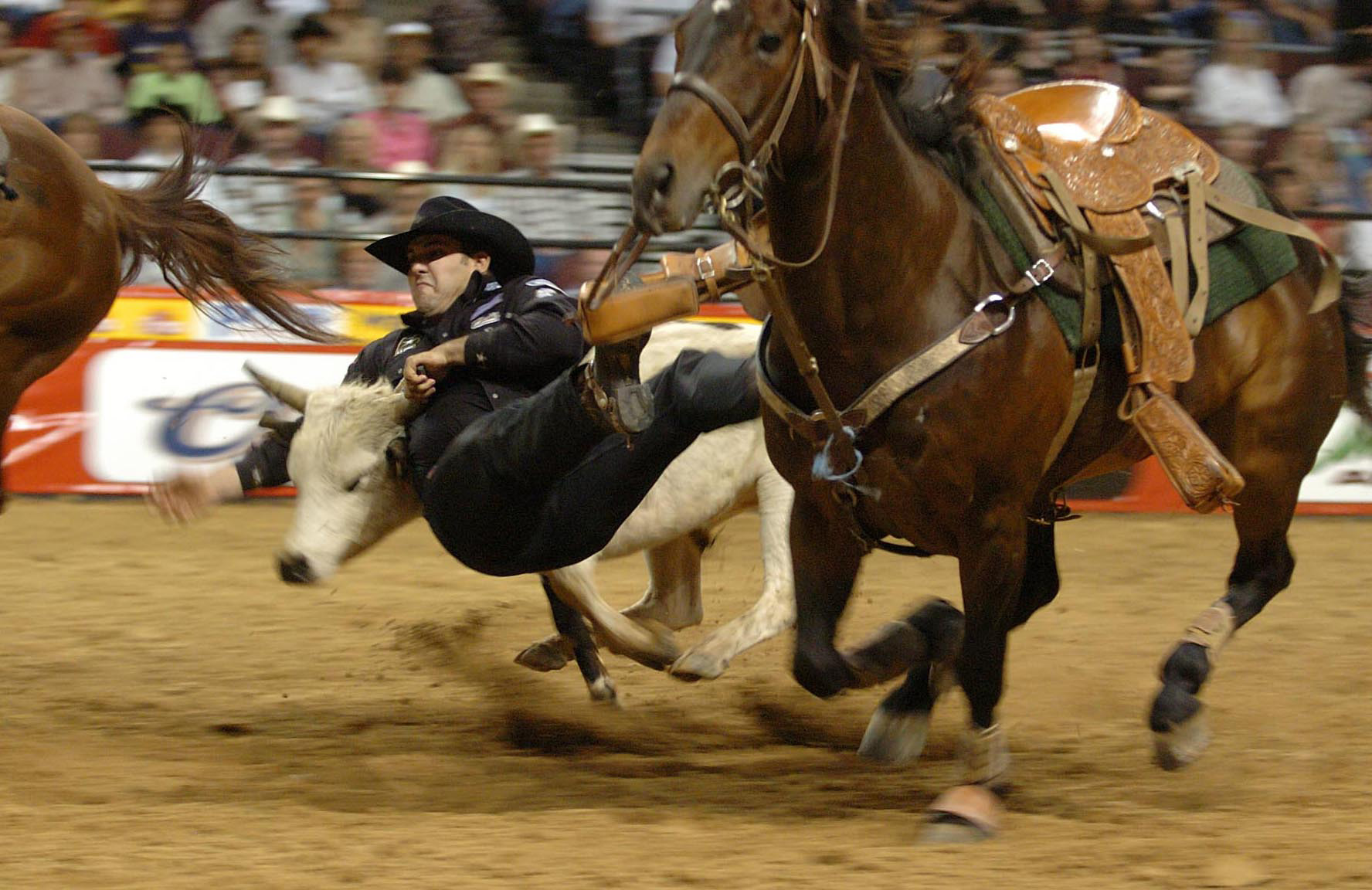
Purses at local events were modest, and the gap between what it cost to compete across a season and what could be won meant that the overwhelming majority of competitors lost money. Most riders had other jobs and rodeoed around them.
The economics at the bottom are broadly unchanged, which is the honest summary. What exists now that did not in 1965 is a professional apex with substantial earnings, television exposure and endorsement income for a small group. The sport’s own publications discuss the difficulty openly, and the number of competitors who earn a living from it has always been a fraction of those entered.
9. Women Competed in Barrel Racing and Essentially Nothing Else
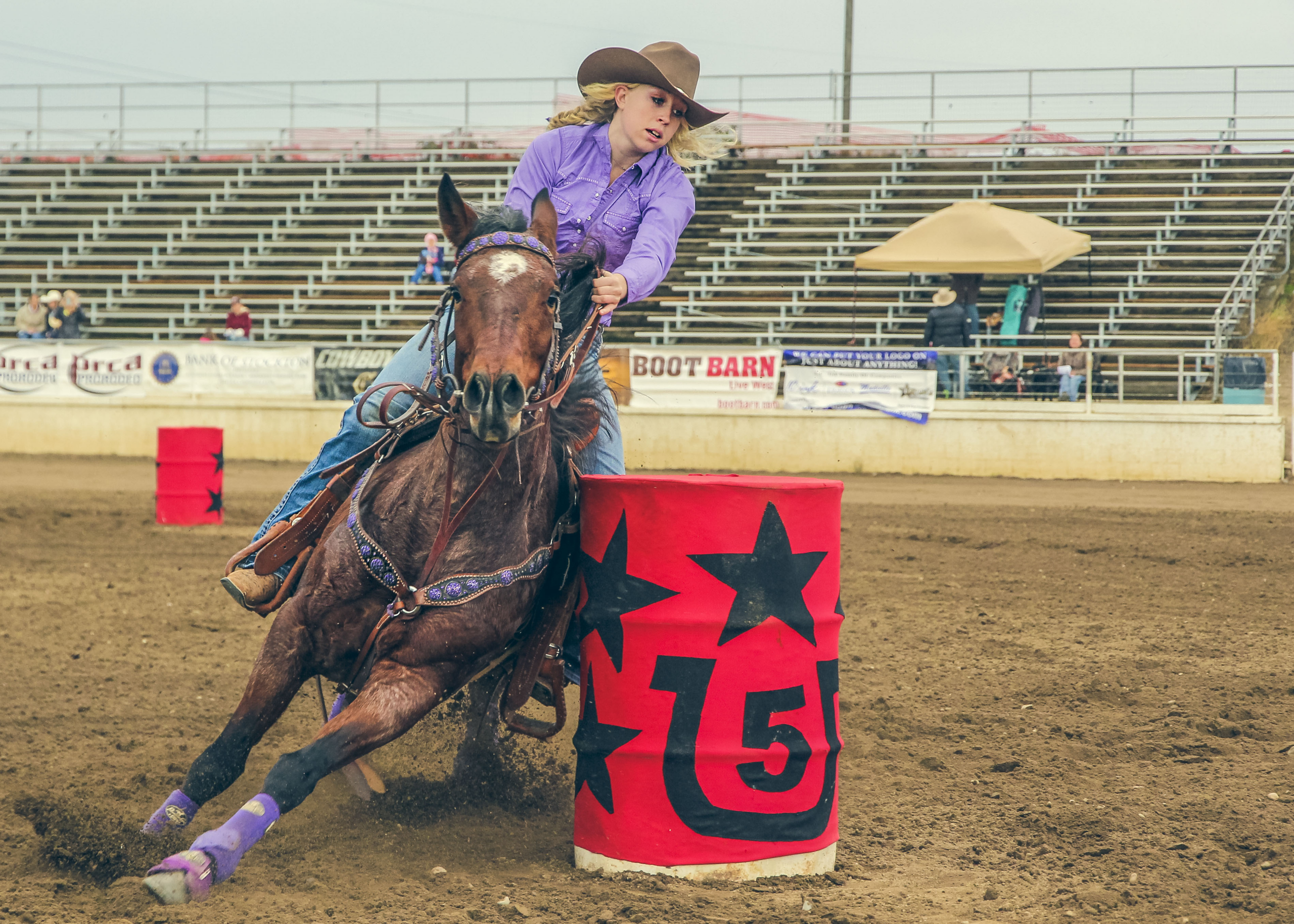
The women’s association had been running since the late 1940s and barrel racing was the event women contested at sanctioned rodeos. The rough stock events were closed to them, and women who rode rough stock did so at separate all-women rodeos with far less money and attention.
Barrel racing remains the principal women’s event at most major rodeos and is now extremely competitive with substantial purses. All-women rodeo organisations continue, and women compete in breakaway roping, which has been added to major events relatively recently after a long campaign. Rough stock remains overwhelmingly male. The change is real and partial, and the people inside the sport describe it that way.
10. Indian Rodeo Ran in Parallel and Was Barely Acknowledged
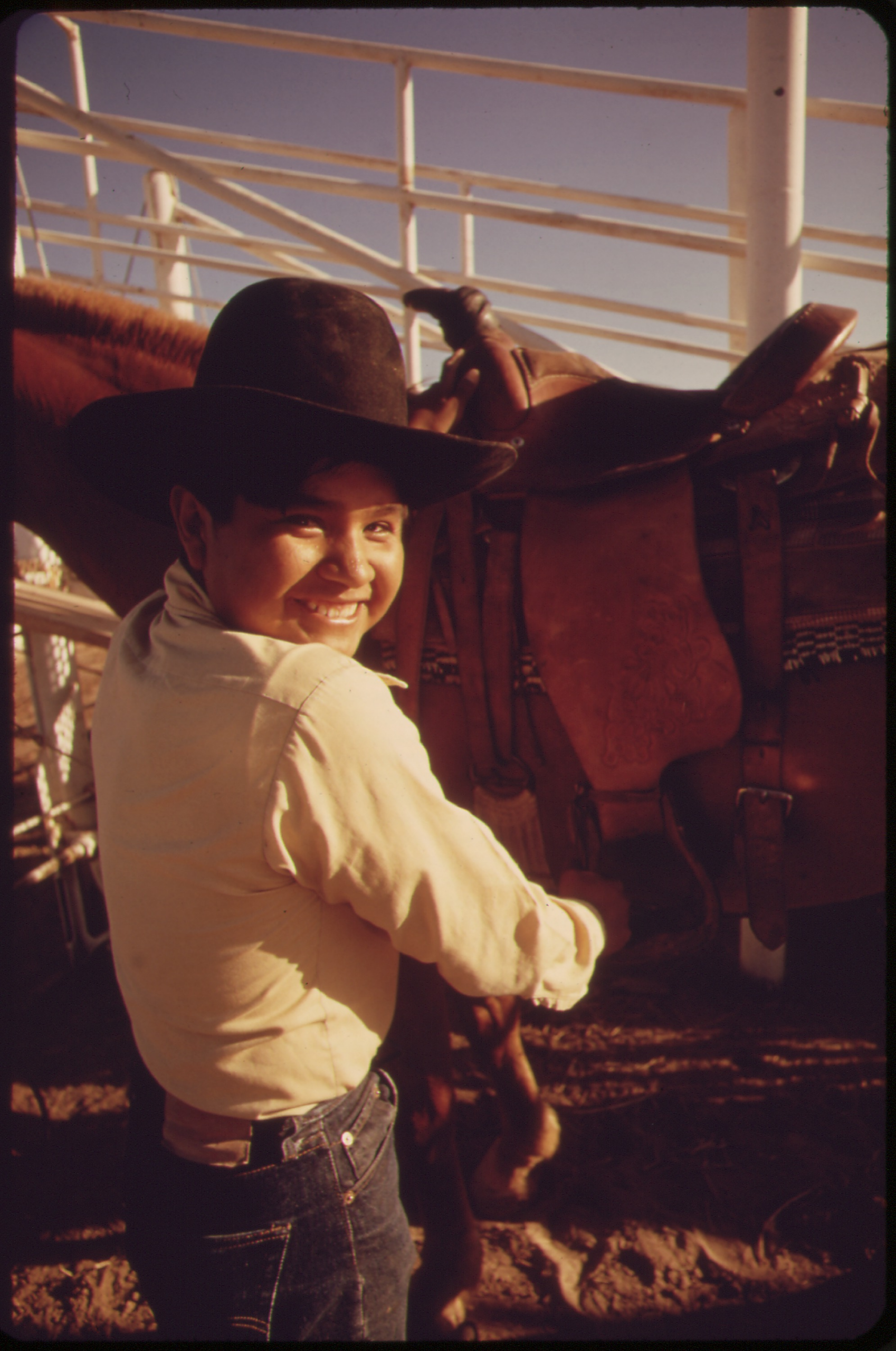
Rodeo on and around reservations had its own circuits, associations and champions, with deep participation in Native communities, and it operated largely separately from the mainstream sanctioned circuit, receiving almost none of its coverage or money.
Those circuits continue and are substantial, with their own national championship events. Participation by Native competitors in mainstream rodeo has grown considerably and several have become national champions. The separate circuits were not simply a product of exclusion and are valued in their own right, which is why they continue to thrive rather than having been absorbed.
11. The Announcer Made the Event and Worked From a Box With a Microphone
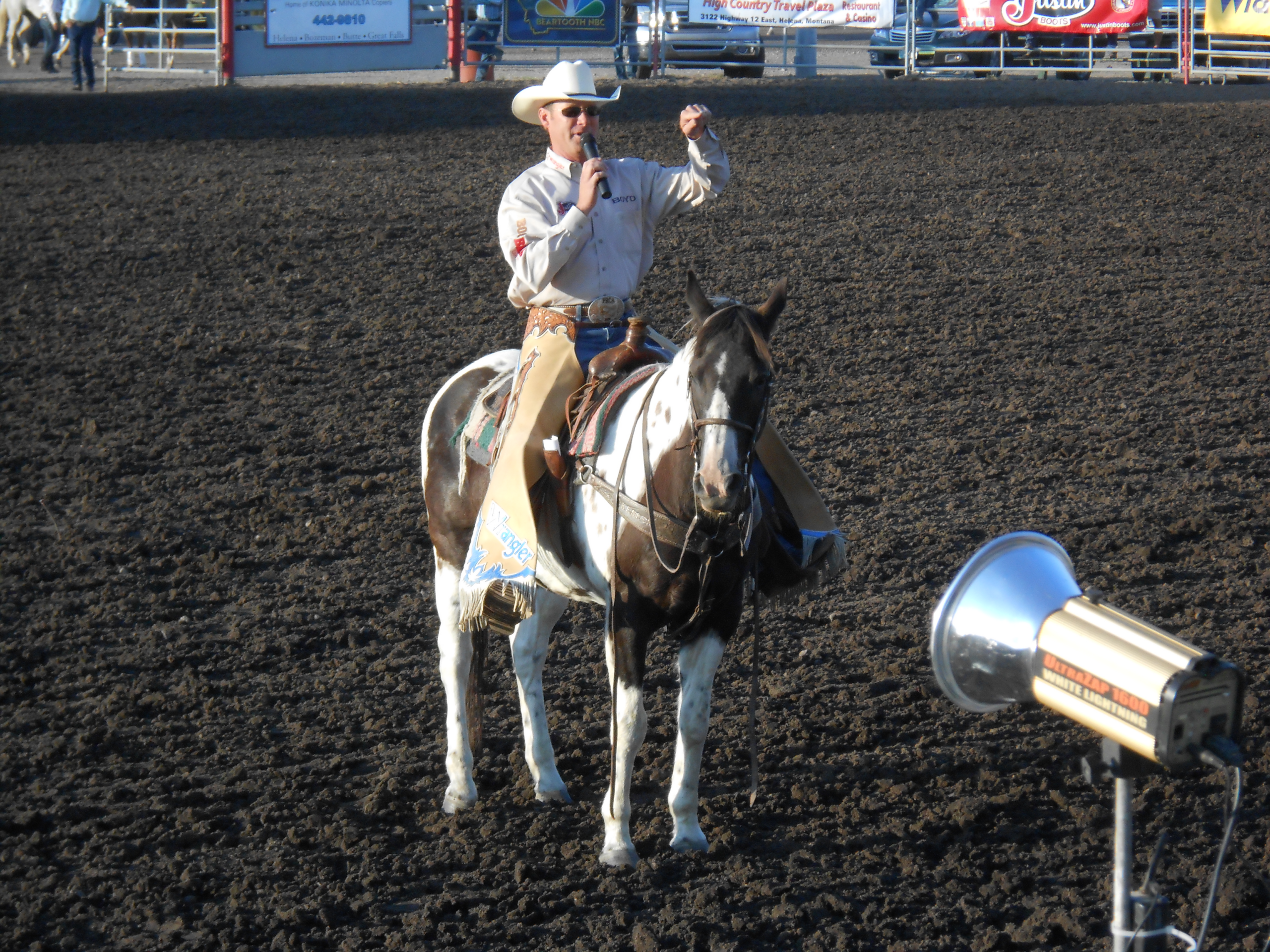
One man with a public address system carried the whole afternoon – introducing riders, explaining the scoring to a crowd that half understood it, filling the gaps while stock was reset, and reading out the sponsors. A good announcer was worth a measurable amount in ticket sales.
The role survives and is still central, which is unusual among the jobs in this series. What has been added is a production around it – video boards, replays, lighting, music and in televised events a commentary team. The live arena announcer remains the thing that holds a rodeo together, and the skill is the same one it was: talking continuously, accurately and entertainingly about something unpredictable.
12. Judging Was Two Men With Clipboards and No Appeal
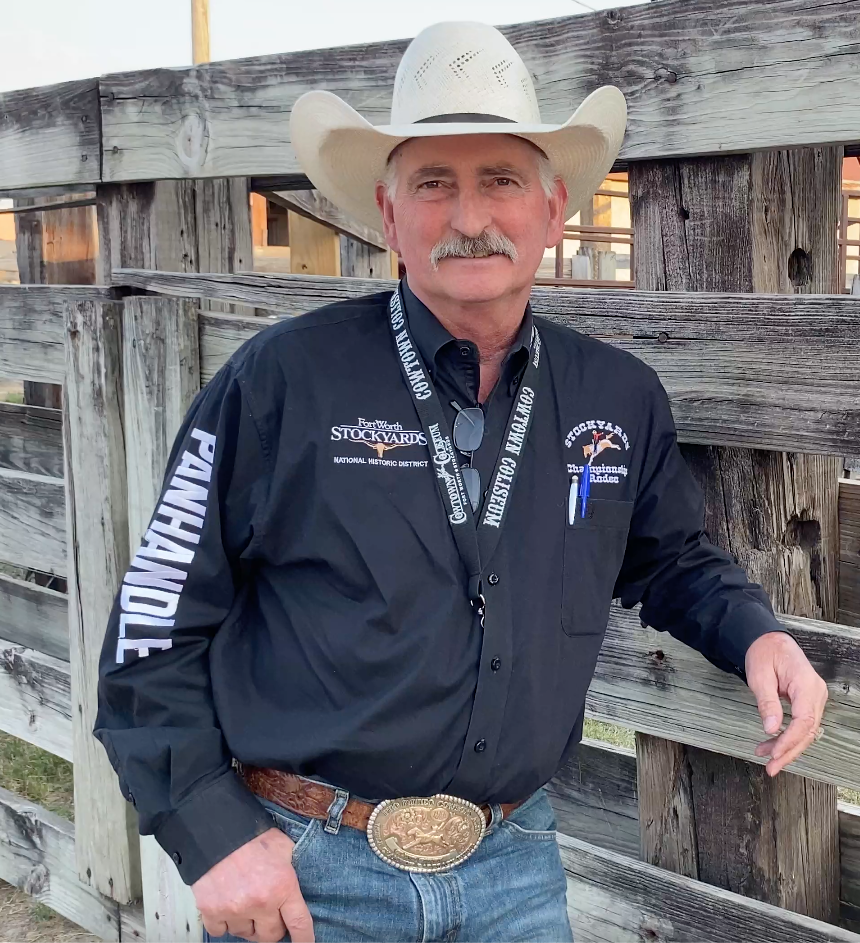
Scores came from a pair of judges positioned at the arena, marking the rider and the animal out of twenty-five each from what they saw in eight seconds. There was no replay, no second angle and no process for disputing a mark. A rider who believed he had been scored badly had the option of saying so and being ignored.
Judging remains a human assessment made in real time, and that will not change, because the thing being judged is partly aesthetic. What has been added is structure: training and certification for judges, published criteria, scrutiny of consistency across events, and at televised level video available for review. The irreducible fact of the sport is that two people decide, in eight seconds, and everybody has agreed to accept it.
13. The Chutes and the Arena Were Built by Whoever Was Available
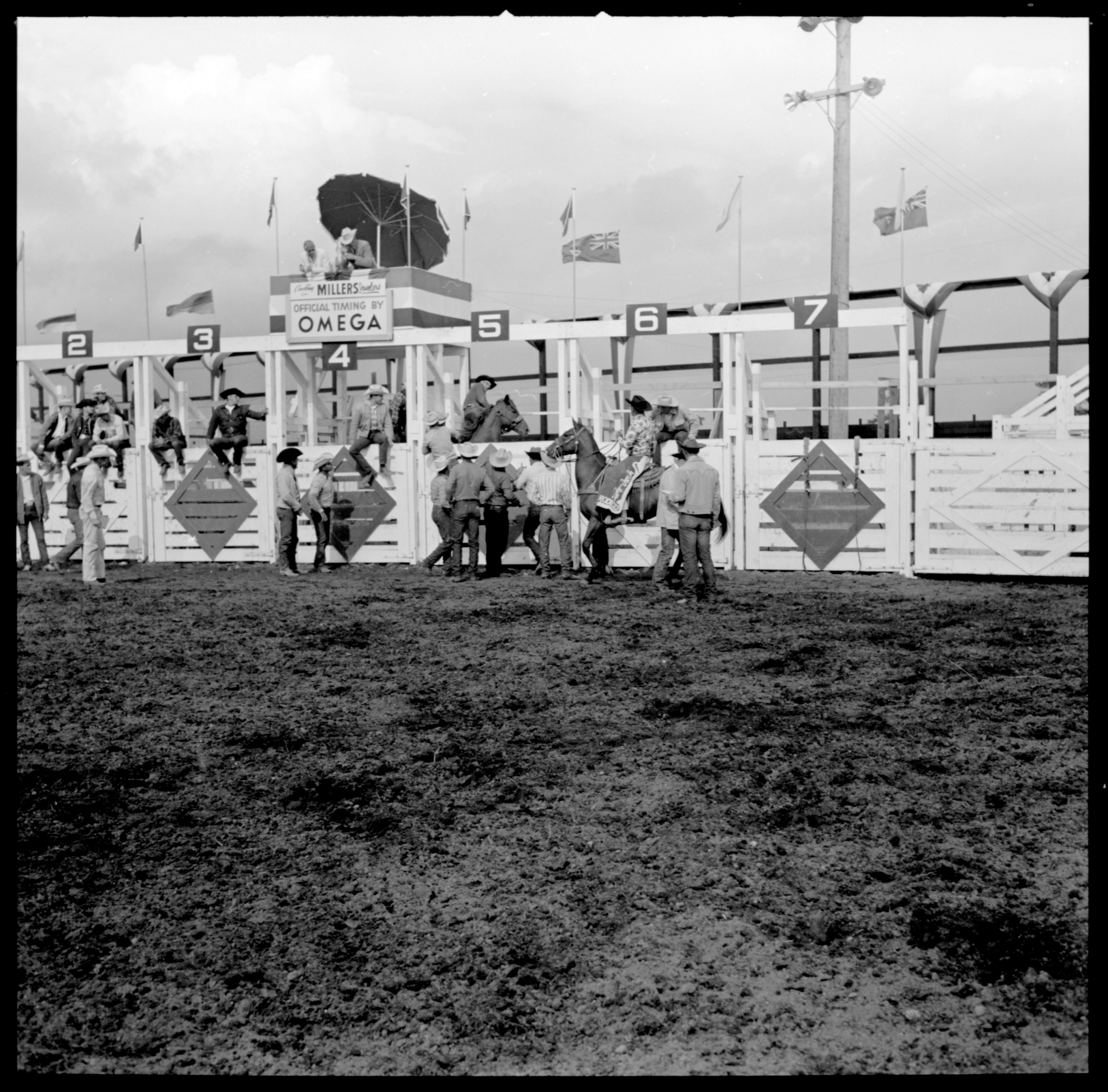
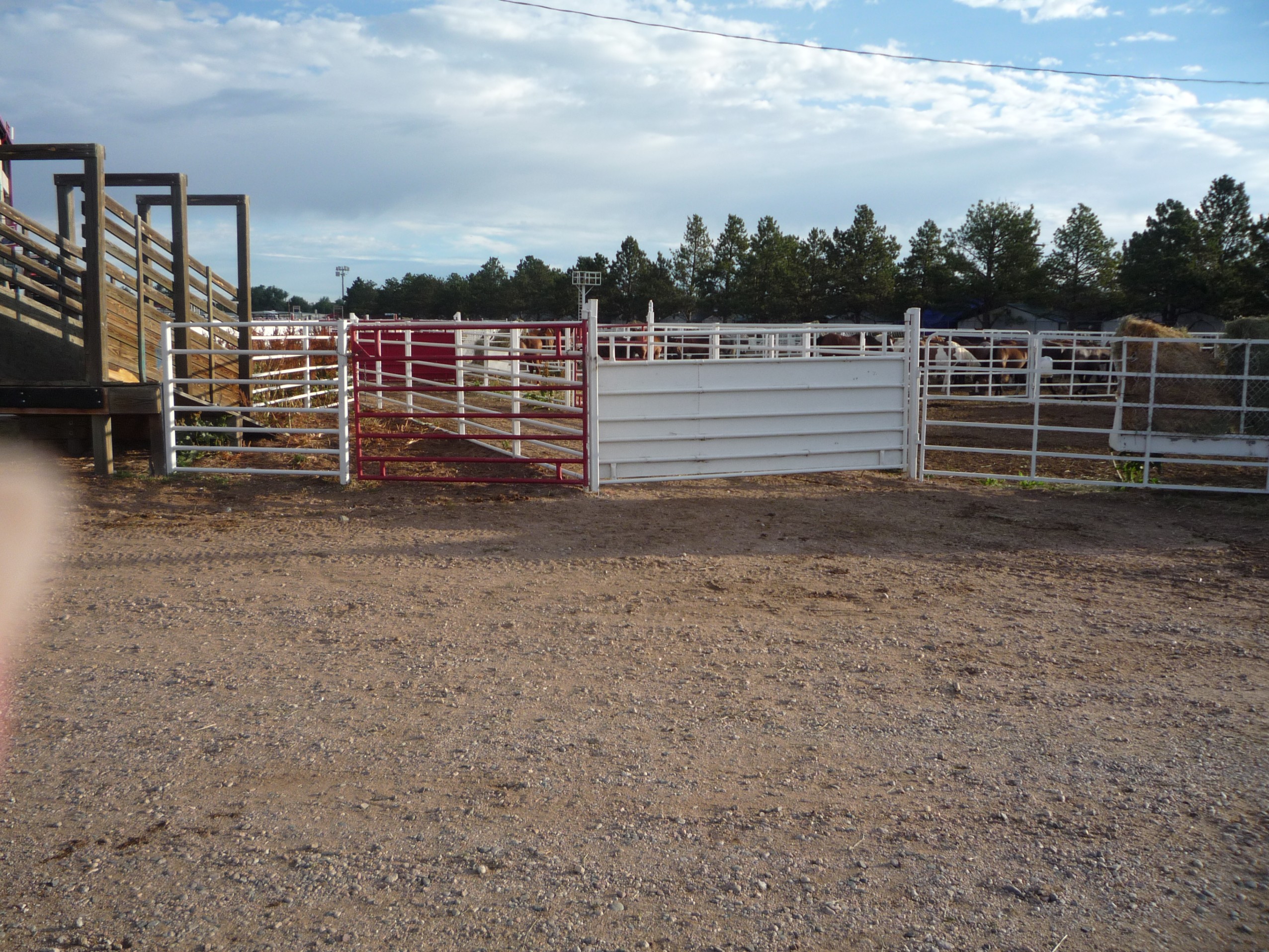
Steel panels, welded gates, wooden chutes and a fence put up by local men over a few weekends. Specifications varied from town to town, gates stuck, latches failed, and a rider could be hung up in a chute on equipment that had been repaired with whatever was in the shop.
Arena and chute standards are now specified for sanctioned events, with requirements covering gate operation, clearances, fence construction and the catch pen. A chute that does not open cleanly is one of the most dangerous situations in the sport, because it traps a rider on an animal in a confined space, and it is now an inspection item rather than something discovered during a ride.
14. Children Competed on Full-Size Stock
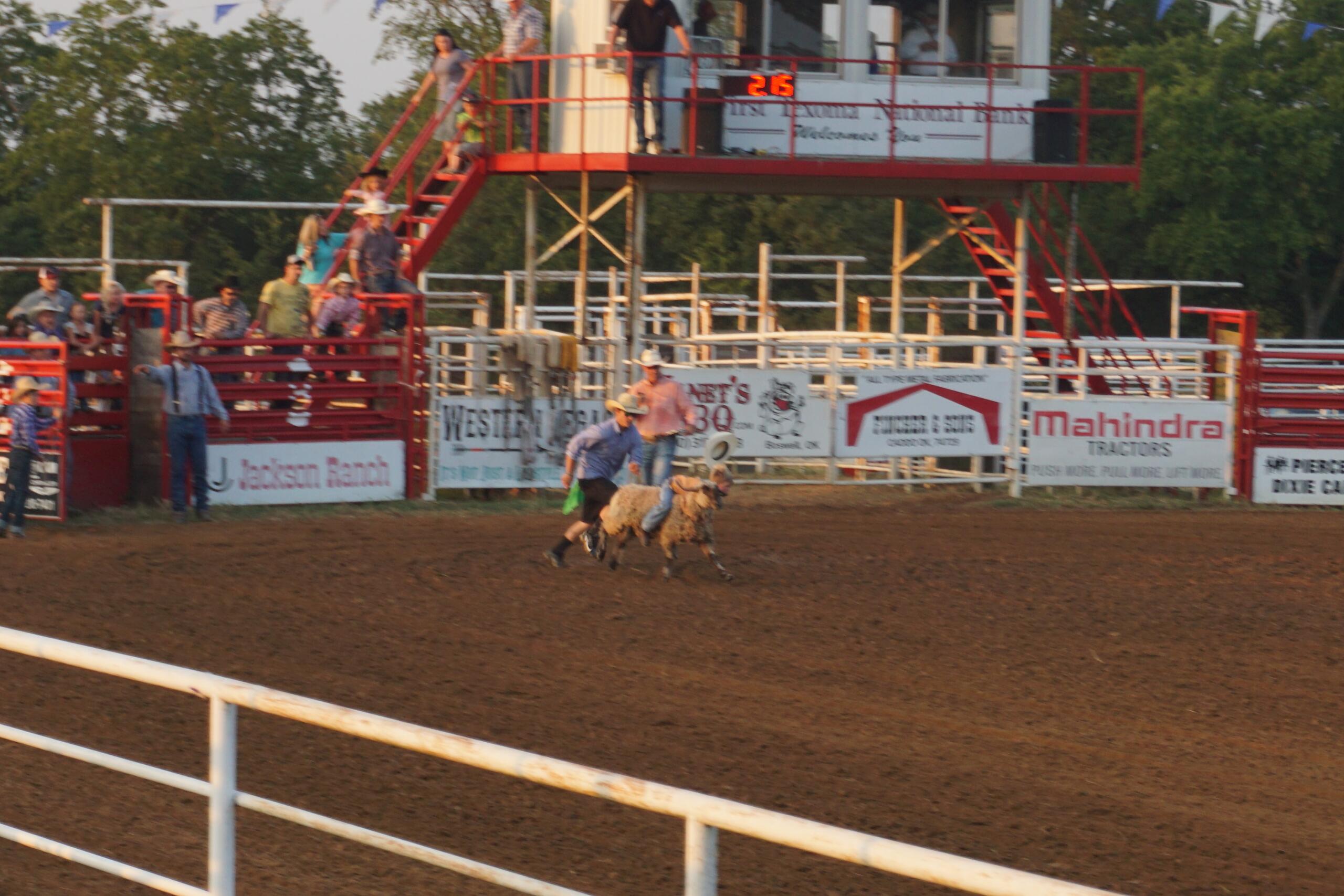
Junior events existed with scaled-down animals, but the boundaries were loose, and a sufficiently determined fifteen-year-old could and did enter open events against grown men on full-size bulls, with a parent’s say-so or sometimes without.
Age divisions are now defined and enforced, with junior, youth and amateur classes using appropriately sized stock and with minimum ages for the senior rough stock events. Mutton busting for small children on sheep continues and is itself argued about. The specific thing that ended is a boy walking into an open bull riding event because nobody checked.
15. The Rodeo Was the Town’s Biggest Event and Ran on Volunteers
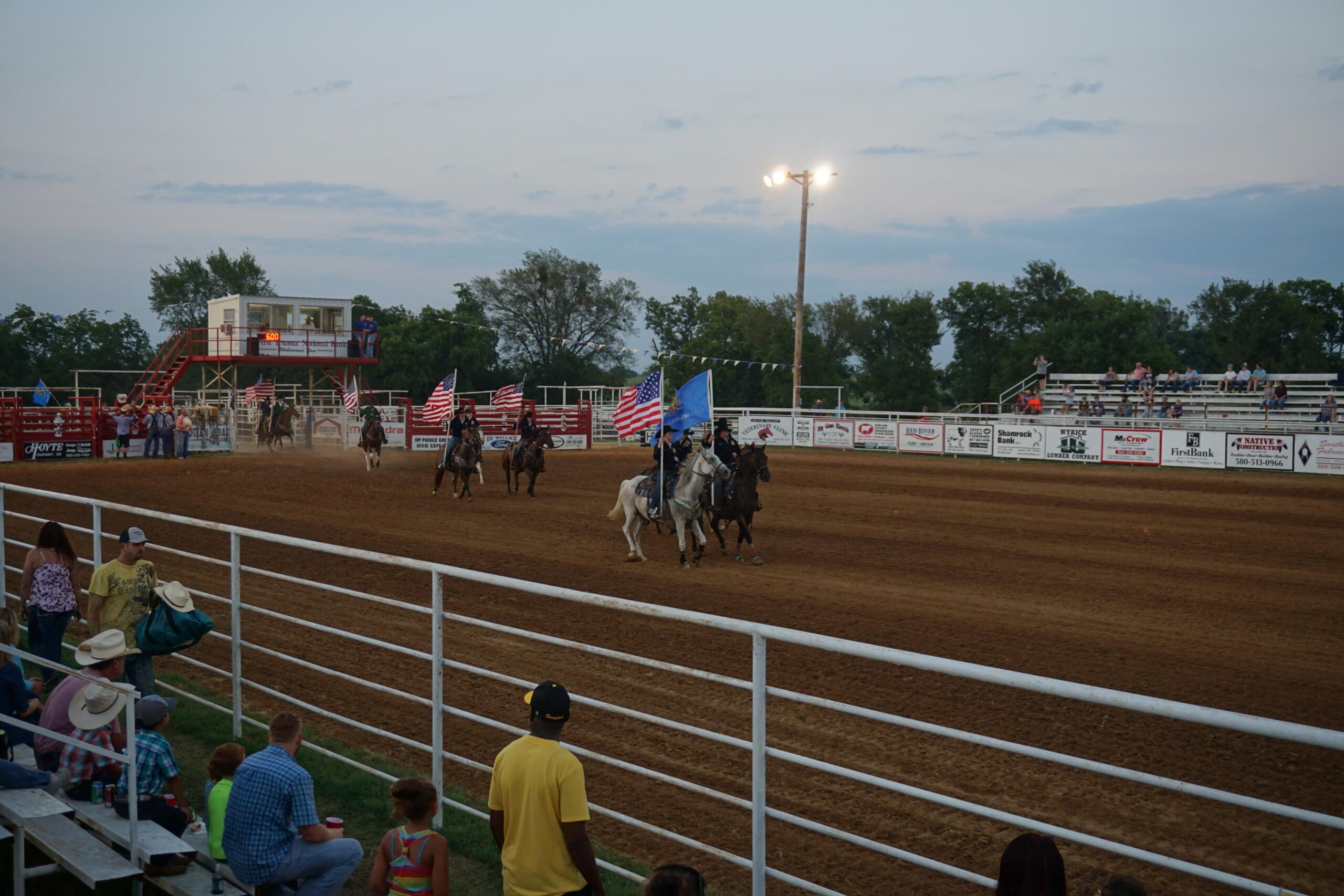
The committee was local, the arena was built and maintained by volunteers, the ticket takers and the stock handlers were neighbours, and the money raised frequently went to a civic purpose. A town’s rodeo was its fair, its reunion and its fundraiser at once.
Small local rodeos continue in large numbers and still run this way, which makes rodeo unusual – the grassroots level has not been hollowed out by the professional apex to anything like the degree seen in other sports. The pressures are real: insurance costs, liability, volunteer numbers and the price of stock contracting have closed some events. But the model has proved durable, and a great many towns still shut for a weekend in the summer because of it.
The Sport Reformed Without Losing Its Base
Rodeo is an unusual case in this series because the reform happened without the grassroots collapsing, and the reasons are worth naming.
The dangerous practices were changed largely from inside. Helmets and vests arrived because riders adopted them, not because a regulator required them. The bullfighter was separated from the clown because the people doing both jobs said it was unworkable. Medical cover improved because the associations put it in the sanctioning requirements. Welfare rules were written because the sport understood that the alternative was being regulated by people with no interest in its survival.
The economics at the bottom were not reformed at all. A competitor still pays to enter, still travels at his own expense, still earns nothing unless he places, and still mostly has another job. Every attempt to change that runs into the same problem: the entry-fee purse is what makes a small-town rodeo possible, and removing it would remove the events.
So the sport ended up with better medicine, better equipment, bred stock, published welfare rules and a professional tier with real money – sitting on top of a structure that is financially identical to 1965 and run by the same volunteers in the same towns.
Whether that is a success depends on which end of it you are standing at, which is true of rodeo generally and is why the arguments about it never finish.
If your town had one, you remember the week it took over and the smell of the arena more than any single ride.
Which town, which rodeo, and is it still running?
Like our content? Follow us for more.