In 1960 the detection of forest fires across enormous areas of mountain country depended on people sitting alone in glass rooms on peaks, watching, for an entire season.
The lookout carried water up the mountain or caught it off the roof, spoke to another human being twice a day on a scheduled radio call, sat out lightning storms on a stool with glass legs, and if a fire was small enough was expected to walk down and put it out with a shovel.
Here are fourteen things the job involved in 1960, and what became of each.
1. The Job Was to Sit in a Glass Room on a Mountain and Look
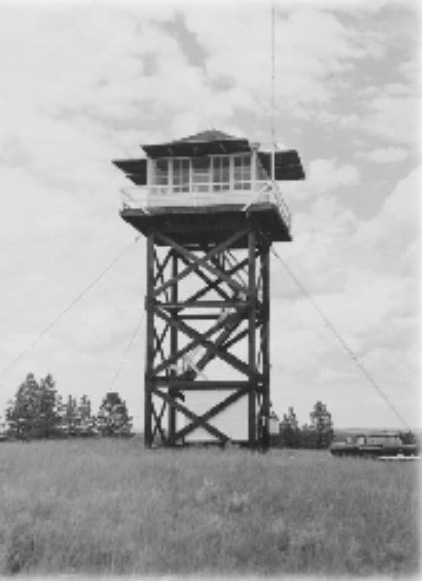
A lookout was a small square cabin with windows on all four sides, on a peak or a steel tower, occupied by one person for a season. The work was to watch the forest, all day, in every direction, and to report smoke.
Aerial detection, satellite imagery, lightning strike mapping and increasingly camera networks with automated smoke detection have taken over most of the function. A great many towers were closed and a proportion were demolished. The ones still staffed are generally in terrain where the alternatives work badly, and the people in them are treated as a supplement to the technology rather than the primary system.
Like our content? Follow us for more.
2. The Instrument Was a Brass and Steel Device Invented in the 1910s
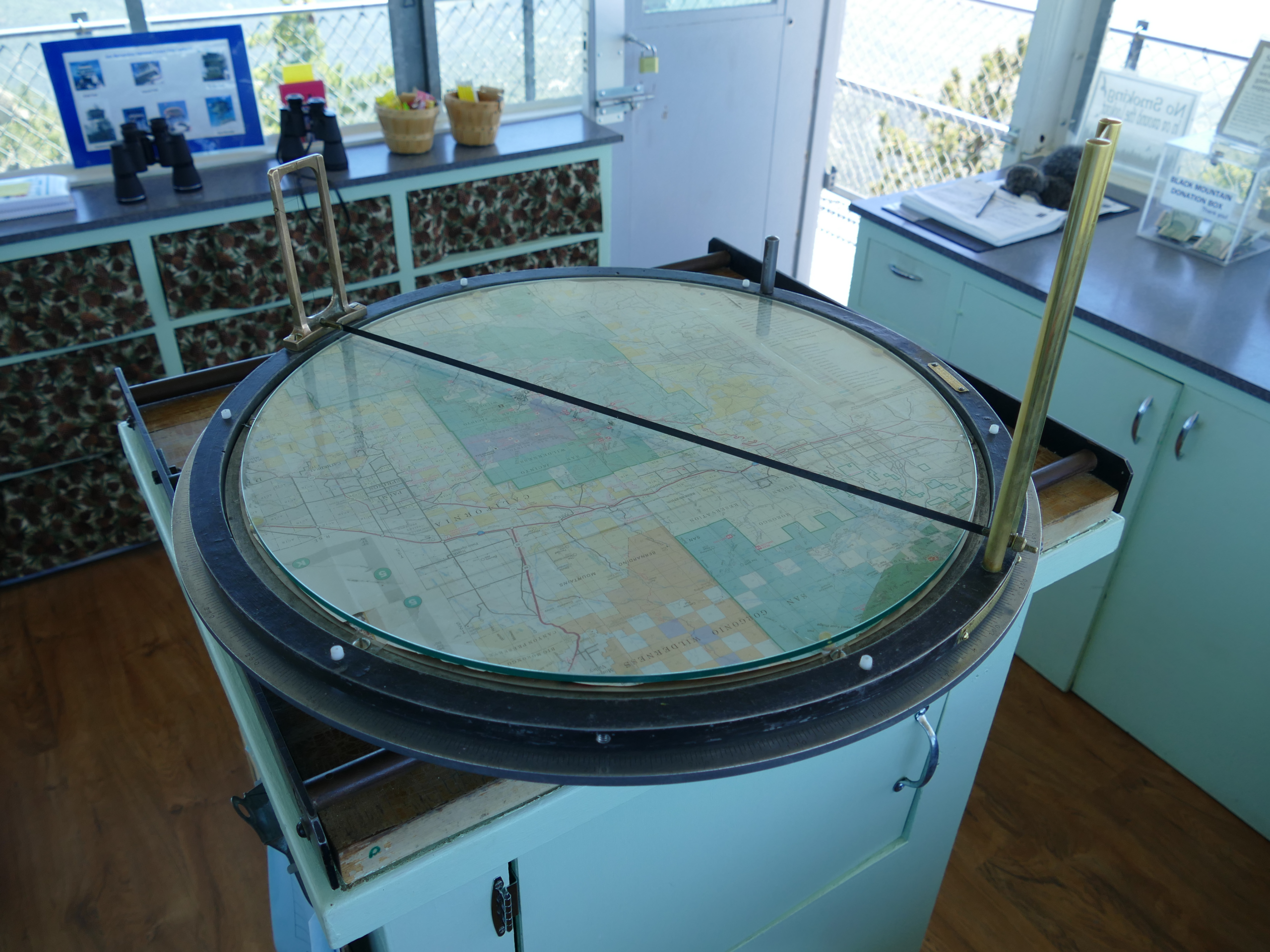
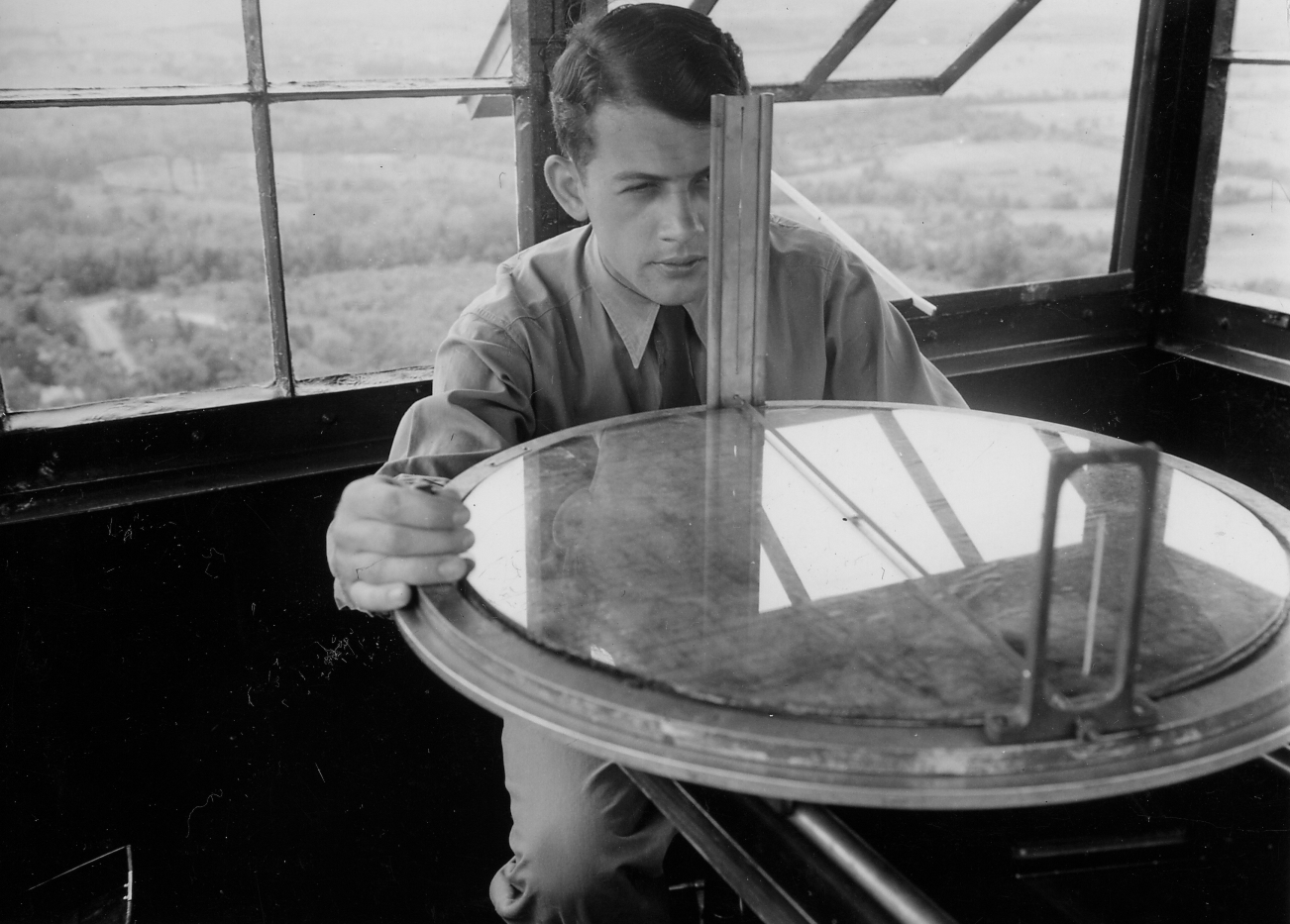
The firefinder was a circular map table with a rotating sighting apparatus. Line up the smoke through the sights, read the bearing off the azimuth ring, and telephone it in. Two lookouts reporting the same smoke from different peaks gave an intersection, and the intersection gave a location.
The instrument is a triangulation device and it works beautifully, which is why the design barely changed in seventy years and why original examples are still in service in towers that remain staffed. Global positioning, aerial observation and mapped lightning strikes have made the location problem easier, but the firefinder still produces a usable bearing from a device with no power supply, which is not nothing on a mountain.
3. You Were Alone for Months and the Nearest Person Was Hours Away
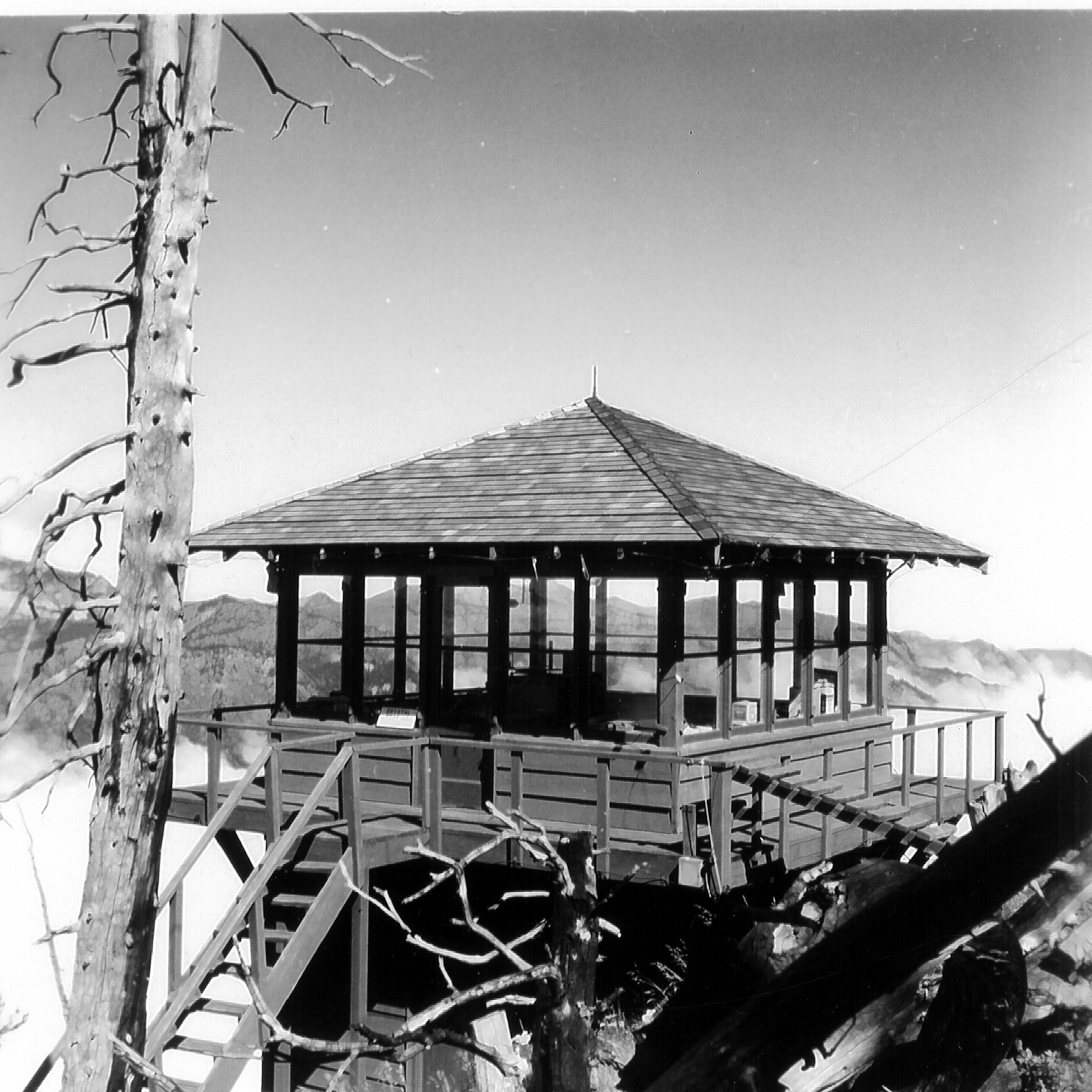
A season ran from late spring to autumn. The lookout was supplied every week or two by pack horse or truck to a trailhead, and otherwise saw nobody. The isolation was the defining feature of the job and was understood as either the reason to take it or the reason not to.
The isolation has been reduced rather than removed – satellite messengers, mobile coverage in some locations and road access to more sites. Modern agencies screen for suitability and provide check-in protocols, which in 1960 consisted of the twice-daily radio call. The job has always attracted a particular kind of person, and the literature written in those towers by writers who took the work is a genuine minor genre.
4. The Only Communication Was a Radio Schedule Twice a Day
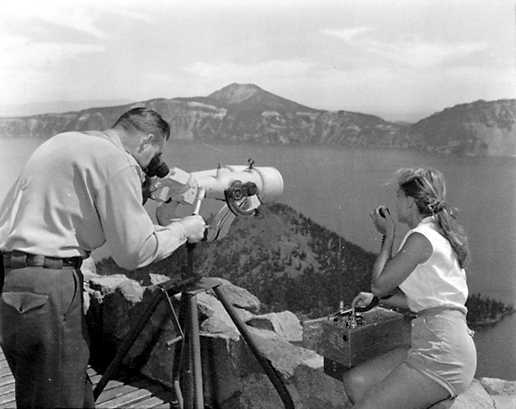
A morning and evening check-in on a scheduled frequency, plus whatever could be raised in an emergency. Some towers had a telephone line strung through the forest on trees and insulators, which went down regularly.
The twice-daily schedule was also the safety system: a lookout who missed two consecutive calls triggered somebody going to find out why. That principle survives in all remote lone-working protocols. What has changed is the equipment and the expectation – a lookout now is contactable most of the time, which has changed the character of the work more than any other single development.
5. Lightning Struck the Tower and You Were Inside It
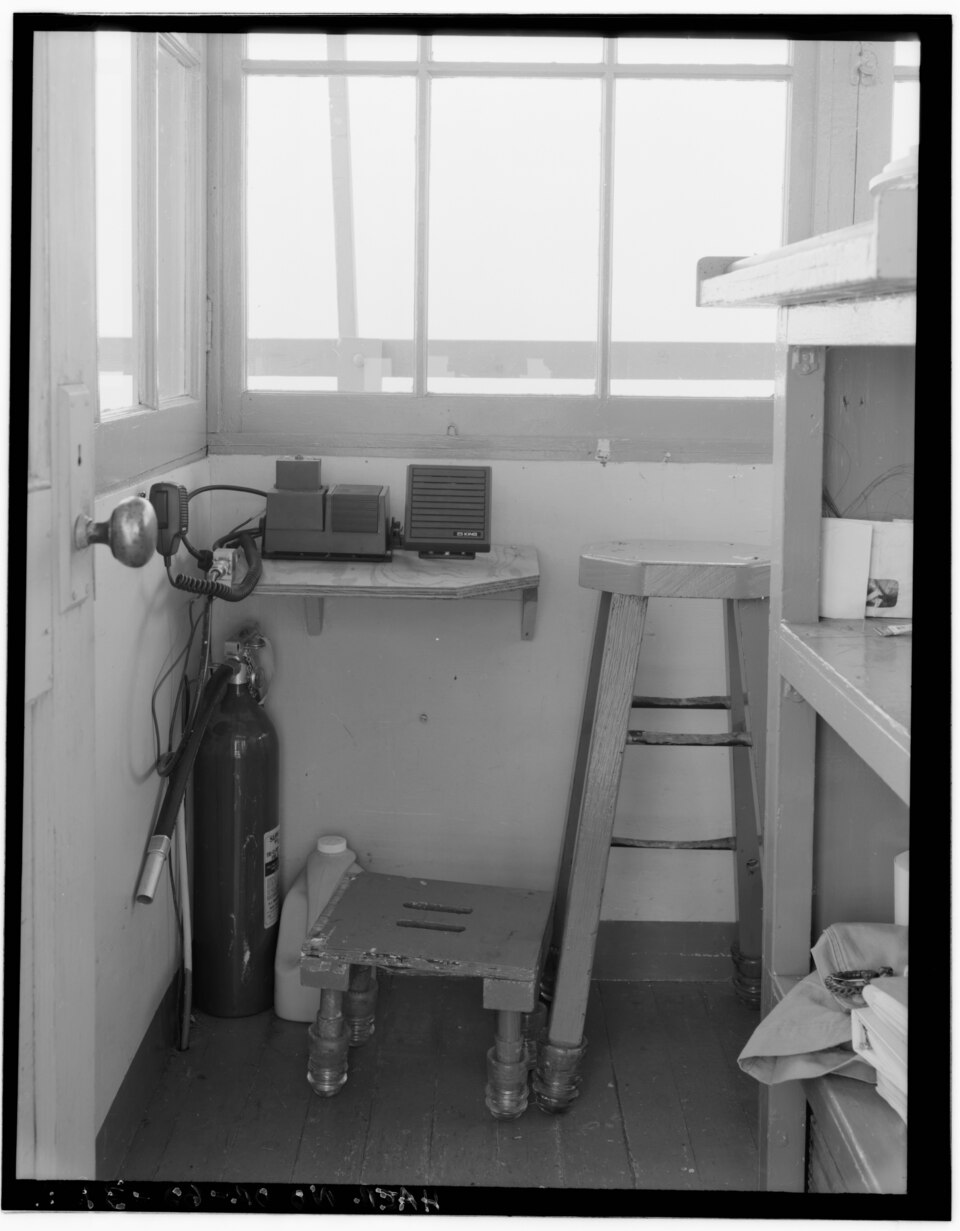
A lookout on a peak is the highest point in the landscape with a metal roof and a radio aerial. Direct strikes were common. Towers were fitted with lightning rods and grounding, and the standard instruction during a storm was to sit on a stool with glass insulators on its legs and not touch anything metal.
The glass-legged stool is real, is still present in preserved and working lookouts, and is the detail everybody remembers from the job. Grounding systems and surge protection are far better now, and modern practice has clearer guidance about what to do during a storm. The fundamental situation is unchanged: the lookout is deliberately sited where lightning goes.
6. Water Was Carried, Caught or Hauled Up the Mountain
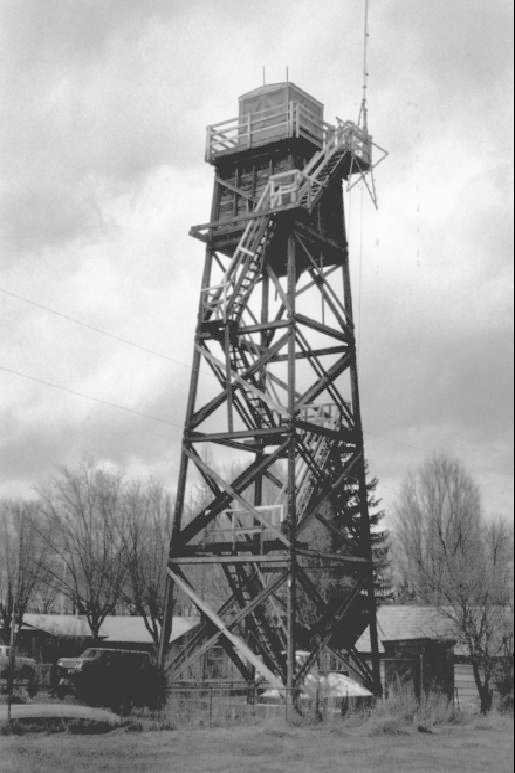
There was no supply. Rain was collected off the roof into a cistern, or water was packed in by horse or on a person’s back. Washing, cooking and drinking came from a finite quantity that had to last between deliveries.
Rainwater catchment remains the standard at many sites and is now treated and tested rather than simply used. What the old arrangement produced was an extremely precise relationship with consumption – lookouts of that era can tell you to the litre what they used in a week, because getting it wrong meant a day walking down and back up.
7. The Lavatory Was a Hole and the Rubbish Was Burned or Buried
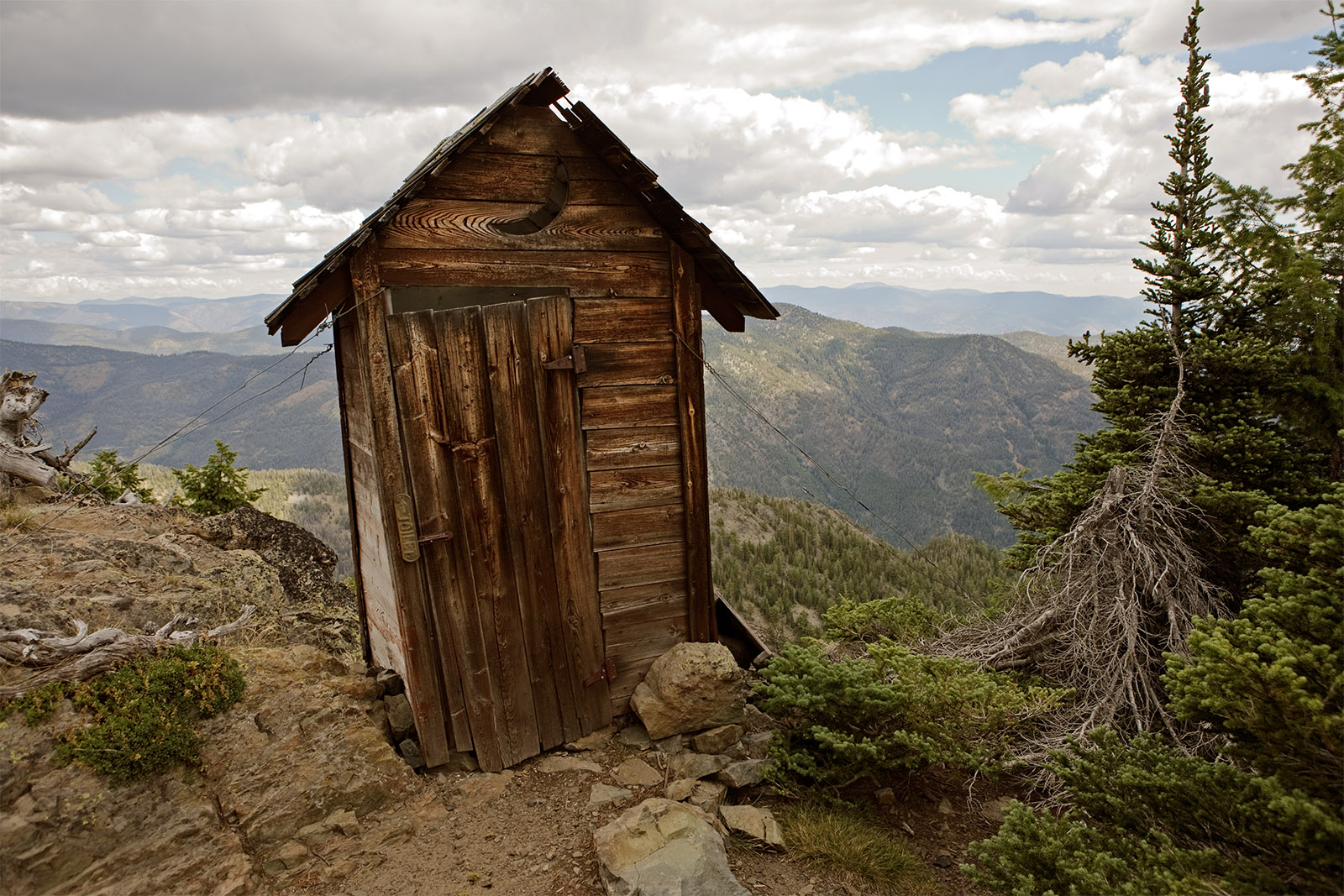
A pit privy some distance from the cabin, and waste disposal by burning in a barrel or burying it behind the tower. Over decades of occupation this produced a ring of buried rubbish around a great many lookout sites.
Pack-it-in, pack-it-out is now the rule at remote sites, waste is flown or hauled out, and composting toilets have replaced most pit privies. The historic rubbish is a known problem – archaeological and clean-up surveys of old lookout sites routinely find decades of buried cans, glass and batteries, and agencies have run programmes specifically to deal with it.
8. You Fought the Fire Yourself if It Was Small Enough
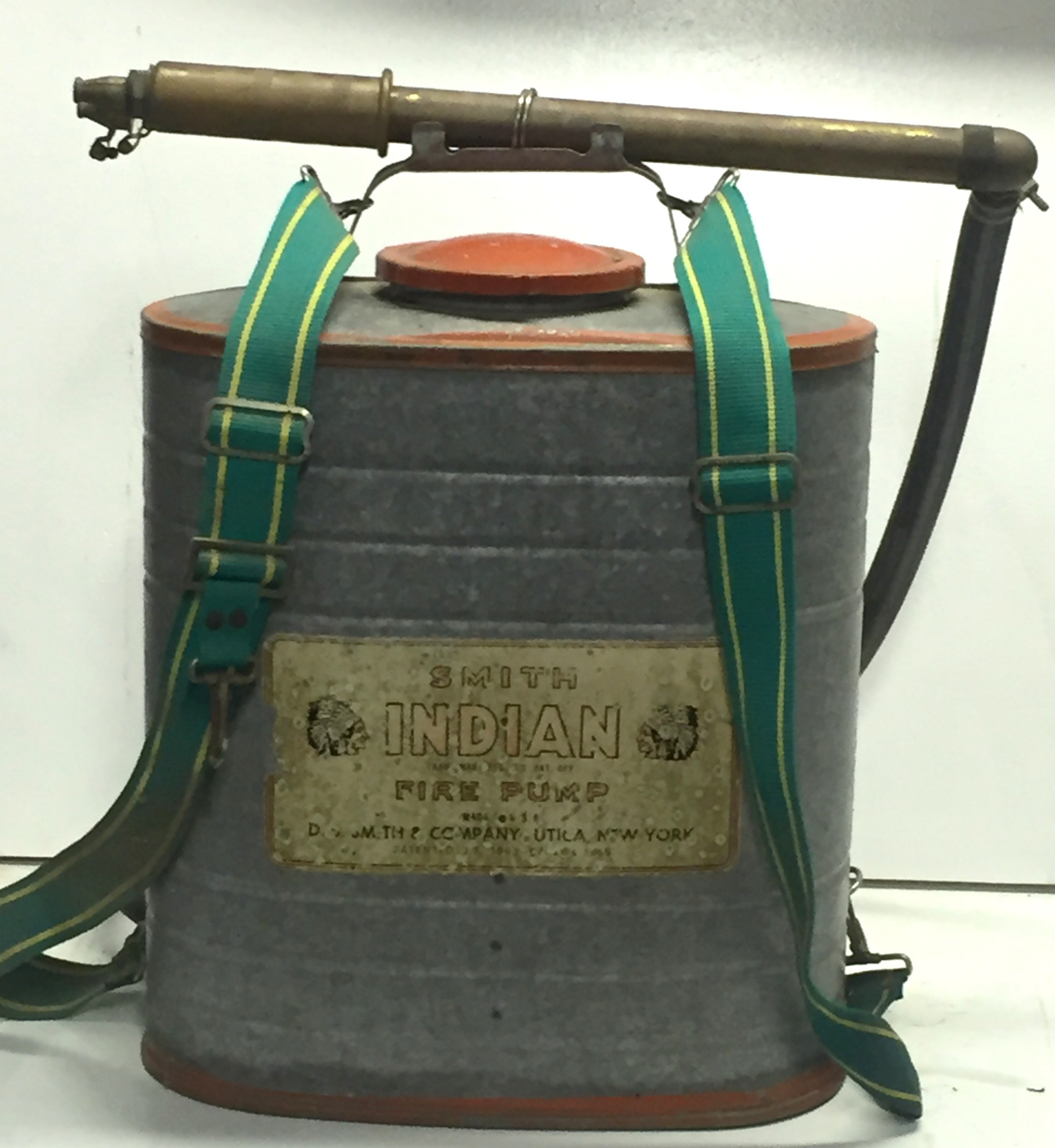
A lookout was expected to leave the tower and deal with a small fire within reach using hand tools – a shovel, a pulaski and a backpack pump. The judgement about whether a fire was small enough was the lookout’s own, alone, with nobody to consult.
Initial attack is now a dispatched function with trained crews, defined qualifications and a command structure, and a lookout’s job is explicitly to observe and report rather than to engage. The change is about qualification and accountability: sending an untrained and unsupervised person at a fire with a shovel produced outcomes that varied enormously with the individual.
9. A Great Many Towers Were Built by Relief Labour in the 1930s
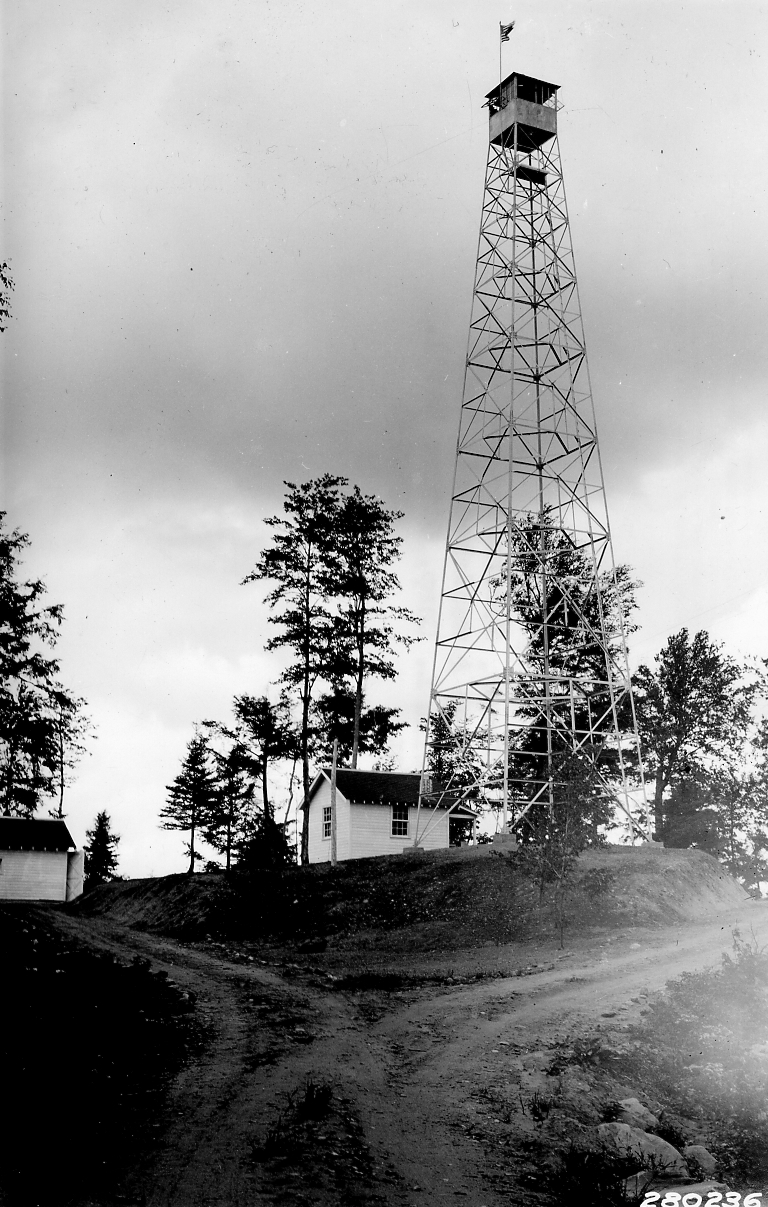
The lookout network expanded enormously during the Depression, built by public work programmes – young men living in camps who cut the trails, packed the materials up the mountains and assembled the towers.
That construction effort is why so many surviving lookouts share a small number of standard designs, and why they are now of interest to historians as well as to foresters. A substantial number are listed on heritage registers, and volunteer associations restore and maintain them, which is how a good proportion of the ones still standing have survived at all.
10. The Lookout Was Frequently a Woman, Which Was Unusual for the Period
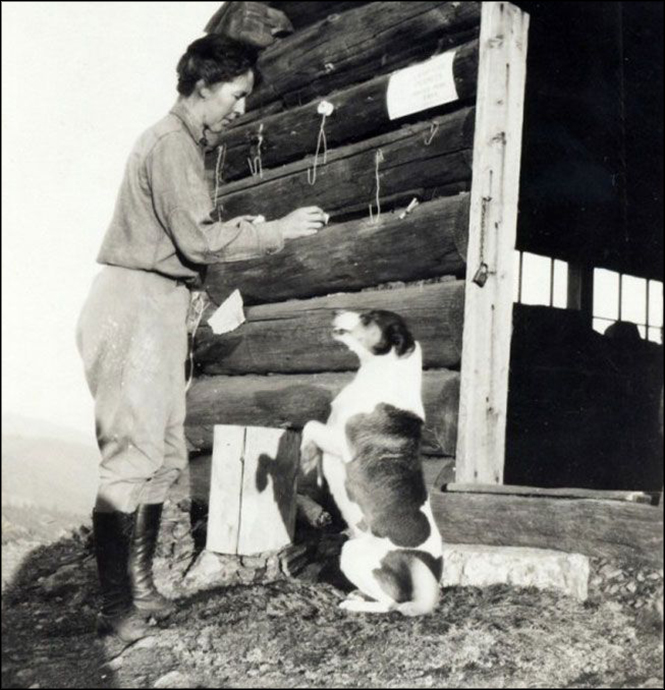
Lookout work was one of the few field positions in forestry open to women from early on, and women staffed towers in significant numbers from the 1910s onward, sometimes as part of a married couple and frequently alone.
The reasons were partly practical – the work was solitary, it did not involve a crew, and during both wars there was nobody else available – and the precedent stuck. It remains one of the few things in the occupational history covered in this series where the 1960 position was ahead of the surrounding culture rather than behind it, and the women who did it are reasonably well documented.
11. The Cabin Was the Workplace, the Bedroom and the Kitchen at Once
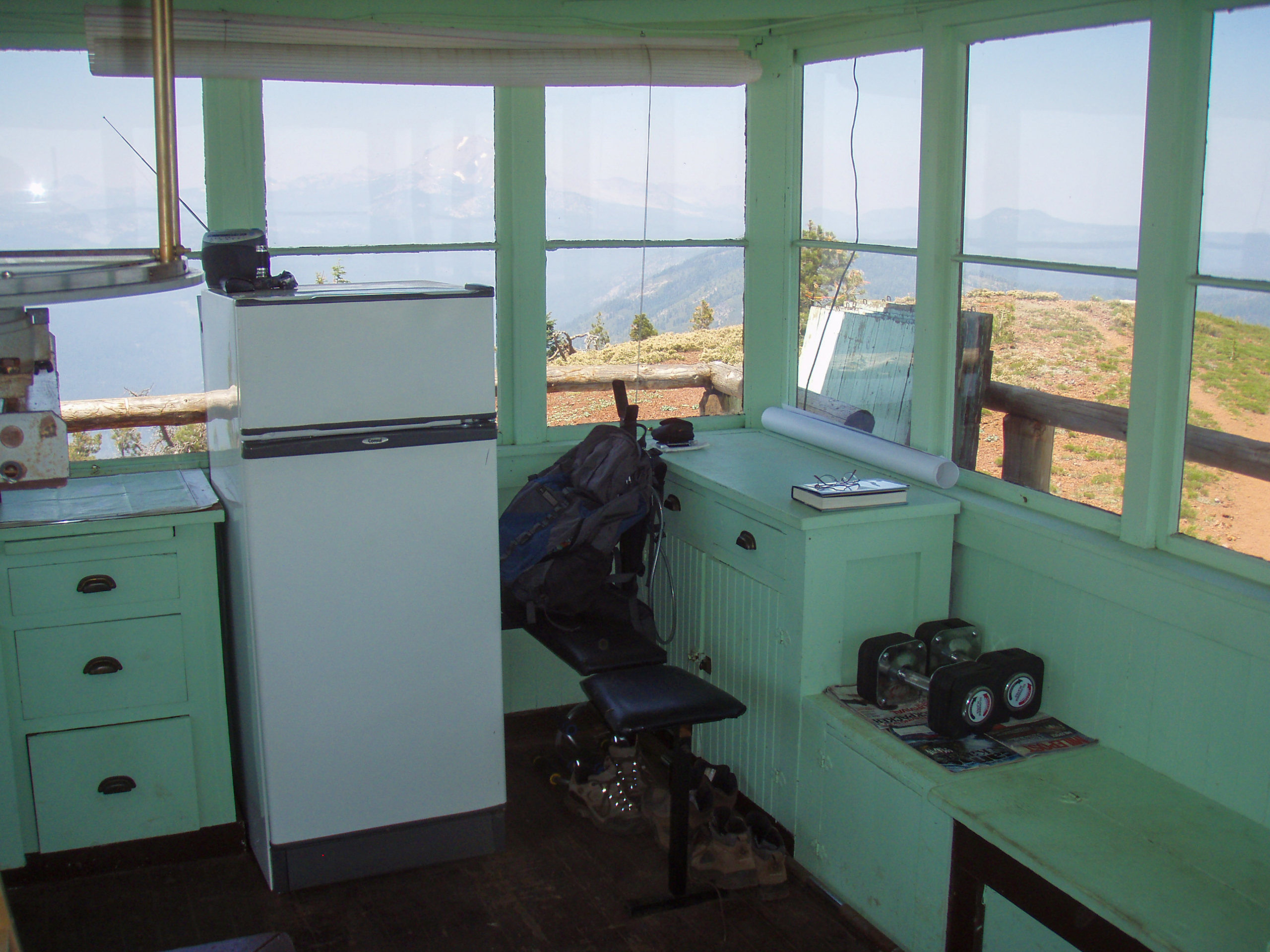
A standard lookout cabin was a single room, frequently under four metres square, containing the firefinder table in the centre, a bed, a stove, a counter, a radio and whatever the occupant brought. The windows on all four sides meant there was no wall to put anything against.
The design is a consequence of the job rather than of economy: a lookout has to be able to see in every direction from where they are standing, so the building cannot have a blind side, and the furniture has to fit under the sills. People who live in them describe the layout as the most completely resolved small space they have ever occupied, which is what happens when a building has exactly one purpose.
12. Getting There Meant a Hike With Everything You Would Need
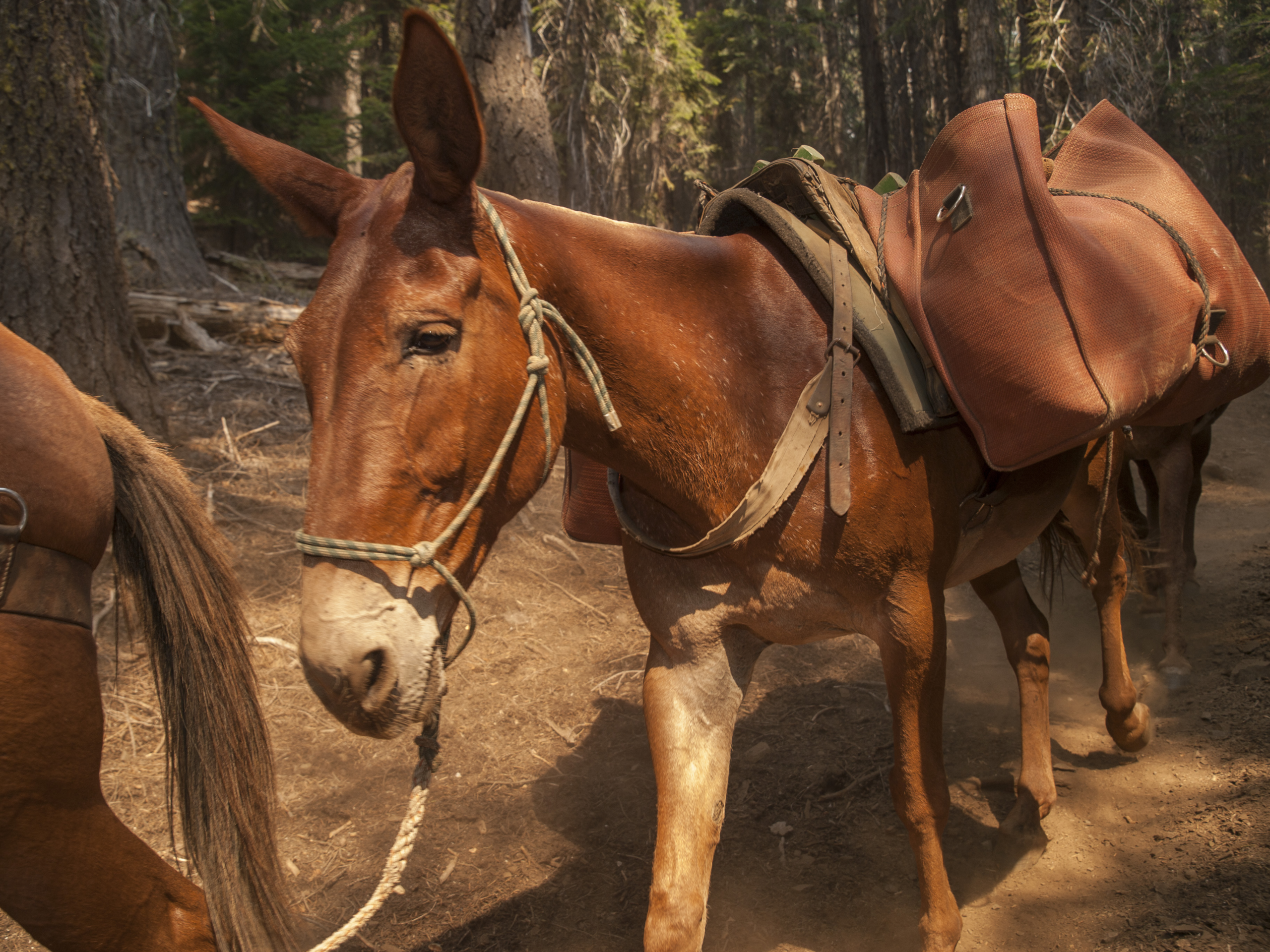
Many towers had no road. A lookout walked in at the start of the season, sometimes several hours uphill, with a pack animal carrying bedding, food, books and equipment for months. Anything forgotten stayed forgotten until the next supply run.
Road access reached a proportion of sites over the following decades, which made the job easier and also made the towers easier to close, since a road that brings in supplies also brings in a vehicle patrol that can replace the tower. The ones that still require a walk in are generally the ones still staffed, which is not a coincidence.
13. Nobody Could Tell You Where the Fire Was Going
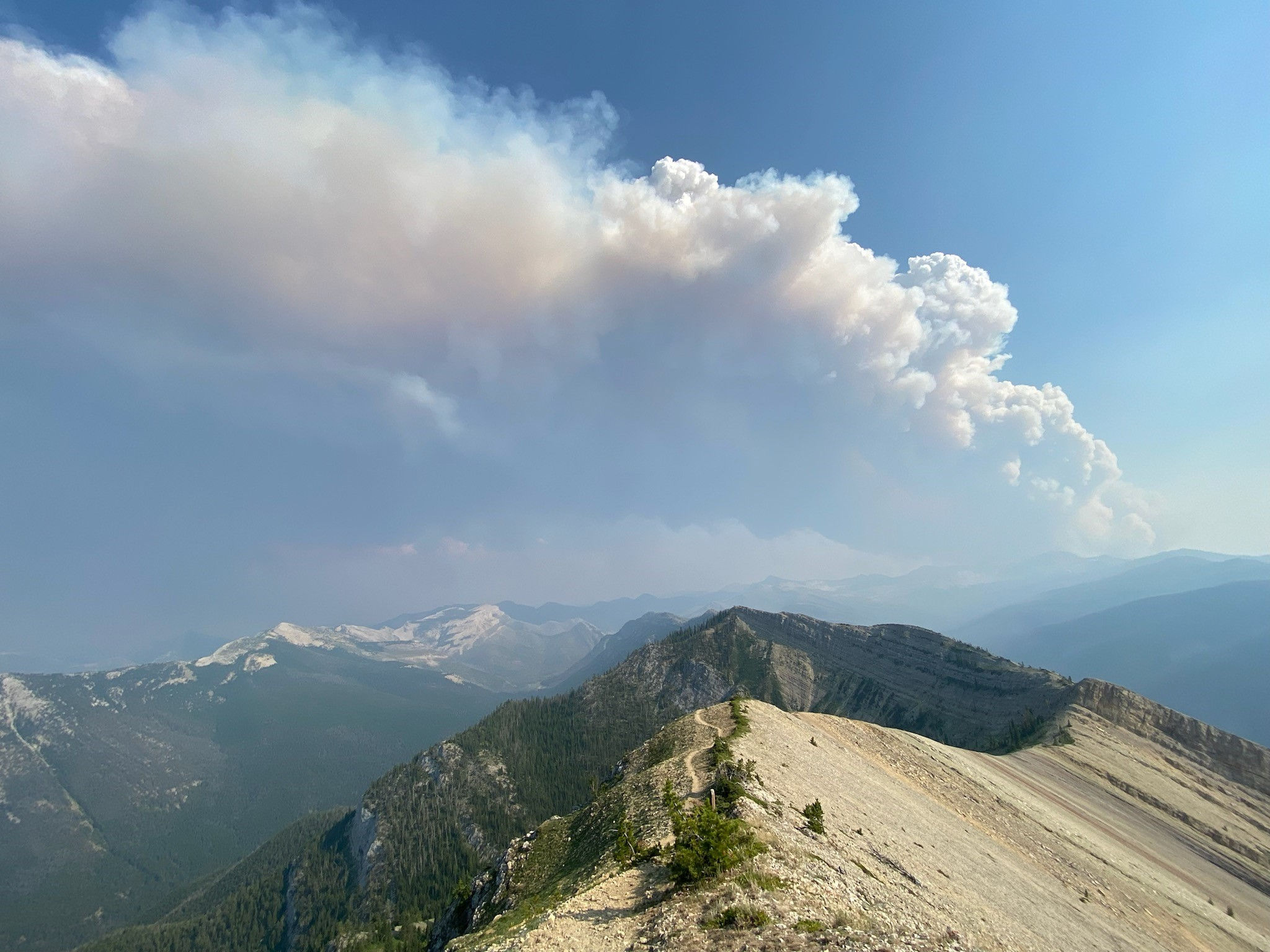
Fire behaviour prediction in 1960 was experience and rules of thumb. A lookout reported smoke and a bearing; what the fire would do next was a judgement made by people who had watched a lot of fires in that country.
Fire behaviour modelling, fuel moisture monitoring, weather forecasting at fine resolution and infrared mapping from aircraft have transformed prediction, and modern incident management is built around it. The lookout’s contribution moved from being most of the information available to being one early input into a much larger picture – which is both the reason the towers closed and the reason a few are still worth staffing.
14. The Whole System Assumed Every Fire Should Be Put Out
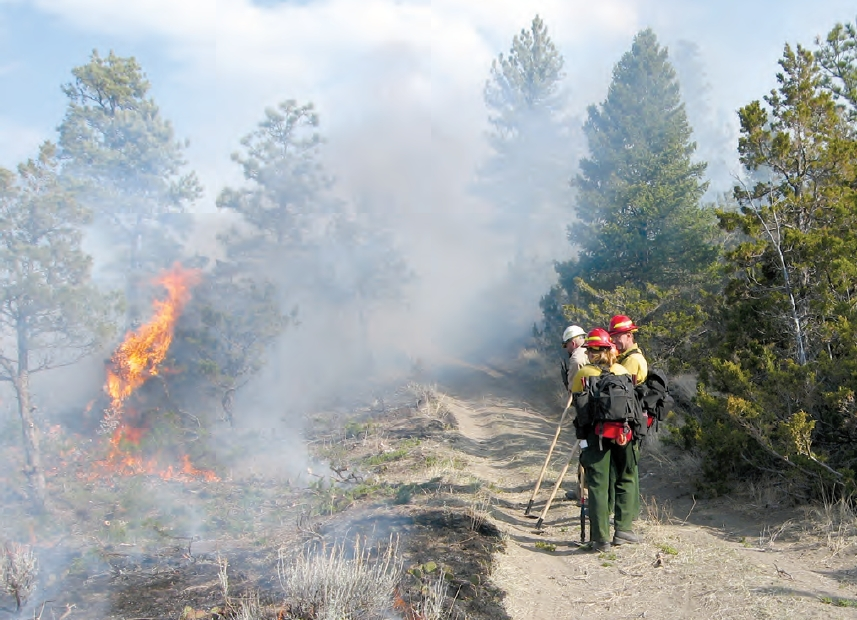
The governing doctrine through the period was total suppression – every fire controlled as quickly as possible, with a standard of containment by the morning after detection. The lookout network existed to serve that objective.
The understanding of fire’s ecological role changed substantially from the 1970s onward, and management now includes prescribed burning and managed natural fire in appropriate conditions. A century of successful suppression is also now understood to have contributed to fuel accumulation in many forest types. The lookouts did exactly what they were asked to do, extremely well, and the policy they were serving is the part that was later reconsidered – which is a far more interesting ending than the towers simply becoming obsolete.
Why the Towers Closed, and Why Some Did Not
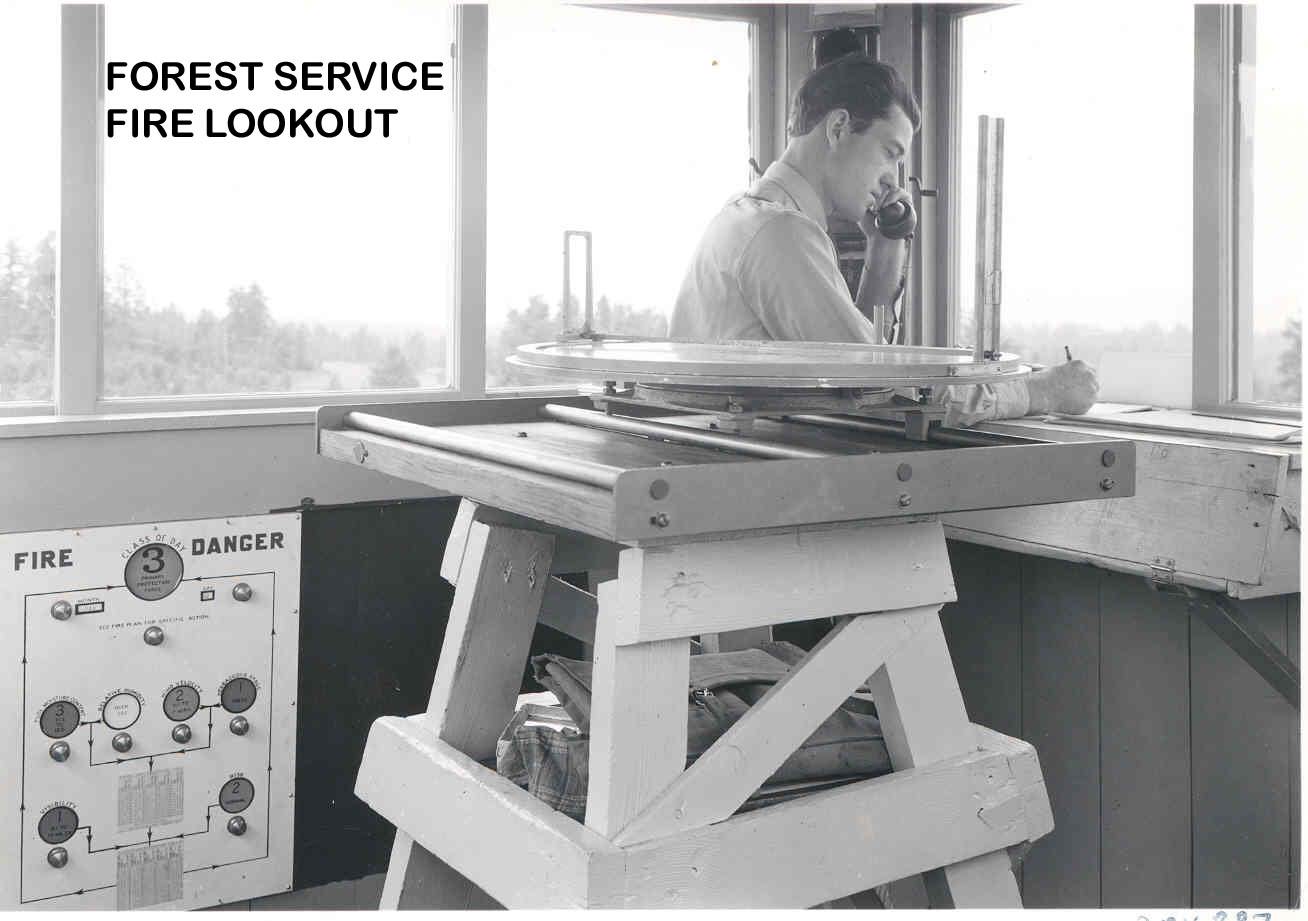
The usual explanation is that technology replaced them, and that is most of it. Aircraft patrol covers ground faster. Lightning detection networks say where strikes occurred, so somebody can go and look. Satellites see large fires. Camera networks with automated smoke detection now watch continuously, do not need water carried up a mountain, and do not get bored.
But the towers that remain staffed are kept for reasons the technology has not met. A person in a tower has watched that particular country for years and knows what a dust plume from a particular road looks like, what the mill chimney does on a still morning, and which drainage holds smoke. A camera reports anything grey. A lookout reports fires.
There is also a cost argument that runs the other way from what people assume. A lookout is cheap. The tower is already built, the wage is modest, and the alternative – an aircraft flying a detection pattern – is expensive per hour.
So the network did not disappear so much as contract to the places where a human on a peak is still the best available instrument. Several hundred are still staffed each season, there are waiting lists for the jobs, and the stool with the glass legs is still in the corner.
People who have done a season in one of these describe it the same way, and it is never about the fires.
Would you take a job where you saw nobody for three months, and what would you take up there with you?
Like our content? Follow us for more.