

Everything that happened in a room is recorded in what you are standing on. Here are fifteen.
1. Board Width Dates the House Roughly
Very wide boards generally mean early work and large trees; consistently narrow boards mean sawn timber from a later supply.
Width narrowed over time as big trees became scarce and mills became standard.
Like our content? Follow us for more.
2. A Patch of Different Boards Is a Repair or a Removal
A short run of boards that do not match in width, colour or wear marks something that was taken out.
A rectangular patch near a chimney breast is almost always a removed hearth.
3. The Wear Pattern Shows the Route
Boards are worn into a shallow path between doors, and the path is not usually where you would walk now.
It records the doorways as they were, including ones that have been blocked up.
4. A Worn Strip Along One Wall Means Furniture Stood Elsewhere
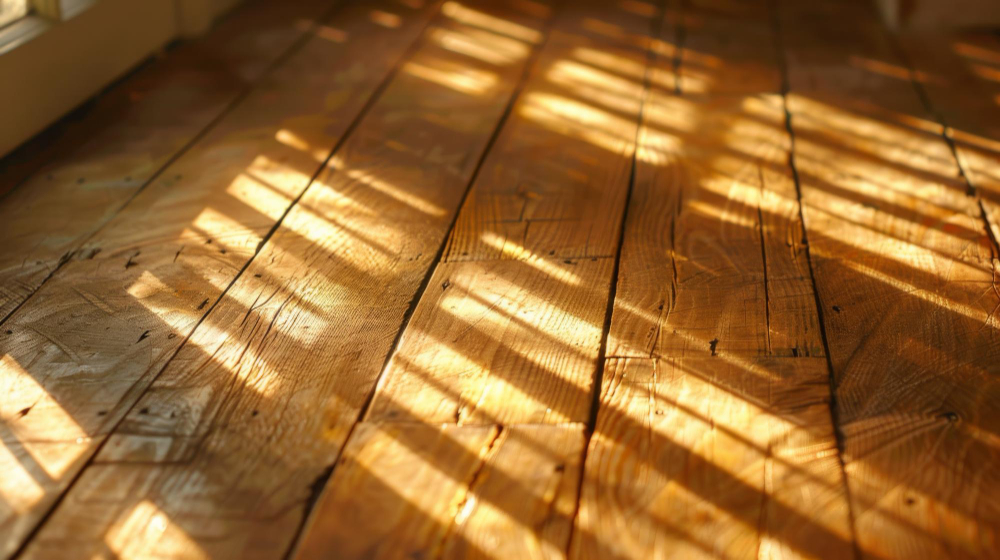
Unworn areas mark where something heavy sat for decades, protecting the surface beneath it.
The clean rectangle is the footprint of a piece of furniture nobody alive remembers.
5. Nail Heads Tell You How It Was Fixed
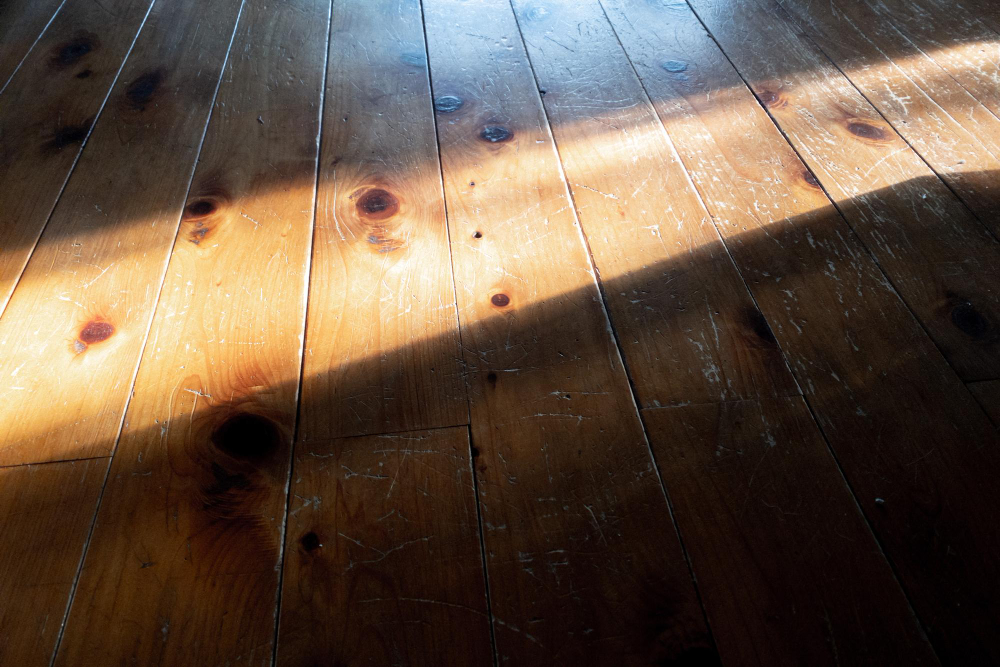
Hand-made nails with irregular heads, machine-cut nails with rectangular shanks and round wire nails belong to different periods.
Two kinds in one floor means the floor was lifted and put back at some point.
6. Boards Running the Wrong Way Mark a Change
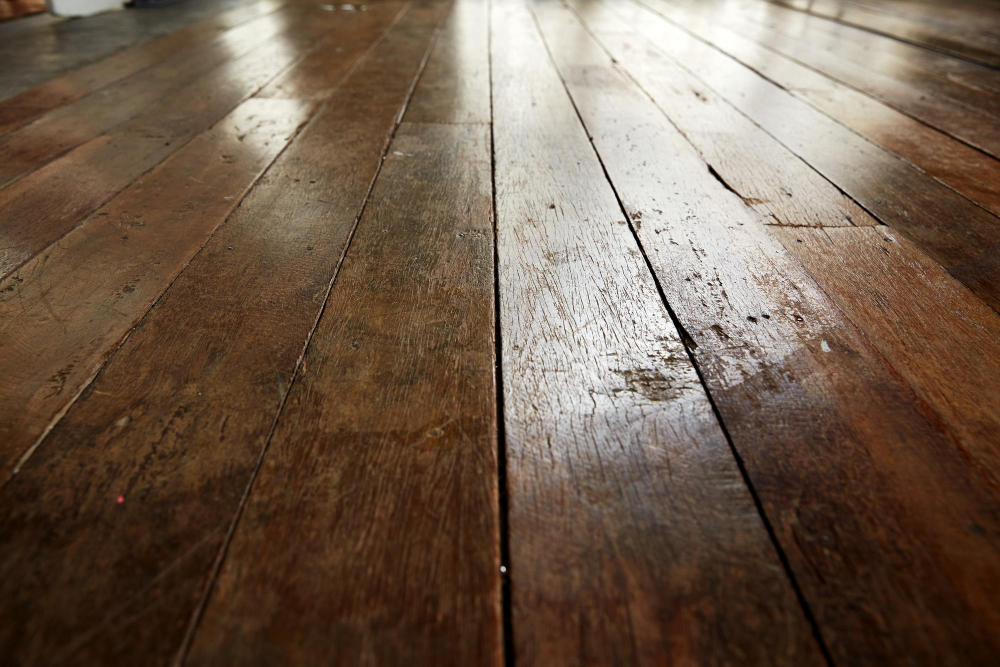
Floorboards run across the joists, so a change in board direction means the joists below change direction too.
That usually marks an extension, a rebuild or two buildings joined together.
7. Gaps Between Boards Are Seasonal, Not Permanent
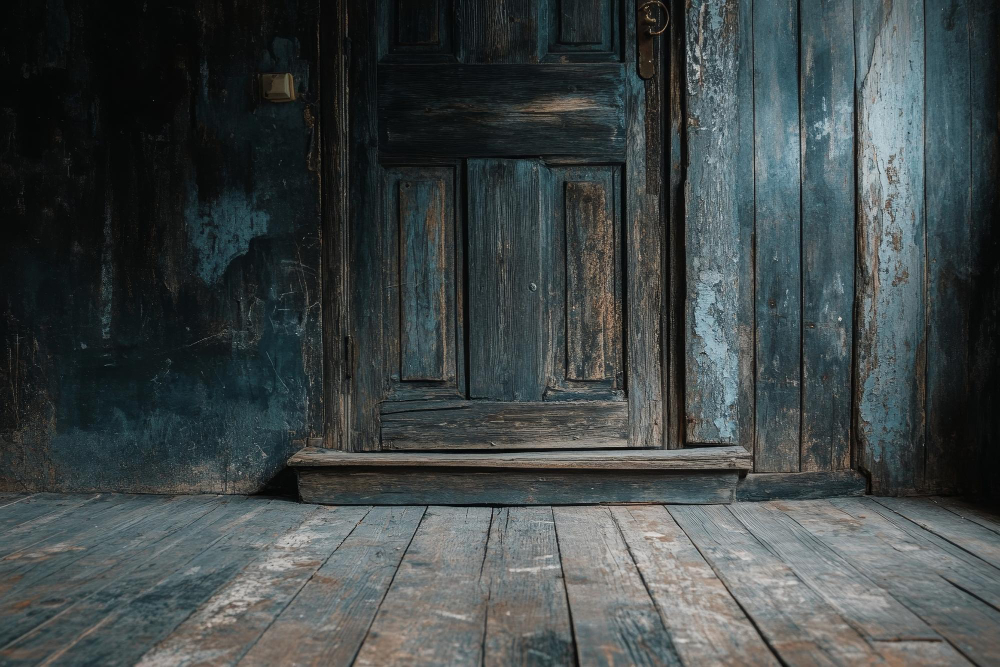
Boards shrink across their width in dry conditions and swell in damp ones, so the gaps open and close through the year.
A gap you can see through in February is frequently closed by August.
8. A Springy Patch Is About the Joists, Not the Boards
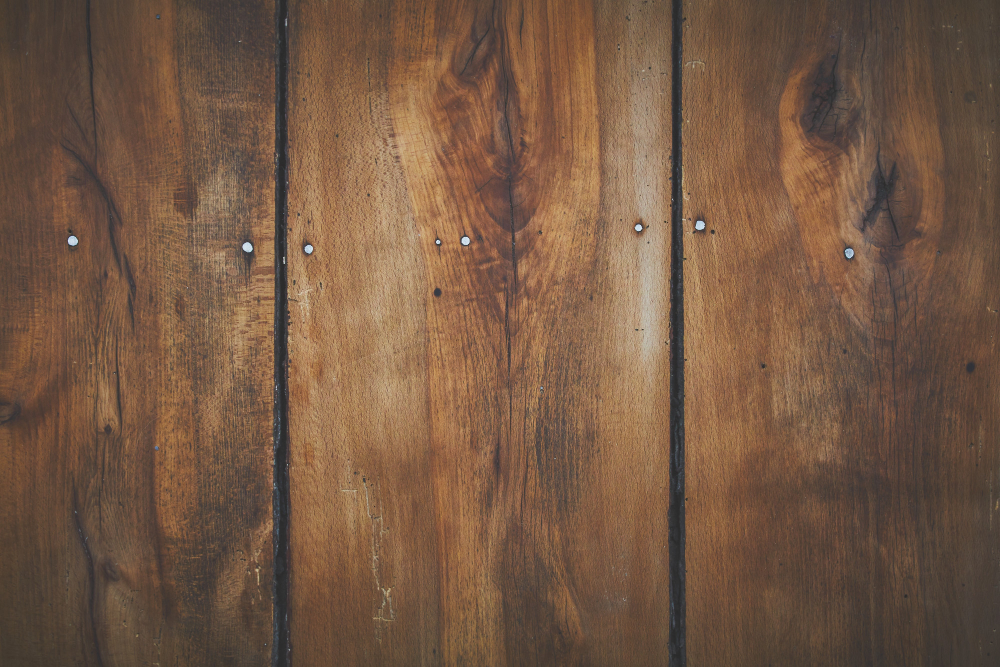
Bounce means the support beneath is spanning too far, has been notched for pipes, or has decayed at its end.
The board is reporting on something it is sitting on.
9. A Slope Is Not Necessarily a Problem
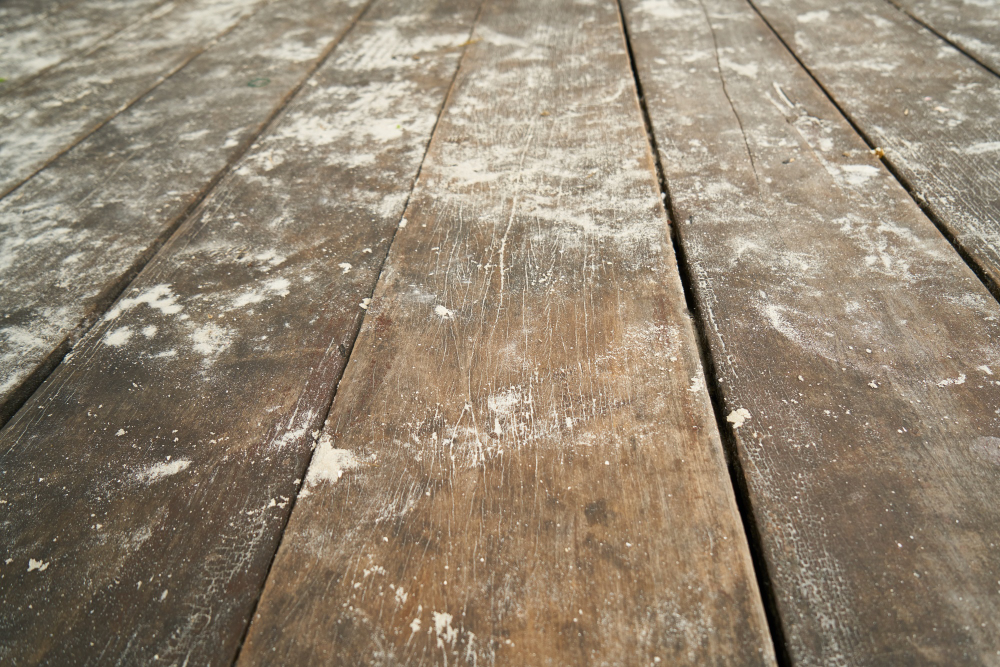
Old floors settle, and a consistent gentle slope that stopped moving long ago is different from a recent one.
Doors that were planed to fit the slope are evidence it has been like that for a long time.
10. Lino and Its Pattern Are Datable
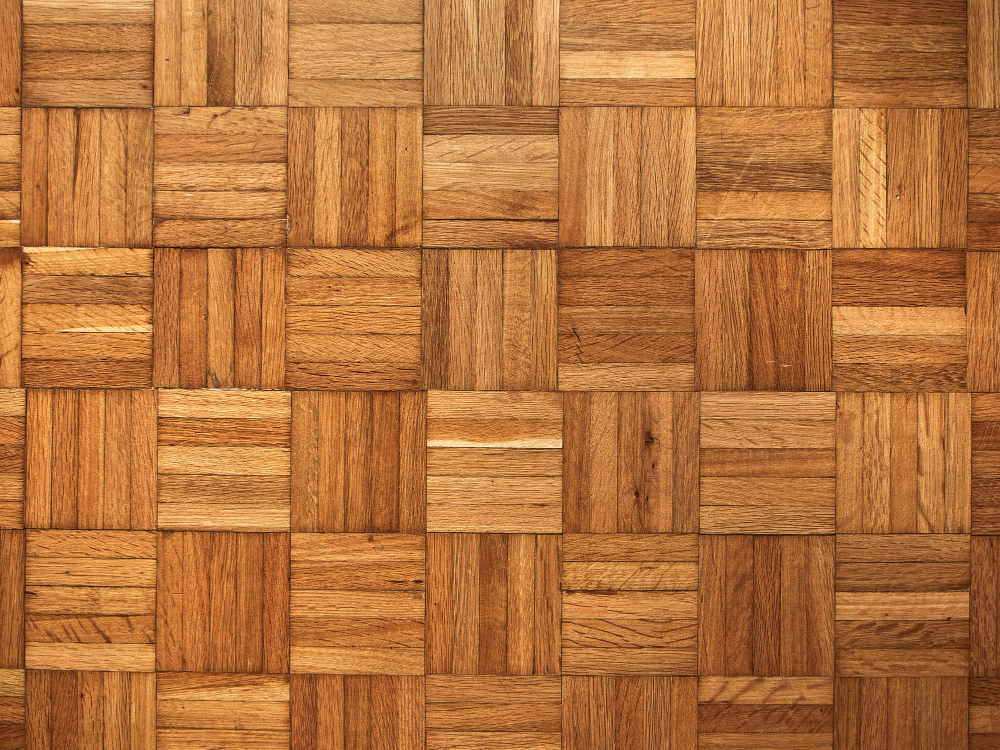
Sheet flooring left under later coverings carries a pattern and a backing that can be placed within a couple of decades.
It is often the only surviving decorative scheme from its period in the house.
11. Newspaper Under the Covering Is a Dated Receipt
Paper was routinely laid under lino and carpet, and it is usually still there with a date printed on it.
It tells you exactly when that room was last done.
12. Parquet and Boarding Mark Rank
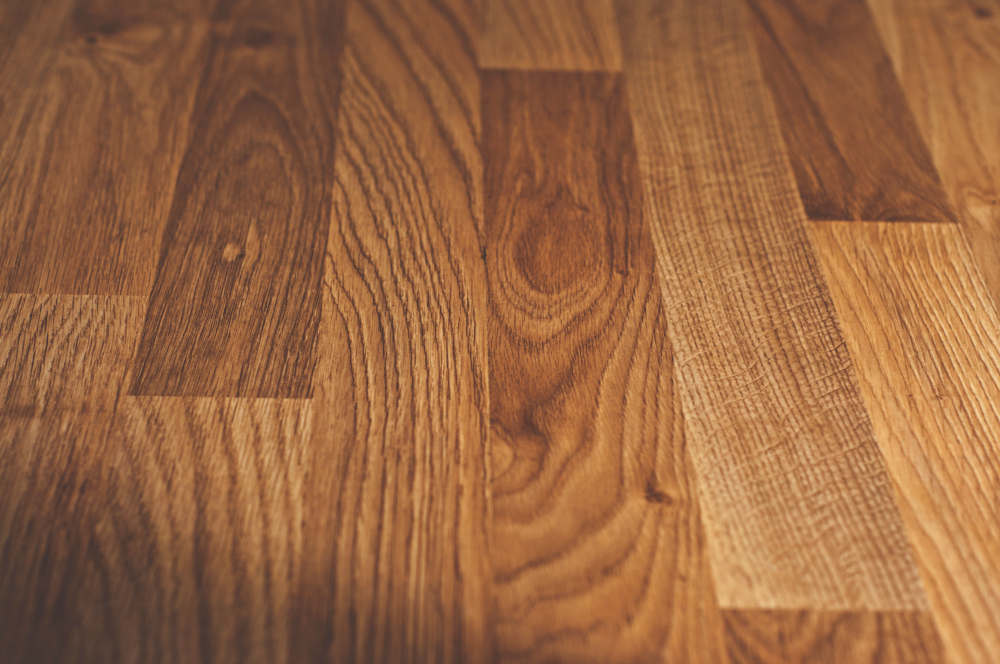
Better-finished floors were put where visitors went, and plain boards in service rooms and upstairs.
The quality of the floor is a map of which rooms mattered.
13. A Line of Small Holes Marks a Vanished Wall
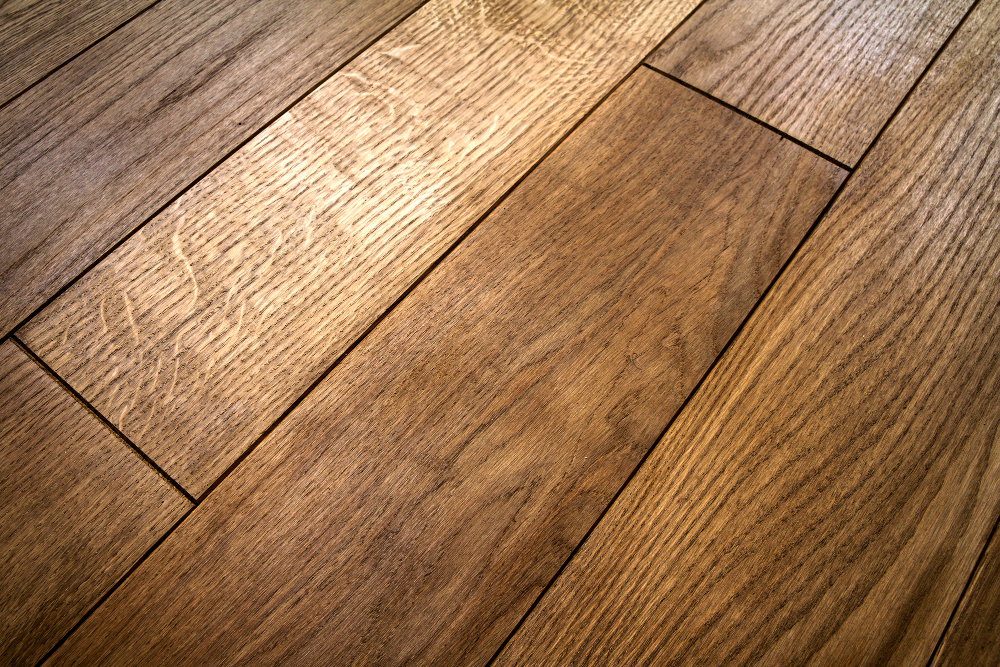
A row of nail or screw holes across a floor, with unworn boards on one side, marks a partition that was removed.
Two rooms became one, and the floor is the only thing that still knows.
14. The Cold Comes From Below, Not the Boards
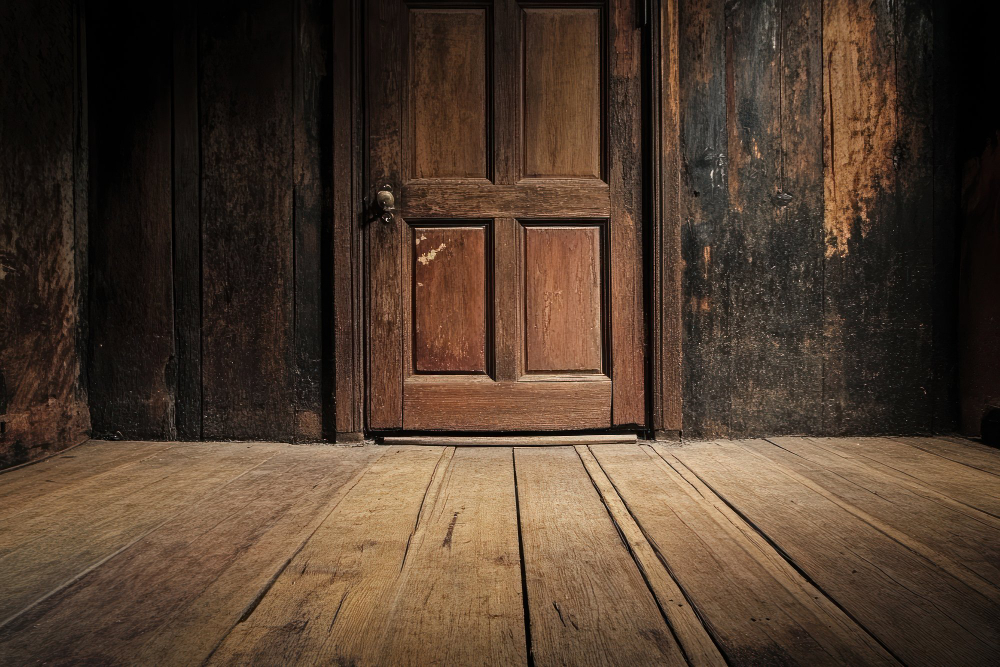
A suspended timber floor sits over a ventilated void, and the draught is air moving through that space and up through the gaps.
The floor is not cold. It is a grille over a cold room.
15. A Concrete Floor Downstairs Means a Serious Intervention
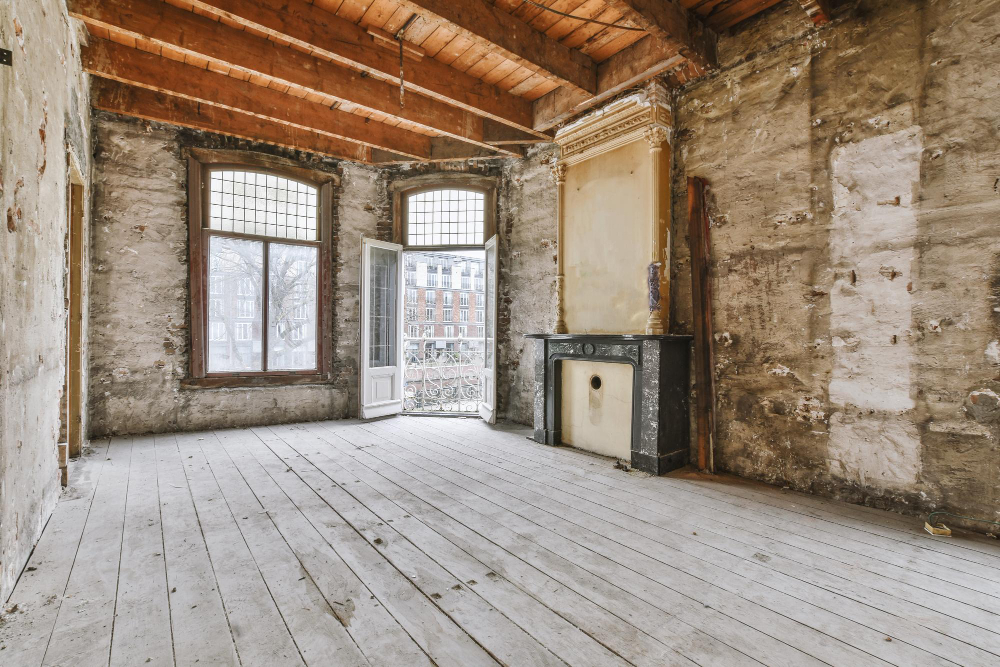
Where original timber has been replaced with solid concrete, it usually followed rot, damp or a change of use.
The date of that work is frequently the biggest thing that ever happened to the building.
A Record Kept Under the Carpet
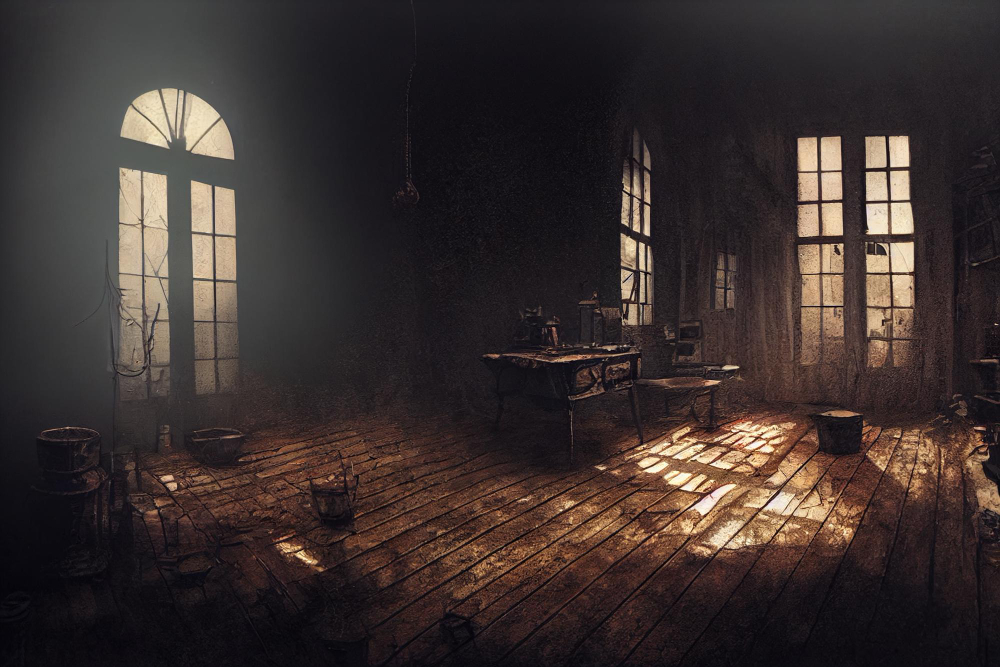
Board width narrowing over time, wear paths running to doorways that no longer exist, patched boards where a hearth was, nails from three eras in one floor and newspaper with a date on it.
The third item is the one that is strangest to notice. The path worn into an old floor does not usually match how anybody uses the room now, because it records the doorways as they were – so you are looking at the route taken by people who have been dead for a century, preserved as a slight hollow in the boards.
Like our content? Follow us for more.

