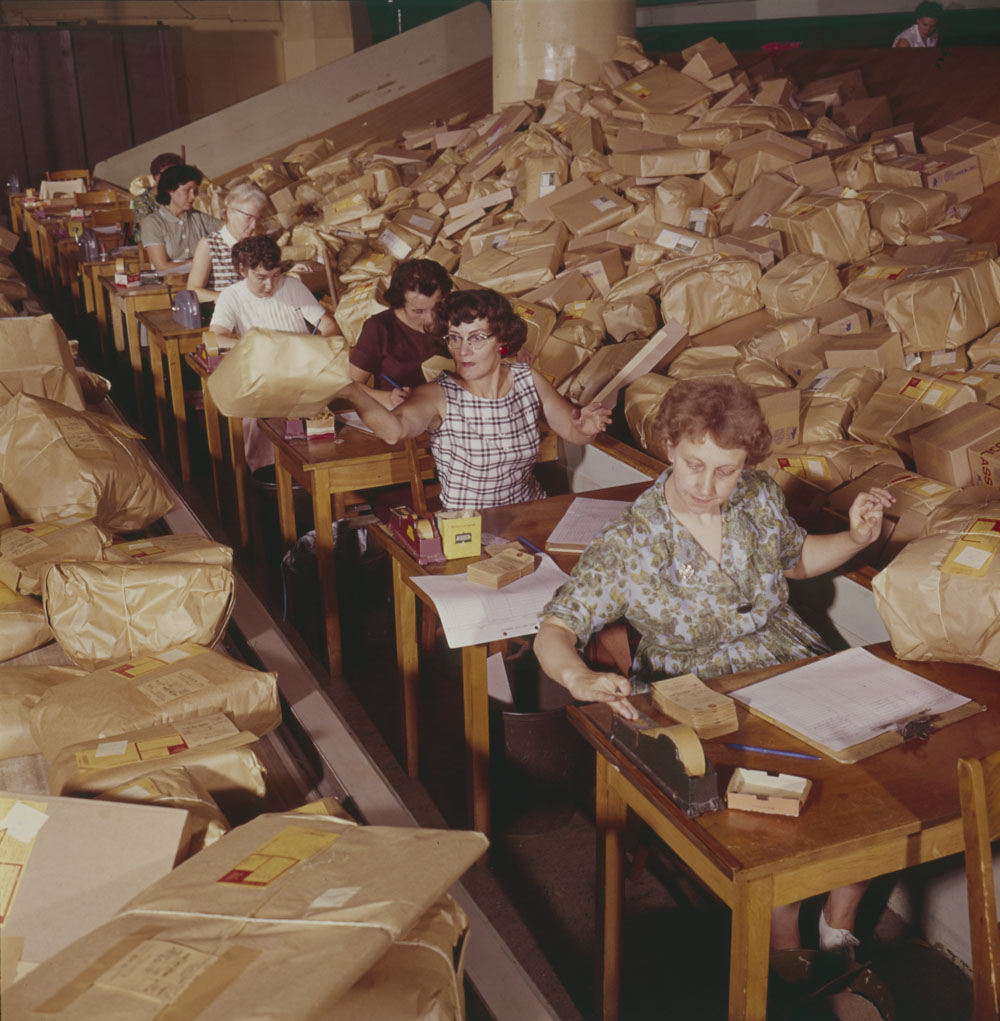
In 1965 a mail order company printed a book of a thousand pages, committed to every price in it for six months, and posted it to millions of households.
Orders came back on paper and were picked by people walking round a warehouse with a list. Stock was recorded on cards that were frequently wrong. A great deal of it was sold by local agents – usually women, working from their own front rooms – who took the orders, collected the weekly payments and knew which neighbours would pay.
Here are fourteen things that were ordinary at a mail order warehouse in 1965, and what became of each one.
1. The Whole Operation Ran on One Enormous Book
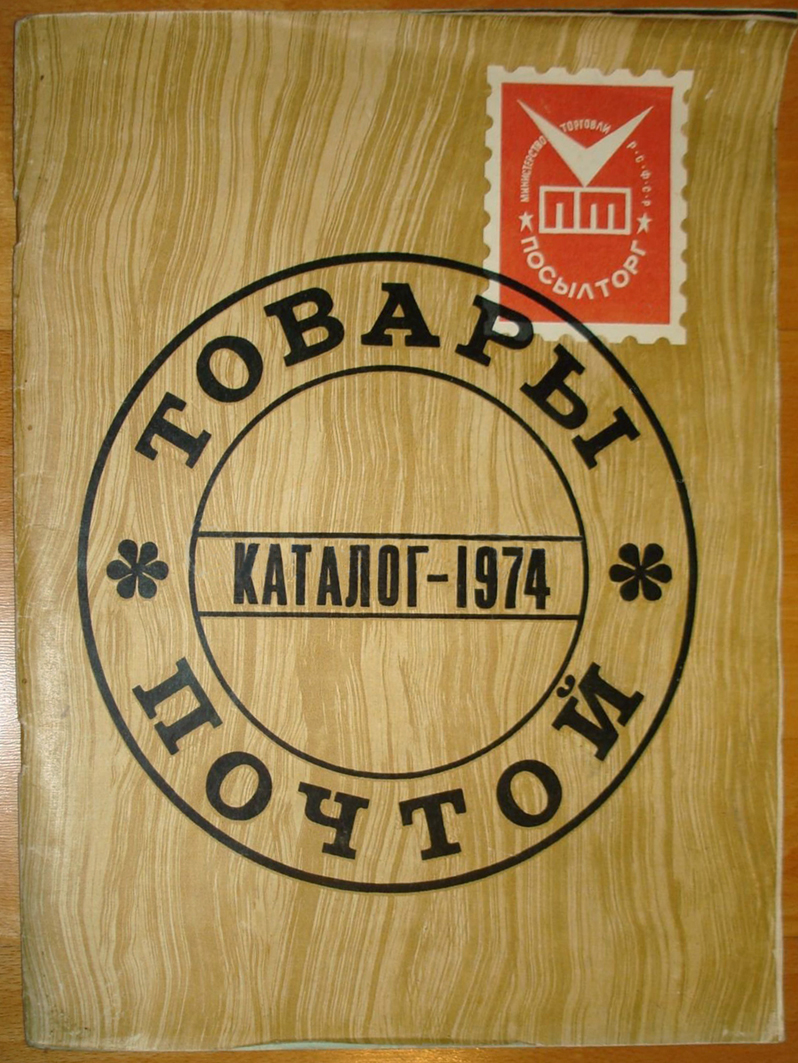
A mail order company published a catalogue of a thousand pages or more, printed once or twice a year, containing everything it sold with a fixed price against each item – and that price was committed for the whole season.
Continuous online pricing changed everything. Committing to a price six months ahead across thousands of lines, before knowing what suppliers would charge or what competitors would do, was the central commercial risk of the business, and the buyers who set those prices carried it.
Like our content? Follow us for more.
2. Orders Were Picked by People Walking Round a Warehouse
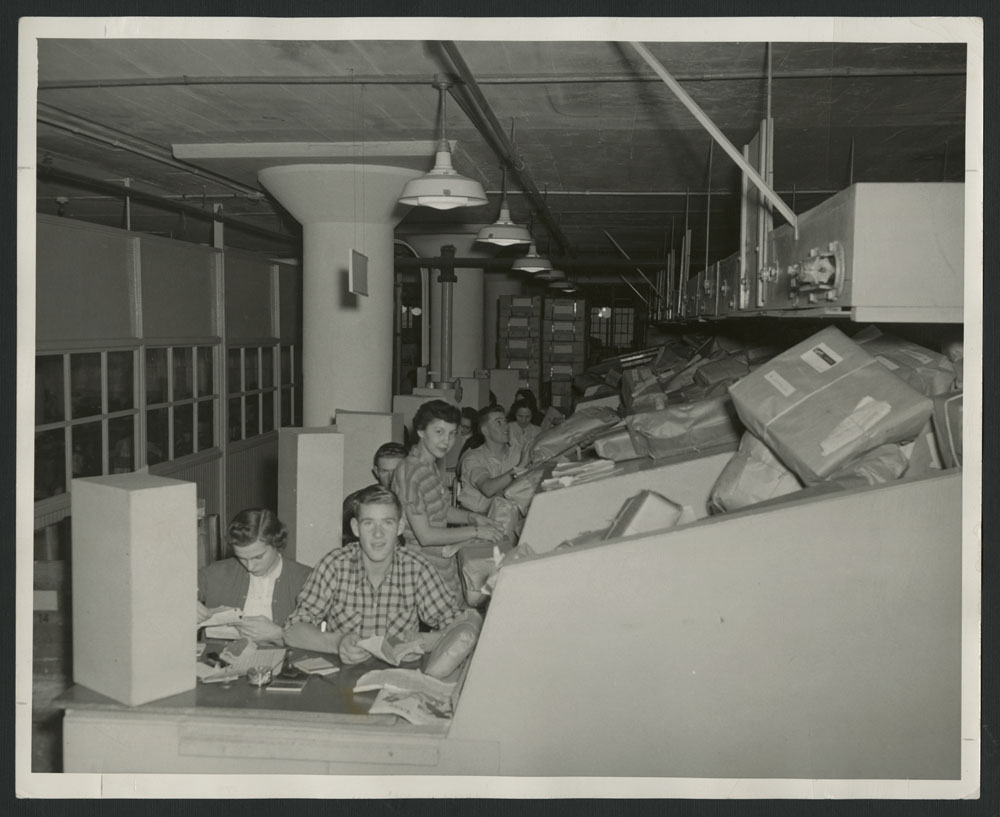
An order arrived on paper, was passed to a picker, and the picker walked the racks collecting each item in turn, ticking them off, and brought the completed order to packing.
Conveyors, carousels, pick-to-light systems, automated storage and in some operations robots moving shelves to the picker replaced the walking. Picking by walking is enormously inefficient, since a picker spends most of the shift travelling rather than picking, and essentially every warehouse innovation since has been an attempt to reduce that walking.
3. Stock Was Known From a Card Index and the Cards Were Frequently Wrong
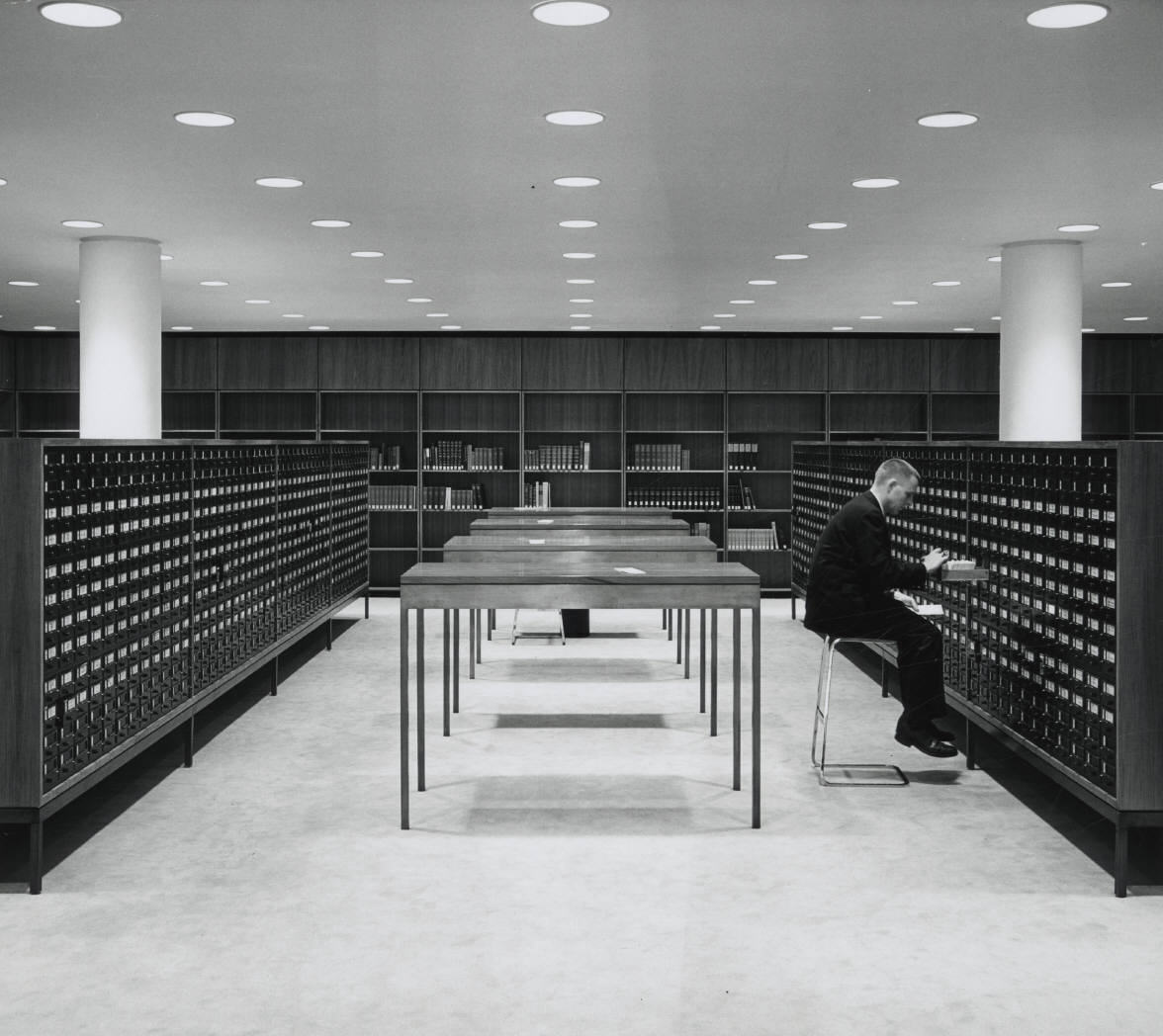
Inventory was recorded on cards or in ledgers updated by hand as items went in and out, with the real position established only when somebody counted the shelves.
Real-time inventory systems with scanning at every movement replaced it. The gap between recorded and actual stock was a permanent feature of the business and is the reason the catalogue carried substitution clauses and the reason customers waited weeks to be told an item was unavailable.
4. A Great Deal Was Sold Through Agents Who Were Your Neighbours
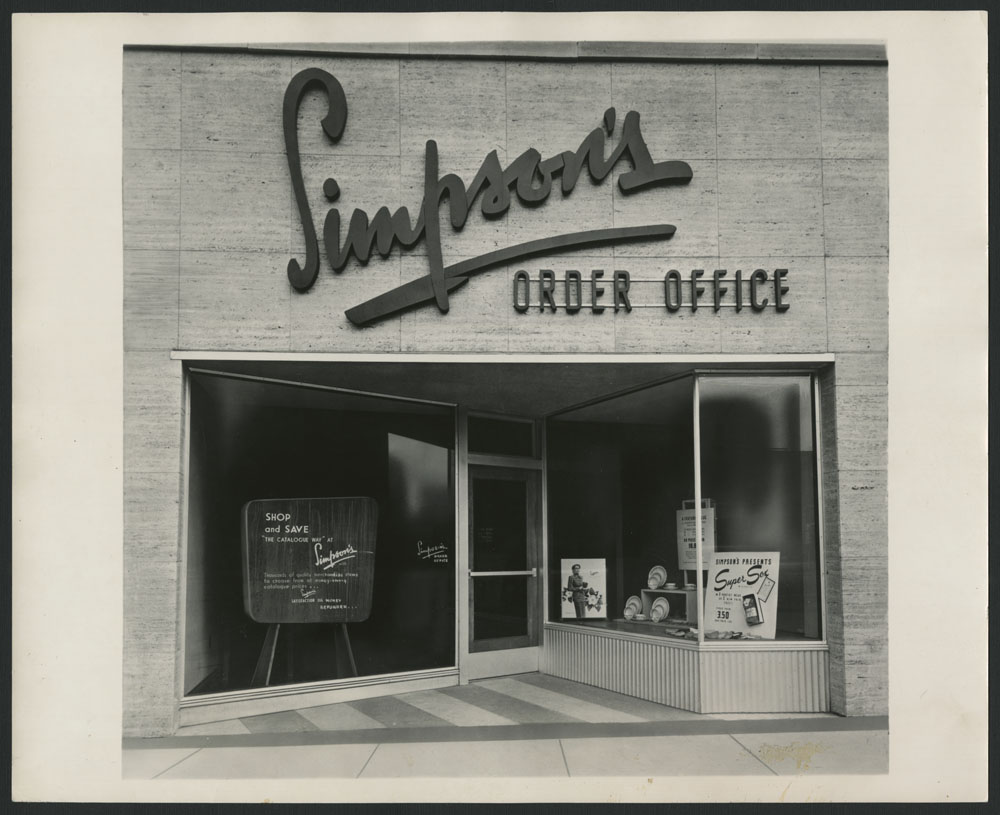
Many companies operated through local agents – frequently women working from home – who held a catalogue, took orders from friends, relatives and neighbours, collected the payments and earned commission.
Direct ordering and online retail removed the agent entirely. The system worked because it solved two problems at once: it reached customers with no other access to this range of goods, and it provided credit assessment through somebody who actually knew whether a person would pay.
5. Credit Was the Product and the Goods Were How It Was Sold
Purchases were spread over weekly payments across twenty weeks or more, collected by the agent, interest-free or at a rate built into the price – which for a great many households was the only way to buy anything substantial.
Consumer credit regulation, disclosure requirements, affordability assessment and the arrival of credit cards and store finance changed the landscape. The weekly payment model gave access to goods that cash purchase could not, and it also meant a household was permanently committed to a stream of payments, which is the trade that has never gone away in any of its later forms.
6. Returns Were Expected and Were the Whole Risk of the Model
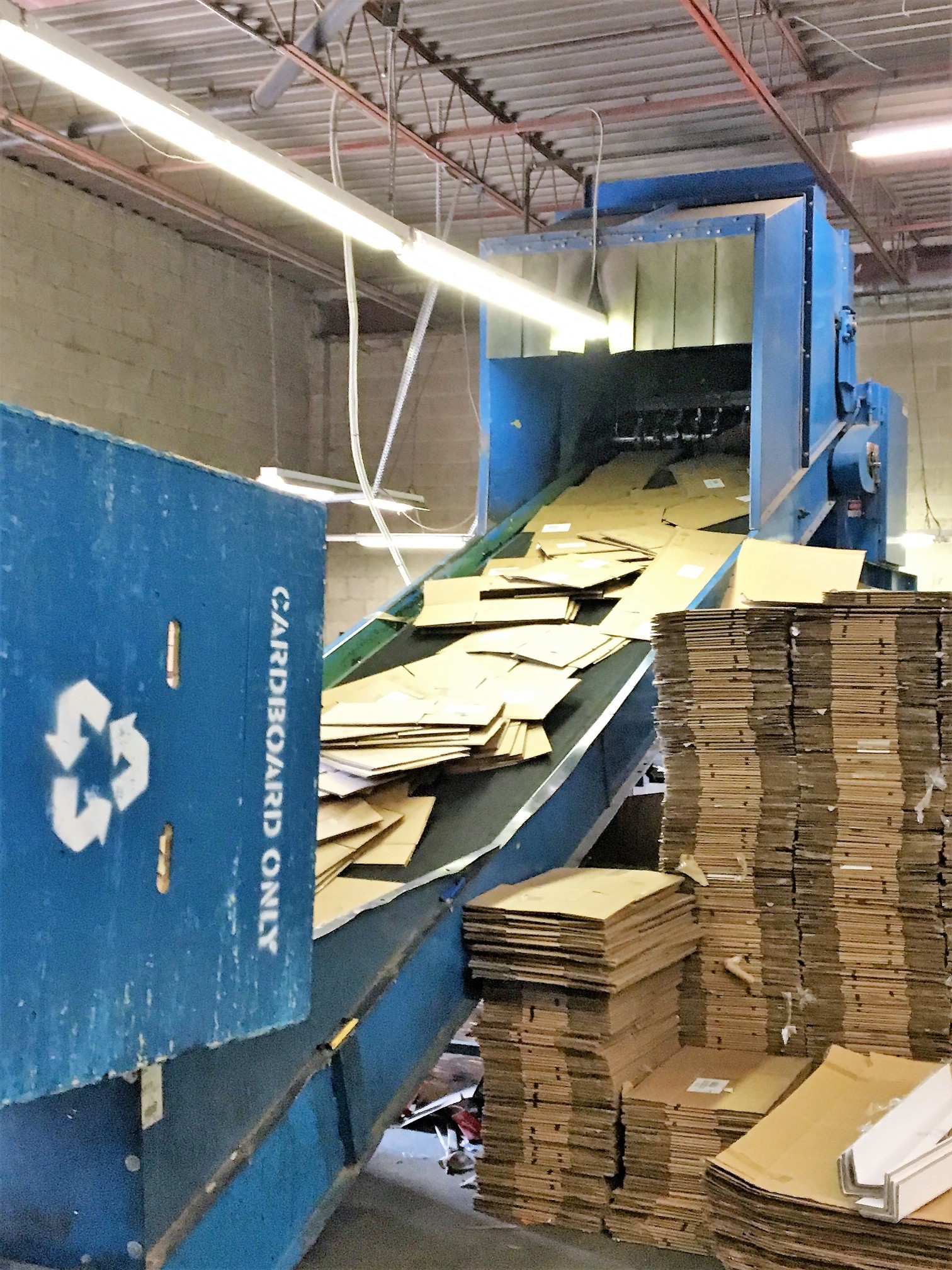
Customers ordered clothing without seeing it, so a substantial proportion came back, and the company carried the cost of sending it out, taking it back, inspecting it and restocking it.
Still the defining economics of distance selling and still unsolved. Return rates on clothing bought unseen have not improved materially in sixty years, better sizing information has helped at the margins, and every online clothing retailer is running the same business with the same fundamental problem the catalogues had.
7. Everything Was Packed by Hand in Whatever Was to Hand
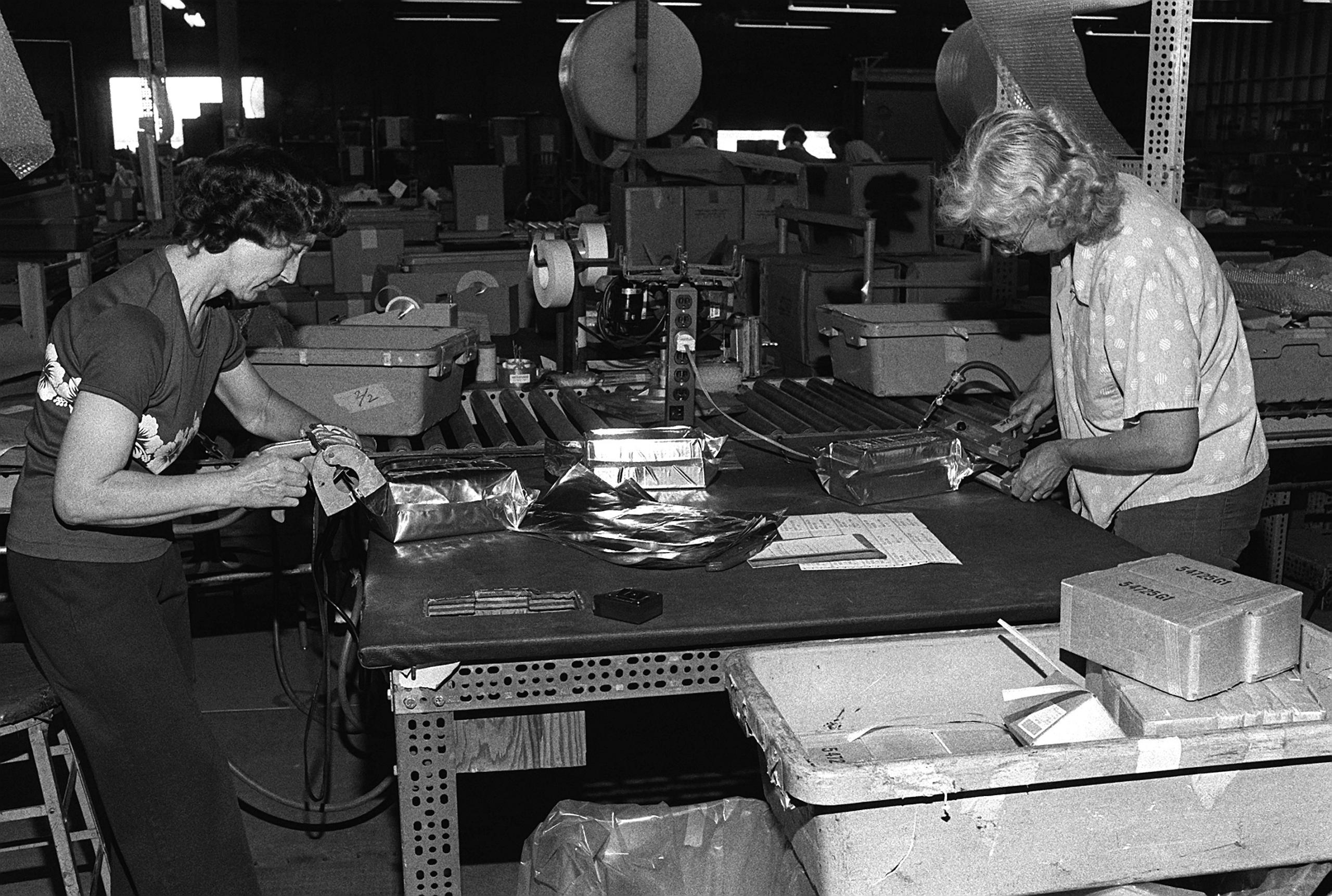
Packing was done at benches with paper, string, corrugated board and reused cartons, by people who judged what each order needed.
Automated packing, right-sizing machines that build a box to the contents and standardised materials replaced it. The old method generated less packaging waste in some respects and far more damage in transit, which is a trade modern operations resolve by using more material and losing fewer parcels.
8. The Catalogue Itself Was a Major Printing and Logistics Operation
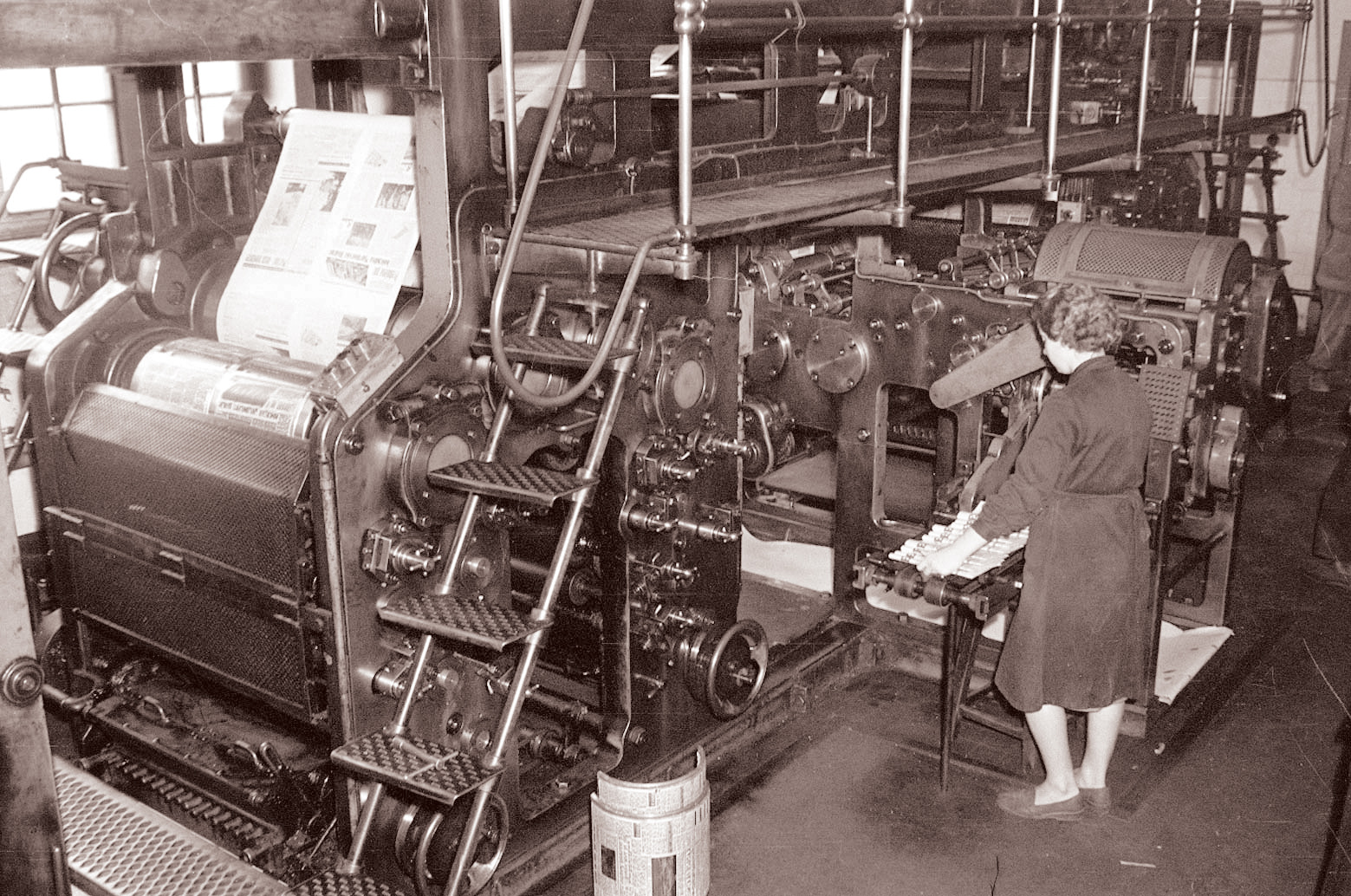
Producing and distributing a thousand-page catalogue to millions of households was one of the largest printing jobs anywhere, planned a year ahead, with photography, layout and copywriting departments working continuously.
Digital catalogues removed the print run and with it an entire supporting industry of photographers, retouchers, copywriters, typesetters and printers who worked on nothing else. The catalogue was also the single largest advertising object most households received, and it arrived free.
9. Photography Was Done in a Studio With Props and Staff Models

Every item was photographed, frequently in constructed room sets, with in-house or local models, over months, to a schedule driven by the printing deadline rather than by anything else.
Digital photography, shared image libraries and supplier-provided imagery changed the economics completely. A mail order photographic studio was a substantial permanent operation producing thousands of images a year, and the style it developed – evenly lit, neutral, every detail visible – is the direct ancestor of how products are photographed now.
10. Delivery Was by Post and Took Weeks
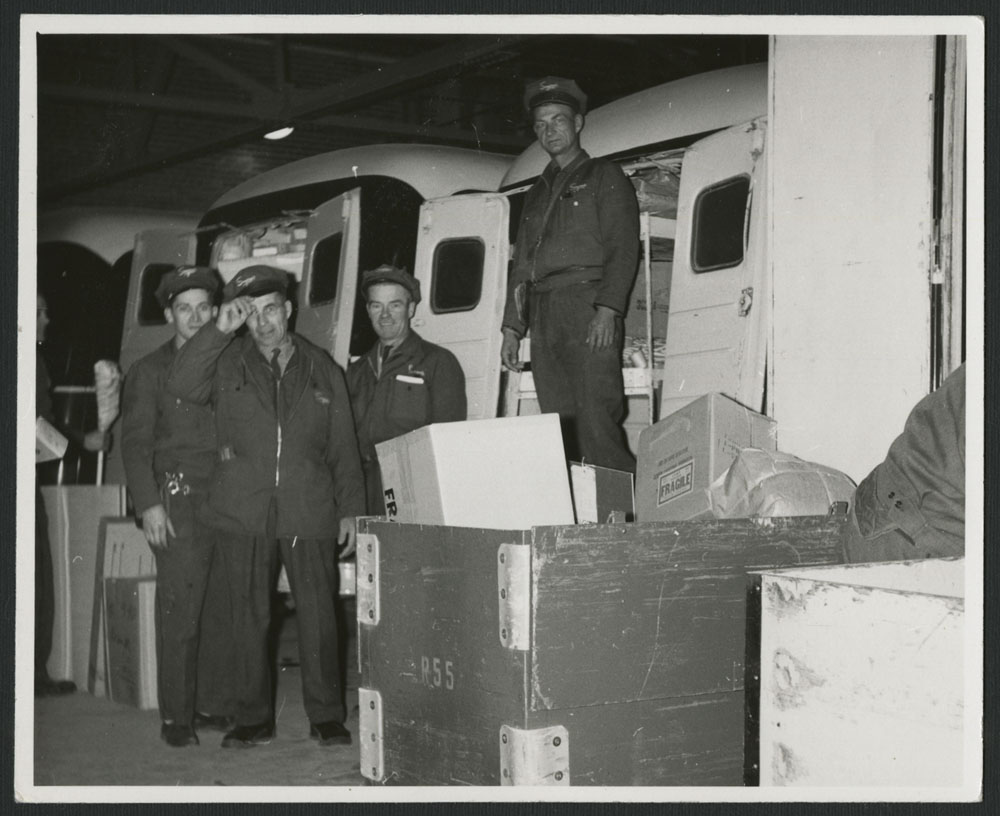
Orders went out through the postal system or by carrier, with delivery measured in weeks, no tracking, and no way for the customer to find out where anything was.
Tracked parcels, named-day delivery and real-time updates transformed expectation. The waiting is remembered vividly by anybody who ordered as a child, and the modern complaint about a two-day delivery being slow is a measure of how completely the baseline has moved.
11. The Complaint Went in a Letter and Was Answered in a Letter
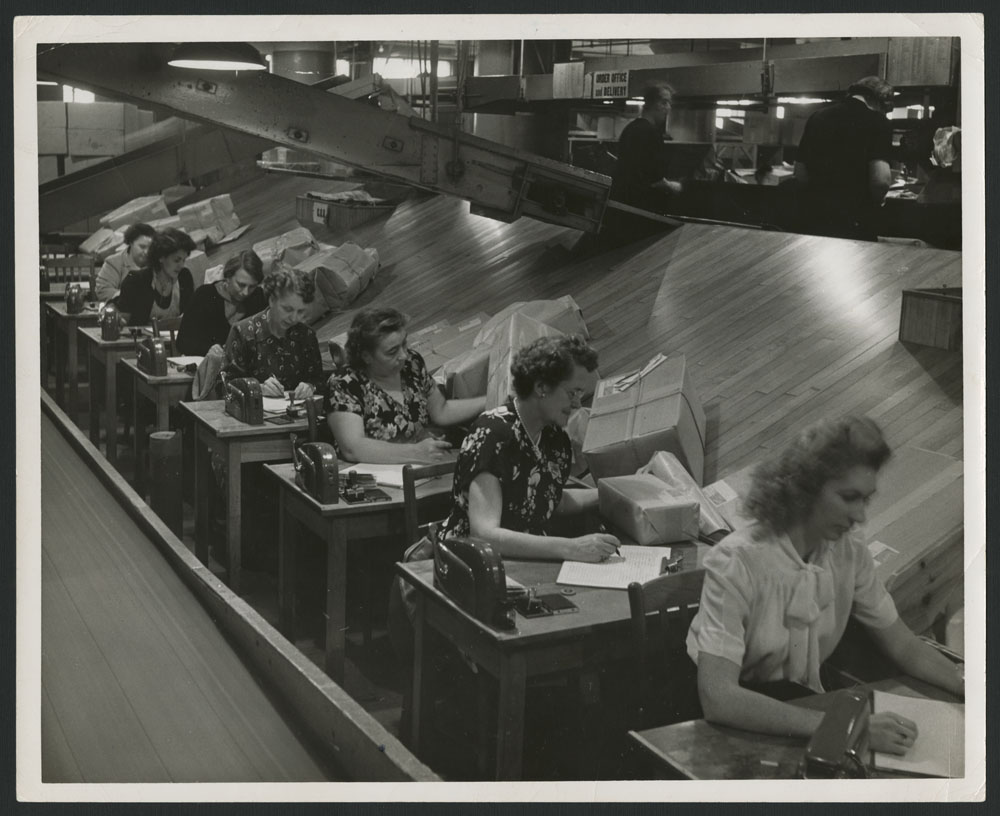
Problems were raised by post, handled by a correspondence department, and resolved over an exchange taking weeks, with every letter filed.
Telephone, then email, then chat and social media compressed it to minutes and made it public. The written exchange was slow and it produced a documented record on both sides, which is something that has largely been lost in channels where nobody retains anything.
12. The Warehouse Was Enormous, Cold and Employed the Whole Town
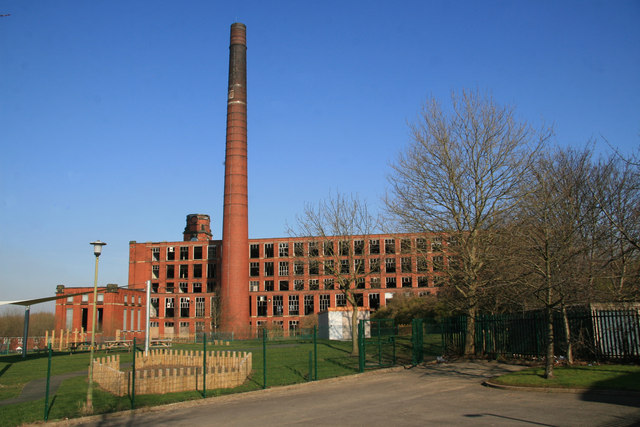
Distribution centres were vast buildings employing thousands, frequently sited for rail access and cheap land, and they were the largest employer in their area by a wide margin.
Automation reduced headcount per parcel dramatically while volumes rose enormously, and the buildings got larger and moved to motorway junctions. The pattern of a single enormous employer dominating a town’s employment has not changed at all – only the location and the number of people inside.
13. The Peak Was Christmas and It Decided the Year
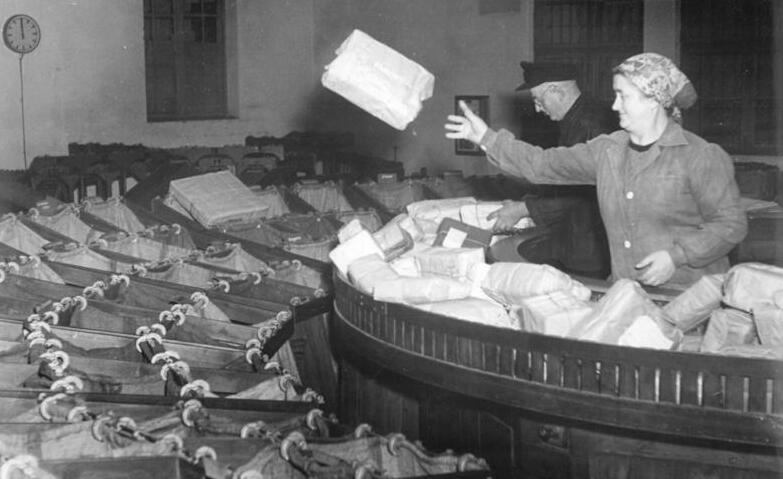
Volume concentrated into a few weeks, staffing tripled with temporary workers, and the operation either coped or it did not, with the whole year’s result determined in that period.
Unchanged, and now more extreme. Seasonal peak remains the defining operational challenge of distance retail, the temporary workforce is still how it is met, and the conditions under which that workforce operates at peak have been the subject of continuing public argument in every decade since.
14. Nobody Thought the Catalogue Could Be a Screen
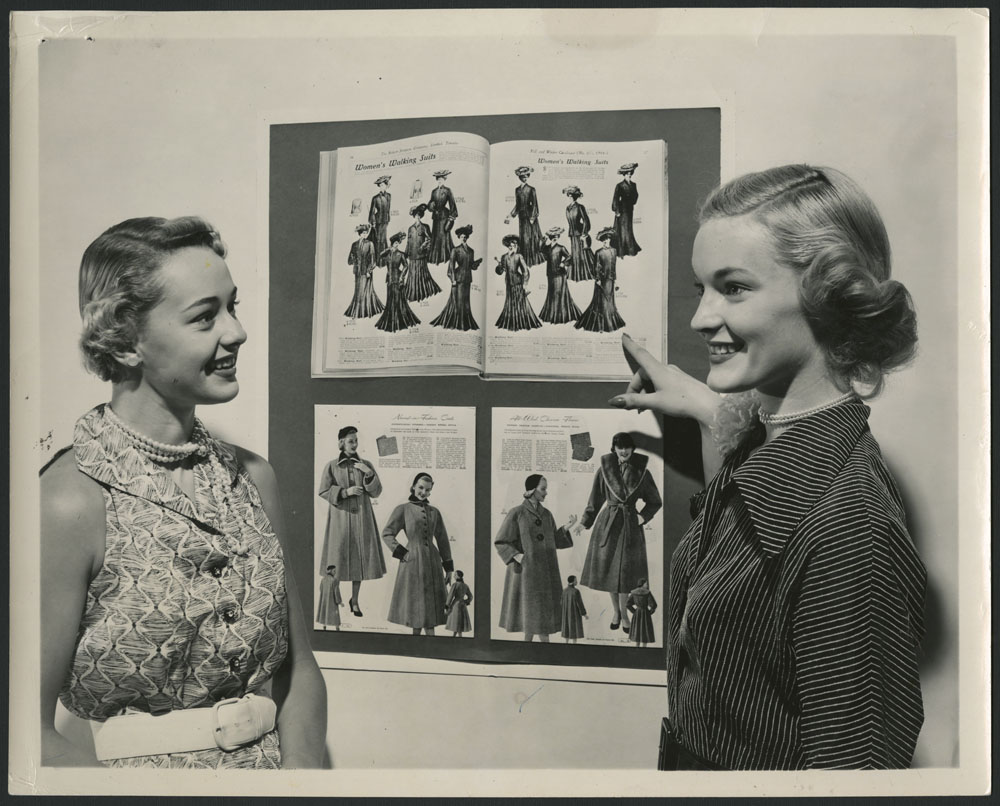
The catalogue’s whole value was being a physical object in the house, browsable, shared between family members, present when the impulse to buy arrived.
Online retail replicated the browsing, removed the printing, made the price changeable and the range effectively unlimited, and killed the book. What it has not replicated is the shared object – a family looking at the same page together is not something a screen does well, and it is the part people remember rather than the ordering.
The Agent Was Solving a Problem Nobody Solved Better
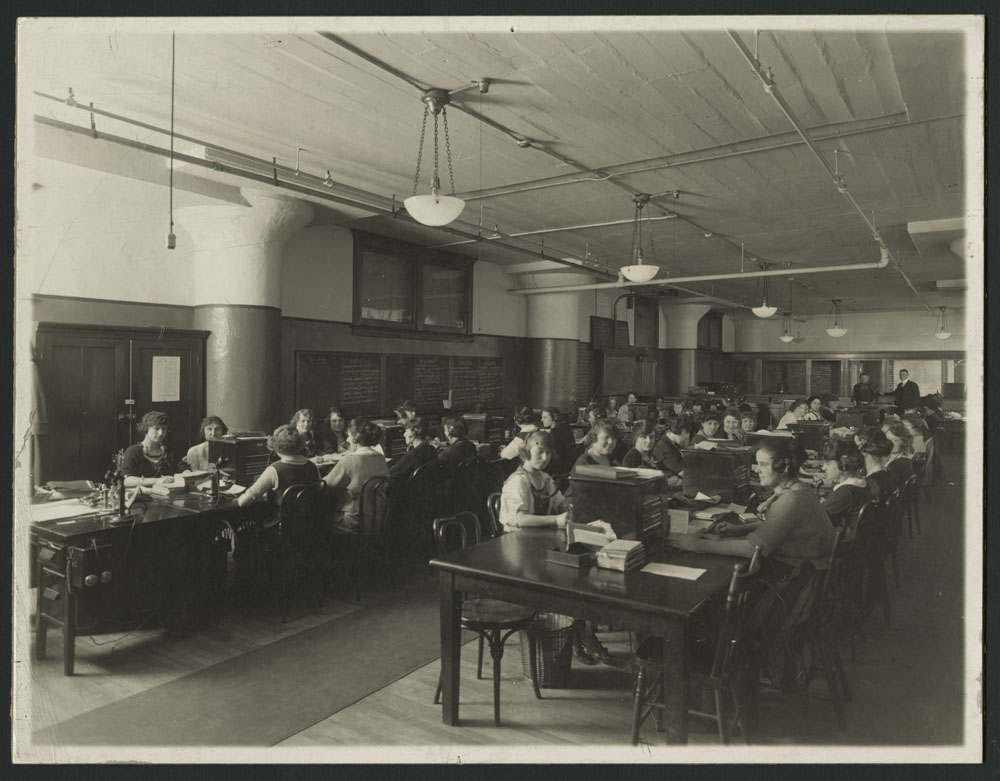
The part of this business that has no modern equivalent is the local agent, and she was doing something considerably more sophisticated than taking orders.
A mail order company selling on credit to people it has never met faces one hard question: will this person pay? In 1965 there was no credit reference system worth the name, no shared data, and no way to assess somebody at a distance. Getting it wrong meant goods shipped and never paid for, and getting it wrong at scale meant insolvency.
The agent answered the question. She lived in the street. She knew which households were reliable, which were struggling, who was in work and who had just lost it, and – the part that mattered most – she had to collect the money in person, from her neighbours, every week, which meant she had every incentive not to sign up somebody who would not pay.
That is credit assessment performed by somebody with local knowledge and skin in the game, and it was remarkably effective. It also extended credit to people no formal system would have touched, because the agent knew things about them that no form captures.
The costs are real and should be stated. It put a commercial relationship inside a friendship, it made a neighbour responsible for pursuing payment from people she would see the next day, and when a household could not pay, the consequences landed on both of them.
Modern credit scoring is fairer, more consistent and more transparent, and it is also strictly worse at the specific thing the agent did well: knowing that this particular person, who looks terrible on paper, is good for it.
Nobody has found a way to get that information at scale, and the attempts to approximate it with data have reproduced the exclusion without reproducing the knowledge.
If your mother or grandmother was an agent, there is probably a payment book somewhere in the family.
And if you remember the catalogue arriving, you will remember which pages you went to first.
Like our content? Follow us for more.