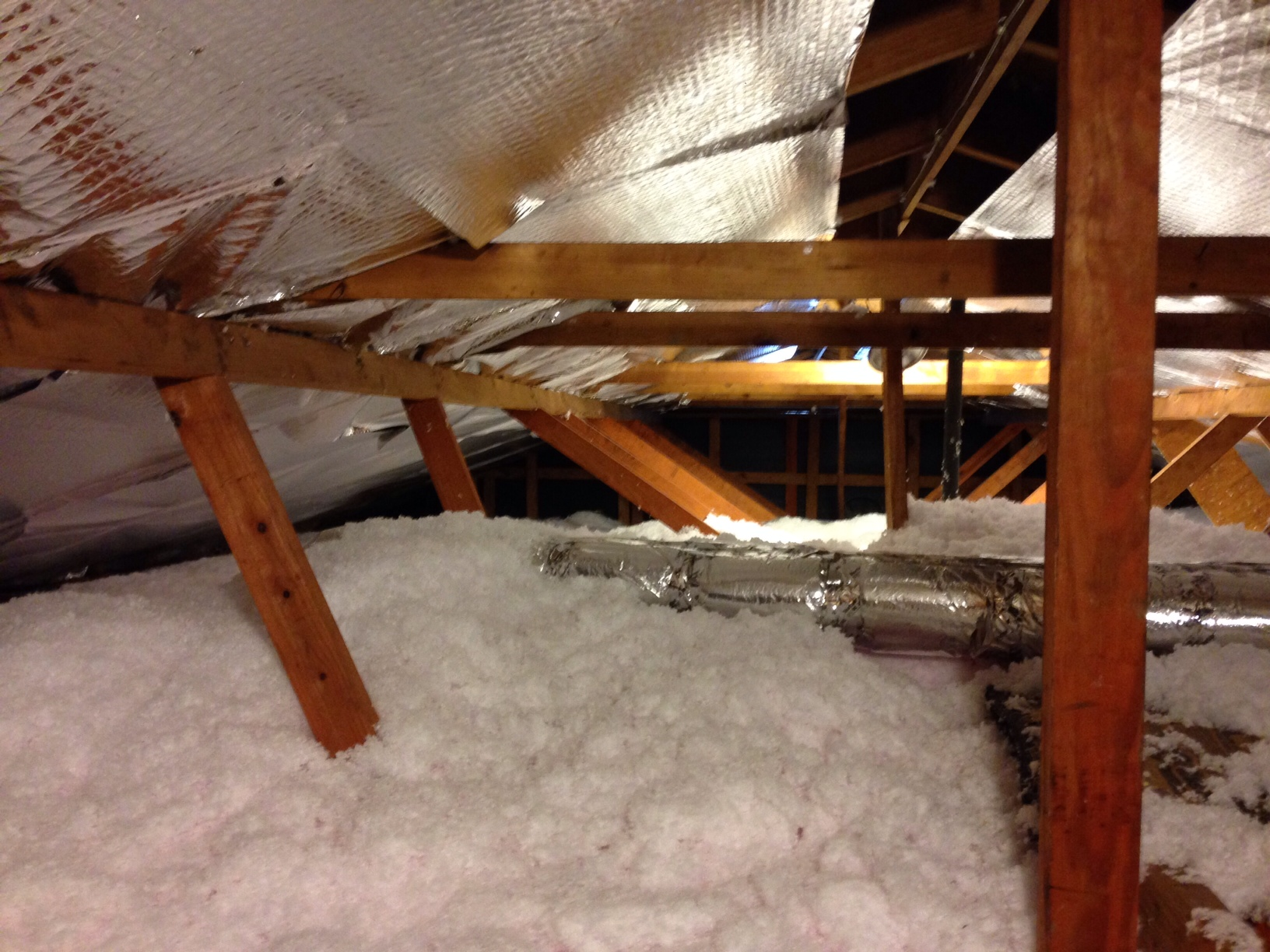
The attic is the part of an American house where the largest number of different materials have been tried, because insulating one is cheap, obvious and historically unregulated. The result is that opening an older attic can turn up almost anything, laid in any order, by anybody, across a century.
The first two items on this list are the ones that matter for safety and they are the reason to read before going up there. The middle of the list is a catalogue of what people used before there was an industry. The last seven are not materials at all but installation errors, mostly made during the energy retrofits of the 1970s by people doing something genuinely worthwhile, and between them they account for most of the moisture and fire problems in American roofs. Here are sixteen things that went into attics, and what each of them ran into.
1. Loose-fill vermiculite, poured out of the bag
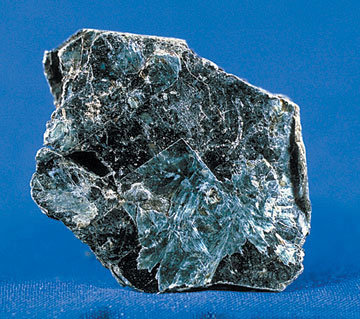
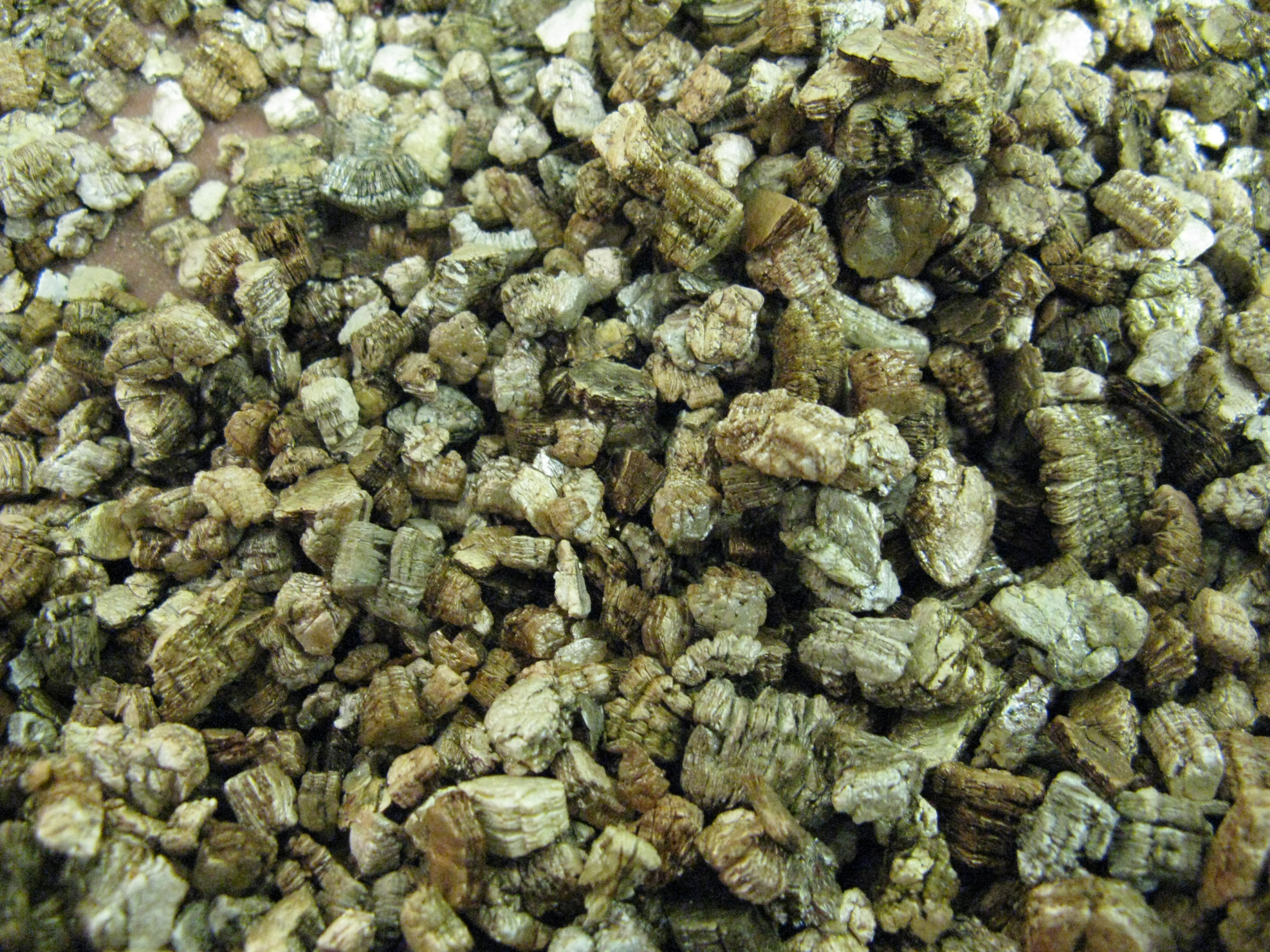
Vermiculite is a mineral that expands into light accordion-shaped granules when heated, and loose-fill vermiculite was an excellent and very widely used American attic insulation. It was poured between the joists straight from the bag and levelled with a board.
A large majority of the vermiculite insulation sold in the United States through the middle of the century came from a single mine, and that deposit was contaminated with amphibole asbestos. Federal agencies advise homeowners to assume attic vermiculite contains asbestos, to leave it undisturbed, not to store anything in or enter the attic, and to use a trained contractor if work is unavoidable.
This is the most consequential item in the whole dc batch for anybody living in an older American house. The material is still in a very large number of attics, it is completely stable while nobody touches it, and the usual way people encounter it is by going up to run a cable or pull down a box.
Like our content? Follow us for more.
2. Asbestos loose fill and asbestos-faced batts
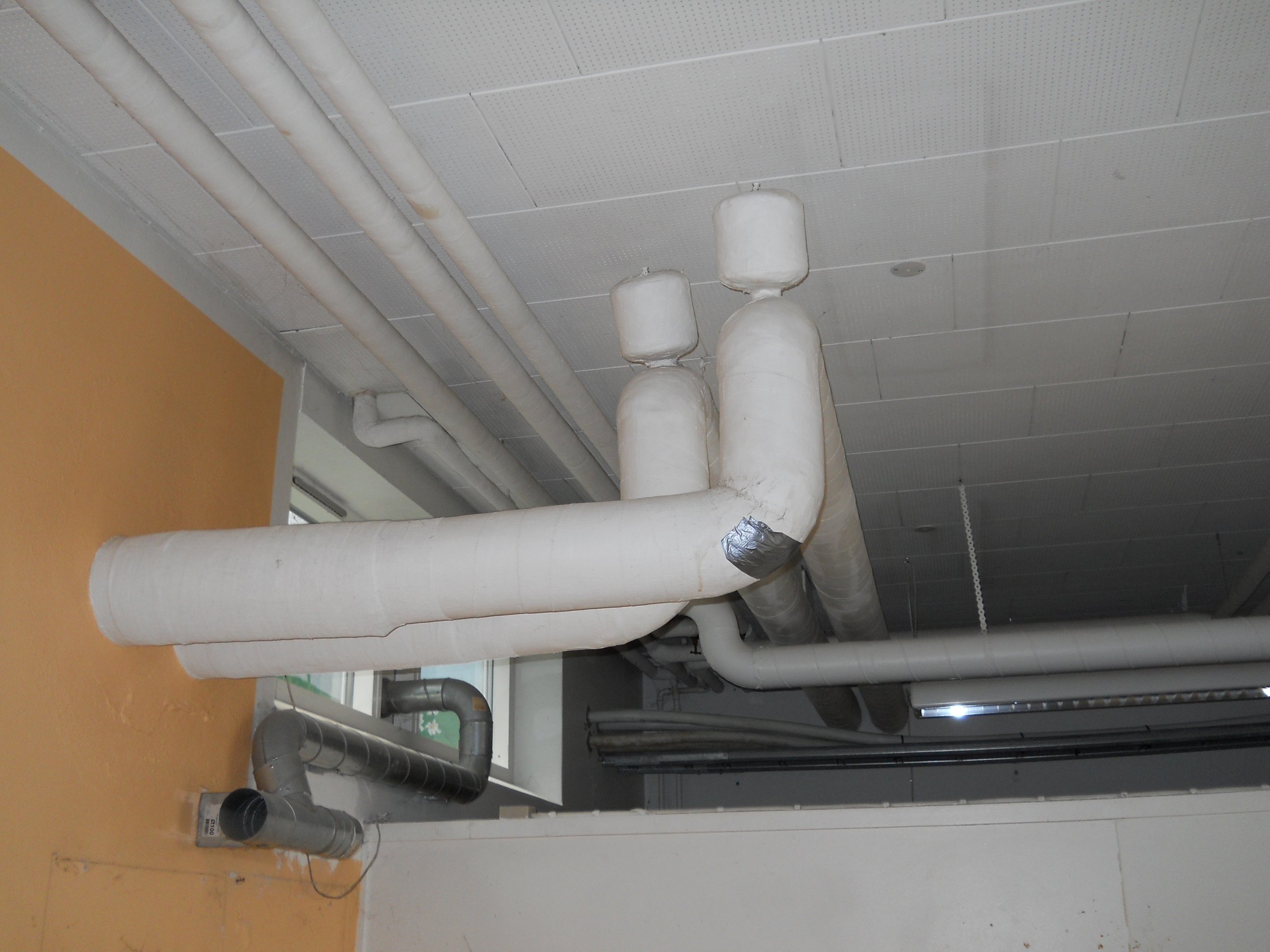
Beyond vermiculite, the attic could contain asbestos-containing loose fill, asbestos paper facings on batts, and asbestos wrap around any pipework or ductwork running through the space.
Asbestos in American consumer and construction products of this kind is prohibited, and work on material in a building is governed by specific rules requiring assessment, wet methods or enclosure and trained personnel. Intact undisturbed material is generally not the hazard; disturbed material is.
The practical consequence is the same as above and worth stating plainly: the single worst thing to do in an unidentified older attic is to start moving things around. Assessment first, and that is not an abundance of caution, it is the actual guidance.
3. Sawdust, shavings and wood chips
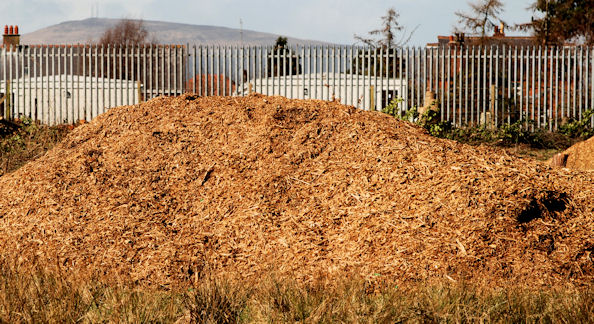
Mill waste was free and it insulates, so sawdust and shavings were poured into attics and wall cavities in enormous quantities, particularly in timber towns and on farms where the material was at hand.
No American contractor could install it and no code would permit it, for the obvious reason: it is loose, dry, finely divided fuel in the space directly above the ceiling and below the roof, with no fire retardant of any kind, and fire spreading through it is unstoppable.
It also settles to a fraction of its installed depth, holds moisture, and makes a home for rodents and insects. Attics in older American houses are still found with it, and it is the one legacy insulation whose removal is usually recommended rather than discouraged.
4. Newspaper and cardboard packed into the joist bays

Where there was no money for anything else, people used what was free: newspaper crumpled into the bays, flattened cardboard laid over the joists, magazines, paper feed sacks. It appears constantly in older American housing stock.
The fire objection is identical to sawdust and the moisture behaviour is worse. Nothing about it is permissible and nothing about it was ever a product; it was improvisation by households with an unheatable top floor and no alternative.
There is a genuine compensation: the newspaper is frequently dated, and contractors opening these cavities find legible papers from the year the work was done. It is the only insulation on this list that doubles as a record.
5. Corn cobs, straw, seaweed and whatever else was local
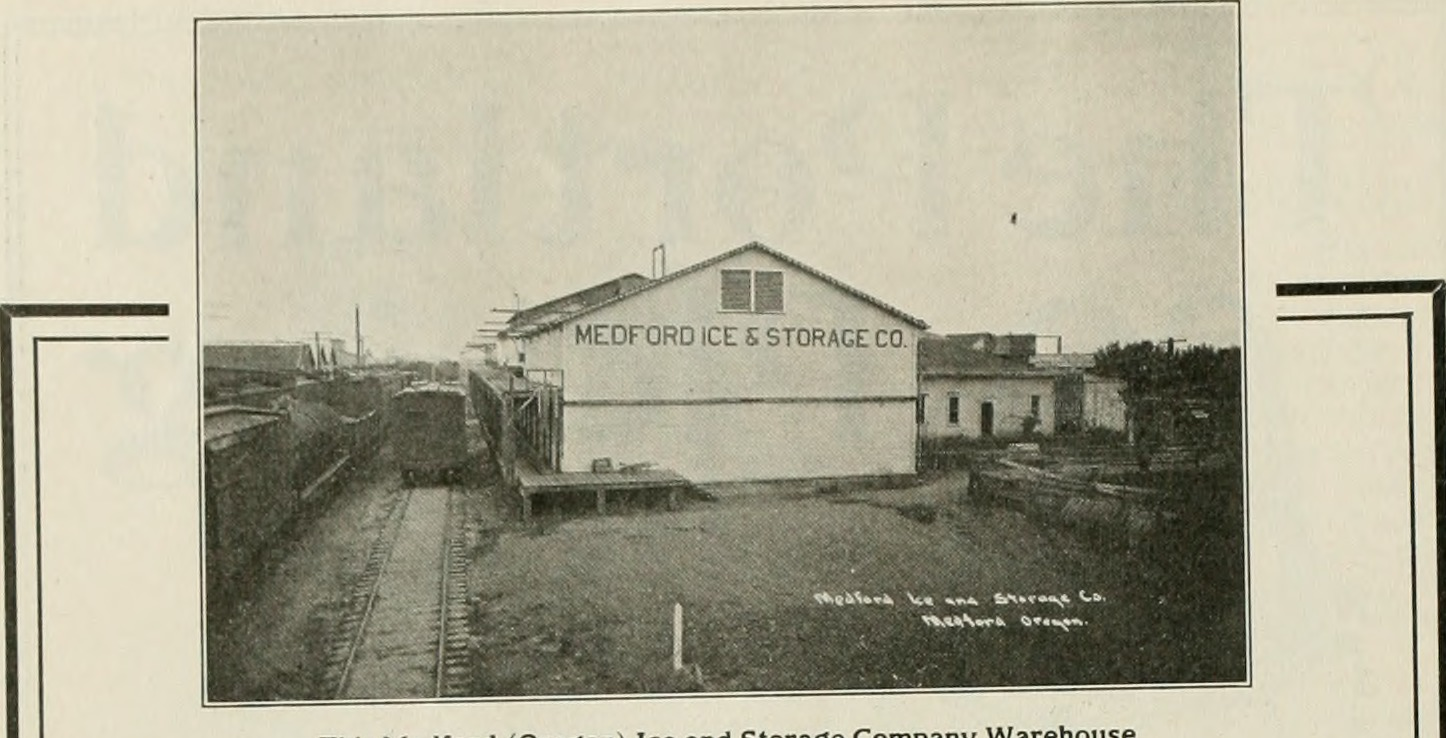
Agricultural and coastal materials were used as insulation across the United States: ground corn cobs, straw, dried seaweed, peat, cotton waste and gin trash. Some were sold commercially as products.
All of it fails on fire, on settling and on moisture and pest performance, and none of it could be installed now. Seaweed is the interesting exception historically, because its salt content gave it some genuine fire and pest resistance, which is why it persisted in coastal New England.
These materials are on the list to make a point about what insulation actually was before the industry existed. It was whatever was cheap, local and dry, and the performance was whatever it happened to be.
6. Cellulose with no fire retardant in it
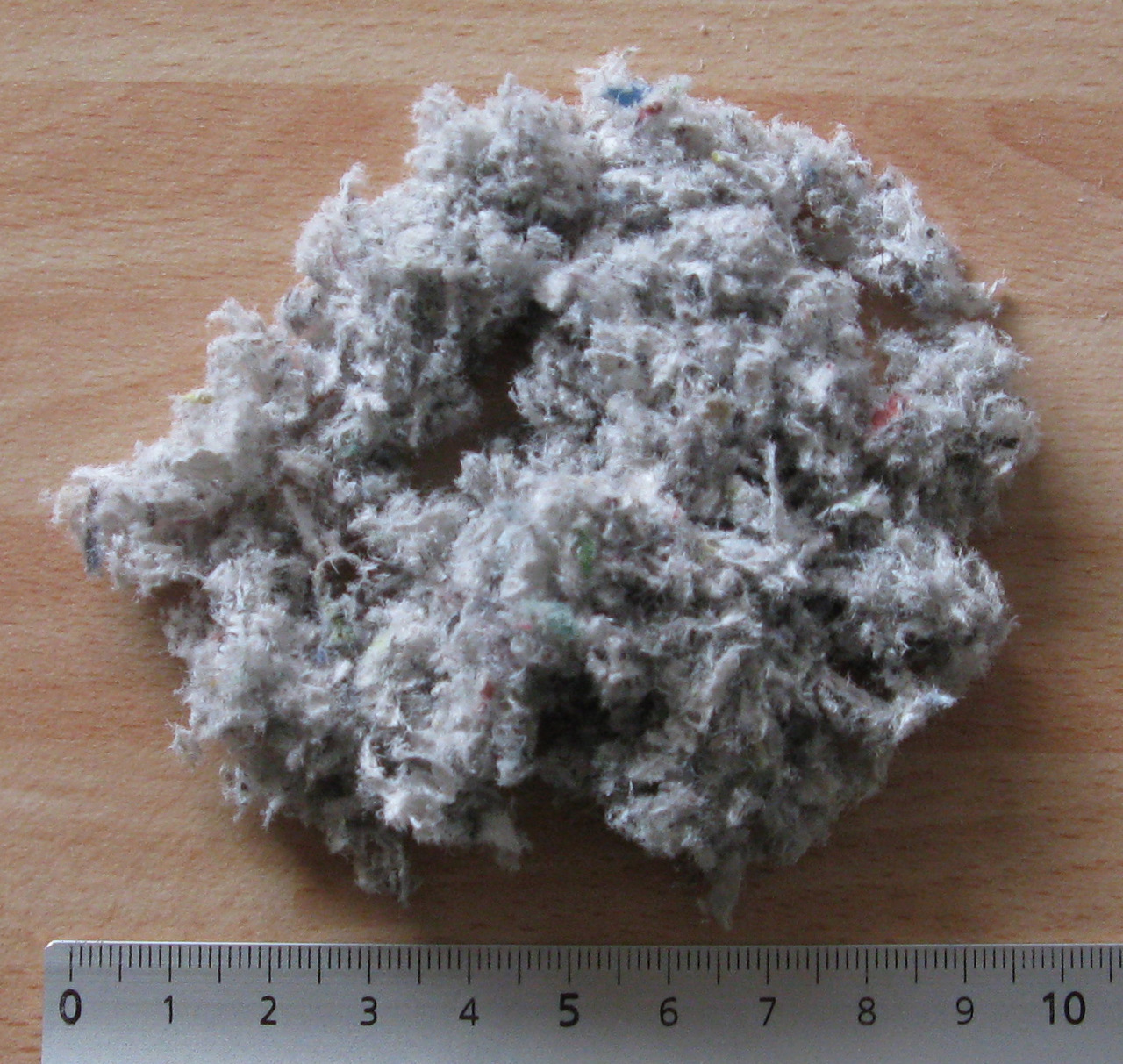
Blown cellulose — shredded recycled paper — is a good modern insulation and one of the most widely used. The early versions were shredded paper and nothing else.
American cellulose insulation is now required to be treated with fire retardants and is tested against flame-spread and smouldering-combustion standards, following a period in the 1970s when untreated and inadequately treated product caused real problems and the industry was brought under a federal product standard.
This is the only material on the list that was fixed rather than abandoned. The product is better than most of what competes with it and the entire difference between the 1960 version and the current one is a chemical treatment and a test.
7. Rock wool and slag wool loose fill
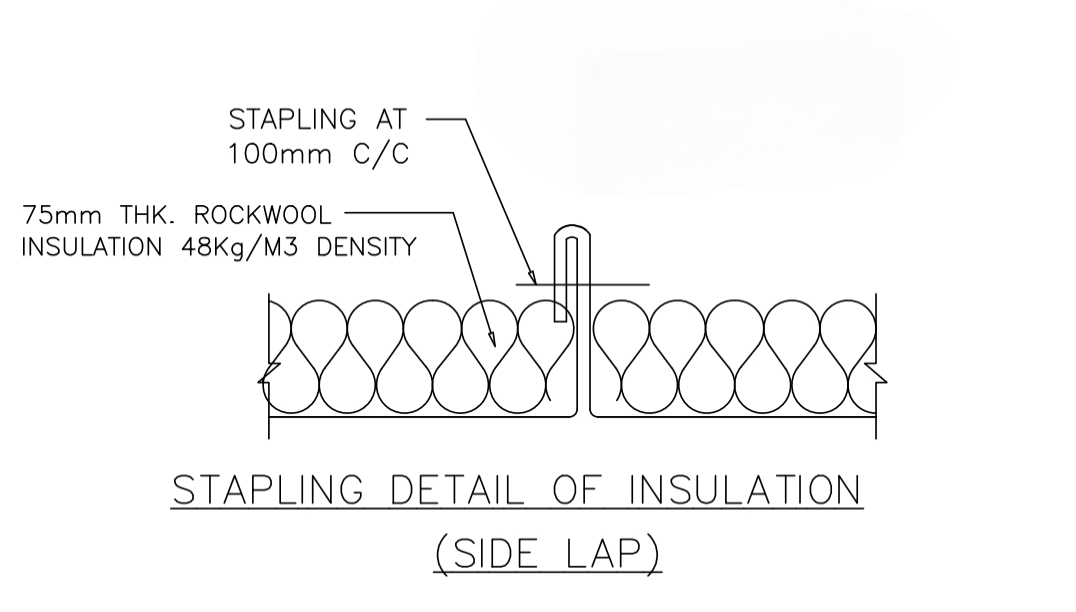
Mineral wool made by spinning molten rock or blast furnace slag was a mainstream American attic insulation, blown or poured in, and it has genuinely good fire performance — it does not burn.
It remains in use and is an excellent product. The historical issues are that some older material contains contaminants depending on the slag source, and that handling it generates a coarse fibrous dust that was worked with bare hands and no respiratory protection.
It is included because it is the material most often mistaken for vermiculite in an attic, which matters enormously. Granular accordion-like flakes are vermiculite and should not be touched; grey or brown fibrous wool is mineral wool and is a different situation entirely.
8. Glass fibre handled with bare hands and no mask
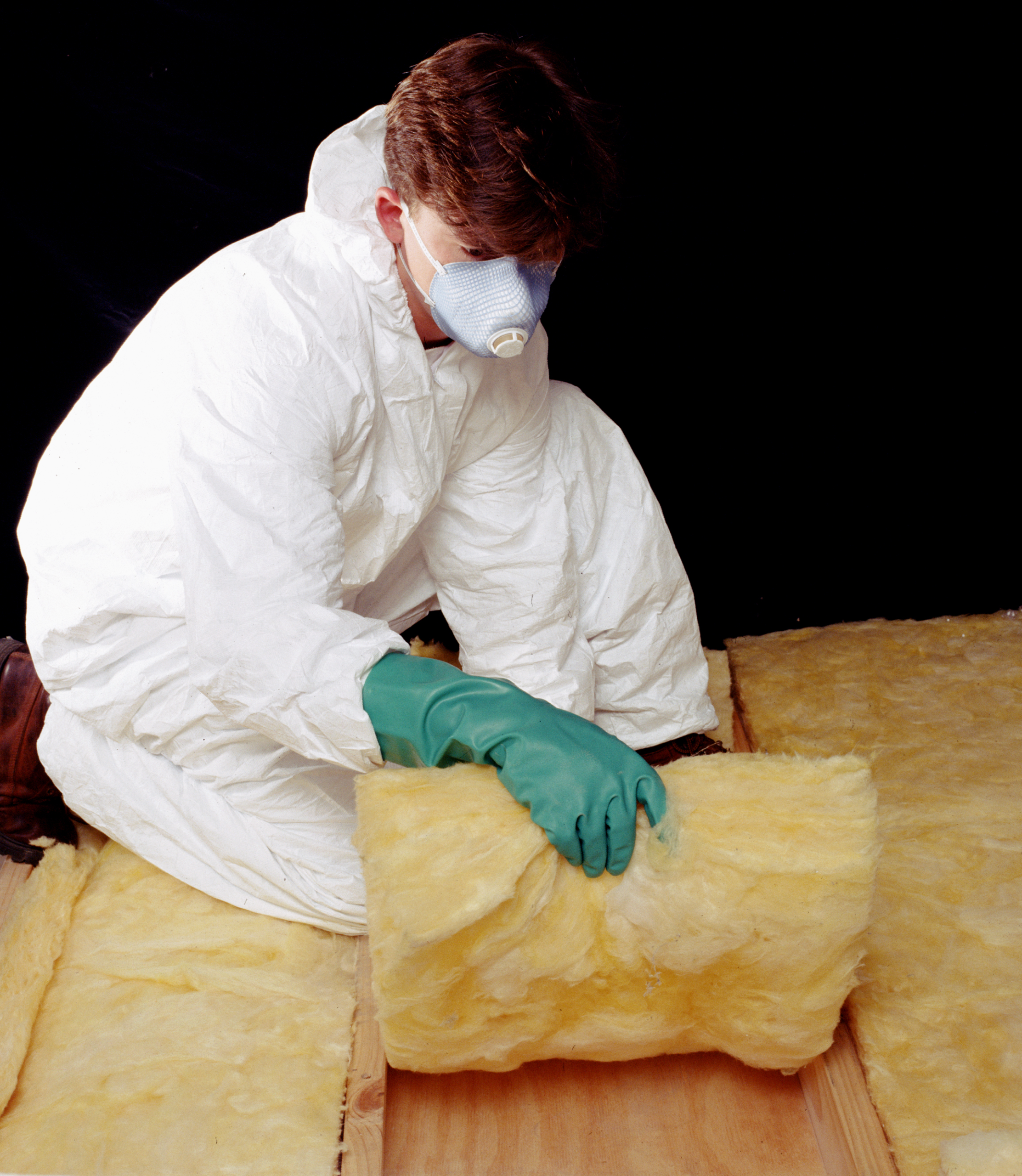
Fibreglass batts and blown fibre became the dominant American insulation and installation was done in short sleeves, bare-handed, with no eye protection and nothing over the face, in a hot attic.
Current practice and manufacturer instructions require gloves, long sleeves, eye protection and respiratory protection, and the material has been reformulated over the decades toward coarser, less respirable fibre with different binders. The older formulations produced finer dust.
Nobody is suggesting a 1960 installer was taking a dramatic risk, and the itching and respiratory irritation that everybody who has handled it remembers is the mechanism being described. The protective equipment costs very little and the reason it was not used is that nothing required it.
9. Urea-formaldehyde foam, which was banned and then unbanned
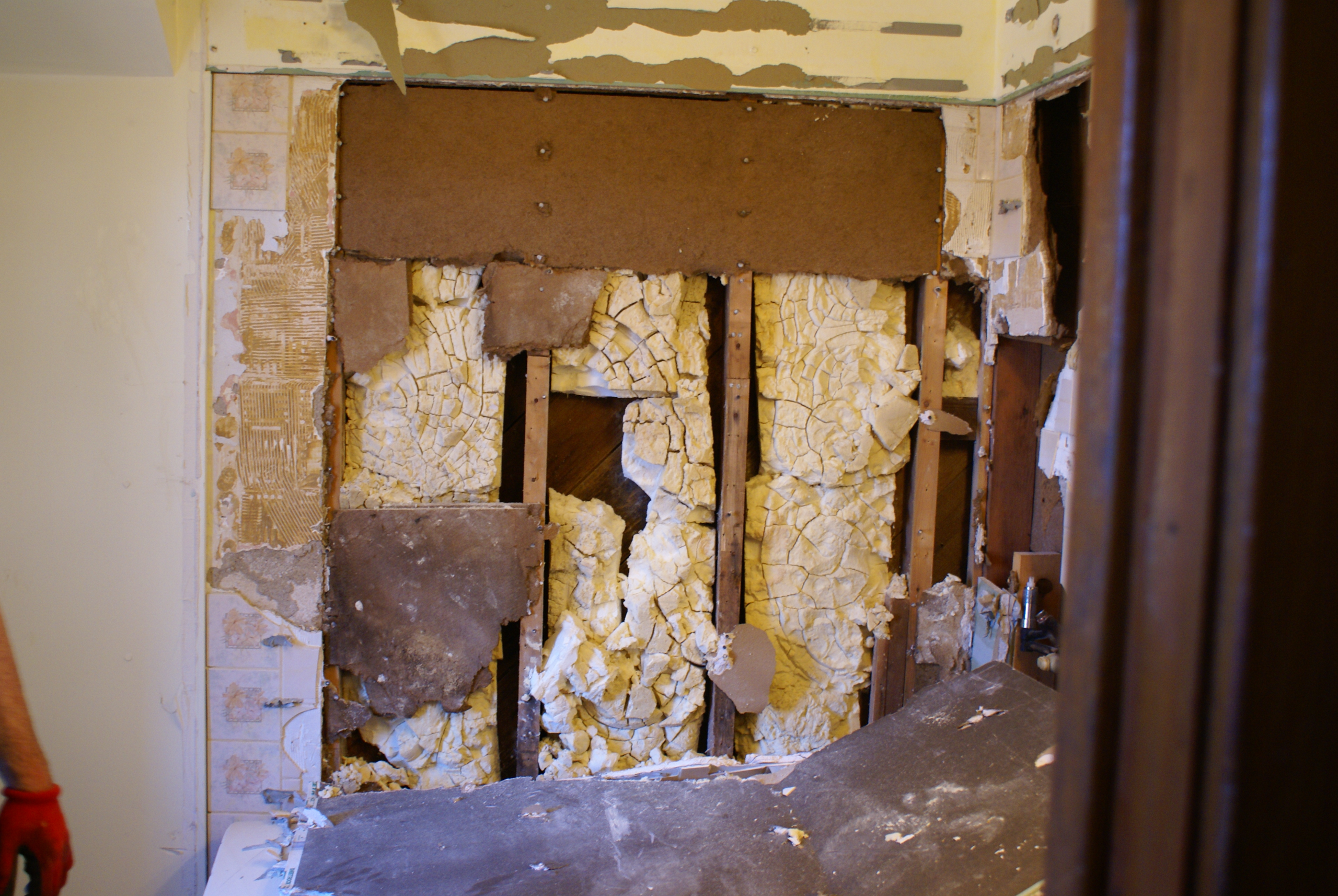
Foam injected into cavities became popular in American homes during the energy retrofits of the 1970s, pumped in as a liquid that expanded and cured in place, which made it attractive for houses with finished walls.
The Consumer Product Safety Commission banned it in 1982 over formaldehyde emissions. The ban was overturned on procedural grounds by a federal appeals court in 1983, which means the product was never actually prohibited in the end — and it disappeared from the American market anyway, because the publicity had destroyed it.
That sequence is the most unusual regulatory story in this series. A product was banned, the ban was struck down, the product remained legal, and it vanished commercially regardless. It is the clearest demonstration that a market can do what a regulator could not.
10. Insulation heaped over the recessed light fixtures
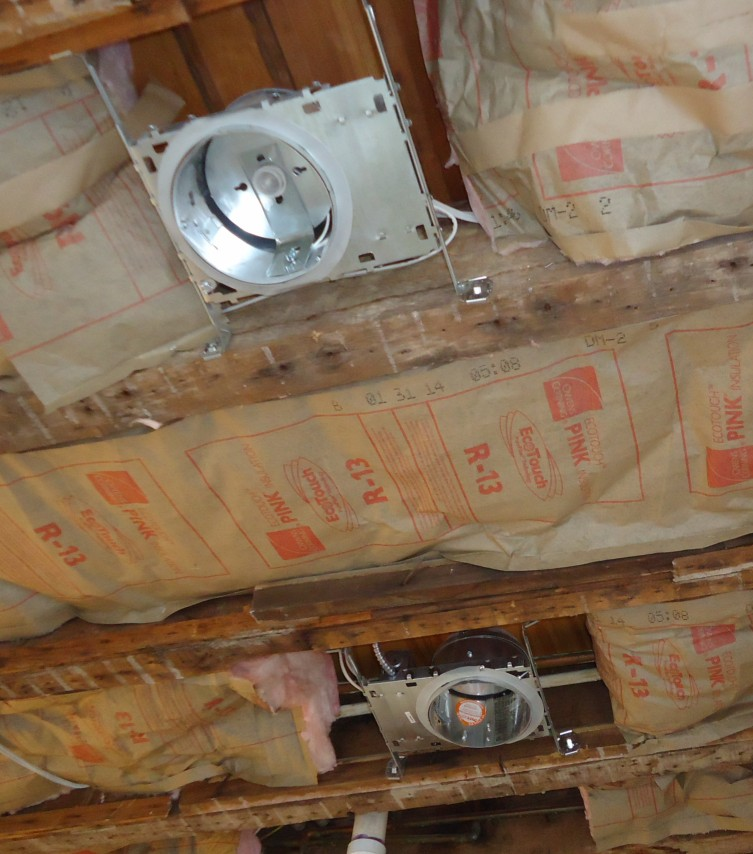
Recessed ceiling lights became popular, and when an attic was insulated the fitter poured or laid the material straight over the top of the housings, because that is where the material went.
A conventional recessed fixture dissipates heat upward into the attic, and burying it traps that heat against a hot lamp. American requirements now distinguish fixtures rated for insulation contact, which are built to be covered, from those that are not and must be kept clear by a specified distance.
This is one of the most common findings in an American attic and one of the most straightforwardly dangerous, because the hazard was created by somebody doing a thoughtful energy improvement. The remedy is cheap: a rated fixture, or a barrier holding the insulation back.
11. Insulation packed around knob-and-tube wiring
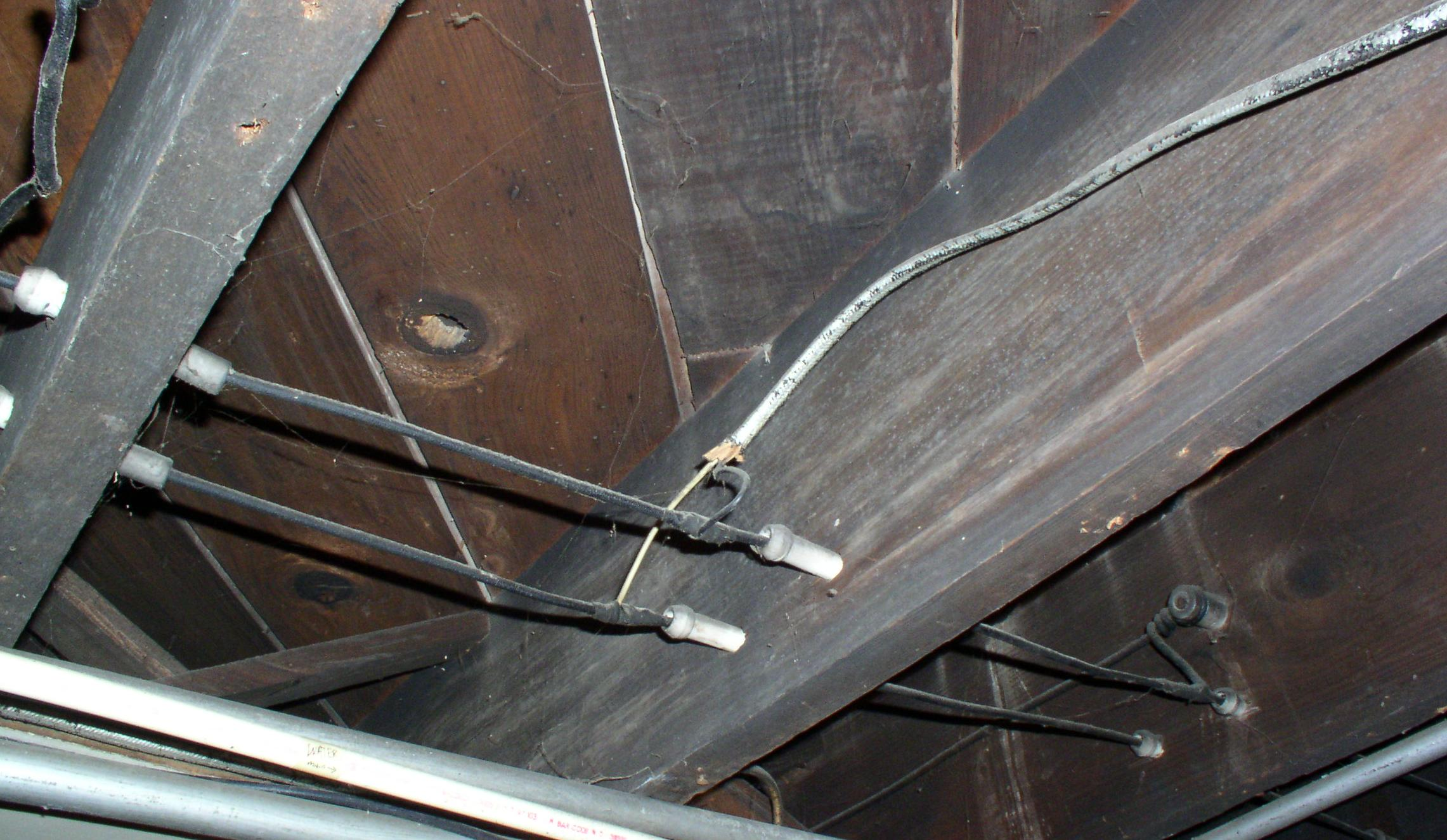
Older American wiring ran as separate conductors on porcelain insulators, spaced apart and relying on open air to carry heat away. Attic insulation was packed straight over and around it during the retrofits.
The design assumption of that wiring is free air circulation, and burying it in insulation removes the cooling the installation depends on. American requirements restrict thermal insulation in contact with such wiring, and the practice is a standard adverse finding in home inspections and in insurance underwriting.
The electrical system of the 1960 house is covered separately in this series. The point specific to the attic is that the single most widely promoted home improvement of the 1970s was routinely performed directly on top of the most heat-sensitive wiring in the building.
12. Insulation packed against the chimney and the flue
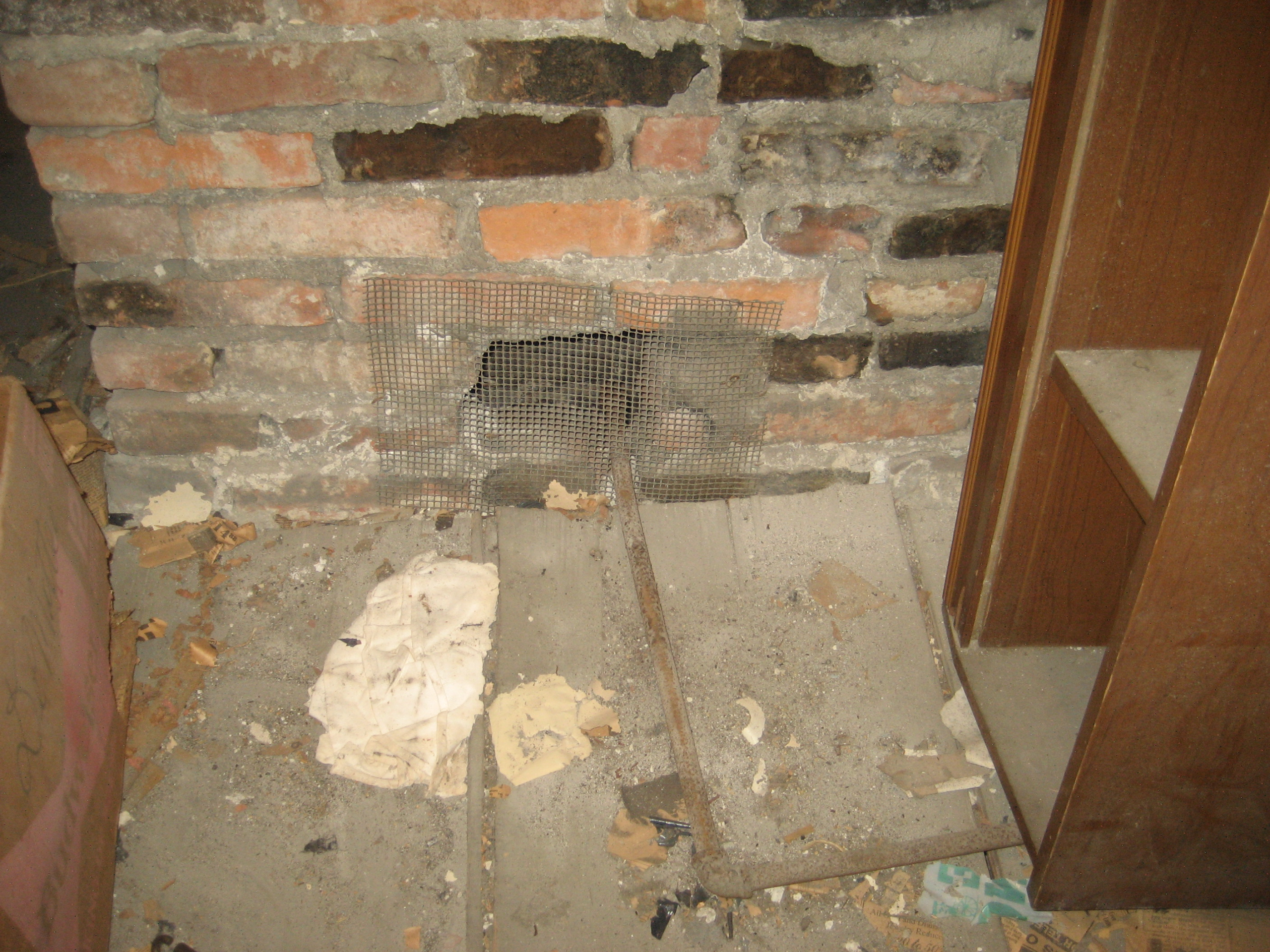
Insulation was taken right up to the masonry chimney and against metal flue pipes passing through the attic, because leaving a gap felt like leaving a hole in the work.
American codes require specified clearances between combustible material and chimneys and flues, maintained with non-combustible blocking, and the clearance exists because a flue surface runs hot and a masonry chimney can develop cracks that let combustion gases through.
The heating plant is covered separately in this series. What belongs here is the interaction: a correctly built flue and a correctly installed insulation job are both fine, and the two performed by different people twenty years apart with nobody looking at the junction is the actual failure.
13. Soffit vents blocked solid
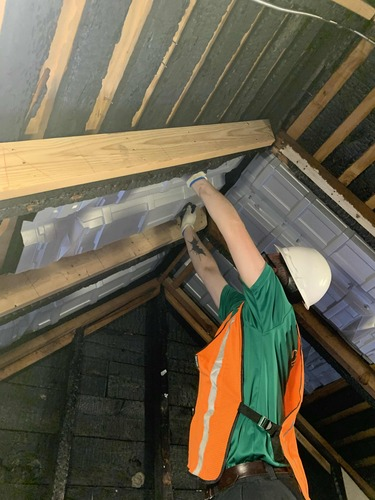
Insulation blown or laid into the eaves filled the space completely, sealing the soffit vents that ventilate the roof. It looked like thoroughness and it was treated as a mark of a good job.
American codes require attic ventilation and require it to be maintained, with baffles at the eaves holding insulation back from the vents so that air can pass from the soffit to the ridge. The baffle is a piece of card or plastic costing almost nothing.
The consequence is not immediate. A roof with no ventilation accumulates moisture in the sheathing, which rots it from the underside over years, and in cold climates it also produces ice damming at the eaves. The bill arrives a decade after the insulation went in.
14. No vapour retarder, or one facing the wrong way
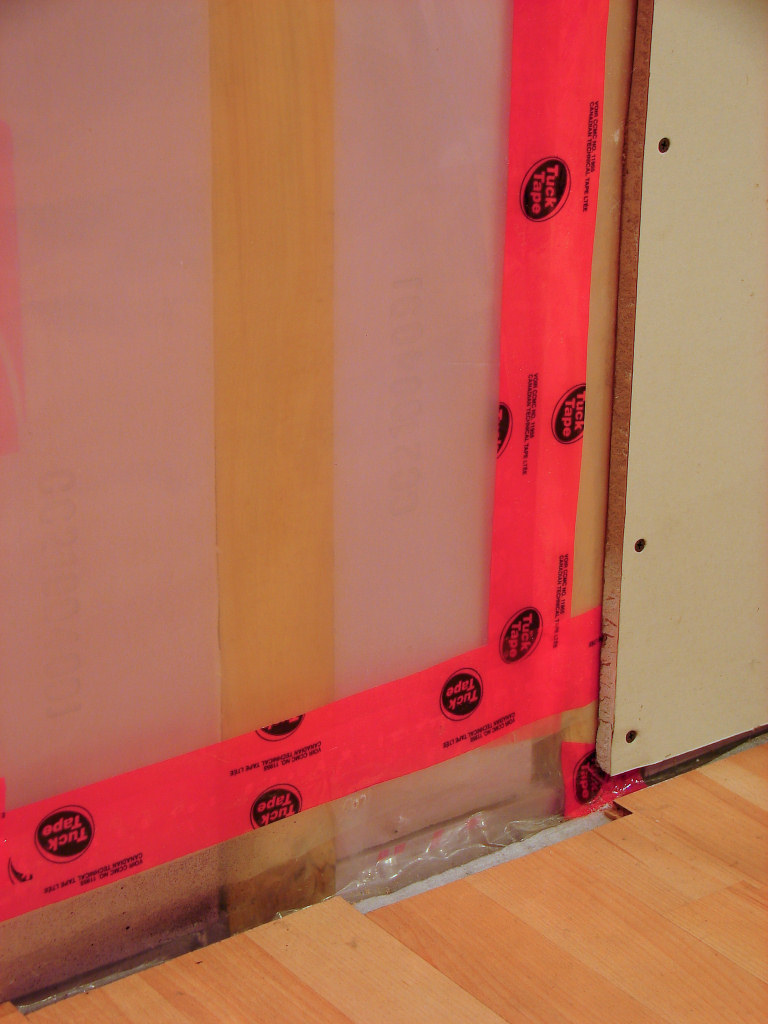
Insulation was installed with the paper or foil facing wherever it happened to land, or with none at all. The idea that the assembly needed to control moisture movement in a particular direction was not widely understood.
American practice specifies vapour retarder placement by climate zone — toward the warm side in heating climates — and the modern understanding of attic and wall assemblies is as much about moisture management as about heat.
A batt installed with the facing on the cold side traps moisture inside the assembly, which is worse than no retarder at all. It is the single most common technical error in older American insulation work and it is invisible until something is opened up.
15. A bathroom fan ducted straight into the attic
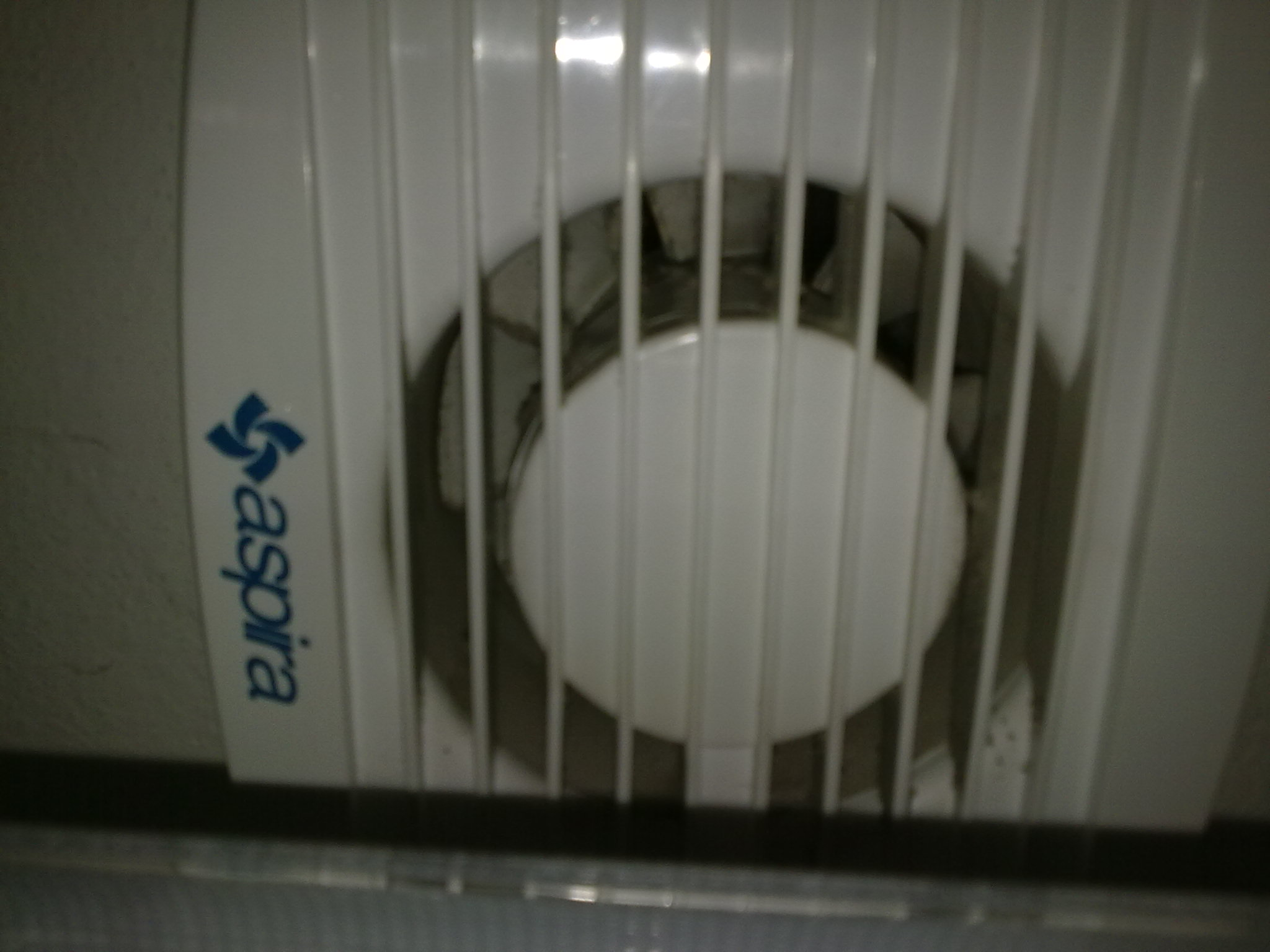
Extract fans were fitted and the duct was taken up through the ceiling and left to discharge into the attic space, because that got the moisture out of the bathroom and nobody was looking any further.
American codes require such ducts to terminate outside the building, through the roof or a wall, with a damper. Discharging humid air into a cold ventilated attic deposits it on the underside of the sheathing as condensation or frost.
This is the most frequent single cause of attic moisture damage in American houses and it is created by a fan that works perfectly. The fan does its job, the duct does half of it, and the water goes into the roof structure instead of outside.
16. Nothing stopping fire from getting up there
Fire-blocking — sealing the tops of stud cavities and the openings around pipes, ducts and chases where they pass through the top plate — was inconsistent or absent in older American construction, and the retrofit insulation went in over the top of the gaps.
American codes require fire-blocking at specified locations, including the top of concealed wall cavities and penetrations between floors and into attics, using approved materials. The purpose is to stop a fire in a wall from running directly into the roof space.
It is the least visible item on this list and the one with the largest consequence. An unblocked stud cavity is a chimney, and the insulation above it does nothing at all to stop what comes up it.
Read the first two items before you go up there
If this list has one practical message it is about sequence. The great majority of damage done by legacy attic insulation happens at the moment somebody decides to improve, inspect, store or rewire, because that is when undisturbed material gets disturbed.
The specific case is vermiculite. Granular, light, accordion-shaped flakes, poured level between the joists: federal guidance is to assume it contains asbestos, leave it alone, keep out of the attic, and use a trained contractor if work cannot be avoided. It is entirely stable until handled. The commonest way American households have encountered the problem is by climbing up to run a cable, and the second commonest is by deciding to add a layer of modern insulation on top of whatever is already there.
The seven installation items are worth as much attention as the materials, because they are the ones still being got wrong. The baffle at the eaves, the clearance around the light fitting and the flue, the fan duct that actually goes outside, the retarder on the warm side, the blocking at the top plate. None of them costs anything and all of them are invisible once the insulation is in.
That is the attic’s particular problem. It is the one part of a house where the work is covered up by the work, and nobody looks again for thirty years.
Like our content? Follow us for more.