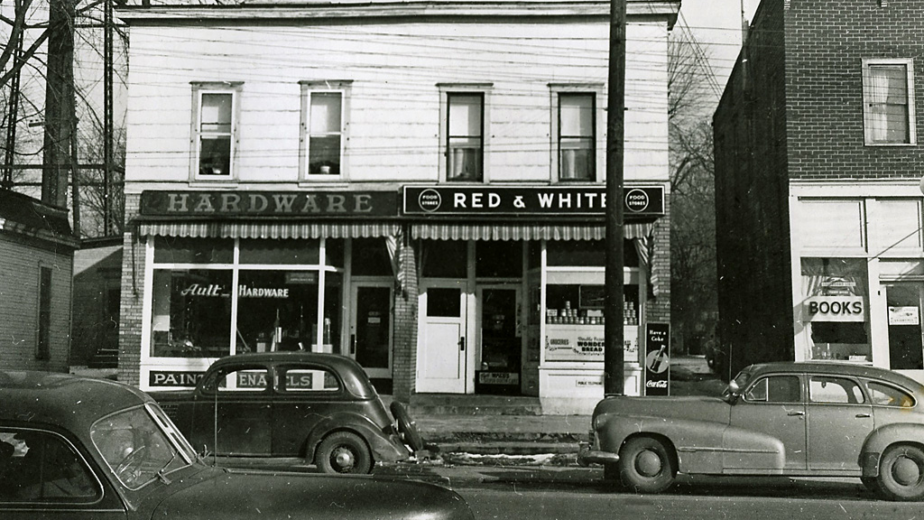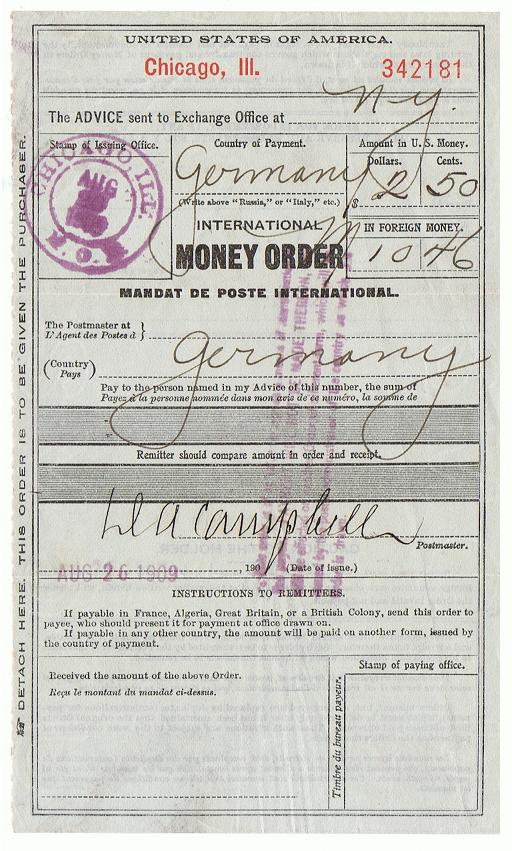
In 1974 sending money somewhere meant converting it into a physical object first. You queued at a post office, handed over cash, paid a fee, and received a printed money order you then filled in by hand.
You kept the stub, which was the only proof it existed. Then you put it in the mail and waited days with no way to know whether it had arrived. Urgent money went by wire and cost accordingly. And a great many people simply folded currency into an envelope and hoped.
Here are twelve things every household did to send money in 1974, and what happened to each of them.
1. You Went to a Post Office and Bought Money With Money
Sending a payment meant queueing at a post office window, handing over cash, and receiving a printed money order for that amount plus a fee – a piece of paper that functioned as guaranteed funds.
An instant transfer from a phone, usually free, arriving in seconds. The money order required a journey, an opening hour and a queue before anything could be sent at all.
The post office was chosen because it was everywhere and open to anybody. No account was required, no credit check, no identification in many cases – which made it the payment instrument of choice for every household that did not have a bank, and there were a great many of those.
Like our content? Follow us for more.
2. You Filled In Who It Was For, by Hand, at the Counter
The money order came blank in the payee line, and you wrote the recipient’s name on it in ink, along with your own name and address and sometimes what it was for.
Payee details entered in an application against a verified account, with the recipient confirmed before anything moves.
The blank line was both the convenience and the risk. An unfilled money order is close to cash – anybody holding it can write their own name in – so the standard advice was to complete it immediately, and the standard mistake was to buy one in advance and leave it blank in a drawer.
3. You Kept the Stub, and the Stub Was Everything
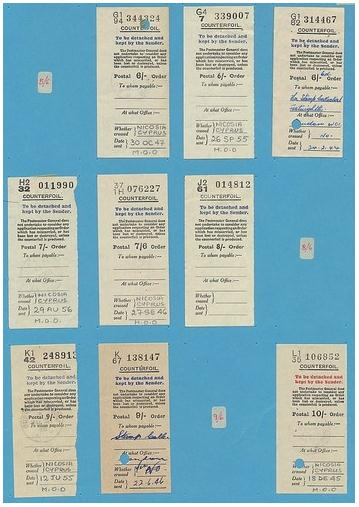
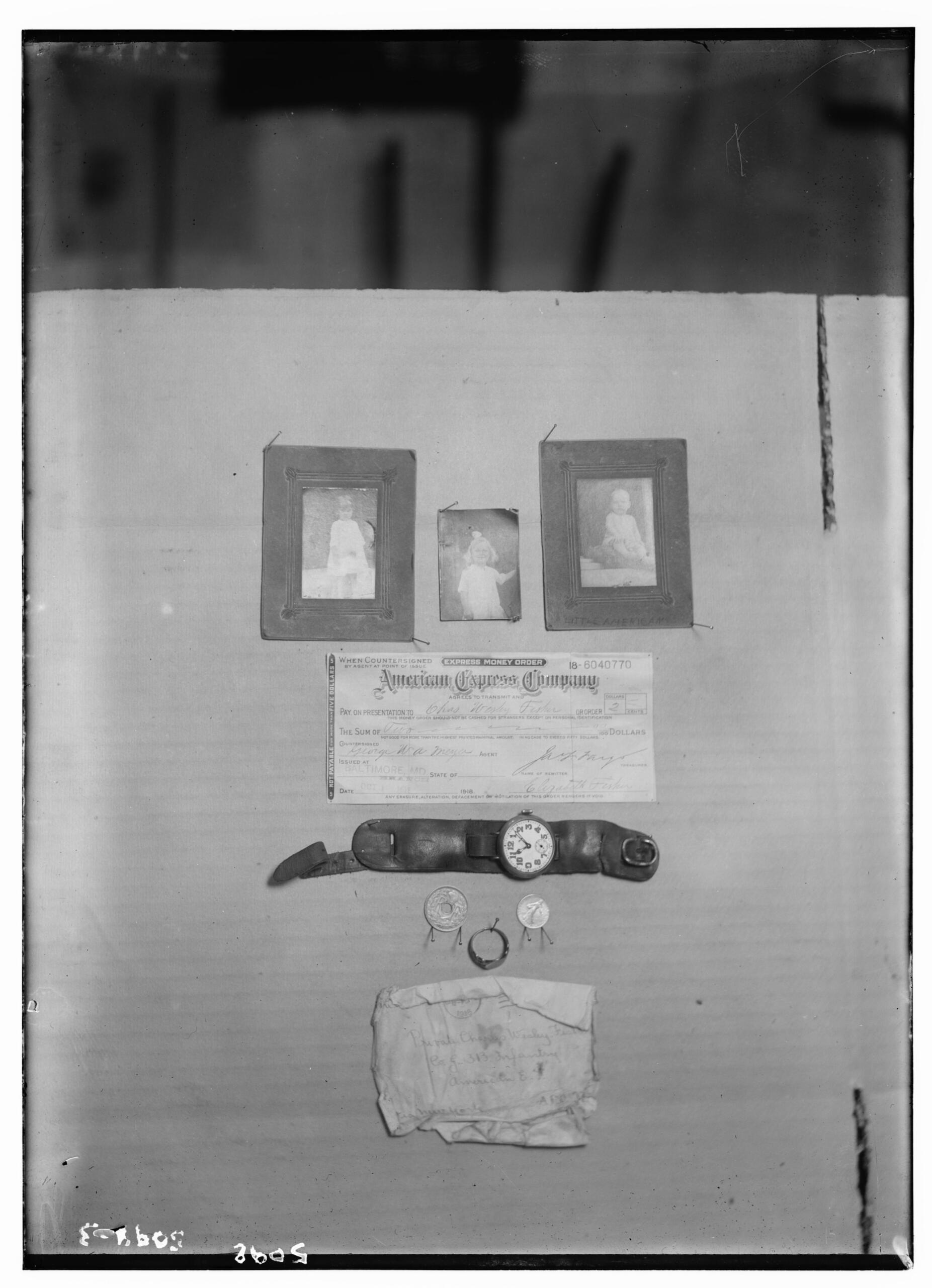
The counter tore off a receipt – a carbon or printed stub carrying the serial number, the amount and the date – and that stub was the only proof the money order existed.
Transaction records held permanently in an account, retrievable at any time from anywhere by either party.
Households kept these in a specific place for years, with elastic bands around them, because a stub was the only means of tracing a payment, proving a bill had been paid or claiming a replacement for one that never arrived – and losing it meant losing all three capabilities at once.
4. Then You Put It in the Mail and Waited
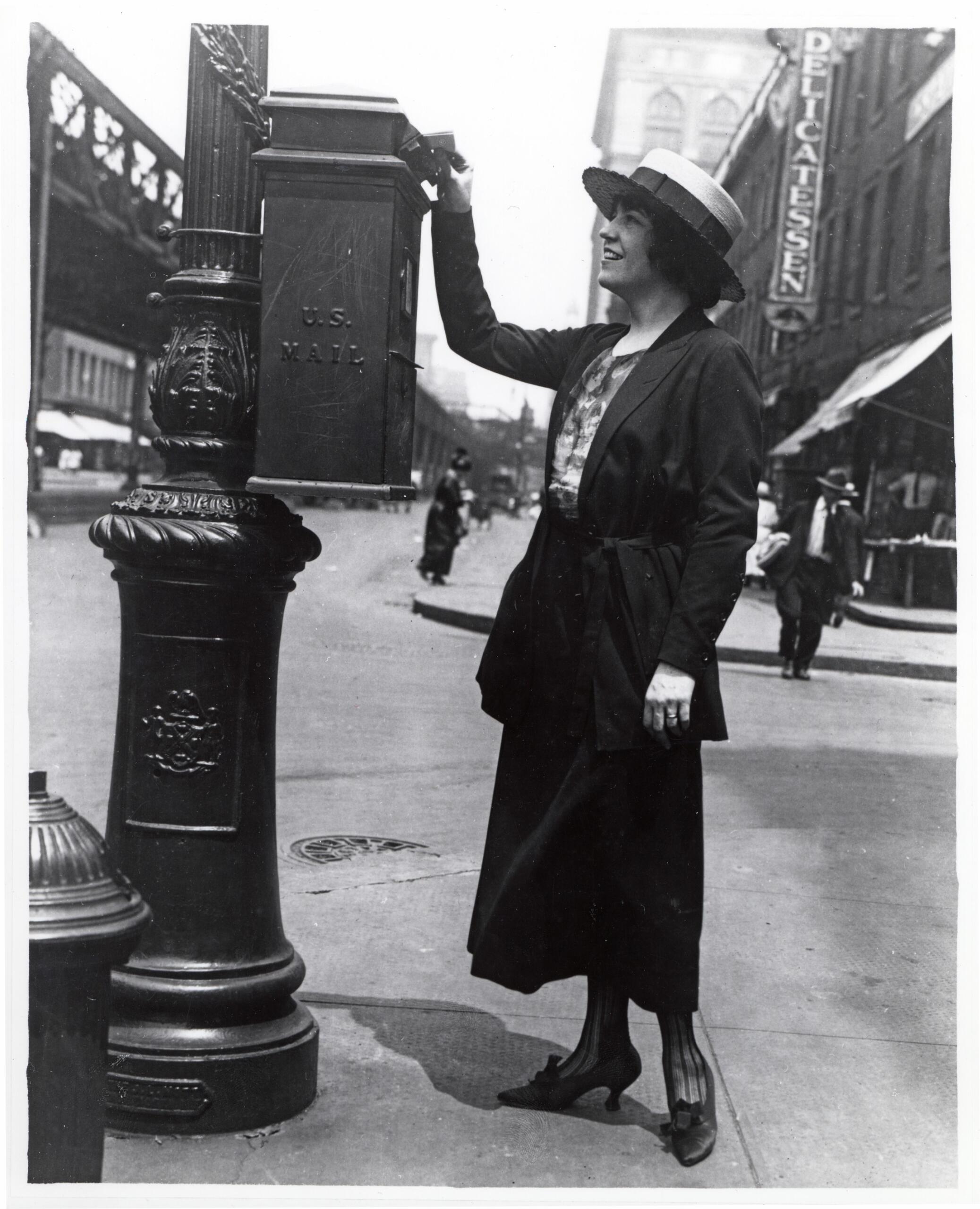
The money order went into an envelope and into a postbox, and arrival depended entirely on the post – typically some days, longer across the country, and occasionally not at all.
Transfers that settle in seconds with a confirmation to both parties, which removed the entire category of not knowing whether a payment had arrived.
The waiting shaped how bills were handled. A payment due on the first had to be sent well before it, nobody could confirm receipt without writing or telephoning to ask, and a household budgeting tightly had money in transit – neither in their hands nor in the recipient’s – for a week at a time.
5. A Lot of People Simply Mailed Cash and Hoped

Despite every warning, currency was routinely folded into letters – rent, gifts, debts between relatives, payments to mail-order companies – because it required no fee, no queue and no form.
Instant transfer at no cost, which removed the incentive completely. Cash in the mail was understood to be risky and was done anyway, in volume, for decades.
The practice persisted because the alternative had friction and the risk was abstract until it happened to you. Everybody knew somebody whose envelope had not arrived, nobody could prove what had been in it, and a birthday card with a folded five-dollar bill in it was a standard American transaction.
6. Urgent Money Went by Wire and It Was Expensive
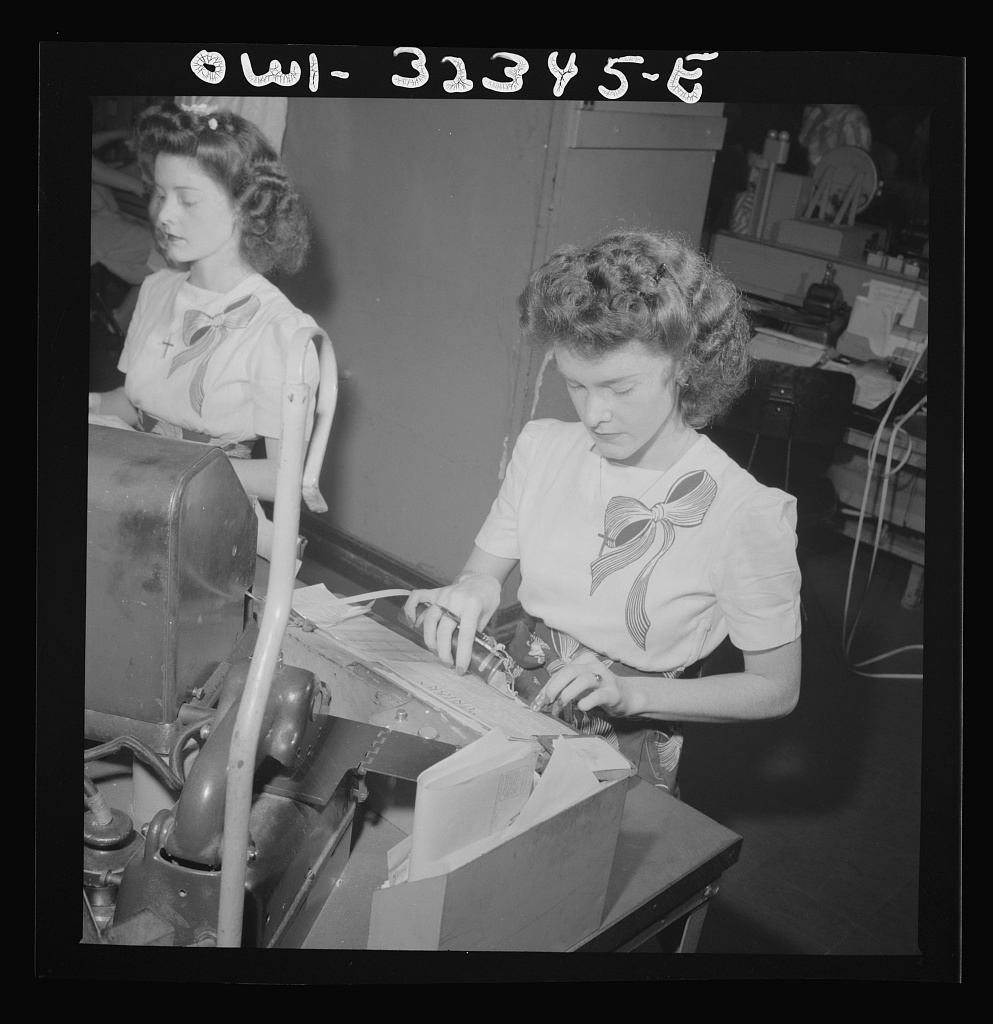
Money needed immediately was sent by telegraphic transfer – paid in at a telegraph office or an agent, transmitted as a message, and paid out in cash at the other end within hours.
Instant transfer as the default for everything, with the same companies still operating wire services, particularly across borders, at considerably higher cost than a domestic application transfer.
The wire was for emergencies and was priced accordingly, which gave it a specific emotional weight. Receiving a wire meant something had gone wrong – a stranded traveller, a hospital, a funeral, a child who needed to get home – and the cost was accepted because the alternative was days.
7. Banks Issued Certified Cheques for Anything Important
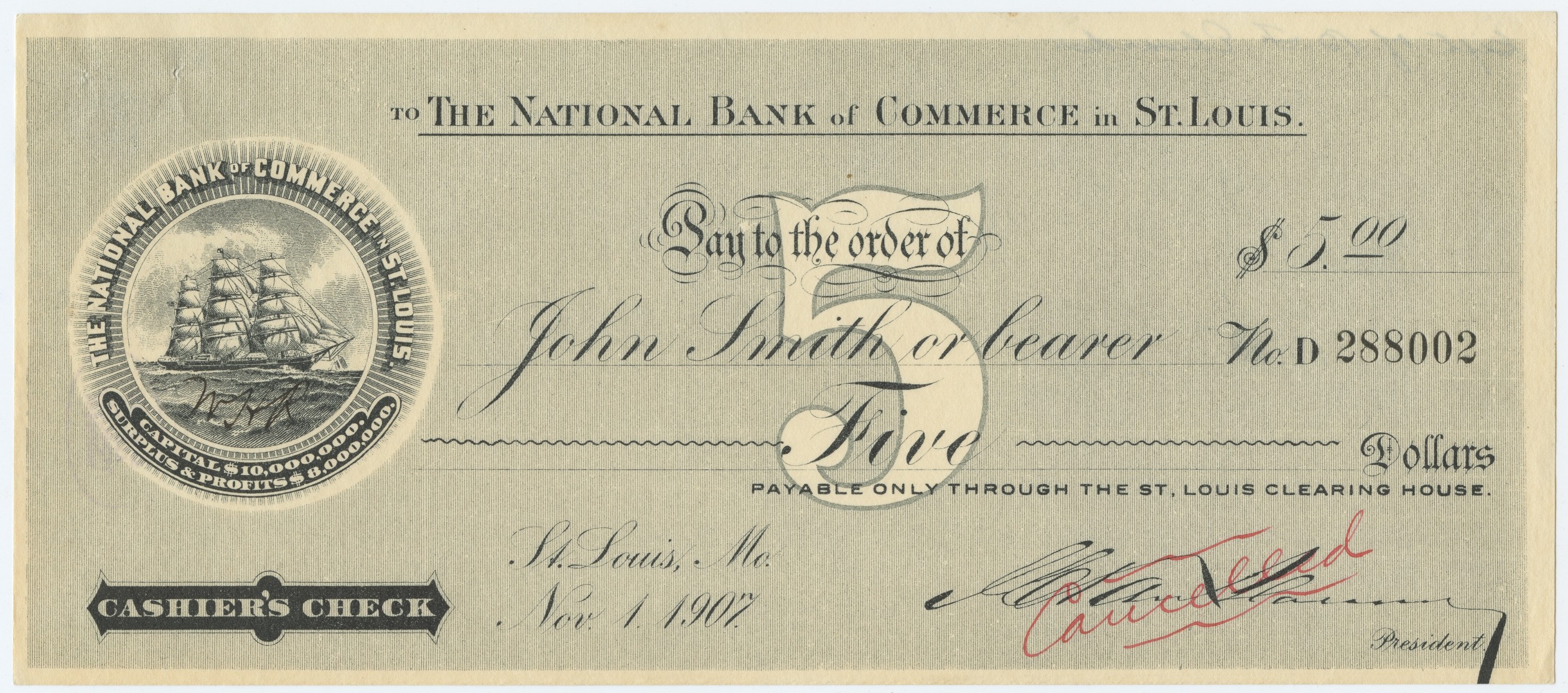
A large or non-negotiable payment – a deposit on a house, a car, a court matter – required a cashier’s cheque or a certified cheque, obtained in person at a branch, drawn on the bank itself rather than on your account.
Wire transfers and verified electronic payments for large sums, with cashier’s cheques still used in property and vehicle transactions where a guaranteed instrument is wanted.
The point was the guarantee rather than the convenience. A personal cheque can be refused for insufficient funds days after it is accepted, and a bank-drawn instrument cannot – which is why these survive in exactly the transactions where the recipient hands over something irreversible.
8. Households With No Bank Account Ran Everything on Money Orders

A large number of American households had no bank account at all, and for them the money order was not an occasional errand – it was the mechanism for the rent, the electricity, the telephone and every instalment payment, every month.
The same situation for a substantial number of households, using the same instruments plus prepaid cards and cheque-cashing services, at fees that remain a meaningful proportion of what is being sent.
And this is the item that matters most, because it is not historical. A household paying four bills a month by money order pays four fees a month to move its own money, every month, indefinitely – which is a cost borne entirely by people with the least capacity to absorb it, and it has not gone away.
9. Rent Was Frequently Carried to a Person in Cash
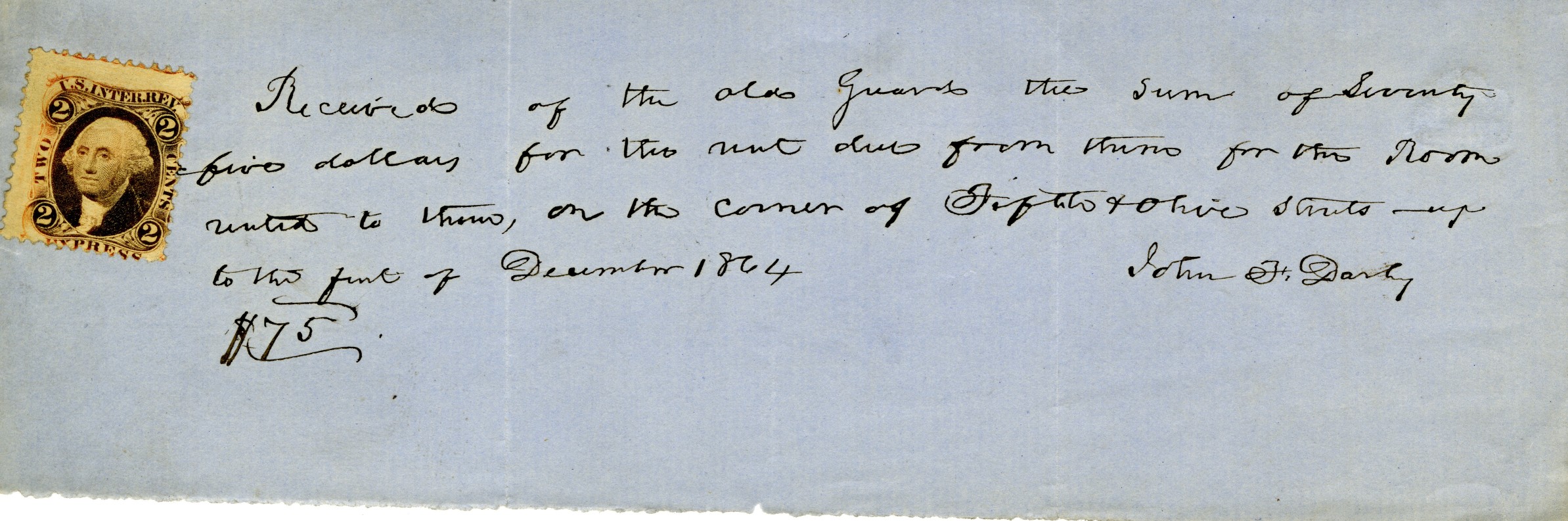
A great many tenants paid rent by taking currency to a landlord, an agent or an office in person, on a day, and receiving a handwritten receipt from a carbon book.
Electronic payment to a landlord or a management portal, with an automatic record on both sides and no journey.
The handwritten receipt was the tenant’s entire legal protection and everybody understood that. A carbon receipt from a numbered book, signed, was the only evidence that rent had been paid – and a tenant who lost a receipt or dealt with a landlord who did not issue them had no position at all in a dispute.
10. Tracing a Lost Payment Took Weeks and a Form
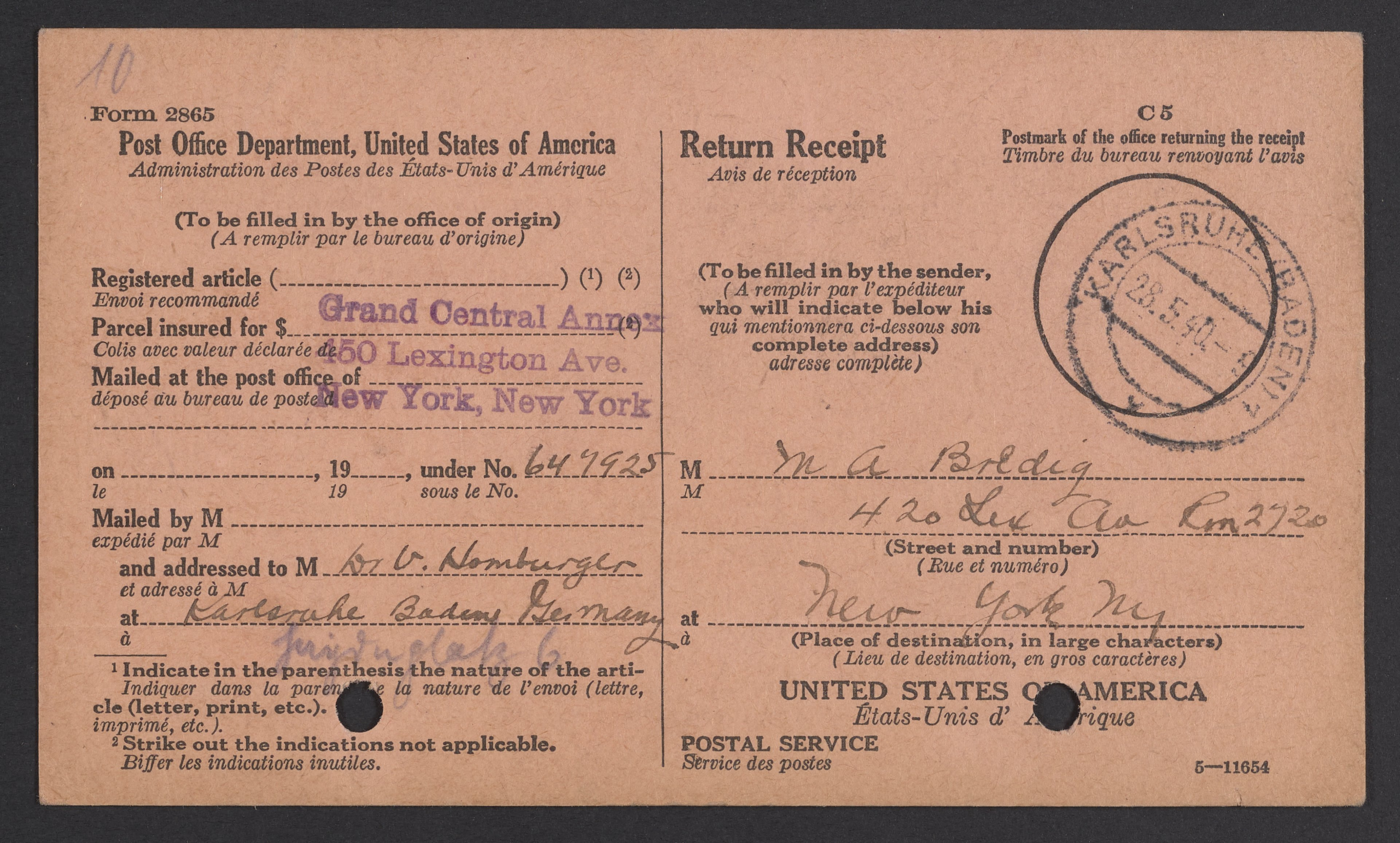
A money order that did not arrive was investigated by submitting an application with the stub, after which the issuer checked whether it had been cashed and by whom – a process measured in weeks.
Immediate visibility of whether a transfer has arrived and automatic reversal procedures, so the question of where money has gone is answerable in seconds.
The delay compounded the original problem. A household whose rent money order had gone missing still owed the rent, could not prove it had been sent until the trace concluded, and had to find the amount again in the meantime – which is the kind of cascade that turns an administrative error into an eviction notice.
11. Sending Money Abroad Was a Separate and Much Worse Problem
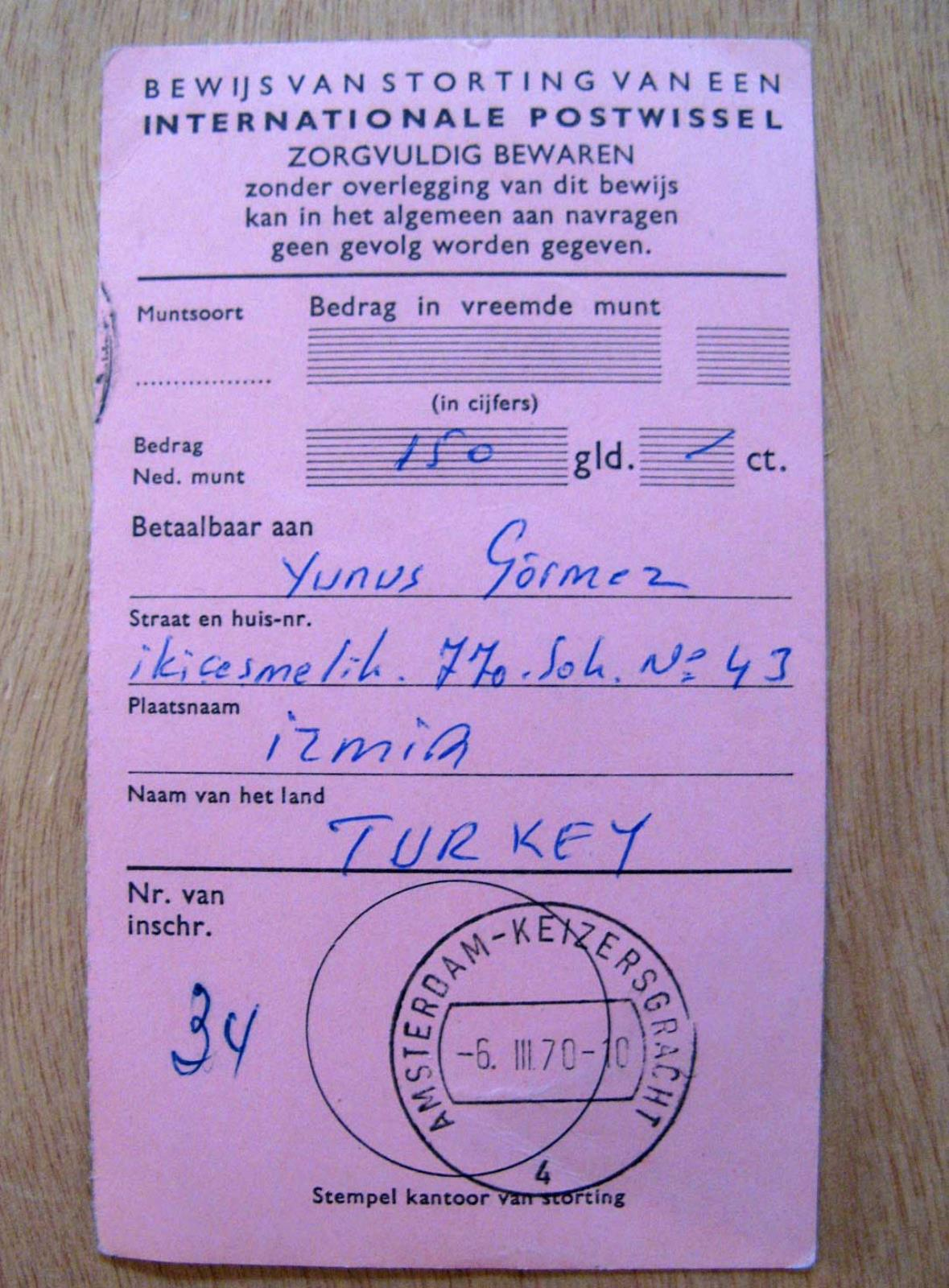
International payments involved international money orders, bank drafts or wire transfers, with multi-day delays, exchange rates set unfavourably, fees at both ends and frequently a recipient who had to travel to collect.
Application-based remittance at a fraction of the former cost, with rates disclosed up front – a change that has materially increased how much money actually reaches families abroad.
This is the clearest unambiguous improvement on the whole list, and it matters at a scale that dwarfs everything else here. Remittances to families overseas are a very large flow of money, the old system took a substantial bite out of every transfer in fees and spread, and reducing that cost put real money into the hands of the people it had been sent to.
12. Then the Tap Arrived, and It Did Not Arrive for Everybody
The whole arrangement rested on money being a physical object that had to be converted into a guaranteed instrument, carried, mailed, waited for and traced – with a fee at every step and a paper stub as the only record.
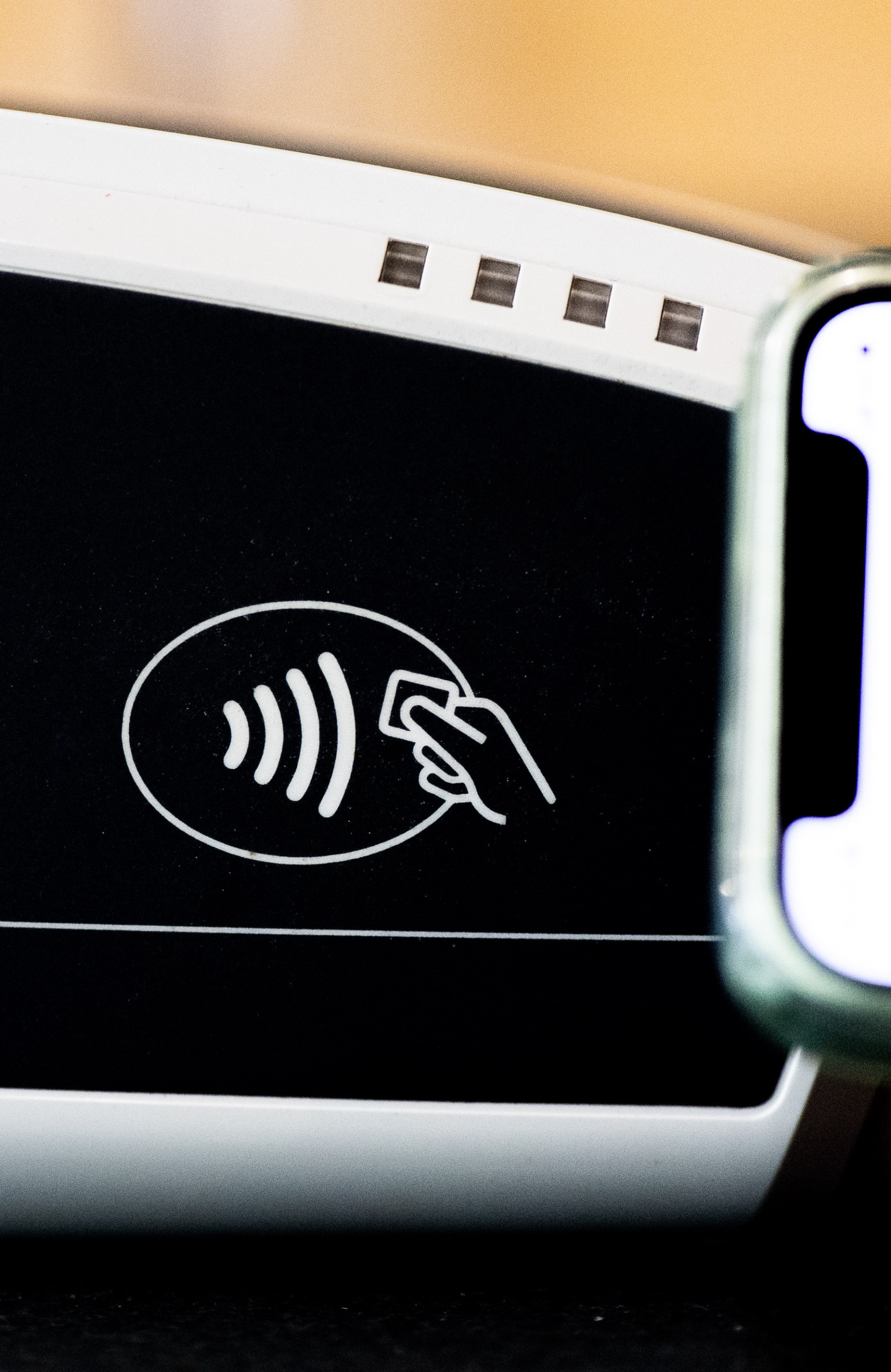
Instant free transfers between accounts, which have made all of this invisible to anybody with a bank account, a smartphone and a stable address.
Which is the honest place to end, because money orders have not disappeared and the companies issuing them are not nostalgia businesses. They are sold in volume, today, to households without bank accounts, without smartphones, without credit, or without the address and documentation an account requires – and they cost more in fees than they did, in a world where the alternative is free. The convenience revolution happened for the people who were already the easiest to serve. For everybody else, the post office queue is still the queue, and the fee is now the price of not having the thing that made it unnecessary.
The Revolution Arrived for the People Who Needed It Least

Moving money is now close to free, close to instant, and requires nothing but a phone. Set against a post office queue, a handwritten payee line, a paper stub and five days of not knowing, that is one of the largest practical improvements in ordinary life of the last fifty years.
And it is worth naming the single biggest beneficiary, because it is not anybody in an American suburb. International remittances – money sent home to families abroad – used to lose a substantial fraction of every transfer to fees and to an unfavourable exchange rate, applied to one of the largest and most consequential money flows in the world. Application-based transfer cut that cost sharply, and the difference is real money arriving in the hands of people it was always meant for. Nothing else on this list is close in scale.
But the honest version of this story has a second half, and it is the reason money order volumes are not a historical curiosity.
They are still sold, in quantity, today.
The households buying them are the ones without a bank account, or without the documentation, address, credit history or minimum balance an account requires, or without a smartphone, or without reliable internet. For those households almost nothing on this list has changed. The rent is still converted into a paper instrument at a counter. The electricity, the telephone and the instalment payment are still four separate fees every month, paid to move their own money, indefinitely.
Which means the fee structure has inverted in a specific and uncomfortable way.
In 1974, everybody paid something to send money. A fee at a post office window was the ordinary cost of a transaction and it fell on more or less everyone.
Now it does not. Moving money costs nothing if you have an account, a device and a fixed address – and it costs a few dollars a time, forever, if you do not. The same instrument, at a similar price, in a world where the alternative is free, is a considerably worse deal than it was when it was simply how things were done.
So the convenience revolution was real and it was not universal. It arrived first and most completely for the people who were already the cheapest and easiest to serve, and the queue at the post office window is still there, shorter, with a different set of people in it.
The money order is not a relic. It is what is left when the better option has eligibility requirements.
If your household did this, somebody kept the stubs in an elastic band in a drawer, for years.
And somebody you knew mailed cash in a birthday card, every year, and it always arrived until the year it did not.
Like our content? Follow us for more.